BLOG OF RSI CONCEPTS

world map

How Custom Software can Help Digital Transformation in Educational Sector

How Custom Software can Help Digital Transformation in Educational Sector

The Emirate of Dubai and in fact the entire UAE as a country is among the pioneers of the digital transformation in the region. It is the fore-sighting of the UAE Government who enabled the entire country to embrace digital transformation and technology. Thanks to the vision of the great leaders of the nation, the country has completely transformed in past decade. With innovation and customer satisfaction at forefront, the Government is not only adopting technology to itself, but also made excellent policies which enables the private sector too to easily adopt technology and digitalization.

The education sector is no exception. In fact the UAE government is investing huge in education sector as they know the key to success is education for the next generations. The education ministries all around the country are also helping education sector to transform and improve their outcome by leveraging technology and digital solutions. On top of that the government is also making very flexible and supportive policies to support service sector, manufacturing, financial and educational sector to be able to adopt modern technologies and practices. Which is supporting transformation across a multitude of business sectors in the country.

See Also: Custom Software Development vs. Off-the-Shelf Solutions: Which is Right for You?
How Custom Software can Help Digital Transformation in Educational Sector

The educational sector is more traditional in nature, it is harder to implement innovation and transformation in the educational sector all around the world. However, things have drastically changed in UAE since past decade. The UAE is leading the entire region in the digital transformation in educational sector. Now a days’ the children, teenagers and young adults are very different from the previous era. The newer generations have born in the midst of technological revolution. Now a days, every child or young adult have access to the internet.

I was with my nephew yesterday, he is 3 years old but he know how to operate a smartphone and he can play his favorite cartoon program on it. That was something no one have ever imagined before. Especially the entire Gen. Z is much more advanced when it comes to the technology. On top of that the smartphones, easy internet access, e-learning and after the post-pandemic effects have also helped boosting digital transformation in the educational sectors.

See Also: The Benefits of Custom Software Development for Growing Businesses
How Custom Software can Help Digital Transformation in Educational Sector

Now the question is what exactly is the digital transformation for the educational sector? Well! The educational sector is not so different from other regular businesses and organizations. The management have to manage the employees, they have to develop strategies and adopt modern technologies and software solutions to improve internal processes and to maximize the experience of the students, parents, teachers and also their staff. Like any other business entity, the educational sector also require technological solutions to optimize internal processes and to maximize their efficiency.

The management needs supportive systems to improve their capabilities, the staff needs solutions to perform their daily tasks more efficiently, the students need better and convenient access, the parents want better interaction and experience, etc. All this can only be achieved when the school, collage, university or educational institute have proper systems and solutions in place. The software is the brain of any system or solution. In fact most of the enterprise tools are just a software only.

See Also: The Cost of Custom Software Development: Factors to Consider
How Custom Software can Help Digital Transformation in Educational Sector

There are two types of software, the COTS or commercial off-the-shelf software and the customized software development. The customized software provide a tailor-made solution for the business needs however, the COTS are generic solutions. That is why the custom software development is much superior to the COTS. In this blog we will discuss how custom software can help digital transformation in the educational sector.

A Custom Software based Learning Management System

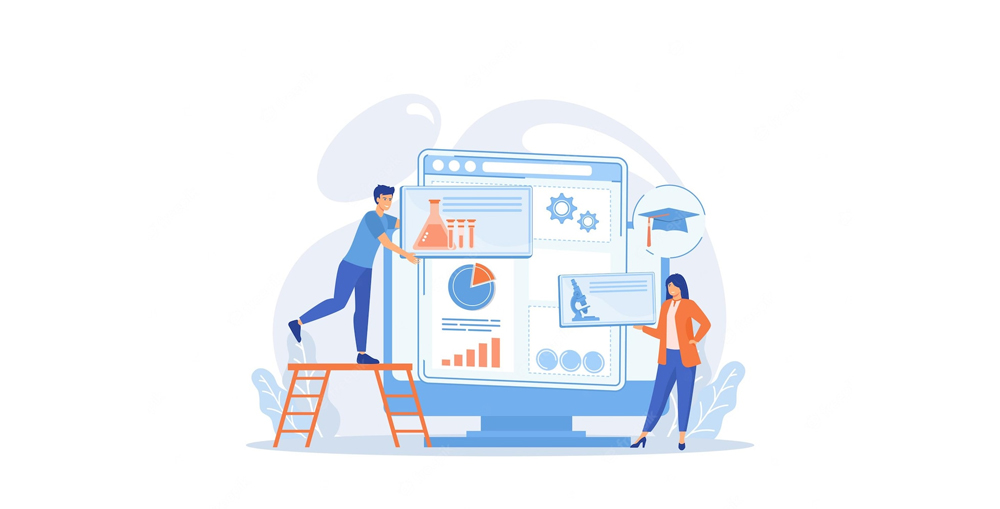
A custom software based learning management system at a school can digitalize a lot of internal processes. Mostly in schools and other educational institutions the basic operations is all done on paper and mostly it is manual. Which requires a lot of human resource and consume time. Another big disadvantage of a paper based system is that there is a lot of space for human errors, the discrepancies and errors are quit common in the paper-based systems. The amount and complexity of the data that schools and other educational institutes handle also result in poor performing internal processes and slower work flow.

In order to avoid all that, a custom software based learning management system can be a great help for the students, administration and also for the management. The students can access information online, they can apply for courses, check their mark sheets, status, etc. The registration and enrollment can also be done through online channels using a smart custom software based learning management system.

See Also: Step-by-Step Guide to Planning Your Custom Software Development Project
A Custom Software based Learning Management System

The administration can avoid a lot of time consuming paperwork which not only save time but also resources too. The custom software solution also help administrative staff to access and analyze data online within a few clicks. The intuitive user interface allow schools and educational institutes to easily train their staff to work on the digital system. The ability to host on cloud also make management easier, and help optimizing the cost too. Here are some major areas where a custom software based learning management system can help the schools and other educational institutions:

  • Student Enrollment and Registration Process
  • Providing Information via Online and Remote Channels (such as schedules, announcements, timetables, and any other relevant information)
  • The students can get passes, signup for various programs, register for extra curriculum activities via online student portals
  • Efficient and faster document processing tools for the administrative staff
  • Cloud-based student data enable the management to easily analyze the stats and monitor KPIs
  • HR tools help taking HR tasks online
  • Accounting tools minimize the paperwork and provide crucial data and stats via online dashboards
  • Student & parents relationship tools help improving their experience
  • Improved, easier and effective management

The custom software based learning management systems are a great companion for the modern schools in Dubai and all around the UAE. Acquiring all above mentioned digital features can help maximizing the student outcomes as well as the overall efficiency and performance of the school or any other educational institution.

See Also: Top Trends in Custom Software Development: What’s Shaping the Industry?
A Custom Software based Learning Management System

Custom eLearning and Smart Classrooms Software Solution

Each school or educational institute is different from the other, however, most of the times the similar academic programs might be following the same course outline, but every institute have a different culture and different approach and methods of learning. Some are more conventional, some are innovative, some are somewhere in between. Whatever the case is a customized eLearning software can significantly improve their learning methods and practices. The eLearning is not a new term. Since 2020 the world realized that remote learning or eLearning can be extremely beneficial. However, most of the schools and educational institutions are not fully equipped for an efficient eLearning program. A custom eLearning software can not only enable the schools and educational institution to make their eLearning programs more effective and efficient but it can also help them improve their in-class experience.

See Also: Common Mistakes to Avoid in Custom Software Development Projects

Custom eLearning and Smart Classrooms Software Solution

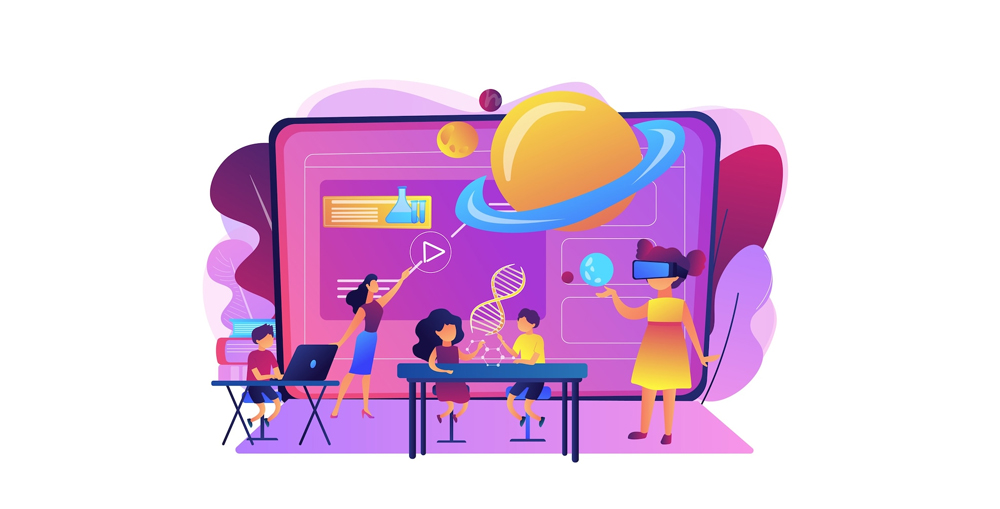
The custom eLearning software can be linked with smart class room platforms, which includes, smart white boards, online lectures and online course materials that can help students in their regular day to day tasks and assignments. The schools and educational institutes can live stream lectures, post recorded lectures, supported content and materials along with any other relevant information that can improve the students’ learning experience. The custom eLearning software also provides a student dashboard where all of the lectures, relevant materials, assignments, home works, notes, quizzes, tests and anything can be published in a well-organized manner. This can help both students and parents to quickly go through the class work and home work of the students and it can significantly improve their experience. Moreover for the teenagers or young adults who mostly wants flexible schedules can leverage the system to maximize their learning as everything can be made available all the times.

See Also: Security Best Practices in Custom Software Development
Custom eLearning and Smart Classrooms Software Solution

The virtual class rooms not only publish lectures and course materials, but they are also used to deliver an actual class like experience. While students are participating in an online class, the teacher and students both can communicate efficiently so much so that the experience is equal to a physical class room and in some cases it can even be improved too. All the students can have more focus on the lecture, board or whatever the teacher is showing to them which increase their engagement and interest. The custom eLearning software and virtual class room platforms are a great tool to maximize the outcomes of the students. Such tools help teachers and students too. For children these tools can provide a better experience for the parents or guardians who will be helping them with their home works, etc. For youngsters and young adults these tools can provide them more flexibility and freedom. Ultimately the learning can become more effective and efficient which tend to produce better outcomes.

See Also: The Role of AI in Custom Software Solutions

Custom eLearning and Smart Classrooms Software Solution

Customized Smartphone Apps Integration

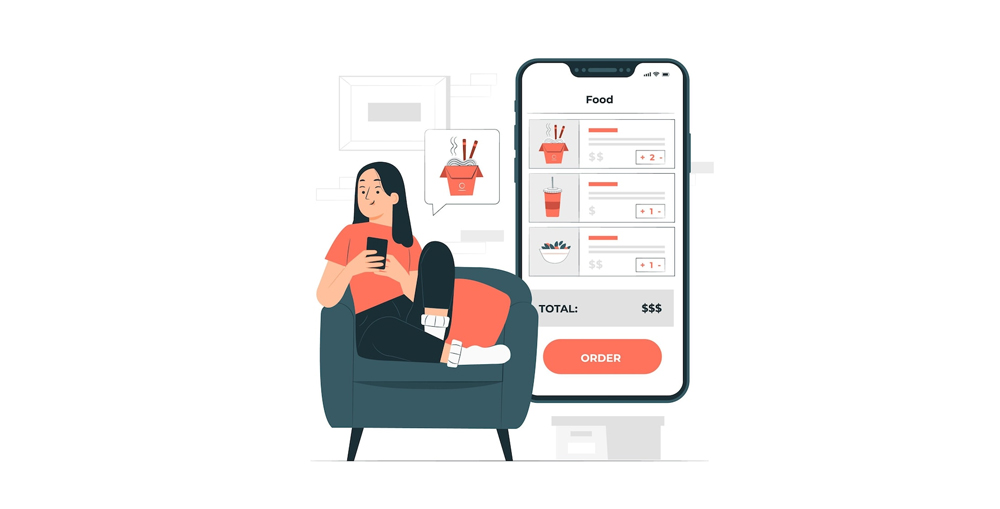
A customized learning management system can also be integrated with the smartphone apps. It can not only help offering various services to the parents and the students, but it can also help rolling out innovative educational and learning programs. Here in Dubai and all around the UAE almost everyone have access to the internet and everyone also owns a smartphone. This make smartphones more convenient channel to communicate with parents and students. The smartphone apps can offer services, information and learning materials. The schools and educational institutions can also integrate online payment mechanisms to offer quick fee or any other payment via smartphones. Which is more convenient for the parents and students. Traditionally the parents or students will have to go to the bank or accounts of the school to make the payments, however, with the customized smartphone apps the same can be done by a few taps on the mobile screen.

See Also: Custom Software for Improved Business Efficiency

Customized Smartphone Apps Integration

Students can browse through notes, lectures, information and educational materials from their smartphones. The very common functions such as enrollment, registration, schedules, and even appointments with the admin staff or teachers can be done through smartphones. The schools and educational institutions can also publish full audio-video lectures on the apps along with tests and quizzes or homework details. Furthermore the smartphone apps can also provide a quick communication channel between the parents and the teachers. The learning itself can be done through smartphone apps, that is quite a modern concepts and is also known as the m-Learning. The main idea behind it is to meet the Gen. Z’s needs. Usually the children and youngsters prefer to consume information in a bit-sized portion. The smartphone apps enables teachers and trainers to prepare learning materials which is exclusively designed for the smartphone apps. The students can chose when to learn and how much they want to learn at a specific time.

See Also: Leveraging Big Data in Custom Software Development
Customized Smartphone Apps Integration

The customized smartphone apps equipped with m-Learning features can significantly improve productivity, especially for teenagers and young adults. It also enable the teachers and planners to gain a detailed insight to the students learning patterns, behavior and it also provide analytical data which help the educators to design more effective and efficient learning programs for the students. The m-Learning is not just a digital transformation, but in fact it is a completely new education system. The informal education systems can help educators design more personalized student experience which tend to produce better outcomes. Furthermore the smartphone apps and the customized learning management software help schools and educational institutes to maximize the accessibility of their learning programs, such as ability to choose the color schemes, text size, and on top of everything the text-to-speech enabled platforms are a great tool to take a leap forward to more informal and more impactful education systems.

See Also: Why Off-the-Shelf Solutions Fall Short: Advantages of Custom Software Development
Customized Smartphone Apps Integration

Custom ERP, Intranet or CRM Software for Internal Processes & Management

The custom ERP, Intranet or CRM are very useful tool to improve several internal processes. However, they all are different, the ERP is an enterprise resource planning software. The Intranet is usually a website or web-based app that is used to facilitate communication and collaboration among the employees within the organization. And the CRM is a customer relationship management software. All these have different application. However, the beauty of custom software development is that the businesses can get all the features they want only. ERPs are usually a large-scale software which requires a lot of research and is usually very expensive. The intranet software were designed to be available for the employees of an organization only when they are physically within the organization. However with time the Intranets also evolved and now a days an intranet is just like a website, but still it is only accessible for the employees of a particular organization. The CRM is a customer relationship management tool with a customer centric approach and help businesses deliver better services.

See Also: Emerging Trends in Custom Software Development

Custom ERP, Intranet or CRM Software for Internal Processes & Management

For schools and educational institutions investing huge amount of money and resources in all three solutions is a bit difficult. That is where the custom software development comes to the rescue. The schools and educational intuitions can leverage the custom software development to create a customized software with all the required features borrowed from the above mentioned three systems. For schools and educational institutes there are a lot of internal processes that are crucial. The customized software allow them to develop tools and features for all these functions and processes. For example, for the administration there could be an entirely different sets of tools and features are required comparing to teachers and examination departments. Same is the case with the HR and accounts, every department needs different tools and features. However, at some point or another one business function will have to collaborate with another one.

See Also: Customized Performance Management System and KPIs System to Boost Performance and Productivity
Custom ERP, Intranet or CRM Software for Internal Processes & Management

A custom software development enables businesses to maintain a centralized information center where all the data is stored and all departments can access to the required data through their dedicated portals and dashboards. A document processing system help improving the internal work flow. The custom software allow schools and educational institutions to develop a single software application that can meet all the needs of all the departments. Another great advantage of custom software development is that the schools and educational institutions can start only with the most needed features to optimize the cost of the project, and then on later stages they can add more features to finally digitalize all internal processes which will enable them to boost the performance and profitability. Such tools and features make management easier and more effective and provide valuable business intelligence data that can help schools and educational institutes to improve their strategies and plans for future.

See Also:  Cost-Effective Web Design and Development for Elevated Customer Experience
Custom ERP, Intranet or CRM Software for Internal Processes & Management

Digital Transformation Help Reducing the Cost and Increase Revenue & Growth

A custom software development drives productivity and efficiency, which in itself result in improved products/services and better customer service. In case of educational institutions the digital transformation helps everyone, whether it is students, parents, teachers, administration and the management. The digital transformation help improving learning process and improve the outcomes of the students. Which in return help building a good reputation and attracts more students. Furthermore the dedicated parent portals, and smartphone apps significantly enhance parent’s experience too. Other digital tools help improving the in-premises experience of both students and parents. Integration allow several business functions to collaborate and communicate better which help improving the efficiency. The digital transformation also help automating several internal processes which reduce the need of human resource and help HR optimize the expenses.

See Also: Customized Content Management System (CMS) Enables You to Take Full Control of Your Websites, Mobile Apps, and Business Tools

Digital Transformation Help Reducing the Cost and Increase Revenue & Growth

The intelligent AI (artificial intelligence) based analytical tools collects valuable business intelligence data which help the management to make better and more informed decision and let them improve their strategies and planning over the time. All these features help schools and educational institutes improve efficiency & productivity, enable them optimize the cost and expenses and result in more profitability which lead to consistent and stable growth. The modern day businesses are heavily relying on data, it is crucial to establish a centralized information center for the business which help all business functions to perform efficiently and effectively. Furthermore the schools and educational institutes can also gather valuable students’ and teachers’ statistical and analytical data which help them evaluate the performance and enable the management to develop more advanced and effective learning programs. As per several studies and surveys the digital transformation can double the profits and revenue of a business if done effectively.

See Also: Benefits of Investing in Custom Software Development for Your Business in Dubai

Digital Transformation Help Reducing the Cost and Increase Revenue & Growth

Conclusion

The digital transformation is a modern day’s need for all industry sector and businesses. The educational sector is no exception, the educational sector is usually the one following more traditional approach. However, with the help of digital transformation the schools and educational institutes can significantly improve their learning programs and the outcomes. Here in Dubai and all around the UAE the schools and educational institutes are intensively using digital solutions and various software to facilitate their day-to-day tasks and operations. However, a more centralized approach can help bridging the gap between the strategy and execution. The modern day educational sector is rapidly evolving as the technology and innovation is integrating rapidly to our daily lives whether at all levels. The educational sector is the one that lags behind. There are two different approaches to bring digital transformation to any business. One is to deploy commercial off-the-shelf solutions or COTS and the second is to go for custom software development. In general the market is rapidly adopting customized solutions because of their superiority, flexibility, adoptability and cost-efficiency.

The biggest advantage of a custom software solution is that it help businesses design a tailor-made solution for their very specific needs. On top of that, the businesses can start with the most important of high priority needs and later on they can keep adding more features to obtain a full digital transformation. This approach is more cost-friendly and can also help schools and other educational institutes to gradually implement digital transformation. RSI Concepts is a leading custom software development company in Dubai, UAE. If you are a school, collage, university or any other educational institute, we can help you achieve your long term goals with our digital transformation solutions. If you want to learn more about the subject or if you want us to help you bringing digital transformation to your educational institution, feel free to contact us through our Contact Us page or leave a comment in the comment box below and we will get in touch with you soon.

See Also: How to Reduce Software Development Cost in Dubai, UAE?

Step-by-step Guide to Develop Custom Enterprise Software

Step-by-step Guide to Develop Custom Enterprise Software

Managing large scale enterprises or local/small businesses is not an easy task. Whether you are a manager or business owner you will have to deal with the software solutions and digital infrastructure for your business or enterprise. The present day markets are heavily data driven, the information technology have penetrated far deeper into our professional and personal lives than we can ever imagine. Now a days’ an ordinary employee can’t efficiently fulfill their duties and daily tasks without relying on technology.

Managing a business or an enterprise require monitoring, control and efficiency in too many moving parts. Think of it like a car engine, there are too many gears, motors, electronics and technology. An engine will only run if all those moving parts move in harmony and proper synchronization. Same is the case with the businesses and enterprises. They can only function well if all of the internal business processes and employees works in a proper synchronization, harmony and supportive manner. That is too much to manage, one wrong move and everything could collapse. That is why business and enterprises needs software solutions and IT infrastructure to improve business efficiency and to operate properly.

Step-by-step Guide to Develop Custom Enterprise Software

Now when it comes to software there are two major categories to choose from. First is the commercial off-the-shelf solution or also known as COTS and the second is customized software development. The COTS were a great success in the market and still widely used, however, things have changing since past few years, and especially since 2012 to 14 the customized software market have expanded a lot. This is because the markets are moving at a rapid pace, the customer demands are skyrocketing, and the competition is getting tougher day by day. The COTS or commercial off-the-shelf software solutions are unable to keep up with the pace.

On top of that the COTS are general purpose tools, they are designed for mass users. Hence lack personalized experience which is required to meet some very specific needs. Every organizations or enterprise have a unique environment which means the business practices and internal business processes are also not the same. This is what can’t be full filed with COTS and a customized tailor-made enterprise management software solution is required which can fulfill such exclusive and unique needs.

Step-by-step Guide to Develop Custom Enterprise Software

However, custom software development is also not an easy feat, it requires intensive research, adequate technical knowledge and more expense. The custom software development initially looked expensive comparing to the COTS, however, in the long term the custom software development have proven to be more beneficial and businesses can yield higher ROIs over a long period of time. The exponential growth in market also results in great cost reduction in custom software development. In this blog we will enlist all steps that are necessary in order to produce a high quality product from a custom software development project.

Step 1. Custom Enterprise Software: Discovery Phase

For any project whether it is customer enterprise software or any other project the discovery phase is the most important part of the project. It help businesses understand what their requirements are and what they need to fulfill those requirements. Usually the custom enterprise software development project’s discovery phase is a series of open-ended discussions, formal meetings, presentations, etc. To kick start the discovery phase the first step is to appoint a project manager or a team who will be responsible for outlining the project requirements and will take part in the project execution phases.

The project manager should conduct these discussion, meetings and presentations. The participants should be the end users, the department or team who have requested for the software, the stakeholders, technical experts, and any other relevant person who can give inputs on the subject. The best way is to enlist all the problems and challenges the users are facing for which they need a customer enterprise software. This step is a crucial part of planning your custom software development project and it could make or break your project’s success.

Discovery Phase

Divide these challenges into three groups, critical, high priority, normal and low priority. Discuss all these points with everyone and take their opinion and also request them to suggest an appropriate solution. Dividing all needs/features in three groups will help you on later stages. For any custom enterprise software development project the cost is one of the most important factor. Whenever a demand is raised by a department, team or group of employees for a new software solution, the management evaluate the solution in terms of value it will offer against the cost or financial strain it will put on the business.

That is why having three different priority level will help you optimize the budget and technical needs on the bases of importance of the features that are needed. By now the project manager would have already gathered all the required information. Now it is time to formulate a charter document or requirements document. This also happen to be the biggest advantage of custom software development as businesses can incorporate all the features they want. The custom ERP software development offers great many advantages and one of the biggest advantage is to customize each feature and function to behave or respond they way user wants. All this should be mentioned clearly in this requirement charter to avoid any confusion or misalignment.

Step 2. Custom Enterprise Software: Software Requirements Specifications (SRS)

The software requirements specifications (SRS) document is the most important document for custom enterprise software development. The software requirements specifications document provides a full roadmap to all the parties involved in the custom enterprise software development, mainly for the software developers and programmers. The verbal communication or information shared in chunks can be disastrous for the custom software development project. Such practice leads to a very incoherent communication which results in a lot of problems during the implementation of the software. A typical SRS or software requirements specifications document includes:

  • The goals and objectives of the custom enterprise software
  • A detailed description of the software from the user’s perspective
  • What problems should be solved by the custom enterprise software
  • Features and functionalities of the custom enterprise software
  • The performance and efficiency of the custom software in terms of workload, users, etc.
  • The roadmap for the integration and data sharing, if required
  • The limitations and liabilities of the custom enterprise software
  • The administrative work flow, data protection and access policy
  • Detailed Definitions, descriptions, assumptions and dependencies of the software and the limitations of the production/live environment
  • Functional and non-functional requirements and user’s needs
  • Details and design needs of user interfaces, user dashboards, administrative control panels, etc.
  • Complete details about the system users and what value it will add to the existing or new business processes for those users

The important thing to understand is that the software requirements specifications would serve as the agreement between you and the development team whether in-house or outsourced. The final outcome would be exactly like the SRS document. It is also crucial to describe each and everything in a language the software developers can understand, that is why adding descriptions, glossaries, definitions, references, etc. is important.

For example you are developing a customized CRM software and you want to personalize the customer journey, which is not available with popular off-the-shelf CRMs. The developer might be familiar with the standardized CRM functionality, but your SRS document will tell them exactly what customization is needed and what outcome users will be expecting from any process. That is why it is critical to compose your SRS document in a very simple and easy-to-understand language.

Software Requirements Specifications (SRS)

The SRS document also includes all of the user cases. A user case is what defines how the end-user will interact with the software and how the software should respond. There would be a set of users who will be performing different tasks on the intended custom enterprise software. Each user or user group would be needing different sets of functions. Even if there is only a highly focused group of users and they all need to perform same tasks, there would be a lot of tasks that can be performed. In any case all the tasks and different users will define the use cases. A use case is how the user will interact with the system for example, if they upload a file, what should happen next, if they input some data where it should go and what the software should return, etc. These all includes in a use case.

Here is how to define each use case:

  • Chose a set of users or a single user who will be performing certain task
  • Define that tasks in full details and try to add goals if necessary
  • Now enlist all use cases of that user or user group
  • Define all the user interactions and what response is required from the software
  • Include all alternative actions and their corresponding responses too
  • Repeat the same processes for all of the users or user groups

The use cases are aimed to define the custom enterprise software and its features from a user’s perspective. A detailed SRS document also gives you a chance to consider the top trends in custom software development and incorporate high-performing, market-proven features in your application. This provides the software developers a to-the-point visualization of the features and functionalities of the custom enterprise software and it also serves as a guideline for different stakeholders. That is why it is extremely important to write a detailed software requirements specifications document before starting the custom enterprise software development project.

Software Requirements Specifications (SRS)

Step 3. Custom Enterprise Software: Chose a Right Software Development Team

Choosing right vendor in Dubai or anywhere else in UAE is a very difficult task. There are so many custom software development agencies out there. It is important to choose the right vendor for the project. The best approach is to search in the local market and find a reliable company with relevant experience and good portfolio. However, outsourcing to offshore companies is also very common in UAE. Which is not a good practice. The biggest disadvantage of outsourcing to an offshore company is that it is not bound by local UAE laws which provide protection to the both the customers and the vendors.

Anyway, as for local custom enterprise software development companies, it is important to verify all the details before getting into an agreement. The best is to analyze multiple vendors, make a list of all vendors that looks good. Then check their portfolio, examine their website, view their complete company profile. After that short list at least five of them and request them to submit their proposal and select one of them. This way you can get a better vendor for your custom enterprise software development project.

See Also: How to Choose the Right Software Development Vendor for Your Business

Chose a Right Software Development Team

Step 4. Custom Enterprise Software: Chose Right Technology Platforms

When it comes to software development there are a lot of technology platforms which can be used to build those apps. The first and foremost important is the compatibility of the technology, for example, if you need a native software app which is usually installed on an operating system such as Windows, Linux, etc. Then whoever will be using that software must first have to install it in their computer. However, if you need a software that can be accessed from a web browser, then the users only need a laptop and a browser.

Similarly all other features determine the technology that you might be needing or what platform is compatible with your needs. It is better to engage the vendors at this stage. Vendors usually appoint a business analysts who work side by side during the requirement gathering stages and then help finalizing the scope of the work for the custom enterprise software development project. If the technology stack is aligned with existing digital eco-system it will make custom software development more cost-effective and beneficial in long term.

Chose Right Technology Platforms

However, here are a few popular trends of the modern technologies that enterprises are utilizing all around the world and the signs are those trends will grow in coming years:

Blockchain Technology

The Blockchain is a buzzword all around the world, especially since the BTC (Bitcoin) hit its ATH (all time high price) last year. The electronic media and social platforms start talking about BTC since, even very well reputed media outlets dedicated several shows on the technology. This has built an image of the Blockchain and most people thinks that it is some kind of digital currency that will challenge the fiat. However, that is only partially true, the Blockchain is more than just a currency. It is a technological platform that allow enterprises and individuals to develop software, applications and much more on the Blockchain.

It is a great technology to develop software with shared workflows. In the Blockchain the networks are called consortiums, it is a shared network and each connected user can track all transactions. The Blockchain is the most secure and transparent platform and can offer great features. The blockchain in custom software development offer great potential for efficiency, digital transformation, transparency and security.

Blockchain Technology

Artificial Intelligence (AI) & Machine Learning (ML)

The Artificial Intelligence or AI and the Machine Learning or ML is very commonly used all over the internet and we daily came into contact of the AI or ML without even realizing it. For example, the Google uses AI and ML to run its several algorithms which are connected to its advertisement platforms. If you are using internet on regular bases, you might have noticed that if you searched for something suddenly it start appearing on several different platforms, such as if you searched for iPhone 14, then you start browsing your Facebook or Instagram and suddenly you start getting ads related to iPhone 14. This is what is being done by AI and ML.

The AI and ML are widely used in various enterprise software and solutions such as data analysis, decision making processes, personalization, customer experience management, enterprise performance management and many more. There are endless possibilities of using AI and ML in custom enterprise software to improve their efficiency and user experience.

Artificial Intelligence (AI) & Machine Learning (ML)

Big Data

Big Data is not a new technology however, with the increasing levels of digitalization and our reliance on the data the big data is also gaining much rapid adaptation. The big data is a large amount of data coming continuously to a system or enterprise which they need to store and process efficiently. Majorly the data is coming in large volumes and it comes continuously hence the software should be able to handle the large amount of stored data as well as the large volume of continuously coming data. The biggest advantage of using big data technologies is to improve the data processing and analytical processes.

The big data is very helpful in understanding and analyzing large volume of data which otherwise is either very difficult or completely impossible for humans to process. Especially B2C enterprises, large organizations and government sector utilizes big data. However, now a days SMEs are also adopting big data technologies to improve their internal processes and capabilities. The adaptation of big data offer great improvements and efficiency in the key features of an enterprise resource planning software (ERP) and other business tools.

Big Data

Cloud Computing

The main reason behind rapid adaptation of the cloud computing is that it offers great value, low cost, high performance and high availability. The businesses don’t have to manage the very expensive in-house IT infrastructure. The cloud offers great benefits for the system users as well. The custom enterprise software tools can offer better user experience and high availability with the help of the cloud computing. Another most useful feature of the cloud computing based custom enterprise software is that users can access the data from anywhere through the internet. The cloud service provider manages the actual infrastructure and ensures high availability.

The cloud is very flexible in terms of cost as well. The business will only have to pay for what resources they used, which can significantly reduce the cost. The system deployment is relatively easier and much faster. The high redundancy, flexible costing, easy access and ability to integrate open-source tools and frameworks make cloud more superior. The cloud computing offers unmatched security and and risk mitigation. The cloud computing is playing a crucial role in developing secure custom software in a growing cyber threats landscape. The cloud service provider have advanced monitoring and threat detection tools, security experts and professional and maintain up-to-date software stack, which helps maximizing security and minimizing threat.

Cloud Computing

These are some of the technological trends of the year and we have witnessed a steady growth in all above mentioned technology platforms. The rapid market adaptations, innovation and highly efficient products are signaling that these trends will go on for a couple of more years.

Step 5. Custom Enterprise Software: Design and Development Phase

The custom enterprise software design and development phase is when the designers form the UI and UX and the developers program them by adding source code to them. The custom enterprise software design should be started with a wireframe so all the necessary changes can be done in time. Then the actual design is formed. Which also should be approved by the end-users and stakeholders. Once the software design is approved, it should be handed over to the development team.

Each custom software development company have its own project management methods, some follow agile and sum follow scrum, whatever the project execution method is it is important that the final product should align with the software requirements specifications document. The project manager and business analysts should make sure that he entire development phase is going on track. The updates and progress should be shared with all stakeholders and feedback should be collected if necessary.

See Also: Common Mistakes to Avoid in Custom Software Development Projects

Design and Development Phase

Step 6. Custom Enterprise Software: UAT, Launch and Post-launch

Technically as soon as the development phase is completed the project is completed however, there is always a testing phase. There are multiple different ways to test a custom enterprise software however, there are two major testing phases. First one is the QA testing, or quality assurance testing. The QA testing is always done by the technical teams and staff. Businesses can also hire a third part to evaluate the software in terms of security and penetration testing. The quality assurance and the security teams sometimes take a longer time.

However, whatever the case is the next step is the UAT or user acceptance test. This test is conducted by providing software to a certain numbers of users. Mostly end users, higher management and a lot others too. After the UAT, there is launch which also consists of two stages, one is beta launch and the final stage is full launch. The post launch activities are majorly related to the user feedback and the performance of the custom enterprise software.

See Also: Bespoke Web Portals and Intranet Application Designing Services

UAT, Launch and Post-launch

Conclusion

In the present day the markets are heavily relying on data and IT. The digital and IT infrastructure could be your much needed competitive advantage. Here in Dubai and all around the UAE the businesses and enterprises are adopting to customized software solutions and business tools. When it comes to custom software development the biggest concern of the managers and business owners is the time and resources needed for the project. The custom enterprise software development starts with a discovery phase or internal research to understand the audience and their needs. Then on the bases of those needs a tailor-made custom enterprise software can be developed. However, it is not as that simple as it may sounds.

The custom software development is not an easy feat. It is a very crucial process and it requires full attentions form the project manager and the relevant stakeholders. That is why in this blog we have discussed the important steps to execute a successful custom enterprise software development project. If you want to learn more about the subject or if you want us to help you with another software develop please feel free to contact us through our Contact Us page or leave a comment in the comment box below and we will get in touch with you.

See Also: Waiting Line Problems and Solutions


Which one is better Standalone VS Integrated Software?

Businesses have to grow they have to compete and they have to evolve to stay relevant in the market. The market trends, customer’s needs, internal processes and a lot more factors demand businesses to keep improving their performance and efficiency. For any business the ideal situation is to maximize its productivity, performance and operational capabilities at the same time, optimize the cost and resource consumption. On top of that, with the passage of time, the businesses keep expanding and growing, which make the management and operation more complex and sophisticated.

Now a days’ in Dubai or anywhere else in UAE the businesses will have to be more efficient and productive in order to sustain growth in such a competitive environment. The business software, applications and systems help digitalizing the business processes, automate several steps and streamline communication and workflow. If all these tasks are done manually they would require a huge amount of resources and time which not only increase the cost but also delay the work and make things more sophisticated and difficult for the employees.

See Also: Enhance and elevate your Customer Experience, Internal Business Processes, and Operational Efficiency with your custom AI Agents

Which one is better Standalone VS Integrated Software

Another great benefit of using the software and digital systems is the capabilities of monitoring and capturing the data. With manual processes and paperwork it is very hard to process data and perform analysis but with the software or digital systems the reporting, problem solving, problem identification and data analysis have become a very simple and swift task. The software and application doesn’t only effect large-scale operations, in fact they can boost performance and efficiency from individual employee level to the overall performance of the entire business. There are so many different types of software a business uses such as HR & Payroll Software, ERP Systems, POS/Sales System, Inventory Management System, Internet Applications, Supply Chain Management Tools, Production Tools, etc.

There are so many different tools and software that a business might need to operate properly. There so many different types and kinds of these software and digital solutions, however all can be classified in two major groups, the standalone software and the integrated software. It could be confusing to choose a solution from any class. In this blog we will discuss both the standalone and the integrated software to provide our audience a brief understanding of both to help them choose the best software type for their business.

See Also: What is custom software development?

Which one is better Standalone VS Integrated Software

What is a Standalone Software?

The simplest definition of standalone software is the software which can work at its own and doesn’t come in a bundle software or doesn’t need any help from any other software or computer process to run. There are further several more types of standalone software such as the software or apps that doesn’t require internet, software which are not part of a bundle package, a portable software/application, USB or media based software that doesn’t need to be installed on a computer, and a software that doesn’t require support from any other software or computer, are all standalone software.

Traditionally the standalone software are installed on a local system or local network and businesses used such application to limit the access. Now a days the standalone concepts have evolved slightly, the modern day standalone software is the software or applications which is not linked to any other software, system, application or central information center of the enterprise.

See Also: The Benefits of Custom Software Development for Growing Businesses

What is a Standalone Software?

What is Integrated Software?

The integrated software is not just a single software, in fact it is a collection of software packaged in a single bundle/suit or a modular based software application which can have several modules at a time and data flow and information sharing is superfast and possible among all or desired modules. Usually all the software are deployed in an organizational network with the aim to increase data sharing and information flow. Businesses need this to connect several functions and processes and to make all information available for everyone without requiring any format conversions or such problems.

Usually integrated software used a single centralized information center, even if there is no unified central information center, each software’s data can synchronized and made available for the other instantly via several integration techniques and modes. Such software are usually hosted in a single network or interconnected networks. The software bundles such as ERP can have various tools and modules for different business functions and group of users is also an example of integrated software.

See Also: The Cost of Custom Software Development: Factors to Consider

What is Integrated Software?

Standalone Software VS Integrated Software

Now that we got a full understanding of standalone software and integrated software, we can easily compare them on the bases of pros and cons for more clarity:

Pros of Standalone Software

  • Cost-efficient and longer lifecycle
  • Customized and tailor-made solution
  • Perfectly match with business needs
  • Offer better functionality and simpler operation
  • Offer superior security
  • Simple upgrade and scalability

Cons of Standalone Software

  • Very limited scope of operation
  • Businesses need multiple standalone software
  • Integration is difficult, problematic and costly
  • Manual data transfer and conversion is prone to errors
  • Multiple solutions make daily tasks difficult
  • Decrease overall productivity of the business
  • Businesses will have to manage multiple vendors
  • Multiple solutions and multiple vendors raise the overall cost
  • Often work offline and in local network which limits the usability

See Also: Why Custom Software Development is Essential for Digital Transformation

Standalone Software VS Integrated Software

Pros of Integrated Software

  • Centralized information center and unified database
  • Multiple software and tools can be acquired as bundle or suit
  • Business can easily add more modules or add-on whenever needed
  • Low cost of the overall business management solution
  • Instant data sharing, faster operation and simpler interface
  • Intuitive and unified interface increase employee performance
  • Provide better monitoring and significantly improve management
  • Seamless, automatic and error-free data integration, no manual work
  • Instant access to information and functionality for all employees
  • Efficient workflow aid day-to-day tasks and boost productivity
  • Easy upgrade, scalability and cost efficient customization
  • Share usually same technology which reduce maintenance and operational cost

Cons of the Integrated Software

  • The biggest drawback is security, one compromised system can compromise the entire company data
  • Businesses can stuck with one vendor which can result in disputes, problems and delays over the time
  • Initial cost is high, the deployment requirements are complex need larger IT infrastructure
  • Upgrade and customization may require changes in several modules and sections of the software
  • High security requirements and complex network needs pose additional cost and expense
  • Unified database means errors and mistakes can have larger impact across multiple functions

See Also: Custom Software for Improved Business Efficiency

Standalone Software VS Integrated Software

When a Business should use Standalone Software and Solutions?

The standalone software and applications are simple, intuitive, easy-to-manage and low cost. Businesses use standalone software and application when they need to improve a particular business process or exclusively designed software for a group of people who have demand to use a customized application. Another great advantage of the standalone applications is the simplicity, cost-efficiency and security. As the standalone apps are completely disconnected from any other software or enterprise solutions, the chances of security breaches are none.

However, even if the standalone software got compromised, it will have no impact on any other part of the IT infrastructure of the business. Usually such applications are used when the security conditions are not fully manageable. Let say a business is organizing an event or a conference, for that they can acquire a self-service registration portal or an interactive kiosk. Which will be placed in a public place, and people might be able to connect media storage devices and other stuff, which can be used by cyber criminals to compromise any system. In such scenarios the standalone software provide a greater protection.

See Also: Step-by-Step Guide to Planning Your Custom Software Development Project

When a Business should use Standalone Software and Solutions?

It is easier and much more secure to extract the data from a standalone application manually and plug it in to the main information center or any other relevant software. Another best scenario for having a standalone software is when the business doesn’t want to link any tool with their internal network or central information center. Same is applicable when a business wants to process highly sensitive data within the organization but want to limit the access to only a few users. In such cases standalone software are good choice as they are not linked with the main network, and usually standalone apps are also offline, so they can provide great security.

Specially in cases if the main network is breached or compromised the sensitive data can still remain isolated and protected. However, when a business wants to integrate a software or its data with another software, the standalone software are not a good option as they don’t integrate well with other standalone or integrated software. Businesses will have to use middleware, which are small application use to bridge the integration and compatibility gaps, which also have additional cost and complications.

See Also: Custom Software Development for Enhanced User Experience

When a Business should use Standalone Software and Solutions?

When a Business should use Integrated Software and Solutions?

There are several scenarios which compel a business to seriously think replacing all its standalone software with a single and unified integrated business management software solution. When businesses start growing, their requirements also start increasing, over the time they deploy various standalone software and tools at various places. Down the road a time comes when all these standalone software become entangled with each other and the integration could become impractical. On top of that the standalone software solutions are designed to be isolated, they inherently doesn’t support integration.

That is when a business should seriously consider replacing all standalone and separate software solutions with a better integrated business management software solution. Another drawback of using standalone software or multiple software solutions is their impact on efficiency. Due to no or very low integration, the manual work is increased, the repetition, poor visibility among different business function could have devastating effects on the overall performance and efficiency of the employees in their day-to-day tasks.

See Also: The Future of Custom Software Development: Trends to Watch in 2025

When a Business should use Integrated Software and Solutions?

Poor performance and efficiency not only cost a business time but it can also slow down the growth and a time comes when a business no longer able to maintain optimum productivity and performance to sustain growth. Businesses also face another big issue when using standalone and separate software solutions, which is that their data is stored in separate databases, which are isolated and built on different structures, which cause big time compatibility issues even when data is extracted from a system and uploaded to the another software manually.

This could cause a lot of problem which can have serious financial consequences as well. For example, the data formats have to match which require conversion and manual labor. The data duplication issues are there which could have impact on the performance and productivity. Businesses usually do such format conversions manually which put extra workload on employees and make processes inefficient, time consuming and expensive.

See Also: Custom Software Development vs. Off-the-Shelf Solutions: Which is Right for You?

When a Business should use Integrated Software and Solutions?

The integrated software and business management solutions can avoid all these problems. No matter if you are a small business or a large enterprise the integrated software could be the best option to leverage automation and digitalization. Businesses management software is considered to be the backbone of any business. In present day in Dubai and all around the UAE the businesses have become more efficient and the competition in the market is rising day by day. If a business want to make sure they scale smoothly and obtain maximum performance, productivity and profitability, the integrated software are the only solution.

The standalone software can’t support in such environments. Now a days the software development companies in Dubai, UAE like RSI Concepts can provide you a great integrated software and business management solution. Mostly the customized integrated software and commercial off-the-shelf software comes in modular structure. Let say if you only require accounting tools, you can only acquire that, later you can add customer relationship management software and tools, HR & Payroll tools, and many more one by one.

See Also: Common Mistakes to Avoid in Custom Software Development Projects

When a Business should use Integrated Software and Solutions?

The integrated software are much more efficient and intuitive comparing to the standalone tools. In case of standalone software the employees will have to use multiple dashboards and UIs to perform multiple tasks, however, in integrated software the employees can access any data and perform any task utilizing in-built modules and a single intuitive dashboard. There is no additional integration problems and costs, there is no additional training requirements, and the business doesn’t need to deal with multiple vendors.

In long term the ROI of integrated software solution is much higher than the standalone apps. For all business management solutions and system the integrated software is always a superior option. For small applications, which also doesn’t require integration and are for external users with limited scope the standalone software can work well.

See Also: Why do Schools Need Queue Management?

Conclusion

In this blog we have discussed the standalone software and integrated software solutions in details. Each software category has its own advantages and drawbacks. The integrated software provide better operation, performance and more control and monitoring. The standalone software can offer customized functionalities and better security. Both are different from each other and can be used when the right need arise. For large-scale or core applications, the integrated software are the best solution as they can significantly improve workflow, data sharing and management across multiple business functions. The standalone software are usually used by a limited number of users and mostly required by a particular purpose or objective in mind.

In order to achieve better performance, security and cost-efficiency the businesses can utilize both integrated software and the standalone software to establish a high-performance IT infrastructure. RSI Concepts is a leading software development company in Dubai, UAE . If you want to learn more about the subject or if you want our help to develop any type of software solution please feel free to contact us through our Contact Us page or leave a comment in the comment box below and we will get in touch with you soon.

See Also: How to Set Goals for your Employees in Performance Management System?

See Also: Why Off-the-Shelf Solutions Fall Short: Advantages of Custom Software Development


5 Advantages of Custom Software Development

5 Advantages of Custom Software Development

In Dubai or anywhere else in UAE businesses need to offer an excellent experience to its customers and they will have to establish their brand very well. In competitive markets businesses will have to offer something special which makes them unique and genuine. Over the time businesses establish their internal processes, methods and unique approaches to handle things differently, which gives them a great competitive advantage. It is this unique experience that distinguishes them attract more customers. Businesses these days heavily rely on the software and digital solutions.

Furthermore the businesses grow over the time and their internal needs for the IT infrastructure and software solutions also grow. The UAE market is very vibrant, the market trends are changing rapidly. This requires businesses to keep up with the market as well as manage scalability and in addition to that they also have to maintain a balanced productivity and efficiency. That is why businesses in Dubai and all around the UAE are always seeking software and solutions to support their journey.

See Also: Why the Custom Software Development is Good for Your Business?

5 Advantages of Custom Software Development

Whenever a business decide to acquire a new tool or software solution, the biggest challenge the management faces is to decide between the commercial off-the-shelf software (COTS) and the custom software development. These software and solution can have a huge impact on a business’s performance, growth, productivity and profitability. The commercial off-the-shelf software (COTS) might seem fairly reasonable in terms of initial cost, however, in long term they cost more than the customized software.

The biggest disadvantage of commercial off-the-shelf solutions is that it is designed for masses hence it is built to be a general purpose tool. That means it would never fit in as per the expectations. The custom software development on the other hand offers a fully customized and tailor-made solution for your problems. Hence custom software tend to greatly improve business efficiency and productivity. Here are some key advantages of custom software development:

1. Custom Software are Developed Exactly as per the Needs of the Business

The biggest problem with COTS is that they are designed for a mass audience. However, the biggest advantage of the customer software development is that it is exclusively designed as per the requirements, needs and specifications of the business. The solution is designed precisely to address the issues of the business and it is not a general purpose, one fit for all kind of application. The customized software are extremely efficient as they are tailor-made to solve certain problem for a business only. There is no unnecessary or unwanted component, which makes employee’s user experience very pleasant and satisfactory.

In fact the user interfaces are also exclusively designed to meet the needs of the users which results in great improvements in the performance and usability of the software. The biggest problem with the commercial off-the-shelf software (COTS) is that it is designed for a wide range of audience hence business usually don’t found all the features they need.

See Also: Why Off-the-Shelf Solutions Fall Short: Advantages of Custom Software Development

Custom Software are Developed Exactly as per the Needs of the Business

Talking about features, it is worth mentioning that the custom software development offer full freedom to include as many and whatever features a business wants and needs. This approach is very supportive for innovation and modernization. Business can gain a great competitive edge by including features which enhances their business process, produce better results and optimize the expenses. This makes tailored software solution more beneficial for growing businesses and help them mitigating rapidly emerging challenges.

Whereas the commercial off-the-shelf software doesn’t provide this freedom. In fact they usually comes in pre-packaged format, different versions or plan type have different sets of features. The upgrading and modernization process is very slow and mostly it costs additional fees and charges. Most of the time it is very difficult to get all the needed features. Businesses always have to make compromises in order to keep the cost under control.

Custom Software are Developed Exactly as per the Needs of the Business

2. Custom Software Development offers Full Ownership Rights to the Business

The commercial off-the-shelf software (COTS) are still owned by the vendor or service provider, the business doesn’t have any right or authority over it. The policies and protocols are not managed by the business who uses the COTS. So the business is just paying fees and using a product which is owned and controlled by someone else. Obviously the commercial off-the-shelf software does offer some value and control to their customers but the ultimate control is not in business’s hands. The custom software development on the other hand offers complete ownership rights, the software a business built for themselves is fully owned by them as well.

Unlike COTS there is no monthly or rental fees. The business have to pay one-time to build the software and then there is just the running or operational cost. There is no additional cost. On top of that the ownership allow businesses to manage, update and scale the software as per their needs and requirements. Which provides them more freedom and control.

See Also: Custom Software Development for Enhanced User Experience

Custom Software Development offers Full Ownership Rights to the Business

Here I would like to give an analogy of a rental and owned house. The difference between the commercial off-the-shelf software (COTS) and the custom software development is the same. Businesses hire a customer software development company in Dubai, UAE who build the software and deliver it to the business. The business is not even dependent on the same software development company for the maintenance, further customization and scalability of the software. Business in Dubai and elsewhere in UAE also kept in-house teams to manage their customized software, which significantly reduces the maintenance cost and allow them to keep updating and upgrading the software without any additional cost.

For those who don’t or can’t manage in-house software development teams, they can always hire a third-party or the same vendor to manage and improve their software at a very reasonable cost. The ownership of the custom software also enables businesses to allow their partners, customers, and subsidiaries without any additional licensing or any other cost.

See Also: Leveraging Big Data in Custom Software Development

Custom Software Development offers Full Ownership Rights to the Business

3. Customer Software Development Offers Higher Security

For any business the data protection and security is a matter of life and death. In the modern data driven world the data security and protection is at the at most priority. If a data breach happens, the first thing a business will lose is its reputation and credibility. It will can have a long lasting impact on your customers and reputation. Mostly businesses couldn’t fully recover from such incidents. The data threats are very abundant and there has been millions of attacks at corporate and other sectors each year.

The commercial off-the-shelf software (COTS) are not inherently insecure or less capable, it is the fact that they are widely available all around the world and their structure and technology is also well-known. The fact that thousands if not millions of people are already using the COTS solution which makes them easy target for these data pirates and internet hackers. These people usually target COTS to gain access to their customers, employees, and financial data which they can use for their own agenda.

See Also: Security Best Practices in Custom Software Development

Customer Software Development Offers Higher Security

However in case of custom software development, someone will only attach it if they want to attach a specific company or business which significantly reduces the threat level. However in case of custom software development, someone will only attach it if they want to attach a specific company or business which significantly reduces the threat level. Mostly the software structure, backend programing and various other technical details are concealed which makes it even more difficult to attack and breach it.

On top of that it is only the business who have access to their data, there is vendor, technical team or anyone else can possible access your data. Your data will be stored on the servers of your choice, and only the business and its designated employees can gain access to the data. This makes customer software development more desirable for businesses. Businesses can always higher a cyber-security professional in-house or they can do cyber-security testing and analysis from a third-party company to further improve the security and safety of their precious data.

See Also: Common Mistakes to Avoid in Custom Software Development Projects

Customer Software Development Offers Higher Security

4. Customer Software Development Offers Flexible Integration with Third-Party Tools

Every business has multiple layers of digital and IT infrastructures. The accounts must be running a financial software, the production must be running their tools, and the marketing department would be using different sets of software and tools, and so on. There is always an ERP or a centralized information center which converges all these tools and software to a single unified data base which is utilized by the decision makers and the senior management. All these tools are linked to each other at some extent.

This link is established using integration techniques and technologies. A commercial off-the-shelf software (COTS) also provide data synchronization and integration, however, with a very limited scope. Usually it is very difficult and expensive to link the COTS with other systems. As they are built on a pre-defined structure which the business can’t alter and it means the desired or optimum level of integration can rarely be achieved.

See Also: Step-by-Step Guide to Planning Your Custom Software Development Project

Customer Software Development Offers Flexible Integration with Third-Party Tools

Businesses always have to alter other tools too, which add up to the cost and make the integration a very costly and difficult task. Sometimes in order to achieve the optimum level of integration businesses might have to introduce intermediary tools which are commonly known as middleware. These tools took the data from one software or database and make it workable for the other and vice versa. That is also a costly endeavor and even then the desired level of integration is very difficult to achieve.

However, with the custom software development businesses have a chance to build the application as per the requirements and limitations of the existing IT infrastructure to achieve the maximum level of integration. Furthermore it is very cost-efficient to modify the custom software and upgrade them to improve their compatibility. This provides businesses with a greater advantage and allow them to introduce innovative features to maximize the efficiency and effectiveness of the custom software without worrying about the cost.

See Also: Why customized CRM Software is better than Off-the-shelf Solution?

Customer Software Development Offers Flexible Integration with Third-Party Tools

5. Custom Software are Easy to Scale with Ability to Extend Lifecycle

The custom software are far superior then the commercial off-the-shelf software (COTS) in terms of scalability and longevity. It is all about the ownership of the software. The off-the-shelf software are developed by the service provider and the business have almost no control over it, if the service provider decided to pull the plug, business have no choice but to move on with an alternate. For example, Office 365 is a popular Microsoft tool for businesses, let say in coming 5 years, the Microsoft decided to replace it with a new one and within another couple of years they stopped support for the tool, the businesses who are using it, can’t do anything. They must have to switch.

However, in case of custom software development the business owns the software, it have full control and authority over it. If the business wants to modify it or upgrade it they can do it and if they want to use for extended period of time, they can do that too. There is no barrier, limit or restriction.

See Also: The Future of Custom Software Development: Trends to Watch in 2025

Custom Software are Easy to Scale with Ability to Extend Lifecycle

The commercial off-the-shelf software (COTS) offers good scalability but with a very hefty price tag. The custom software doesn’t require any additional cost and offer excellent scalability support. Each business is growing, for example, last year the business had 250 employees and now they reached to 300, they will have to acquire the licenses for the new employees which will cost them a lot. However with the customized software there is no such limitation, businesses can add as many users they want without worrying about additional fees or any such thing. Furthermore the customized software can be used for as long as the business wants.

The biggest reason of changing a software is due to its limited features and over the time the usefulness of a tool also decreases. The COTS doesn’t address this issue seriously and eventually businesses will have to make a shift from one solution to another. But the custom software offers great value and businesses can easily upgrade and modernize them by modifying existing features and introducing new features which increase the lifecycle of the software to several more years and save a lot of cost and effort of switching to another software.

See Also: The Role of AI in Custom Software Solutions

Custom Software are Easy to Scale with Ability to Extend Lifecycle

Customer Software and COTS Cost Comparison

Apart from advantages and features the custom software have excellent ROI (returns over investments) in the long term. It is a common misperception in Dubai, UAE markets that the custom software are expensive. However, that is not correct. The commercial off-the-shelf software’s initial cost is low and businesses can deploy them very quickly however, in long term the COTS are way too expensive, the scaling is very expensive, the integration is difficult which increase its time and cost. Sometimes intermediary tools or middleware are used to bridge the gap between the commercial off-the-shelf software (COTS) and other tools to improve the integration process which is fairly expensive and time taking task.

It is very difficult to find all the required features, as the needs grow business will have to upgrade them. In some cases businesses hit the road block where the software can no longer support the needs and eventually they will have to move to another comer off-the-shelf software or customized software solution to meet the needs. This all have additional cost, efforts and even disruption in regular work flow which also tend to cost money and time.

See Also: The Cost of Custom Software Development: Factors to Consider

Customer Software and COTS Cost Comparison

The custom software development is a very flexible solution, it provides full control and allow much higher levels of customization, integration and scalability. Scaling doesn’t require package upgrade or additional licensing fees. The business have full control over the customizations and modifications in the software. The business owns the software, hence it is not dependent on any vendor. The businesses can even manage in-house software management and maintenance team which enables them to unlimited changes and modifications in the custom software. Businesses can also expand the software implementation to their subsidiaries, partners and even customers without any expense.

The custom software have longer lifecycle and can be modernized and upgrade to meet the growing needs and changing trends which eliminate the need of migrating to a totally different software solution and save a lot of efforts, resources and money as well. Hence in the long term the custom software is much more reliable, cost efficient and useful comparing to the COTS and that is the reason it yields far better ROIs.

See Also: Why custom software is more cost efficient in UAE?

Customer Software and COTS Cost Comparison

Conclusion

The Dubai and all around the UAE businesses are facing many challenges, one of them is related to their IT needs. The markets are doing well, the overall economy of the country is growing at a smooth pace, which attract more investors. Hence the competition is also getting tough day by day. Businesses need to perform very well in order to stay relevant in the market. The modern day businesses are heavily relying on the IT and digital solution for their regular operations. This is where it could make a huge difference and provide businesses with a great competitive edge which help them stand out among the rest of the competition. Growth and progress is the primary goal of any business.

With growth the internal and external needs also grow, businesses have to scale at a much faster rate than that of their growth if they want to sustain a long term success. That is why businesses deploy different types of software and continuously upgrading their digital arsenal in order to boost productivity, performance and profitability. Whenever a new need arose or a business wants to replace an existing old system with a new one to boost the efficiency and to support the modernization and innovation, the biggest challenge for the management is to decide between commercial off-the-shelf software (COTS) and the tailor-made custom software solution.

There is no doubt the custom software are far superior then the commercial off-the-shelf software in terms of productivity, adoptability, integration, performance and ROI. In this blog we have mentioned five biggest advantages of the custom software while comparing them with the counterpart COTS software solutions. If you need any more help about the subject or if you want us to help you build your next game changing customized software solution, please feel free to contact us through our Contact Us page or leave a comment in the comment box below and we will get in touch with you soon.

See Also: What is CXM (Customer Experience Management)?