BLOG OF RSI CONCEPTS

world map

What are the Basic Components of Queue Management System?

What are the Basic Components of Queue Management System?

Queue Management System is a great tool to improve customer experience and staff efficiency. Businesses can significantly reduce the wait time and improve the customer experience by installing a queue management system. As there are so many different types of queuing solutions available in Dubai, UAE, businesses often get confused while acquiring a queue management system. The reason for this blog is to explain the basic system components of a queue management system to let our audience and customers be familiar with the technology and its functions. There are so many different types of queue management systems, some are generic and can be used in almost all sorts of applications. However, some are purpose-made or only made for particular industries. Whatever the case is the core of the system and its components remain the same.

Basic Components of Queue Management System

The two major parts of a queue management system are the software and the hardware. Here is a list of both software and hardware components of a basic queuing system:

  • Queue Management System Software Components
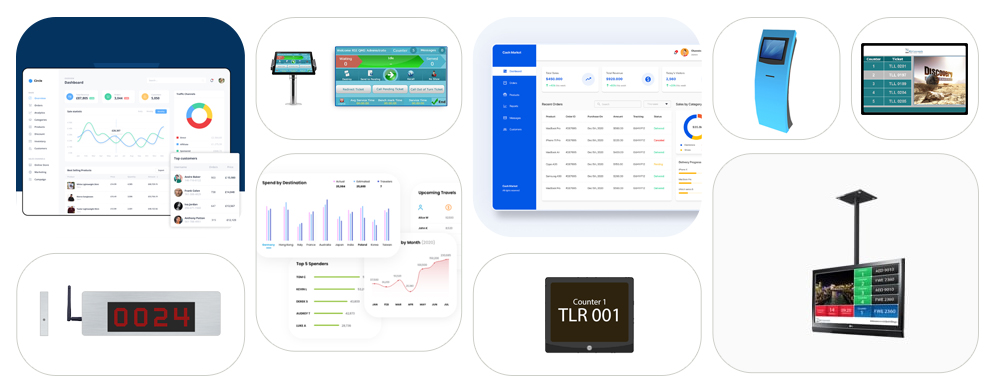
    1. Admin Dashboard
    2. Agent Dashboard
    3. Customer Interface
    4. Data Analytical Engine
    5. Reports, Stats & KPIs
  • Queue Management System Hardware Components
    1. Interactive Kiosk/Ticket Dispensing Machine
    2. Digital Signage Screens
    3. Counter Plates/Screens and Signs
    4. Announcement System

Queue Management System Software
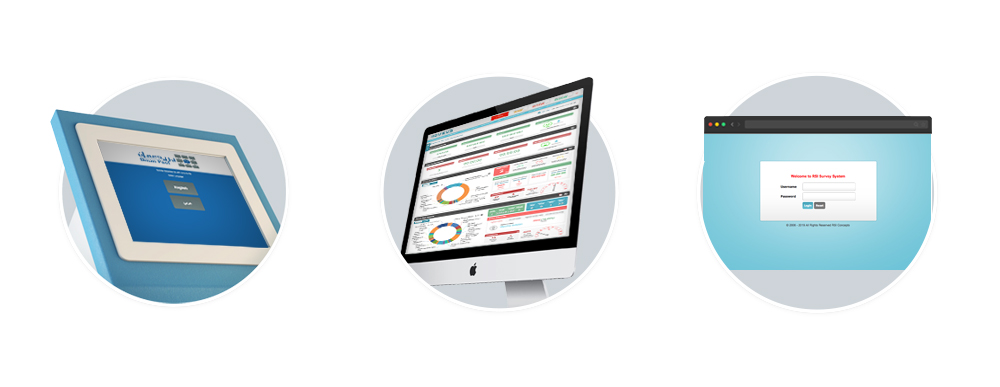
Queue Management System Software

A queue management system software is a server-side application with multiple interfaces for each system user. This means that all the computing, logic, and data processing is done on the server. Usually, the interfaces are built as web apps or web-based interfaces. There are different technologies used to build the server-side application. However, the main mechanism and functioning remain the same.

Here are the queue management system software components:

1. Admin Dashboard
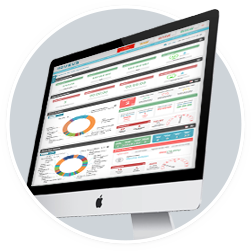
Admin Dashboard

The Admin Dashboard is also referred to as back-office or more commonly known in Dubai and UAE as the administrative control panel. This is the main management interface of the system. The management can control various features and configurations from this interface. This panel can also provide real-time monitoring and administrative control of all the connected branches. The administrative hierarchy with access and authentication rights can be allotted using this panel to managers and staff responsible for different operations. New administrative system users can be created and managed through this panel.

2. Agent Dashboard
Agent Dashboard

The agent dashboard is the interface used by the agents and servers. This interface provides all the required information along with the queuing controls and management. A queue management system can be integrated with other internal systems and tools to further expedite the service delivery process. The server or agent dashboard is the interface where all the information can be fetched or can be pushed through as well. Usually, businesses only ask for queuing controls but this is indeed a very useful interface and can be customized to improve the staff efficiency as well as customer experience.

3. Customer Interface
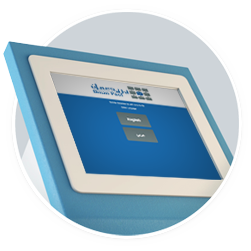
Customer Interface

A customer interface is an interface where the customer directly interacts with the queue management system. The core functionality of the customer interface is only to allow customers to sign-up for the queue. In Dubai and other parts of the UAE, we mainly see queue management systems with a ticket dispensing kiosk machine. The interface is usually touch-based with multilingual support. The touch screen kiosks are very good at providing easy interaction. Customers can easily choose the service they want to avail and the QMS will sign them up for the required queue.

4. Data Analytical Engine
Data Analytical Engine

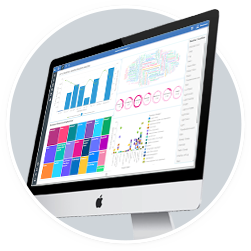
The data analytical engine is basically the ability of the software to capture data from multiple interaction points and also data coming from various other inputs. For example in most cases the businesses these days like to integrate a customer feedback system with the queue management system to collect direct customer feedback. The data analytical engine’s responsibility is to process all the incoming data in a predefined way to generate analysis and summaries. This analysis and summaries will be later utilized by the reporting module to generate various types of reports. The data analytical engine is a kind of virtual feature and is not visible for any system user. In fact, it is a background process.

5. Reports, Stats, and KPIs
Reports, Stats, and KPIs

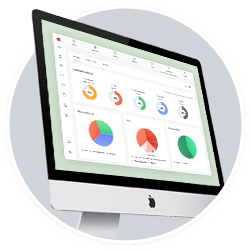
Once the data has been processed through the data analytical engine, it is ready to process in the form of reports. These reports help the management to understand the performance and progress of various business processes and it help them building future strategies and policies. The queue management system collects various types of system usage information and statistical data which can be utilized in reports. The KPIs or Key Performance Indicators are being used to monitor and measure the performance of the staff as well as of various business processes to easily identify the areas of improvement.

Queue Management System Hardware Components
Queue Management System Hardware Components

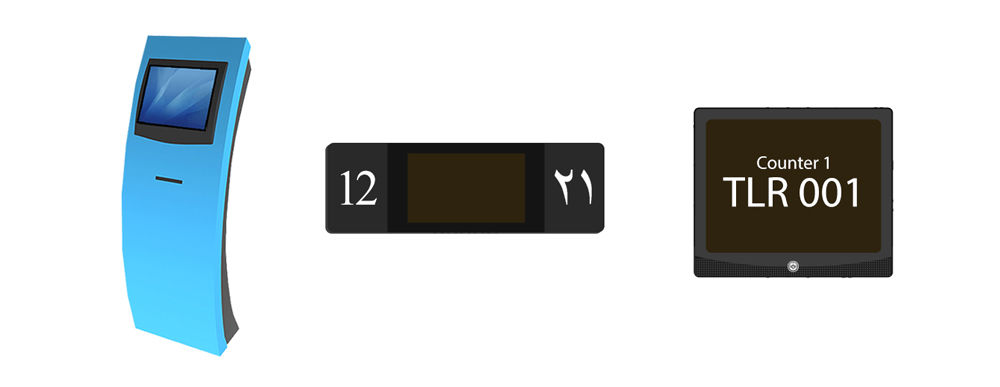
The hardware part of a queue management system is very simple. It includes basic components that support the software to let various types of interactions with the system. Mainly most of the hardware components are meant for the customers and visitors. The hardware components not only help to manage the customer flow but are also very helpful in improving the customer experience.

Here are the queue management system hardware components:

1. Interactive Kiosk/Ticket Dispensing Machine

Interactive Kiosk/Ticket Dispensing MachineThe interactive Kiosk or Ticket Dispensing Machine is the very first interaction of the customer or visitor with the queue management system. Usually, touch screen interactive kiosks are being used to serve queuing tickets and let the user sign-up for their required queue. The self-service interactive kiosk is the most widely used hardware, it is very convenient and easy to use. It allows a customer or visitors to navigate to their required service easily by tapping a few buttons on the touch screen. Then it dispenses the ticket for the selected queue/service.

2. Digital Signage Screen
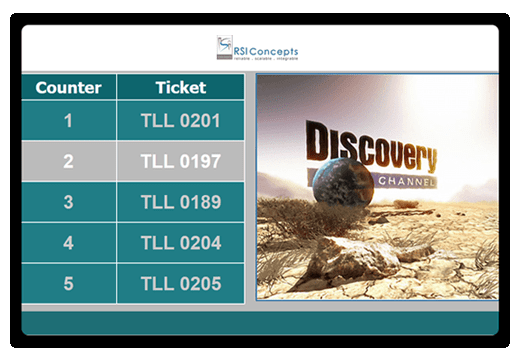
Digital Signage ScreenThe digital signage screens are large displays placed in certain locations to make them visible for all the customers and visitors inside the premises. The display screens are an essential part of a queue management system as they are being used to display the real-time queuing status and other information. The announcements are also made on these displays. Apart from that these large screens are also used to play content and adverts. This technique helps to reduce the stress of waiting by playing media and displaying constant updates they keep the customers engaged and busy.

3. Counter Plates/Screens and Signs

Counter Plates/Screens and SignsThere are several hardware accessories that can be used with a queue management system however in a basic QMS setup we use only a few accessories such as the counter plates or counter screens and maybe a few digital signs too to routing the customers. It depends upon the service types, premises, and the service delivery process. The counter screens and counter plates are used to mark the counters, the screen can display the ticket number along with the counter number, which is very helpful for customers to easily reach their allotted counter.

4. Announcement System
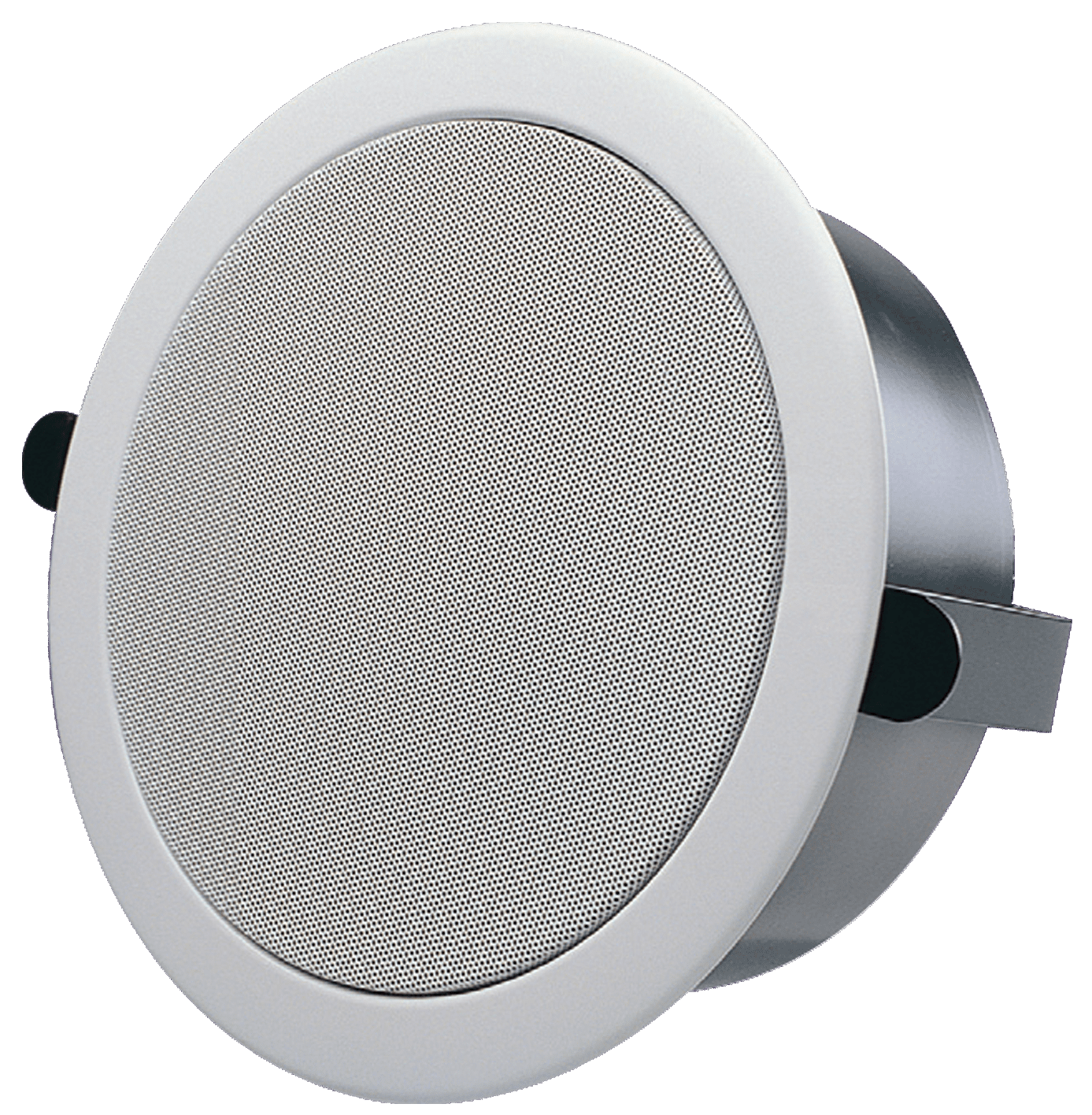
Announcement SystemThe announcement system is an essential part of any queue management system. If the waiting area is small and we have enough digital signage screens, the built-in speakers can be used too, else there has to be a dedicated sound system to make audio announcements for customer calls. It is due to the fact that when people are waiting in the waiting area, they might get distracted by several things, such as they are talking, or on the phone or reading or any such thing. Here in Dubai and UAE usually bilingual audio announcement systems are used.

How does a Queue Management System Works?
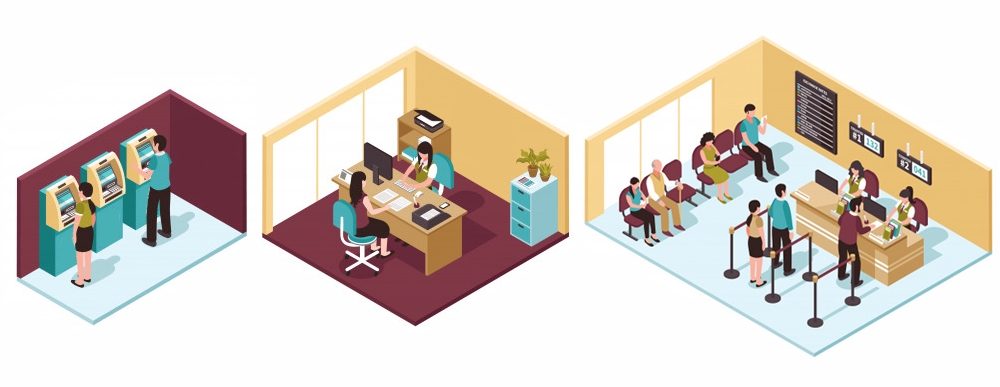
How does a Queue Management System Works

The process is very simple and easy as the queue management systems are designed to reduce the customer wait time and difficulty in availing the service as well as to improve the work efficiency and productivity of the employees as well. The workflow is as follow:

Step 1: Customer or visitor sign up for the queue
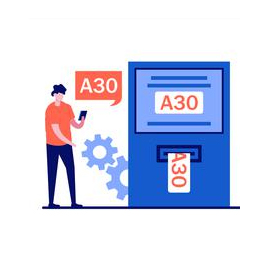
customer visitor

Step 2: Customers are requested to wait in the waiting area

customer waiting area

Step 3: Customer is being called to arrive at a certain counter
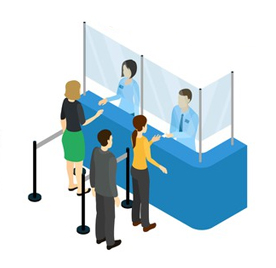
customer arrive at counter

Step 4: The service has been delivered (in case of stepped service, the customer can be directed to the next counter or waiting area accordingly)

customer at next counter

Step 5: Customers are being provided with an option to submit feedback before they leave, or they simply left without providing any feedback

submit feedback


This is the customer journey through a queue management system. However, in the background, the queue management system keeps gathering stats and business intelligence too. Which is being transmitted to the management and/or to the head office in real-time. This data captured from different touchpoints and KPIs can be further analyzed and processed to compile actionable reports. The management can utilize these reports to take future decisions and make new policies to improve service delivery processes and also the services. This can help businesses to improve customer experience, customer journey, and customer retention. Which is necessary for steady growth.

See Also: Important Hardware Components of a Queue Management System

Conclusion

The queue management systems are extremely effective and are playing a vital role in many industries. It is important for businesses to understand the actual technology and its operation before opting for any digital queue management system or customer flow management system. Even a very basic queue management system comes with a very powerful software tool and supportive hardware to significantly transform the customer journey and customer experience. The queuing solutions are also very helpful in reducing the workload of the staff and the servers, which can significantly improve their work efficiency.

The KPIs, reporting module, and data analytical engine provide great business intelligence. Which can be utilized by the management to identify the areas of improvement and to make future policies and strategies. Customer retention helps improving customer loyalty. If a business has a loyal clientele, it can easily build a strong and positive brand image, which is also very helpful in generating new leads. Positive brand identity also helps improving conversion rates of marketing efforts.

Altogether the benefits of a queue management system are staggering and businesses can gain a lot by only commissioning a very basic queue management system. RSI Concepts is specialized in Queuing Solutions, we have a variety of queue management systems that can provide you a great competitive edge. If you want to request a quote or just need consultation, feel free to reach us out through our Contact Us page or leave a comment below and we will get back to you soon.

See Also: What is Queue Management System?

Impacts of Queue Management System on Employee’s KPIs

Impacts of Queue Management System on Employee's KPIs

Employees KPIs (key performance indicators) are used to assess and evaluate the performance of an employee. Some of the KPIs are set only for individual employees to assess their performance so that the organization can take accurate decisions about the employee such as salary and packages, transfer, training programs, bonuses, increments, promotions and termination. A queue management system is a great aid to the customer service and support agents. It helps to streamline the customer flow and reduce the workload of the staff. This results in overall improved efficiency and productivity of the entire branch.

These days queue management systems are most widely used in Dubai, UAE. No matter how big or small your facility is if you are welcoming customers and visitors then you should have a digital queuing solution to manage the customer flow. The queue management system also reduces the wait time and improve service delivery time and quality which is great in improving customer experience and customer journey. A good customer journey improves customer satisfaction which helps business in customer retention and building up their brand image.

If we talk about the Performance Management System or even the Employee Performance Management and customer service KPIs a queue management system have a very positive impact on employee’s performance and KPIs. As the queue management system automates the various process and significantly reduce the workload of the server or agent, the efficiency and productivity automatically get increased for each individual employee.

See Also: From Chaos to Control: How Queue Management Systems Can Improve Your Business

The main reason why business stress so much about employee performance is because it can directly impact the customer experience and customer journey and the brand reputation is a direct consequence of how a brand treats its customers. This is why having a great customer journey and experience can portray a positive image of the brand and vice versa. Here are some important KPIs that could directly get impacted by the queue management system:

Average Customer Served

Average Customer Served

This is the very basic KPI for any customer service or support agent. This indicator measures the quantity of the customers served by any agent on daily basis. This is very important for a business to assess the productivity of their employees and the entire brand or department. Without a queue management system, this factor remains low, as the agent and server are also focusing on managing the queues along with the other staff. Once a queue management system is in place, it automatically manages the customer flow and customer routes, the queuing system significantly reduces the wait time of the customers and visitors, which means that more customer is available for each employee/agent.

The queue management system also reduces the workload of the employees which makes it easier for each employee to be able to serve more customers. The queue management system can significantly improve this KPI for any employee.

See Also: The Role of AI in Enhancing Queue Management Systems

Customer Experience Indicators

Customer Experience Indicators

Customer experience indicators are not a single KPI but it is a group of a lot many KPIs which monitor and measure a lot of inputs. Without a queue management system, the customers might not be much happy, as they would have to wait in long unorganized queues to reach the counter, once they reach there they are already emotionally stressed out, they could easily get annoyed with the employees which result in poor customer experience and it also reflects in employees KPIs. With a queue management system in place, the customer journey is mostly controlled and managed from it.

This not only reduces the wait time but the queue management systems are also capable of improving customer’s waiting experience by providing real-time queuing updates, announcements, and in some cases multimedia content too. These all things keep the customers engaged and relaxed, when a customer arrives at the counter, they are in a calm state of mind which help the employees to serve them better hence the customers get a good experience and the employees KPIs also reflect that.

See Also: What Is Virtual Queuing? A Guide to Virtual Queues

Average Service Delivery Time

Average Service Delivery Time

This indicator is used to determine the average serving time of an employee. As the customer experience is very important and any delay in service delivery could impact that, which indirectly impact the overall performance of the employee as well. With the help of a queue management system, the employees’ tasks and workload can be reduced. Which let them finish the process more quickly. Above all the integration and automation provided by a queue management system also plays a vital role in quicker service delivery time. Which is a direct performance indicator for employees.

The queue management system provides an agent portal or dashboard which provide comprehensive controls and links it with the other systems and tools. This further reduces the service delivery time. For example whenever a customer is arriving the employee needs to fill in some data from the customer, which can be fetched automatically from the customer database by enabling data synchronizations, and other methods, the same works for the internal ERP or Customer Support Software.

The queue management system can authenticate the customer using any unique identifier at the time of sign-up for example Emirates ID and fetch the data from the customer database and push it to the ERP or Customer Support Dashboard so when a customer reach the counter the data is already filled. Such features and a lot many other features can significantly reduce the service delivery time. Which also reflects in the employee’s performance indicators.

See More: How Queue Management System Helps to Provide Better Customer Service

Average After-Service Work Time

Average After-Service Work Time

Most of the time when the customer got served the agent has to do some work such as filling in forms, or submitting data or updating anything in the systems. Sometimes it could take up to 5 minutes which cause a delay of 5 minutes in the next customer call. This time is known as ‘average after-service work time’. Without a queue management system, these times are added up in the waiting time of the next customer which not only reduces the number of ‘average customers served’ by an employee in a day but also impacts the customer experience.

If we calculate the total after-service work as an average of 3 minutes for a customer and the entire service delivery time as 10 minutes then at the end of the day the average after-service work time is one-third of the total active service delivery time. Which is huge. A queue management system with its capabilities of automation and data synchronization can reduce this time to a few seconds or it can completely eliminate this factor.

This not only improves the customer experience but also increases the average number of served customers by a single employee. This also helps during the employee performance assessment and it can boost the employee performance.

See More: How Performance Management System helps in Customer Journey improvement?

Customer Happiness Response

Customer Happiness Response

That is another great indicator to assess the employee’s performance. The customer happiness response and customer surveys are always a good source of vital business intelligence data. Customer feedback help organizations to understand their needs, demands and expectations from the brand. Basically, a customer happiness meter or customer rating scale is a great indicator to assess employee’s behavior towards the customers and visitors. Mostly queue management systems have a built-in customer happiness scale or customer feedback module.

The interface is very simple, it is 3 or 5 smileys or a rating scale from zero up to ten. In order to encourage more customers to submit their feedback, the happiness meters are built for the simplest interaction. All a customer has to do is touch on the small tablet, or kiosk screen to rate their experience. The queue management system can automatically fetch all the required customer data and information. As when a customer is at the counter only then they will be able to access this touch screen so the whoever customer was being served at the time of feedback submission can be easily identified.

This is a great way to assess employee’s behavior with the customers using a queue management system. If an employee is very good with the customers they will be compelled to leave a positive response and if an employee is not so good or failed to satisfy the customers most of such customer will leave negative feedback on the happiness meter.

See More: Employee Performance Management is a small part of Performance Management System

Employee’s Average Active Time

Employee’s Average Active Time

Employee’s average active time is a very important indicator for an organization. The organization can assess the output and productivity of an employee on the basis of this indicator. A queue management system can feed very accurate data for such KPIs. The queue management system can log the time interval between one customer served and the second customer call. Which will be the inactive time of the employee. Like I mentioned earlier this time could be consumed by the after-service work activities but those activities are already defined and the time required for such activities can easily be measured.

Therefore any time more than that of which is consumed for after-service work will be considered and recorded as an inactive time of the employee. This time is very important as it will later contribute in the overall assessments of the employee to determine how productive they are, and how much they are costing to organizations and how much they are returning or generating for the organization. Not only that this data can also be fetched into other indicators.

For example, if your organization have a capacity of deal 10 customers simultaneously or has 10 counters, in the waiting area there are 40 customers and for each service delivery the maximum time is 15 minutes, ideally all the customers should be served by one hour, but if one or two of the counters are inactive for 15 minutes each then all 40 customers will take more time than the expectations.

This not only impacts the customer experience but it also impacts the overall performance of the organization or this particular branch. Hence the KPIs should be set to identify which employees are causing this and only they should be held responsible for that and not the entire branch.

See More : Importance of KPIs to Improve Employee Performance in Dubai

Conclusion

A queue management system is a very powerful corporate tool, it helps businesses and organizations to improve their customer’s experience and brand reputation. The employee’s KPIs are used to assess and review the performance of the employees as well as their contribution in achieving the overall organizational goals and objectives. A queue management system can provide crucial data and inputs for various KPIs which can help to assess the performance of the employee. Having an efficient queue management system can significantly improve employee efficiency and customer experience.

The data and monitoring from the queue management system is very accurate and detailed. Those inputs can be utilized in almost all sort of employee KPIs. The queue management system enables the organizations to monitor and measure various indicators such as the number of served customers by an employee, average service delivery time of an agent, customer happiness and satisfaction indicators, average of active and inactive time of the employee and the customer feedback scale or happiness meter. Sometimes more descriptive surveys can be used too to collect feedback from the customers.

The queue management system also improves employee performance by reducing their workload, automation of various processes, efficient customer flow management and reduced wait time. This enables the employees to serve more customers in less time, which hugely impact the employee’s performance. If you are looking for a comprehensive solution to improve your customer journey as well as boosting and monitoring employee performance? Feel free to reach us through our Contact Us page. RSI Concepts is a leading queue management system and employee performance management solutions provider in Dubai, UAE.

See Also: How a KPI Software can help provide better Customer Journey?

See Also: The Future of Queue Management Systems: Trends to Watch in 2025


What are the Different Types of Queue Management System?
What are the Different Types of Queue Management System

All sort of service-based industries is always seeking ways to improve customer experience and customer journey at their businesses or offices or customer centers. Satisfied customers mean a good brand reputation and more customer retention, which ultimately lead to steady business growth. The best way is to streamline your customer flow with a digital queue management system. In Dubai, UAE if a brand has a physical interaction with its customers and visitors, a queue management system is a must. No matter how small or how large a business is if they are interacting with customers and visitors at their premises then having a queue management system is a norm these days.

The customers and visitors also expect a queue management system rather than long queues controlled by the staff manually. The queue management systems are built for certain scenarios as well as general-purpose, and the technology used to build the queuing systems is also widely available, which leads to too many innovations and types of the queue management system. Moreover here in UAE customers also expect Arabic queue management system, which is why it is important to ensure your queue management system has multilingual UIs. This sometimes makes it difficult for some businesses to select the most efficient queue management system that can fulfil their needs.

See More: The Leading Queue Management System Provider in UAE

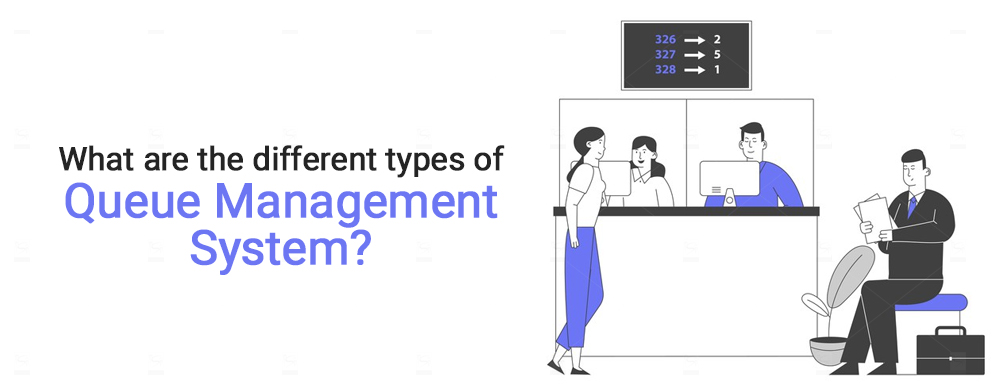
That is the reason we decided to write about it. This blog is a definitive guide to queue management systems. Here are some different types of the queue management system:

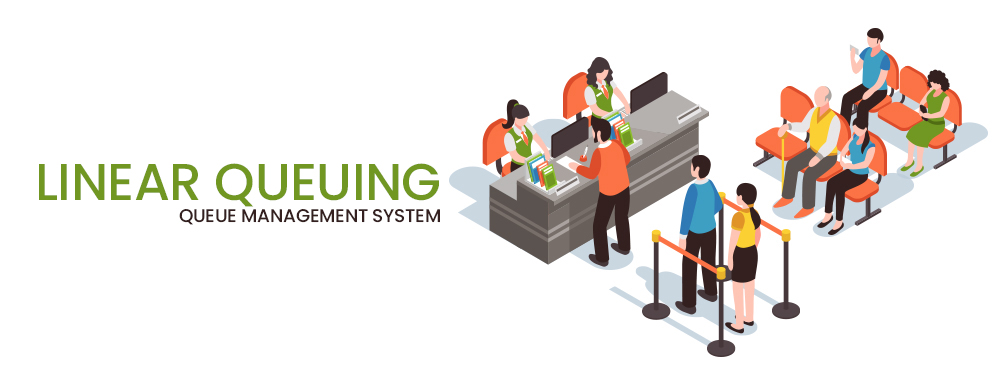
Linear Queuing

Linear Queuing

Linear queuing or linear queue management system is the most basic type of customer flow management. It is a first come first serve type of queuing. And is considered to be the oldest and most commonly used method to handle the queues. It consists of a single line and a single server. Although the server could be more too and the lines could be in parallel. Usually, this kind of queuing is used to maximize the throughput of the customer service center. The Firs-In-First-Out or FIFO approach is the best for small delivery time-based services or quicker services.

Mostly small service centers with fewer customers utilize linear queuing to maximize the efficiency of the system and the infrastructure. Linear queuing is the most basic type of queue management systems and it also requires fewer system components and less sophistication. Multiple lines can be segregated on the basis of their required service, the queue management system enables the customer to choose the service they want to avail.

Most of the time in case linear queuing when implemented in a scenario where there are multiple services available, then multiple parallel lines can be created and the customers and visitors can be segregated on the basis of service they want to avail. For example, all the customers who availed service with the higher service delivery time should be put in the queue against a particular counter.

See More: What is Linear Queuing Queue Management System?
Non-linear Queuing

Non-linear Queuing

Mostly the service-based industries are relying on non-linear queuing. Usually when you have more than 4 counters and/or multiple services to serve then the non-linear queuing is proven to be much better than linear queuing. In non-linear queuing, for example; there are two counters for Service A and four counters for Service B. Service A requires around 10 minutes and service B requires around 20 minutes for single service delivery. The queue management system automatically directs the customers to their required service counter regardless of their time of arrival if their required counter is vacant they will be directed to that counter without any delay.

This is how non-linear queuing works, there are certain variables and conditions that may apply to the customers to determine where would they get the service from and how long will it took them to get the service delivered. All types of queuing come under the umbrella of non-linear queuing in which the first-come-first-serve rule is not followed. For example, the exclusive counters for VIP or Premium customers are also examples of non-linear queuing.

Another very common example is the telecom customer support and service centers, which usually offers a variety of services, and almost all counters can provide all sort of services too. Yet some of the services are addressed quicker than the others, it depends upon the company policy, for example, we can say that the company want to prioritize new leads and prospects who choose to purchase a new plan or service and so on. These types of queuing are all non-linear queuing.

See More: Features of an efficient Queue Management System

Multi-Counter Queuing

Multi-Counter Queuing

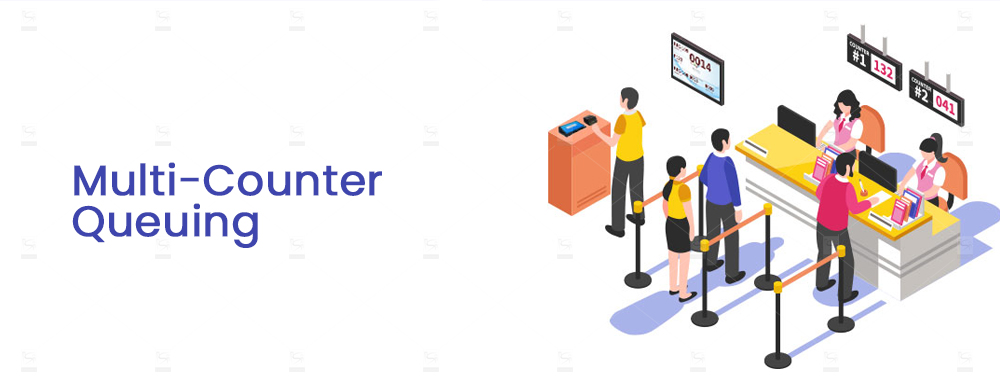
Multi-counter queuing is a little bit complex than other linear and non-linear customer flow management. In multi-counter queuing a customer will have to reach multiple or more than one counters to get a complete service delivered. In multi-counter queuing multiple queues has to be managed in parallel to ensure a shorter wait time. For example visa &immigration services or a clinic or bank or anything, there are so many different applications of multi-counter queuing. In multi-counter queuing the customer signup for a queue and gets a ticket number, once their turn came they arrive at the first counter, where most data entry is done, or the service is initiated.

Then they have been either given a new ticket number or the same will be reutilized for the next stop. The customer can be guided to the next counter with the help of different signage and direction pointers. Then the customer reached the second counter, the customer data and/or details can be automatically pushed to the next counter upon their arrival. This saves a lot of time and improves customer experience.  Either the full service is delivered at the second counter or the customer could be directed to the next counter and so on. This is how a multi-counter queuing work.

See More: Benefits of Queue Management using Mobile Apps

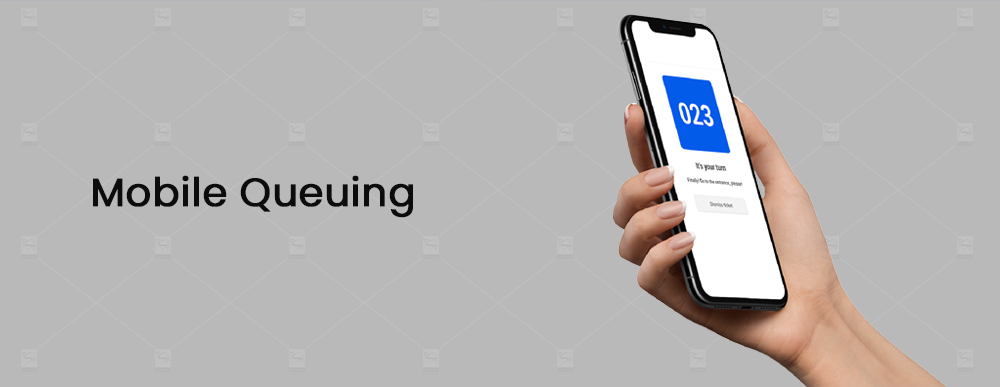
Mobile Queuing

Mobile Queuing

Mobile Queuing is aimed to improve the customer experience and customer journey by reducing wait time, preventing crowd formation in the waiting area, facilities to locate and reach the least busy branch, schedule a visit, customer feedback collection and contactless queuing experience. There is a lot more and the business and organizations can significantly improve customer satisfaction using a mobile application based queue management system.

The customer journey can be improved by providing simple and basic features such as a branch locator, this feature helps the customers to locate the branches near them, the customer can also view the real-time stats of each branch and an estimated time of service delivery can also be provided. This way the customer can easily decide which branch they should go to to get the quickest service delivery.

This not only reduces the wait time but also helps to improve the customer journey as well. The customer can sign-up using their queue management system mobile application. The queue management system can also send push notifications, SMS and other alerts to inform the customer about their turn.

This is a great queue management system feature that can help business to improve their customer journey. And it also enables the business and organizations to collect customer feedback via the same smartphone application, which can be later utilized to further improve the customer journey and customer experience.

See More: Benefits of Virtual Queue Management System

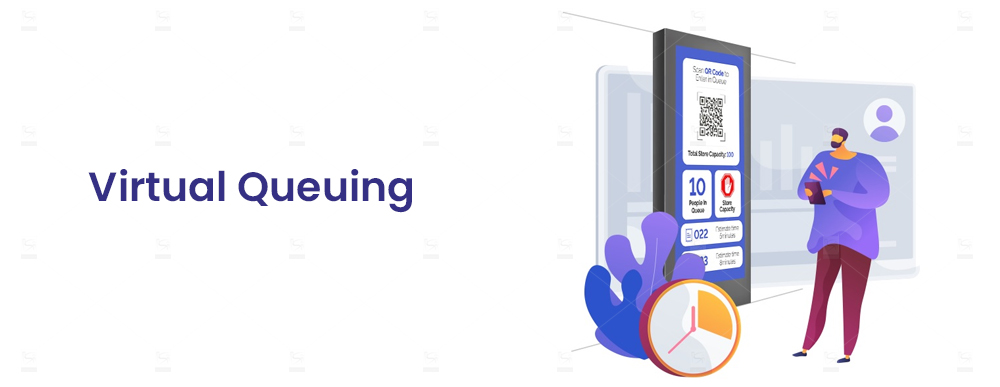
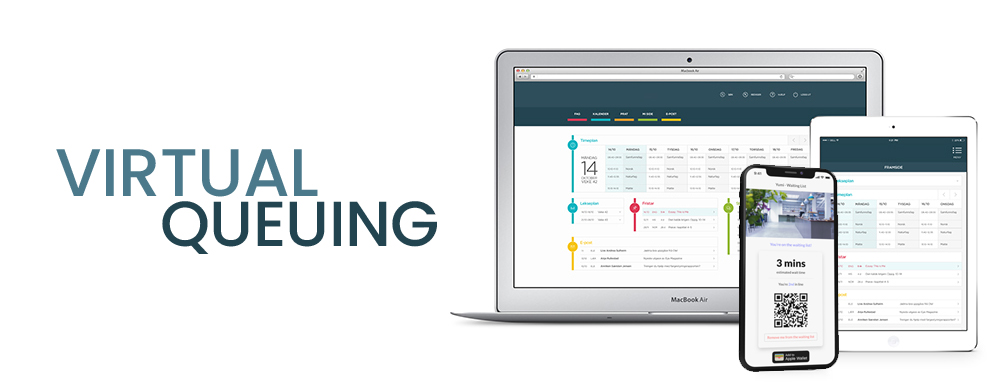
Virtual Queuing
Virtual Queuing

Virtual Queuing is a queue management system that has the ability to allow the customers to sign-up for the queue without even being physically present in the queue. It not only enables a virtual sign-up but also provides the freedom of waiting anywhere even outside of the premises of the branch. Still, they can be served on their turn. Virtual queuing significantly improve the customer journey and customer experience. It also helps to reduce the workload of the staff and the management and there are very few chances of a crowd formation at the branch. These are the features that make it superior to other queue management system types.

The customer can perform the tasks and monitor the queue progress on their smartphones or via a web portal or via SMS. The customer signup can be done via email, SMS, call, Smartphone Application or Online Portal/Website. The virtual queuing also reduce the workload of the staff which results in improved employee efficiency.

The virtual queue management systems support a lot of different methods to signup remotely. The most common methods are smartphone application and QR Code scan. The customer can log in to their smartphone application and then signup for the queue, or the customers can reach a branch and scan a QR Code which let them signup for the queue as well as also helps them getting access to the real-time live queue updates and status.

Various types of notifications can be configured for the announcements and/or as a reminder for their turn. Virtual queuing can significantly reduce the wait time and automation also limits the resources required for customer flow management, which can save a lot of expenses. The system commissioning is fairly simpler and the ROI is excellent.

See More: 5 Features of Queue Management System

Online Appointment

Online Appointment

The online appointment booking system is very common in the healthcare sectors. A lot many other industries are also utilizing the online appointment booking system. A queue management system can either be integrated with an existing online appointment booking or management system or an appointment booking module can also be provided packaged with the queue management system. The appointment booking system can be either provided by the smartphone application or by an online web portal.

Mostly both methods are used. The customer have can access the appointment booking dashboard with or without logging in to the customer portal, or smartphone application or even via the website as well. The customer can choose a particular day and time of their choice, the system can provide them with the expected service delivery time, or the number of active queues at that particular time. A lot many other features can be provided too to further improve the customer experience.

The online appointment booking with queue management system not only helps reducing customer wait time and the service delivery time but it also reduces the workload of the staff and provides them with better control over the number of customer or visitors at any given point of time. The online appointment booking system also helps organizations to collect valuable data and other system stats even customer feedback too. This data is very helpful for business to take vital decisions and build up future strategies.

See More: Paperless Queue Management System – Dubai, UAE

Conclusion

These days not only in Dubai, UAE but all around the world, businesses are very concerned about their customer experience and customer journey. Especially in the competitive landscape, a proper queue management system can be a game-changer. The queue management system not only helps businesses in improving their customer experience and customer journey but also provides a vital business insight that can be utilized while making strategic decisions. Improved customer journey and customer experience results in better customer retention and increased sales. This ensures steady growth for the business.

However, there are so many different types of queue management system and it is extremely important to understand which type is suitable for what kind of scenarios. Only a suitable queue management system can provide maximum efficiency and desired results. There are basically two major classifications of the queue management systems, one is linear and the other is non-linear, the linear is first-come-first-served and all other types of the queue management system are considered to be non-linear.

There are other types too which are based on the basis of service itself, whether the service requires a single counter, or multiple counters and so on. No matter whatever the scenario is a queue management system can be very helpful. We always suggest acquiring the services of a professional queue management system provider in Dubai, UAE such as RSI Concepts. We at RSI Concepts have helped hundreds of customers to achieve their business goals and objectives. Feel free to reach us out through our Contact Us page.

See Also: Complete guide to Queue Management Systems in Dubai, UAE


Future of Queue Management System in Dubai

Future of Queue Management System in Dubai is very promising. As the use of smartphones and mobile technologies is very common so does the IT services and solutions providers in Dubai, UAE such as RSI Concepts are focusing more on smartphone innovations and usage of mobile technologies to improve our products and services. Reaching out your customers is always difficult and very important for businesses, success lies in reaching out your prospects and customer wherever they are and provide them more reliable, easy-to-access services with ease and convenience.

Future-of-Queue-Management-System-in-Dubai

The Queue Management System not only reduce the waiting time for the customers but it also improves the service delivery and creates an impactful image of the business on the customers. There are so many different parts and technologies combined to form a queue management system. As the technology is getting better and the software is getting smarter the queue management systems are also getting more reliable, effective and useful. The queue management system not only manages the queues and customer flow but also provide intelligent insight into the service delivery mechanisms and performance of the systems, people involved in the service delivery process.

Introduction of smart applications, mobile phone compatibility and online services are also making the modern queue management system more effective. Businesses in Dubai, UAE are switching to queue management systems and not only that but businesses are very interested in the statistical and analytical data of the QMS which helps them improve their services and also provide sufficient info for the decision making.

Our Queue Management System came with intelligent software. The QMS software features a powerful analytical engine to compile and compare statistical data and generate reports. Such reports help the higher management to understand the service delivery process, agents’ performance and much more. The Queue Management System can be implemented on several branches hence can be monitored and controlled through the local branch itself as well as through the head office. There are so many other integrations and upgrades that can be made to our Queue Management System in future to improve the usability and effectiveness.

At RSI we believe that every individual is different, so does every organization and or customer is too. So, we always provide fully customized QMS solution. Our customized queue management systems are built for specific requirements and needs of our customers. This not only reduces the implementation cost by eliminating useless options/accessories from the system but it also improves the user experience and customer journey. The capability of online offering so many advantages such as real-time monitoring along with branch and agent level live updates. The online QMS is also enabled with mobile phone applications connectivity and remote sign-up for the queues along with real-time additional information and data for the visitors to let them plan their visit.

Obviously the ease, comfort and happiness that queue management system offers are impossible to attain without them. Not only that but the statistical/analytical data and reporting offered by an electronic queue management system helps a lot to understand the customer behaviour and it also helps businesses understand their performance. Hence business can rely on the QMS data feeds to further improve their service delivery mechanisms which result in happy customers.

Checkout: 7 important features of Property Management System – Dubai


Complete guide to Queue Management Systems in Dubai, UAE

Here is a complete guide to the Queue Management System in Dubai, UAE. The purpose of this guide is to let our audience understand the queue management systems/QMS and to address the basic questions our customer always ask us about the QMS. The queue management system or queuing systems or customer flow management or crowd management system, these all terms refer to the same product. There are many different types of queue management systems so it is important to clearly define your requirements and the purpose/objectives of the system before opting for any QMS.

Why a Queue Management System is required?

Why-a-Queue-Management-System-is-required

In case if you are having a fairly large number of customers/visitors at your branch/office and you are providing services which require the physical presence of the customer at the branch. Such as banks, hospitals, public offices, ministries, HR departments, public offices etc. Then you must have to manage the queue to prevent unnecessary waiting time for the customers, control the workflow and customer flow. For all that you need a digital queue management system.

Here are some important things that need to be defined before selecting a queue management system:

  1. What is the quantity of daily expected visitors/customers?
  2. How many counters do you have?
  3. What are the services you are currently offering and also planning to offer in the near future?
  4. What is the average service delivery time?
  5. What is the objective of installing a new Queue Management System? Such as optimizing the service delivery time, reducing the workload on the agents, expansion of the facility, addition of new services, etc
Once all those questions are answered only then you will be able to define the clear objectives of the queue management system. As we have understood the purpose of the queue management system so now let us discuss what a QMS is and how does it work and what are the benefits of having an efficient queue management system in place.

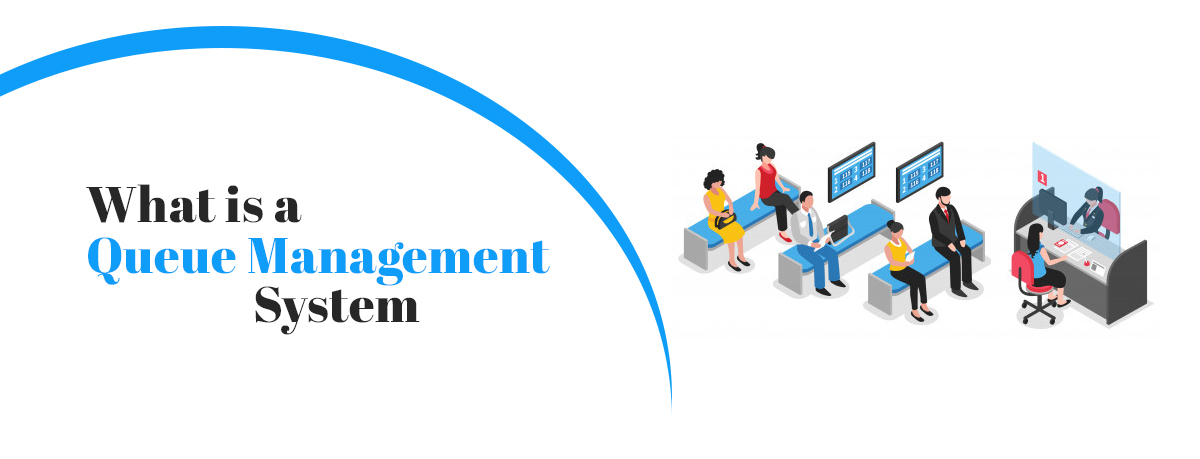
What is a Queue Management System?
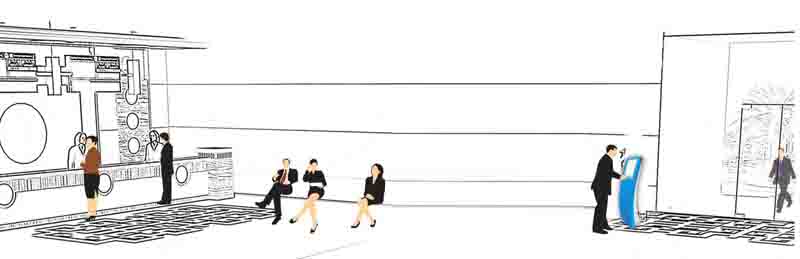
What-is-a-Queue-Management-System

As the name suggests the queue management system allows a business/office/organization to effectively manage the queue at their offices/branches. There are so many different types of digital queuing systems some comes with only simple LED Screens with a trigger switch. Some come with a bulky software which enlists all the activities, analyze the data and generate reports. There are some QMS variants with large signage displays, token printers, QR Codes, and other accessories to enhance the customer journey and user experience through the service delivery process. There are some digital queue management systems that completely operate paperless. Some queuing systems also allow virtual queuing and smartphone-based services. We will enlist all major types and classifications of the queue management systems in this guide.

Types of the Queue Management System

In this guide we will cover only the major and most widely used types of the queue management systems which are as follow:

  1. General Purpose Queue Management Systems
  2. Queue Management System to aid Social Distancing (New)
  3. Linear Queuing Management System
  4. Virtual Queuing System
  5. Paperless Queue Management System
  6. Smartphone Apps based Queue Management Systems

1. General Purpose Queue Management System

General-Purpose-Queue-Management-System

General Purpose Queue Management System or simply Digital QMS is the queuing systems most widely used in banks, hospitals, public offices, customer care centres, HR departments and other similar places where a large number of customers/visitors is expected. The Digital Queue Management Systems comprises small LED Displays or Monitors, large signage screens, token dispensing kiosks and a queue management system software.

2. Queue Management System to aid Social Distancing

Queue-Management-System-to-aid-Social-Distancing

This is a new addition to the industry amid the current scenarios. The Social Distancing Queue Management Systems are built exclusively for aiding and implementing/enforcing the social distancing at the branch/facility. Our Social Distancing QMS is thoroughly designed to provide safety measures for both the customers/visitors and the agents as well. The software is a massive upgrade of the regular queuing system software and provides multiple operating modes which can be configured from the control panel. This means our Queue Management System to aid Social Distancing is capable of operating in both scenarios with and without social distancing.

3. Linear Queuing Management System

Linear-Queuing-Queue-Management-System

Linear Queuing Management System is very suitable in reducing the service delivery time and enhancing the efficiency of the agents without compromising the customer journey or user experience. The linear queuing queue management systems are widely used at the customer service centres and public offices, where the facility is built to have a large number of the counters and a centralized waiting area. The queue has been managed on first come first serve bases. The Linear QMS comprises of small displays mounted at counters, large signage displays and announcement systems to direct the customers from the waiting areas to the vacant counter.

4. Virtual Queuing Systems

Virtual-Queuing-Systems

Virtual Queuing Systems are the QMS that allows online or remote methods to sign-up for the queue. There are several mediums used for virtual queuing. The customer/visitor doesn’t have to come to the branch to sign-up rather they can sign-up remotely and they can arrive at the exact time when their queue should have been called. This prevents the crowd at the branch/facility and it also reduces the wait time. The latest software for our Virtual Queuing System also allows the agents to control the queue with more automation and flexibility. This also reduces the workload of the agents and increases their efficiency hence results in less service delivery time.

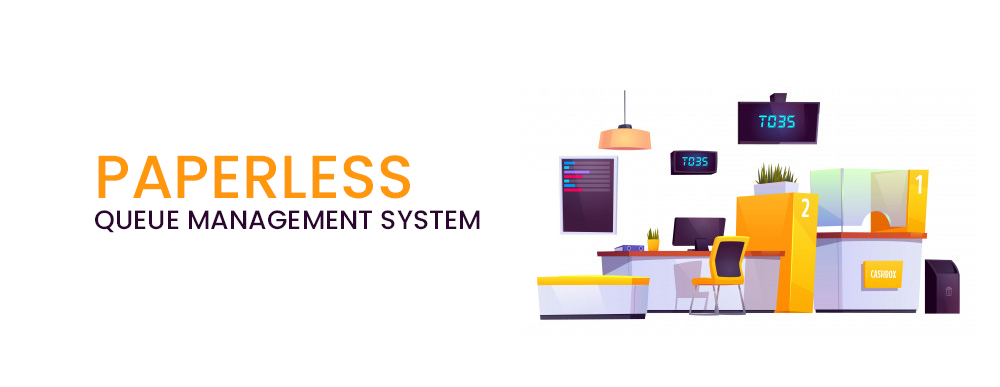
5. Paperless Queue Management System

Paperless-Queue-Management-System

As the government of the UAE is encouraging businesses and corporate sector to go paperless or minimize the use of the paper in day to day operations to support their eco-friendly initiatives. More and more businesses organizations and companies have started to adopt it. There are some other reasons too for going for a paperless queue management system such as reduce the physical contact and maintain the social distancing, etc. The paperless queue management systems comprise of virtual sign-ups via smartphone apps, call, SMS, email, etc. Then there are standard digital signage displays, counter screens, etc.

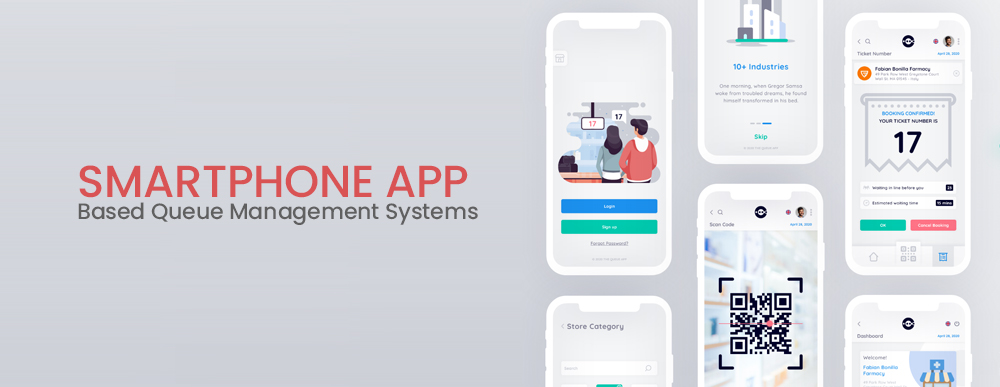
6. Smartphone Apps based Queue Management Systems

Smartphone-App-Based-Queue-Management-Systems

As the smartphone internet traffic surpassed desktop traffic since 2016. More businesses are utilizing this platform. In the United Arab Emirates, smartphone internet users dominate ordinary internet users. It is very wise to use this platform for your advantage. This is the reason we have built a smartphone-based queue management system. This QMS utilizes the smartphone application for both Android and Apple to improve the customer journey as well as it improves the control and monitoring for the agents and the administration. There are three main smartphone portals:

  1. Customer/Visitor Smartphone Portal
  2. Agent’s Dashboard and Portal (It is available in both Smartphone/Tablet User Interface and Web-based User Interface)
  3. Management/Administration Smartphone Portal (It is also available in both the Smartphone/Tablet User Interface and the Web-based User Interface)

This also reduces the customer wait time, prevent crowd at the branch/facility, and provides real-time updates to the customers, administration and the agents and much more. The other components are the same such as the digital signage screens, counter displays, etc.

Essential components of a Queue Management System

There are so many add-ons and accessories of a queue management system that we are using to provide to our customers, but there are some essential components of a queue management system which are required to maintain the efficiency to an optimum level. Such as:

  1. Token Dispensing Kiosk Machine
  2. Digital Signage Displays
  3. Counter LED/LCD Screens
  4. Audio Announcement (Multi-lingual)
  5. Queue Management System Software

These are the basic components of a standard queue management system. If you are going for a virtual queuing, linear queuing, paperless QMS or smartphone applications based queue management system then you don’t need the Token Dispensing Kiosk Machine but the rest of the for are required. The Queue Management System Software can be customized as per the type of the queuing system.

That is not all since our all solutions are completely customizable so we can include any feature from any type of the QMS mentioned above to provide you with personalized user experience. The QMS Software is also a very important part of the system as it allows the administration and agents to automate the basic tasks to reduce human efforts, and also provide a comprehensive insight of the performance and customer/visitor and agent’s behaviour. Which is very critical to do the improvements in the customer/visitor journey.

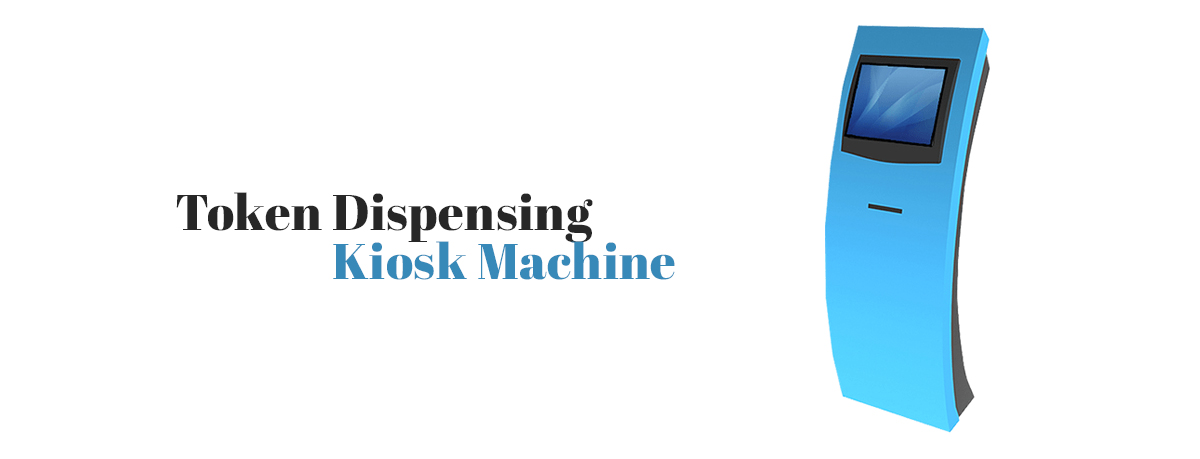
1. Token Dispensing Kiosk Machine

Token-Dispensing-Kiosk-Machine

Token Dispensing Kiosk Machine is a simple kiosk with a small 14” or 19” screen with a thermal printer and a simplified user-interface. The kiosk utilizes the QMS software engine to classify the customers/visitors into predefined categories to further enhance their experience throughout the service delivery.

2. Digital Signage Displays

Digital-Signage-Displays

Digital Signage Displays are large LED/LCD multimedia screens which can be placed at strategic locations in the waiting area and are being used to display the information about the ongoing queue and also announce the upcoming token/number. Usually, 40” to 85” screens are used and they also play videos/adverts and any other information the business wants to show to the customers in the waiting area.

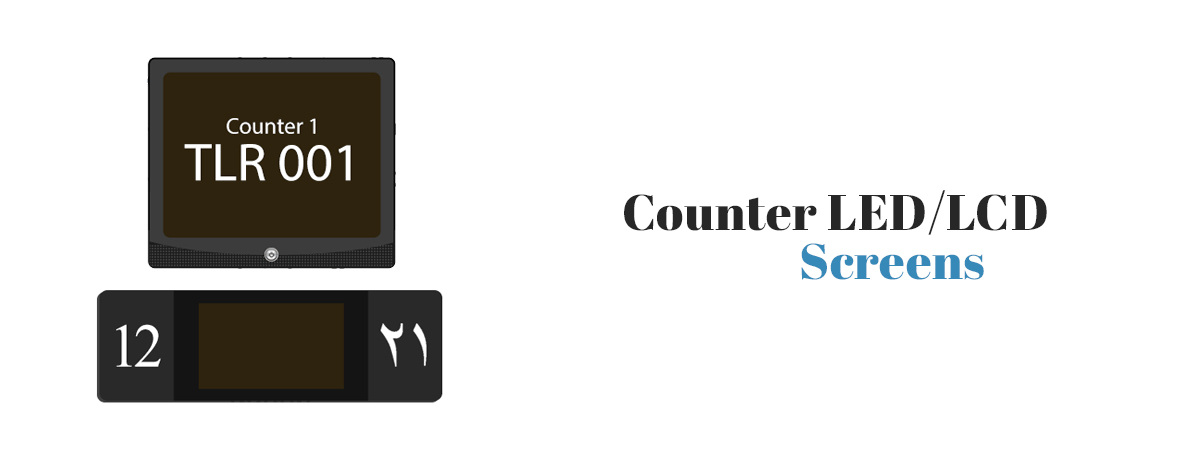
3. Counter LED/LCD Screens

Counter-LED-LCD-Screens

These are usually dotted LED displays placed on each counter, to show the counter number and the current token number for that particular counter. Instead of the LED dotted displays, small LCDs can also be used to display the multimedia information.

4. Audio Announcements (Multi-lingual)

Audio-Announcements-(Multi-lingual)

Since UAE is a multi-cultural environment and host a number of nationalities from all over the world, so the audio announcements have to be in multiple languages, normally English and Arabic are preferred but some businesses and public offices are also using Hindi, Urdu, Bengali, and other languages. This is a very useful and effective tool to grab the attention of the customers/visitors in the waiting area.

5. Queue Management System Software

Queue-Management-System-Software

Queue Management System Software is the backbone of the system. The entire user journey, user experience, agents’ performance, management control, monitoring and reporting is handled through this software. Our Queue Management System Software is a result of a decade long improvement, enhancements, and professional experience we have acquired while working in Dubai, UAE. Here are the basic features of our Queue Management System Software:

  1. Customer Interface
  2. Kiosk Interface
  3. Agent Interface
  4. Branch Manager/Local Control Panel
  5. Administration Control Panel (Head Office – All Branches)
  6. System Configurations and Settings (Multilevel controls for automation/mode selection)
  7. Agent Performance and Monitoring Dashboard
  8. Reporting Dashboard (Agents/Counter, Branch, Corporate Reports, Detailed Reports, etc)

These are some of the basic components of a Queue Management System software apart from that there are smartphone applications and their control panel modules and some other advance features are also included. Depending upon what type of the Queue Management System you are using the software features may differ.

Conclusion

First of all, analyze the requirements, the number of expected customers/visitors, the type or physical settings of the location, the number of counters, the services you are offering and the sign-up methods you need to sign-up for the queue. Then chose the system components of the queue management system along with the software features that you need. The best approach is to consult any professional queue management system provider in Dubai, UAE such as RSI Concepts. This complete guide is written for a non-technical audience to let them understand the basics of a queue management system so that when they decide to install one they should know what exactly are they looking for. If you have any question please do utilize the below comment box.

For technical and sales enquires please contact us at our Contact Us page.

Checkout: The Anatomy of a Modern Bank Web Design in Dubai


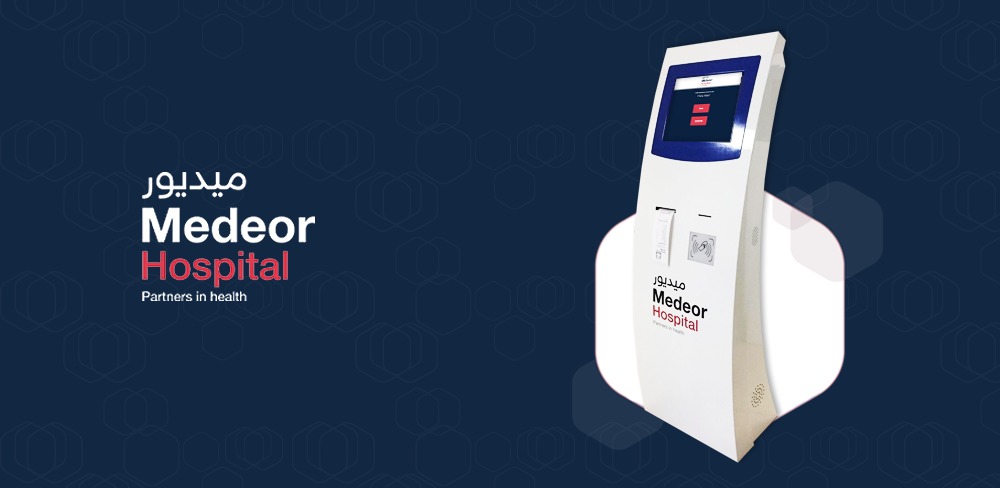
Queue Management System for Medeor Hospital

Medeor Hospital is currently implementing Queue Management System provided by RSI Concepts.

Queue-Management-System-for-Medeor-Hospital

Medeor Hospital is a well reputed name in the healthcare sector providing premium services since more than 15 years in different parts of UAE. The management aim to provide a friendly environment with highly skilled staff available 24/7 for patients. The Medeor Hospital have also made into highlights many times by implementing the latest high-tech medical equipment& practices to provide all sort of healthcare solutions under one roof to facilitate patients. Medeor hospital is also well-known in implementing latest & sophisticated technologies in industry.

Medeor Hospital opened a tender for an intelligent and interactive Queue Management System to further improve their reception capabilities for the daily foot-fall of patients and to make the whole process swifter. RSI Concepts was one of the vendors who participated in this tender. The project was eventually awarded to RSI Concepts due to exceptional features availability in the queue management system and experience in the healthcare industry. The solution proposed was unique in a way that it reduce the total time from getting at the reception to getting the examination, doing the labs to returning back to the doctor and getting prescribed medication from the pharmacy.

The project execution process is bluntly admired at technical and administrative levels by the Medeor Hospital. Pilot project has already put in place by RSI Concepts and is rapidly advancing towards the full-fledged installation of the system, which is roughly expected to be completed by the end of December 2019. On this occasion Project Manager at RSI Concepts commented “We were very delighted to work with the highly cooperative IT professionals at Medeor Hospital. It was a fully collaborated effort that made it possible to complete the project in the given timeline. Medeor Hospital management is very happy with the Best Queue Management System we are deploying and they are hopefully that the full fledge system will help streamlining the queues and providing quick service to customers visiting hospital. We are very much excited to have another jewel in our clientele’s crown.”

In-time treatment for the patients is imperative and an efficient Queue Management System can help managers in the clinics and hospitals to improve patient waiting time and provide best in class service.

Checkout: Queue Management System for Union Coop


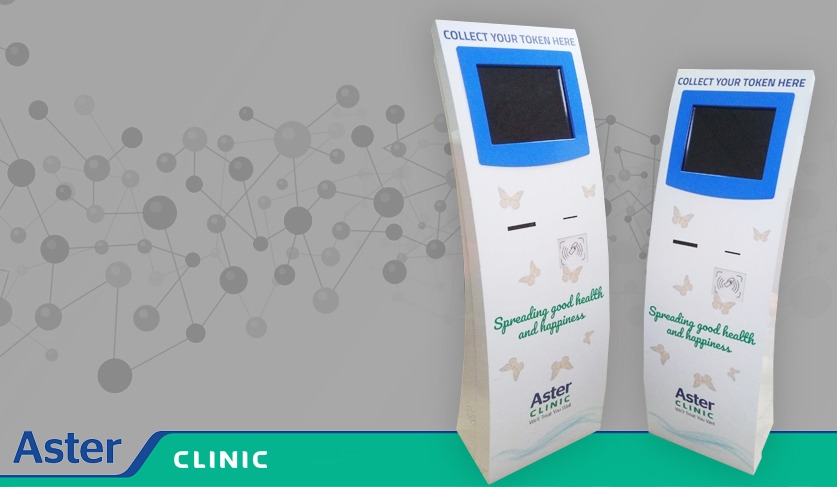
Kiosk for Queue System – Aster Clinic

RSI Concepts is honoured to supply Kiosk Machines for Queue System to brand Aster in the healthcare industry.

Aster Clinics is part of Aster DM Healthcare, a well-known and famous healthcare service provider in GCC. Widespread and easily accessible 101 clinics and 19 hospitals all over the world – Aster DM healthcare service provider is a pioneer in the industry serving millions of happy customers.

Kiosk-Machine-for-Queue-System-Aster-Clinic

To serve the customers more efficiently and precisely – the brand has decided to facilitate the visitors with a queue management system. The primary device used in a queue management system is token machines or ticket printers to issue token or numbers to the customer so that they can wait in the queue for their turn. Aster has sourced Queue System ticket printer from RSI Concepts.

We specialize in a leading Queue Management System known as RSI Queue – having robust hardware and efficient software. Our hardware consists of Ticket Dispenser, Counter Screens, Customer Feedback Screens, Waiting for screens and Sound system. Aster has acquired ticket dispenser machines from RSI Concepts for this project and will have integrated software to facilitate gigantic footfall of customers in clinics and hospitals throughout the United Arab Emirates.

Fabricated in metal with spray paint, the queue machine is a beautiful device to attract customers and fulfil the interior design requirements of the premises. The signage on the ticket dispenser tells the customer to use device upon their entry.

The ticket dispenser is equipped with a thermal printer which can print on 80mm paper in width – having the capability of printing images and logos without ink cost is the most efficient printing mechanism that can accommodate loads of prints every day. The ticket dispenser of the queue system is also equipped with a built-in motherboard, a fast processor and a RAM to support the software functionality in a quick and fast manner.

The 15 inches capacitive touch screen of the ticket dispenser is fast and quick in response with a touch of the customer to quickly load the menus and options as required by the software functionality and features.

The entire Aster DM healthcare group will gradually implement Queue System in all the fronts where customers’ presence is expected – to facilitate them with the optimum customer journey and experience.

Checkout: Queue Management System for Union Coop