BLOG OF RSI CONCEPTS

world map

Future Trends in Performance Management Systems: What to Expect in 2026

The world has evolved a lot in past two decades, especially with the invention of modern technologies and widespread adaptation of digital solutions, our lifestyle have completely transformed. So does the work-places. The work-places have evolved a lot over past two decades, the technological advancements and automation is rapidly infusing in each and every aspect of the business operations. The performance management system is no exception. Businesses always use some kind of performance management system to optimize the efficiency of their workforce and to align them with their high-level organizational goals and objectives. The traditional evaluation methods dominated by manual reviews and feedbacks from the managers are replaced by the more in-depth appraisal methods and technology driven data processing techniques.

A modern performance management system doesn’t only rely on performance sheets and managers’ reviews. But it is a very comprehensive digital solution which is rooted deeply in the entire organization. The modern performance management system encourage continuous performance management along with more comprehensive data collection and contextual evaluations which were not possible with outdated manual performance management systems. The modern performance management systems are based on a software application and data dashboards which offer advanced data collection tools, in-depth analysis, and AI (artificial intelligence) integration. The AI have completely transformed the performance management and it is now redefining the ways organizations manage their diverse workforce and how employee perform, grow and contribute.

Why it is crucial to looking ahead in 2026? Because the workplaces are evolving, hybrid work models, flexible work hours, remote workforce, global teams, Gen-Z and integration of AI (artificial intelligence) in various business functions are the most crucial factors, redefining and reshaping the expectations of both the employees and the employers. The traditional performance management such as fixed goals, annual or biannual reviews, performance sheets and feedback forms are no longer effective or even useful. In this blog we will briefly discuss the future trends of modern performance management in 2026 and beyond through the lens of digital transformation, data-driven decision making, smart automation and integration of AI (artificial intelligence). Let us explore what to expect in 2026, how organization should prepare and how the employees should get themselves ready to embrace the future.

See Also: How Performance Management Impact on Organization’s Culture?

Future Trends in Performance Management Systems: What to Expect in 2026

Transition from Annual Reviews to Continuous Feedback Loops

The traditional performance management was consisting on annual reviews and appraisals. This means that the goals are set once a year, or in some cases twice a year. The feedback management was also slow and often times the feedback comes too late to optimize the performance or to effectively course correct. People often forget what happened a few months ago, in 12 months or in 6 months things could get changed, and the employees also demand regular guidance and appreciation of their hard work. This is not possible with any traditional annual evaluation based system. Businesses have also realized this fact and some of the enterprises have adopted to modern performance management system where the employee and manager’s interaction is more often and the feedback is also more frequent. However, most of the businesses are still relying on outdated performance management systems.

In 2026 the AI (artificial intelligence) and the automation will dominate the digital business solutions. Same is applicable for performance management systems as well and in coming years we will see the continuous performance management will become a norm. The performance management system will no longer only focused on evaluating the employees, but it will equally emphasize on employee growth and development. The enterprises and organizations are seeking ways to adopt to continuous feedback loops, more data-driven decision making tools and proactive performance management approach. For example, if an employee completed a project, the digital performance management system will highlight their progress or success toward their goal, it will highlight the areas of improvement and it will suggest training resource to boost the employee performance in future.

See Also: The Future of Performance Appraisals: 6 Innovations and Changes [Quick Guide]

The usage of modern software development techniques, integration of AI and centralized data management will help businesses build and adopt modern performance management system who will not measure the performance but continuously monitor and improve it as well to ensure maximum alignment of the outcome with the assigned goals and objectives. The AI (artificial intelligence) is a very incredible technology, which has much higher potential to collect large scale data and analyze it superior accuracy and efficiency. Even the smallest changes in trends can be detected accurately by the AI, and rather relying on a rules-based algorithms the AI relies on smart intuitive technologies. The AI even allow users to talk to the data and system, where the user commands are taken in plain language and the actions are taken to execute the complex processes.

Transition from Annual Reviews to Continuous Feedback Loops

Skills Based Performance Evaluation for Modern Needs and AI Analysis

Considering the current trends in the modern digital era, one of the biggest shift that we will going to witness in 2026 is the job roles becoming more flexible and fluent. Instead of a fixed job role or job description, the organizations and businesses have started focusing more on the skills, agility and ability to adopt to changes. This is very crucial to ensure the performance management doesn’t only limits to evaluating and rating the outcome but also incorporates the skill growth, personal development, and capabilities. The skilled-focused organization are outperforming others. Moreover the markets are moving at a rapid pace, the customers’ demands, market conditions and expectations are evolving rapidly. Which compelled organizations to focus on improving the skills and potential of their workforce rather than just relying on offering bonuses and promotions and expecting employee will perform well.

See Also: 5 Challenges in implementing Performance Management System

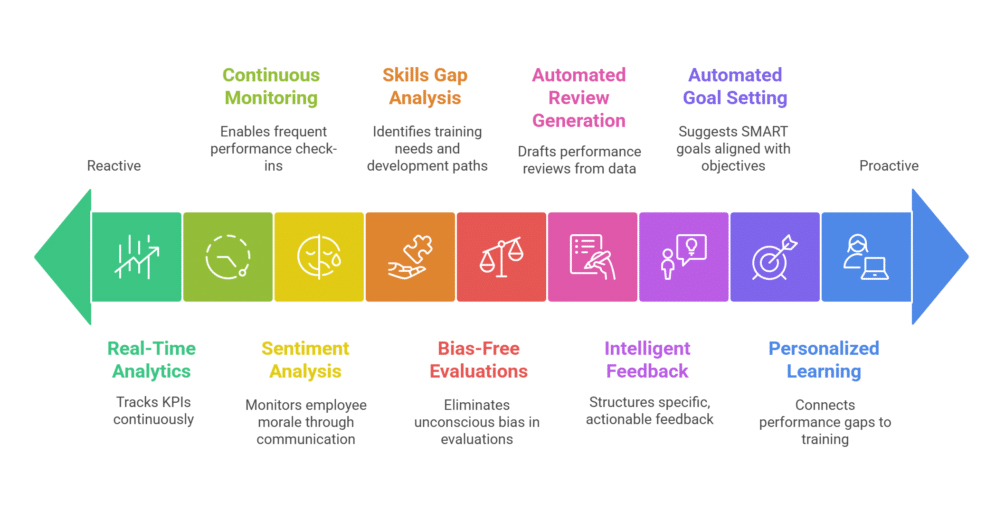
These shift in performance management trends are also affecting resource planning. Unlike focusing on if a person is doing a particular job, the managers are more focused on if a person has a particular skill suitable for the upcoming job or not. This is where the AI (artificial intelligence) comes into play, it help businesses map skills to role, and not only by the rules but a tangible performance data gathered from past. The AI also help on recommending the learning path with utmost accuracy, so it just doesn’t only track the performance based on the outcome and alignment with business goals but the AI also measures the skills and capability progression. Where the AI help managers it also help individual employees as well, for example, the AI can tell employees that you have improved your data analysis skill by 25% in Q2, you should focus on cross-functional team communication skills in Q3, and so on.

By integrating the AI in the performance management software, businesses can tremendously enhance and expand its capabilities. Thus in 2026 the modern performance management system can effectively include:

  • Integration of Advanced Skill Libraries and Taxonomies into Core Performance Management System
  • Real-time Tracking and Analysis of Skill Proficiency and ability to effectively apply that skill, through analytical data collection, assignments, task completion, and even peer feedbacks
  • Superior capabilities to identify areas of improvement and AI-powered skill gap-analysis along with informed data-driven suggestions for next skills or training resources
  • Meaningful training programs that directly translate into measurable performance improvements for both the individual employees and project teams

These tools and features will enhance the performance management system from just focusing on the current outcome to how the workforce can be lifted up and how individual employees can be groomed and improved to adopt to future needs and expectations.

See Also: Employee KPIs and Performance Management

See Also: Performance Management through OKR System
Skills Based Performance Evaluation for Modern Needs and AI Analysis

AI as a Digital Coach: Real-Time Data Collection, In-depth Analysis, and Predictive Insights

As we lean more into AI and the performance management systems, the role of data collection and analytical tools has become central. The AI is all about the data, it has much superior capabilities to collect, analyze and process the data than any traditional software solutions. Hence when the AI is integrated into a performance management system, it can offer a multitude of innovative features and digital tools which can play a pivotal role in adopting and implementing modern performance management methodologies. The biggest advantage of AI integration is that the performance management system doesn’t only collect numbers, but it become capable of performing complex analysis, producing customized insights and actionable reports and help managers in decision making process. The AI not only enhance the data collection capabilities of traditional performance management solution but it also open up many new avenues and possibilities, for example:

  • Goal completion metrics, check-in frequencies, peer recommendation metrics, feedback counts, rating scales, suggestion or recommendation by the clients or external partners, etc.
  • In-depth sentiment analysis of the comments, feedbacks, suggestions and reviews by multiple sources, such as managers, team leads, supervisor, client, suppliers, external partners, etc.
  • The AI can perform highly accurate predictive analysis, such as it can consider employee performance score, engagement score, learning and changes in scores to predict if the performance in next quarter will improve or drop
  • The AI also help improving the managers’ effectiveness by evaluating and relating how often the feedback is provided, and what impact does it had on the previous efficiency and progress

The one important aspect of AI integration is that the AI trains on data, hence organizations should have the clean and accurate data. Moreover, clear metrics and their definitions are essential for AI to interpret the raw data into actionable insights. The business leaders should also be trained to effectively utilize the AI-powered tools and data dashboards.

See Also: The Risk of Poor Performance Management and How to identify it?

The AI not only produce analytical and graphical reports, but it is very much capable of providing conclusive reports in plain language. For example, the Employee at a certain branch with fewer check-ins than 3 are more likely to miss their target. Or the employee at a branch with more than 5 peer-to-peer recognitions is most likely to exceed their goal by 12% and so on. AI has much higher capability to process data yet it doesn’t only mean that it is a calculator or analytical engine. In fact the AI is a kind of digital coach who monitor employees, observe patterns, highlight the areas of improvement, guide the development process, recommend career path, and tailor feedback for each individual employee. Here are a few examples of how it works:

  • The AI powered performance management system recognize a sudden rise in missing deadlines for an employee. It then identify the changes or reason that could trigger this, let say, the employee switched to the remote work. So the AI alert both employee and manager and offer recommendations to fix this such as time-management training course, or recommend a mentor or suggest other possible steps to prevent any drop in performance.
  • The managers, decision makers and business leaders see customized data dashboards, thanks to AI’s inherent analytical engine which enables it to collect and analyze both structured and non-structured data along with ability to process real-time data and account for historical data and offer predictive analysis. These dashboards highlight strengths, weaknesses, areas of improvements, goal alignment, project progress, etc. all at once place.
  • The AI doesn’t just process and analyze the data, in fact it empowers managers and decision makers. For example, if a high-performing employee is showing the signs of slowing down or burnout, the AI immediately alert the manager and recommend one-on-one meeting, set schedules, and even record the meeting transcripts. The AI also help identifying the decisions that negatively impacted the performance and remind managers to avoid repeating those.

The AI is a digital tools that empowers the users, the AI-powered digital coach cannot replace human, but it helps them and reduce their efforts which lead to higher accuracy and productivity. The AI never forgets, in fact it can remember everything and recall everything, it never repeats same mistakes, and it always remain available, which transform the traditional performance management system into a highly proactive and responsive tool.

See Also: 5 Performance Management Problems and How to Solve Them

AI as a Digital Coach: Real-Time Data Collection, In-depth Analysis, and Predictive Insights

AI Elevates Employee Well-Being, Psychological Aspects, and Transparency

The performance management is not only about achieving the goal and objective but it strongly emphasizes on employee well-being, engagements, satisfaction, transparency, and human or psychological aspects or human side of the performance management as well. Because measuring the task completion rate is not enough, if an organization or an enterprise wants a long term performance management strategy then the employee well-being, their engagement, satisfaction development, and growth and the psychological factors also matter a lot and have huge impact on the employee performance. Usually the employee well-being and satisfaction is considered as a HR concern, however, the forward looking organizations consider it as the core performance management function. This could be a bit challenging with the traditional methodologies, but the AI has the solution to that:

  • The AI offers LLM (large language model), NLP (natural language processing), NLU (natural language understanding) and highly accurate sentiment analysis capabilities. AI can effectively analyze the check-in comments, meeting transcripts, and feedbacks to identify signs of stress, burnout or disengagement and it can identify the emotional tone of the employees to provide a much deeper psychological understanding to improve the employee well-being index
  • The modern performance management system powered by the AI can also identify the changes in employee behavior and identify patterns to trigger employee’s wellness check-ins or alerts for the managers. For example, if an employee is spending more time, or working long hours, or showing signs of distancing from peers, reduce their interaction, or delay progress reports, etc.
  • The AI can set up customized feedback loops as per individual needs for both their well-being and performance, to ensure every employee gets adequate support that they might be needing from their managers and mentors. Furthermore an integrated AI in performance management system help manager increase employee engagement and provide them in-depth insights and correlation to the behavioral and professional competencies

See Also: How to Customize Performance Management System

In 2026 and beyond the performance management systems of the future will be deeply integrated with the human side of the employees, majorly focusing on employee well-being, work-life balance, and psychological factors that can hinder the performance. When it comes to employee satisfaction, the transparency is one of the most underrated aspect. This is due to the inherent gaps and loopholes of the traditional performance management systems. The bias, lack of fairness and transparency are hurting employees’ performance. When employees feel betrayed by the managers, they think their hard work will never be recognized, hence they tend to lose the passion and enthusiasm. The AI has solution to this long-standing problem. The AI eliminate the personal bias from the performance management system, it drive fairness and transparency as it majorly focused on data rather than feelings.

Where the AI emphasize on data-driven decisions, it also has some limitation. Remember, an AI is only as good as the data fed to it. If the data provided to AI is not up-to-the-mark, the AI will surely underperform and in worst cases, it could take incorrect assessments and decisions. Integrating AI with the performance management system is easier, training it and creating or defining the data points for the AI is a difficult job to do. For example, if the AI is programmed to flag the employees who are getting less peer feedbacks or ratings, then it might also flag employees from those teams, who historically happen to have less peer feedbacks than the rest. This issue can be solved by simply telling the reference points or threshold for each employee groups. Similarly various other such problems can be eliminated from the system. Thus keeping humans in loop is also crucial to boost transparency and fairness in the system.

See Also: Measuring the ROI of Performance Management Systems
AI Elevates Employee Well-Being, Psychological Aspects, and Transparency

AI Integration with Learning, Development, Talent Mobility and Manager Enablement

Businesses and organizations all around the world are started acknowledging that the performance management system is not a standalone function, but it is deeply connected to employee learning and development programs, talent mobility and career path coaching. When the AI is integrated with a performance management system it doesn’t only share the workload of the managers but it also enable them to focus more on employees, check-ins, development programs and other productive things. This also indicates a massive trend shift, rather focusing solely on the outcomes, businesses started focusing on adopting ways and methodologies to ensure future growth by strengthening the workforce. Businesses are emphasizing more on individual development, expanding the skillset of their workforce and enhancing their productivity, rather than evaluating employees on the bases of their tasks alone.

That is why it has become crucial to ensure integration of the AI and performance management system with learning platforms, skill development programs, succession plans, career pathways, and talent mobility tracking programs. Moreover the performance management system should also be integrated or fully infused with HRMS (Human Resource Management System) or HRIS (Human Resource Information System) for better data synchronization and additional data points for the AI.

See Also: Choosing a Performance Management System A Buyer’s Guide

Hence the AI can help managers and employees in many areas, such as:

  • In case of micro-learning, after a check-in the AI recognize that the employee’s role is evolving and leaning more towards remote interaction or virtual collaboration, hence the performance management system can recommend an appropriate 15 minute learning module on “leading virtual/remote meetings”. Similarly the AI can recommend learning content that will be helpful for the employees in their future role.
  • When an employee completed a project successfully, the AI algorithms analyze their progress and performance closely and then highlight them for the next project or task. Furthermore the AI automatically linked them to the talent-pool data dashboards and highlight their relevancy and compatibility for any new need which helps managers in decision making.
  • Over the passage of time the AI enabled performance management system collect comprehensive data and track skill growth for each individual employees along with their readiness for the new challenges. This help enabling internal talent mobility, rather than relying solely on the external talent hunt or recruitment drives. Sourcing talent internally is a very cost-effective strategy.
  • The AI enabled performance management systems doesn’t only recommend right training programs and learning content, but also analyze and relate the effects of the training on the individual performance. For example, after receiving advance data analytical training an employee shows a 20% increase in successful task completion rate, etc.

The integration of AI in performance management system help driving automation and make the entire system more data-driven, however, the role of the manager still remains critical. The only difference is that the managers will now be equipped with the advanced analytical tools and more insights to strengthen their decision making. This enable managers to focus more on coaching, relationship-building and employee development rather than just rating, evaluating and administration. This is crucial as the manager enablement is a bridge that fill the gaps between the strategic goals and individual employee performance. This also lifts up employee manager interactions and make one-to-one more productive by offering customized data dashboards and performance metrics optimized for the meeting agenda. The forward looking organizations train their managers too rather than just upgrading the technology.

See Also: How the HR should select a Performance Management System?

AI Integration with Learning, Development, Talent Mobility and Manager Enablement

Conclusion

As we move forward in the modern wave of technological revolution and smart technologies, the work places are also evolving at a very rapid pace. The modern performance management system has become unrecognizable form the traditional annual review, occasional feedbacks, static appraisal practices and limited scope. In 2026 and coming years the performance management systems will be deeply integrated and infused in the organizational workflows, HR operations, and AI (artificial intelligence). The innovation and advancements of AI technology paved ways for the advance analytical tools, large-scale data gathering, real-time performance updates, intuitive data dashboards, feedback loops and continuous performance management.

This staggering shift in performance management reflects and continuously growing complexity of the modern organizational performance management needs. The rise of remote workforces, global teams, hybrid work models, skill-centric performance management, more focus on employee well-being and rising need of transparency and data-driven decision making are adding to the complexity of the performance management systems. The modern performance management systems are becoming more responsive, focused on proactive methodologies, agility, and higher adoptability. The performance management evolved from a once-a-year ritual to a continuous work in forward looking organizations and enterprises.

See Also: How Customized AI Agents Can Streamline Business Operations

The decision-making processes have completely shifted from assumptions to purely data-driven. This is where the AI comes to play, the AI has much superior capabilities in collecting, processing and analyzing data in real-time. Thus integrating AI in a modern performance management solution can greatly improve the impact and outcome. Looking ahead in 2026 and beyond the true potential of performance management have shifted form just relying on the outcomes or task completion to much more comprehensive approach of focusing on the individual development, nurturing skills & competencies, enhancing employee satisfaction and engagements, and alignment with the high-level organizational goals and objectives.

The AI is emerging as a digital coach, analyzing and understanding employee performance from 360 degree. The AI process large-scale data streams, identify areas of improvements, training needs, and empower managers with actionable insights and intuitive tools. The modern performance management systems elevate transparency, emphasize on employee’s well-being, psychological safety and needs. If you want to learn more or if you want us to develop a customized AI-powered performance management system for your organization, please feel free to get in touch with us through our Contact Us page or leave a comment.
The Role of AI Agents in Transforming Core Business Application Functions

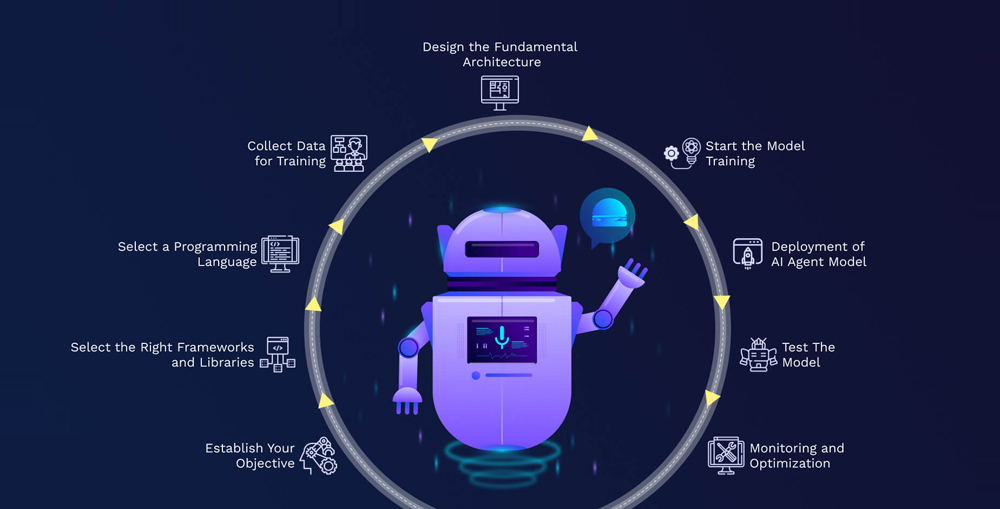
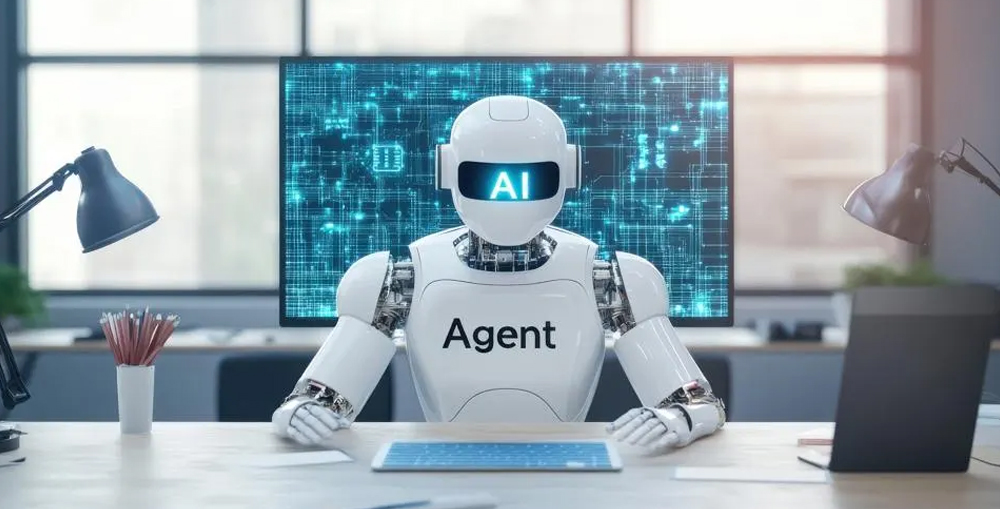
The rapid growth of AI (artificial intelligence) and its influence on businesses is continuously increasing. The tailored AI Agents are the most transformative tool at the AI landscape. The AI is impacting both our work and personal lives. Similarly the AI Agents are completely revolutionizing business operations all across the world. An AI Agent is an autonomous program powered by AI algorithms and smart technologies which has remarkable ability to learn from large databases and monumental sets of information. The AI Agents continuously learn, transform and adopt to as per their surrounding conditions. The biggest advantage of an AI Agent is that it has capability to make important decisions at its own, without requiring any human input. These features make AI Agents the most efficient, effective and productive tools for businesses.

When it comes to integrating the AI Agents in core business applications, businesses often think that they have to make huge investments. There is a misconception that the legacy systems and even some of the most advanced core business application are not compatible with AI. However, that is not true. The AI Agents itself is a completely different system, which can be deployed to any existing IT infrastructure with small adjustments. The AI Agents doesn’t alter any source code of any existing business application, but they integrated seamlessly via API integration.

The AI Agents can be integrated with almost any kind of core business application such as ERP, CRM, HRMS, Inventory Management System, Property Management System, Customer Feedback System, Corporate Website, Mobile Applications, Performance Management and Reporting tools, etc. In this blog we will discuss the role of AI Agents in transforming core businesses applications.

See Also: How Customized AI Agents Can Streamline Business Operations

The Role of AI Agents in Transforming Core Business Application Functions

How the AI Agents Works with Core Business Applications?

The AI or artificial intelligence is not a new phenomenon, in fact the concept was first introduced in late 50s. However, due to lack of enough computing power it couldn’t materialized effectively. The initial form of AI Agents was smart algorithms which followed pre-programmed rules to mimic human-like responses. Majorly these initial systems were deployed to achieve automation. Then the machine learning was introduced in mid 90s, which leveled up the AI capabilities. However, the actual breakthrough was with the introduction of deep learning in early 2000s. The deep learning introduced neural networks, which enabled the AI programs to perform fairly complex tasks and it also gives them ability to learn from data, take informed-decisions, and recognize patterns in large data sets.

Even at those early stages the AI programed were consuming a lot of computing power which was only available for large-scale labs, research institutes and multi-national IT companies. We all are aware of the explosive adoption of ChatGPT, this was only possible due to the availability of huge computing power at a very affordable cost. Now the time has come that these AI models, are efficient enough that you can even run one in your laptop, without requiring any hush hardware. The AI Agents has not advanced in terms of hardware efficiency but there are tons of features that make them ideal for digital transformation.

Here are some key features of AI Agents which makes them an ideal solution to transforming your core business applications:

  1. Autonomy: The AI Agents are fully automated, they doesn’t require continuous inputs from the human staff instead they can take decision at their own, based on the pre-programed instructions and real-time data inputs.
  2. Adoptability: The AI Agents have remarkable ability to continuously learn from the data. It is this ability of learning which make them remarkably efficient and effective. The AI Agents can continuously improve their decision based on the evolving conditions and data.
  3. Reactivity: The AI Agents are the most reactive tools ever, even human staff couldn’t match that. The AI Agents continuously monitor their environment and conditions around them, and on the bases of any change, they can instantly respond accordingly.
  4. Proactivity: The AI Agents have advanced analytical and statistical data processing capabilities. This enables them to perform predictive analysis and identify the patterns in incoming data. Hence the AI Agents can take preventive actions even before the problem arises.
  5. Informed-Decision Making: The AI Agents always analyze, understand and interpret the incoming data. Based on the data they AI Agents take decisions without human intervention. This ability enables them to make the most informed decisions with extreme accuracy.

See Also: The Role of AI in Modern Performance Management Systems

How the AI Agents Works with Core Business Applications?

The AI Agents have ability to process large volumes of data, even if the data is scattered across multiple platforms or repositories. This ability make AI Agents more effective, efficient and accurate. The AI Agents offer very flexible integration, you can integrate them with ease via API integration. The AI Agents can be deployed on cloud and also in on-premises data centers which makes them more secure. Furthermore the AI Agents can be trained on your company’s data which makes them efficient and more productive. These traits make AI Agent the perfect solution to transform your existing core business applications. Here are some key applications of the AI Agents which makes them most effective and transformative tool for core business applications and internal processes:

  • Superior Personalization: The AI Agents are remarkable at personalizing the user experience. Since they are automated programs, they can remember even the most minor details. The AI Agents can recall all previous interactions, customer’s service track, their preference, and customer profile data along with real-time inputs. This makes them ideal solution for the most satisfactory and personalized customer experience.
  • Boosting Staff Performance: The AI Agents doesn’t only work as alternate service channel, but they are equally efficient in aiding your staff. The AI Agents and CompanyGPT (Agent trained on company data) are proven to be extraordinary in empowering staff. They can take repetitive tasks, prepare pre-service tasks, pull relevant information beforehand and even help in internal work flows and processes which effectively reduce staff workload and boost performance.
  • Advanced Data Analysis: The AI Agents have remarkable capabilities to process data. The AI Agents can analyze high volume of data both structured and unstructured coming from multiple sources. Whether it is predictive analysis, market sentiment analysis, customer happiness analysis, staff performance analysis, risk assessment or even product development related research, the AI Agents exhibit extraordinary analytical and cognitive skills.
  • Business Process Automation: The AI Agents are also used to automate traditional business processes. The AI Agents with their LLM, NLP and ML technologies can automate internal processes, both internal and external communication, information sharing, decision making, report generation, and much more. The AI Agents also effectively work at inventory management, supply chain management, accounts and at production units, etc.
  • Data-Driven Decision Making: The AI Agents are so good at data-driven decision making that AI-powered decision making systems are widely used by healthcare for diagnosis and treatment recommendations. The AI Agents can be installed at any administrative level to either take decisions or to make recommendations based on the data. Above all, the AI Agents are not only limited to pre-programed decisions, but they can adopt learn and adopt to changing conditions.
  • Cyber-Security Applications: The AI Agents has a lot to offer in cyber security. Since the security is the top priority for any business, the AI Agents can be implemented to detect anomalies, suspicious user behavior/activity, vulnerability testing, real-time monitoring, threat mitigation and various other applications. Furthermore the AI Agents can greatly reduce the response time which is crucial in dealing with cyber security matters.

All of the above AI Agent applications can greatly improve and enhance the functionality and efficiency of the core business applications. Businesses need efficient mechanisms to bridge the gap between business functions, similar is also application in IT infrastructure and where human interact with IT solutions. The AI Agent offer superior efficiency and data-driven decision making, which makes them much more effective and impactful. This doesn’t mean the AI agents will completely replace the human staff, but it means the AI Agents could be a great companion to empower the human staff.

See Also: The Future of CRM: Leveraging AI Agents for Enhanced Customer Engagement

The AI Agents can be trained on your company’s data which makes them efficient and more productive.

How AI Agents can Enhance Core Business Application Functions?

The AI Agents based on smart AI-powered algorithms and trained on data. The choice of algorithm and the training data are the two determining factor in AI Agent’s performance. When it comes to AI Agents, you are not always need premium, super-expensive, and top rated AIs. In fact there are several corporations and organizations who are offering totally free and open-source AI algorithms. There are tons of free and open-source tools with super-high performance which even exceed the top-ranking premium AI algorithms. With that being said, let us see how a well-crafted and customized AI Agent can improve various core business applications and functions:

Enhancing the Customer Service with AI Agents

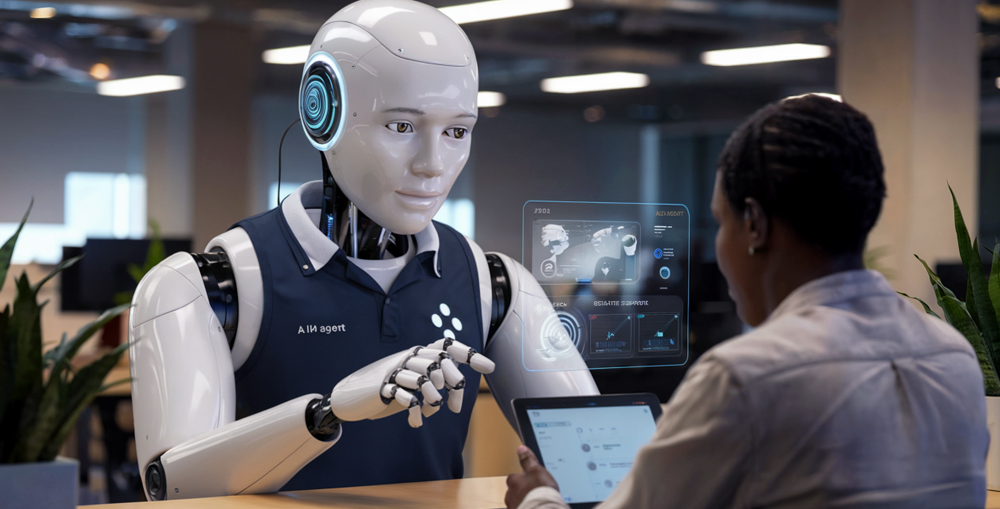
Customer service is the most vital component for business success. The AI Agents can literally transform the customer service with their super-efficient performance and hyper-personalized customer experience. Businesses can not only implement AI Agents through traditional Chatbots and Virtual Assistants, but they can integrate the AI Agents in their call-center and customer service teams as alternate channels. The biggest advantage of AI Agents is that it can offer 24/7 support to customers. On top of that the AI can respond instantly, whether it is a frequently asked question or a general enquiry. Moreover the AI Agents are extremely fast at finding resolution to problems, decision making and taking actions which greatly reduce customer wait time. The AI Agents comes with NLP (natural language processing), analytical tools, sentiment analysis, which enables them to deliver superior and hyper-personalized customer experience.

See Also: Revolutionizing Customer Service with AI Agents: Personalized Support Solutions

Enhancing the Customer Service with AI Agents

Automating and Elevating the Human Resource Management

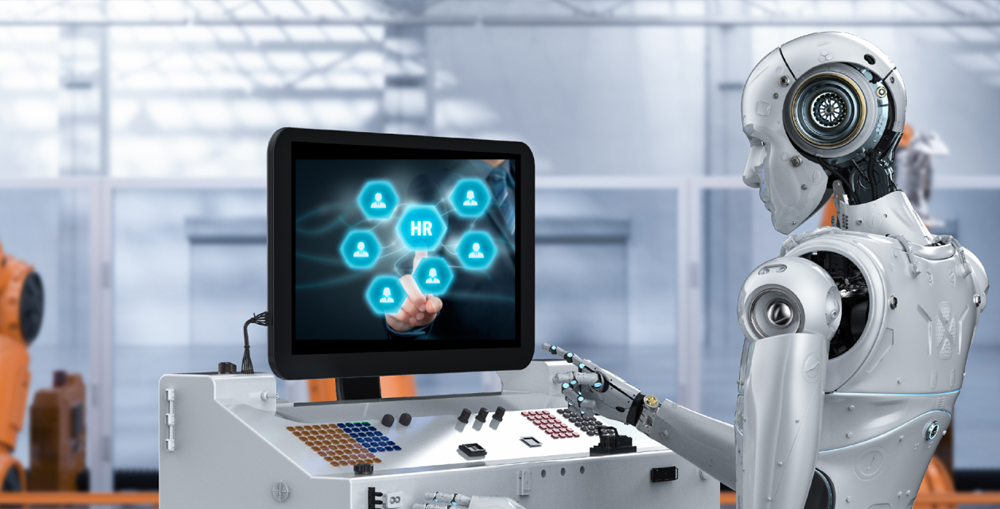
The human resource management is a very crucial business function. Businesses often use various digital solutions and systems to enhance their HR department. The human resource management doesn’t include on regular HR tasks, but it is a very crucial business function, majorly responsible for employee well-being and performance. The employee performance management is a complicated task, it requires a lot of efforts. Moreover the human resource or HR team is always bombard with repetitive tasks, which they have to perform on daily bases. If these tasks are streamlined with AI Agents the HR team will have more time and energy to focus on more productive tasks. Furthermore the AI Agents are also very efficient in recruitment processes. An AI Agent can do initial screening, scanning and categorizing resumes, coordinating interviews and much more. The AI Agents can also enhance onboarding processes as well as monitoring and analyzing employee performance.

See Also: Integrating Performance Management Systems with HR Tech Stack

Automating and Elevating the Human Resource Management

Transforming Supply Chain Management with AI Agents

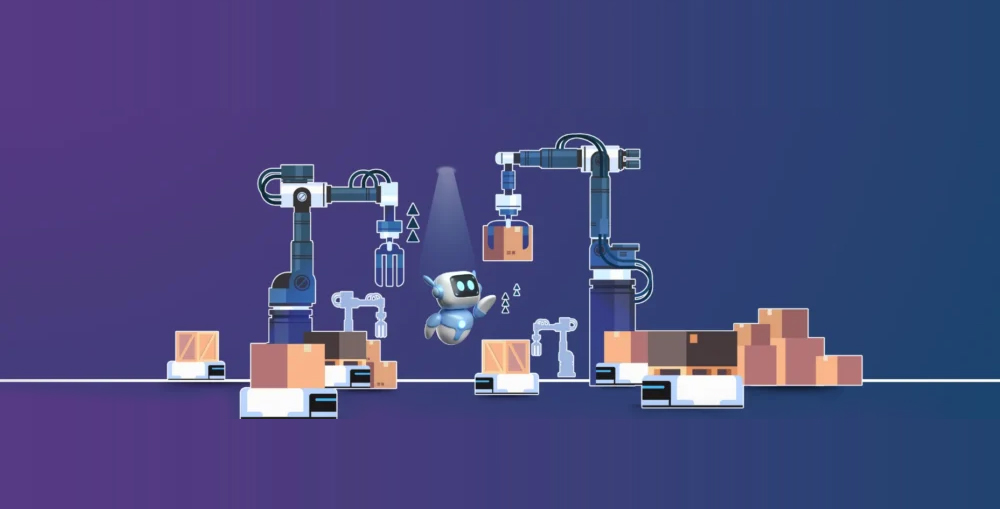
The supply chain management is a very complex and critical business function with so many moving parts and regular occurrences of unprecedented conditions. That kind of complex and sophisticated process requires great decision-making and analytical skills. The AI Agents are excellent at both, an AI Agent can offer 24/7 monitoring, real-time analysis, automated reporting and alerts and highly precise predictive analysis. These abilities enable AI Agents to identify and predict the needs, fill-in the gaps and even the AI Agents can coordinate and communicate with the vendors and suppliers. The AI Agents also have ability to analyze and understand the historical data along with ability to identify market trends. This ensues the right raw materials, or products are always available. The AI Agents are also excellent at analyzing prices and comparing different vendor/suppliers, which ensures even more efficient, productive and transparent supply chain management operation.

See Also: AI-Powered Customer Feedback: Revolutionizing Customer Experience Management

Transforming Supply Chain Management with AI Agents

Boosting Digital Marketing Strategies with AI Agents

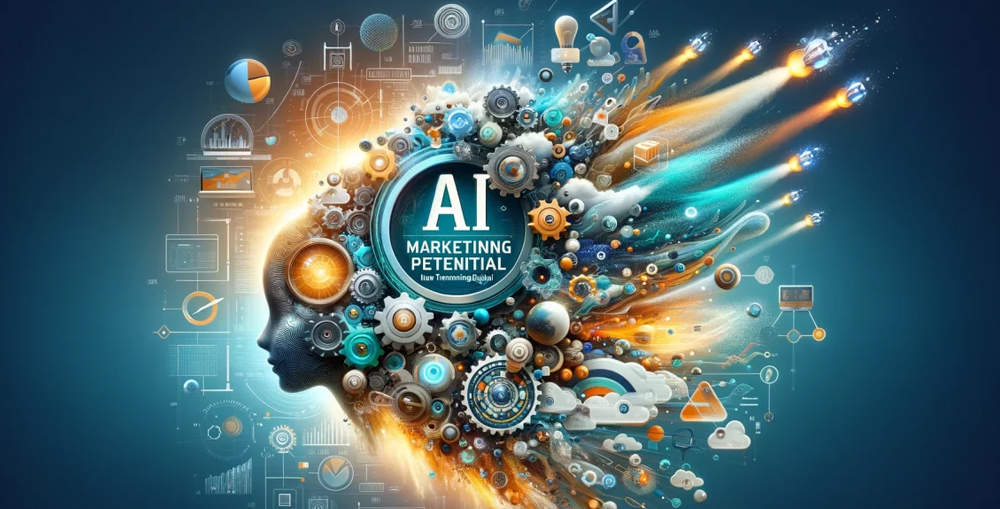
The digital marketing have gained momentum in the past two decades, especially with the rise of social media, widespread internet access and advent of mobile applications. Every business now a days have a digital strategy and the digital marketing is majorly used for brand awareness or targeted marketing goals. Businesses always have a digital marketing team to ensure they thrive and shine in digital sphere. However, the amount of data and complexity is overwhelming, the AI Agents have a solution for that. An AI Agent can process and analyze data from multiple channels, it can categorize the customers in different personas with precision. Furthermore the AI Agents can understand and interpret the customer behavior over social media, and purchase patterns and much more. This ability gives AI Agents an upper hand, businesses can leverage the AI Agents for all sorts of digital marketing campaigns to optimize the budget and to ensure the higher ROI.

Boosting Digital Marketing Strategies with AI Agents

Empowering Management Decisions with AI Agents

In today’s digital world, the decision-making in businesses often involve processing, analyzing and understanding vast amount of structured and unstructured data. The data-driven decisions are precise, accurate and have more positive impact. The AI Agents has remarkable power of analyzing large volumes of data and that is not all, the AI Agents can also prepare the most intuitive actionable insights which help management make right decisions and take right actions. The business intelligence data collection and analysis is a complicated process. The data is usually scattered around tens of different core business applications, even if a centralized management system is there, the data is still segregated due to technical limitations. However, the AI Agents doesn’t have any such limitation, they can fetch data from any and every core business application and consolidate it in a single insight. The AI Agents also optimize and enhance financial planning with advanced forecasting and analytical algorithms.

See Also: The Future of Custom Software Development: Trends to Watch in 2025

Empowering Management Decisions with AI Agents

Empowering Staff with AI Agents, Virtual Assistants and CompanyGPTs

The AI Agents are built on and around LLMs (Large Language Models), Dedicated Algorithms, Generative AI, ML (machine learning) and advanced integration capabilities. These features enable any AI Agents to seamlessly fit in any kind of job role. Businesses can build exclusive AI Agents for different teams, and they can also implement a CompanyGPT which is similar to any GPT assistant but trained on your organization’s data. Let say if a customer arrives at a service counter, the service agent can ask the AI Agent who already knows about the customer to pull their past purchase details, or their past complaints, or any kind of data. The service agent can ask AI Agent to find a solution of a particular problem, or even they can ask it to raise an internal ticket and the AI Agent will share all the required details to the relevant personals or teams autonomously. It is this ability of automation that make AI Agents so useful for driving efficiency, productivity and accuracy in internal business processes and boost staff performance.

Empowering Staff with AI Agents, Virtual Assistants and CompanyGPTs

Conclusion

In today’s modern digital era, businesses rely on multiple software application to streamline their operations and day-to-day tasks. Those application who manages or help in managing important business functions are called core business applications such as ERP, CRM, HRMS, Performance Management System, Customer Feedback System, etc. These applications streamline internal processes, improve staff performance and drive efficiency. When it comes to AI Agents, these are built on very flexible technology platforms. Businesses doesn’t have to replace their existing core business applications, or need to make any modifications in their programs. In fact the AI Agents can seamlessly be integrated with any core business application through API. This allow them to operate as a separate standalone application. The AI Agents have potential to completely transform the business operations with their inherent ability to drive automation and in-built advanced analytical tools.

The AI Agents bring an unmatched combination of automation, integration, adoptability, efficiency and data-driven decision-making. These are the ingredients to long-term success and superior performance. By leveraging AI Agents businesses can enhance customer service, reduce labor cost, improve performance and empower management. The AI Agents can greatly improve digital marketing strategies, supply chain management, reporting and business intelligence collection and even with various such tasks which were previously considered to be done only through human staff. Where the AI Agents empower the management they are also excellent at providing robust support to employees to boost their performance and efficiency.

See Also: How Queue Management Systems Enhance Airport Operations

In this blog we have discussed how AI Agents work and are their benefits in improving core business applications and different business functions. If you want to learn more about the subject or if you want our help to build and implement customized AI Agents, CompanyGPTs, or generative AI for your organization, please feel free to contact us through our Contact Us page or leave a comment in the comment box below and we will get in touch with you soon.


The Future of CRM: Leveraging AI Agents for Enhanced Customer Engagement

The Customer Relationship Management or CRM has evolved a lot over the time. The integration of new technologies and adoption of modern methodologies, have completely transform the customer-business relationship management. Especially the rapid rise of AI and the development of customized AI Agents. In highly competitive market landscapes the importance of customer loyalty is paramount. That is why businesses use modern software-based customer relationship management systems. By definition a CRM software is a well-structured application that help managing and enhancing the interactions between brand and its customers or prospects. The customer journey management is a very complex process and required a lot of resources and manpower. The development of a software-based customer relationship management (CRM) system was not less than revolutionary.

However, the technology have advanced rapidly, the markets kept changing on unprecedented pace, and the customer demands are skyrocketing. Although the customer relationship management tools or CRM software are excellent at streamlining internal processes and customer journey, they fell short when it comes to the present day’s needs of personalization and responsiveness. Businesses operating in Dubai, Sharjah, Abu Dhabi and broader UAE are well aware of current market trends. Now a days, customer wants instant resolution of their problems, they want instant service delivery, and they preferred a personalized interaction which is more intuitive, simplified and quick.

This is where the AI or artificial intelligence comes to play. The advent of AI have completely revolutionized the software development industry. The AI is not just another smart technology, but its capabilities are unbelievably amazing. The AI Agents is the area where the AI is exhibiting its true potential. The AI Agents are AI powered smart software-based virtual assistant which have ability to mimic human-like behavior. This means they are more aware of their environment, have incredible ability to process historical data and analyze real-time data and on top that the AI Agents are capable of making decisions. In this blog we will discuss how CRM systems will be completely transformed with the integration of AI Agents.

The Future of CRM: Leveraging AI Agents for Enhanced Customer Engagement

The Evolution of CRM Systems form Spreadsheets to AI Agents

The customer relationship management or CRM systems are always considered the backbone of a customer-centric business. But just imagine, your CRM software not only collect and store customer data, but have ability to analyze, interpret, understand, think, learn, adopt and take instant actions on its own. This might sound very futuristic, but this is our present day’s reality. Where the AI is rapidly transforming the custom software development industry, the AI Agents are also breathing new life into legacy systems. The traditional CRM systems and software tool rely heavily on manual inputs and the ability of the operator who operates them. The involvement of human staff itself lead to several problems created by human errors, incorrect inputs, missed opportunities or delays in actions, etc.

The integration of AI Agents enable your CRM to analyze and understand data in real-time, capture and input data fully or semi-autonomously, connect to all integrated communication channels, and take actions on its own. That is not all, the AI Agents have remarkable analytical tools and incredible predictive analysis which enable them to predict future demands and customer behavior which help in personalization and higher customer happiness. The CRM systems started as a humble spreadsheet, just collecting contact and basic purchase history, then the software-based CRMs came, but the AI Agents now a days can transform your CRM systems into a fully working partner.

See Also: Why customized CRM Software is better than Off-the-shelf Solution?

The Evolution of CRM Systems form Spreadsheets to AI Agents

How AI Agent Integration Supercharge CRM Systems?

One of the biggest drawback of any legacy software application including CRM software is their limited ability to handle the data. The AI however, are based on smart algorithms and neural networks, which enable them to handle very large volumes of data. That is not all, the traditional CRM software applications rely on third-party integration to collect and analyze data from all other relevant systems and business processes. This makes information flow very complicated, as a business relies on multiple software applications which operate or various different data types. This make bridging much more complicated and undermine the efficiency.

The AI Agents on the other hand are capable of seamlessly collecting data from multiple channels, multiple software and databases connected to central information system. The AI Agents are extremely capable of handling both structured and unstructured data. This ability enable them to detect even smallest change in trends or customer behavior. Moreover the AI Agents can account real-time data inputs along with the historic data which gives them ability to make decisions at their own as per company’s policy and take actions without requiring human intervention. The incredible automation driven by AI Agents can greatly boost the efficiency of a CRM system and elevate customer experience.

See Also: What is CXM (Customer Experience Management)?

The level of accuracy and efficiency AI Agents offer is unmatched.

Here are the key areas of CRM which can drastically improve by the integration of AI Agents:

  • AI Agents Operate 24/7: One of the biggest advantage of the AI Agent is their ability to operate 24/7 and that is not all, a single AI Agent can handle 100s of customer simultaneously. Unlike traditional Chabots, they AI Agents can adopt to customer preference, offer more personalized interaction and learn from their interaction which help them to further improve customer experience. One of the biggest advantage of AI Agents in CRM is that they can efficiently and accurately take care of repetitive tasks, letting your staff focus on more productive and strategically important tasks which help enhancing customer experience.
  • Advanced Data Analysis Capabilities: The advanced data analytical capabilities of AI Agents help businesses turn data into actionable insights. The AI Agents are very complex tools, they have ability to analyze and interpret large volumes of data. Moreover the NLP or natural language processing help AI Agents to interpret customer communications effectively. All these feature help streamlining the crucial tasks. The AI Agents can identify even the most minor and hidden pattern which is impossible for human to spot on. For example, the AI Agents can accurately identify the high-value prospects, or customers being on verge of leaving you, etc.
  • Hyper-Personalized Customer Experience: Think of a sales agent who happen to know and remember everything about your high-value customers! For sure they will be able to deliver the most personalized customer experience as they know what customers like, dislike, when their birthday is coming, what was their last issue highlighted to support team, etc. The AI Agents can just do the same but on a much larger scale and they can remember the same for each and every customer. This ability coupled with LLM, NLP and machine learning enable AI Agents to deliver hyper-personalized customer experience and every customer is treated like a VIP.
  • Superior Predictive Analysis: The AI Agents have incredible ability to analyze and process vast amount of data coming from multiple channels and in multiple different forms. The AI Agents can leverage their internal AI algorithms and smart tools to interpret this data into actionable insights. The level of accuracy and efficiency AI Agents offer in predictive analysis is impossible to match with legacy software solutions and systems. For example, the AI Agents can monitor every interaction and predict if a customer is about to make a purchase decision or if the customer is unhappy and is about to quit, etc. All these analysis help taking right actions and at right time.
  • Cost Effectiveness: The AI Agents are very cost-effective solutions, it is not that they will replace human, but they have incredible ability to empower your staff and boost their productivity. The precious human resource can be managed more effectively and efficiently with AI Agents in place. Furthermore the AI Agents can operate 24/7 and they can effectively reduce the per-service cost which reduce operational cost. The AI Agents not only reduce cost, but also ensure you don’t miss any opportunity and help generating more business. These incredible features help businesses yield much higher ROI than any other conventional software solution.

These are some of the key benefits of AI Agents when integrated with a CRM system. The AI Agents have ability to mimic human behavior. A well-trained AI Agents can effectively take care of the tasks performed by a human service agent or staff. They key here is that the AI Agents are not generic, they trained specifically on company’s data and they are trained to perform very specific tasks only. This is what makes them very good at whatever they do. Integrating AI Agents in a customer relationship management system or CRM can greatly improve the customer experience. AI Agents can improve staff performance, boost operational efficiency and empower data-driven decisions with their very accurate insights and predictive analysis. These features make AI Agents an indispensable asset to survive and thrive in future.

See Also: Key Features of an Enterprise Application Software (EAS)

How AI Agent Integration Supercharge CRM Systems?

Conclusion

The integration and implementation of AI Agents to customer relationship management (CRM) systems can be a great strategic move. Businesses operating in competitive markets such as in Dubai, Sharjah, Abu Dhabi and broader UAE, knows how crucial it is to stand out of the crowd. This AI Agents have potential to offer you a competitive advantage that none of your competitor can replicate. Whether it is serving customers 24/7 non-stop, launching hyper-personalized marketing campaigns, streamlining internal business processes and boosting staff performance or taking crucial strategic decisions, the AI Agents can empower a businesses in every aspect. The AI Agents leverage the LLM (large language models), NLP (natural language processing), ML (machine learning) and their incredible ability to process and analyze large volumes of both structured and unstructured data makes them ideal for modern CRM needs.

With the explosive adaptation of AI in each and every aspect of our lives, most of the people think that the AI might going to replace humans completely. However, that is not true at all, the AI Agents are not designed to replace human but to optimize their performance and empower them to improve the overall business outcome. A CRM system or customer relationship management is considered the backbone for business success. The AI Agents can not only have potential to revolutionize CRM but they have incredible ability to drive automation across various business functions.

In this blog we have discussed a few key aspect to understand why AI Agents are called the future of CRM. At RSI Concepts our experienced team is pioneering the advanced software solutions empowered by AI and AI agents. If you want to learn more of if you want our help to implement customized AI Agents for your organization, please feel free to contact us through our Contact Us page or leave a comment in the comment box below and we will get in touch with you soon.