
BLOG OF RSI CONCEPTS

world map

What is custom software development?

What is custom software development

The custom software development is designing and developing a software to cater the specific needs of a specific business or set of users. The major difference between the custom software solutions and the ready-made off-the-shelf software solutions is that the custom software are specifically designed to address very specific problems, and the custom software solutions are not meant for resell, they are unique and designed according to the unique requirements of a business. For example the Google Chrome or Microsoft Office are available for millions of users all around the world and are ready-to-use off-the-shelf software solutions which are same for everyone.

However, if you ask a software development company like RSI Concepts [LINK] to design a document processing tool for your business, that would be unique, and only meant to be used in-house for a single user/business only. That same tool would have been designed to address certain problems and issues that you are facing in your document processing procedure. That is the difference between a ready-made and a customized software.

What is custom software development

The problem with off-the-shelf or ready-made software solutions is that they are designed for general usage. It means they are designed to be fit in all kind of environment and requirements. One-fits-all doesn’t always work, when businesses use such tools they will have to adjust with the very limited options and sooner or later they realize that this solutions is not suitable for them or it is not a satisfactory solution. A tailor-made or customize software tool boost efficiency and fix problems.

See Also: The Benefits of Custom Software Development for Growing Businesses

The customize software development offers greater scalability and the future expansion, modifications and changes are also not as that expensive. However, some off-the-shelf ready-made software solutions doesn’t allow more than a certain level of changes and even then those changes and customizations are very expensive comparing to a custom software solution. In this blog we will discuss the key steps of custom software development to provide our audience a better understanding on the subject.

Requirement Gathering and Identifying Challenges

Over the time business processes and operational mechanisms get complicated, it is hard for any business to change those mechanisms over the night just to adjust according to the demands of an off-the-shelf software solution. That is why business chose to develop a custom software that suits their requirements and help them enhance their efficiency by aiding their existing mechanisms and methodologies rather changing them. The best way to gather requirements is to start by enlisting all the challenges you are currently facing.

Every business have unique business processes and mechanisms to tackle problems. Still there remains some problems and hurdle which are causing issues for certain processes or for certain group of people/departments, this doesn’t stop the operation but problems cost time and resource which effect overall business efficiency. Any particular business process could also impact others and mostly it does. That is why it is important to highlight such issues and problems and then decide what you need to solve those problems.

See Also: Key Features of an Enterprise Application Software (EAS)

Requirement Gathering and Identifying Challenges

Once all the challenges are identified then decide which problems you want to address with this software. Then discuss the same with the management, team leaders and relevant employees and take their feedback. After getting the feedback finalize the idea and enlist the problems that you are aiming to resolve with this custom software development project. This phase is the very first page of custom software development and is also called discovery phase.

Hire a Good Custom Software Development Company

Hiring a good custom software development company is extremely important. A good software development company with enough experience and capabilities can literally transform your business and a low standard software development company can literally make your life extremely difficult. There are certain things that you should consider while looking up for a software development company in Dubai, UAE. First of all make a list of all available software development companies, such as start asking your friends and colleagues, then lookup in yellow pages or other online directories, the last but not least search in the Google.

Short list the companies who are suggested by at least two sources. Then go to their websites and analyze the websites, go through their portfolio and look for the client testimonials or ratings. After carefully examining their website you will get an idea of their capabilities. A bad website means a low quality standards or less competence staff and vice versa.

See Also: What is the difference in Software Development and Web Development?

Hire a Good Custom Software Development Company

Contact the short listed companies ask them to share their profiles and brochures. Analyze them and then ask them about their software development teams and programmers. If a software development company have off-shore teams then do not proceed with them. It is important that a business must have on-shore software programmers and developers. It is easier to meet and discuss your requirements with the team rather communicating via emails or online meetings.

Other important things to consider is the development and project execution methodologies, costing and payment terms. Always ask for an NDA (non-disclosure agreement) to ensure your idea and proprietary rights before sharing the details and idea of your custom software.

Analyze Requirements and Define Scope of Work

At least short list three custom software development firms from the previous phase and then discuss your requirements with all of them. A good software development company will always help you and guide you with your discovery phase and analysis requirements. At this stage since the requirements are discussed, the software development company will ask you too many questions to further understand your requirements. A good company will also suggest you to improve the idea. As the software company have a lot of experience and they can more accurately predict the outcome.

Here another thing to consider is to check the software development companies’ behavior. Check which company is more supportive and helpful. The software development company’s representatives will give you suggestion to improve your idea in terms of efficiency and cost as well. Then finalize the scope of the work, get the formal proposals and quotes and compare them on the bases of cost, delivery time, support and maintenance terms and licensing, etc. At this stage the business can easily get into an agreement with a customer software development company to kick start the project.

See Also: The Cost of Custom Software Development: Factors to Consider

Analyze Requirements and Define Scope of Work

Wireframe and UI Designs

For any software the main objective is to support the users in their daily routine tasks or in a certain transactions or work. The human users can interact with the software through a UI or user interface. The user interface is a kind of control panel which can present information and take user’s command to run the pre-defined algorithms to produce a result the result might display information or it can further update various other systems and databases that are linked to the software. That is what we called a UI. The UI or user interface of any software tool is the key to its success.

The software are used to boost the employee efficiency and to make their work easy. Which can only be achieved if the UI is user friendly and the users can easily perform the required task or function on it. The first step of any software or app development is to prepare the wireframes. The wireframes is a rough work flow or a presentation of the software or app. For a custom software the wireframes are important as it will provide the complete picture about how many steps or screens are involved in a particular functionality. Once the wireframes are finalized then the creating the UI is fairly simple. The graphic designers and UI designers can then design the UI which will be the actual software interface.

See Also: Step-by-Step Guide to Planning Your Custom Software Development Project

Wireframe and UI Designs

Custom Software Development Process

The custom software development process is the phase where the software development company works on the programming and develop algorithms. The development process should be smooth, flawless and efficient to ensure maximum quality and cost-effective product. The custom software development or any other project depends upon the performance and capabilities of the development team. And despite having a well-experienced team if the requirements are not clearly communicated to them they won’t be able to produce a good quality product. The custom software development phase is divided in smaller stages which can be taken as the project milestones.

At each milestone the progress should be shared with the customer and any feedback or suggestion should be considered. It is the responsibility of the customer software development team to communicate right information so the customer don’t get confused. Any software development is a very complex process. It should be divided into various steps and the software development team should decide whether the progress should be shared with the customer or not. Once the development phase is complete the software team will do the debugging and the quality assurance team will ensure the flawless operation of the final product.

See Also: Why Custom Software Development is Essential for Digital Transformation

Custom Software Development Process

UAT and Security Testing

The UAT or user acceptance test and the security testing or penetration testing is the final stage of the customer software development project. Normally the security testing and penetration tests are carried out by a third party. But the depending upon the complexity of the software the customer software development company and the customer can decide the mechanism for the security testing. If a customer have in-house IT team with relevant experience they can conduct the security tests. The customer software development company should also do all the basic security testing to ensure the data protection and safety of the software.

The UAT or user acceptance test is the pre-launch phase. For UAT the software is deployed in the live environment without making it accessible for the public/users. This is done to check the software’s behavior in the live environment. The UAT tests can include a small number of users from all user groups, the management, IT experts and relevant personals. These users will be the actual users in future that is why their opinion is also important. At this stage different business processes can be tested and the users can also request for some changes or tweaks, which can further improve the efficiency and user-friendliness of the customer software.

See Also: The Future of Custom Software Development: Trends to Watch in 2025

UAT and Security Testing

Launch

The customer software launch is a pretty much standard launch practice. It starts with a soft launch. During this stage the customer software application or tool is made available for all the users. All the data is transferred to the system and the user training sessions are also conducted at this stage. Once this is complete the final step is full launch or going live. From launch and onwards the staff will be only using the customer software for their relevant regular tasks and operations.

Launch

Post-Launch Activities

The post-launch activities are also very important. The most important thing is the maintenance contract and SLAs. The business should have maintenance contract, SLAs and warrantee of the custom software. Another important part of post-launch activity is the user feedback collection which is often neglected by most of the businesses in Dubai and all around the UAE. However, collecting user feedback is very important it help businesses to evaluate and assess the efficiency and productivity of their customer software tool and it also help them identify the areas of improvements. On later stages the business can improve the software and user experience on the bases of the feedback.

See Also: How to Develop Customized Supply Chain Software?

Post-Launch Activities

Conclusion

Any businesses needs some kind of digital solution. In the modern era of IT and digitalization, businesses are compelled to utilize various different tools and solutions to support their operations. Each business has its own unique way to tackling problems. Most of the time an off-the-shelf solutions or a ready-made software application doesn’t help with very unique and specific requirements. That is why businesses develop custom software tools and applications to fulfill their unique needs and requirements. The biggest advantage of a custom software development is that the business can mold it as per their need and requirement.

It means they don’t have to make any change in their current business processes and business practices, as the software is already designed to boost the efficiency of the existing mechanisms and methodologies. This makes it extremely easy for the businesses to integrate a new system without disturbing anything. In this blog we have discussed key points to consider while developing a customized software application or tool.

RSI Concepts is a leading name in the custom software development and app building in Dubai, UAE. If you want our help with a new project or if you want to learn more about the topic, feel free to reach us through our Contact Us page or leave a comment in the comment box below and we will get in touch with you soon.

See Also: Importance of Custom Software Development in Dubai


How to Develop Customized Supply Chain Software?

How to Develop Customized Supply Chain Software?

The efficient supply chain management is absolutely necessary for any business’s success. Businesses in Dubai and all around the UAE are using fully digitalized or partially digitalized software tools to manage their supply chain. Mostly businesses are adopting to a one-stop-solution for all their supply chain needs. Using multiple tools and manual management has become less efficient over the time and as much as the manual work is involved the risk of errors and miscalculations are higher. That is why businesses are proactively improving their supply chain management techniques and methodologies.

Another most important aspect of supply chain management is that it streamlines the production process, from idea generation to creating or developing an actual product/service there are too many variables and moving parts. These all also impact the overall cost, quality and resultantly the profitability and revenue of the business. That is why it is extremely crucial that a business have an efficient supply chain software and tools to manage each and everything in their supply chain.

How to Develop Customized Supply Chain Software

The supply chain management is a very complex and sophisticated process. It involves managing business processes from the idea generation to acquiring raw materials, producing the products, storing them and then tracking where they are going to drive the future strategies and sales. Similarly for the businesses who offers services the supply chain may involve different ingredients but it is still relevant and crucial for a long term success and sustainable growth.

See Also: The Future of ERP: Leveraging AI for Smarter Enterprise Management

The supply chain software manages and track all relevant business processes, purchasing, acquiring services, outsourcing, internal manufacturing or development, information technology, suppliers, finance, dealers, wholesalers, resellers, and consumers or customers and all other relevant business processes. The purpose is to boost the operational efficiency of the business and reduce unnecessary resource consumption to increase profit and performance.

Why Businesses Need to Develop a Customized Supply Chain Software?

The supply chain management is a very crucial task, it involves several variables and the business’ success is heavily dependent on its supply chain management. When businesses are opting for an off-the-shelf or a ready-made supply chain software, it could pose a lot of limitation and it will also require making adjustments and iteration in existing business processes as well as the business tools which a business is currently using.

The ready-made or off-the-shelf solution doesn’t offer much flexibility to let businesses configure it as per their existing business processes, and eventually businesses end up using multiple tools for several processes and mostly require synchronization either automatic or manual to be able to perform certain tasks. This complicates a lot of business processes and also put more strain on the employees and the management which reduce their performance.

See Also: The Role of AI Agents in Transforming Core Business Application Functions

Why Businesses Need to Develop a Customized Supply Chain Software?

However, a customized supply chain software doesn’t put any limitation and doesn’t require businesses to make any adjustment or changes to their existing business processes and practices. In fact it help them to boost the productivity and performance with least efforts made to alter any existing business process or methodology. The customized supply chain software doesn’t put any additional work load on the employees or the management instead it help them with their tasks and also enhance their performance by reducing their work load and streamlining all business processes. That is why a business needs to develop a customized supply chain software instead of going for an off-the-shelf solution.

Key Steps to Follow While Developing a Customized Supply Chain Software

Obviously going for a ready-made supply chain software is very easy and quick. Whereas developing a customized supply chain management software is lengthy process. That is one of the main reason why business go with an off-the-shelf supply chain software instead of a customized solution. However, when we compare the perks and the features of both solutions, the customized supply chain software is the best and it can prevent a lot of hustle and mismanagement or waste of resources in the longer run. That is why we are writing this blog to provide our readers with a step by step guideline to make the customization process simpler and easier. The very first step of any project should be planning and setting up goals.

See Also: Custom Software Development vs. Off-the-Shelf Solutions: Which is Right for You?

Start with Setting Up Goals and Identify Needs

Setting up goals and identifying needs for any customized system is critical. The business should start with analyzing the current supply chain tools and associated business process. Consulting with the employees who manages different supply chains and their relevant operations can provide a deeper insight to the current business processes. At this stage businesses should also engage the customized supply chain software development firm and ask them to assist them in gathering requirements and setting up goals and objectives for the project.

The discovery stage of any project is very important, for supply chain software the discovery stage should involve all the concerned personals and departments along with the additional help from the software development firm. Also prepare a list of all the tools or features that you need in your supply chain software. If you are using multiple tools then it is a better idea to customize a single solution to have all those features, this could also save a lot of cost too.

Start with Settingup Goals and Identify Needs

The supply chain management heavily relies on the data collection from various steps and inputs of the supply chain. Sometimes it require integration with other systems and sometimes it require manual data. The automation is a best and very efficient method, but the customized supply chain software should be able to handle both the automated digital data synchronization via APIs or system integration and manual data inputs as well.

See Also: Revolutionizing Customer Service with AI Agents: Personalized Support Solutions

Similarly there would be a lot many other very specific functionalities and business processes that you will be needing, enlist them all. After finalizing the list of features and functionalities, compare it with the goals, will you be able to achieve those goals or not? Add all missing features that could be helpful in achieving those goals. The consultancy or the software development firm can be a great help at this stage.

Requirement Gathering Stage

Once the needs are identified and new goals are set the next stage is to gather requirements. At requirement gathering stage usually the software development firm pull the strings and you need to be cooperative with them by providing them all the information they need. It will require a business to communicate with its existing partners and the vendors who are supplying or managing their existing IT infrastructure.

The success of any IT project such as a software or business tools is very much dependent on its capabilities to absorb and distribute information. That is a very critical part and it require highly technical and experienced personals to make it right. Choosing a well reputed software development company such as RSI Concepts will save you a lot of hustle during the customized software development project and afterwards as well.

See Also: Integrating Performance Management Systems with HR Tech Stack

Requirement Gathering Stage

This stage involves meeting and discussions between the IT stakeholders and management teams with the supply chain software development firm. As all the needs are already identified and the goals are set so all stakeholders can contribute to find a solution for any problem. At this stage a detailed project plan can be prepared as well. A supply chain software is not just used to manage the suppliers, but it is used to manage the entire operation, from managing the suppliers, vendors, distributers, consumers and also help managing the customer relationship. So, it will cover pretty much everything. Here are some key features that a supply chain software can offer:

  1. Procurement Management Tools
    1. Digital Supplier Portals
    2. Supplier Assessment and Qualification Matrices
    3. Contracts and Agreements Creation Tools
    4. Supplier Communication Tools
    5. Supplier Performance and Rating Management
    6. Purchasing Tools

Procurement Management Tools

  1. Inventory Management Tools
    1. Integrated and Automated Inventory Management
    2. Retail and Bulk Inventory Management
    3. Raw Materials Management
    4. Products and Materials Identification Tools
    5. Integration and APIs (Production Tools, Accounts, etc.)
    6. Stock Updates, Reorder and Management Tools

Inventory Management Tools

  1. Warehouse and Storage Facility Management Tools
    1. Storage and Capacity Management
    2. Orders Management (Dedicated Dashboard)
    3. Shipment and Returns Management (Dedicated Dashboard)
    4. Multi-locations Management
    5. Real-time Data Synchronization and Remote Administration
    6. Logistics and Transportation Management
    7. Fleet Management

Warehouse and Storage Facility Management Tools

  1. Data Gathering, Analytical and Reporting Tools
    1. Automatically Collecting Business Intelligence Data
    2. System Usage Stats, History and Logs
    3. Activity Logs for each User and entire Work Flow
    4. Customizable Reporting and Trend Reports
    5. System and Employee KPIs
    6. In-built Statistical and Advanced Analytical Tools

See Also: Customized AI Agents in Real Estate: Enhancing Property Management and Client Engagement

Data Gathering, Analytical and Reporting Tools

Having all-in-one solution saves cost, time and it is also one of the best method to boost efficiency, rather asking your employees to maintain separate dashboards for separate tasks, provide them a single dashboard which allow them to perform all tasks could save time and hustle and will also improve user experience which is a key component for improving quality of work.

Select Technologies and Understand Limitations

Technology have evolved a lot. However, we are still far away from the perfection. The one and most common limitation a business always face is the usage of different technologies. As a business keep growing they keep updating their IT and technology arsenals. That is why a business could be using several different technological platforms and several different IT tools. When it comes to developing a supply chain software or any other software there are certain technologies that we used. These technologies are built on different platforms with certain frameworks. This means there are certain limitations and protocols that we have to consider while developing a customized software application.

As we have already set our goals and accordingly the features are determined, the selection of technology is relatively very easy. Majorly there are three basic technologies that are used for that kind of software applications. The most common is a web-based application which have a server and a web-based user interface. The second type is a desktop application which also have a server and the dashboard comes as a desktop app that can be installed on the computers. The third and relatively modern type is the cloud-based software solutions. The cloud-based software allows the user to access the dashboard via a web-based application and the software or server is managed by the service provider.

See Also: The Future of Custom Software Development: Trends to Watch in 2025

Select Technologies and Understand Limitations

For customized application the most cost-effective way is to go for a web-based application with a server which can be hosted online or in the local data center of the business. These days we can also host that server to cloud as well. The user dashboard is where the users interact with the system and the server or cloud is where all the logics are performed and algorithms are executed. Each technology has its own limitations. The most important thing to consider is the data integration and synchronization. It is better to engage the software development firm and ask them for their opinion and suggestion as well, then chose the best technology as per the cost and technical specifications.

Wireframe and Project Plan

The wireframe is a term of making the drafts or plan for the software application. At this stage the software development firm design simple drawings and flow charts to define the actual work flow of the entire supply chain software. All screens and functionalities will be defined at this stage and all steps and work flow is also defined. Pay special attentions to the wireframes and analyze them critically. At this stage the business should understand how each functionality will happen at the final supply chain software and how things will be working.

At this stage the business should try to simplify their business processes and work flow to avoid unnecessary strain on the employees/users who will be using the system. If anything looks difficult or is not as the business wants it to be, it can be changed at this stage. Once the wireframes are finalized then the software development will move to the graphics and UI (user interface) designing phase.

See Also: Step-by-Step Guide to Planning Your Custom Software Development Project

Wireframe and Project Plan

Graphic Designing and Project Development

The graphic designing is basically the UI (user interface) designing. The businesses can have their own branding for the UI. The UI will be the actual layout or look and feel of the supply chain software. When the UI is prepared make sure it looks good, the readability and accessibility of the features, buttons, menus, tabs and links is easy. The fonts and the color scheme should help increasing the readability of the elements and texts. The UI designs will be the final look and feel of the software so it is important that it has good quality from both aesthetic and usability prospective.

Once the designs are finalized the customized supply chain software project will enter into the development phase. Some software development companies only provide the complete software at the end of this stage. But it is better to ask them to divide the software development phase into smaller chunks and set milestones.

Graphic Designing and Project Development

In this way the business can have a chance to analyze the features on the early stages and when they are completed so if any improvement or change is required it can be communicated with the development team. Smaller changes can be done without effecting the overall deadline however, bigger changes are not suggested at this stage.

See Also: Step-by-step Guide to Develop Custom Enterprise Software

The project development stage is basically the programming and building the software. In the development phase all the integration and APIs configurations is also done. All the features, specifications, functionalities, and work flow are programmed and developed. At the end of this phase the customized supply chain software is completed only testing and launch is left.

Quality Assurance, Security and UAT

For any software the quality assurance and UAT (user acceptance test) is a very important part. With the designing and development phase the actual software development is done already. The testing is the final stage before going live or launch of the software. Since it is a customized supply chain software so the quality assurance and testing is a must. Mostly the quality assurance test is done by the software development company but at this stage the IT team from the business can also take part in the testing.

The UAT or user acceptance test is done in the live environment. The UAT server is identical to the actual or primary server however it is not live and can only be accessed by limited users. The business can form teams from both technical and non-technical sides to do the testing of each and everything. The UAT is done by a sample of people taken from the actual user pool. So, they will be the end-users of the customized supply chain software hence they can provide the best feedback and suggestion about the functionalities and features of the software.

See Also: Security Best Practices in Custom Software Development

Quality Assurance, Security and UAT

The security testing or penetration testing is also performed before going live. The security or penetration testing is usually done by the IT team at the business and a third-party security firm. This testing is very important as the customized supply chain software will going to hold the most critical and confidential data for the business so it is extremely important that the security of the data and the software itself is ensured. Once all these testing are done and the changes or iterations are made as per the results and feedbacks the customized supply chain software is ready to go live.

Training, Launch and Post-Launch Activities

Once the UAT and security testing is done and everything is complete. Now is the time for the soft-launch. In the soft-launch stage the software is made available for the users but is not operational yet. At this stage all the data has been uploaded and synchronized with the customized supply chain software. The software development company held training sessions for different users and departments. The user manuals, support and training material is handed over to the respective users. And the Service and Support mechanisms are developed. After that the launch is done and the software is made fully operational. All the users start operating the customized supply chain software at this point.

See Also: The Benefits of Custom Software Development for Growing Businesses

Training, Launch and Post-Launch Activities

Usually for most of the businesses the post-launched activities are the training and support, however another most important part of post-launch activities is the user feedback and suggestions. The business should conduct internal surveys and feedback programs to learn more about user’s perception of the customized supply chain software and its features. The user feedback can be utilized to further improve the software or to customize its features and work flows in the coming future to ensure maximum efficiency and user satisfaction which leads to better performance.

Conclusion

Supply chain management is an extremely critical process. Businesses always try to improve their supply chain management and operational efficiency. For that supply chain software are used. Businesses in Dubai and all around the UAE often don’t go for the customized supply chain software due to the difficulty of the development process. That is why we compiled this step by step guide to let businesses understand the custom supply chain software development process and help them in managing the project.

The customized supply chain software development can significantly boost the operational efficiency of the business by automation and improvements in various business processes. It also cover several processes from concept and acquiring raw materials to production and then distribution of the products/services. The customized supply chain software can also aid customer relationship processes and help businesses drive future growth and sales.

RSI Concepts is a leading name in customized software development in Dubai, if you want to learn more about our customized supply chain software or if you have an enquiry, please feel free to reach us through our Contact Us page or leave a comment in the comment box below and we will get in touch with you soon.

See Also: Innovations in Queue Management: The Future of Customer Service


Business Process Optimization Using Queue Management System Business Intelligence Data

Business Process Optimization Using Queue Management System Business Intelligence Data

Business process optimization is mainly done to improve customer journey. The customer journey and customer experience is crucial for customer centric businesses. In order to delight their customers businesses heavily rely on digital solutions. The queue management systems, CRMs, ERPs, Online Portals, Digital communication and smartphone apps are the most commonly used digital tools in Dubai and all around the UAE. Modern day queue management systems doesn’t only offer queuing solutions, in fact the most important aspect of a queue management system is its queue analytical data which is also referred to as business intelligence data.

This data is vital for any business’s growth. Businesses use the business intelligence data gathered from queue management system and other systems to analyze and assess their business processes, strategies, practices and even the entire organizational culture. The primary objectives of collecting and utilizing business intelligence data is to boost operational capabilities, improve products/services, increase employee performance, and the most important is to enhance customer journey and experience to ensure ultimate customer satisfaction.

Business Process Optimization Using Queue Management System Business Intelligence Data

The customer satisfaction is what every business wants, because it leads to higher customer retention and it maximize customer loyalty. A loyal customer base is a foundation of long term success. Businesses need customer loyalty to expand and grow. If a business keep losing precious customers, no matter how many more they are adding to their sales funnel, eventually their growth will be halted and soon they will start getting decline in sales and revenue. It is due to the brand image and brand reputation. The loyal customers help improving brand reputation and add credibility to the brand name.

See Also: Unlocking Business Potential with AI-Powered Advanced Analytics

However, the customer who are quitting with you are causing the reverse effect. It all depends on customer happiness and customer satisfaction and the customer satisfaction revolve around the customer journey and customer experience, which can be assessed effectively by a queue management system. In this blog we will cover all the details about collecting, analyzing and implementing business intelligence data from a queue management system to optimize relevant business processes.

Collect Data at Customer Sing-Up Step

The very first interaction of a customer is at the sign-up stage. The queue management systems allow various different options for sign-up. The modern day queue management systems also provide facility to sign-up remotely and also support mobile sign-ups. These all different channels can be utilized to collect use details and other relevant data. The RSI Queue Management System [LINK] is a data driven tool, and it allow businesses to add customize fields and enable them to collect various details at the sign-up process.

Furthermore the businesses can also use different channels for different inputs. For example, the sign-up kiosk at the business’s premises is suitable to scan RFIDs, Smart Cards, EID Cards, and Passports and much more. However, if you are providing your customers with SMS sign-up facility, then they won’t be able to input that kind of data. The businesses have to be innovative and creative in order to collect the right data from the right channel.

See Also: Integrating AI Agents into Core Business Applications for Operational Excellence

Collect Data at Customer Sing-Up Step

Another important thing to consider is the customer experience. For example if a customer is signing-up from an interactive kiosk and there is a huge form to fill-in, then obviously this would bother them, in addition to that there could be mismanaged queues for the sign-up which is extremely bad for the customer experience. Taking some inputs at the check-in step is important it allow businesses to set-up certain work flows and logics which further help them to segregate customers easily and such data can also be used to route the customers to their dedicated lines, which significantly reduce their wait time.

Furthermore businesses can utilize this data to understand which services the customers are using the most and it also help them to speed up the service delivery process by automatically pushing relevant information to the service agent’s dashboard.

Log Customer History to Improve their Service Experience

The customer experience is the ultimate goal for any business. Businesses invest huge amount or resources and money to improve customer experience. A queue management system collects and compile history logs for any customer. A business could be offering dozens of services with dozens of counters in a single branch while having hundreds of daily customers. It is extremely hard for the service staff and also for the customer to remember the details.

See Also: 2021 Digital Branch Transformation Trends

However, a queue management system can keep and maintain the history of all of the customers and service agents such as, the list of all the services availed by the customer in the past along with the details of which service agents served them in past, etc. The queue management system can relay this information to the customer service agent’s dashboard as soon as a customer reached them. Especially the information about their last visit is important and would be very helpful to the service agent.

Log Customer History to Improve their Service Experience

As the customers always expect from the business to treat them exclusively and give them importance, however it is impossible for the service agents to remember every customer’s history and past visits, that is why when a customer feels that the service agent knows all the details about their past visit and even previous history they feel better and feel that the service agent will be able to help them more effectively. This enhances their experience and also make it easy for the service agent to satisfy the customers and offer them a better solution to their problem.

Furthermore the service agent can also check the entire details of their past visits such as their waiting time, the service agents, even their feedbacks and chats. Those details are very helpful in serving the customers and also leave a good impression on them. When the customer knows that the business keep record of everything and utilize it to improve the service quality they feel more connected to the brand. It also help improving brand reputation and customer loyalty which is a key to success.

See Also: The Future of Personalized Customer Services with Bespoke AI Agents

Collect Branch Traffic Data to Improve Customer Journey

The branch traffic data is very important, most of the time businesses do not pay much attention to it. The branch traffic data monitor and log all the details about the customer traffic along with the time and various other details. This detail provide a clear picture of the busy hours, busy days and it also logs which service was availed the most and which counters were busier. Most of the time a business offers multiple services and it usually have different counters dedicated for different services.

There are several reasons for that such as improving customer flow and service quality, dealing with different priority levels of the customers and sometimes certain staff is trained only in certain services. This is very common in businesses in Dubai and all around the UAE. So, if a queue management system can provide all those details then it is easier to understand the chock points and businesses can easily identify the flaws in their policy. With the branch traffic data businesses can easily rectify such issues and get their staff ready for any expected situation.

Collect Branch Traffic Data to Improve Customer Journey

Moreover the businesses can also link this data to other tools and systems such as with their online appointment booking module or virtual sign-up channels to provide their customers with the details and expected scenarios for the time of their visit. Hence the customers can also plan less busy hours to ensure quicker service delivery and lesser wait time. The staff can also be prepare for the busy hours and the business can also utilize their resources more effectively to ensure a smoother customer journey.

See Also: What are the Benefits of Improving Customer Journey?

Collect Customer Flow Stats to Improve Policies

Collecting customer flow stats and analyzing them is very important especially for the businesses who offer stepped services or who different priority levels for different customers or groups of visitors. Businesses have set policies and strategies to route customers according to their service type and their priority level. There could be different priority levels, such as VIP, Premium, and People with special needs and so on. Similarly for different service there are exclusive counters too.

Some services are technical, some require non-technical assistance or any other such category is defined for the services. Along with all those variables there are certain scenarios too that require management and real-time decisions. A queue management system is capable enough to handle all those details by itself. All this is achieved with intelligent algorithms and AI (artificial intelligence) based software management tools. These tools can revolutionize business process automation and help streamlining the operations.

Collect Customer Flow Stats to Improve Policies

All those inputs are according to the policy of the business. For example, if a customer signed-up in a wrong queue and the customer service agent realized it only when the customer arrived at the counter. Some businesses allow them to shift the customer to the next available counter and get them the service immediately and some requires the customers to sign-up for the other counter again and wait in the respective queue.

See Also: The Role of AI Agents in Transforming Core Business Application Functions

Similarly there are several other scenarios, all these scenarios are handled by the queue management system in real-time and all the decisions are made as per the pre-programmed company policy. A queue management collects all such details and make them available in the form of reports which a business can use to assess the effectiveness of their policy. Business can improve their policies and make changes in their operational processes to make sure the customers will get the best experience hence the customer journey can be improved drastically.

Measuring KPIs and Efficiency Metrics

The KPIs or Key Performance Indicators are crucial for businesses. A queue management system can provide deep insight into the individual employee performance as well as the performance of the departments, teams and branches. It provide quantifiable KPIs for all customer facing employees. The in-built analytical engine and statistical data formats allow the businesses to compile different reporting formats such as detailed reports, summary reports or even trend reports.

Thus the businesses can easily analyze which employee’s performance is getting better and who is not performing well. Such data can be relayed to the HR department so adequate actions can be taken to help employees boost their performance. Business can also share KPIs data with the individual employees to boost up their morals and to encourage them to perform well.

See Also: Revolutionizing Customer Service with AI Agents: Personalized Support Solutions

Measuring KPIs and Efficiency Metrics

The queue management system can also measure the service delivery time and various other details which provide businesses with the information about the efficiency of the interlinked departments and systems as well. This also give them a chance to accurately assess the performance and efficiency of the employees, systems and mechanisms that are involved in the customer journey.

The queue management system can accurately measure the number of customers served by a particular agent, time spent on each customer and each service delivery, etc. This will help them allocating the bottlenecks and aid them in forming new policies and making changes in the business processes to improve overall efficiency. Such way businesses can utilize resources effectively and boost their operational capabilities and work efficiency without adding any strain on the expense or per service cost.

See Also: How a KPI Software can help provide better Customer Journey?

Collect Customer Feedback via Queue Management System

Collecting customer feedback and asking them about their opinion of suggestions has become very common in Dubai and all around the UAE. Businesses uses different mediums, channels and tools to collect customer feedback. The government itself is stressing a lot on the importance of customer happiness and customer satisfaction. There are several tools that allow you to collect customer feedback data and analyze it. However, these days all modern queue management systems comes with in-built customer feedback collection tools.

This is due to the importance of the customer feedback data in the business intelligence data. When a business collects customer feedback data using a queue management system it provide them several advantages which are not possible with mostly off-the-shelf solutions. The customer feedback collection also help building trust and establishing good relationship with your customers. The customer feel the business seriously care about their feelings and is eager to know their opinion and feedbacks. This improve customer experience and increase their loyalty.

See Also: The Role of Queue Management Systems in Healthcare Facilities

Collect Customer Feedback via Queue Management System

When a queue management system is used to collect customer feedback data, it not only simplify the process for the businesses but it also simplify it for the customers too. Which results in higher response rate and improved data quality. A queue management system can link the customer data and their ticket time and several other details to their feedback data, hence the customers are no longer required to input their basic information or identification details. All these details along with the service they have availed and the details of the service agents are already mapped to the customer feedback and made available in the system.

This makes it easier for the businesses to analyze the data and also help them on later stages such as closing the customer feedback loop, etc. The businesses can also link the customer feedback data with other systems and the central information center which simplifies various business process that involved in analyzing the customer feedback and taking actions on it. The businesses can combined other performance and KPIs data along with the customer feedback data to further improve the accuracy and quality of the data. Which can help them to improve customer journey, customer experience and quality of the service.

See Also: 5 Techniques to Integrate Customer Satisfaction Survey with Queue Management System

Integrate Queue Management System Business Intelligence Data

The data integration is one of the basic feature of any modern day digital system. Whether it is a customer satisfaction solution or an operational process management tool the data integration with other systems and databases is must to ensure the maximum outcome. A queue management system can easily allow integration with other enterprise tools and organizational systems via APIs or secure web services. This data integration allow the management to improve several internal processes and work flows. For example the business intelligence data can be automatically relayed to the concerned department in real-time along with notifications and alerts for important events.

This not only simplify the communication between several departments but also make it easier for the management to take quick actions if needed. The queue management system can also collect data and integrate it into its business intelligence data to further improve the quality and accuracy of the data. The integration is a two-way communication, it means that the queue management system can push data to other systems as well as it can pull data from them to ensure maximum operational efficiency and productivity of business processes.

See Also: Improve Customer Journey with Queue Management System Business Intelligence

Integrate Queue Management System Business Intelligence Data

Conclusion

Every business wants its customer to be satisfied and delighted by the service/product and interaction they have with the business. Businesses in Dubai and all around the UAE invest huge amount of their revenue in customer satisfaction whether it is improving customer service quality, product development or brand reputation, whatever can please your customer is important. A queue management system is a central point of managing customer journey which drives customer happiness and customer satisfaction. These days a queue management system not only used to manage queues and customer flow but it is also used to gather crucial business intelligence data. This data can help businesses understand the needs, demands and expectations of the customers as well as it provide a deeper insight to various business processes and also help highlighting areas of improvement.

That is why businesses need queue management system business intelligence data to improve their productivity, profitability and efficiency by improving various business processes. RSI Concepts is a leading brand of queue management system and we also provide customized solutions to meet the very specific needs of our clients. If you want to learn more about the topic or if you have an enquiry please feel free to contact us through our Contact Us page or leave a comment in the comment box below and we will get in touch with you soon.

See Also: The Ultimate Guide to Queue Management


Why Restaurants Should Follow McDonald’s Self-Service Queue Management Strategy?

Why Restaurants Should Follow McDonald's Self-Service Queue Management Strategy?

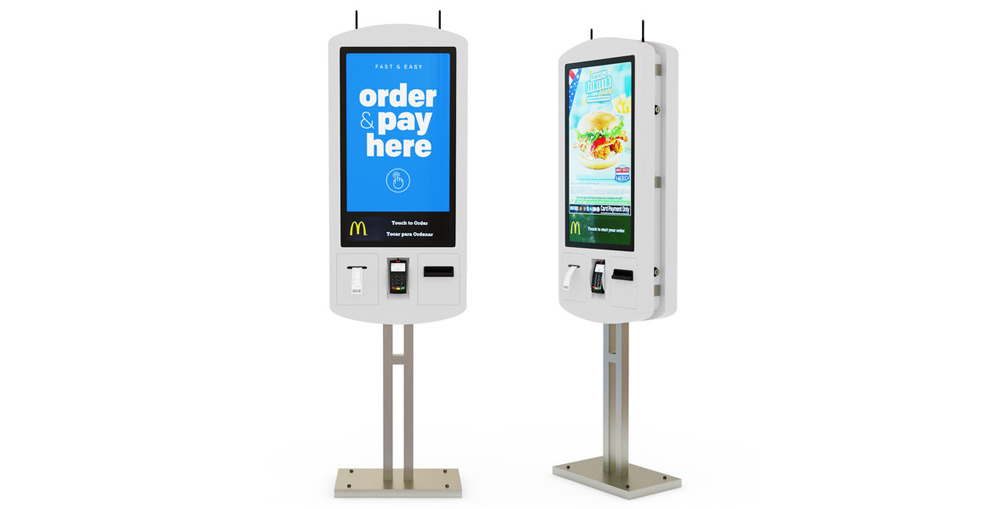
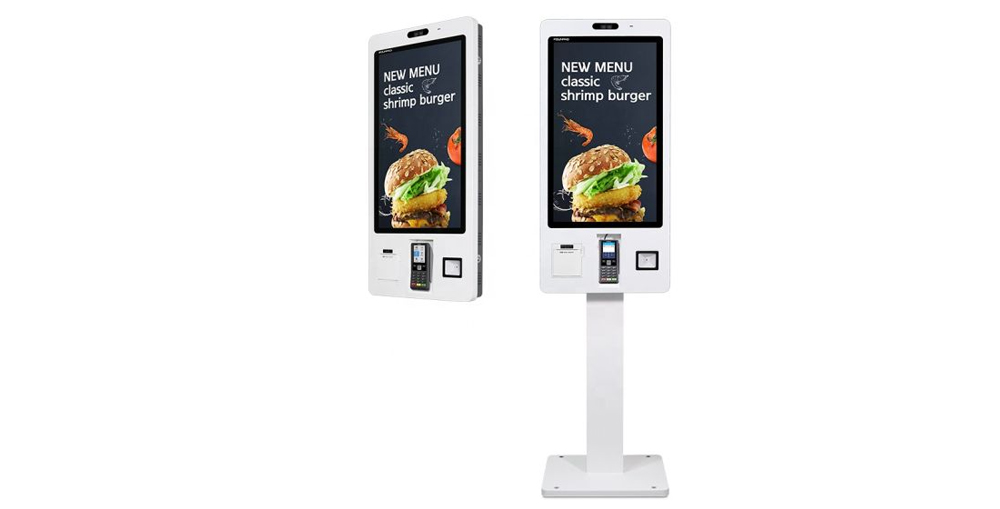
The businesses in Dubai and all around the UAE are adopting self-service solutions to enhance their customers’ experience and to boost their productivity and efficiency. Earlier, restaurants and fast food services were not as that interested in adopting to such innovative solutions. When McDonald’s introduced self-service food ordering kiosk, everyone noticed, both the customers and the competitors as well. People started enjoying the experience of being able to order instantly without lining up in long queues. The other businesses should also learn from this example.

In fact the self-service market had witnessed a huge growth all over the world. Businesses from all sectors are trying to implement self-service technologies to improve their customer experience and to reduce the service cost. The fast-food restaurants and food industry have reported a significant growth after deploying the self-service solutions. In this blog we will discuss why other restaurants should also follow the McDonald’s self-service kiosk and queue management solution to boost their sales, productivity, profitability and customer happiness.

Why Restaurants Should Follow McDonald's Self-Service Queue Management Strategy?

Reduce Customer Wait Time and Customer Churn

The customer wait time is the single most destructive element of the customer journey and is considered to be responsible for almost 30% to up to 80% of the customer churn. The customer churn means a customer who is already willing to make a purchase or convert, leave without converting. In case of food and restaurant businesses this is due to long queues and crowd formation in the restaurant. Consider yourself in a hurry to have a meal at the lunch time or either a dinner. You have planned to go for a McDonald’s meal and as soon as you reached there, you saw too many people waiting in long lines, will you happily wait there or will you look up for other options?

Of course almost 8 out of 10 people would at least consider looking up for other available options rather than waiting in the long queues. And whoever will wait in the queues they will be unhappy with that. Along with that the perceived wait time also have toll on customer satisfaction. Resultantly the customer experience is ruined and the customer churn rate will also rise eventually. However, when there is a self-service kiosk the customers don’t have to wait in the queues, they can simply place their order from the interactive touch screen food ordering self-service kiosk, make the payment and that’s it.

Reduce Customer Wait Time and Customer Churn

See Also: How to Reduce Customer Churn Rate with an Efficient Queue Management System

Improve Customer Experience and Gain Customer Loyalty

The McDonald’s self-service queue management strategy have many benefits. It provide a lot of chances to improve customer journey and customer interaction. For example, if a customer comes to a restaurant, he/she had to wait in the queue for let say 10 to 15 minutes or even more, at the end when they will reach at the counter, the customer service agent or cashier ask for their order, they immediately tell them what they need, then the cashier start up selling them without realizing that the customer is already anxious and stressed due to the waiting time he/she spend in the queue. This could further ruin the customer experience.

However with a self-service queue management strategy the customer can simply place their order from the food ordering interactive kiosk. The restaurant can provide large and detailed menu on the bright large display screen, along with the suggestive items or promotional items that can successfully up sell without bothering the customer. As soon as the customer finalize their order they got signed up for the queue which significantly reduce their wait time.

Improve Customer Experience and Gain Customer Loyalty

The customer can also avail facility to pay with multiple different payment methods which is also very convenient for the customers. In addition to that another big advantage of the self-serving queue management strategy is that the customer always get the correct order, as they themselves are  placing the order from the self-service food ordering kiosk, so there is no chance of cashier or sales agent mixing up their order with someone else or any such thing. This could significantly improve the customer experience and ensure higher levels of customer happiness and customer satisfaction.

The customer happiness is a key to customer loyalty and the customer loyalty is a key to success for any business. The loyal customers stick with the brand, it is hard to switch them, they often neglect any bad experience and they tend to be a good brand advocate in real-world and in social media and online. This provide a great long term advantage and help improving brand image.

Improve Customer Experience and Gain Customer Loyalty

See Also: How Can Digital Queue Management System Improve Customer Experience?

Enhance Communication and Increase Customer Engagement

Customer engagement is very important to add excitement to the customer business relationship. The interactive self-service kiosk comes with a medium sized bright touch screen display. Which could attract customers from far away. Sometimes it happens that we planned to buy something and went to the market or mall, suddenly a bright screen displaying a great offer that caught our eye and instead of going as per the plan we decide to first inspect what they are selling.

Same is applicable for the restaurants and the fast-food businesses, especially the one who are located in a food court or in the area where other businesses from the same category are also located. Anyway, when a customer reaches to a digital kiosk either for information or to place an order, the restaurant can increase customer engagement by running promotions, providing information about latest offers, etc. Such communication strategies are great to increase customer engagement and also help improving the sales.

Enhance Communication and Increase Customer Engagement

See Also: Virtual Queuing and Digital Customer Experience

Improve Employee Efficiency and Quality of Service

The interactive self-service kiosks are not used to replace the employees. In fact the interactive self-service food ordering kiosks are used to divide the foot fall of the customers and reduce the work load of the employees. The balanced workload ensure highest work efficiency and better order accuracy. It also reduce the queues hence it also help the employees to provide better service and makes it easier for them to satisfy their customers.

When the employees have too much workload and at the same time the customers have to wait for a long time in long queues, it is harder to deliver a satisfactory service. However, when the customers are divided between the self-service interactive food ordering kiosk and the counters then both the employees and the customers have less strain and it is easier to make them happy and satisfy.

Improve Employee Efficiency and Quality of Service

See Also: Impacts of Queue Management System on Employee’s KPIs

Increase Sales and Revenue

The self-service food ordering kiosks have several benefits for the customers and the employees along with that it is great for generating more sales and revenue for the business. The interactive user interface allows the customers to easily navigate through the menu and it can also suggest products, add-ons, special offers, etc. Which makes upselling easier and more convenient. For example, if a customer is ordering for a regular meal, at the checkout step the kiosk can suggest them some add-on or soft-drink or fries or any sweet or any such thing, and most of the time the customers add them to their menu that is how the interactive self-service food ordering kiosks can help businesses in upselling.

The self-service interactive kiosk doesn’t require any staff, it is fully automated and it can be a great alternate to adding more counters. In addition to that there is no regular or monthly expense of the self-service food ordering kiosk, it doesn’t require much maintenance, and the entire operation is fully automated. The interactive self-service kiosks technology have a longer lifecycle and can last for years without needing any upgrade or modification. This makes it a very cost-effective solution in long terms.

Increase Sales and Revenue

See Also: Why Small and Local Businesses Need a Queue Management System?

Easy Scalability – Aim for Future

The interactive self-service food ordering kiosks are built on a most widely used computer technology, which makes upgrades, expansion and modification in the system very convenient and cost effective. Usually the interactive touch screens comes with in-built computer. The computers runs on Windows or Android, both are the most widely used technologies. The restaurants can easily acquire a company to develop the required solution for them. The customization cost is also very less and the upgrade or modification is also cost-efficient. There are tons of peripherals and accessories available in the market that can be integrated with the interactive self-service kiosks to enhance its functionality and to improve the user experience.

In addition to that the self-service queue management system is based on a centralized server, which allow the businesses to easily add more kiosks at any time and any place. The centralized information center also enables remote management and monitoring features and allow the businesses to manage the entire network from a central location (such as head office) or even from any remote location via internet. These features makes it a future ready tool and also help businesses to minimize their cost in upgrades and customization.

See Also: Bank Branch Transformation with High-tech Queue Management System

Easy Scalability – Aim for Future

Business Intelligence Data Collection and Customer Feedback

The interactive self-service food ordering kiosk is a great tool for self-service queue management strategy. It also collect business intelligence data from various touch points in the customer journey and also help businesses understand the popularity of certain products and aid them in communication and marketing strategies. The system can provide in-depth system usage and statistical data with in-built analytical tools and various reporting mechanisms to compile actionable reports from the business intelligence data.

Moreover the self-service interactive food ordering kiosk can also be used to collect customer feedback. The restaurants and businesses can conduct short customer feedback surveys and polls via the interactive kiosk. Which can provide further insight to the customer’s mind and let businesses understand the demand, needs and expectations of its customers. The restaurants and businesses can use the businesses intelligence and customer feedback data to identify the areas of improvement and then they can lay down their future strategies and make policies that suit best with their customers and business goals.

See Also: 10 impacts of Queue System with Customer Feedback System

Business Intelligence Data Collection and Customer Feedback

Conclusion

The McDonalds’ self-service queue management strategy was a great idea. It not only helped them to boost their operational efficiency but it also increases customer satisfaction and sales. There are several factors that can contribute to customer journey and customer experience. Bad customer experience and long queues are the major cause of customer churn which deprived the restaurants from valuable sales. However, by deploying an interactive self-service queue management strategy a restaurant can enjoy various advantages such as improved customer experience by reducing wait time and offering instant service via interactive self-service food ordering kiosks.

Moreover the restaurants can easily increase customer engagements and improve their upselling as well. The interactive touch screen based digital menus attract more customers and also improve the size of each sale by suggestive marketing techniques and appealing promotional campaigns. The customers who are using the food ordering kiosks can easily explore the entire menu, hence there is no chance of error or mistake in the order.

The restaurant can also utilize the business intelligence data that is collected from the self-service food ordering kiosk and system which is very helpful in making improvements to ensure ultimate efficiency and customer satisfaction. The customer feedback collection is also a great tool to acquire first-hand business intelligence from the customers. RSI Concepts is a leading customer satisfaction provider specialized in interactive self-service solutions. If you want to learn more about the topic or if you have an enquiry please feel free to contact us through our Contact Us page or leave a comment in the comment box below and we will get in touch with you soon.

See Also:  Why Bank should Integrate Appointment Booking System with a Queue Management System?


Why Bank should Integrate Appointment Booking System with a Queue Management System?

A queue management system and an appointment booking system, both are two different systems and most of us are quite familiar with them too. Both have their application and are used to facilitate the customers and to enhance their experience and interaction with the business. In case of banks the customer experience is always the top priority, especially the banks that are located in Dubai or anywhere else in the UAE. The customer experience and customer satisfaction is considered to be the key to success. The UAE is a very competitive market for the banks, there are too many options available for everyone, if a bank fails to satisfy the customers they will not going to think twice before switching to another bank.

The market have changed since past few years, the digitalization on large scale, the COVID situation and multiple other factors have left profound effects on the market trends and customer behavior. Now a day’s people are more adoptive and comfortable with the technology, in fact people also expect from their favorite brand to offer some kind of digital interaction or a digital solution that can enhance their experience and interaction.

Why Bank should Integrate Appointment Booking System with a Queue Management System?

Banks all over the UAE are proactively seeking new methods and techniques to deal with the new trends and customer’s expectations. There are certain things that we already know can ruin the customer experience, such as unmanaged queues, long waiting time, poorly organized customer flow, low quality customer service, etc. Customers don’t want to wait, in fact studies have shown that in general a customer would like to wait for up to 10 to 13 minutes at maximum, any wait time more than that start affecting their experience.

Customers and visitors are also more conscious about their safety and health, though the COVID situation in our country is under control but still the effects of that have changed our general behavior. A queue management system can be a great relief for the banks and the customers too, but everyone is doing that, there are certain things that can be added to the queue management system to further improve the customer experience, one of them is integrating an appointment booking system.

See Also: 5 Challenges and Solutions of Queue Management System in Banks

Why Bank should Integrate Appointment Booking System with a Queue Management System?

Here is how an appointment booking system can be integrated with a queue management system and how it could help transforming the customer experience and customer journey in the banks:

Introduction to Queue Management System

A queue management system is a technological solution that help banks to streamline their customer flow, improve their customer’s experience and customer journey to ensure the ultimate customer satisfaction. The customer satisfaction is the primary goal for any business whether it is a bank or any other business organization. The customer satisfaction means that when a customer leave your premises after availing a service, they left happy, satisfied and fulfilled. This will make them loyal to the brand and will also directly or indirectly improve various factors which are good for long term sustainable growth and profitability.

The queue management system is a great tool to monitor and analyze the customer journey and various business process and it also monitor various employee KPIs. All the data is combined to generate valuable business intelligence which than can be further analyzed with in-built analytical tool to compile comprehensive and summary reports.

The Future of Queue Management System: Trends to Watch in 2025

Banks can utilize a queue management system to improve their customer journey, operational capabilities and it will also help them to increase profitability. Satisfied customers are more loyal and play a vital role in long term growth.

See Also: Complete guide to Queue Management Systems in Dubai

Introduction to Appointment Booking System

An appointment booking system is a digital tool that allow the customers and visitors to book a spot to meet up with the customer service or sales agent or simply to get a service done from the business. Banks and other financial institutions in Dubai and all around the UAE are investing heavily in productivity solutions and systems. The banks are well aware of the importance of the digital solutions and also the human to human interaction.

That is why the customers and visitors are always welcome at the banks. The human to human interaction is critical to build trust and to establish long term relationship with the customers. However, if a customer will have to wait for a very long time before they get a chance to meet the bank representative, it is extremely hard to deliver satisfactory service. That is why the appointment booking systems and tools are used.

Introduction to Appointment Booking System

The appointment booking system ensures that the customer get a schedule for meeting the right person at the most convenient time for them and they don’t have to wait, so they can peacefully interact with the staff and get the service done.

See Also: The Importance of Actionable Data in Queue Management System

How Appointment Booking System can be integrated with a Queue Management System?

The Appointment booking system is a software program that allow the customers and visitors to sign-up or register and schedule an appointment. The appointment booking system can provide various information which are helpful for the appointment booking, for example, it can provide the list of bank relationship managers or customer service representative along with their availability, etc. Such information help the customers and visitors to book appropriate time as per their needs.

Moreover the customer can book appointment by calling to the bank help center or through the mobile application. On the day of appointment the queue management system can issue a ticket and provide the customers with the estimated time of their turn. This results in very little wait time or no wait time at all. Which is excellent for customer experience and customer satisfaction.

How Appointment Booking System can be integrated with a Queue Management System?

All these functionalities and many more required data synchronization and integration in real-time. Both the appointment booking system and the queue management system pull and push data from each-other and also from various other systems. All this is achieved with secure web services or APIs. The APIs make it possible to link two separately managed databases and also connect the systems with the central information center of the bank.

See Also: Bank Branch Transformation with High-tech Queue Management System

The Benefits of Integrating Appointment Booking System with a Queue Management System

When an appointment booking system is integrated with a queue management system the bank can have several perks and it can also offer various innovative features to improve customer experience and customer satisfaction. Here are some benefits of integrating an appointment booking system with a queue management system could help banks to enhance its customer’s experience:

  • Offer freedom to book a time of service as per the customer’s convenience
  • Allow customers and visitors to sign-up for virtual queues and enable virtual queuing
  • Provide customers additional information about the branches
  • Allow customers to choose any service agent or the one which served them the last time
  • Prioritize the premium customers and segregate them to improve customer flow
  • Reduce the wait time to literally none
  • Improve customer journey and customer experience by optimizing various business processes
  • Help service agents and staff to improve their performance and efficiency
  • Collect customer feedback data and gather business intelligence
  • Integrate smartphone applications for appointment booking, queue management and feedback
  • Provide live queuing information to the customers via SMS, Online Portal or Mobile Apps
  • Improve overall operational capabilities and optimize the use of resources
  • Reduce per service cost and increase profitability
  • Reduce customer churn rate
  • Improve customer loyalty and brand reputation
  • Ensure long term success and growth

The Benefits of Integrating Appointment Booking System with a Queue Management System

Enabling the virtual queuing, remote sign-ups and appointment booking can really enhance customer experience and customer journey. The appointment booking system allow the customers to get live information about the schedules, busiest hours, busiest branches, and much more. The smartphone application offer various innovative features to further improve customer journey. For example, the smartphone application can offer a branch locator which provide details about the branches their timings and other details that help the customers and visitors to schedule their visit.

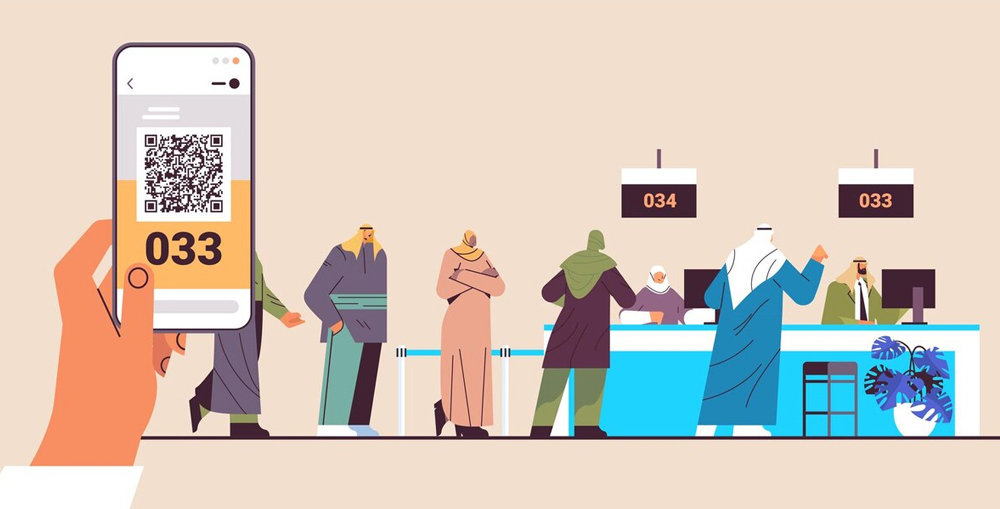
Once an appointment is booked the queue management system can issue them a virtual token for their queue. The queue management system can also provide live queuing data to the customers and visitors which help them to plan their visit. Several channels can be used for reminders, notifications and alerts to make sure the customers don’t miss their turn.

The Benefits of Integrating Appointment Booking System with a Queue Management System

Moreover the queue management system can also collect customer feedback data, which can be added to the main business intelligence which is also being collected from each and every touch point of the customer journey along with various stats and employee KPIs. Such data is extremely helpful for the banks. The management can easily prepare actionable reports and make policies to make improvements wherever needed. The employee KPIs can also be provided for the HR usage.

See Also: What Is Virtual Queuing? A Guide to Virtual Queues

Conclusion

Banks in Dubai and all around the UAE are working in a very competitive market. The customers also have high demands and market trends are also getting changed all the time. In such scenarios businesses often innovate new solutions or combined two available solutions to innovate the utility. That is why integrating an appointment booking system with a queue management system is such a wonderful idea. Both systems are used for customer happiness and customer satisfaction. When combined, the results could be astonishing. When integrated with a queue management system an appointment booking system takes the customer queuing to the next level, it added value to various business processes and it offer ultimate freedom and control to the customers.

It also boost the agent’s performance and improve profitability. RSI Concepts is a leading customized software development company with having appointment booking system and queue management system as the two most popular products. If you are interested in improving your bank’s capabilities and to increase customer satisfaction, feel free to let us know. If you want to learn more about the topic, please free to leave a comment in the comment box below and we will get in touch with you soon.

See Also: World’s First WhatsApp Queue Management Solution


Why Small and Local Businesses Need a Queue Management System?

Businesses use digital solutions to facilitate their customers and to boost their own productivity. These digital solutions can help businesses in many different ways, which could improve their operational capabilities and profitability. Big businesses are using queue management system for more than a decade now, it has become an absolute necessity for them. However small and local businesses haven’t embraced this technology yet.

Although there are a lot many small and local businesses who are using a queue management system or any other kind of digital product to aid there queuing process, but the overall adaptation rate is not as that high as it is in large businesses such as banks, hospitals, government offices, educational institutions, telecom, etc. The small and local businesses in Dubai or in anywhere else in UAE have started to focus more on customer service, customer happiness and customer waiting experience.

Why Small and Local Businesses Need a Queue Management System?

See Also: From Chaos to Control: How Queue Management Systems Can Improve Your Business

Let us just admit it, no one likes to stand in long lines at a retail store. Most of the time when the queue is too long, people don’t even enter the store instead they move on to the next one. That is why it is extremely important for a business to provide excellent customer service and to prevent any congestion at the counters. Same is applicable for the small and local businesses, in fact they have to be more careful about their customer service.

As small and local businesses usually have low budget and less employee so in order to ensure optimum balance between the expense/cost and the profit, they might be hesitant in investing in any digital system such as a queue management system. And due to the same reasons they might often feel overwhelmed with the load of the customers. Which not only results in poor customer experience but also increase customer churn rate.

Why Small and Local Businesses Need a Queue Management System?

The customer churn is simply the measurement of the number of customers who have entered into the business and wanted to purchase something but due to any reason they leave without making a purchase. Mostly the reason is the rush at the counters or very slow moving queues. In this blog we will discuss the basics of a queue management system and its benefits for small and local business to let them understand how important it is to have a digital queue management system at their store/business.

See Also: The Ultimate Guide to Queue Management

What is a Queue Management System?

A queue management system is a combination of software and hardware devices that help businesses to manage the queues and customer flow with more efficiency and also help them to enhance the customer experience and customer journey. The queue management system consists of the following essential parts and components:

  • Queue Management Server Application: This is the brain of the system, an intelligent software with advanced algorithms to operate and control everything in real-time. It resides on a server or cloud or online and is connected with each and every other component.
  • Customer/Visitor Dashboard: This is an interactive dashboard, which is usually available on an interactive kiosk machine. This dashboard allow the customers and visitors to sign-up for the queue and it also issue the tickets.
  • Agent Dashboard: This is an interactive dashboard for the agents/servers who can manage, control and monitor queues from their portal. Usually it is a web-based application which is available on the agent’s computer.
  • Administrative Dashboard: This dashboard is also a web-based application which is designed for the management to monitor the entire queuing process and to customize policies and perform all administrative functions.
  • Digital Signage: These are large display screens placed on strategic location where everyone in the waiting area can view them. These screens are used to display queuing information in real-time along with that the business can run multimedia content to increase customer engagements.
  • Announcement System: The announcement system is used for customer calling, it displays the ticket number of the digital signage as well as it also call the token number and its allocated counter in multi-lingual audio through the sound system installed all around the premises.
  • Counter Plates: The counter plates are available in three types, first one is an ordinary name plate, the second type is an LED based Dot Matrix Display and the most widely used is the small digital display screens which displays counter number, ticket number or any other additional information if needed.

See Also: What Is Virtual Queuing? A Guide to Virtual Queues

What is a Queue Management System?

These are just the basic components, there are several others that can be added to further improve the efficiency of the system. For example, virtual queuing is one of the most popular queuing method used by both large and small businesses. Another most popular form is QR Code based queuing. The queue management systems are usually customizable, so businesses can come up with their own ideas to innovate new features that could help them to reduce waiting time and improve customer experience.

Advantages of a Queue Management System for Small and Local Businesses

Small and local businesses need an efficient queue management system to improve their customer journey and to increase operational efficiency. As small and local businesses have limited budget and a limited number of employees so it is very crucial to utilize each resource efficiently to ensure maximum outcome. Unmanaged or poorly managed queues not only decrease customer satisfaction but also put strain on the staff which further results in poor employee performance and even poorer customer experience.

Another major factor that could make things more difficult is the limited physical space, all small businesses have limited physical space and if it get crowded it will not only harm customer experience but it could have other negative effects too.

See Also: 5 Challenges and Solutions of Queue Management System in Banks

Advantages of a Queue Management System for Small and Local Businesses

Here are some advantages of a queue management system for a small or a local business:

Queue Management System Reduce Wait Time

Simply be managing the queues, reducing the stress of the waiting customer and helping the employees to boost their performance a queue management system can significantly reduce wait time. This can be achieved in many ways, in fact for different businesses the queue management system works differently, let us discuss two most commonly found small businesses. For example a retail store such as clothing brand or just a general grocery store wants to improve its customer experience and customer satisfaction by improving their waiting experience. One thing is for sure, for any small or local businesses the customers must have to wait, it is inevitable.

Especially during the rush hours, when the footfall is at its highest of the day, things could really get out of hands. A queue management system can offer mobile apps or SMS enabled sign-up process which help the shoppers to sign-up for the queue. The difference is they don’t have to wait in the line anymore, they can roam around the store and once their turn will come they will be notified by alerts and notifications either in-app or push notifications or simply SMS notifications. Hence the customers can go to their counter and get served immediately without any wait or very little wait time.

See Also: Why Queue Management Systems Are Essential For Modern Businesses?

Queue Management System Reduce Wait Time

Similarly for other types of small and local businesses who are offering some kind of services instead of offering products. For example, there is a salon or small travel agent or a local real estate branch. The physical premises is small but during the busy hours it could be crowded. The queue management system can completely eliminate the problems that businesses might face on daily bases such as someone crossing the line or any dispute occurring among the staff or even with other customers, etc.

Without a queue management system usually the staff is involved in solving such problems which deviates them from their primary task and also increase their workload. But with a queue management system this all could be avoided the staff could get more time to focus on their primary tasks, which expedite the service delivery process and the customers also remain calm as they know once their turn come only then they will be served. In addition to that in such small premises the digital signage could play vital role in further improving the customer experience by playing multimedia content and publishing queuing details live.

See Also: Queue & Waiting Time Management

Queue Management System Improves Employee Efficiency and Profitability

The small and local businesses usually manage their queues manually which not only reduce the customer happiness and customer satisfaction but also increase the workload of the staff which not only result in poor employee performance but it also results in poor customer experience as well. In fact such situations reduce the overall morale of the staff which directly impact on customer satisfaction and customer happiness. However, with the help of a queue management system when the queue are managed automatically and the employees have less work to do, the effects will be reversed, which means the employee will have a very balanced workload which will raise their morale and also improve their work efficiency.

This reduce the overall per service cost and increase overall profitability. Once the employee start working on their full potential they will also cause reduction in the waiting time as the service delivery will be faster, which will also improve customer experience and increase their satisfaction. That is how a queue management system can boost the overall brand image and customer loyalty of a small or local business which is extremely important for a long term growth.

See Also: Impacts of Queue Management System on Employee’s KPIs

Queue Management System Improves Employee Efficiency and Profitability

Queue Management System Increase Customer Loyalty and Ensures Long Term Growth

The customer loyalty and the long term growth are extremely important for a small or local business. As the competition in the market is very high, small and local businesses are also located nearby each other, usually concentrated in a certain area or sector of the city which means the customers have too many options available. In such scenarios losing a customer due to bad customer service or mismanaged queues could seriously harm the reputation of the business which could have dire consequences in long term.

Hence it is extremely crucial that business ensures ultimate customer satisfaction to make them happy. A happy customer is tend to come back again which help building good relationship with them and increase their loyalty.

Queue Management System Increase Customer Loyalty and Ensures Long Term Growth

The loyal customers are tend to be a good brand advocate, they share their positive experience with their colleagues, friends and family and they recommend your brand to others. The loyal customers are more likely to defend the brand while talking to other people in real life or in online or social media platforms. Which help building a positive reputation of the business. A small or local business with positive reputation can attract more customers hence customer loyalty and customer satisfaction has long term effects on the growth and brand image.

See Also: How Queue Management Systems are helping Businesses Grow

Queue Management System can Gather Business Intelligence and Customer Feedback Data

A queue management system is not only used to manage the queues, but it is a very powerful tool that can monitor and capture data from each customer touch point. The system usage data and other stats are very helpful in identifying the areas of improvements and let the business management understand their customers more accurately. The queue management system can also measure and monitor various KPIs which can further help improving the employee efficiency.

For example the queue management system can accurately measure the service delivery time each employee takes to serve a customer, it can also collect customer feedback data and various other types of stats which can be analyzed by its in-built analytical engine and the data can be extracted in reporting formats. Which help the management to take informed decisions and to draw strategies for the future.

See Also: The Role of AI in Enhancing Queue Management Systems

Queue Management System can Gather Business Intelligence and Customer Feedback Data

Collecting the customer feedback data is one of the great feature of a modern day queue management system. The customer feedback collection not only provide a deeper insight to the customer’s mind but it also help improving customer to business relationship. When a business start collecting customer feedback the customer get a sense of importance and feel more connected to the business. They know that their favorite brand is interested in learning their opinions, views and taking their complaints which shows their seriousness to improve their customer’s experience.

This also increase customer loyalty. The customer feedback data can also be extracted in various reporting formats which can be used to analyze various business process, quality of the products/services and also to analyze the behavior and capabilities of the customer service staff. Such data is very important for decision making and planning for the future and help businesses to improve in all aspects.

See Also: Business Process Optimization Using Queue Management System Business Intelligence Data

Conclusion

For any small or local business investing in a new solution could be a difficult decision. A queue management system is not as that expensive but still we have witnessed that small and local businesses in Dubai and also in other parts of UAE are a little bit hesitant in investing in it. A queue management system could be a game changer for a small or local business. It can help organizing the queues and improving employee efficiency along with that it also help improving customer experience by reducing the wait time and offer many features that can benefit the business to further reduce the wait time and help them boost their performance. These all factors result in higher customer satisfaction and improve customer loyalty. The loyal customers are important for a long term growth.

A queue management system also gather business intelligence data and customer feedback which provide a deeper understanding of relevant business processes and customer’s mindset. These all information improve the decision making capabilities of the business and ensure a positive growth with higher efficiency and profitability. RSI Concepts is a leading queue management system provider in Dubai, UAE. If you want to learn more about the topic or if you are interested in a quote, feel free to contact us through our Contact Us page or leave a comment in the comment box below and we will get in touch with you soon.

See Also: Manage Patient Appointment and Journey with Queue Management System


Bank Branch Transformation with High-tech Queue Management System

Bank Branch Transformation with High-tech Queue Management System

These day’s in UAE almost every bank is offering digital service channels to their customers to facilitate them. However, when customers come to visit the bank at the physical branches it could get very difficult to manage the customers and maintain a good customer experience. Another big challenge is the health and safety concerns. The bank branch occupancy limits and the social distancing rules are also adding to the queue management problems and making it difficult to provide a good quality service and satisfactory customer experience.

The market trends and customer’s expectations have also been changed, now a day’s people are more adoptive and inclined towards digital interaction. In fact studies have shown that more than 80% of the ordinary customers are expecting from their favorite brands to offer some kind of digitalized interaction. A high-tech queue management system can bridge the gap between the physical and the digital customer experience and it can significantly improve the customer journey.

Bank Branch Transformation with High-tech Queue Management System

For any bank branch it is extremely important to manage their customer’s wait time and journey to ensure they have a great experience. The studies have shown that an average customer can willingly wait for around 13 minutes beyond which they start developing a negative experience with the bank. A queue management system is not only about managing the waiting experience, in fact a modern day high-tech queue management system is a very capable tool which can enhance and improve the waiting experience and the entire interaction of the customer with the bank branch.

A high-tech queue management system not just only manage customer wait time but it can manage the entire customer journey from pre-arrival to post-servicing activities. The bank branch transformation and digitalization is only possible with a modern and high-tech queue management system that can offer innovative solutions of the customer journey problems and help banks branches to achieve the higher customer satisfaction without investing anything additional in human resource or in other resources.

See Also: Improve Customer Journey with Queue Management System Business Intelligence

What is a Queue Management System?

A queue management system is a combination of software and hardware components. In Dubai and all around the UAE there are several different types of queue management systems used by the businesses. The main objective of using any queue management system is to facilitate the customer flow and to ensure a better waiting experience. Apart from that a modern day high-tech queue management system also manages several other steps of the customer journey and it also provides a detailed business intelligence and insight to let the management draw specialized conclusions which further help them to improve various business processes and customer journey.

A queue management system comprises of a sign-up terminal/channel (which is usually a ticket dispensing kiosk), digital signage, announcement systems, counter plates/displays and software dashboards for the administration and for the servers/agents. These tools are designed to facilitate the both the customers and the staff during the customer journey. There are several other hardware and software components which are widely used by the businesses but from the user point of view the operation is almost the same.

What is a Queue Management System?

See Also: Complete guide to Queue Management Systems in Dubai

What is a High-Tech Queue Management System?

Well a queue management system is always a queue management system, but there are some queue management systems which can offer an entirely different kind of features that help transforming the bank branches and the customer experience. For example the old Nokia 3310 was a mobile phone and the modern iPhone is also a mobile phone, both are capable of calling and texting, but the iPhone is considered to be more high-tech and advanced as it offers various additional features and makes it more effective and useful. Similarly a high-tech queue management system manages the customer flow and queues but in a better way and it can also offer numerous new features which increase its importance and usefulness.

For example a high-tech queue management system offers multiple channels for the sign-up such as QR Code, SMS, Mobile App, etc. It can also support virtual queuing which allow the customers to sign-up and wait in virtual queues and only arrive at the bank branch when their ticket number is called, hence technically there is no wait time at all.

See Also: What Is Virtual Queuing? A Guide to Virtual Queues

What is a High-Tech Queue Management System?

Here are some features of a high-tech queue management system that enable a very quick and cost-efficient bank branch transformation:

Multi-Channel Sign-up & Virtual Queues

The high-tech and advanced queue management systems support multi-channel sign-up. Traditionally there is a ticket dispensing device or an interactive kiosk which help the visitors and customers in the bank branch to sign-up for the queue. However, the high-tech queue management system offers additional channels for the sign-up such as remote sign-ups through the web-portals, smartphone apps, SMS, QR Code, etc. This flexibility enhances user experience and facilitate the sign-up process. The remote sign-up channels sign-up the customer for the virtual queues, it means they will be treated as they are physically present in the actual queue but in reality they can wait outside, or arrive only when their turn come.

The queue management system can keep sharing the queuing information and updates via a suitable channel to keep the customer up to date. The queue management system can also send alerts and notification so the customer won’t miss their turn. The multi-channel sign-up process eliminates the need of waiting inside the bank branch hence the actual wait time is significantly reduced or none. The remote sign-up allows the customers to wait outside the bank branch and they don’t need to wait in the crowded lobbies or waiting areas.

See Also: World’s First WhatsApp Queue Management Solution

Multi-Channel Sign-up & Virtual Queues

Seamless Customer Flow & Automated Customer Journey

The banks are the organizations where daily customers’ visits are inevitable, some days of the weeks are busier and some are not, sometimes the entire bank branch is fully occupied, in all such scenarios the management and staff have the prime goal of ensuring a great customer experience which is not impossible with slow moving queues and long waiting time. A bank is offering several services at a bank branch and they are also dealing with different categories of the customers too.

For example, some counters are exclusive only for VIP or Premium customers, some are for business customers and some for individual customers and so on. Similarly there are certain counter who only deal in certain services or even some counters are exclusive for only a single service. These all are real life scenarios there could be so many other possibilities as well. In such situations it is crucial to segregate customers as per their need and mode of service or any other policy and then direct them to the designated counter to prevent any confusion or unwanted delays.

See Also: Integrating AI Agents into Core Business Applications for Operational Excellence

Seamless Customer Flow & Automated Customer Journey

A high-tech queue management system is designed to handle all such scenarios including features that allow the banks to implement customized policies in each branch. Usually the queue management system identify the customer by the selection of the service they had selected while signing up for the queue. Later it automatically route each customer to the appropriate counter. In case if any server or agent went for a short break or something, the modern high-tech queue management system is capable of routing the customers to the alternate counters as well.

All the data and monitoring is happening in real time and the queue management system software is also taking decisions in the real time, so everything is managed automatically without any human intervention. This features makes the customer flow very quicker and it also prevent a lot of problems that could occur in a real life scenario. The automated customer journey feature can also balance workload of different counters and with a dedicated administrative control panel the bank head office or the bank branch manager can control these polices and work flows as well.

See Also: What are the Benefits of Improving Customer Journey?

Powerful Software Tool & Administrative Control

The modern high-tech queue management system has a powerful software engine and intelligent algorithms which ensure excellent efficiency and ultimate performance. The queue management system consist of an administrative dashboard which is for the branch management and the head-office management, the second part is the agent/server dashboard, which is designed to aid the service delivery process and various other business processes.

The agent dashboard can be linked to many other organizational tools and systems which reduce the work of the server/agents and expedite the service delivery process. The administrative dashboard allow the management to remotely manage and monitor the entire queue management system and all connected branches. The head-office can instantly update and push policies to all or selective branches via administrative dashboard and they can perform several other administrative functions.

Powerful Software Tool & Administrative Control

Our high-tech queue management system is also equipped with ability to integrate with other systems and tools which enables it to share information, data and stats with other systems and get access to the data from other systems within or outside the IT infrastructure of the bank. Such integration expedite the service delivery process and can reduce various customer journey steps. Moreover the integration is also very useful in sharing business intelligence and analytical data with other systems in various reporting formats. The high-tech queue management system is also very capable of triggering alerts and sending notification in real time as per the set policy and parameters.

See Also: Top 10 Virtual Queue Management Benefits

Reduction in Customer Wait Time and Enhanced Waiting Experience

The high-tech queue management system offers multi-channel sign-up process, virtual queuing and various business process improvements which reduce the entire customer journey hence the waiting time is reduced. The queue management system comes with digital signage and audio-visual announcement system which is used to improve customer’s waiting experience in the waiting area. The digital signage is used to display the live queuing information and banks can also run adverts, multimedia content and engaging material which keeps the customers engaged while they are inside the bank branch.

Moreover, It reduces the waiting stress and improve customer’s waiting experience. The automated customer flow and customer routing functionalities can significantly reduce the customer wait time. The agent dashboard is very helpful in expediting service delivery process which also help reducing the overall wait time of the customers.

Reduction is Customer Wait Time and Enhanced Waiting Experience

The queue management system can also provide live queuing information on other channels such as SMS, mobile apps or customer portals. Which also keep the customer engaged and allow them to remain up-to-date. Which enhances their waiting experience even if they are outside the bank branch. The queue management system can send several alerts and notifications to make sure the customers who are waiting outside don’t miss their turn.

See Also: How to Choose the Best Queue Management Software?

Gather Business Intelligence and Collect Customer Feedback

The business intelligence is the most important part of any digital system or tool. The high-tech queue management system is equipped with smart and intelligent algorithms and analytical engine which enables it to collect the statistical, usage and monitoring data from each and every touch point throughout the entire customer journey. The reporting mechanism is also capable of measuring and monitoring various KPIs for the employees and various other aspects.

All this data is collected in real time and then automatically processed, furthermore the administration can also implement various analytical tools to compile reports. These reports help the management to draw precise conclusions to evaluate their current strategies and it also help them identify the areas of the improvements.

Gather Business Intelligence and Collect Customer Feedback

The customer feedback is one of the most crucial part of the business intelligence data and it provides a direct window into the customer’s mind. Which help banks identifying the problems with the customer journey or any other business process. The banks can also conduct various surveys to get deeper insight which can be later utilized along with other business intelligence inputs to draw future policies and strategies.

See Also: Business Process Optimization Using Queue Management System Business Intelligence Data

Conclusion

The advanced high-tech queue management system can significantly boost the customer experience and improve their journey throughout the bank branch. The queue management system allows various sign-up channels along with virtual queuing which provide more flexibility and convenience to the customers and visitors. With the help of these facilities the customer are no longer required to physically wait inside the bank branch. In fact they could be signed-up for the virtual queues via virtual or remote sign-up methods. The automated customer flow management and customer routing mechanism automatically control the customer flow and maintain a balanced workload for the employee as well. Which not only reduce the wait time but also help boosting the staff performance as well.

Collectively all these factors help reducing the waiting time and improving the customer experience and customer journey. Our high-tech queue management system also help collecting customer feedback and gathering vital business intelligence data which can be later analyzed by the in-built tools to compile reports. RSI Concepts is a leading queue management system provider in Dubai, UAE. If you want to learn more about the high-tech queue management system or if you are interested in a quote, feel free to contact us through our Contact Us page or leave a comment below and we will get in touch with you soon.

See Also: Manage Patient Appointment and Journey with Queue Management System 


Manage Patient Appointment and Journey with Queue Management System

Manage Patient Appointment and Journey with Queue Management System

For any healthcare facility, clinic or hospital the most important thing is to manage the patient flow and keep them calm. As generally when patient visit hospitals they are already stressed, anxious, worried and at unrest. It is extremely important that the hospital or the healthcare facility provide them services in a most convenient way possible. This could be a great relief and it also help the hospitals and clinics to improve the patient journey. Regardless of the industry, for any business it is extremely important to maintain a comfortable environment for its customers.

The customer happiness and customer satisfaction is a key to success. The satisfied customer are more loyal and it is easier and less expensive to do business with them again. The studies have shown us that it is nine to twelve time more expensive to acquire a new customer comparing to selling to an existing customer.

Manage Patient Appointment and Journey with Queue Management System

If a business fails to satisfy its customer, eventually it will lose them. The Dubai and in fact the entire UAE is a very competitive market, the customers here are more aware and conscious about their purchase decisions and they simply have too many options to choose from. One bad experience could repel them from your business and one satisfactory experience could establish a long term relationship with them. That is how important it is to offer a satisfactory customer experience. When it comes to the hospitals, clinics and other healthcare facilities it is even more important to satisfy your customers and provide them a pleasant waiting experience to ensure a great patient journey.

See Also: Capital Health Screening Center Al Ruwais City Acquired RSI Queue Management System

Here is how a hospital, clinic or any healthcare facility can manage the patient appointments and patient journey with the help of a queue management system:

How a Queue Management System Improves Patient Journey: Reduce Wait Time

A queue management system is a great tool to streamline customer flow and to reduce the patient wait time. The manual patient queues are difficult to manage and there are so many other problems too which deteriorate the customer experience. The manual queue management also put more pressure on the staff and the crowd formation and congestion is a common siting. A digital queue management system can prevent all these problems and it has many other added benefits.

One of the most important factor that impacts on the customer journey is the wait time. It is crucial to minimize it. When patient reached to the hospital or any healthcare facility they want to get treated immediately. Everyone is in hurry and in an uncomfortable state of mind, which makes it even more difficult for the staff to manage manual queues. However a digital queue management system can manage patients easily, everything is automatic, the patients can easily be routed to their designated paths, there is no staff involvement so patient often don’t have too many complaints.

See Also: Integrating AI Agents into Core Business Applications for Operational Excellence

How a Queue Management System Improves Patient Journey: Reduce Wait Time

There are two types of waiting time, one is the actual waiting time and the other is the perceived wait time. The actual is obviously the actual time that has been passed from the sign-up till getting the service. However, the perceived wait time is the time a customer or patient feels while waiting in the queues. The perceived wait time is always a big problem, if the hospital or healthcare facility failed to offer a better waiting experience the perceived wait time could go higher which only adds to the stress and worriedness of the patients and their attendants.

However with some small things the perceived wait time can be reduced a lot. If the hospital or healthcare facility deploy some digital signage with engaging content or relevant information running on them the patient could be engaged in to it. If there are audio announcements and complete queuing updates on the signage displays, that will further increase the patient engagement and reduce the effects of perceived wait time. This way the patient journey can be improved.

See Also: Queue & Waiting Time Management

How a Queue Management System Improves Patient Journey: Offers Online Appointment Booking

These days’ people are more concerned about their safety and health, especially when people are visiting hospitals, clinics, pharmacies and other healthcare facilities they are have more health concerns. For that hospitals and healthcare facilities are deploying modern queue management system which enables the patients to sign-up remotely and book appointment to plan their visit before arriving at the hospital. The integration of the virtual queuing components enables the patients to arrive at the very exact time of their turn hence they don’t have to wait inside the hospital.

The patient can be provided with multiple mediums and platform which they can use to sign-up for the queues or to get information and updates. The customer can use their mobile phone applications, online customer portals, website, SMS, email and call or any other medium to sign-up for the queue. Once they are signed-up they will receive an electronic ticket or e-ticket which will be their ticket number for the queue. The queue management system will keep sharing the updates, notifications and alerts to keep the patient up to date. Hence the patient can plan to arrive at the very time when their number will be called.

See Also: Implementing AI Agents for Seamless Customer Service Automation

How a Queue Management System Improves Patient Journey: Offers Online Appointment Booking

Another advantage of allowing the online and digital channels is that the customer can sign-up for the queue before leaving from the home or even during their travel to save a lot of waiting time. The patient also get all the real-time updates through the SMS, WhatsApp, Mobile Apps, Customer Portal Dashboard, etc. The customers who are planning their visit for a regular check-up or examination or to collect their reports or any such tasks can utilize the appointment booking system to choose the time, date and even doctor of their choice.

The online appointment booking portal provides all the relevant information along with the availability of the doctors or testing facilities, etc. The queue management system collects the statistical data which can be provided to the patients as well to let them plan their visit. For example, if the Wednesday of last week is busier than the normal, the patient will be informed about it and they can chose any other day to ensure they don’t have to wait much and so on.

See Also: How to Choose the Best Queue Management Software?

How a Queue Management System Improves Patient Journey: Improves Patient Engagements

The queue management system also improves patient engagements and let the staff communicate in a better way. If the patient book an online appointment and in case there is any change in the plan for example, the doctor the patient is intended to meet is unavailable or on an emergency duty then the hospital can notify the patient and also suggest them with alternates or let them reschedule their appointment. If the customer chose a remote sign-up method and they still haven’t arrived, and any unexpected situation occurred, the staff can immediately notify the patient for the delay, or the queue management system can also be configured to automatically respond and update the patients to notify them in-time.

The WhatsApp is the most popular communication/messaging application in the entire UAE. The WhatsApp queuing enables the patient and the staff to communicate with each other. If the patient have any concerns they can also text to the staff and ask them about it. For example, the patient is coming to collect a test report, they got stuck in the traffic and they are sure they won’t be able to reach in time by their turn. In such scenarios they can request the staff to take adjust their queue accordingly.

See Also: The Future of ERP: Leveraging AI for Smarter Enterprise Management

How a Queue Management System Improves Patient Journey: Improves Patient Engagements

The appointment booking and queue management system also provide great business intelligence to the businesses as well. The hospital or any healthcare facility staff got the information and trend reports on their dashboard which help them manage the appointments and queues accordingly. This prevent any delay during the patient journey and help them improving the patient experience. The communication, live updates and other information increase patient engagements.

The queue management system also display engaging content on the digital signage screens along with the live queuing updates. Which increase patient engagements and improve their waiting experience. It also help reducing the effects of the perceived wait time and improve the overall patient journey.

See Also: Top 10 Virtual Queue Management Benefits

How a Queue Management System Improves Patient Journey: Personalized Patient Experience

The patient data is already stored in the central information center or main database of the hospital or any healthcare facility. The queue management system have a great feature which enables it to integrate with third-party tools and other databases and it can linked to the central information center as well. The data can flow in both direction, hence the data from other systems can be provided to the queue management system and its data can be provided to the other systems as well. The queue management system can identify the patient during their sign-up process or if a customer had made an appointment via online or any other digital channel such as the mobile app or WhatsApp or even SMS the system can still identify the patients.

This enables the staff and the management to extract the required information form the database beforehand which is required to provide a personalized patient experience. The personalized patient experience makes it easier for the patients to interact with the healthcare facility and it also increase their happiness. The staff can also utilize this data to expedite the service delivery process and the data can also be used to automate several tasks which reduce waiting time and service delivery time and enables a single service staff to serve to more patient in a single shift. Hospitals and healthcare facilities can easily optimize their performance and operational efficiency with the use of a digital queue management system which also improves patient journey and increase their loyalty.

See Also: What Is Virtual Queuing? A Guide to Virtual Queues

How a Queue Management System Improves Patient Journey: Personalized Patient Experience

How a Queue Management System Improves Patient Journey: Collect Patient Feedback and Business Intelligence Data

The patient feedback is very important, it not only provides you a comprehensive detail of the entire patient journey but it also help identifying the areas of improvement. The patient feedback collection also have a very positive impact on the relationship between the patient and the healthcare facility. When your patient knows that you want to learn about their experience and you are interested in rectifying the problems they are facing during their patient journey, the patient feel more connected and they trust more on the brand. This increases their loyalty and trust on the brand. That is why the patient feedback is also very important.

With the help of a modern queue management system the hospitals, clinics, and all other healthcare businesses can collect the patient feedback from multiple channels. For example if the patient used the online portal the email and the online patient dashboard can be used, if the patient used WhatsApp then the same can be used for the feedback collection and so on. Moreover different patient feedback surveys can be pushed through different channels to maximize the response rate and to improve the data quality of the patient feedback.

See Also: Unlocking Business Potential with AI-Powered Advanced Analytics

How a Queue Management System Improves Patient Journey: Collect Patient Feedback and Business Intelligence Data

The queue management system are also very capable in collecting the statistical data and other valuable information which can be very helpful in identifying the flaws and areas of improvement in the entire operation. The queue management systems can also monitor and measure various KPIs (key performance indicator) for the employee to evaluate the staff performance. The queue management system can collect the precise data about the number of patient being served on a particular day or during a particular time period, and they can also provide information about the most availed services or most popular laboratory tests or even most popular doctors and so on. The system monitor each and everything and then analyze the statistical data as per the in-built algorithms and compile it in an actionable reporting format with flexibility to customize these reports as per the needs of the management.

This provides a deep insight to the entire operation and provide all the required details to make informed decisions. The management can also setup new policies and strategies for the future on the bases of the business intelligence and then they can also quantify the impact of their policies and strategies with the help of the business intelligence data. These features significantly improve the decision making which results in satisfactory patient experience and excellent patient journey.

See Also: World’s First WhatsApp Queue Management Solution

Conclusion

A queue management system is a necessity for the modern day queuing needs. The Dubai and in fact all around the UAE the customers in general demands very high standards and excellent quality services. The businesses and healthcare sector is investing huge amount in digital transformation. The patient experience and patient journey is very important for any healthcare business. A queue management system is very helpful for hospitals, clinics, pharmacies, testing facilities and other healthcare establishment. It provide them a chance to better understand the ongoing trends, their patients’ behavior, needs and desires.

Hence the management can build new strategies and setup new policies to enhance the patient experience and patient journey. In general when a patient arrived at any healthcare facility or hospital they are already stressed, worried and sometime they could be in a very unpleasant state. That is why it extremely important that the management ensures a smoother and quicker patient journey with a satisfactory experience. RSI Concepts is a leading queue management system provider in Dubai, UAE, if you need any help with your queuing needs or want to learn more about the subject? Feel free to reach us through our Contact Us page or leave a comment in the comment box below and we will get in touch with you soon.

See Also: Improve Customer Journey with Queue Management System Business Intelligence


Improve Customer Journey with Queue Management System Business Intelligence

Improve Customer Journey with Queue Management System Business Intelligence

Businesses in Dubai and all around the UAE are mostly utilizing some kind of digital queue management system to manage customer flow and to boost their performance. The primary goal of doing so is to maximize the customer satisfaction by improving their waiting experience and customer journey. The customers’ demands, market trends and standards always getting changed. Here in Dubai or in fact all around the UAE the markets are very competitive and the customers are very demanding. A customer have too many options available that they immediately switch after a bad interaction and don’t even give it a second thought. The overall market trend is to have a quicker and simpler on-boarding process which also help customers while switching from one business to another. In such an environment for businesses the customer retention and customer loyalty is the only key to long term success. Which is only possible when the customers are happy and satisfied with the brand.

Improve Customer Journey with Queue Management System Business Intelligence

Businesses use queue management systems to improve customer journey and to boost their staff performance. Both are very important and interconnected. Only an efficient staff can ensure high quality service and satisfactory customer experience. An intelligent customer flow management and well-organized customer routing can ensure excellent waiting experience. That is why a digital queue management system is an essential these days. That is why almost all businesses whether small or large are utilizing some kind of queuing solution. However, one thing that businesses in Dubai and all around the UAE often overlooked is the statistical data and business intelligence. Businesses usually don’t pay much attention to the importance of the business intelligence data. The queue management system business intelligence can provide a deeper understanding of the customer behavior, their needs and expectations from the business along with the staff performance and the effectiveness of business policies, strategies, and in fact the entire methodology to deal with its customers. This makes queue management system business intelligence much more important and crucial for a business’s success.

Read More: World’s First WhatsApp Queue Management Solution

Improve Customer Journey with Queue Management System Business Intelligence

The basic purpose of collecting business intelligence is to identify the strength and weaknesses of relevant departments, employees, processes, IT infrastructure and any other facility or system that is involved in the customer journey. Here is how business can improve customer journey with the queue management system business intelligence data:

Queue Management System Business Intelligence: Wait Time

The wait time is one of the most critical factor in the customer journey. Let us face the fact, no one wants to wait in long queues or siting in a crowded waiting lobbies. Everyone wants to get the service immediately. The miss-managed customer journey and long wait time alone is enough to completely destroy the customer experience. If the customers had to wait too much, they will get anxious, stressed and annoyed. Once they will reach at the counter they would have already been annoyed, which will decrease their ability to cooperate which can completely kill the customer business relationship. It also put extra strain on the staff and also decrease their efficiency and moral. Which further results in poor experience and unhappy customers. Although the staff is trained for such scenarios but studies have shown that long wait time have far deeper impact on the customer journey and customer happiness then we usually anticipate.

Queue Management System Business Intelligence: Wait Time

When a business is using a digital queue management system they can collect the stats and data for various different aspects of the wait time and incorporate them in the business intelligence data and reports. Some of these factors are very important to keep an eye on. For example, each business offers multiple services, some services are quicker and some are not. Some services might have higher profitability rate and some aren’t. These all factors has to be analyzed along with the collected business intelligence data to quantify and analyze the effects of individual factor and then the actions should be taken accordingly to address the issues starting from the higher priority to least priority. Similarly for each service business usually target a different set of audience. For that businesses also have different communication strategies for each audience or audience group. These all factors along with the queue management system business intelligence will help businesses to prioritize the issues and take steps or make policies to rectify them.

Read More: Business Process Optimization Using Queue Management System Business Intelligence Data

Queue Management System Business Intelligence: Wait Time

The queue management system business intelligence data regarding the wait time can include several perimeters such as average wait time for the customers of each service. Average wait time during the busy hours and during the least busy hours. Average wait time during the weekends or the last or first day of the week. The same can be measured for different times of the month and year also. The queue management system can also measure the average wait time for a particular service when delivered by different employees, in fact a good queue management system always have comprehensive employee KPIs and performance monitoring tools. The queue management system can also measure the average wait time for different sign-up methods. These days business are always trying to offer multiple channels to sign-up for the queues. Such data can be analyzed and then compiled in actionable reporting formats which can help businesses to identify the areas of weaknesses and also help them to prioritized different actions for the future strategy.

Queue Management System Business Intelligence: Wait Time

Studies have shown that on an average under normal circumstances a customer can wait for up to thirteen minutes maximum without getting stressed out or annoyed. Anytime longer than that will start deteriorating the customer experience. Another important factor is the perceived wait time against the actual wait time. The perceived wait time is the time a customer feels have passed instead of the actual time that have passed so far or till the service delivery. Usually when we don’t have a clear indicator or estimation of the wait time we feel more time have passed than the actual time passed. A good queue management system always print estimated time to turn on the ticket or provide this information in the digital signage or via any other channel. This also help reducing the stress of waiting and can help improving the customer wait time experience which improves customer journey.

Read More: What Is Virtual Queuing? A Guide to Virtual Queues
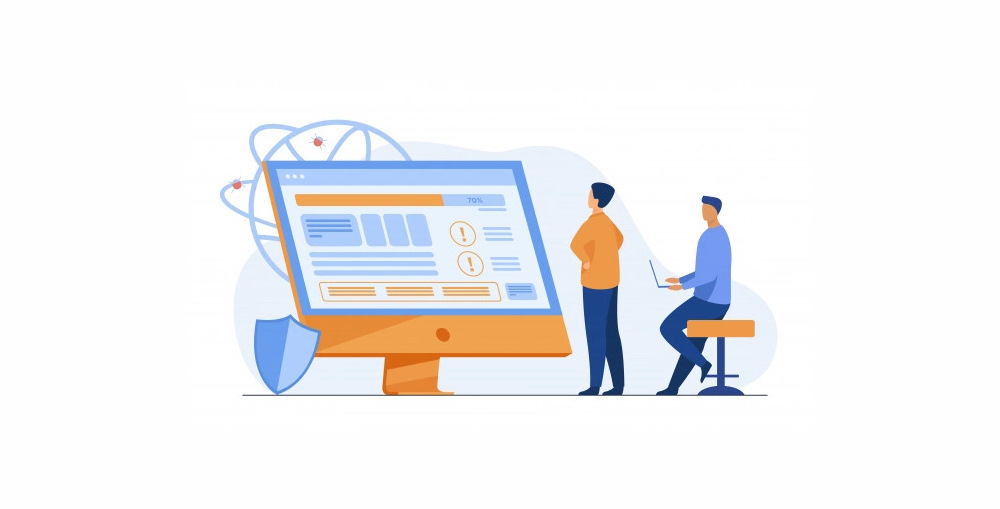
Queue Management System Business Intelligence: Staff Performance

The staff performance or employee KPIs (key performance indicators) are a great source of business intelligence data. A queue management system can measure several staff performance perimeters and provide data to the management to assess and evaluate the performance of the staff from various angles. The employee KPIs help businesses asses and evaluate the employee performance and it also provide valuable inputs for the HR department. The businesses can use the employee KPIs to arrange training programs, transfer employee or relocate them or reassign them different tasks and it also help businesses improve their training programs and hiring process. The employee KPIs are also very helpful to encourage the staff to perform well and compete for higher performances. Businesses can also use the employee KPIs for promotion/demotion or for salary and other perks. One thing is for sure, if your employees will perform well and work under balanced work load they be able to deliver satisfactory services which will improve customer journey and customer experience.

Queue Management System Business Intelligence: Staff Performance

A queue management system can accurately measure various employee KPIs, such as average service delivery time. Average service delivery time is measured along with several variables such as under the regular work load, during the busy hours, during the least busy hours and so on. Similarly there is always some break between one service delivery and next customer call, which is usually two to five minutes, during that time the employees perform post-service tasks and prepare for the next service delivery. The same is also measured against several variables to provide a deeper insight. The staff also take breaks during their shift which is also measured. How many customers an employee can serve in a single shift also provide an overview of the employee performance that can be compared with other employees to take further steps to improve the employee performance.

Read More: Impacts of Queue Management System on Employee’s KPIs

Queue Management System Business Intelligence: Staff Performance

A queue management system is also very effective in measuring and assessing employee performance against different tasks. For example, each business offers multiple services, some of the staff is experienced, some are new recruits and we all are human everyone have their own different level of capabilities and competence. In a real life scenario even some experienced employees might not be good with certain tasks or certain services and vice versa. This could impact the employee performance and the performance of the entire team as well. Which is bad for the customer journey and customer experience. So, in order to make sure everyone is working at their highest levels of efficiency and productivity a business must understand all these details. Which can be done only by analyzing the queue management system business intelligence data. Businesses can easily shuffle employees and their tasks to maximize the overall performance of the team and when an employee works on a task at which they can perform well they further improve their efficiency and quality of the work. Which is absolutely necessary to improve the customer journey and the customer experience.

Read More: Top 10 Virtual Queue Management Benefits

Queue Management System Business Intelligence: Business Processes

Each and every business have different approach to handle certain problem. When it comes to the customer journey management the businesses have very innovative and unconventional ways to deal with it. However, it is extremely important that a business must be able to understand and measure the effects of their various processes on the customers and the customer journey. A queue management system business intelligence data is very helpful in assessing and evaluating various business processes and the business intelligence data is very accurate in identifying the bottle necks in the customer journey and any other major problem that can result in bad customer experience. One of the major factor is again the wait time, however there are certain other aspects too which can ruin the customer experience and result in unhappy and unsatisfied customers. The queue management system business intelligence data is very helpful in evaluating each and every step of the entire customer journey.

Queue Management System Business Intelligence: Business Processes

For example let us start with the sign-up process. A queue management system can collect the usage data and various stats that can be helpful in assessing the sign-up process. For example, if a certain number of customers are ending up on signing-in to the wrong queue on daily bases, than that is an alarm. It could be the user interface or any other misleading info or confusing indicator is there in the sign-up process which is confusing the customers and they are ending up on signing-in for the wrong queue. Similarly different businesses have different service delivery processes for different services. Some businesses even offer stepped services which require a customer to go to several counters to get a complete service delivery. For such scenarios the queue management system can offer a variety of data points which can be used to identify the lacking points and areas of improvements.

Queue Management System Business Intelligence: Business Processes

Sometime there is a documentation required, or sometimes the payment processes are there, there could be so many different scenarios but thankfully a queue management system is very capable tool which can collect business intelligence from each and every available data point as per the requirements. That is why the queue management system business intelligence data is very helpful in identifying the problems in business processes which further help businesses to make changes to improve the customer journey and customer experience.

Read More: How to Choose the Best Queue Management Software?

Queue Management System Business Intelligence: Customer Feedback

The customer feedback system is although a completely different tool, however modern day queue management system also offer an in-built customer feedback collection tool. The customer feedback data is a very crucial information and is also an important part of the queue management system business intelligence. Here in Dubai and all around the UAE businesses often overlooked the importance of the customer feedback data, especially small and medium sized businesses don’t invest much in the customer feedback collection. However things are changing now and business owners and managers are focusing more on the customer feedback. That is why these days a customer feedback collection tools is either being integrated or developed in-built with a standard queue management system. The customer feedback tool allow businesses to collect valuable data and provide them with a chance to directly ask to their customers of how they feel about any aspect of the customer journey.

Queue Management System Business Intelligence: Customer Feedback

There are several advantages of using a customer feedback tool along with the queue management system. For example, when an in-built customer feedback collection tool is used inside the business premises or even via online or via any other digital medium it can improve the feedback collection process, customer response rate and the quality of the customer feedback data. Most of the times when businesses start collecting customer feedback the two biggest problem they face is low response rate and poor quality data. However, a queue management system can solve these two problems very well. For example, for certain very crucial information a business must require to collect necessary details such as which service has been availed, or which customer provided what feedback. Such information are collected by simply providing forms before or after the customer feedback surveys, which take time and the customer usually find it difficult to attempt long surveys. That is why the response rate declined.

Read More: 10 impacts of Queue System with Customer Feedback System

Queue Management System Business Intelligence: Customer Feedback

However, with a queue management system such details can be automatically mapped to the feedback via the system integration and other mechanisms.  A queue management system not only facilitates the customer feedback collection process for both the customers and the staff also but it also improves the quality of the customer feedback data and the customer response rate. Which has huge impact on the overall business intelligence. As in order to take actions or make policy changes a business need solid data and evidence to make sure their actions and strategies will not have any negative impact on the customer journey and customer experience. That is how a queue management system business intelligence can significantly improve the customer journey.

Conclusion

A queue management system is an ultimate tool to transform the customer journey and customer experience. A queue management system can easily manage customer flow, it can automatically control queues and customer routes and it can aid various business processes including the service delivery itself. A queue management system also help boosting the employee performance and allow the businesses to utilize their resources more wisely to ensure higher profitability. A queue management system is basically used to provide a satisfactory customer experience and an excellent customer journey. The customer satisfaction is a key to customer retention and it raises customer loyalty. The loyal customers are the most precious asset of a business. The loyal customer tend to be a good brand advocate and they are most likely to do repeated business with the brand as well. It is almost nine to twelve time less expensive to sell to an existing customer comparing to acquiring a new customer. That is why the customer satisfaction is the top priority for any business and the customer satisfaction relies on the customer journey.

The market trends and the customer demands and desires are continuously changing. A business must have to keep up with the new trends and ever changing customer demands. That is why a business needs queue management system business intelligence to continuously monitor and the customer journey and the factors that can directly or indirectly impact it. RSI Concepts is a leading brand in the queue management system market in Dubai, UAE. If you need a queue management system or if you want to learn more about how queue management system business intelligence can improve the customer journey? Feel free to contact us through our Contact Us page or leave a comment in the comment box below and we will get in touch with you soon.

Check out this blog: Touch Less Customer Experience, Use the RSI Queue Management System


Queue Management System and Predictive Waiting Time

Queue Management System and Predictive Waiting Time

Queue management systems have become an essential part of the digital offerings by any business to its customers. In Dubai and all around the UAE businesses, especially service based sectors are heavily relying on the queue management system to maintain a desirable customer journey and satisfactory customer experience. However, in the technology world things got changed very quickly. Businesses these days are implementing highly advanced queuing methods and technologies to be able to stand out in the crowd.

The main objective is always to ensure customer satisfaction and maximum operational efficiency. Although it might sound very simple but in reality the customer flow management and queue management is not a simple task. It is a very complex and highly sophisticated process that each business will have to go through on daily bases. In simple words there are too many moving parts and things can go south really quickly. That is why businesses are very concerned about queuing methods and the technology they are using.

Queue Management System and Predictive Waiting Time

When it comes to the customer journey and the customer experience the wait time is one of the most impactful factors and it has capacity to completely ruin everything if not managed properly. That is why for eight out of ten businesses the prime objective of deploying a queue management system is to minimize the customer waiting time and to improve their waiting experience.

The queue management system can significantly reduce the customer wait time and it can also improve the customer flow and customer journey. The predictive wait time is a very technical phenomenon but it is also very important that is why we have decided to write about it. I will try to explain the predictive wait time in the most non-technical way possible.

See Also: What Is Virtual Queuing? A Guide to Virtual Queues

What is Predictive Waiting Time?

The typical predictive waiting time is the measurement or calculation of the estimated wait time for any customer waiting in a queue. However, it is not that simple anymore, now a days, businesses are utilizing the digital queue management systems which makes it easier to manage queues, but it complicates the predictive waiting time calculation. Only a few high-end queue management systems available in Dubai or anywhere in UAE are being able to accurately measure the predictive wait time such as RSI Queue Management System is a highly advanced queuing solution and it can effectively measure the predictive wait time and it can also integrate it within the on-going queuing process which have several perks. Usually the predictive wait time calculation is done on the bases of various inputs, such as:

  • The number of customers waiting in the on-going queues
  • The number of customers arriving per hour
  • The number of estimated customer arrival in the next hour on the bases of previous stats
  • The average service delivery time of the agent and also required by each service that is in queue
  • Some other behavioral and historical patterns

What is Predictive Waiting Time?

This is how the predictive waiting time is calculated. Now a days the job is done by the intelligent algorithms and businesses doesn’t have to worry about the any of such calculation. But it is important that the digital queue management system a business is using or planning to implement must have the predictive waiting time feature in it.

See Also: Top 10 Virtual Queue Management Benefits

How a Queue Management System Calculates the Predictive Waiting Time?

Any high quality queue management system always calculate the predictive waiting time. The digital queue management system is a very capable tool or gathering statistical data and business intelligence. As the entire queuing process is being handled through the queue management system it is a lot easier to measure and log each and every activity. These days the technologies that are used to build a queue management system software are highly advanced and with a simple logics and algorithms the queue management system can capture all the data points that are required to calculate the customer predictive waiting time.

Each digital queue management system have an in-built reporting module. That module gather the statistical data and also log all the activities to compile comprehensive historical data which is then being used to prepare several types of reports. The same data inputs are being used to do the mathematical calculation of the predictive waiting time.

How a Queue Management System Calculates the Predictive Waiting Time?

The queue management system always keep a log of all incoming customers with a time stamp. The intelligent algorithms and software engine use those logs and timestamps to accurately identify the busiest and the least busy hours of a day. Similarly the system can also identify the busiest days of the week and the month and vice versa. These measurements provide the system with a clear understanding of the customer flow and what to expect at what hour of which day of the week or month and so on. This details is the fundamental of the predictive waiting time calculation.

How a Queue Management System Calculates the Predictive Waiting Time?

The queue management system is also very capable of measuring various employee performance KPIs and several other indicators that help them calculate the average of the service delivery time. For example, the queue management system can easily calculate which service agent spent how much time on which service delivery and also what is the time variation during the busy work hours and otherwise. This help the queue management system to accurately measure the average of the performance of each agent/server for each service. As businesses usually offer multiple services and some agents are good at some services and not so good with others. So the queue management system can easily record all these performance variables and put them in the main predictive wait time calculation.

How a Queue Management System Calculates the Predictive Waiting Time?

In addition to that the queue management system can also effectively integrate the recent or current day data within its calculation when the quantity of the data got raised from a predefined threshold values. This increases the accuracy of the predictive waiting time.

See Also: How to Choose the Best Queue Management Software?

Why do we need Predictive Waiting Time?

The predictive waiting time not only help the management to make quick plans and to take on-site actions for better customer experience but it also improve customer’s waiting experience. Whenever we don’t know about the outcome the human brain triggered a state of fear and uncertainty which is very bad for customer experience. It always helps to reduce the stress of waiting if the estimated time is mentioned on the ticket or is provided to the customer while they are waiting in the queues.

The perceived wait time is always too high than the actual wait time, so having a knowledge of estimated time to turn can have a very calming and pleasant effects on the customers and visitors. That is why the predictive waiting time measurement is very important and crucial for the customer satisfaction. A digital queue management system is a very effective tool to calculate the predictive waiting time automatically.

See Also: Queue & Waiting Time Management

Why do we need Predictive Waiting Time?

Conclusion

The only reason why businesses use a queue management system is to enhance the customer experience and their operational capabilities. A queue management system help businesses to provide an excellent customer journey to its customer to ensure maximum customer satisfaction. The digital queuing solutions are also very helpful in boosting staff performance and service quality. When it comes to the queue management and customer journey the predictive waiting time is a very important factor. Businesses should have a better solution to measure and utilize the predictive waiting time to enhance the customer experience and to obtain higher customer satisfaction.

A high end queuing solution like RSI Queue Management System is an ultimate tool to manage customer flow and customer journey. It has in-built features and algorithms to automatically calculate the predictive waiting time and to put it on play where it can facilitate the customer experience as well as the management and administration. If you want to learn more about our queuing solutions or about the topic feel free to contact us through our Contact Us  page or leave a comment in the comment box below and we will get in touch with you soon.

See Also: Touch Less Customer Experience, Use the RSI Queue Management System