
BLOG OF RSI CONCEPTS

world map

How Queue Management System can Boost Productivity and Profitability?

How Queue Management System can Boost Productivity and Profitability

The queue management systems have become an essential part of customer experience and customer satisfaction strategy. Especially for all service based businesses having a digital queuing and customer flow management solution is extremely important. The market is very competitive in Dubai and all around the UAE, a common consumer in general is more advanced, conscious and aware of their rights. The governments are very strict for the quality and demand from each business to ensure high-quality products and services. The challenge is simple, improve your service quality, ensure maximum customer satisfaction, but the real challenge is to maintain the price of the service for the customers and cost of the service for the business. Whenever a business tries to improve the quality of the service their cost start getting higher, which will eventually limit their profits. However, for any business the primary goal is to delivery great customer experience and high quality service and at the same time maximize their profits.

How Queue Management System can Boost Productivity and Profitability

Profitability relies on productivity and operational efficiency. The operational efficiency or the skills of your employees are absolutely necessary to achieve higher productivity which drives profitability and revenue. The whole process is not as that simple, in fact all these things are related to each other everything have some effects on everything else. The queue management system is a great tool to improve various business processes and to obtain higher operational efficiency by aiding your employees in their routine tasks and by improving their efficiency a business can achieve its long term financial and strategic goals.

Here is how a queue management system can boost productivity and profitability:

Queue Management System Provides Satisfactory Customer Experience and Increase Customer Retention

The customer experience and customer happiness is extremely important for long term success. The customer happiness lead to customer loyalty, which increase customer retention. The customer retention reduces the cost and expenses of marketing activity. Consider your clientele as a bucket and your business goal is to fill that bucket to its full capacity. If that bucket had a hole at the bottom, will you ever be able to fill it? No. The customer retention can fix that hole, and it lets you fill your bucket with less efforts. The studies have shown that it is nine to twelve time more expensive for a business to acquire a new customer comparing to selling to an existing customer. That is why the customer retention is extremely important to ensure maximum profitability. If you keep losing customers then you must have to increase your marketing efforts to such extant that it generate more leads and conversion in the same span of time as much as you lose the customers, only then you can achieve a steady growth. And that is extremely difficult and way too expensive.

Queue Management System Provides Satisfactory Customer Experience and Increase Customer Retention

That is why the customer retention is important. A queue management system facilitate customer journey and ensures a satisfactory customer experience which is a key to customer retention. Several studies and market research have recommended that one of the biggest reason a customer switch from a business is due to the unsatisfactory or a bad customer experience. For any service based industry the main driving force of customer experience is the wait time. The employee behavior, their level of expertise and all that is also important, but if a customer had to wait for a very long time before reaching to the counter, they will be already unhappy and maybe anxious too. With such a mood it is extremely hard for the service agent to satisfy that customer. However, if a customer is arriving at the counter with relaxed and comfortable state of mind, they will be more open towards conversation and they will be more understanding and cooperative. This will help the service agent to easily satisfy the customers and make them happy.

Queue Management System Provides Satisfactory Customer Experience and Increase Customer Retention

The queue management system also eliminates all the problem associated with manual queue management. As all customers and visitors will know that an automated system is controlling the queues and customer flow so their position is secure in the queue. The queue management system also allow businesses to create and manage virtual queues, which enables the customer to stay in the queue virtually, which means they don’t have to stand in the long lines, in fact they can wait in the comfortable waiting areas. The queue management system also comes with dedicated digital signage screens, which used to display the live queuing information to keep the user’s interest. All modern day queue management systems also provide an audio announcement system to keep the customers and visitors alert and engaged. On top of that a queue management system also provide businesses with an opportunity to run multimedia content on the digital signage screens along with the queuing information, which also increase customer’s interest and keep them engaged while they are waiting, this reduce the waiting stress and improve customer experience and customer journey to increase customer happiness and customer satisfaction. The customer satisfaction improve customer retention and results in higher profitability.

Queue Management System Provides Satisfactory Customer Experience and Increase Customer Retention

See More: Virtual Queuing and Digital Customer Experience

Queue Management System Improves Employee Performance

Employee performance is critical to maintain operational efficiency and productivity of any business. It also directly impact the cost and expenses of the business hence it also impact the overall profitability of the business as well. Businesses are always seeking ways to boost their operational efficiency and productivity while staying in the limitations of their budget to keep the cost and expenses to a certain level. Businesses in Dubai and all around the UAE have investing huge chunk of their hard earned profits in digital systems and solutions. A queue management system is proven to be among the best long term investments. A queue management system is capable of automating various business processes, which reduce employee workload. The queue management system can also automatically implement company policies and manage customer flow which usually require a lot of efforts from the employees, hence it impact their efficiency which is generally measured in terms of the customers they served.

Queue Management System Improves Employee Performance

Without a queue management system the service agents and staff has to manage the long queues, they have to solve people’s problems and they also have to address their complaints and queries instantly which are caused by the manual management. These problems and other such matters can consume a lot of time and efforts of the employees, which means the service agents have less time to focus on their primary tasks and they could also get distracted too. Which reduce their efficiency and also the quality of service they deliver. A queue management system eliminates all that and let employees focus on their primary tasks which can improve their efficiency and work quality to several times. Moreover the queue management system can be integrated with other systems and tools such as ERP, Customer Data Base, Central Information center, etc. This allow the queue management system to further facilitate the service delivery process for the employee, which simplifies service delivery process and reduce the efforts of the employee, hence they are able to serve more customers in a single shift.

Queue Management System Improves Employee Performance

See More: Impacts of Queue Management System on Employee’s KPIs

Queue Management System Reduces Per Service Delivery Cost

The major factors that drive the service delivery cost up for a business are the resources they have to use for a single service delivery. Or you can say with a certain amount of resources how many services can be delivered within a given timeframe. For example in a customer service center if there are eight counters, then there would be eight service agents, and the business might have to post more employees to manage the queues and crowd. In that scenario the business must also have to able to maintain a large waiting area where there large crowds can be accommodated. That will raise the operational expenses of the branch or office. However, with the queue management system since the customer flow is much faster, and the capabilities of the service agents are also improved and they are able to serve more customers in a single shift the need for large waiting areas or deploying more employees to manage customers and visitors while they are inside the service center will be reduced. Which is a straight forward cut to the expenses.

Queue Management System Reduces Per Service Delivery Cost

Moreover the queue management system can aid various business processes and it can automate various customer journey steps which also increase employee efficiency to serve more customers. The balanced workload and a pleasant environment also impact the employees and further improve their work quality and capability. Which raise the overall productivity of the branch. As the business don’t need to deploy more employees to manage the customer service center, they can utilize them for other purposes, hence the total number of employees required to handle a branch could be significantly reduced, in some cases it can be reduced by 50% to 60%. Which can save a huge amount of resources both in terms of cost and the human resource as well. Where a server was serving only twenty customers a day, with the help of the queue management system they might be able to serve fifty or even sixty customers a day. Which also improve the overall productivity of the branch and reduce the per service delivery cost. Hence a single service delivery costs far less and the overall profitability is raised.

Queue Management System Reduces Per Service Delivery Cost

See More: Efficient Queue Management System Qualities

Queue Management System Provides Business Intelligence Data

These days the growth and progress is heavily driven by the data. The data is considered to be the backbone of the modern day business frameworks. It doesn’t matter what industry you belonged to, making informed decisions, setting up achievable goals, and making great strategy is the key to success. This data is generally referred to as business intelligence data. For any service based industry it is extremely important to understand their customer journey, customer experience, employees and trends. A queue management system can generate extremely crucial business intelligence data for a business. The businesses can utilize this data to analyze their customer journey, the level of difficulties a customer faces while moving through it and the factors which can impact customer experience are very important. Furthermore the business intelligence data from a queue management system can also help businesses to analyze and assess the effectiveness of their various business processes and employees as well. Which can help them build better strategies, take right actions and utilize resources more effectively to boost their productivity and profitability.

Queue Management System Provides Business Intelligence Data

The queue management system can accurately track the waiting time of the customers on micro and macro levels. The queue management system can maintain the record of the waiting time for each individual customers. It can also provide average waiting time for each service. Businesses can also learn which employee is performing well at which service and position by analyzing employee KPIs and system usage data. The businesses can easily learn where the bottlenecks are created and what is causing them, they can also analyze employee performance. The employee performance data can be shared with the HR and decision makers to let them deploy the employees on service counters where they perform well or to arrange training for them for which services they perform poorly or less than the expectations and so on. A queue management system can be goldmine of the business intelligence data. Businesses can utilize this data to take timely actions, set strategies and make future plans. Which help them utilizing their resources more efficiently and effectively. This reduces the service delivery cost, maximizes the overall efficiency of the branch and increase the productivity and profitability of the business.

See More: What are the Key Features of an Enterprise Resource Planning Software (ERP)?

Conclusion

A queue management system is a great tool to boost the productivity and profitability of the business. The businesses can easily reduce the customer wait time, minimize their efforts and maximize the efficiency of the employees to ensure the customers will have a satisfactory experience. The happy and satisfied customers are the most precious asset of any business. The customer happiness drives their loyalty and loyal customers are more likely to have repeated business. In the long term the queue management system can save significant cost and expense. The business intelligence data, cost reduction, employee performance improvements and customer satisfaction drive growth and help businesses in achieving their future goals. RSI Concepts is a leading queue management system provider in Dubai, UAE. If you want to learn more about the subject or if you have an enquiry, please feel free to contact us through our Contact Us page or leave a comment in the comment box below and we will get in touch with you soon.

Check out this blog: Key Features of an Enterprise Application Software (EAS)


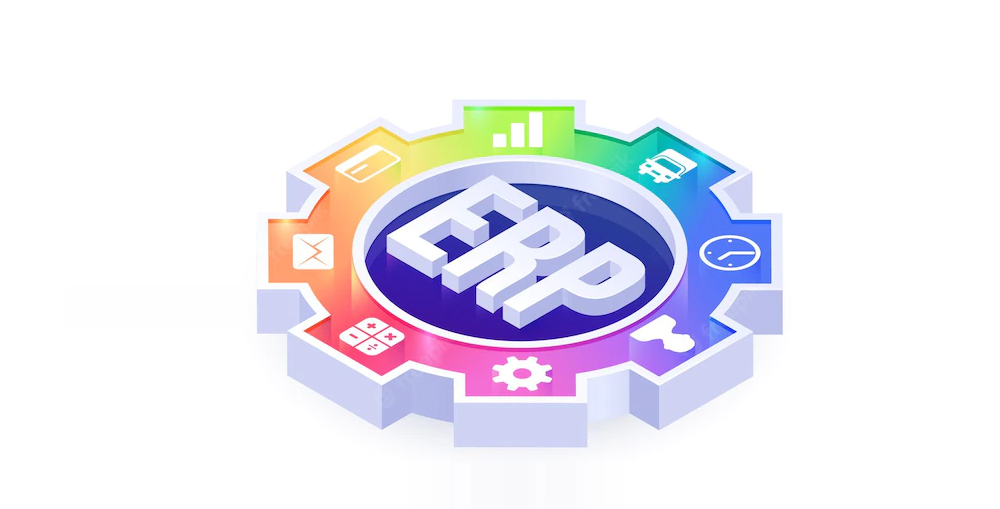
What are the Key Features of an Enterprise Resource Planning Software (ERP)?

What are the Key Features of an Enterprise Resource Planning Software (ERP)?

Businesses tend to grow exponentially so does their workload and complexity of business processes. That is why there are several enterprise tools and digital solutions are used to maximize the operational capabilities and efficiency. The ERP or enterprise resource planning software is a centralized application software which integrate and streamline all business processes such as accounts, customer relations, operations, productions, logistics, HR, supply chain, etc.  The ERP software is usually used to build a centralized information center where all enterprise tools and systems are linked and connected to the mainframe or a single database.

The ERP software drive digital transformation and ensures that standard data definitions are use all across the organization which makes it easier to integrate all business processes and provide seamless data flow. Each business sector have slightly different approach to implement a ERP software, for example, the Government ERP software are different, for example as their supply chain policies and contract lifecycle management is usually different than traditional enterprises and organizations. Similarly the banks, educational institutes, non-profit organizations and other industry sector have their own set standards and methodologies which are exclusive to their operation only.

What are the Key Features of an Enterprise Resource Planning Software (ERP)?

The ERP application software manages all the data and information that flows within the organization to handle the daily operational tasks. This enables the business to increase cooperation and communication between different business departments to ensure everyone have full visibility of all their relevant tasks and operations. The automation not only improve data flow but it also help reducing the workload of the employees. It can eliminate various routine tasks which directly impact on the employee efficiency and employee happiness.

See Also: The Future of ERP: Leveraging AI for Smarter Enterprise Management

Key Features of an Enterprise Resource Planning Software (ERP)

The enterprise resource planning software (ERP) are the most widely used data management solutions all around the world. Businesses and enterprises in Dubai and all across UAE are using ERPs to boost their operational capabilities and to maximize the efficiency and effectiveness of their resources. When a business is deciding to upgrade or chose an ERP they found that there are too many options available in the market. That is why we have compiled a list of key features that a business must check while selecting an ERP. We always suggest our customers to opt for a customized enterprise resource planning software (ERP). The customized software development is very helpful for businesses as it provide more flexibility and control over the features and functionalities. Here are the key features of a modern enterprise planning software (ERP):

Key Features of an ERP: Automation

The business process automation is one of the core feature of any ERP, the question is not whether the ERP will offer automation or not, it will always do. The question here is how much automation and what level of automation an ERP can offer? A high quality ERP always help organizations in automating their business processes by automating daily tasks of the employees, by eliminating repeated work, by providing updated information and data to avoid any confusion or double work, which usually occurs in case of manual or semi-digital IT infrastructures. By manual or semi-digital IT infrastructure I mean, the business processes that are either not fully automated, or even if the automation is done it is not integrated and synchronized with other tools and systems. An ERP centralized the information and data and utilize standard data definition which help innovating new features and provide higher levels of automation.

See Also: Custom Software Development vs. Off-the-Shelf Solutions: Which is Right for You?

Key Features of an ERP: Automation

Key Features of an ERP: Integration

The integration is one of the most impactful feature of an ERP. There are several standalone systems and business tools that facilitate various business processes. However, the level of integration that can be achieved with a full-scale integrated application software that is designed to work as a single unit by offering dedicated modules for each business process or department. That is due to the centralized information center and a single database which is being utilized by all the modules/applications such as accounts, finance, planning, production, customer relationship, sales, inventory management application, etc. This also enables businesses and enterprises to track and monitor everything, and the intuitive interfaces enable employees to easily perform the most data-driven tasks as per their job roles.

See Also: Advantages of a Custom ERP Software Development

Key Features of an ERP:Integration

The integration also makes it possible to easily access the data from other departments such as if the customer service or complaint resolution team might also need the customer purchase history and other details, which are stored in other departments, but with an ERP such details can be made available to the employees without any additional work. This not only simplifies the employee’s work, but it also improve the quality of work and help improving business processes. Thus an enterprise need very less resources for the same objective.

Key Features of an ERP: Higher Visibility and Efficient Tracking Mechanisms

For any enterprise the biggest challenge is to achieve the highest level of communication, coordination and tracking capabilities. An ERP software help businesses to achieve that. Since all of the applications are connected to a single database or centralized information center, each system can talk to one another. For example, if there is a shortage of the raw material, or stock related issues, all concerned employees will be able to receive that information automatically without doing any efforts. And on top of that all this data is updated to the last second. Everyone gets real-time updates. As soon as any update is made in any application, all other application will immediately receive that. This way all employees get full visibility of all connected and relevant events and they get real-time updates which boost their visibility and provide them more room for planning and allow them effectively dealing with the problems.

See Also: Key Features of an Enterprise Application Software (EAS)

Key Features of an ERP: Higher Visibility and Efficient Tracking Mechanisms

The higher visibility is achieved by effective tracking mechanisms. As an ERP offers completely automated tracking features, which track data instead of materials and on the bases of the data and information the ERP algorithms automatically analyze and share it with the relevant department and employees. For example, if there is a raw material shortage, the customer support team has nothing to do with it. Hence they don’t need it, however the sales and procurement department would be interested in that and so on. That is how the ERP improve employee’s visibility and effectively track data with in-built mechanisms and then it can also automatically analyze and share it. Similarly the ERP can track information and data form all other departments as well such as sales, accounts, production, inventory, and even performance of various departments, their employees and also systems and strategies. This can significantly improve the operational efficiency and help resolving a lot of problems more effectively.

See Also: Why customized CRM Software is better than Off-the-shelf Solution?

Key Features of an ERP: Data Analysis and Reporting

An ERP is collecting data from each and every business function. It is very beneficial to leverage that feature for better planning and monitoring. The ERP software can track and log data automatically, this data can be analyzed by automated algorithms to simplify it and the higher management can also perform various analysis and generate customized reports. Which help them making projections, understanding the trends, identifying the areas of improvements and letting them a chance to get a deeper insight to each and every business function on both micro and macro scales. These reports and analysis can significantly improve the decision making capabilities of the higher management and provide them a chance to accurately monitor, measure and track each and every business process. The informed decisions are always less risky and tend to produce better outcomes. That is why the business intelligence data is gathered from each and every source possible.

See Also: Unlocking Business Potential with AI-Powered Advanced Analytics

Key Features of an ERP:Data Analysis and Reporting

Key Features of an ERP: Mobile Access and Intuitive UIs

These days in Dubai and all around the UAE the modern ERP systems comes with web-based interactive and very user-friendly UIs (user interfaces). The most commonly used ERP software comes with a web-based user interface which is easy to access and can be accessed remotely too, if needed. Furthermore the smartphone and mobile devices are also a convenient way to provide remote access to the enterprise data center while your employees are stationed off-campus or are on-the-go. All major ERP software allows integration of intuitive smartphone applications to enable mobile access. A customized ERP software will be able to provide a better user experience which is absolutely necessary for better employee performance and overall growth of the business.

Key Features of an ERP: Mobile Access and Intuitive UIs

Key Features of an ERP: Scalability

The business and enterprises tend to keep growing, which enlarge their operational capacity and obviously their operational needs. Upgrading and adding new features to the IT infrastructure of any enterprise is also a continuous and ever going process. After every two or three years, some department or some business function requires a new tool or system. This means that an enterprise resource planning software (ERP) must have to be future ready. The ERP software always support upgrades, customizations and integration with third-party tools and systems. Which makes them future ready and ensure a longer lifecycle. So, instead of replacing the entire ERP software, the enterprise or business can add new features to it, or third-party tools can also be integrated to maximize the lifecycle of the ERP software. All read-made or off-the-shelf ERP software provide these functionalities. However, a custom ERP software development approach is more efficient in terms of features and cost. The custom software development provides more flexibility, control and level of customization which is not possible with off-the-shelf solutions. The enterprise resource planning software (ERP) is a future-ready and return great ROIs in the long term.

See Also: Step-by-Step Guide to Planning Your Custom Software Development Project

Key Features of an ERP: Scalability

key Functionalities of Enterprise Resource Planning Software (ERP)

For large businesses and enterprises the business functions become difficult and complex over the time. Each business grows, although on a different pace, but growth is imminent. That is why businesses use different tools and IT solutions to maintain a sustainable functional and operational efficiency. For each business function some businesses use different tools, however, an ERP software provides dedicated modules and business application for each business function which is connected to a centralized and shared data base to achieve the maximum efficiency. Each business’s functions differs from the others, however, usually all businesses have certain functions which are necessary for their daily operations. An ERP software can provide all these features, such as:

  1. Human Resource
  2. Customer Relations
  3. Sales, Distribution& Marketing
  4. Production & Manufacturing
  5. Inventory and Facility Management
  6. Supply Chain
  7. Procurements
  8. Logistics and Transport
  9. Enterprise Performance Management
  10. Accounts and Finance

See Also: The Future of Custom Software Development: Trends to Watch in 2025

key Functionalities of Enterprise Resource Planning Software (ERP)

The functionalities of an ERP software are very important. For off-the-shelf solutions the biggest drawback is that the system is very rigid and is hard to customize. The customization is also expensive and time consuming. For customized ERP software the cost is comparatively low. The business have full freedom to choose only the required modules and application. The businesses can also customize the user interfaces and the processes as per their convenient which can make a huge difference in performance and efficiency. Moreover in case of a customized ERP software the businesses don’t have to worry about changing their methods and policies to accommodate the applications. In fact all application and modules of the ERP are tailor-made for the very exact requirements of the enterprise. The ERP software can be a game changer for any business and enterprise and it can provide a great competitive edge by reducing the cost and improving the ROI of assets, resources and investments in the business.

See Also: How to Choose the Right Software Development Vendor for Your Business

Conclusion

When businesses and enterprises plan to choose an enterprise resource planning Software (ERP) they must have to be careful and thoughtful, as the ERP software have potential and capabilities to make or break the growth of the business. The most important thing that every business and enterprise should consider is the key features of enterprise resource planning software (ERP). These features are necessary to leverage the true potential of an ERP software. The ERP software are also very effective for multinational and multi-regional operations and can provide easy and remote access to your employees. RSI Concepts is a leading ERP software development company in Dubai, UAE. If you want to learn more about the subject or if you need our assistance in developing your ERP software, please feel free to reach us through our Contact Us page or leave a comment in the comment box below and we will get in touch with you soon.

See Also: Key Features of an Enterprise Application Software (EAS)

See Also: Customized AI Agents in Real Estate: Enhancing Property Management and Client Engagement


Key Features of an Enterprise Application Software (EAS)

The Enterprise Application Software or EAS are an essential part of any business. These tools are required to enable the employees to perform their job roles effectively. The term enterprise is generally referred to a large-scale business or organization, technically speaking all businesses whether it is an entrepreneurship or self-employment to SMEs are also enterprises. However, when we use the term enterprise it typically refers to a business which is established and have a large scale operation which involves many business functions and employees.

An enterprise define both public and private sector businesses as well as government entities/departments, and non-profit organizations with multi-regional operation. No matter what industry sector a business belongs to or what kind of products or services it offers, all such organizations have one thing in common which is a large employees base with different job roles, and a large amount of information and data flow is needed for daily operations.

Key Features of an Enterprise Application Software (EAS)

All employees need information and data to effectively perform their job roles, whether it is sales, accounts, procurement, customer relation, marketing, maintenance, production or strategy and planning department, everyone needs data and information to perform their daily tasks. The enterprise application software(EAS) is just used to facilitate all that, and it make sure the data and information flow seamlessly within and outside of the organization as well. These day’s the enterprise application software(EAS) are also gaining popularity in small and medium size businesses and enterprises. Earlier only large enterprises would use such a large-scale software.

See Also: Custom Software Development vs. Off-the-Shelf Solutions: Which is Right for You?

The enterprise application software (EAS) allows automation of various internal processes and boost the overall efficiency of the organization. If an organization is utilizing its resources more effectively it is easier for them to satisfy their customers and employees, which is a key to long term growth. In this blog we will discuss the key features of an enterprise application software.

What are the Key Features of an Enterprise Application Software?

The main objective of an enterprise application software (EAS)is to resolve all the problems an organization could face, while leveraging the automation and digitalization to aid routine tasks and business processes. The enterprise application software(EAS) should help businesses obtain their objective and should be aligned with the organizational goals and mission. A successful business is always growing, so does its needs, a point comes when managing business processes and even the entire operation become so complex and time consuming that it could literally halt the progress and growth due to the limitation of resources and expensive operational cost.

That is why the enterprise application software(EAS) are commissioned, to ensure all resources are being used at their maximum efficiency and to minimize the operational cost without affecting the output or quality of work. There are two key component of enterprise application software, one is purely based on its functionality and the other is based on its user-friendliness. Here are some key features that each enterprise application software(EAS) must have to help businesses compete in the market and to keep them flexible for innovation and growth to meet the ever-changing customer demands.

See Also: Step-by-step Guide to Develop Custom Enterprise Software

What are the Key Features of an Enterprise Application Software?

1. User Friendliness and User Experience

Businesses often neglected this aspect of the enterprise application software. The user-friendliness and user experience is extremely crucial. In the modern digital age where everyone is very accustomed to modernized, intuitive and simple user interfaces (UIs) the traditional enterprise application software(EAS) have old user interfaces, looks bulky and difficult to navigate, hence the user experience is not so good. However, each modern day enterprise application software(EAS) must offer an intuitive, modernized and user-friendly user interface (UI). If an enterprise application software(EAS) has to be as good as any modern consumer app is, they must have to utilize the modern techniques and development tools.

Another important factor to consider while selecting an enterprise application software(EAS) is the ability and flexibility to customize. With all off-the-shelf solutions, this is very difficult and expensive to achieve and most of the times such software doesn’t even support customization. That is why we market experts and software professionals always suggest to opt for a tailor-made solution, rather an off-the-shelf enterprise application software(EAS) solutions.

See Also: The Future of CRM: Leveraging AI Agents for Enhanced Customer Engagement

User Friendliness and User Experience

The user-friendliness is not only achieved by simply adopting a modern looking user interface with simplified navigation and easy-to-understand functionality. In fact there are several other factors that can cost you time and effort. For example, a small feature of an enterprise application software(EAS) is the single sign-in feature, that might not look much but when your employees have to sign-in to multiple accounts or dashboards, it could take a lot of time and efforts, on top of that it is irritating, so a single sign-in could prevent this and it can significantly improve the user experience. Which also impact on their work quality and efficiency.

Moreover now a day’s the smartphones have almost become the primary device to surf the internet, which means if your enterprise application software(EAS) is offering any kind of smartphone application integration, your employees can easily access to the important stuff while on the go and they can receive notification, alerts and messages with zero latency. Similarly the cloud computing services are also becoming popular and on one hand it prevents the expense and hustle of managing the in-house data centers, and on the other hand it could take the entire enterprise application software(EAS) online and allow your employees to access to their official dashboards and data from anywhere outside the office too. Such features can significantly improve your employee’s user experience and help improving their work efficiency and satisfaction.

See Also: Why Laravel Framework is gaining popularity in Software Development?

User Friendliness and User Experience

2. Enterprise Resource Planning System (ERP)

The enterprise resource planning system is used to integrate all or important business processes in a unified data base to achieve automation, data synchronization & exchange, information flow and simplicity to maximize the efficiency of the organization. It ensures a centralized and unified data structure to ensure everyone is aligned with the organizational goals and objectives. Another biggest advantage of the ERP is that it help automating the repeated tasks, and improve employee efficiency and quality of the work. The ERP doesn’t prevent different departments to have their own tools and systems, but what it do is that it unified the data and information from all systems into a single user interface.

This provides management a great advantage and they can get have higher visibility of each and everything going-on within the organization. The ERP not only help monitoring different departments and their tasks, but it also help business to easily identify the duplicate tasks and let them eliminate useless or inefficient business practices and business tools. The departments which have shared interest can also get updated information which improve efficiency, productivity, and simplicity which reflects in the outcomes and performance of the business.

See Also: React Native Apps and Cross Platform Software Development

Enterprise Resource Planning System (ERP)

3. Human Resource Management System (HRMS)

For any organization there are three main types of resources, first raw materials, infrastructure, etc. second is the finance and the third is human resource. The human resource is considered to be the backbone of any organization. Hiring skilled staff, maintain a passionate workforce and ensuring personal development of your employee are the primary tasks of the HR department. When organizations expands, their HR become more complex, with manual work or semi-automated work, the HR department won’t be able to produce desired results.

That is why a Human Resource Management System (HRMS) is needed, it can significantly reduce the workload of the HR, enabling them to focus on their primary objectives and goals. It automates routine tasks and with digitalization it brings automation, which results in huge cost reduction and great improvement in the HR efficiency at the same time. Having sufficient resources and finance help businesses to draw best strategies and make long term plan, but it is the people who execute those strategies and plans. That is why managing human resource is absolutely crucial for the success and growth.

See Also: Leveraging Big Data in Custom Software Development

Human Resource Management System (HRMS)

Any enterprise application software(EAS) must include a comprehensive human resource management system (HRMS). Which help businesses in their regular HR tasks, such as hiring and selection process, payroll management, employee benefits and compensations, employee performance management, employee development programs, data analytics and basic HR tasks to maximize the employee performance and to minimize the cost & expense.

4. Customer Relationship Management System (CRM)

The customer relationship management system or CRM is a tool that enables businesses to maintain and improve relationship with their customers, by collecting and providing all relevant information in a single dashboard. It includes customers’ details, agents’ details and their performance, and it also keep record of each and every interaction of the customer and prospects with the business. Basically a CRM can help various departments to effectively manage and monitor customer relationship to improve quality of service, customer experience, and satisfaction which drives long term success and growth.

The customer relationship management system (CRM) is a great tool to build trust, offer services and facilitate business processes throughout the customer business relationship. The main purpose of CRM is to ensure a smoother customer journey and happier experience. That is done by facilitating customers and employees from sales marketing and support department. The CRM streamline and integrate data in a single dashboard which helps sales and marketing teams to manage sales and marketing funnels more effectively. The CRM also helps tracking and monitoring the performance of various business processes and mechanisms that directly impact the customer relationship with the business.

See Also: Why customized CRM Software is better than Off-the-shelf Solution?

Customer Relationship Management System (CRM)

Marketing is an essential part of customer relationship and lead generation. Marketing help businesses build a brand identity and reputation which helps them to acquire more customers and gain customer loyalty. These days the marketing is divided in two segments, one is traditional marketing and the other is digital marketing. The traditional marketing is being gradually replaced by the digital marketing. An enterprise application software(EAS) must include a very efficient marketing automation tool which allow businesses to communicate their brand message with the targeted audience and help them promote their products and services.

The marketing automation tools are absolutely necessary such as in case of email communication & marketing, it is impossible to allocate enough human resource to send emails to thousands of customers manually. That is why automated email marketing tools are used, to shot out mass email marketing campaigns and for automated email communication. Similarly the social media and other channels can also be automated to post news, updates and marketing material which take maximum workload of your marketing team and let them focus on business oriented tasks.

See Also: The Future of ERP: Leveraging AI for Smarter Enterprise Management

Customer Relationship Management System (CRM)

5. Supply Chain Management (SCM)

Any enterprise application software(EAS) provides a certain level of functionalities to manage the procurement and supply chain. A dedicated supply chain management tool is used to effectively and efficiently manage the procurement, suppliers, contractors, storage facilities, and in some cases distribution network as well. For large businesses and enterprises with several suppliers and contractors it is nearly impossible to manage supply chain without any digital aid or tools. That is why supply chain management tool is an essential for any enterprise application software(EAS) solution.

The main objective of supply chain management system is to facilitate and support the employees who are working in different business departments to effectively manage the supply chain tasks and to obtain a sustainable competitive advantage which enables the business to achieve long term success and high profitability. The primary objective of the supply chain management system is to ensure the flow of information and materials/services throughout the organizations that are involved from the product idea to delivery to the end users.

See Also: How to Develop Customized Supply Chain Software?

Supply Chain Management (SCM)

6. Business Process Management Tools

A business process is defined by the tasks an employee or a group of employee perform to contribute to achieve the high-level organizational goal and objectives. The business process could be anything such as generating new leads, or making sales, or managing account books, or purchasing or even hiring new employees. The biggest advantage of an enterprise application software(EAS) is that it help automating various business processes and save your employees from repetitive tasks and also help them to manage various business processes with high efficiency and more productivity.

When businesses grow their business processes become increasingly complex, the main reason behind this is lack of communication between different department and employees, this results in mismanagement and sometimes since employee don’t always have sight of others, so repeated work is done which is a waste of time and resources as well. That is why the business process management tools are used to ensure the automated data and information flow between all connected departments and employees to make sure everyone is efficiently contributing to the achieve the goals and objectives of the organization.

See Also: The Role of AI Agents in Transforming Core Business Application Functions

Business Process Management Tools

7. Business Intelligence Data Tools

The business intelligence data tools are extremely important and considered to be the backbone of the strategy and planning department. The entire business success is dependent on the strategy and plans they made to achieve their goals and objectives. The market is very competitive and the customer needs and demands are continuously changing, in such scenarios having a deeper understand and insight of your entire organization including its business processes, resources, efficiency of resources, employees and their performance and customers’ mind set could be a game changer.

The business intelligence data can feed enterprise performance management tools, it can provide data analytical features with in-built algorithms and software engine. Businesses can learn trends, they can accurately identify the areas of improvement, they can collect employee and customer feedbacks, businesses can evaluate their business process and customer journey, and much more. The business intelligence data provides actionable information which can be used to build strategies, make changes and to improve overall efficiency and productivity of the business.

See Also: Unlocking Business Potential with AI-Powered Advanced Analytics

Business Intelligence Data Tools

8. Customization and Scalability

One-fit-for-all doesn’t fit anymore. Every enterprise and organization have its own unique culture and tactics to deal with a problem. This results in very unique and specific needs which any randomly selected off-the-shelf solution can’t fulfill. The problem with off-the-shelf or ready-made enterprise application software(EAS) is that they are built to address the most general and sometime basic needs, even with such system the business always use other tools and integrate them with them to improve efficiency. Most of the time businesses do need customization or changes in their enterprise application software, which in case of a ready-made solution are mostly very expensive and secondly the scope of the changes are very limited which most of the time couldn’t satisfy the users.

So, eventually business get bound to those limitations and sometimes they even have to change their internal processes to accommodate the rigidness of the tools they are using. However, with a tailor-made or customized enterprise application software(EAS) the entire system is specifically designed for the organization hence they are not bound to any limitation. This can significantly boost their efficiency and ensures user satisfaction.

See Also: How Customized AI Agents are Revolutionizing Business Automation

Customization and Scalability

Another big problem with the off-the-shelf or ready-made enterprise application software(EAS) is that they don’t give business proprietary rights, the tools will ultimately remain the property of the supplier. However, the customized enterprise application software(EAS) developers completely transfer the software, tools and source codes to the business hence business also get free form the dependency of the supplier. They own the final system and they can either set up in-house team to manage, operate, update and customize it or they can hire any company to do that.

This not only provide additional benefits but it also reduce the cost of operating and customizing the tools and entire system. Business are always growing, so does their needs and demands, and according to those requirements the need of changes, modifications or addition in the enterprise application software(EAS) also grows. And that is called scalability. A customized enterprise application software(EAS) is always future-ready and provide more flexibility for expansion and changes with much better cost efficiency.

See Also: Customized AI Agents in Real Estate: Enhancing Property Management and Client Engagement

Customization and Scalability

9. Data Security and Privacy

The data security and privacy is one of the top priority for any IT infrastructure. In this modern age of internet and digitalization the security and privacy are two major concerns of the consumers. Think from a customer’s prospective, if you know a business got a data breach, will you be willing to deal with them again? It would be very hard to trust them again. If any such thing happens a business loose its credibility and trust of its customers, suppliers and partners. The trust and reputation is very hard to earn, businesses spend years and a huge chunk of their hard earned profits into building their reputation and gaining trust of its customers and suppliers.

The enterprise application software(EAS) is the main brain of the entire organization and it have highly sensitive data to public publications, and everything in between in it. The security and data privacy is the most sensitive matter here. A good enterprise application software(EAS) always put security and data protection at its top priorities.

See Also: Security Best Practices in Custom Software Development

Data Security and Privacy

A customized enterprise application software(EAS) is relatively more protected against modern age threats and cyber-attacks, as its source code, infrastructure and core is protected and unavailable for the masses. However, an off-the-shelf solution is being utilized by millions of users all over the world, which means a huge number of people can gain access to its core, data structure and source code, which makes it more vulnerable to cyber-attacks, hence the business have to invest a lot more in security solutions and protective measures.

10. Cloud and Mobile Functionalities

The word cloud or cloud computing is making buzz since a few years now, most of the enterprises and organizations are still hesitant for going cloud based solutions. Especially the government departments, large enterprises and multinational organizations still prefer to have in-house data centers and IT infrastructure which is costly and very expensive to operate too. However, the cloud and the mobile enabled enterprise application software(EAS) are the future. The cloud is robust, secure, and extremely cost efficient comparing to the in-house data centers.

On top of that all leading cloud service providers offer local and regional data centers to provide additional safety and security for the data and also offer compliance for local or regional regulations. Businesses and enterprises don’t need to worry about bearing huge cost of in-house data center and additional resources to run those data centers. Any modern enterprise application software(EAS) should be compatible for both local and in-house data centers as well as for the cloud based data centers.

See Also: The Cost of Custom Software Development: Factors to Consider

Cloud and Mobile Functionalities

Similarly the mobile enabled functionalities are also relatively a new phenomenon. If an enterprise provide mobile access to their enterprise application software(EAS) or at least a part of it the operational efficiency can be increased significantly. These days, the smartphones are very common, everyone use them and they are powerful enough to handle very complex and bulky applications. The data access and instant availability of the information can boost the work efficiency of the employees who are working off-campus or during their field trips. The robust data flow, easy access to the information and communication is the primary objective of the enterprise application software.

Conclusion

The enterprise application software (EAS) is an essential tool for any enterprises, big or small. The primary purpose of enterprise application software(EAS) is to enable a robust data flow and improve the communication within and outside the organization. In this blog we have listed basic features and essential parts of an enterprise application software(EAS) which help businesses in running daily operations as well as it also help them to effectively implement their policies and business strategy to achieve their financial and non-financial goals. An off-the-shelf enterprise application software might not be able to fulfill the changing needs of the business.

In fact the off-the-shelf EASs are more complicated and complex to use and are very expensive in terms of commissioning and running costs. A customized enterprise application software (EAS) is very cost-efficient and provide more flexibility and control to the businesses over its operation and controls. RSI Concepts is a leading enterprise application software supplier in Dubai, UAE and our solutions are customized and tailor-made to fulfill any kind of demand. If you want to learn more about the subject or want to get an enquiry for our enterprise application software (EAS) please feel free to contact us through our Contact Us page or leave a comment in the comment box below and we will get in touch with you soon.

See Also: The Future of Custom Software Development: Trends to Watch in 2025


What are the different types of systems to monitor organizational goals and objectives?

For any business established or startup, small or large, local or multi-national, the long term growth lies in achieving maximum efficiency and improving operational capabilities. There are two major contributors to that, one is the information technology and the other is the employees. The information technology is essential to improve communication, support various business processes and for automation and digitalization. The growth is the prime objective for any business, companies spend millions to ensure they achieve their goals. When the entire organization is working to achieve a common shared goal, the prime goal of the business can be achieved.

It is extremely important to make sure that each and every bit of a business is craving for the same goal. Everyone has their own part to play, but ultimately everyone is heading towards the same goals and objectives. If that could be done, the business can accomplish whatever they want to. For small and medium sized businesses usually the CEO or the top level managers keeps an eye on everything, a performance management system can be a great aid and support for them and it provides them a framework to align individual goals with the primary goals of the business.

What are the different types of systems to monitor organizational goals and objectives

It is remarkable to have hundreds and thousands or even tens of thousands of employees working together to achieve a higher goal. Every business tries to achieve that by commissioning various types of performance management systems however, there are only a few who have succeeded in achieving the ultimate performance management. The primary objective of any performance management system is to align the individual goals with the organizational goals. That is the simplest explanation of the performance management.

However, it is not as that simple, in fact it is one of the most complex and sophisticated system in any organization. The performance management system relies on multiple digital systems that are already in place, along with additional analytical work, to let the business monitor the organizational goals and objectives in real-time.

See Also: How Performance Management Systems Enhance Employee Engagement

What are the different types of systems to monitor organizational goals and objectives?

The performance management system is a complete framework with multiple sub-systems to attain the real-time 360 degree monitoring of the organizational goals and objectives. In this blog we will discuss different aspects of the performance management system to understand different types of performance management for different organizational goals and objectives. A modern performance management system or enterprise performance management system is a set of tools to execute different processes and methodologies to build and monitor business strategies. These strategies are defined on the bases of organizational goals and objectives. The performance management system help businesses and enterprises to achieve their organizational goals and objectives.

What are different types of performance management systems to monitor organizational goals and objectives?

A few years back the businesses and enterprises were relying on traditional performance management frameworks. Which involves assessment of the employees after a certain time period to evaluate and measure their performance (input, output, productivity, etc.) and their contribution to the organizational goals and objectives. The process was expensive in terms of time and resources. Most of the HR leaders realize that the process is not as that reliable too. Several studies have been done and surveys have been conducted which concluded that almost 80% of the employees want instant reward and gratification.

Moreover, 95% of the HR managers are not satisfied with the annual reviews and established performance evaluation methodologies, more than 50% of the employees believe that the annual assessment is grossly inaccurate which also results in mental and emotional stress, both the HR and the employees are agreed that long-established performance management tactics and methodologies focus more on the recent events and project negativity, which have very negative effects on the employees, they lose their confidence and morale.

See Also: The Risk of Poor Performance Management and How to identify it?

What are the different types of systems to monitor organizational goals and objectives?

This results in a complete transformation and a quick evolution in the performance management practices and techniques. Now a days the international market leaders and huge enterprises have shifted to three most commonly used performance management systems to monitor their organizational goals and objectives and to effectively implement their strategies:

  1. The BSC or Balanced Score Cards
  2. The MBO or Management by Objectives
  3. The KPIs or Key Performance Indicators
  4. The OKRs or Objectives and Key Results
  5. Budget Driven Business Plans and Objectives
  6. HR Driven Reviews

1. BSC or Balanced Score Cards

The BSC or Balanced Score Cards are one of the most effective and most widely used performance management system. Studies and surveys have shown that almost 85% to 88% of the users are agreed that the balanced score cards (BSC) are the most effective performance management system and is very helpful in achieving their organizational goals and objectives. By definition the balanced score card (BSC) is a performance based metrics which combines four major components, employees, customers, financial, and internal business processes to help businesses achieve their organizational goals and objectives. The balanced score cards (BSC) are used for:

  • Defining high-level organizational goals and objectives which clearly states what the business wants to accomplish and then strategically broke down the objectives and goals in the four aspects, employees, customers, financial, and internal business processes
  • Monitoring and tracking to understand if you are achieving your goals and objectives
  • Adjusting course, taking actions, aligning resources and people to improve progress

Read More: How Performance Management System helps in Customer Journey improvement?

BSC or Balanced Score Cards

The balanced score cards (BSC) help aligning employees, teams, departments and other resources with organizational goals and objectives. The important thing to understand is that the strategy should be well-organized and well-planned and the goals and objectives should be clear and realistic.

2. MBO or Management by Objectives

The management by objectives or MBO is a very different methodology, it requires businesses to define multiple objectives which could be linked or totally independent. Unlike balanced score cards, the management by objectives use these smaller objectives and focus on achieving the milestones. The objectives are then aligned with the relevant individuals and resources. The performance management is subjective to those objectives only. The management by objective method is:

  • Defining objectives in a set of 2 to 6 objectives which are not necessarily linked and can be achieved individually
  • The objectives are defined to increase communication and interaction between the management and the employees to boost employees performance which help achieving the objectives
  • The objectives are conveyed to the employee by the managers and the performance is monitored continuously to make sure the objectives and goals are achieved
  • Continues feedback is the core of management by objective system and it enables the employees to set their course and make correction to align themselves with the objectives

See Also: 6 Performance Management Problems and How to Solve Them?

MBO or Management by Objectives

When goals are set as per management by objective approach there is no clear plan of action is defined, in fact the managers and the participants are allowed to share their recommendations and suggestions as well. This is to boost the participant’s involvement and their morale. When employees knows they also have say in making the plan of action and setting goals to achieve those objectives they feel more involved and their performance also get improved.

3. KPIs or Key Performance Indicators

The KPIs or key performance indicators are a very specific matrices used to measure the performance of a business. The KPIs performance management system produces quantifiable data that tells how well a business is performing in achieving its organizational goals and objectives. For example if the objective is to reduce customer churn rate, the KPI will monitor and measure customer churn rate and at the end of the month or week the management can tell if the customer churn rate got decreased or not. The KPIs are used to align the individual employees, teams, and departments with the organization’s vision and their goals. The KPI performance management system is:

  • As per the vision of the organization, the KPIs are defined to achieve certain objectives which include from high-level objectives to individual level objectives as well
  • The KPIs measure monitor individual action and measure its contribution towards the organizational goals and vision
  • The strategy can be compared with a pyramid, at the top is the vision and high-level goals, then strategy driven objectives, then KPIs and CSFs, the CSFs are critical success areas, which are absolutely necessary to achieve the goals
  • Some KPIs are simpler such as the profit of the business, some are harder such as customer satisfaction, but all KPIs are related to individual actions hence can be measured accurately against the performance and progress towards the organizational goals and objectives

Read More: Appraisal Methods in Performance Management System

KPIs or Key Performance Indicators

The KPIs are usually set as per a criteria commonly known as SMART framework. It stands for Specific, Measurable, Achievable, Relevant, and Time-bound. The business first state their vision, then they build strategy to achieve that vision and then the KPIs are set for the matrices which will indicate your progress towards that vision. This allow the organization to closely monitor the performance of all involved parties, and allow them a chance to make quick corrections and planning to ensure the goals will be achieved.

4. OKRs or Objectives and Key Results

The OKRs or objectives and key results is a performance management system which is designed to communicate, monitor and set organizational goals and high-level objectives. The OKS performance management provide a simple framework that boost communication and motivate employees to achieve the high-level organizational goals. Basically the OKR performance management system is somewhat similar to KPI performance management system but if provides better communication and enables higher engagements to develop passion. The results are quantifiable and time-bound. Which allow the management to closely monitor the performance and let them make correction on regular bases to ensure the high-level goals will be achieved. The OKR performance management system is:

  • The objectives are defined as per the high-level organizational goals, then the measurable matrices are defined to measure the key results
  • Instead of pushing goals to the individuals and teams the OKR system allow them to set OKRs by themselves to achieve the high-level organizational goals and objectives
  • The individual employee’s involvement is increased by providing them a chance to give their inputs and feedbacks to the team’s objectives at every level, which induce passion and motivate them to perform well
  • Rather than focusing on the outcome, the OKR performance management system focus on the tasks that would be needed to achieve a certain goal, then the key results can be measured

Read More: How a KPI Software can help provide better Customer Journey?

OKRs or Objectives and Key Results

The OKR performance management system’s beauty is that it always provide space for growth and information, it is transparent and the strategy and plan is always subjected to improvements. Because a rigid strategy will chock the innovation, allowing individual employees and teams to participate in the planning process will pave way for innovation and creativity, it also boost efficiency as more information will be available down the line while executing the strategy.

5. Budget Driven Business Plans and Objectives

Budget Driven Business Plans and Objectives

The budget driven business plans and objectives is a not so popular performance management system. But it works extremely well for some organizations, and we have also witnessed that sometimes in case of a crises or unexpected situations businesses shift towards budget driven business plans and objectives where the only driving factor for goals is the budget of the organization instead of the strategy. The goal is to invest in projects and techniques that deliver results.

  • The high-level organizational goals and objectives are defined by carefully analyzing the income sources and the cost & expenses. This is how the management identifies the areas where they should invest and which sectors require downsizing
  • The goals and planning is influenced by the finance team, which provides previous year’s spending of a particular department or team and then the same team is being asked to provide the list of all the activities they can perform without changing the budget
  • Since the performance is measured only on the bases of finance, this could affect both the new and underdevelopment projects
  • The individual teams and departments are free to derive their own strategies and plans to project their accomplishments for the next year by keeping the expense same as of the last year

See Also: The Role of AI in Modern Performance Management Systems

The budget driven business plans and objectives is not so commonly used performance management system. It also relies heavily on the capabilities of team leaders, managers and department heads, which can be seriously affected if any one of them decided to quit their job in the middle of a year or before completion. That is why it only works under certain circumstances and mostly businesses don’t use this performance management system.

6. HR Reviews Driven Performance Management System

HR ReviewsDriven Performance Management System

The HR reviews based performance management system is a performance management system but it is not an alternate to KPIs or OKRs based performance management system. In fact it is being used along with the KPIs or OKRs performance management systems. Basically the HR reviews are used by managers who assess and evaluate employee performance, highlight their strengths and weaknesses, their potential and the set their goals for future. Usually HR reviews are done annually or semiannually, some businesses are also using the HR review more frequently and done on quarterly bases and even on monthly bases.

  • Regular are done by the managers and are based on the work quality, work ethics, behavior, competencies and growth of the employee
  • The reviews and managers’ feedback data is managed by the HR department and the HR evaluate employees on the bases of these reviews and set their course for future
  • The reviews should be shared with the employees as well to let them think about their development and performance, the review shouldn’t include direct criticism, comparison, false information, speculations and should be completely neutral

Basically the HR review based performance management system is more interested in personal performance and is not much focused on the organizational objectives and goals. That is why the HR review based evaluation should be done along with the data of the KPIs based performance management system to get a better and more accurate performance matrices.

Read More: Why Performance Management System is a Necessity for Companies in Dubai

What are the key features of a Performance Management System?

The performance management system is used to implement a fair framework which evaluate the performance of the business to help businesses achieve their organizational goals and objectives. A good performance management system is intuitive and user-friendly. Here are some key features that an effective performance management system should have:

  • The performance management system should be continuous
  • Intuitive and User-Friendly administrative dashboard
  • Automatic data integration and real-time updates
  • Customizable alerts/notification features
  • Customizable review cycle and timing features
  • Question creation facility and customization function
  • 360 Degree feedback collection features (downward, upward, peer, external, etc.)
  • Automation facility to simplify work flow and processes

What are the key features of a Performance Management System?

A good performance management system help businesses to increase their profit margin by improving overall performance of the entire business. It help guiding employees with their individual development and personal growth. The primary objective of a performance management system is to align the organizational goals and objectives with the personal goals and objectives of the employees.

See Also: Choosing a Performance Management System A Buyer’s Guide

Conclusion

Every business wants to grow and want to make sure they gain maximum profit with minimized expenses or cost. This can only be achieved by maximizing the business performance. The business performance relies on two major factor one is the infrastructure and IT and the second is the employees. The infrastructure and IT is easy to handle, however, when it comes to improve employee performance, it is difficult and sophisticated. That is why an effective and efficient performance management framework is required.

There are different types of performance management systems and methodologies. The purpose of this blog was to explain these types. RSI Concepts is a leading software development company specialized in customized solutions for enterprise performance management systems, KPI and OKR systems and other integration tools. If you want to learn more about the subject or need help with your business performance management needs, please feel free to contact us through our Contact Us page or leave a comment in the comment box below and we will get in touch with you soon.

See Also: Measuring the ROI of Performance Management Systems


Queue Management System for Telecom Sectors in UAE

Every business whether it is a telecom service provider or any other service provider needs a great customer experience strategy to achieve maximum customer satisfaction. A queue management system is a combination of software and hardware components designed to efficiently manage the walk-ins and customer flow in the service center. The queue management system have in-built intelligent algorithms and programmed logics, which enables it to direct and route customers to the skilled representative or agent to cater their needs and requests.

Different stakeholders take queue management system differently for example the customer experience department take it as a customer experience management tool, the HR would see it as a customer service agent’s performance monitoring tool, the IT will see it as a data sharing tool, and so on. That is another reason all modern queue management system also provide facility to integrate with third-party system to improve data sharing and functionalities. For a telecom sector a queue management system performs various tasks and aid various business processes.

Queue Management System for Telecom Sectors in UAE

For telecom businesses customer retention is extremely important. People tend to switch very quickly if they had a bad customer experience. That is why it is crucial to address the issues that are impacting customer experience within the customer support and service centers. In any public dealing office the most important task is to manage the customer flow and queues. The customer journey is always assessed on the bases of wait time and customer efforts. If a telecom business offers an effortless customer journey then the customers will automatically feel better about it.

See Also: From Chaos to Control: How Queue Management Systems Can Improve Your Business

The telecom service centers and offices always offers multiple services and they have different priority levels for the customers and visitors. All this could be confusing for the customers and visitors. It also require more efforts from the staff to keep everything in order. However, with a queue management system all this can be automate and digitalized. The telecom business can easily reduce the customer efforts while effectively minimizing the workload of the customer service agents and other employees as well. It has double positive affect on the customer journey and customer satisfaction.

Queue Management System for Telecom Sectors in UAE

Although it may sound simple but it isn’t as that simple, in this blog we will discuss the queue management system and its features and how a telecom business can benefits from them to ensure a long term and sustainable growth.

Queue Management System Reduces Customer Wait Time

The customer wait time is the most influential factor in customer experience and customer journey. The studies have shown that almost all of the customers start getting stressed and annoyed after waiting for only thirteen minutes. It means that the best scenario is to somehow reduce your wait time to thirteen minutes only. Which is not possible in most of the cases, especially during the busy work hours. That is why businesses use queue management systems. The queue management system not only reduce the customer wait time to the minimum but it also help improving the customer wait experience which reduces the effects of waiting and make them able to comfortably wait for longer time.

The customer experience in the telecom sector starts with a simple sign-up process. That is also the first interaction of the customer with the queue management system. The customers sign-up using an interactive self-service kiosk. The kiosk dispense a ticket which contains customer’s number in the queue, estimated time to turn and any other related information.

See Also: Queue Management System and Predictive Waiting Time

Queue Management System Reduces Customer Wait Time

The sign-up kiosks are also used to collect customer information, for example, for the telecom sector the customer data can be fetched from the customer’s mobile number or landline or by simply inputting the customer ID. This way the queue management system already get the customer ID and it can push that data along with any other relevant data that is required to aid the customer service agent, this can simplify the service delivery process and reduce customer wait time.

Every queue management system comes with large displays or signage screens, these displays are installed strategically on places where at least one screen is always in view of the customers who are in the waiting area. These screens are used to display the live queuing information including the currently serving ticket, the next few in line, the estimated time for each ticket and any other information that the business wants to display. On those screens the businesses can also run multimedia content which keeps user engaged during the waiting time.

See Also: What are the Basic Components of Queue Management System?

Queue Management System Reduces Customer Wait Time

In addition to that audio announcements are always made to alert the customers and they are also a good distraction from the waiting. Such things help reducing the customer stress during the wait time by simply distracting them and keep them busy. Hence the customer don’t mind waiting for even much longer than the thirteen minutes.

Queue Management System Automates Customer Journey and Customer Routing

The customer journey management is basically customer flow management and customer routing, which could get complex and difficult if managed manually. With a queue management system the customer flow management and customer routing is completely automatic. The servers/agents and the staff doesn’t have to worry about any of these tasks and they can focus more on their primary tasks which also improve their performance.

For telecom sectors usually a single service delivery is done on a single counter, however, in some cases stepped service delivery is also needed. Then there are certain other conditions for example let say a few services are general and can be offered by any counter, some services are more technical in nature and can be offered by only 2 out of 5 counters and so on. All these conditions makes customer flow and customer routing a bit difficult for manual management. However, with a queue management system all these conditions can be managed automatically.

See Also: Queue Management in Banking: Enhancing Customer Experience

Queue Management System Automates Customer Journey and Customer Routing

A queue management system can monitor and log all the activities, it can track employee performance, busy hours, service delivery time and on the bases of these details and a few other parameters it can accurately assess the current work load. On the bases of this understanding a queue management system automatically route customers during their wait time. Let us take the above example again, let say a customer opted for a service that is a general service, which can be offered through all five counters, however, the two exclusive counters are not busy and the three general counters are more busy, then the queue management system will start sending customers to the exclusive counters to reduce the customer wait time and to balance the workload of the counters.

The customers who are signing-up for the exclusive services must be prioritized on the exclusive counters. Similarly the queue management system can also implement other company policies such as customer priority and service priority. Exclusive customers, such as VIPs, Corporate, Customers with special needs, etc. would be treated on the priority bases and so on. This is how a queue management system can manage the customer flow and customer routing automatically with the help of in-built intelligent algorithms.

See Also: Improve Customer Journey with Queue Management System Business Intelligence

Queue Management System Improves Employee Efficiency

Most of the time in public offices or businesses where the daily walk-in is higher, the staff is always engaged in managing the queues to ensure smoother customer flow. Moreover the queue management system can automatically balance the work load of the employees which improve their work quality and reduce their stress. The queue management system can also identify the customer and/or service they are seeking for, and on the bases of that information the queue management system can prepare the server or agent dashboard beforehand and let the agent focus on the quality of service. This could save a lot of time of the server/agents which help reducing the overall customer wait time.

The automation and digitalized control of various business processes help reducing many customer journey steps and also reduce the need of human resource. As most of the processes are automated and doesn’t require any human assistance, the telecom sector limit their number of staff for each branch. The queue management system also help servers and agents by reducing their efforts and aiding the service delivery process which enables them to serve more customers in a single shift. Which obviously reduce per-service delivery cost and improve operational efficiency and profitability.

See Also: Business Process Optimization Using Queue Management System Business Intelligence Data

Queue Management System Improves Employee Efficiency

Queue Management System Supports Third Party System Integration

If any business want to get full advantage of any system the integration is a must have feature. The digital world is way too connected and integrated than we can ever imagine. For any businesses if they want to achieve the maximum efficiency the ultimate challenge is the data flow, communication and updated information. This is applicable for both the human and the digital tools as well. A queue management system allow businesses to integrate it with any other third-party tool or enterprise solution. This data integration is usually done via APIs or secure web services.

The data integration allow one system to talk to the other and then get their response, for example, in case of a telecom businesses if they are asking their customers to input their mobile number or any customer ID, the queue management system must have to verify it, which it does by communicating with the system that holds and maintains the customer’s ID data, this integration could be direct or it could be via centralized information center. The purpose is to achieve certain functionalities that help improving customer experience and overall efficiency and productivity of the business.

See Also: Why Restaurants Should Follow McDonald’s Self-Service Queue Management Strategy?

Queue Management System Supports Third Party System Integration

Queue Management System Collects Business Intelligence Data

One of the most important aspect of any business strategy is the information. Informed decisions always result in good outcome. For a telecom business or branch it is extremely crucial to know its customers, their psychology, their needs and expectations, and the market trends. A queue management system can do a lot more than just managing customer flow. It can keep track of all touch points of the entire customer journey along with various employee KPIs and other system stats and user data that can help businesses to analyze and asses their existing business processes, policies and capabilities.

A queue management system can accurately track the entire activity of the day, it can track the average service delivery time for a particular service and also individual service delivery time. It can accurately track which customer journey step took how much time and where bottle necks were formed. A queue management system can also track employee KPIs and their performance, by accurately logging and recording the stats of each user interaction form various angles.

See Also: The Role of Queue Management Systems in Healthcare Facilities

Queue Management System Collects Business Intelligence Data

The business intelligence data is too much to be processed by a human being. That is why a queue management system also provide in-built data analytical tools. Which can sort this data into simpler reporting formats. There are several different levels of the reports, for example, the high-level management might only be interested in the number of happy and unhappy customers, the branch managers might be interested in employee performance and wait time, and the customer experience department might be interested into the minute details of each bad interaction.

For all those needs the queue management in-built tools to evaluate, assess and analyze the business intelligence data as per the needs. The reports generated from the queue management system can be used by the management to easily highlight the areas of improvements, the market trends, customer’s needs and expectations. The telecom businesses can use this information in planning for the future and improving things that are impacting customers’ experience.

See Also: What are the Benefits of Improving Customer Journey?

Conclusion

The telecom businesses are the one with a huge daily walk-ins. Most of the time the customers who visit a telecom service center they have to wait for a little longer comparing to other businesses such as banks or hospitals. That is why a telecom business needs a very efficient customer flow management and customer experience strategy. If customers are having bad experience they will not only switch but most likely they will also share their experience with the others. Which brings negative brand reputation. On the contrary a good customer experience promote a great brand image, it earns customer loyalty and help business to grow.

That is why the customer experience is considered the backbone for the growth. A queue management system help businesses to improve customer experience and customer satisfaction. It also collect business intelligence data which is crucial for decision making and strategy building. Which help businesses in identifying flaws and areas of improvements. Businesses can also optimize the efficiency and operational capability by closely monitoring various aspects of the customer experience and customer journey.

The purpose of this blog was to provide our audience with a basic understanding of the queue management system and its role in telecom sector. If you want to learn more about the subject or are looking for a suitable queue management solution, please feel free to get in touch with us through our Contact Us page or leave a comment in the comment box below.

See Also: How Queue Management System Helps Maximizing the Efficiency?


Qualities of an Efficient Queue Management System

Efficient Queue Management System Qualities

Businesses in Dubai and all around the UAE heavily rely on digital queue management systems to manage and improve the queuing experience of their customers. A queue management system is an essential part of customer experience strategy. Businesses belong to the services based industries require their customers to visit them all the time. No matter if you are a bank, hospital, restaurant, a small local business or a large size government office, if customers are visiting you then you must have a strategy to manage and streamline the customer flow.

A queue management system comes with several advantages, which can improve customer experience, such as the automated queue management and tickets solve all problems associated with ticket-less manual queuing. The queue management system reduce customer wait time by improving employee efficiency and aiding them in their routine tasks. It can also increase customer engagements by displaying multimedia content and live queuing coverage at digital signage. Such features keep the user engaged and reduce the effect of wait time. The employee workload is divided which boost their efficiency and the customer end up getting satisfactory service.

Efficient Queue Management System Qualities

See Also: What are basic features of Queuing System?

These days almost every businesses is using a queue management system. That means all of your competitors would also be using a queue management system. This begs an important question, how you could differentiate yourself from your competitor? The answer is ‘just do better’. It is extremely important that you offer something better to your customers. Only an advanced and efficient queue management system can provide you a tangible competitive advantage. In this blog we will list the key qualities of an efficient queue management system and what you should be looking for while choosing a queue management system for your future needs.

Signup for the Queue

The very first step for any customer or visitor is to sign-up for the queue. An efficient queue management system always use an interactive kiosk and UI (user interface) to allow customers and visitors to sign-up. The intuitive design makes the process simpler. Usually in Dubai and all around the UAE such user interfaces are designed to support multiple languages. It leaves a very pleasant effect on the customers if their business is able to communicate with them with their native or favorite language. The first thing that the system ask the customers is to choose a language, then it asks them to select the required service from the list.

Some businesses at this point also acquire customer identification details but it entirely depends on the business needs and policies. A pleasant sign-up experience help generating a positive vibe. On top of that the system can collect necessary information that can be used to further improve the customer journey. An efficient queue management system can automatically sign-up the customers to the right queue as per their selected service or as per their personalized experience.

See Also: What are the Different Types of Queue Management System?

Signup for the Queue

Customer Waiting Experience

The customer waiting experience is very crucial for customer satisfaction. A pleasant and relaxing waiting experience always improve customer’s interaction with the server/agent. The wait time is not measured or evaluated in terms of numbers. For example, an efficient queue management system is capable of tracking the record of all the previous service deliveries and also the performance of the server/agent. On the basis of this data it can very accurately predict the expected wait time. The expected wait time should be printed on the ticket. This has very positive effect on customer’s minds. When we are sitting in the waiting area we always feel the time is passing slower, when we are standing in the queues, we feel the queues next to us are moving faster.

This is only psychological effect and it has nothing to do with the actual wait time. That is why for the customer experience we consider two types of wait time, one is the actual wait time as per the clock and the other is the perceived wait time which we feel. This phenomenon is very important. That is why an efficient queue management system not only prints the expected wait time but also displays the remaining wait time on the signage screens and large displays to keep the customers and visitors calm.

See Also: What are the Basic Components of Queue Management System?

Customer Waiting Experience

In order to further improve the customer waiting experience an efficient queue management system support digital signage features to run dynamic content on the digital signage used to display queuing information. These signage are installed on all strategic location so that each and every customer in the waiting area or lobbies can view at least one all the time. The live queuing coverage will give them an impression that all the queues are moving. On the same screen the dynamic and multimedia content can be displayed, which increase customer engagements and keep them busy while distracting and dividing their attention.

This has a great effect on customers and the sense of waiting can be minimized. Furthermore an efficient queue management system also use sound systems to make announcements and customer calling in multiple languages, which also keep users engaged. The SMS alerts and notifications can also be added to enhance customer experience and it also provide them freedom to go out while they are virtually present in their queues. Such qualities of an efficient queue management system can significantly improve customer’s waiting experience and help minimizing the waiting stress.

See Also: Queue & Waiting Time Management

Automatic Customer Routing and Customer Flow Management

In any business and organization there are always multiple services. In the office or at a branch a business serves multiple services. For some services there are dedicated counters, for some services there are not. Some services are stepped services and require a customer to go to several counters to get a complete service delivery. Some businesses have different priority levels for different sets of customers such as VIP or Premium customers, the customers with special needs, and regular customers, etc. Businesses also allocate specific counters for specific customers as well. All these variables makes the customer routing and customer flow management more difficult.

Difficulties lead to mismanagement and unnecessary delays in the service which have a very negative impact on customer experience. An efficient queue management system is capable of routing customers as per the pre-determined protocols and policies of the business. Which makes the customer flow smoother and quicker. In order to prevent bottle necking, an efficient queue management system is also capable of diverting customers from one counter to the other. Hence the customer journey can be reduced and the wait time can be minimized.

Automatic Customer Routing and Customer Flow Management

See Also: Improve Customer Journey with Queue Management System Business Intelligence

Boost Employee Performance

An efficient queue management system can aid employees in various different business processes. The automation and digitalization provides more control and less hustle. The employees get free from unnecessary tasks, which means they can focus on their primary tasks. This boost their work capability, efficiency and quality of service. In addition to that an efficient queue management system also provide an intuitive agent dashboard. Which is used to provide various controls and information to the servers/agents. The agents can control the customer flow through their dashboard and they can also get customer information and any other data beforehand.

An efficient queue management system is also capable of data integration and data synchronization, which enables it to help agents in preparations for the service delivery, reduce their effort in each service delivery and also expedite the service delivery process. All that can be achieved due to the customer identification and/or identification of the service they are looking for. An efficient queue management system also aid the post-service tasks and can automate several steps. All those qualities of an efficient queue management system reduce the employee workload, stress and efforts which can significantly boost employee performance.

See Also: Impacts of Queue Management System on Employee’s KPIs

Boost Employee Performance

Reduce Wait Time

One of the most valuable quality of an efficient queue management system is that it significantly reduce the wait time. The wait time is one of the most impactful aspect of customer journey and a longer wait time can completely ruin customer experience, no matter how much efforts you have done regarding other aspects of the customer journey. It is extremely important to reduce the customer wait time and improve their waiting experience. If a customer had a longer waiting time, they will get stressed, and when a stressed or anxious customer arrive at the counter it is extremely hard to change their mood and provide them satisfactory service.

However, if a customer journey is shorter and the wait time is less and the waiting experience is good, the customer will arrive at the counter in a very calm and neutral mood. It is much easier to satisfy customers who are calm and are more accepting towards agents. Moreover the improved employee efficiency, business process automations and improvements and better customer flow result in significant reduction in customer wait time.

Reduce Wait Time

See Also: Queue Management System and Predictive Waiting Time

Increase Profitability

The automation and digitalization always result in cost reduction and higher profitability. If a business commissioned an efficient queue management system, it automates queuing process, customer journey and customer flow management. Which means a business needs very less human resource to manage this operation. The cost of human resource is much higher comparing to the operational and maintenance cost of a digital system. This significantly reduce the operational cost and resultantly the per-service cost get reduced. Moreover the customer churn is a biggest lost, as most of the customers leave without availing the service due to longer wait time or crowd at the branch.

An efficient queue management system results in improved customer experience and quicker service delivery which also prevent crowd formation and enables smoother customer flow that reduce the customer churn rate and increase revenue of the branch/business. Furthermore the queue management system also provide in-depth business intelligence data which help businesses to understand their policies, business processes and employee performance. This information is very helpful in decision making and long term strategy building which also help boosting the revenue and profitability.

See Also: Business Process Optimization Using Queue Management System Business Intelligence Data

Increase Profitability

Customer Satisfaction Drives Customer Loyalty

The customer happiness and customer satisfaction is considered to be the key to success. Any business’s performance can be judged on the bases of customer satisfaction. As the customer satisfaction means everything is in right order and the performance is at optimum levels. When a customer get satisfactory services from a business, it is most likely to come back and do repeated business. This is called customer loyalty. The loyal customers are a great asset and act as a foundation for the long term success and sustainable growth.

Every business does marketing and efforts to promote its brand to acquire new customers. If it keeps loosing existing customer, no matter how much efforts it is putting into acquiring new customers, its growth would be halted, and eventually it will take negative course. The happy and satisfied customers are tend to be loyal customers. The customer loyalty help business elevate and the loyal customers are also good brand ambassadors, they spread brand message and positive feedback though social media, word of mouth and endorsements. The customer loyalty and positive brand image help businesses achieve their marketing goals.

See Also: The Role of AI in Enhancing Queue Management Systems

Customer Satisfaction Drives Customer Loyalty

Studies have shown that the businesses with positive brand image tend to do well in their marketing campaigns comparing to the businesses with negative brand reputation. Hence the positive brand image results in better ROI from the marketing campaigns too, which ultimately reduce the cost of lead generation and conversions. Another advantage of loyal customers is that they always stick with the brand, they are always willing to give another chance and they do not quickly switch to another service provider.

Studies have shown that the loyal customers also provide better feedbacks and share their opinion and suggestions more openly. The studies have shown that it is 9 to 12 time less expensive to make a sale to an existing customer than acquiring a new customer. In long term this could have a huge impact on the profitability and growth of the business.

See Also: 5 Techniques to Integrate Customer Satisfaction Survey with Queue Management System

Offers Virtual Queuing

Virtual queuing was designed to enhance customer’s experience. Especially it provides a lot of freedom and more flexibility with the waiting experience. However, during the past two years the virtual queuing gain popularity in Dubai and all around the UAE. The virtual queuing enables businesses to let customer sign-up for virtual queues and doesn’t require them to be physically present all the time in the queue. Now a days the virtual queuing is further improved with the functionality of remote sign-up features. It means that a customer don’t even have to come to the office or branch to generate ticket, in fact they can do so remotely or through their mobile devices.

There are several channels that can be used for remote sign-up process such as mobile applications, SMS, email, online/websites, customer portals, QR Codes, etc. An efficient queue management system must provide advanced and modernized features to ensure an excellent customer experience and maximum productivity. Once a customer sing-up via a remote channel such as mobile app, they start receiving important information about the on-going queuing, they get alerts and notifications too. Hence a customer can plan their visit only at the time their turn will come. It means that the wait time can be reduced to none. That is why virtual queuing is gaining too much popularity as it reduces the wait time and improve customer experience and convenient.

See Also: What Is Virtual Queuing? A Guide to Virtual Queues

Offers Virtual Queuing

Enables Third Party System Integration

An efficient queue management system always support and provide system integration with the third party tools and enterprise software. In this modern era of digitalization it is very important that the entire business information center is centralized and connected to everything else. An efficient queue management system can be linked with other systems to synchronize customer data, feedback data, and much more to improve relevant business processes, customer experience and service delivery processes. The system integration allows the queue management system to push and fetch data from any other integrated system or data center.

Moreover an efficient queue management system can be integrated with other tools and hardware peripherals such as customer feedback collection tools, touch screens, EID readers, RFID, passport reader, QR Code/Barcode Scanners, etc. Such integration help queue management system to automate various business processes and reduce the customer efforts throughout the customer journey. The integration also enable the businesses to link the reporting and system stats with the other systems and vice versa. The system integration is great to boost the performance and efficiency of the system.

See Also: Why Restaurants Should Follow McDonald’s Self-Service Queue Management Strategy?

Enables Third Party System Integration

Collect Business Intelligence Data

An efficient queue management system collects business intelligence data and system usage details from each and every touch point of the customer journey. The queue management system also tracks and record employee performance data. For example the system can capture details about the customer journey and customer experience. What services are used the most, what are the busy hours, what is the average service delivery time including each service delivery time as well. The complete log is maintained for analysis and decision making purposes. An efficient queue management system offers in-built analytical tools and data processing algorithms. These tools help businesses to process the business intelligence data and help them identify the areas of improvements.

Another great quality of an efficient queue management system is that it also collects customer feedback data. The customer feedback collection gives customers confidence, trust and a sense of importance, which is good to strengthen the customer relationships. The customer feedback data can provide a deeper insight to customer’s minds and help businesses to understand customer’s needs, expectations and problems. Businesses can use customer feedback data along with business intelligence data to evaluate their business processes, quality of products & services, employee efficiency and much more. This information is critical in taking actions and making future strategies for a long term growth.

See Also: Improve Customer Journey with Queue Management System Business Intelligence

Collect Business Intelligence Data

Conclusion

These days a queue management system is not just used to streamline customer flows and manage waiting lines, in fact an efficient queue management system can literally transform the customer experience and customer journey. An efficient queue management system automates various steps and optimize business processes that are impacting customer journey. A good customer experience drives customer satisfaction which is a key component to gain customer trust and customer loyalty. The customer loyalty have a great impact on brand image.

An efficient queue management system also reduce the workload of the employee and boost their efficiency. All these qualities along with automation and digitalization help reducing the cost and improve overall efficiency of the business. In this blog we have listed all important qualities of an efficient queue management system. If you want to learn more about the subject or if you have an enquiry, please feel free to contact us through our Contact Us page or leave a comment in the comment box below and we will get in touch with you soon.

See Also: What is custom software development?


Virtual Queuing and Digital Customer Experience

Virtual Queuing and Digital Customer Experience

Business in Dubai and all around UAE are always seeking ways to improve their customer experience and customer journey. The UAE is a very large and rapidly growing economy, this attracts a lot of entrepreneurs, investors, businesses from all over the world. Especially the service based industries are facing tough competitive environment. This competition results is high market standards and higher customer expectations. That is why the customer experience is extremely important for any business to ensure long term sustainable growth.

During last few years the customer behavior have changed drastically due to the COVID and social distancing. People are more inclined towards digital interaction than physical interaction. The businesses also have to implement social distancing policies and other safety rule to ensure the health and safety of the customers and the staff. This has changed the entire landscape of the communication and services.

Virtual Queuing and Digital Customer Experience

A queue management system is a tool used to streamline customer flow. It help businesses to automate or semi-automate various customer journey steps. A digital queue management system can segregate customers as per their needs which improves customer flow and reduce customer wait time. The queue management system also help improving the service quality and boosting the performance of the service staff or service agents. Which result in reduced customer churn rate, higher customer happiness. The customer satisfaction is a key to customer loyalty and the customer loyalty is considered to be the foundation of growth and profitability.

See Also: From Chaos to Control: How Queue Management Systems Can Improve Your Business

The queue management systems have also evolved a lot, as the general market trends got changed the queue management systems also got changed. The virtual queuing and mobile queuing are not a new concepts however, since the later 2020 till today and also in future the virtual queuing will dominate the queue management systems. In this blog we will discuss how virtual queuing and digital customer experience can be your best competitive advantage to boost the profitability, efficiency, quality of service and customer experience.

What is Virtual Queuing?

The virtual queuing is a process of signing-up a customer in a virtual queue. For queue management systems the virtual queuing is a relatively new terminology and it doesn’t only mean to create virtual queues in fact the virtual queuing means to enable the customers to sign-up remotely in virtual queues using mobile devices or digital channels. The virtual queuing can be done using web portals, mobile apps, SMS, emails, QR Codes and much more. The biggest differentiation between the virtual queuing and traditional queuing is that the virtual queuing can literally reduce the wait time to none.

The customers and visitors are free to wait outside or plan their visit to arrive only when their turn is expected. The live queuing information can be relayed to the customers using multiple channels along with alerts and notifications. The customer service agent can also communicate with the customers and visitors to inform them about any change or unexpected scenario. The virtual queuing transform customer journey and customer experience and ensures maximum customer happiness.

See Also: Benefits of Virtual Queue Management System

What is Virtual Queuing?

What is Digital Customer Experience?

The term digital customer experience refers to all the interactions a customer have with the business using the digital channels and mediums such as online or internet, emails, mobile apps, social media, chat bots, and even the SMS communication can be taken as the part of the digital customer experience. The digital customer experience management strategy is very important these days. As people living in Dubai or anywhere else in UAE are very familiar with the digital interactions. So providing digital customer experience doesn’t only have operational benefits but the customers will also expect digital interaction from their favorite brands.

That is why the digital customer experience is very important and a business should use right tools to ensure the customers will be satisfied and delighted with their interaction. The virtual queuing is a great tool to enhance digital customer experience. It also help businesses collect useful system insights and business intelligence data which can be further used to tune up relevant business processes and to evaluate the performance of the staff and different departments/branches. The business intelligence also help businesses to take informed decisions and make right policies to ensure long term growth and customer retention.

See Also: What are the Different Types of Queue Management System?

What is Digital Customer Experience?

Virtual Queuing and Digital Customer Experience Optimize Wait Time

People don’t like to wait in long queues. The long wait time is a major reason of customer churn and poor customer experience. We have all noticed that when we are standing in queues at one point or another we feel that the line next to us is moving faster, this is only a behavior phenomenon when people just perceive that and it is because of the stress of the waiting. With manual queues there are several other problems too, such as line jumpers, or people standing in wrong queues or even people are giving way to others to join the queue from their point.

However, with a digital queue management system when a single customer have a ticket these all things can be avoided. The psychological effects of waiting in the queues can also be minimized. With the help of virtual queuing the businesses can offer their customers and visitors a facility to sign-up remotely or virtually and they are provided with the live queuing information via remote channels which allow them to arrive only when their ticket is called. Hence there is literally no wait at all.

See Also: How to reduce patient wait time in hospitals with virtual queuing?

Virtual Queuing and Digital Customer Experience Optimize Wait Time

The digital experience and virtual queuing strategy can significantly improve customer satisfaction and help improving customer loyalty too. These days everyone is familiar with digital interaction. The internet penetration is almost 99% in UAE. This enabled businesses to innovate very effective digital strategies utilizing digital channels and digital communication. There are several digital channels that c

an be integrated with queue management system to enable virtual sign-up process. For example, the company website or a dedicated customer portal can improve customer experience. Moreover an appointment booking module can offer a great sign-up experience. It can provide additional details such as busy hours, nearest branches and much more which can be very helpful for booking a suitable appointment and planning the visit.

See Also: 7 Features of Queue Management Software

Virtual Queuing and Digital Customer Experience Optimize Wait Time

In the entire UAE the mobile phones are widely used, in fact almost 96% of the population use mobile phones. Which make them extremely important. In order to build a strategy for digital customer experience the mobile phones can be a great tool to enhance customer journey and experience. Businesses can offer mobile phone apps or SMS based virtual queuing. The retail sector in Dubai and all around the UAE is also using QR code based queuing. These all are the form of virtual queuing. Along with that the business can also integrate SMS services to enable the customers to sign-up via SMS.

WhatsApp is the most popular app used for communication in UAE and also all around the world. The WhatsApp can also be integrated to enhance digital customer experience. These all tools can be used to improve communication, customer engagements, customer waiting experience and even businesses can also conduct customer feedback surveys via their digital channels. The virtual queuing reduce the customer wait time to literally none, which raise customer satisfaction and customer happiness.

See Also: Queue & Waiting Time Management

Virtual Queuing and Digital Customer Experience Optimize Wait Time

Virtual Queuing and Digital Customer Experience Improves Customer Satisfaction

The virtual queuing and digital customer experience can automate several customer journey steps and improve customer flow. The queue management system can easily identify the service hence it can sign-up the customers and visitors for the right queue or virtual queue. The queue management system can also help streamlining the customer flow by automatically routing customers to the relevant counters and even it can automatically reroute the customers as per the set protocols.

For example, if some counters are less busy or free the system can automatically reroute the customers to such counters. This way the business can optimize resources and improve the overall efficiency of the entire branch. The queue management system can also manage customers on the bases of their priority, such as ordinary customers, premium or VIP customers, and customers with special needs, etc. This also help improving customer experience and ensure a balanced workload for the staff to improve staff efficiency and quality of the service.

See Also: What Is Virtual Queuing? A Guide to Virtual Queues

Virtual Queuing and Digital Customer Experience Improves Customer Satisfaction

Most of the time a business has multiple services and multiple counters, some counters are dedicated for certain services and sometimes some counters are dedicated for priority customers. A digital queue management system can easily handle all those scenarios and it can automatically control customer flow for each counter as per the set protocols. Most of the time businesses also offer stepped-services. The stepped services are those which require from a customer to visit multiple counters for a single service delivery.

Managing such services could be tricky, some steps are lengthier and some are quick, sometimes some steps have more counters and vice versa. A digital queue management system can easily handle all those scenarios by using in-built smart algorithms and intelligence software engine, which help businesses to ensure smooth customer flow throughout the entire customer journey to improve customer happiness and customer satisfaction. Such way the businesses can significantly reduce customer wait time and improve customer flow which directly impact customer happiness and customer satisfaction.

See Also: Pros and Cons of Queue Management System

Virtual Queuing and Digital Customer Experience Improves Customer Satisfaction

Virtual Queuing and Digital Customer Experience Improves Service Quality

The service quality is extremely important for customer retention. If a businesses is failing to provide quality service no matter who much efforts they put to improve customer flow, ultimately the customers will be unhappy. That is why it is extremely important to improve service quality. A virtual queue management system or any other queuing solutions is capable of collecting basic information during the sign-up process. This information can be used to improve service quality.

For example, whenever a customer is reaching to a counter the agent needs their basic information to start the service. That information can be pre-loaded when the customer is arriving as the system already knows their identity from the virtual sign-up process. Similarly as a customer is already selecting the service they need, so if any preparation is required for that, it can be done automatically before even the customer arrives, so the agent is completely ready to deliver the service.

Virtual Queuing and Digital Customer Experience Improves Service Quality

See Also: How Queue Management System Helps to Provide Better Customer Service

This not only reduce the service delivery time, but it also reduce server’s/agent’s work, which give them a better chance to focus on the quality and experience. Quicker service delivery mean happy customer and it also mean less time for the next customer waiting in queue. This way it not only facilitate the service delivery process but is also help businesses in reducing the wait time. Since an employee can entertain more customers in less time, their work efficiency is also improved. The virtual queuing and digital customer experience can help improving service quality and service delivery process.

Virtual Queuing and Digital Customer Experience Provide Deeper Data Insights

The virtual queuing is used to transform digital customer experience. The digital comes with various benefits and one of them is the data collection and business intelligence gathering. With virtual queuing and digital customer experience strategy business can collect statistical and usage data from each and every touch point of the customer journey and businesses can also collect customer feedback data using integrated communication channels.

The queue management system can record the statistical data too such as which virtual queuing channels are used for how many times, what is he average wait time, which service delivery takes how much time on average and even the queue management system can also record such details for each individual interaction. These are very helpful information and provide a deeper and much better understanding of the customer journey. Businesses can easily identify the areas of improvements and build their future strategies to meet their goals of efficiency and customer satisfaction.

See Also: The Future of Queue Management Systems: Trends to Watch in 2025

Virtual Queuing and Digital Customer Experience Provide Deeper Data Insights

The virtual queuing and digital customer experience also provide accurate KPIs (Key Performance Indicators) and other data which can be used for various purposes and can be shared with relevant departments and personals to help them improve their performance. The business can accurately monitor and record the performance of individual employee for example, which employees take how much time to deliver a service and that can be recorded against each service the agent is working on.

The queue management system can also record the performance of the teams and even the branches which can be later analyzed by the management using in-built data analytical tools. Businesses can also done comparative analysis for the employees, services, teams and branches as well. The queue management system also help collecting the customer feedback data which can be collected using multiple channels.

Virtual Queuing and Digital Customer Experience Provide Deeper Data Insights

The customer feedback data is very important. Businesses can conduct various different types of surveys using the digital and mobile channels such as SMS, Emails, Customer Portal Dashboards, Website, Touch Screens (in-premises), mobile apps, etc. The queue management system can collect NPS (net promoter score), CES (customer effort score), CSAT (customer satisfaction score), general rating and happiness scores and even businesses can also conduct long surveys. This data can provide a deeper understanding of the customer’s minds, their expectations and market trends.

Collectively the business intelligence data collected from virtual queuing and digital customer experience can be used highlight areas of improvements and to build strategies for the future growth.The queue management system also provide facility to directly share the relevant data to the relevant department, management or individual employees to ensure seamless automated data sharing. This enables the businesses to take immediate actions on top priority feedbacks and data indicators and also help them to make better plan for the future.

See Also: Business Process Optimization Using Queue Management System Business Intelligence Data

Virtual Queuing and Digital Customer Experience Provide Deeper Data Insights

Virtual Queuing and Digital Customer Experience Boost Employee Performance

The employee performance is also a key factor in customer satisfaction and overall efficiency of the business. With the help of virtual queuing and digital customer experience the employee workload can be easily reduced. As the wait time is very less, so there is not much chance of crowd formation or any such problem with the customers and visitors waiting in the waiting areas. Moreover the sales agents and server also get help from the queue management system dashboard and the system can also aid the service delivery process by automatically preparing the agents for the next customer.

This way the employee workload can be significantly reduced. A single customer service agent can serve more customers in a single shift. Which boost their performance. The queue management system also closely monitor the performance of the staff and help the businesses and management to effectively utilize resources for best performance.

Virtual Queuing and Digital Customer Experience Boost Employee Performance

For example, some employees perform better with the services they are experienced in and some perform better for certain services and vice versa. This can be analyzed with the help of KPIs monitoring tool. The information can be relayed to the HR which can later help training programs or transfer human resources and deploy them as per their skill set to obtain maximum employee performance and overall business efficiency.

Good employee performance also help improving customer journey and customer satisfaction. The employees who are working under a pleasant environment with balanced workload are tend to deliver high quality services thus ensuring better customer experience and higher customer happiness.

See Also: Virtual Queuing and Digital Customer Experience

Virtual Queuing and Digital Customer Experience – System Integration

The virtual queuing and digital customer experience management is not as that simple. In fact it is a very complex and sophisticated process. The SMEs and SMBs can equally benefit from the virtual queuing and digital customer experience strategy as the large banks, healthcare facilities, educational institutes and large enterprises. Any digital solution or system requires data to operate at optimum levels. For that the system integration is done. The system integration is a technique used to push and pull data from a system.

Usually every business have a central information system which is lined to a tool or software that is responsible for the most of the operational activities. That is why a queue management system and digital customer experience solution can be integrated with the central information center or with any other third-party system or tool to ensure automatic data synchronization. The integration also paves the way for various innovative features which can be added to the system to improve digital customer experience and to increase customer happiness and satisfaction.

See Also: Why Small and Local Businesses Need a Queue Management System?

Virtual Queuing and Digital Customer Experience – System Integration
Virtual Queuing and Digital Customer Experience is a Key to Long Term Growth

The growth of any business depends on two main things, one is customer satisfaction and the second is right strategy and policy. The customer happiness and customer satisfaction drive customer loyalty and help improving customer retention rates. Studies have shown that it is almost nine to twelve time less expensive to sell to an existing customer rather acquiring a new customer. There are various studies that shows that a business’s reputation and its brand image can impact its marketing campaigns too.

If a business has good reputation and a positive brand image the return over its marketing investments would be better comparing to a business with bad reputation or negative brand identity. The loyal customers and customer retention is considered to be the foundation of the long term growth. Customer happiness and customer satisfaction drive customer loyalty. The loyal customers are more likely to do repeated business and are also tend to be a good brand advocate and help promoting the brand.

Virtual Queuing and Digital Customer Experience is a Key to Long Term Growth

In addition to that the virtual queuing and digital customer experience help businesses optimizing the resource consumption and improve employee performance as well. The digitalization and automation also help automating various business processes and reduce customer journey steps. Collectively these all factors result in per service cost reduction. Which ensures high productivity and profitability. That is why the virtual queuing and digital customer experience is a key to long term growth.

See Also: Why should you adopt queue management systems?

Conclusion

The virtual queuing and digital customer experience help businesses improve customer journey and ensure customer satisfaction. The customer happiness and customer satisfaction is achieved by reducing the customer efforts and by enabling the business to reduce the wait time. It also help businesses to optimize various business process and also help improving service delivery mechanisms. The virtual queuing and digital customer experience help improving staff efficiency and increase the overall operational capabilities and productivity of the entire business. All these factors contribute in customer retention and help earning customer loyalty.

The virtual queuing and digital customer experience also help collecting data insight and customer feedbacks. Which can be analyzed to make changes for the improvements and to build future strategies that drive higher profitability and customer satisfaction. The purpose of this blog was to emphasize on the importance of the virtual queuing and digital customer experience. If you need more information about the topic or need our help with your queuing needs or customer experience transformation, feel free to contact us through our Contact Us page or leave a comment in the comment box below and we will get in touch with you soon.


What is custom software development?

What is custom software development

The custom software development is designing and developing a software to cater the specific needs of a specific business or set of users. The major difference between the custom software solutions and the ready-made off-the-shelf software solutions is that the custom software are specifically designed to address very specific problems, and the custom software solutions are not meant for resell, they are unique and designed according to the unique requirements of a business. For example the Google Chrome or Microsoft Office are available for millions of users all around the world and are ready-to-use off-the-shelf software solutions which are same for everyone.

However, if you ask a software development company like RSI Concepts [LINK] to design a document processing tool for your business, that would be unique, and only meant to be used in-house for a single user/business only. That same tool would have been designed to address certain problems and issues that you are facing in your document processing procedure. That is the difference between a ready-made and a customized software.

What is custom software development

The problem with off-the-shelf or ready-made software solutions is that they are designed for general usage. It means they are designed to be fit in all kind of environment and requirements. One-fits-all doesn’t always work, when businesses use such tools they will have to adjust with the very limited options and sooner or later they realize that this solutions is not suitable for them or it is not a satisfactory solution. A tailor-made or customize software tool boost efficiency and fix problems.

See Also: The Benefits of Custom Software Development for Growing Businesses

The customize software development offers greater scalability and the future expansion, modifications and changes are also not as that expensive. However, some off-the-shelf ready-made software solutions doesn’t allow more than a certain level of changes and even then those changes and customizations are very expensive comparing to a custom software solution. In this blog we will discuss the key steps of custom software development to provide our audience a better understanding on the subject.

Requirement Gathering and Identifying Challenges

Over the time business processes and operational mechanisms get complicated, it is hard for any business to change those mechanisms over the night just to adjust according to the demands of an off-the-shelf software solution. That is why business chose to develop a custom software that suits their requirements and help them enhance their efficiency by aiding their existing mechanisms and methodologies rather changing them. The best way to gather requirements is to start by enlisting all the challenges you are currently facing.

Every business have unique business processes and mechanisms to tackle problems. Still there remains some problems and hurdle which are causing issues for certain processes or for certain group of people/departments, this doesn’t stop the operation but problems cost time and resource which effect overall business efficiency. Any particular business process could also impact others and mostly it does. That is why it is important to highlight such issues and problems and then decide what you need to solve those problems.

See Also: Key Features of an Enterprise Application Software (EAS)

Requirement Gathering and Identifying Challenges

Once all the challenges are identified then decide which problems you want to address with this software. Then discuss the same with the management, team leaders and relevant employees and take their feedback. After getting the feedback finalize the idea and enlist the problems that you are aiming to resolve with this custom software development project. This phase is the very first page of custom software development and is also called discovery phase.

Hire a Good Custom Software Development Company

Hiring a good custom software development company is extremely important. A good software development company with enough experience and capabilities can literally transform your business and a low standard software development company can literally make your life extremely difficult. There are certain things that you should consider while looking up for a software development company in Dubai, UAE. First of all make a list of all available software development companies, such as start asking your friends and colleagues, then lookup in yellow pages or other online directories, the last but not least search in the Google.

Short list the companies who are suggested by at least two sources. Then go to their websites and analyze the websites, go through their portfolio and look for the client testimonials or ratings. After carefully examining their website you will get an idea of their capabilities. A bad website means a low quality standards or less competence staff and vice versa.

See Also: What is the difference in Software Development and Web Development?

Hire a Good Custom Software Development Company

Contact the short listed companies ask them to share their profiles and brochures. Analyze them and then ask them about their software development teams and programmers. If a software development company have off-shore teams then do not proceed with them. It is important that a business must have on-shore software programmers and developers. It is easier to meet and discuss your requirements with the team rather communicating via emails or online meetings.

Other important things to consider is the development and project execution methodologies, costing and payment terms. Always ask for an NDA (non-disclosure agreement) to ensure your idea and proprietary rights before sharing the details and idea of your custom software.

Analyze Requirements and Define Scope of Work

At least short list three custom software development firms from the previous phase and then discuss your requirements with all of them. A good software development company will always help you and guide you with your discovery phase and analysis requirements. At this stage since the requirements are discussed, the software development company will ask you too many questions to further understand your requirements. A good company will also suggest you to improve the idea. As the software company have a lot of experience and they can more accurately predict the outcome.

Here another thing to consider is to check the software development companies’ behavior. Check which company is more supportive and helpful. The software development company’s representatives will give you suggestion to improve your idea in terms of efficiency and cost as well. Then finalize the scope of the work, get the formal proposals and quotes and compare them on the bases of cost, delivery time, support and maintenance terms and licensing, etc. At this stage the business can easily get into an agreement with a customer software development company to kick start the project.

See Also: The Cost of Custom Software Development: Factors to Consider

Analyze Requirements and Define Scope of Work

Wireframe and UI Designs

For any software the main objective is to support the users in their daily routine tasks or in a certain transactions or work. The human users can interact with the software through a UI or user interface. The user interface is a kind of control panel which can present information and take user’s command to run the pre-defined algorithms to produce a result the result might display information or it can further update various other systems and databases that are linked to the software. That is what we called a UI. The UI or user interface of any software tool is the key to its success.

The software are used to boost the employee efficiency and to make their work easy. Which can only be achieved if the UI is user friendly and the users can easily perform the required task or function on it. The first step of any software or app development is to prepare the wireframes. The wireframes is a rough work flow or a presentation of the software or app. For a custom software the wireframes are important as it will provide the complete picture about how many steps or screens are involved in a particular functionality. Once the wireframes are finalized then the creating the UI is fairly simple. The graphic designers and UI designers can then design the UI which will be the actual software interface.

See Also: Step-by-Step Guide to Planning Your Custom Software Development Project

Wireframe and UI Designs

Custom Software Development Process

The custom software development process is the phase where the software development company works on the programming and develop algorithms. The development process should be smooth, flawless and efficient to ensure maximum quality and cost-effective product. The custom software development or any other project depends upon the performance and capabilities of the development team. And despite having a well-experienced team if the requirements are not clearly communicated to them they won’t be able to produce a good quality product. The custom software development phase is divided in smaller stages which can be taken as the project milestones.

At each milestone the progress should be shared with the customer and any feedback or suggestion should be considered. It is the responsibility of the customer software development team to communicate right information so the customer don’t get confused. Any software development is a very complex process. It should be divided into various steps and the software development team should decide whether the progress should be shared with the customer or not. Once the development phase is complete the software team will do the debugging and the quality assurance team will ensure the flawless operation of the final product.

See Also: Why Custom Software Development is Essential for Digital Transformation

Custom Software Development Process

UAT and Security Testing

The UAT or user acceptance test and the security testing or penetration testing is the final stage of the customer software development project. Normally the security testing and penetration tests are carried out by a third party. But the depending upon the complexity of the software the customer software development company and the customer can decide the mechanism for the security testing. If a customer have in-house IT team with relevant experience they can conduct the security tests. The customer software development company should also do all the basic security testing to ensure the data protection and safety of the software.

The UAT or user acceptance test is the pre-launch phase. For UAT the software is deployed in the live environment without making it accessible for the public/users. This is done to check the software’s behavior in the live environment. The UAT tests can include a small number of users from all user groups, the management, IT experts and relevant personals. These users will be the actual users in future that is why their opinion is also important. At this stage different business processes can be tested and the users can also request for some changes or tweaks, which can further improve the efficiency and user-friendliness of the customer software.

See Also: The Future of Custom Software Development: Trends to Watch in 2025

UAT and Security Testing

Launch

The customer software launch is a pretty much standard launch practice. It starts with a soft launch. During this stage the customer software application or tool is made available for all the users. All the data is transferred to the system and the user training sessions are also conducted at this stage. Once this is complete the final step is full launch or going live. From launch and onwards the staff will be only using the customer software for their relevant regular tasks and operations.

Launch

Post-Launch Activities

The post-launch activities are also very important. The most important thing is the maintenance contract and SLAs. The business should have maintenance contract, SLAs and warrantee of the custom software. Another important part of post-launch activity is the user feedback collection which is often neglected by most of the businesses in Dubai and all around the UAE. However, collecting user feedback is very important it help businesses to evaluate and assess the efficiency and productivity of their customer software tool and it also help them identify the areas of improvements. On later stages the business can improve the software and user experience on the bases of the feedback.

See Also: How to Develop Customized Supply Chain Software?

Post-Launch Activities

Conclusion

Any businesses needs some kind of digital solution. In the modern era of IT and digitalization, businesses are compelled to utilize various different tools and solutions to support their operations. Each business has its own unique way to tackling problems. Most of the time an off-the-shelf solutions or a ready-made software application doesn’t help with very unique and specific requirements. That is why businesses develop custom software tools and applications to fulfill their unique needs and requirements. The biggest advantage of a custom software development is that the business can mold it as per their need and requirement.

It means they don’t have to make any change in their current business processes and business practices, as the software is already designed to boost the efficiency of the existing mechanisms and methodologies. This makes it extremely easy for the businesses to integrate a new system without disturbing anything. In this blog we have discussed key points to consider while developing a customized software application or tool.

RSI Concepts is a leading name in the custom software development and app building in Dubai, UAE. If you want our help with a new project or if you want to learn more about the topic, feel free to reach us through our Contact Us page or leave a comment in the comment box below and we will get in touch with you soon.

See Also: Importance of Custom Software Development in Dubai


How to Develop Customized Supply Chain Software?

How to Develop Customized Supply Chain Software?

The efficient supply chain management is absolutely necessary for any business’s success. Businesses in Dubai and all around the UAE are using fully digitalized or partially digitalized software tools to manage their supply chain. Mostly businesses are adopting to a one-stop-solution for all their supply chain needs. Using multiple tools and manual management has become less efficient over the time and as much as the manual work is involved the risk of errors and miscalculations are higher. That is why businesses are proactively improving their supply chain management techniques and methodologies.

Another most important aspect of supply chain management is that it streamlines the production process, from idea generation to creating or developing an actual product/service there are too many variables and moving parts. These all also impact the overall cost, quality and resultantly the profitability and revenue of the business. That is why it is extremely crucial that a business have an efficient supply chain software and tools to manage each and everything in their supply chain.

How to Develop Customized Supply Chain Software

The supply chain management is a very complex and sophisticated process. It involves managing business processes from the idea generation to acquiring raw materials, producing the products, storing them and then tracking where they are going to drive the future strategies and sales. Similarly for the businesses who offers services the supply chain may involve different ingredients but it is still relevant and crucial for a long term success and sustainable growth.

See Also: The Future of ERP: Leveraging AI for Smarter Enterprise Management

The supply chain software manages and track all relevant business processes, purchasing, acquiring services, outsourcing, internal manufacturing or development, information technology, suppliers, finance, dealers, wholesalers, resellers, and consumers or customers and all other relevant business processes. The purpose is to boost the operational efficiency of the business and reduce unnecessary resource consumption to increase profit and performance.

Why Businesses Need to Develop a Customized Supply Chain Software?

The supply chain management is a very crucial task, it involves several variables and the business’ success is heavily dependent on its supply chain management. When businesses are opting for an off-the-shelf or a ready-made supply chain software, it could pose a lot of limitation and it will also require making adjustments and iteration in existing business processes as well as the business tools which a business is currently using.

The ready-made or off-the-shelf solution doesn’t offer much flexibility to let businesses configure it as per their existing business processes, and eventually businesses end up using multiple tools for several processes and mostly require synchronization either automatic or manual to be able to perform certain tasks. This complicates a lot of business processes and also put more strain on the employees and the management which reduce their performance.

See Also: The Role of AI Agents in Transforming Core Business Application Functions

Why Businesses Need to Develop a Customized Supply Chain Software?

However, a customized supply chain software doesn’t put any limitation and doesn’t require businesses to make any adjustment or changes to their existing business processes and practices. In fact it help them to boost the productivity and performance with least efforts made to alter any existing business process or methodology. The customized supply chain software doesn’t put any additional work load on the employees or the management instead it help them with their tasks and also enhance their performance by reducing their work load and streamlining all business processes. That is why a business needs to develop a customized supply chain software instead of going for an off-the-shelf solution.

Key Steps to Follow While Developing a Customized Supply Chain Software

Obviously going for a ready-made supply chain software is very easy and quick. Whereas developing a customized supply chain management software is lengthy process. That is one of the main reason why business go with an off-the-shelf supply chain software instead of a customized solution. However, when we compare the perks and the features of both solutions, the customized supply chain software is the best and it can prevent a lot of hustle and mismanagement or waste of resources in the longer run. That is why we are writing this blog to provide our readers with a step by step guideline to make the customization process simpler and easier. The very first step of any project should be planning and setting up goals.

See Also: Custom Software Development vs. Off-the-Shelf Solutions: Which is Right for You?

Start with Setting Up Goals and Identify Needs

Setting up goals and identifying needs for any customized system is critical. The business should start with analyzing the current supply chain tools and associated business process. Consulting with the employees who manages different supply chains and their relevant operations can provide a deeper insight to the current business processes. At this stage businesses should also engage the customized supply chain software development firm and ask them to assist them in gathering requirements and setting up goals and objectives for the project.

The discovery stage of any project is very important, for supply chain software the discovery stage should involve all the concerned personals and departments along with the additional help from the software development firm. Also prepare a list of all the tools or features that you need in your supply chain software. If you are using multiple tools then it is a better idea to customize a single solution to have all those features, this could also save a lot of cost too.

Start with Settingup Goals and Identify Needs

The supply chain management heavily relies on the data collection from various steps and inputs of the supply chain. Sometimes it require integration with other systems and sometimes it require manual data. The automation is a best and very efficient method, but the customized supply chain software should be able to handle both the automated digital data synchronization via APIs or system integration and manual data inputs as well.

See Also: Revolutionizing Customer Service with AI Agents: Personalized Support Solutions

Similarly there would be a lot many other very specific functionalities and business processes that you will be needing, enlist them all. After finalizing the list of features and functionalities, compare it with the goals, will you be able to achieve those goals or not? Add all missing features that could be helpful in achieving those goals. The consultancy or the software development firm can be a great help at this stage.

Requirement Gathering Stage

Once the needs are identified and new goals are set the next stage is to gather requirements. At requirement gathering stage usually the software development firm pull the strings and you need to be cooperative with them by providing them all the information they need. It will require a business to communicate with its existing partners and the vendors who are supplying or managing their existing IT infrastructure.

The success of any IT project such as a software or business tools is very much dependent on its capabilities to absorb and distribute information. That is a very critical part and it require highly technical and experienced personals to make it right. Choosing a well reputed software development company such as RSI Concepts will save you a lot of hustle during the customized software development project and afterwards as well.

See Also: Integrating Performance Management Systems with HR Tech Stack

Requirement Gathering Stage

This stage involves meeting and discussions between the IT stakeholders and management teams with the supply chain software development firm. As all the needs are already identified and the goals are set so all stakeholders can contribute to find a solution for any problem. At this stage a detailed project plan can be prepared as well. A supply chain software is not just used to manage the suppliers, but it is used to manage the entire operation, from managing the suppliers, vendors, distributers, consumers and also help managing the customer relationship. So, it will cover pretty much everything. Here are some key features that a supply chain software can offer:

  1. Procurement Management Tools
    1. Digital Supplier Portals
    2. Supplier Assessment and Qualification Matrices
    3. Contracts and Agreements Creation Tools
    4. Supplier Communication Tools
    5. Supplier Performance and Rating Management
    6. Purchasing Tools

Procurement Management Tools

  1. Inventory Management Tools
    1. Integrated and Automated Inventory Management
    2. Retail and Bulk Inventory Management
    3. Raw Materials Management
    4. Products and Materials Identification Tools
    5. Integration and APIs (Production Tools, Accounts, etc.)
    6. Stock Updates, Reorder and Management Tools

Inventory Management Tools

  1. Warehouse and Storage Facility Management Tools
    1. Storage and Capacity Management
    2. Orders Management (Dedicated Dashboard)
    3. Shipment and Returns Management (Dedicated Dashboard)
    4. Multi-locations Management
    5. Real-time Data Synchronization and Remote Administration
    6. Logistics and Transportation Management
    7. Fleet Management

Warehouse and Storage Facility Management Tools

  1. Data Gathering, Analytical and Reporting Tools
    1. Automatically Collecting Business Intelligence Data
    2. System Usage Stats, History and Logs
    3. Activity Logs for each User and entire Work Flow
    4. Customizable Reporting and Trend Reports
    5. System and Employee KPIs
    6. In-built Statistical and Advanced Analytical Tools

See Also: Customized AI Agents in Real Estate: Enhancing Property Management and Client Engagement

Data Gathering, Analytical and Reporting Tools

Having all-in-one solution saves cost, time and it is also one of the best method to boost efficiency, rather asking your employees to maintain separate dashboards for separate tasks, provide them a single dashboard which allow them to perform all tasks could save time and hustle and will also improve user experience which is a key component for improving quality of work.

Select Technologies and Understand Limitations

Technology have evolved a lot. However, we are still far away from the perfection. The one and most common limitation a business always face is the usage of different technologies. As a business keep growing they keep updating their IT and technology arsenals. That is why a business could be using several different technological platforms and several different IT tools. When it comes to developing a supply chain software or any other software there are certain technologies that we used. These technologies are built on different platforms with certain frameworks. This means there are certain limitations and protocols that we have to consider while developing a customized software application.

As we have already set our goals and accordingly the features are determined, the selection of technology is relatively very easy. Majorly there are three basic technologies that are used for that kind of software applications. The most common is a web-based application which have a server and a web-based user interface. The second type is a desktop application which also have a server and the dashboard comes as a desktop app that can be installed on the computers. The third and relatively modern type is the cloud-based software solutions. The cloud-based software allows the user to access the dashboard via a web-based application and the software or server is managed by the service provider.

See Also: The Future of Custom Software Development: Trends to Watch in 2025

Select Technologies and Understand Limitations

For customized application the most cost-effective way is to go for a web-based application with a server which can be hosted online or in the local data center of the business. These days we can also host that server to cloud as well. The user dashboard is where the users interact with the system and the server or cloud is where all the logics are performed and algorithms are executed. Each technology has its own limitations. The most important thing to consider is the data integration and synchronization. It is better to engage the software development firm and ask them for their opinion and suggestion as well, then chose the best technology as per the cost and technical specifications.

Wireframe and Project Plan

The wireframe is a term of making the drafts or plan for the software application. At this stage the software development firm design simple drawings and flow charts to define the actual work flow of the entire supply chain software. All screens and functionalities will be defined at this stage and all steps and work flow is also defined. Pay special attentions to the wireframes and analyze them critically. At this stage the business should understand how each functionality will happen at the final supply chain software and how things will be working.

At this stage the business should try to simplify their business processes and work flow to avoid unnecessary strain on the employees/users who will be using the system. If anything looks difficult or is not as the business wants it to be, it can be changed at this stage. Once the wireframes are finalized then the software development will move to the graphics and UI (user interface) designing phase.

See Also: Step-by-Step Guide to Planning Your Custom Software Development Project

Wireframe and Project Plan

Graphic Designing and Project Development

The graphic designing is basically the UI (user interface) designing. The businesses can have their own branding for the UI. The UI will be the actual layout or look and feel of the supply chain software. When the UI is prepared make sure it looks good, the readability and accessibility of the features, buttons, menus, tabs and links is easy. The fonts and the color scheme should help increasing the readability of the elements and texts. The UI designs will be the final look and feel of the software so it is important that it has good quality from both aesthetic and usability prospective.

Once the designs are finalized the customized supply chain software project will enter into the development phase. Some software development companies only provide the complete software at the end of this stage. But it is better to ask them to divide the software development phase into smaller chunks and set milestones.

Graphic Designing and Project Development

In this way the business can have a chance to analyze the features on the early stages and when they are completed so if any improvement or change is required it can be communicated with the development team. Smaller changes can be done without effecting the overall deadline however, bigger changes are not suggested at this stage.

See Also: Step-by-step Guide to Develop Custom Enterprise Software

The project development stage is basically the programming and building the software. In the development phase all the integration and APIs configurations is also done. All the features, specifications, functionalities, and work flow are programmed and developed. At the end of this phase the customized supply chain software is completed only testing and launch is left.

Quality Assurance, Security and UAT

For any software the quality assurance and UAT (user acceptance test) is a very important part. With the designing and development phase the actual software development is done already. The testing is the final stage before going live or launch of the software. Since it is a customized supply chain software so the quality assurance and testing is a must. Mostly the quality assurance test is done by the software development company but at this stage the IT team from the business can also take part in the testing.

The UAT or user acceptance test is done in the live environment. The UAT server is identical to the actual or primary server however it is not live and can only be accessed by limited users. The business can form teams from both technical and non-technical sides to do the testing of each and everything. The UAT is done by a sample of people taken from the actual user pool. So, they will be the end-users of the customized supply chain software hence they can provide the best feedback and suggestion about the functionalities and features of the software.

See Also: Security Best Practices in Custom Software Development

Quality Assurance, Security and UAT

The security testing or penetration testing is also performed before going live. The security or penetration testing is usually done by the IT team at the business and a third-party security firm. This testing is very important as the customized supply chain software will going to hold the most critical and confidential data for the business so it is extremely important that the security of the data and the software itself is ensured. Once all these testing are done and the changes or iterations are made as per the results and feedbacks the customized supply chain software is ready to go live.

Training, Launch and Post-Launch Activities

Once the UAT and security testing is done and everything is complete. Now is the time for the soft-launch. In the soft-launch stage the software is made available for the users but is not operational yet. At this stage all the data has been uploaded and synchronized with the customized supply chain software. The software development company held training sessions for different users and departments. The user manuals, support and training material is handed over to the respective users. And the Service and Support mechanisms are developed. After that the launch is done and the software is made fully operational. All the users start operating the customized supply chain software at this point.

See Also: The Benefits of Custom Software Development for Growing Businesses

Training, Launch and Post-Launch Activities

Usually for most of the businesses the post-launched activities are the training and support, however another most important part of post-launch activities is the user feedback and suggestions. The business should conduct internal surveys and feedback programs to learn more about user’s perception of the customized supply chain software and its features. The user feedback can be utilized to further improve the software or to customize its features and work flows in the coming future to ensure maximum efficiency and user satisfaction which leads to better performance.

Conclusion

Supply chain management is an extremely critical process. Businesses always try to improve their supply chain management and operational efficiency. For that supply chain software are used. Businesses in Dubai and all around the UAE often don’t go for the customized supply chain software due to the difficulty of the development process. That is why we compiled this step by step guide to let businesses understand the custom supply chain software development process and help them in managing the project.

The customized supply chain software development can significantly boost the operational efficiency of the business by automation and improvements in various business processes. It also cover several processes from concept and acquiring raw materials to production and then distribution of the products/services. The customized supply chain software can also aid customer relationship processes and help businesses drive future growth and sales.

RSI Concepts is a leading name in customized software development in Dubai, if you want to learn more about our customized supply chain software or if you have an enquiry, please feel free to reach us through our Contact Us page or leave a comment in the comment box below and we will get in touch with you soon.

See Also: Innovations in Queue Management: The Future of Customer Service


Business Process Optimization Using Queue Management System Business Intelligence Data

Business Process Optimization Using Queue Management System Business Intelligence Data

Business process optimization is mainly done to improve customer journey. The customer journey and customer experience is crucial for customer centric businesses. In order to delight their customers businesses heavily rely on digital solutions. The queue management systems, CRMs, ERPs, Online Portals, Digital communication and smartphone apps are the most commonly used digital tools in Dubai and all around the UAE. Modern day queue management systems doesn’t only offer queuing solutions, in fact the most important aspect of a queue management system is its queue analytical data which is also referred to as business intelligence data.

This data is vital for any business’s growth. Businesses use the business intelligence data gathered from queue management system and other systems to analyze and assess their business processes, strategies, practices and even the entire organizational culture. The primary objectives of collecting and utilizing business intelligence data is to boost operational capabilities, improve products/services, increase employee performance, and the most important is to enhance customer journey and experience to ensure ultimate customer satisfaction.

Business Process Optimization Using Queue Management System Business Intelligence Data

The customer satisfaction is what every business wants, because it leads to higher customer retention and it maximize customer loyalty. A loyal customer base is a foundation of long term success. Businesses need customer loyalty to expand and grow. If a business keep losing precious customers, no matter how many more they are adding to their sales funnel, eventually their growth will be halted and soon they will start getting decline in sales and revenue. It is due to the brand image and brand reputation. The loyal customers help improving brand reputation and add credibility to the brand name.

See Also: Unlocking Business Potential with AI-Powered Advanced Analytics

However, the customer who are quitting with you are causing the reverse effect. It all depends on customer happiness and customer satisfaction and the customer satisfaction revolve around the customer journey and customer experience, which can be assessed effectively by a queue management system. In this blog we will cover all the details about collecting, analyzing and implementing business intelligence data from a queue management system to optimize relevant business processes.

Collect Data at Customer Sing-Up Step

The very first interaction of a customer is at the sign-up stage. The queue management systems allow various different options for sign-up. The modern day queue management systems also provide facility to sign-up remotely and also support mobile sign-ups. These all different channels can be utilized to collect use details and other relevant data. The RSI Queue Management System [LINK] is a data driven tool, and it allow businesses to add customize fields and enable them to collect various details at the sign-up process.

Furthermore the businesses can also use different channels for different inputs. For example, the sign-up kiosk at the business’s premises is suitable to scan RFIDs, Smart Cards, EID Cards, and Passports and much more. However, if you are providing your customers with SMS sign-up facility, then they won’t be able to input that kind of data. The businesses have to be innovative and creative in order to collect the right data from the right channel.

See Also: Integrating AI Agents into Core Business Applications for Operational Excellence

Collect Data at Customer Sing-Up Step

Another important thing to consider is the customer experience. For example if a customer is signing-up from an interactive kiosk and there is a huge form to fill-in, then obviously this would bother them, in addition to that there could be mismanaged queues for the sign-up which is extremely bad for the customer experience. Taking some inputs at the check-in step is important it allow businesses to set-up certain work flows and logics which further help them to segregate customers easily and such data can also be used to route the customers to their dedicated lines, which significantly reduce their wait time.

Furthermore businesses can utilize this data to understand which services the customers are using the most and it also help them to speed up the service delivery process by automatically pushing relevant information to the service agent’s dashboard.

Log Customer History to Improve their Service Experience

The customer experience is the ultimate goal for any business. Businesses invest huge amount or resources and money to improve customer experience. A queue management system collects and compile history logs for any customer. A business could be offering dozens of services with dozens of counters in a single branch while having hundreds of daily customers. It is extremely hard for the service staff and also for the customer to remember the details.

See Also: 2021 Digital Branch Transformation Trends

However, a queue management system can keep and maintain the history of all of the customers and service agents such as, the list of all the services availed by the customer in the past along with the details of which service agents served them in past, etc. The queue management system can relay this information to the customer service agent’s dashboard as soon as a customer reached them. Especially the information about their last visit is important and would be very helpful to the service agent.

Log Customer History to Improve their Service Experience

As the customers always expect from the business to treat them exclusively and give them importance, however it is impossible for the service agents to remember every customer’s history and past visits, that is why when a customer feels that the service agent knows all the details about their past visit and even previous history they feel better and feel that the service agent will be able to help them more effectively. This enhances their experience and also make it easy for the service agent to satisfy the customers and offer them a better solution to their problem.

Furthermore the service agent can also check the entire details of their past visits such as their waiting time, the service agents, even their feedbacks and chats. Those details are very helpful in serving the customers and also leave a good impression on them. When the customer knows that the business keep record of everything and utilize it to improve the service quality they feel more connected to the brand. It also help improving brand reputation and customer loyalty which is a key to success.

See Also: The Future of Personalized Customer Services with Bespoke AI Agents

Collect Branch Traffic Data to Improve Customer Journey

The branch traffic data is very important, most of the time businesses do not pay much attention to it. The branch traffic data monitor and log all the details about the customer traffic along with the time and various other details. This detail provide a clear picture of the busy hours, busy days and it also logs which service was availed the most and which counters were busier. Most of the time a business offers multiple services and it usually have different counters dedicated for different services.

There are several reasons for that such as improving customer flow and service quality, dealing with different priority levels of the customers and sometimes certain staff is trained only in certain services. This is very common in businesses in Dubai and all around the UAE. So, if a queue management system can provide all those details then it is easier to understand the chock points and businesses can easily identify the flaws in their policy. With the branch traffic data businesses can easily rectify such issues and get their staff ready for any expected situation.

Collect Branch Traffic Data to Improve Customer Journey

Moreover the businesses can also link this data to other tools and systems such as with their online appointment booking module or virtual sign-up channels to provide their customers with the details and expected scenarios for the time of their visit. Hence the customers can also plan less busy hours to ensure quicker service delivery and lesser wait time. The staff can also be prepare for the busy hours and the business can also utilize their resources more effectively to ensure a smoother customer journey.

See Also: What are the Benefits of Improving Customer Journey?

Collect Customer Flow Stats to Improve Policies

Collecting customer flow stats and analyzing them is very important especially for the businesses who offer stepped services or who different priority levels for different customers or groups of visitors. Businesses have set policies and strategies to route customers according to their service type and their priority level. There could be different priority levels, such as VIP, Premium, and People with special needs and so on. Similarly for different service there are exclusive counters too.

Some services are technical, some require non-technical assistance or any other such category is defined for the services. Along with all those variables there are certain scenarios too that require management and real-time decisions. A queue management system is capable enough to handle all those details by itself. All this is achieved with intelligent algorithms and AI (artificial intelligence) based software management tools. These tools can revolutionize business process automation and help streamlining the operations.

Collect Customer Flow Stats to Improve Policies

All those inputs are according to the policy of the business. For example, if a customer signed-up in a wrong queue and the customer service agent realized it only when the customer arrived at the counter. Some businesses allow them to shift the customer to the next available counter and get them the service immediately and some requires the customers to sign-up for the other counter again and wait in the respective queue.

See Also: The Role of AI Agents in Transforming Core Business Application Functions

Similarly there are several other scenarios, all these scenarios are handled by the queue management system in real-time and all the decisions are made as per the pre-programmed company policy. A queue management collects all such details and make them available in the form of reports which a business can use to assess the effectiveness of their policy. Business can improve their policies and make changes in their operational processes to make sure the customers will get the best experience hence the customer journey can be improved drastically.

Measuring KPIs and Efficiency Metrics

The KPIs or Key Performance Indicators are crucial for businesses. A queue management system can provide deep insight into the individual employee performance as well as the performance of the departments, teams and branches. It provide quantifiable KPIs for all customer facing employees. The in-built analytical engine and statistical data formats allow the businesses to compile different reporting formats such as detailed reports, summary reports or even trend reports.

Thus the businesses can easily analyze which employee’s performance is getting better and who is not performing well. Such data can be relayed to the HR department so adequate actions can be taken to help employees boost their performance. Business can also share KPIs data with the individual employees to boost up their morals and to encourage them to perform well.

See Also: Revolutionizing Customer Service with AI Agents: Personalized Support Solutions

Measuring KPIs and Efficiency Metrics

The queue management system can also measure the service delivery time and various other details which provide businesses with the information about the efficiency of the interlinked departments and systems as well. This also give them a chance to accurately assess the performance and efficiency of the employees, systems and mechanisms that are involved in the customer journey.

The queue management system can accurately measure the number of customers served by a particular agent, time spent on each customer and each service delivery, etc. This will help them allocating the bottlenecks and aid them in forming new policies and making changes in the business processes to improve overall efficiency. Such way businesses can utilize resources effectively and boost their operational capabilities and work efficiency without adding any strain on the expense or per service cost.

See Also: How a KPI Software can help provide better Customer Journey?

Collect Customer Feedback via Queue Management System

Collecting customer feedback and asking them about their opinion of suggestions has become very common in Dubai and all around the UAE. Businesses uses different mediums, channels and tools to collect customer feedback. The government itself is stressing a lot on the importance of customer happiness and customer satisfaction. There are several tools that allow you to collect customer feedback data and analyze it. However, these days all modern queue management systems comes with in-built customer feedback collection tools.

This is due to the importance of the customer feedback data in the business intelligence data. When a business collects customer feedback data using a queue management system it provide them several advantages which are not possible with mostly off-the-shelf solutions. The customer feedback collection also help building trust and establishing good relationship with your customers. The customer feel the business seriously care about their feelings and is eager to know their opinion and feedbacks. This improve customer experience and increase their loyalty.

See Also: The Role of Queue Management Systems in Healthcare Facilities

Collect Customer Feedback via Queue Management System

When a queue management system is used to collect customer feedback data, it not only simplify the process for the businesses but it also simplify it for the customers too. Which results in higher response rate and improved data quality. A queue management system can link the customer data and their ticket time and several other details to their feedback data, hence the customers are no longer required to input their basic information or identification details. All these details along with the service they have availed and the details of the service agents are already mapped to the customer feedback and made available in the system.

This makes it easier for the businesses to analyze the data and also help them on later stages such as closing the customer feedback loop, etc. The businesses can also link the customer feedback data with other systems and the central information center which simplifies various business process that involved in analyzing the customer feedback and taking actions on it. The businesses can combined other performance and KPIs data along with the customer feedback data to further improve the accuracy and quality of the data. Which can help them to improve customer journey, customer experience and quality of the service.

See Also: 5 Techniques to Integrate Customer Satisfaction Survey with Queue Management System

Integrate Queue Management System Business Intelligence Data

The data integration is one of the basic feature of any modern day digital system. Whether it is a customer satisfaction solution or an operational process management tool the data integration with other systems and databases is must to ensure the maximum outcome. A queue management system can easily allow integration with other enterprise tools and organizational systems via APIs or secure web services. This data integration allow the management to improve several internal processes and work flows. For example the business intelligence data can be automatically relayed to the concerned department in real-time along with notifications and alerts for important events.

This not only simplify the communication between several departments but also make it easier for the management to take quick actions if needed. The queue management system can also collect data and integrate it into its business intelligence data to further improve the quality and accuracy of the data. The integration is a two-way communication, it means that the queue management system can push data to other systems as well as it can pull data from them to ensure maximum operational efficiency and productivity of business processes.

See Also: Improve Customer Journey with Queue Management System Business Intelligence

Integrate Queue Management System Business Intelligence Data

Conclusion

Every business wants its customer to be satisfied and delighted by the service/product and interaction they have with the business. Businesses in Dubai and all around the UAE invest huge amount of their revenue in customer satisfaction whether it is improving customer service quality, product development or brand reputation, whatever can please your customer is important. A queue management system is a central point of managing customer journey which drives customer happiness and customer satisfaction. These days a queue management system not only used to manage queues and customer flow but it is also used to gather crucial business intelligence data. This data can help businesses understand the needs, demands and expectations of the customers as well as it provide a deeper insight to various business processes and also help highlighting areas of improvement.

That is why businesses need queue management system business intelligence data to improve their productivity, profitability and efficiency by improving various business processes. RSI Concepts is a leading brand of queue management system and we also provide customized solutions to meet the very specific needs of our clients. If you want to learn more about the topic or if you have an enquiry please feel free to contact us through our Contact Us page or leave a comment in the comment box below and we will get in touch with you soon.

See Also: The Ultimate Guide to Queue Management