
BLOG OF RSI CONCEPTS

world map

Park View Housing Society Exhibition Kiosk in Dubai Festival City by RSI Geeks

The Park View Housing Society is a very well-known and well-reputed residential and commercial property developer. The Park View Housing Society have decided to reach out to their audience in Dubai, UAE. The Star Marketing Properties approached several interior and kiosk designing companies in Dubai. RSI Geeks was given the opportunity to build an innovative and futuristic arena for the guests and visitors at the Dubai Festival City. The exhibition’s venue was Festival Arena, which was also hosting several other exhibition stands at that time. However, the futuristic look, digital signage, video wall, lighting and the visuals of the Park View Housing Society’s exhibition kiosk have captured the attention of the visitors and guests.

The Park View City’s Exhibition Stand Kiosk was a completely customized design. At RSI Geeks we follow best industry standards and always start with a comprehensive 3D modeling and graphics to show our customers what they should expect from the final outcome. Once the 3D is approved we proceed with the actual design. All indoor exhibitions stands and kiosks must comply with the local regulatory bodies and the safety standards, at RSI Geeks we have skilled experts and professional who are experienced in complying with the government or facility management standards and policies. This may sound simple but only the professional exhibition stand designing companies can easily meet those standards.

Park View Housing Society Exhibition Kiosk in Dubai Festival City

Since it was a housing society and the primary aim was to attract more investors so the customized kiosk was designed to highlight the key features of the society along with the surrounding environment to give the viewers a more appealing and attractive view of the society. For that we have designed the stand in shape of mountains and several other landmarks were incorporated within the walls which was making it more appealing and attractive. On top of that the lighting and the color effects were also attracting the passer by visitors. The video wall and the digital signage was very prominent, as soon as someone enters the arena, they notice the big flashy screen with attractive adverts running on it. Here are the remarks of our project manager Ms. Maheen Waheed about the project:

“The Star Marketing, AAA Fair Deal and the Park View Housing Society teams were great. We had a very exciting experience. The timeline was a bit challenging but thanks to our skilled staff who have worked for additional hours to complete this landmark project within the given timeline. It was amazing to see so many people admiring the kiosk and its designs at the Festival Arena. We will look forward to have more such projects together.”

Indeed, we are very thankful to our skilled and professional staff who have worked wholeheartedly to complete this project in timely manner. The Park View Housing Society management was pleased with the design and the public response. At RSI Geeks we believe in long term relationships with our customers, the quality is the first step to start a long term and strong relationship with the customer. That is why our management have no tolerance policy for quality control. RSI Geeks will be looking forward to having more such exciting projects together in near future soon.


Check out this : Fabrication of Mall Kiosk for Perfumes in Sahara Center by RSI Geeks


Why do businesses need both the performance management and performance appraisal?

Why do businesses need both the performance management and performance appraisal
For any business it is important that all its resources are performing at higher performance with maximum efficiency. Every business small or large must have limited resources, hence they have to utilize their resources in a way that they can achieve maximum productivity and profitability. The performance management is also necessary for the business as it enables them to align all human resources, assets and strategies with the organizational goal and vision.

Every business function and every operational tasks is dependent on the employees, if the employees are performing well they will produce better result hence the efficiency of each and every business process is dependent on the employee’s engagement and productivity. Business in Dubai and all around the UAE are rapidly adopting performance management systems and tools. There are several reasons why businesses acquire a performance management or performance appraisal systems.

Why do businesses need both the performance management and performance appraisal?

For any business or organization it is crucial to monitor and rectify problems and challenges that employees are facing in order to boost their performance. This will help businesses to obtain employee trust and loyalty which in return also increase performance. Businesses have to foster a highly collaborative and high-performing organizational culture to ensure everyone works in harmony to contribute to the high-level organizational goals and objectives.

Furthermore the performance and progress should be in a direction to achieve something. All businesses and organizations always set their future goals, vision and mission. The enterprise’s performance is optimized and increased to achieve those high-level goals. In this blog we will cover performance management and performance appraisal and their importance.

What is Performance Management System?

A performance management system is a tool that facilitates performance management process. The performance management process is basically a set of all the efforts and activities a business do in order to keep its employees on track and aligned with the organizational goals. The main objective of doing performance management is that the employees and all other resources remain aligned with the high-level organization goal.

The performance management process encourages employees to perform well and perform in the right direction so the high-level organizational goals can be achieved. Businesses tend to utilize modern software-based customized performance management solutions. The performance management process and solution also enable managers and supervisors to engage more with the employees and foster a culture of collaboration and trust.

See Also: How the HR should select a Performance Management System?
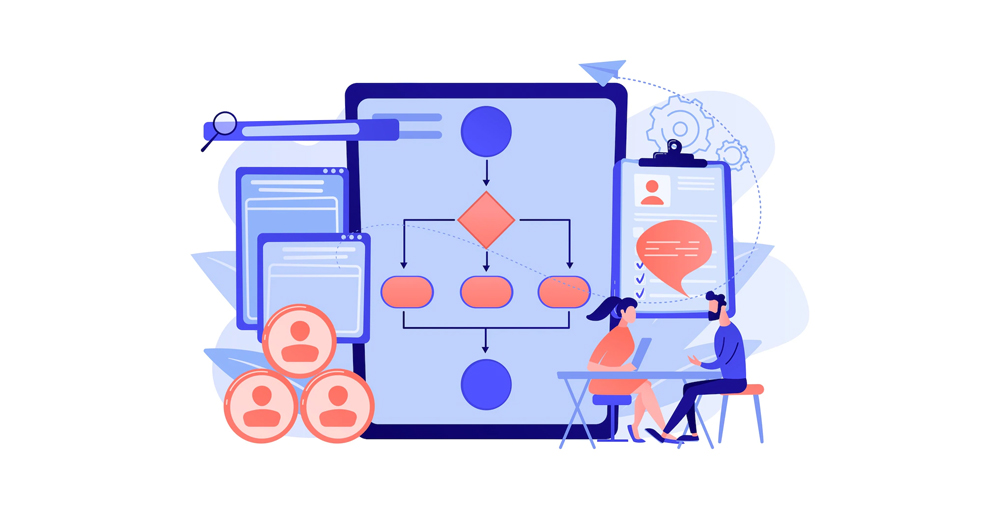
What is Performance Management System?

What is Performance Appraisal System?

The performance appraisal system or process is a very simple process it measures the performance of the employee. Where performance management system provides a roadmap to achieve the organizational goals the performance appraisal system is used to measure the progress of each individual employees. The performance appraisal system is only used to measure the performance of the employees as per their progress towards the set goals and objectives.

The performance appraisal keep records of the performances of the individual employees which can be used by the HR department as well. Basically the performance appraisal system tells business about how productive an employee is. This way businesses can easily identify the highly performing employees and reward them and businesses can also easily identify the employees who have become liability. The performance management system also help HR in leadership development and help identifying and grooming potential leaders.

What is Performance Appraisal System?

Difference between Performance Management and Performance Appraisal
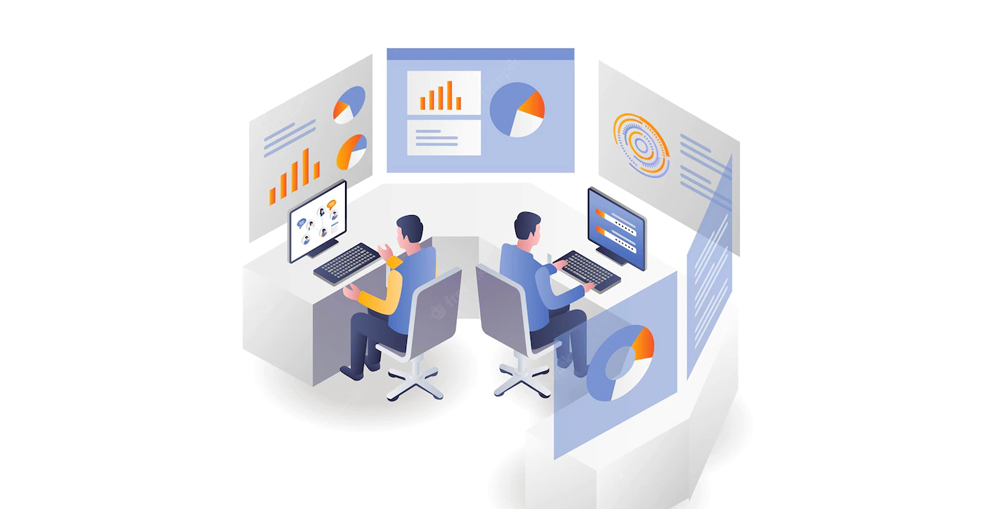
The performance management and the performance appraisal both are used for employee performance however there are basic difference between the two methodologies. Here is a list of some fundamental differences between performance management and performance appraisal systems:

  • Performance management help and encourage employees to improve their performance, while the performance appraisal only evaluate the performance
  • Performance management evaluate an employee on the bases of past, present and future, however, the performance appraisal just measures the performance in the immediate past
  • Performance management increase employee engagement and evaluate the relationship between employee and the employer, however, performance appraisal is individualistic
  • Performance management continuously monitor employees, evolve strategies and focusing on employee development, whereas, the performance appraisal focuses only on the results
  • Performance management includes one-on-one sessions and discussions, hence it is very dynamic. The performance appraisal have a top-down approach and is very linear
  • Performance management always encourage employee development and help facing challenges in present and future however the performance appraisal focuses only at past performance
  • Performance management offer real-time reviews and continuous feedback while performance appraisal only offers feedback once or twice per year
  • Performance management is better future equipped and easy-to-scale however, the performance appraisal is usually focused on the past performance of the employees

The future of performance appraisal is a modern software-backed performance management system. A modern performance management system offers several benefits and comprehensive framework to systematically conduct appraisals and manage employee performance.

See Also: 6 Performance Management Problems and How to Solve Them?
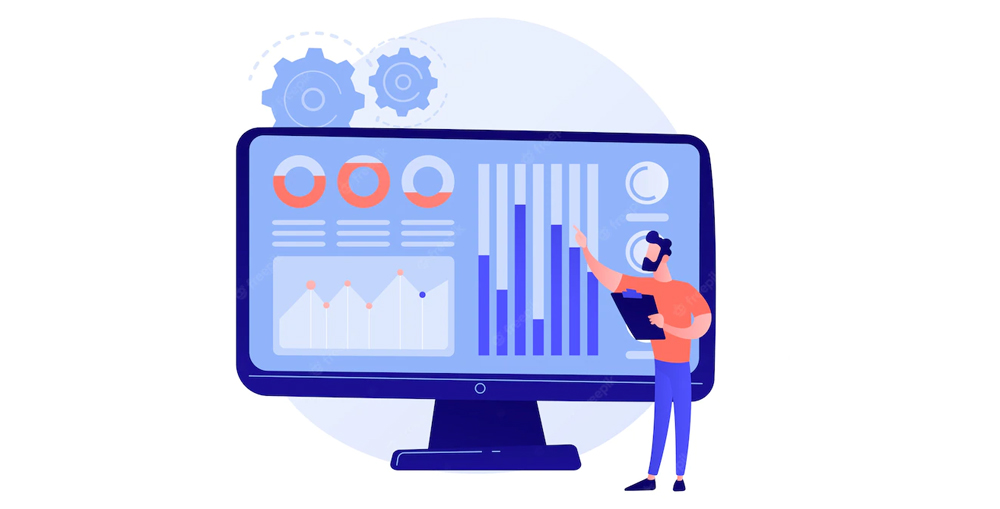
Difference between Performance Management and Performance Appraisal
It is clear now that the performance management system and performance appraisal systems are designed and used for completely different purposes although both are covering employee performance management.

Why a Business Should Use Both Performance Management and Performance Appraisal?
The performance management is a continuous process which keeps monitoring the employees and their progress in real-time. This provides the management an added advantage of allowing them to quickly set course or make adjustments if any employee deviates from their set path. This advantage is not available in the appraisal method. However, the performance appraisal process can accurately measure the actual contribution or value of the efforts of the employees towards the high-level organizational goal and objective.

A software-backed performance management automate several processes, reduce overhead and increase efficiency. That is why it is important to use both systems in parallel. Businesses use performance appraisal system to generate performance data for HR. The performance appraisal will provide accurate employee performance to the HR on the bases of this performance the HR can plan bonuses, awards, promotions, demotions, transfers, training program and much more.

Why a Business Should Use Both Performance Management and Performance Appraisal?

The performance management system on the other hand provides a comprehensive strategic and tactical data which not only measure the employee performance but also help businesses and organizations to set goals, build strategies to achieve those goals, make plans, and assign individual and team goals as per the requirements. The performance management system also helps businesses in communicating those goals and objectives with the employees and also guide them how they could and should perform in order to achieve their individual and high-level goals and objectives.

The performance management system can also generate data which can help businesses in understanding their resources, technical skills, and capabilities of each individual employee. This will help businesses in future and it will enable them to make more realistic and practically sound decisions. The biggest advantage of a performance management system is their ability to greatly increase employee engagement. When the employees are engaged, they tend to perform well and the quality of their work is significantly improved.

Why a Business Should Use Both Performance Management and Performance Appraisal?

A good quality performance management system help businesses and organizations to achieve their long term strategic and financial goals. When the performance management system and the appraisal systems both are used combined the effectiveness and results will be improved significantly. Here are some benefits of using employee performance management system and appraisal system:

  • Improve Communication between Employee and Management
  • Set SMART Goals and Effectively Communicate them to the Employees
  • Communicate the Performance Requirements/Needs and Expectation more Effectively
  • Enable Employees to Evaluate themselves and Provide Feedback about their Individual Goals and Plan of Action to achieve those Goals
  • Aligning Employees and Resources with the High-Level Organizational Goals and Objectives
  • Improve Communication all across the Organization and Improve Relationship between Employees and their Managers
  • Real-time and Continuous Feedback Makes it Easier for Employees to Communicate with the Management
  • Help Management to Monitor the Performance of the Entire Business or Organization
  • Enable Management to Swiftly Take Actions to Rectify Problems and Help Employee Facing their Challenges
  • Empower Data-Driven Performance Decisions, crucial for Improvement and Growth
  • Increase Employee Engagement, Gain Employee Trust, and Increase Employee Retention

Why a Business Should Use Both Performance Management and Performance Appraisal?

These are some of the most obvious benefits of combining the performance management system and appraisal system.

The performance management and performance appraisal systems when used together can fix drawbacks and gaps of each other. For example:

  • The performance management system can increase the communication and fill the communication gap which usually occurs in performance appraisal management. Moreover businesses can easily measure the ROI of their performance management system to understand its impact. This will also help them to make further improvements and customization as per their needs and requirements.
  • The performance appraisal doesn’t clearly communicates the high-level organizational goals whereas the performance management system clearly communicates individual and high-level organizational goals as well as it also include employees in planning and strategy building processes which increase employee engagement.
  • The performance appraisal process worries employees, as the appraisal is done only once or twice the year, and that is the reason most of the employees doesn’t show trust on the appraisal process. However, the performance management process includes regular and continuous employee reviews, KPIs, OKRs, KRAs, and various other tools for accurate evaluation. Which not only gain employee’s trust and reduce their anxiety but it also help improving the communication between the employee and the manager.
  • The performance appraisal methods emphasize on increasing the performance and doesn’t clearly communicate how the employee should improve their performance or what is expected from them in the future. On top of that most of the time the communication is very low. The performance management process clearly communicates the goals and objectives, both individual and high-level goals and objectives are defined. The employees are provided with the guidance on how to achieve their objectives and how to improve the performance.
  • The performance management is continuous and it can collect all the details about the employees and their performance. This data can be made available for the management at any time. However, in performance appraisal methods the evaluation is done once or twice in a year. The performance management system also help  businesses link their performance management to the high-level business outcomes which is very helpful in decision making.
  • The performance appraisal method lacks the employee personal development strategy. However, the performance management focuses a lot on employee’s personal development program to ensure the business always have the required workforce. The personal development program can increase employee engagement and it also help increasing loyalty. However, if the employees feel there is no scope for their personal development then they will leave.
  • The performance appraisal methods doesn’t help much in increasing employee engagements, gaining employee trust and improving employee retention. However, the performance management methods boost employee engagement and help building a sense of belonging and connection with the business. This also make employees happy and satisfied and it also increase employee retention. A well-structured and customized performance management system help businesses many challenges and greatly improve efficiency of the process.

Why a Business Should Use Both Performance Management and Performance Appraisal?

The performance management and performance appraisal both are tools to boost business’s performance. If the employees and other resources start working at their true potential the productivity and profitability increases. That is why both system are important and when used combined can have additional benefits as well.

See Also: Choosing a Performance Management System A Buyer’s Guide

Conclusion

For any business in Dubai or anywhere else in UAE achieving the high-level organizational goals is a key to success. Businesses use various methods and tools to improve the employee performance. The employee performance is crucial if a business wants to achieve their high-level goals and objectives. The employee performance can be improved by communicating them the goals clearly, assigning them the objectives & tasks, and monitoring them to understand if they are going in the right direction.

The performance management and appraisal ensures that the goals and objectives are established and communicated clearly and there is a monitoring mechanism in place which can immediately highlight if an employee is deviating from their set path and allow the managers to take timely actions to reset course. The performance management also help businesses in evaluating employees and understanding their true potential, skills and capabilities. This help HR in several functions and also provide intelligence data for employee personal development and reward schemes.

In short the performance management and performance appraisals are absolutely necessary for a business and its long term growth. RSI Concepts is a leading name in developing and designing performance management systems and tools, if you need any help in your business’s performance management or if you want to learn more about the topic, please feel free to contact us through our Contact Us page or leave a comment in the comment box below and we will get in touch with you soon.

See Also: Digital Branch Transformation Trends for Banks in 2022


Digital Branch Transformation Trends for Banks in 2025

Digital Branch Transformation Trends for Banks in 2022

[Updated – 25 June 25]

The digital solutions and technology is evolving businesses, markets and customer’s demand. These days the general consumer in UAE is very familiar with the digital experience and interaction. The digital have become a part of our daily lives. Here in Dubai and all around the UAE the internet penetration and the usage of smartphone is very common, almost 99% of the population is connected with the internet.

That is why all types of businesses have started adopting digital solutions to enhance their customer experience and customer journey. Same is applicable to banks and other financial institution too. The banks need to improve the branch performance and branch efficiency as well as they also aim to control the expense. This means the digital solutions are being adopted for two major reasons, one is customer satisfaction and the other is to achieve strategic business goals.

See Also: From Chaos to Control: How Queue Management Systems Can Improve Your Business

Digital Branch Transformation Trends for Banks in 2022

The year 2025 comes with new challenges, the general customer behavior and trends have been completely transformed. Banks always have large daily foot fall, they need to optimize resources to keep the expenses under control and they must also have to improve their service quality as well. Several market researches and studies have shown us that the customer do care equally about the experience and journey they are getting from a business.

So the product/service quality and customer experience is equally important. Here in Dubai and all around the UAE there are several banks, in fact in each alternate street there is a bank branch, in such scenarios the competition gets higher, the customer’s demands and expectations also raised, and the customers always have option to switch.

See Also: Queue Management in Banking: Enhancing Customer Experience

Digital Bank Branch Transformation

Without any digital system in place, the employees and the customers both could face very difficult situations. For employees, it is always a big challenge to manage and control the visitor’s and customer’s flow. The management also faces problems while improving the customer journey without any digital system or tool. Moreover the digital system organizes everything and provides in-depth data insights, which help business to monitor and manage the several business processes effectively.

For a bank branch there is always limited number of counters, some are dedicated to exclusive services and some are for all services or queries. It is very difficult for the sales staff and customer service agents to keep the customers disciplined and organized. The line jumpers, small fights, angry customers and complaining visitors are a common sight in every bank branch. However, the banks with an effective queuing policy, an efficient queue management system in place and satisfied staff can easily boost your rankings and reputation.

See Also: 5 Challenges and Solutions of Queue Management System in Banks
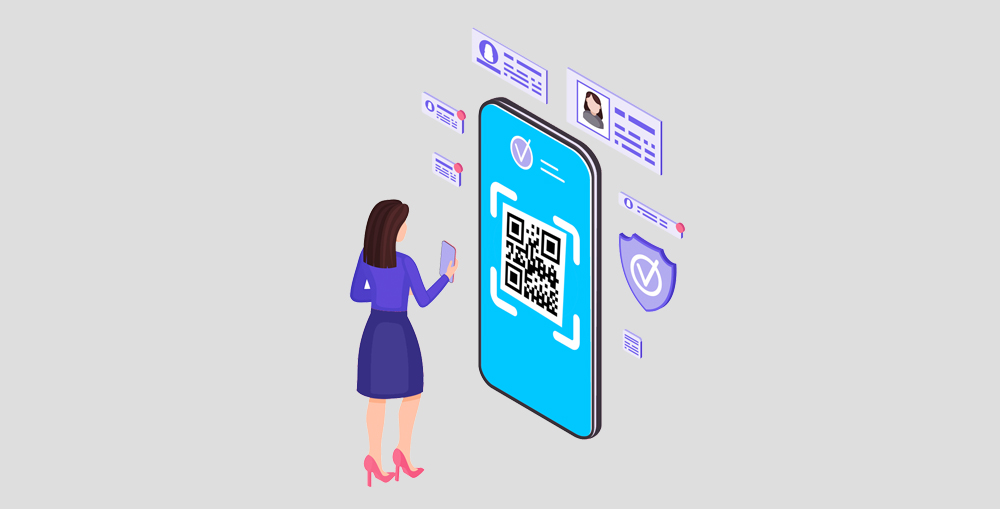
Digital Bank Branch Transformation

Branch Transformation with Queue Management System

For any bank the biggest challenge is to effectively manage the daily customers and visitors. Most of the times during busy hours the bank branch can be overwhelmed hence crowd formation, unorganized lobbies, disputes in the queues, unhappy customers, busy staff, and a lot other such problems could occur.  All these problems led to increased wait time and longer customer journey, on top of that the negative perception a customer builds about the bank or its branch could be very bad for brand image and reputation.

Such problems could have a very negative affect on the growth of the bank in the longer run. That is why most of the banks in Dubai and all around the UAE are adopting digital queue management systems. A queue management system is a combination of software and hardware tools, which allow the bank branch to effectively and efficiently control and manage the queues, which results in better customer flow and quicker customer journey.
See Also: The Role of AI in Enhancing Queue Management Systems
Branch Transformation with Queue Management System

Reduce Customer Wait Time with QMS
The most common complaint any customer have from a service provider is the long wait time. For banks the long waiting time is also very bad, it annoys the customer and repeated bad experiences could repel the customers too. Manual customer flow management is very difficult for the staff as well as for the customers and visitors. However, with the help of a digital queue management system the customer flow management and virtual lines can literally transform customer experience.

The queue management system have intelligent algorithms and software which automatically controls the customer flow, once a customer signed-up for service the queue management system can automatically put them in appropriate queue. In fact during the waiting time a queue management system can also take decisions in real-time, for example, if a customer need service AA, which is being offered on four counters, the queue management system have ability to analyze the customer flow and the service agent’s performance and then it can divide the customers between the counters to make sure maximum performance can be achieved. This could save a lot of time.

See Also: Must have features of a Queue Management System

Reduce Customer Wait Time with QMS

Basically when a customer or visitor signs-up for a queue, the queue management system issues them a ticket or token number, which is their unique queuing ID or place in the waiting line. Hence all customers knows there could be no line jumper, and there is not a chance that any service agent could be able to favor someone, hence a lot many disputes can be prevented and on top of that it also provide a peace of mind to the customers and visitors.

The queue management system also reduces a lot of workload of the staff and it can also improve staff efficiency. Without a queue management system the service agents and staff have to control and manage the queues as well, which distract them from their primary task. However, with the queue management system the staff can focus entirely on their primary tasks, which boost their efficiency and performance and also help improving the customer experience.

See Also: How a Queue Management System Can Transform Your Business Operations

Reduce Customer Wait Time with QMS

Improve Waiting Experience and Reduce Perceived Wait Time

Have you ever experienced waiting in a queue or on a busy highway that the line we are in looks slower than the adjacent line? This is the trick of our brain, and this phenomenon is very common. People tend to perceive the waiting time more than what it actually is. The brain just thinks that the adjacent line is faster, in reality it could be even slower. However, this same phenomenon is applicable in the customer queues and customer flow management.

When people are waiting for their turn, within a few minutes they start thinking that more time have passed however, in reality less time had passed. This is called the perceived wait time. The perceived wait time is always more than the actual wait time. With the manual queuing the chances are the perceived wait time could be much longer than the actual wait time. However a digital queue management system have ability to reduce the perceived wait time by increasing customer engagements.

See Also: Queue Management System and Predictive Waiting Time

Improve Waiting Experience and Reduce Perceived Wait Time

The human brain reacts strangely when there is something which is unknown, most of the time the fear is the strongest emotion towards the unknown. When it comes to waiting in the queues, if the customers and the visitors don’t know how long they will have to wait, it start irritating them, and they become anxious and depressed also. Which ruin their experience. However, with the help of queue management system the intelligent software engine is capable of estimating the wait time for each ticket on the bases of past stats and real-time data from the system.

Hence the estimated wait time can be printed on the ticket or token. Furthermore, there are large display screens installed at strategic locations within the branch which remain visible to everyone. These digital signage displays live queuing information, summary and on-going activities, which also keep customers engaged and reduce the anxiety of the waiting.

See Also: Mobile Queue Management: The Rise of App-Based Solutions

Improve Waiting Experience and Reduce Perceived Wait Time

All modern day queue management system also have audio announcement system as well. The audio announcements can be made in multiple languages. These features keep the customer engaged and busy, hence the effect of waiting time can be minimized, which improves customer waiting experience. If customers reach to the counter with a calm and cool mind the chances of having a great and satisfactory interaction are high. A better waiting experience not only help raising customer satisfaction but it is a key to build strong and trusted brand reputation.

A queue management system increase customer engagements, reduce actual and perceived wait time, balance workload of the employees and boost their efficiency, and consequently provide excellent customer experience and customer journey. Moreover a modern queue management system provides in-depth insights into customer flow, wait time, service delivery, and even in staff performance. This insight is vital for management in data-driven decision making. Businesses can leverage this data to continuously monitor and improve their queuing strategy.

See Also: How to Set Up SMS based Queue Management System?

Branch Transformation with Virtual Queuing

The virtual queuing is a relatively newer trend. The virtual queuing is a modernized form of queue management which allows the customers and visitors to sign-up for the virtual queues using remote channels and mediums. The biggest benefit of virtual queuing is that it can literally reduce the wait time to none. Technically the customer is not required to physically arrive at the branch to sign-up for the queue or to wait inside the bank branch. The queue management system can utilize remote mediums and channels to provide live coverage and updates of the on-going queuing process.

This allow the customers and visitors to keep track of their turn and also provide them enough information to let them plan their visit in a way that they don’t have to wait in the bank. The virtual queuing gained popularity during the 2020 and 2021 due to the strict social distancing laws and public health concerns. However, now a day’s businesses and banks all around the world are still utilizing virtual queuing methods to enhance their customer experience.

See Also: Why Virtual Queuing is the Next Big Thing in Queue Management

Branch Transformation with Virtual Queuing

Third Party System Integration Help Improving Customer Journey

Each bank have a sophisticated digital and IT infrastructure which consists of several layers of enterprise systems and business tools. Some of these tools and systems are used to aid the employees during their daily job roles, and some of them are used for security purposes. There is always one central information center which is connected with almost all other tools and systems. The modern queue management system such as RSI Queue Management System can be integrated with the central information center as well as with any other third-party systems using APIs or Secure Web Services.

The integration allow two independent or even dependent systems to share data between each other. The integration allow banks to further improve customer journey and customer experience. Banks can also add innovative features to facilitate various business processes and customer journey steps. These features can help improving customer journey and customer experience reducing the wait time and simplifying the customer journey. However, the modern queue management system’s features also help improving employee efficiency.

See Also: How to Implement a Queue Management System at an Airport?

Third Party System Integration Help Improving Customer Journey

Collect Business Intelligence Data

A queue management system is a perfect companion to monitor and track customer journey. The queue management system is capable of collecting system usage and statistical data from each and every touch point of the entire customer journey. Furthermore the queue management system can be used to measure various KPIs (key performance indicators) which can be used later for strategy and planning making purposes. The queue management system can also provide data about the popular products/services and most requested support queries and much more. Such information can be very helpful for planning and understanding the current market trends, customer persona and much more.

The queue management systems both traditional and virtual can also have ability to collect direct customer feedback using various channels and techniques. The customer feedback data is a crucial part of business intelligence and it can provide very accurate and important information that help businesses to take informed decisions, set future course and achieve their goals. For banks such data is very crucial to measure the branch performance, making plans to improve customer experience and building strategy for long term future goals.

See Also: Queue Management System for Trucks and Logistic Centers

Collect Business Intelligence Data

Conclusion

The year 2025 is dominated by the digital interaction and digital experience. Businesses from Dubai and all around the UAE are also investing huge amount in digital experience and digital interaction with their customers. In fact the market have evolved so rapidly that it is quite hard for several businesses and industry sectors to keep up with the pace. The customer expectations have also become very high. Now a days the customer expect from their favorite businesses/banks and brand to offer modern features and digital interaction.

When it comes to banks and their branches the customer’s expectations have become slightly higher. A well-organized customer flow and simplified queuing process can offer best customer experience. The customer experience and customer journey is the key point in any business’s success. If its customers are happy and the employees are performing well, it is just a matter of time and the business will definitely achieve its goals and objectives.

In this blog we have discussed how a queue management system could transform a bank branch. If you want to learn more about the subject or looking for a reliable queue management system provider in Dubai, UAE. Please feel free to contact us through our Contact Us page or leave a comment in the comment box below and we will get in touch with you soon.

See Also: Why custom software is more cost efficient in UAE?

See Also: The Future of Queue Management Systems: Trends to Watch in 2025


Why custom software is more cost efficient in UAE?

Why custom software is more cost efficient in UAE?

A modern day business in UAE and in fact all around the world couldn’t survive for long without integrating the digital and information technology in their business functions. Whether you are a small or medium size business (SME) or a large production factory or a multinational enterprise, these days the emails have replaced the letters, the difficult tasks have been replaced with automation and artificial intelligence (AI), and so on. Regardless of the size of the business, the information and data is the center point of each and everything.

The businesses who don’t have reliable and efficient methods of sharing information and processing data can’t compete and even couldn’t survive in a longer run. That is why businesses use various enterprise management software and tools, such as ERP, Property Management System, CMS (Content Management System), HRMS (Human Resource Ministry Planning),Accounting Tools, Production Management Software, etc. Such tools are used to facilitate various business processes and functions which will help you to achieve higher performance.

See Also: Custom Software Development vs. Off-the-Shelf Solutions: Which is Right for You?

Why custom software is more cost efficient in UAE?

With the passage of time the digital business tools and software have become technologically advanced, and somewhat challenging too. In most of the cases the businesses usually got confused between choosing an off-the-shelf/ready-made solution and going for a customized software development. Now a days, business are realizing the importance of the customized software development and are preferring customized solutions over off-the-shelf software.

There are several technical benefits of having a customized software application or business tool for your business. The major reason why businesses are opting for customized software development is the cost-effectiveness and control over the features and functionalities of the software. There are many areas where off-the-shelf-software solutions fell short and the custom software development proves superiority in those specific areas.

Here is how the custom software development is cost-efficient than the off-the-shelf solution:

Custom Software Development: Commissioning & Installation Cost

The commissioning cost of a custom software development is relatively low, as the software is a tailor-made application tool so it only have features that are required by the system users, however with ready-made and off-the-shelf solution a business usually have to pay for a set of features or packages. Regardless of what feature do you need or not, if you are going for an off-the-shelf solution you will eventually end up having more than what you have been planning to purchase. Usually the ready-made or off-the-self software are divided into several categories or plans/packages.

These categories and packages are designed to serve the need of masses. Hence the features are grouped on the bases of demands or relevance. That is the reason, sometime businesses might have to opt for the higher level of plans, just for a single or two features which are not available in the lower plans. However, with a custom software development, there is no such limitation. The business only have to pay for what they need, there is no compulsion or restriction to purchase any particular plan or package. Which is why the commissioning and installation cost of the custom software development is also less in UAE.

See Also: The Cost of Custom Software Development: Factors to Consider

Custom Software Development: Commissioning & Installation Cost

Custom Software Development: Maintenance and Long Term Cost

For any IT infrastructure or digital system every business also estimates the long term cost and maintenance cost when selecting between different available options. For off-the-shelf or ready-made software systems and solutions, most of the time the vendor is managing the IT infrastructure and is also responsible for the maintenance. The business have to pay a maintenance fee or charges and the rest is taken care by the vendor. However, that is not just all, the off-the-shelf software solutions comes in different packages along with subscription fees and monthly charges, which sometime includes the maintenance as well, and sometimes it is charged separately.

Along with the maintenance, sometime the enterprise software solution providers dealt with their regional distributors and hire third-party service providers and sometime they also require additional charges to provide premium customer service and technical support. Which also add up to the long term cost of the off-the-shelf solutions. However, with custom software development there is no such fee or additional charges, the business have to pay for one time, the maintenance and everything else is fixed and is comparatively less comparing to off-the-shelf software solutions in UAE.

See Also: Software Development: In-house vs Outsourcing

Custom Software Development: Maintenance and Long Term Cost

Custom Software Development: Scalability and Longevity

One of the greatest advantage of customer software development is the scalability and longevity of the systems and solutions. Businesses keep expanding all the time. For off-the-shelf solutions adding new users, departments, and such functionalities are always expensive. The businesses must have to pay for the additional licenses and registrations, etc. However, with a custom software development there is no limitation in the system, the business owns the software hence they can add as many users and dynamic features without paying anything extra to the vendor.

That is why the customized software solutions are more friendly and compatible with future and scalability. It is this future compatibility and scalability that makes custom software more long lasting. The lifecycle of the custom software is always higher in UAE. Due to such future compatible and supportive functions the custom software development is considered to be more long lasting comparing to off-the-shelf solutions. With minor tweaks, upgrades and ability to customize the life cycle of a custom software can be extended for a long time in future.

See Also: Custom Software for Improved Business Efficiency

Custom Software Development: Scalability and Longevity

Custom Software Development: Upgrades and Customization

When a business implement a new system or solution the most important thing to consider is the future upgrades and customization. The technology world is evolving rapidly. Each year brings huge changes in terms of the technologies, trends and user preferences. Customizing and upgrading an off-the-shelf software is extremely difficult and expensive. The upgrading and updating process of the off-the-shelf software and solutions is very complex and require a lot of efforts. As the off-the-shelf solutions are being used by hundreds and thousands of customers, making a simple change in user-interface (UI) could make hundreds of customers unhappy.

Similarly any change in the core, algorithms, features and functionalities is also very difficult. Hence the vendors follow a very lengthy and sophisticated process to push any update or upgrade to the system that is why most of the time, the off-the-shelf solutions are very late to adopt to the new changes in the market trends and user expectations. That is why most of the time these upgrades and updates come with a price tag, hence impact the overall ROI of the system. However, a customized software can easily be upgraded, customized, and modified at any time a business wants and the cost is also very less in UAE.

See Also: Common Mistakes to Avoid in Custom Software Development Projects

Custom Software Development: Upgrades and Customization

Custom Software Development: Ownership and Trademarking

The off-the-shelf solutions and systems are always the property of the vendor and the business is a kind of renting it out. The software and solution provider reserves all the rights to the software tools and its functionalities and in some cases even the data is also stored on the vendor’s servers and the vendor can access the private data of the business. Technically the vendor can gain access but there is always a proper paperwork and agreements that prevent them to access your private data. However, with the customized software solution, since the software is developed exclusively for the business the business have full proprietary and ownership rights.

Most of the time the custom software development company in UAE provide the full source code, resources and databases and everything else to the customers. Hence the businesses own the product/customized software. This empowers customer, provide them more freedom for customization and innovation and prevent their dependency on a single vendor. This help businesses to get competitive cost each time a need arises for customization, upgrade, integration or expansions.

See Also: Custom Software Development for Enhanced User Experience

Custom Software Development: Ownership and Trademarking

Custom Software Development: Make Profit

Since the custom software development enable the businesses to own the tailored software that is exclusively designed for the business. The businesses can use the same software to earn more profits. Businesses can provide the same product to its affiliates, partners and even businesses can launch it in the open market. As the product is exclusively designed for a business which belongs to a particular industry sector and category, that is why the chances are that other businesses from the same category and sector would appreciate your product and hence it could provide them more appropriate solution to their problem.

This way the businesses can use the customized software application to sell it and gain more profit which can also be utilized for product development purposes and just to gain profits. Most of the time businesses want to keep their customized software solutions to themselves. Which gives them an upper hand over competitors. Moreover the customized software applications offer unmatched flexibility and ability to customized to accommodate emerging needs which is not the case with standard commercial off-the-shelf software. Due to this customization ability the lifecycle of a customized software is prolonged, eliminating the need to replacement every few years. Hence the customized software development can further improve its ROI in the longer run by saving a lot of cost and offering superior efficiency and performance.

See Also: The Future of Custom Software Development: Trends to Watch in 2025

Custom Software Development: Make Profit

Conclusion

The custom software development is very cost effective comparing to the off-the-shelf software and solutions. The custom software development allow businesses to include only those features which they need and doesn’t bound them to purchase a full package or subscription like off-the-shelf solutions. Which save costs, and business have to pay for only what they need. The custom software development enable businesses to own the product they have exclusively developed for themselves.

When the vendor doesn’t have any ownership rights, the businesses are free from vendor-dependency and they can also chose any other vendor in future to further customize or upgrade the software for them. These privileges significantly reduce cost. However, the off-the-shelf solutions make businesses highly dependent on the vendor, the scalability and future upgrade is also expensive comparing to the customized software solutions. That is why the custom software development is very cost-effective in UAE comparing to the commercial off-the-shelf solutions.

If you want to learn more about the subject or want us to help you with your next custom software development project, please feel free to get in touch with us via our Contact Us page or leave a comment in the comment box below and we will get in touch with you soon.

See Also: What is Enterprise Performance Management (EPM)?


Fabrication of Mall Kiosk for Perfumes in Sahara Center by RSI Geeks

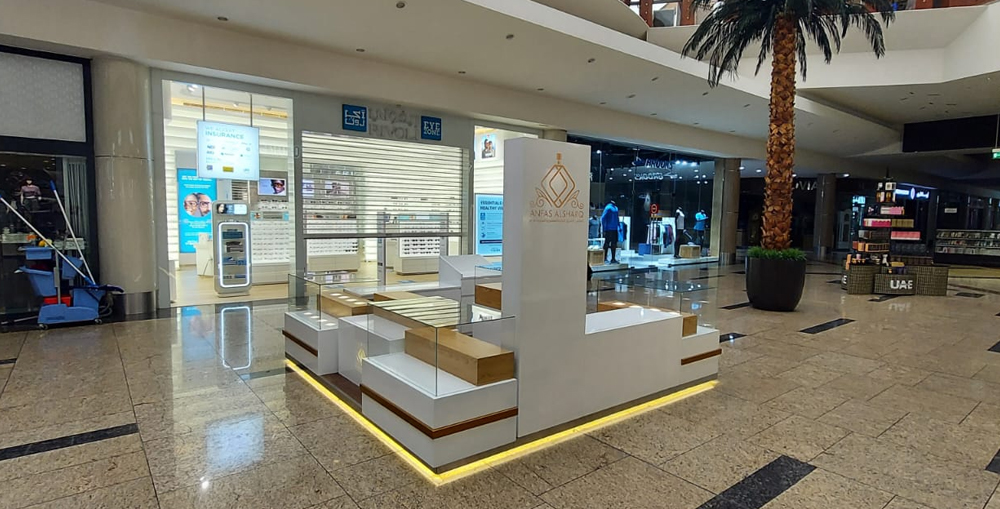
retail kioskThe Sahara Center is among the most popular shopping centers in UAE. It is strategically located in an areas which is quite dense and is situated at the Sharjah-Dubai border. Hence it attracts a lot of daily visitors. The Sahara Center has been proven to be one of the best shopping mall with two decades of supreme quality experience in the area. The customers and visitors can enjoy a variety of entertainment, shopping, and dining experiences. Such shopping malls are excellent for mall kiosks or small kiosks. As the mall is already attracting a lot of traffic, so the new startups that are starting from a simple kiosk can easily get a lot of attention without investing a single penny in their marketing. Hence these days more and more startups and even in some cases multi-national companies are utilizing those mall kiosks to boost their sales and revenue. Anfas Al Alsharq is also a new startup and decided to utilize a space in Sahara Center to place their mall kiosk there. The Anfas Al Alsharq is dealing in high-end perfumes and fragrances, and targeting a large spectrum of audience. That is why they have decided to setup a mall kiosk stand in the Sahara Center.

When it comes to preparing and installing a customized mall kiosk at any place, there is a long list of prerequisites that a customer need to have. Another big problem is with the compliance of mall’s policies. There are several regulations, guidelines, and some additional digital designing work, which could make the process a little bit complicated. That is why at RSI we always take care of such tasks, and we aim to share the burden of our customers. Usually the problem with a new startup is lack of experience or technical expertise, which is why business owners found it difficult and the shopping malls and centers also have high standards. The materials, the design, the lighting, the aesthetics, each and everything has to be perfect and completely aligned with the mall policies and standards. That is why a professional interior designing company in UAE such as RSI Geeks can take care of all of it.

Here are the remarks of our Project Manager, Ms. Maheen Waheed:

“The customer and the team at customer side was very cooperative and understanding. When we took the project, it was already a little bit delayed, hence the biggest challenge was to complete it within the deadline. The design was a blend of modern and traditional Arabic styles. Which distinguishes Anfas Al Alsharq from the rest. It was a great very learned experience.”

Yes indeed, working under strict deadline with technically complicated requirements could be very challenging for both the team and the manager, but thanks to our management and the skilled workforce we have completed the project in time without any delay. Whether it was the material selection, electrical work, cade diagrams and mapping, everything was done by our skilled and experienced team. We believe in building strong and long term relationships with our customers. That is the reason we never hesitate to go an extra mile to satisfy our customers and help them with whatever we can.

Your comments and suggestions are always appreciated, if there is something in your mind you want to share, please feel free to use the comment box below. If you need our help to build you an exhibition stand or mall kiosk, or anything else, please feel free to contact us using our Contact Us page and we will get in touch with you soon.

Check out this : Capital Health Screening Center Al Ruwais City Acquired RSI Queue Management System


What is Enterprise Performance Management (EPM)?
What is Enterprise Performance Management (EPM)
Businesses are always seeking ways to improve their performance and operational capabilities while also trying to minimize the expenses and resource consumption and getting themselves ready to respond to a disruption or unprecedented situation. The only solution to that challenge is to improve the performance of the entire enterprise including both the human and non-human resources and keep a close eye on the performance all across the entire enterprise. In order to improve the performance a business needs to identify the hurdles and obstacles that are causing reduction in performance and poor resource management.

For that businesses rely on Enterprise Performance Management or EPM which is a process and mechanism to closely monitor the performance of the entire organization and then identify the obstacles, challenges, problems and barriers which are preventing the business to achieve the higher performance and higher efficiency. The performance management system help improving communication between the management and the employees and offer tools to enhance employee engagement. Engaged employees tend to perform well and have higher potential of success.

What is Enterprise Performance Management (EPM)
The enterprise performance management or EPM process is a very complex and sophisticated process which requires a robust framework and rapid data analysis that is why a dedicated Enterprise Performance Management Software is used to aid the performance management process. The enterprise performance management process enables the management to take timely actions and respond to a disruption in a rightful manner with agility. This help businesses to achieve their goals and objectives.

Introduction to Enterprise Performance Management (EPM)

The Enterprise Performance Management is not a modern day phenomenon, in fact even before adopting to computers and IT the enterprises and organizations were doing performance management via discussions, meetings, surveys, calls, etc. With the passage of time especially in past two decades the Enterprise Performance Management (EPM) software have evolved from a basic desktop application to a highly powerful framework with internet access and online connectivity.

Here in Dubai and all around the UAE most of the time businesses often confuse the Enterprise Performance Management (EPM) with the Enterprise Resource Planning (ERP) solutions because most of the modern ERP systems comes with in-built data analytical and reporting modules that can provide some very basic features of the performance management. However, in order to outperform your competition and be ready to respond effectively and efficiently to internal and external disruptions, a dedicated Enterprise Performance Management (EPM) solution is absolutely necessary.


See Also: The Risk of Poor Performance Management and How to identify it?

Introduction to Enterprise Performance Management (EPM)

The world in general and the UAE in particular has become a very vibrant and dynamic business landscape these days. That is why a business needs a very flexible strategic approach and planning to achieve their goals and to effectively handle the disruptions. The disruption could be an internal factor such as a poor performing employee, a team member left in the middle of a project, lack of communication, any other problem that can slow the progress, or the disruption could be an external factor such as some products/services went viral, some flops, a competitor replaced your most valued product/service share in the market and so on.

Such disruptions can deviate the business from its course which it sets to achieve its high-level goals and objectives. An enterprise performance management system not only keep a track on on-going progress but it also provide accurate projections and gather valuable data in real-time which increase the readiness of the management and enables them to make quick and informed decision.

Enterprise Performance Management (EPM) Offers Great Business Value

The measure of success of every business is the measurement of their progress towards their goals and objectives. Each successful business knows that very well that there are two major challenges that a business face during their journey to success. First is the disruption and the second is difficulties in aligning the human and non-human resource with their high-level organizational goals and objectives. An Enterprise Performance Management (EPM) can effectively solve these two problems.

The key to obtain higher performance efficiency needed to achieve strategic and financial business goal is to make each individual employee and all business processes aligned with those goals. Everyone should know their required contribution towards the high-level goals, hence individual goals are set. The Enterprise Performance Management (EPM) system also highlight the areas of improvement in the business processes and is quite capable of detecting hurdles and obstacles your employee might be facing.

See Also: 5 Performance Management Problems and How to Solve Them

Enterprise Performance Management (EPM) Offers Great Business Value

Furthermore the Enterprise Performance Management (EPM) system also increase and enhance the readiness and capabilities to respond to disruptions. Whether the disruption caused due to outside force, inside events, or due to the market changes the key to surviving it and staying ahead of the curve is the flexibility and agility. The Enterprise Performance Management (EPM) System helps businesses to fulfill their data gathering and reporting needs which can improve the performance of various internal processes such as Financial Close, Reconciliations, Strategic Plan Implementation, Profitability and Expense Management, Production Efficiency, and all other operational and administrative processes.

On top of that an Enterprise Performance Management (EPM) software help improving employee performance all across the enterprise which automatically helps improving efficiency and performance of each business process and function.

Enterprise Performance Management (EPM) System (Software/Tools)

Enterprise Performance Management (EPM) is a very sophisticated and complex process. In the modern era of digitalization and IT integration there are simply too many data streams and processing them manually is almost impossible. That is why an automated and intuitive software or system is required which should be equipped with relevant tools and features to allow the management to effectively monitor and improve the performance of the entire business.

The Enterprise Performance Management (EPM) software is an integrated tool which is linked with various other enterprise solutions and business tools to collect data and matrices. It is also connected to the central information center and it can provide two-way data synchronization and data sharing features. The software can be deployed both in cloud and in-premises data centers as well. Although business always struggle with taking this decision, but it is better to keep the Enterprise Performance Management (EPM) software online so the management and employees can also access it remotely and off-campus.

See Also: How to Use Performance Management Systems for Leadership Development

Enterprise Performance Management (EPM) System (Software/Tools)

Here are key features of an Enterprise Performance Management (EPM) System:

  • The user interface (UI) and user experience (UX) should be simple and easy-to-understand
  • The personalization options should be available to customize user dashboard to let user arrange and add widgets and sections as per their priority and convenience
  • The software should provide automation with configurable control panel to customize the operation
  • Flexible integration features should be included to let the software synchronize and integrate with other business tools and systems
  • Pre-built template should be added to aid the planning and strategy implementation process along with facility to add new templates
  • Facility to set goals and objectives and ability to blend goals along with real-time monitoring for day-to-day task and along term evaluation
  • Features for top-down approach to effectively implement strategic and planning tactics
  • Customizable review cycle timings and scheduling features to allow management to decide who should conduct reviews, when the review should be conducted and frequency of the reviews
  • Ability to allow management to implement SMART and 5As goals for both high-level and individual levels
  • Dedicated module for managing one-on-one sessions and conduct feedbacks and surveys
  • Administrative features for managers to plan and schedule session from their dashboard
  • Features to allow downward, upward and peer to peer feedbacks
  • User feedback facility to let employees provide feedback at any time
  • Robust alerts and notification engine to automate the notification process along with facility to set priority and importance for each alert
  • Configurable and automatic data sharing features along with facility to allow users to share selective data, feeds and reports
  • Configurable reporting module to allow users to generate different types of reports
  • In-built data processing and advanced analytical tools to simplify the reporting process
  • Facility to do comparative analysis with historic analytical data
  • Flexible infrastructure to support future upgrades, customization and scalability

See Also: Data-Driven Decision Making in Performance Management

Enterprise Performance Management (EPM) System (Software/Tools)

These are some of the most important features a good Enterprise Performance Management (EPM) System should have. Businesses should also explore the customized software development possibilities rather than going for a commercial off-the-shelf solution (COTS). The customized solution allow business to easily customize the software as per their performance management methods and doesn’t require them to make any change in their ongoing business processes. It also provide easier integration and reduce the cost in the long term. The future upgrades and scalability is also relatively cheaper comparing to the commercial off-the-shelf solutions.

Enterprise Performance Management (EPM) Process

The Enterprise Performance Management (EPM) process is a not as that complicated, it is a simple process which starts with setting up and assigning goals and objectives to employees, keep track of their performance make adjustments and course correction during the performance management cycle and then on the bases of final evaluation execute reward and personal development schemes. Here is the Enterprise Performance Management (EPM) process’s steps:

  • Step 1: Set up goals and communicate the high-level organizational and individual goals clearly to the employees
  • Step 2: Continuously monitor employees, their KPIs and their goals and make course adjustments
  • Step 3: Identify the challenges and area of improvements, take actions and provide training, mentoring, and guidance to the employees
  • Step 4: Rate and Evaluate the employees and performance matrices, make sure the rating criteria is clearly communicated to the employees beforehand
  • Step 5:The final step is to implement reward schemes and offer financial benefits and recognition to the employees, teams and departments if they performed well

See Also: Benefits of Implementing a Modern Performance Management System

Enterprise Performance Management (EPM) Process

For any performance management process the main objective is to keep your employees motivated, encourage them and make sure employees and all other resources are performing in the right direction with the maximum efficiency. This will help lifting-up each and every aspect of the business and will also keep your employees engaged and loyal to the business.

Enterprise Performance Management (EPM) Best Practices

The Enterprise Performance Management (EPM) is a cycle and it should keep going on all the time. There are no hard and fast rule for doing it in a particular way. Each business find different methods and techniques more effective than the others. Acquiring a top-notch Enterprise Performance Management (EPM) System or developing a customized solution is not enough, a business must have to be able to utilize the system correctly and that can only be done if certain aspects of the performance management should be done correctly. However, there are certain best practices that if done correctly could help businesses get maximum out of their performance management efforts:

Set Goals and Objectives

Setting up goals and objectives for a performance management process is the most crucial part. On the bases of these goals the objectives the managers will build strategies and make plans. If the goals and objectives are not clear and practical then it would have negative effect rather improving anything. There are two most commonly used frameworks to set goals and objectives:

  1. SMART: The smart goals are Specific, Measurable, Achievable, Realistic and Time Bound.
  2. 5As: The 5As are Assessable, Aspirational, Agile, Aligned and Accountable.

The SMART framework is one of the most widely used framework to set goals and objectives not only in Dubai, UAE but all around the world. Earlier the framework was designed for annual and bi-annual evaluation, but now a days businesses are using the same methods to evaluate and manage performance for a particular time-frame or a project as well.

The 5As is a relatively new and a bit more modernized framework for setting up goals and objectives with less timeframe, usually from one to four months. This is the major difference between the two frameworks, however, some businesses are also using a blend of the two to evaluate for short term and long terms or from totally two different prospective.

See Also: How to Set Goals for your Employees in Performance Management System?

Set Goals and Objectives

Build a Strategy and Make a Plan

Once the goals are set the next step is to make a strategy and plan about how those goals can be and should be achieved. This is very important. Only communicating the high-level organizational goals and objectives to the individual employees along with their individual goals and objectives is not enough unless and until the manager also tell them how they can achieve these goals and what the business is expecting from them.

That is why having a very comprehensive plan and a strategy is a key to achieve desirable results. The employees knows their job roles already, communicating what the business is expecting from them and how they should behave is very important. Most of the time businesses treat goals and objective in a similar fashion. However both are different, the major difference is the objectives are measurable and the goals aren’t.

See Also: Linking Performance Management to Business Outcomes

Build a Strategy and Make a Plan

For example if the goal is to become the market leader in providing maintenance service in Dubai, the objective would be to increase the sales by 20%, reduce customer churn rate by 40%, improve customer satisfaction by 15%, increase online leads by 30% and so on. In order to increase the sales by 20% the sales teams might have to put extra efforts, the manager should have to tell them where to put extra efforts and what to achieve and how.

That is why the goals and objectives should be clearly communicated and each employee should know what their contribution would be in those high-level goals and objectives if they will achieve their individual goals. Hence the KPIs and other performance matrices should be set in accordance with the individual and high-level goals and objectives.

Setup Performance Matrices

Once the goals and respective objectives are defined, the next important thing is to setup appropriate performance matrices. The performance matrices will monitor the employee performance and the overall performance of the business. The performance matrices will also tell employees that what would be the measure of success and when the evaluation should be done, hence they can easily prioritize their tasks and efforts to achieve the required objectives within the given time frame.

It is very crucial to keep monitoring the performance and progress continuously throughout the performance cycle, this will provide managers and employees a chance to keep improving their efforts. The managers can also immediately take actions to resolve problems and sort out challenges that employees are facing and they can also make course adjustments or iterations in the individual goals to make sure by the end of performance cycle the high-level organizational goals and objectives will be achieved.

See Also: How to Design a Modern Performance Management System?

Setup Performance Matrices

Here are some popular performance matrices that can be implemented to make the performance management more effective, convenient and fruitful:

  • Key Performance Indicators (KPIs):The key performance indicators or KPIs are set to measure the performance of the individual employee, teams, departments and the overall organization as well. They measures the quantifiable value of the performance and success.
  • Key Responsibility Areas (KRAs): The key responsibility areas or KRAs are the matrices to measure the performance of individual employee or set of employee or teams and departments in terms of the output or value of work they have produced.
  • Objective and Key Results (OKRs):The objective and key results or OKRs are the not a performance measuring tools, in fact the OKRs are the matrices used to measure the progress towards the high-level organizational goals and objectives.
  • Balanced Score Cards (BSCs):The balance score cards or BSCs are not used to track performance in fact they are used to identify the areas of improvements. A BSC includes the data from current past cycles covering four major aspects, learning & growth, business processes, customers and financial data in a single report which could quickly provide essential information to the managers and help them making decisions and setting up strategies more effectively.

See Also: How the HR should select a Performance Management System?

Setup Performance Matrices

Continuous Feedback

Continuous feedback is vital for achieving both individual goals and the high-level organizational goals and objectives. It provides a deeper understanding and evaluation data for individual employees as well as it also provide performance data that can be used to evaluate and assess business processes and strategies. With the continuous feedback the manager can increase employee engagements, encourage them to perform better and help them overcoming the challenges they are facing.

The data is also be used to reevaluate the goals and objective to align the employees and resources with the high-level organizational goals and objectives. The one-on-one sessions, discussions and coaching is very important to boost employee efficiency and it also provide them a chance to get connected with the organization and let them evaluate themselves. Which also help improving employee efficiency.

See Also: Performance Management Trends in the Digital Era

Continuous Feedback

Conclusion

It is extremely important for the long term success and growth that a business achieve its goals and objectives each year. The vision of a business dictates its goals and the goals drive the objectives and strategy. In order to be successful the business must have a mechanism in place to continuously monitor its performance and the performance of its employees. That is why business use Enterprise Performance Management (EPM). The Enterprise Performance Management (EPM) is not just a tool or a process in fact it is considered to be the core of any business’s strategy.

The performance management increase employee engagements, help them develop and grow and provide necessary tools to the managers and the top management to improve their performance and working capabilities. RSI Concepts is a leading name in providing Enterprise Performance Management (EPM) System and Solutions in Dubai, UAE . If you need more help on the subject or if you want us to help you with your performance management needs, please feel free to contact us through our Contact Us page or leave a comment in the comment box below and we will get in touch with you soon.

See Also: What is the difference between employee KPI and KRA?


Best Performance Management Tools and Techniques to Boost Efficiency

Best Performance Management Tools and Techniques to Boost Efficiency

The HR department of any business faced multiple challenges, one of the biggest challenge is to keep the workforce productive and ensure the maximum efficiency of the employees. The performance management tools and techniques are used to overcome a variety of challenges and help HR department to be able to produce a highly productive and most efficient workforce for the business. The overall business’s productivity and profitability is very much dependent on the employee’s engagement, well-being, their work-life balance, happiness & satisfaction, and their efficiency.

That is why the performance management is considered to be one of the most important function of the HR and it has profound impact on organizational culture. Businesses in Dubai and all around the UAE are rigorously investing resources in performance management and appraisal activities. However, many don’t realize that the true performance management is not just annual reviews and appraisals. In fact the performance management is a kind of continuous process throughout the entire year not just at the end of every year. Some businesses do interim reviews after each six months, but that is also not enough.

Best Performance Management Tools and Techniques to Boost Efficiency

There are two main classifications of performance management process or framework, one is manual performance management which is totally based on old-school techniques, which are also manual and done by hands on papers. The second and most modern performance management framework is digitalized, automated and based on software tools and techniques involving digital data processing and analysis.

The manual performance management is getting obsolete now and businesses whether small or large are adopting digital and modernized tools and techniques for their performance management needs. That is why in this blog we will only discuss about the modern and most effective performance management tools, techniques and frameworks and employee performance management process through a digital solution.

Best Performance Management Tools and Techniques to Boost Efficiency

What is Performance Management? (The Definition)

By definition the performance management is a process of communication on particular topics and subjects, by which an organization’s employees and managers work together to make plans and set strategies to achieve individual and large-scale goals (team, departments, and project based goals) and monitor their progress and contribution in the overall high-level organizational goals and objectives. A modern performance management system is a very collaborative communication process which is designed to encourage employees to produce the maximum outcome while keeping them happy, healthy, and passionate about what they do.

Several studies have shown that almost 80% of the employees can boost their performance if they are motivated, encouraged and passionate about their work. The performance management is not only about motivating and encouraging the employees, in fact the performance management is more focused on highlighting the challenges and obstacles that are hurting employee’s performance and productivity. The business and organizations also use performance management data for better resource planning and HR purposes.

What is Performance Management?

Features of a Best Performance Management Tool

A business needs a tool to manage the performance and to accurately collect the performance data. There are several performance management tools and software that can be very helpful however, we always suggest going for a customized solution which is tailor-made for your requirements. RSI Enterprise Performance Management System is a ready-made performance management system which also allows deeper levels of customization and integration with other business tools or central information center. If you are confused in choosing between and customized or ready-made off-the-shelf solution then just check if the tool that you are planning to implement have the following features:

  1. User Interface: The UI or user interface is one of the most important part of any software or tool. It is crucial to have an intuitive and easy-to-understand user interface.
  2. Costing and Support: Cost comparison is also critical, the performance management system’s cost and its maintenance and support should be easily affordable. The cost alone doesn’t determine the usability, in fact it helps measuring the ROI.
  3. Automation: The purpose of performance management system is to boost employee performance, this means the system itself should have to offer ultimate level of usability. The performance management tool should be able to automate various aspects of performance management process to save the workload of the employees and the management.
  4. Integration: Integration is one of the key feature of any performance management tool, it allow the software to communicate with existing software and systems and also with the central information center and it also aid automation. The integration simplify the use of tool and add value to user experience.
  5. Feedback and Reviews: The feedback and review features should be flexible and totally customizable with pre-built templates to aid the managers to easily and quickly implement their strategic plans for the reviews.
  6. User Engagement: The performance management tool or software must have features to increase employee’s engagement and involvement in the process. The software should be able to let users set alerts and notification and also allow them to trigger a particular action on the bases of the data inputs it is receiving. The actions should be able propagate all across the network and connected systems and tools.
  7. Data Sharing: A performance management software or tool is incomplete with automated data sharing features. The system administrator should have facility to implement data sharing protocols to automate the process. This will make sure everyone gets all the relevant updates on time without any delay or interruption.
  8. Improvements and Updates: Everything doesn’t always goes as planned, the performance management tools should be able to allow the managers, employees and system administrators to update the strategy, make changes, make course corrections and amend any existing performance matrices or on-going strategy.
  9. Personal Development: Personal development for employees is crucial to improve their performance, the performance management system should be able to allow the managers and administrators to plan and implement personal and leadership development strategies.
  10. In-Built Analytical Tools: For any performance management system, the in-built analytical tools and data processing features are absolutely necessary. It allows the managers and the system administrator to extract actionable reports which can help businesses to improve future strategies.

Features of a Best Performance Management Tool

These are some of the most important features a performance management tool should have. The implementation of performance management system can be a bit challenging for some businesses, and the purpose of enlisting them here was to give you an overview of how some basic features can be helpful in improving the effectiveness and efficiency of the performance management tool. It is not necessary that you only go with the most expensive option which other multinational businesses are using. Instead acquiring the service of a customized software developer in Dubai, UAE to make a customized performance management tool could help you achieve your strategic and performance goals.

Best Performance Management Techniques

Best Performance Management Techniques

Now that we have already discussed the important features of a performance management tool it is important to understand that only acquiring a high-end performance management software is not enough, a businesses must have a great strategy and should implement market proven techniques to be able to leverage the performance management tool and the entire process. Here is a step by step guide for implementing various performance management techniques which will help you achieving the highest performance goals and satisfied employees:

Set Goals and Objectives

Setting up goals and objectives for is extremely important. Unrealistic goals and objectives will not only lead to a poor performance but it will also impact on the employees and they will think that they could never achieve those high-level goals hence most of them will never even try to achieve them. That is why it is important to consider taking employee’s feedback and suggestions on this stage and consider that as well. The management should not only clearly communicate the goals and objective to the employees, but they should also have a clear and definable plan-of-action on how to achieve those goals and objectives.

Moreover a proactive strategy should be implemented to linking the performance management to business outcomes to maximize the alignment with high-level organizational goal and strategic objectives. That is the only way to boost employee interest and encourage them to put efforts in the right direction.

Set Goals and Objectives

The main difference between goals and objectives is the measurability. For example the goal could be “to become the leading customer service provider in the industry” and the objectives to achieve that goal could be “reduction in customer churn rate by 10%, increase in sales by 5%, increase customer happiness by 15%, etc.” that is the major difference between the goals and objectives. There are two major frameworks for the goals and objectives which are considered to be the performance management best practices and industry standards across the world:

1. SMART Goals and Objectives

Setting up organization’s performance goals with SMART framework is one of the most popular method not only in Dubai, UAE but all around the world. It is considered to be the most effective method and almost all major government departments and large organizations are using SMART framework to set their goals and objectives:

  • S – Specific: The objective should be stated in a very clear and to-the-point manner, means the objectives should be very specific so the employees can understand them without any ambiguity.
  • M – Measurable: The objectives should be quantifiable and measurable as per the set pattern, so the employee and the managers both know clearly how the success would be measured and what is expected from them.
  • A – Achievable: Communication between the employee and the managers is a key to set goals and objectives. Forced objectives are far less likely to be achieved. The managers and the employees both should be agree on a certain level of progress or performance that they can deliver hence the objective and goals should be achievable.
  • R – Realistic: For any performance management technique it is crucial to clearly communicate the high-level organization goals and objectives to the individual employee. Everyone should know what the ultimate goal is and how they can contribute to achieve it. Hence the objective and goals should be realistic and can be achieved with using the available skills and resources.
  • T – Time-Bound: Each goal and objective should have a time limit, so everyone knows when the results should be delivered and when the final performance evaluation will be done. The time could be based on a project completion or either it could be the fiscal year end whatever the case is the objective and goals must have to be time-bound.

See Also: The Risk of Poor Performance Management and How to identify it?

SMART Goals and Objectives

2. The 5As Goal Setting Framework

The modern day businesses and organizations are getting very sophisticated and the internal environment have becoming more complex than ever before. On top of that the markets are evolving on an unprecedented pace. New trends are replacing older ones and innovation is making its way to the very core of the organization structure and culture. This is why the SMART Framework is getting older, although it is a great framework but it is not absolutely perfect anymore. The 5As goal setting framework is a relatively new and modern technique and businesses all around the world are embracing it. Here is how the 5As goal setting framework works:

  1. Assessable: The goals and objectives must have a defined structure, hence they can be measured easily and accurately.
  2. Aspirational: The goal and objective should be able to make your employees passionate and encourage them to test their limits to perform better as much so as they can. This is done so the employees know when an objective is achieved.
  3. Agile: The agile goals and objectives are usually set for short terms, such as 1 month to 3 months and in some cases for the 4 months also. The progress against the set goals and objectives is monitored on continuous bases.
  4. Accountable: Each and every employee has been assigned with their individual goals, hence the success or failure should be measured as the success or failure in achieving that goal or objective. Some businesses also apply this to small teams or project teams as well.
  5. Aligned: All the goals should be able to contribute to the high-level organizational goals and objectives. All small organizational goals should be aligned to the broader vision of the business.

See Also: 6 Performance Management Problems and How to Solve Them?

The 5As Goal Setting Framework

3. SMART and 5As Hybrid Goal and Objective Framework for Performance Management

There is another framework for setting goals and objectives which is a blend of the above two. By hybrid it means the mixture of both SMART and 5As goals and objectives framework. Although this phenomenon is relatively new and is not particularly popular among large and multinational businesses and organizations, however, some small businesses tried to adopt a blend of both SMART and 5As goal setting framework. This phenomenon is still in its infancy, so we don’t advice implementing it. The main objective is to make a blend of all the positive or benefits of both the frameworks, splice them together to minimize the challenges and deficiencies of both goal setting frameworks.

However, most of the businesses who have implemented it on experimental bases found it more challenging and difficult to achieve the desired performance results and execute the strategies. The biggest challenge is that sometime some activities had to be done in parallel, which is quite confusing for the employees as well as for the managers. The purpose of mentioning it was just to give our audience an introduction of the hybrid framework.

See Also: How the HR should select a Performance Management System?

SMART and 5As Hybrid Goal and Objective Framework for Performance Management

Make a Plan of Action

Once the goals are set now the next step is to make a plan and strategy to achieve the goals. No matter what framework you chose, the SMART or the 5As, the performance relies on the plan and strategy. Each business regardless of size have limited resources, every top level management wants to manage their resources efficiency and smartly to ensure maximum profitability and high quality of work. That is why the goals are set to be realistic and achievable.

For example if the goal is to generate more leads from online channels, the plan of action would be to allocate resources for the marketing team to work on the online channels such as social media, display & search advertisements, SEO, website, etc. Same is applicable to the goals for the production department, or customer service or any other business function. The businesses should have a realistic and workable strategy and plan of action in order to achieve their goals.

See Also: Why Custom Performance Management System is more Effective?

Make a Plan of Action

Each individual employee should be communicated clearly on what they have to do to achieve their individual goals and how their contribution will be added to the high-level organization goals and objectives. Each employee knows their job role very well. Apart from that their individual goals and the high-level organizational goals and objectives also demand them to prioritize their work and focus. Some employees might be reassigned to different teams some might remain on their current positions, whatever the case is every individual employee should know what they will have to do and how they can do that.

That is the reason the personal development and training programs are also part of the performance management tool. The managers should have to be very clear on what is expected from the employees and how they should be able to do that. That plan of action will determine the success or failure of the performance goals.

See Also: What is Continuous Performance Management? Complete Guide!

Make a Plan of Action

Setup Performance Matrices

For any performance management tool or system it is crucial to track the performance in real-time. That is the benefit of using a digital tool. The high-level organizational goals are set by the high-level management and stakeholders. Then the goals propagate throughout the organization through the heads of departments, senior managers, line managers, supervisors, team leads and even the individual employees. The top-down approach is considered to be the most effective and efficient approach.

However, in order to achieve the desired performance it is important to track the progress and make sure all the resources and employees are aligned with the high-level organizational goals. Here are some most commonly used performance measuring matrices:

See Also: Boost Employee Efficiency with a Performance Management System

Setup Performance Matrices

Key Performance Indicators (KPIs)

The goals and objectives flows in a top-down manner, the high-level organizational goals and objectives dictates the goals and objectives at each and every hierarchal level. Each upper level determine the goals for the next level lower to that until the individual level. The KPIs or key performance indicators are set to measure the progress in terms of each objective at each level. The performance and progressed is measured for a particular time frame.

Usually the evaluation and assessment is done several times during the performance period and the overall or final performance evaluation is done at the end of the performance period (such as by the end of the year). The KPIs are also associated with rewards and recognition to encourage employees, teams and managers to perform better.

See Also: Employee Evaluation and KPIs for Better Employee Performance

Key Performance Indicators (KPIs)

Key Result/Responsibility Area (KRA)

The Key Result/Responsibility Area or also known as Key Performance Area (KPA) is a general area of performance, outcome or output, for which an employee or set of employee are expected to perform and are also responsible for. These are the areas and outcomes for which a job role or set of job role is responsible for and is also accountable for. Basically the KRA or key result / responsibility area matric is a measurement of performance and progress of employees and set of employees.

It also evaluate/measure their contribution in the overall high-level organization goals and objectives and their impact on profitability with evaluations of the financial aspects of the performance of the job role or set of job roles. The KRA are designed to clearly communicate the expectations of a job role to the employees and it also define the expectations from their job role which encourage them to perform well and induce passion and engagement.

See Also: What is the difference between employee KPI and KRA?

Key Result/Responsibility Area (KRA)

Objectives and Key Results (OKRs)

Objectives and Key Results or OKRs are not a performance evaluation tool, in fact it is a measurement of the progress and performance towards the high-level organizational goals and objectives and how each individual employee or a team contributes to those goals and objectives. OKR is a management tool which help organizations to achieve the goals and outcomes they need or aimed for and it is not an employee evaluation tool. The OKRs are more focused on the adoptive performance rather tactical performance.

The other performance indicators deals with targets, numbers, budgets, etc. while the OKR deals with the wider aspects of the goals and the ability to deal with the failures. The OKRs are used to support innovation and encourage ambitious ideas and let the teams and employees perform well in problem solving and challenging environment without discouraging or demoralizing them.

See Also: Performance Management through OKR System

Objectives and Key Results (OKRs)

Balanced Score Cards (BSCs)

A Balanced Score Card or BSC is a strategic performance management tool. It is used to identify the challenges and it help businesses to improve their internal processes to achieve the desired outcome and efficiency as per their high-level organizational goals and objectives. The balanced score card cover four major areas, learning and growth, business process, customer point of view or prospective, and evaluating the financial data.

The balanced score cards also incorporate data from past performances and let the business easily identify the areas of improvement. This also save a lot of effort and time as it provide all the data in a single report and provide broader, wider and deeper understanding and comparison of the performance which helps management o easily evaluate various internal and external performance aspects.

See Also: The Future of Performance Appraisals: 6 Innovations and Changes [Quick Guide]

Balanced Score Cards (BSCs)

Real-time Feedback

Performance feedback is a very collaborative communication process. Frequent, constructive communications and regular information sharing between the manager and the employees let them take actions very quickly, set and adjust course and encourage them to improve their performance. The real-time feedback and communication can motivate employees which drive the right behavior and deliver better results. A well-structured customer feedback and survey system can help businesses collect valuable insights and generate actionable reports for improvements.

Coaching and constructive discussions are very important and help employees evaluate themselves and understand the performance of the others as well which let them make changes, boost efforts and prioritize things differently and more effectively. The performance management system and other tools allow businesses to provide their employees with means and channels to communicate instantly with each other and give their feedback which help improving the performance and business processes during the evaluation period.

See Also: Why Custom Software Development is Essential for Digital Transformation

Real-time Feedback

Furthermore the studies have shown that real-time feedback in performance management help increase employee retention, satisfaction and also raise their ability to handle challenges and difficult situations which impact on the overall performance of the business. The employee feedback includes, manager to employee feedback, employee to manager feedback and also allow peer to peer feedbacks.

Which provide a deeper understanding of the organizational culture and help businesses improve it. The employee can also provide feedback and share their opinion about their seniors, supervisors, managers and the overall business and its mission, vision, activities, and various other things. Which can provide a lot of constructive suggestions and businesses can improve their strategies and policies in order to maximize their performance and employee satisfaction.

See Also: The Benefits of Custom Software Development for Growing Businesses

Real-time Feedback

Reward and Recognition

For any performance management system the reward and recognition is a must to have tool. Studies have shown that almost 80% of the employees perform well when they are awarded and their contribution is acknowledged properly. Almost half of them said they are not only interested in monetary benefits, in fact a proper appreciation and recognition of their effort is enough to motivate them to perform better. The main objective is to reward and recognize the individual employees and teams with exceptional performance with some additional monetary and non-monetary benefits to encourage them to perform well in future and to also motivate the others to perform well.

A good reward and recognition tool always link the performance with the high-level organizational goals and objectives. The reward and recognition schemes are also a great tool to inspire employee to perform well and it also tell them what the business is expecting from them and what they will get if they meet those expectations. That is why reward and recognition schemes and tools are great to improve performance.

See Also: The Cost of Custom Software Development: Factors to Consider

Reward and Recognition

Personal Development Plans (PDPs)

A performance management process is incomplete without incorporating Personal Development Plan (PDP) tools. The Personal Development Plan (PDP) tools is not a performance measuring tool, in fact it is a strategy to improve employee performance. According to several studies the Personal Development Plans and opportunities are the most attractive aspect for more than 85% of the employees. When employees see they can develop their skills and they can excel in an organization they tend to perform better. On top of that it is good for employee retention and it also help businesses in building a strong workforce.

PDPs are not regular evaluation, in fact it is done on quarterly bases and after each quarter the managers and employees both learn about their strengths and weaknesses, it gives managers a chance to groom their sub-ordinates and it also provide employees a prospective and career oriented direction which is better for them in long term. This encourages employee to perform well and learn new things, acquire new knowledge and improve their professional capabilities which eventually impact on their performance and the overall efficiency of the organization.

See Also: Step-by-Step Guide to Planning Your Custom Software Development Project

Personal Development Plans (PDPs)

Conclusion

Any business’s success is heavily dependent on its employees, it doesn’t matter how much the business invest in their production facility, or acquiring the equipment or upgrading IT infrastructure, if the employees are not performing up to the mark the business couldn’t achieve its financial and strategic goals. That is why every good business have a performance management process. For that businesses use a variety of tools and make strategies. For any performance management process it is important to keep employees motivated, engaged and satisfied. A performance management process provide businesses a chance to clearly communicate their high-level organizational goals with each individual employee.

By leveraging various performance management tools and techniques business can monitor and track employee performance in real-time. That sort of monitoring allow businesses to take timely actions, reset course and make adjustment in their strategies throughout the period so that by the end of the performance management cycle the business could achieve their goals and objectives.

There are tons of performance management tools and software available in Dubai and all around the UAE. In this blog we have also listed key features of a good performance management tool. However, the best approach is to go with a customized solution, such as RSI Enterprise Performance Management System. If you want to learn more about the topic or if you want to enquire about our performance management tool, please feel free to reach us through our Contact Us page or leave a comment in the comment box below and we will get in touch with you soon.

See Also: Qualities of a Good Mobile App for Queue Management System

See Also: The Future of Custom Software Development: Trends to Watch in 2025


How to Develop a Custom Software in Dubai?

How to Develop a Custom Software in Dubai?

Many businesses and organizations in Dubai and all around the UAE are using customized software solutions. There are a few reason why a business decides to go for a customized software development instead of acquiring a ready-made off-the-shelf software solution. The biggest reason is the untraditional needs and requirements, the second reason is the other challenges such as cots, maintenance, and longevity. For off-the-shelf solutions usually the software solution provider offers a subscription base model, which means that there will be some monthly, quarterly or annual fee.

Along with that the biggest problem with off-the-shelf-solutions is with their limitation in  customization and integration. The data security and privacy is also a big concerns, since most of the time the software vendor is the custodian of the data. However, the custom software development provide broader control, flexibility and customization which eliminates a lot of such issues that are inherent commercial to off-the-shelf software (COTS) solution. The customization help businesses to implement their innovative ideas and get very specific solutions for their untraditional and very unique needs.

See Also: Why Off-the-Shelf Solutions Fall Short: Advantages of Custom Software Development

How to Develop a Custom Software in Dubai?

The customized software development also offers proprietary rights to the customer which means that there is no regular subscription fee. With the ownership of the application the business is free to acquire any other third-party company to do the customization and modifications in the future and such approach makes it all very convenient and cost-effective. On top of that the custom software development doesn’t require any change or adjustment in the on-going business processes and practices, in fact it aids them and help businesses perform well.

The custom software development allow businesses to leverage the full potential of the software solution or application. There is another most compelling reason to go for a custom software development which is the innovation, as the markets are evolving very rapidly, industry trends are changing more frequently and there are other such factors which compelled businesses to prefer custom software development over traditional off-the-shelf or ready-made software solutions.

See Also: Custom Software Development vs. Off-the-Shelf Solutions: Which is Right for You?

How to Develop a Custom Software in Dubai?

In this blog we will cover how a business should execute a great custom software development project to get an efficient and good quality solution:

  1. What is Custom Software Development?
  2. The Benefits of Bespoke Custom Software Development
  3. How to Execute a Custom Software Development Project?
  4. What are the Custom Software Development Methodologies?
  5. How to Choose Right Software Development Company in Dubai?
  6. What is a Customer Software Development Agreement?

What is Custom Software Development?

Around two decades ago the software development market was dominated by the COTS or Commercial Off-the-Shelf solutions. Now a day’s the businesses have liberty to have a customized tailor-made software solutions as well along with COTS software solutions. By definition a custom software is a software or tool that is designed to be used by a particular group of people or a company.

Businesses usually go for an off-the-shelf software solution for their day-to-day needs however, in the every changing dynamic market like Dubai, UAE the businesses need to evolve very quickly if they want to stand out of the crowed the need higher maneuverability which is only possible with a custom software development solutions. That is why more and more businesses are considered replacing traditional off-the-shelf or COTS solutions with custom software solutions and tools.

See Also: What is custom software development?

What is Custom Software Development?

The Benefits of Bespoke Custom Software Development

In the recent few years in Dubai and all around the UAE the custom software solutions are proving to be more robust, agile, future compatible and budget friendly. However, there are still a lot of businesses who are reluctant to start any custom software development project. That is why we are listing here some key benefits of bespoke custom software development:

  • Higher Efficiency: The custom software are developed according to the needs of the business, hence the tailor-made enterprise software solutions are fully aligned with the existing business processes and business functions, which means it aids the existing business processes and doesn’t demand from business to make adjustments and changes in their processes and functions, which significantly increase the performance of the business.
  • Easier & Quicker Adaptation: Since the custom software is designed for a particular business and it builds the UIs as per the need and requirements of the users so, a wider, organization wise adaptation requires less efforts and less training and learning time. The employees or users doesn’t have to make any change or adjustments in fact the custom software is already programmed as per their current working methods, which also make adaptation easier, quicker and comparatively less costly.
  • Very Flexible Integration: The COTS (Commercial Off-the-shelf Software) solutions are very rigid towards data integration and in some cases they don’t even allow integration. However, a customer software is very flexible towards the integration and there is absolutely no limit or restriction. The business have full control over integration and it is also less expensive comparing to the COTS solutions. Businesses can seamlessly integrate other software, databases, AI tools, core business applications and external APIs.
  • Scalability: The custom software development provides more control over the application and its source code, which enable businesses to keep adding new features and enhancing existing as and when the need arises. With the growth of the business the custom software also grow hence the lifecycle of a customer software is also extended which results in higher ROIs. Business don’t need to replace the entire software for a long time, in fact they can update and upgrade the custom software to keep it relevant for a lot many years in future.
  • Better Competitive Advantage: A customer software is solely developed for a business or organization and that business have full ownership rights over the software, it means that none of your competitor would ever be able to acquire the same software. Furthermore the features and functionalities that you might be utilizing would remain confidential, all your business processes and a lot many other details will remain private.
  • Vendor Independence: The business or organization who is acquiring a software development company to build a custom application for them have full ownership rights and will get all the source codes, resources, and material and they can anytime shift to a new vendor to get support or customize the application further. Businesses can even utilize their in-house teams for maintenance and customization as well.
  • Cost-Effective: The custom software development is a one-time cost. There is no licensing fees or annual fees or anything like that. Business can add more users, features and do the customization without paying any licensing fees or getting into new agreements or something like that which makes customer software development more cost-effective and usually the custom software and tools tend to offer better ROIs in the long term.
  • Resale & Profitability: Since the custom software is exclusively developed and designed for the business, the business have full ownership rights to sale, distribution, trademarks, and also the entire software and all its source code, IP, resources, etc. The businesses can start selling the same application to their partners, subsidiaries and even in the open market as well to generate profits.

See Also: Why Custom Software Development is Essential for Digital Transformation

The Benefits of Bespoke Custom Software Development

How to Execute a Custom Software Development Project?

There are several project execution methods that a business and customer software development company can choose with mutual agreement. However, there are certain stages of a software development project that should be done in a proper manner to ensure the final product will be able to fulfill the expectations and needs of the business.

  1. Phase I – Requirement Gathering: This is the most important phase of any project and it is also called discovery phase. During the requirement gathering phase the business’s owner or top management identify the need and challenges employees are facing and what would be the best solution to rectify them. Firstly the feedback and opinions are taken from the employees, managers and relevant stakeholders, then the vendor get involved and many meetings or sessions are held to finalize the requirement for the customer software application.
  2. Phase II – Formulation of the Scope Charter and Project Plan: The next phase is to put all the requirements in a bit more technical manner in a single document or set of document and those documents will serve as the scope of the work for the software application. This document includes detailed information about all the features and functionalities that are required along with the technologies that can be used, prerequisites and also dependencies and inputs required from the business in order to complete the project. A complete project plan with milestones and respective completion dates is laid down and both parties should agree on that.
  3. Phase III – Wireframe and UIs: The next phase is to prepare wireframes and design the UI/UX or user interface and user experience. The wireframes provide a detailed layout and flow of all the functionalities whereas the UI and UX provide the actual look and feel of the final product. These two phases are very important and it is better to share the wireframes and UI/UX designs with the users and stakeholders to get their opinion. This practice make the software more intuitive and user-friendly and ensure a better user experience which is a key to better performance.
  4. Phase IV – Development: This is the actual development phase where the software development company develop the source codes, algorithms and logics into the application. This phase can be done in a single go or in multiple phases where each phase is marked as a milestone in the project plan. At this stage the programmers do the actual programming of the software by adding and connecting the fragments of the software to form a single functioning application.
  5. Phase V – Technical Testing: The technical testing is usually done by the software development company and its internal teams, such as quality control, project manager, business analysts and other relevant personals/teams. In some cases the software development company also involve the business’s technical team as well to ensure everything is as per the plan. Security and penetration testing can also be done at this stage.
  6. Phase VI – UAT: The UAT or User Acceptance Test is the final stage when the customer software is migrated to a real-life environment (online hosting, on-premises server, or cloud server) from the production environment and the custom software is made available for the selective teams from the business who test each and every functionality and feature of the customer software and formal approval and sign-offs are also done.
  7. Phase VII – Beta Launch: The beta launch or soft-launch is the pre-launch phase where the customized software is made available for the selective users such as managers, supervisors, selective employees and their feedback is taken about the user experience and technical aspects of the software. Sometimes the user training is also done at this stage which is good.
  8. Phase VIII – Launch: Once the software made through the beta launch it is time for the full launch. In the full launch the customer software application is deployed on the commercial server or the real environment where it is intended to host and it is made available for all users all across the organization.

See Also: Step-by-Step Guide to Planning Your Custom Software Development Project

How to Execute a Custom Software Development Project?

What are the Custom Software Development Methodologies?

There are different methodologies all across the world, some are using them and some aren’t. It really doesn’t matter much if you acquired a good software development company, as they will be able to guide you with that. Sometimes the businesses can also demand to follow a particular methodology from the customer software development company. Here are the most popular software development project execution methodologies:

  1. Agile: It is a purely iterative method of developing customized software and applications. The software application is done in several different phases. And at the end of each milestone there is a collaborative discussion to evaluate the outcome and to align it with the project objectives and desired features.
  2. Waterfall: The waterfall project execution approach is a very simpler, linear and sequential model for customize software development project. If a business doesn’t have sufficient project management team or the team is not much familiar with the process, the Waterfall method is great to make things easier and more convenient.
  3. DevOps: The DevOps stands for development and operations, the method involves more aggressive communication tactics which ensure a maximized collaborative communication process between the Operation Managers and technology experts/developers. Hence the final outcome is far superiors.
  4. Scrum: The scrum is also an extension of the Agile methods, it involves regular communication between the engineers and technology experts. A detailed project plan is formed beforehand, deadlines are set and the project is complex but need to be completed at as soon as possible. It is the easier way for the businesses to get a highly productive software development applications.

See Also: The Cost of Custom Software Development: Factors to Consider

What are the Custom Software Development Methodologies?

How to Choose Right Software Development Company in Dubai?

When it comes to selecting a vendor or service provider for the custom software development project, the business in Dubai and all around the UAE faces one big challenge, which is that there are too many vendor and software development service providers. In such case, it is very difficult to choose the right customer software development company in Dubai, UAE. Here is a list of some key features that you should look to evaluate a customer software development company in Dubai:

  1. Location: The customer software development company should be located within the Dubai or any other emirate of UAE.
  2. Company Size: The company size also matters, a lot, make sure the company have enough resources to and skilled staff to be able to deliver the project in timely manners.
  3. Relevant Experience: If a company have experience in developing the similar software application then they would be able to deliver high quality work.
  4. History & Performance: Since when the company has been established and whether they have delivered the projects bigger than that of you need or not is a very important factor to consider.
  5. References & Testimonials: The software development company must be able to provide you reference of the previous customers and they must have some testimonials published on their website or blog.
  6. Security & Compliance: Make sure the software development company in Dubai must have the experience in security and is fully compliance with the local law and relevant bodies.
  7. Support: Make sure the customer software development company should be able to offer adequate technical and general support.
  8. Avoid Freelancers: Avoid freelancers and off-shore custom software development companies.

See Also: Common Mistakes to Avoid in Custom Software Development Projects

How to Choose Right Software Development Company in Dubai?

What is a Customer Software Development Agreement?

In Dubai and all around the UAE each business who seeks to acquire services or want to purchase a product from other businesses is bound to get into a legal agreement. The agreement between the businesses and custom software development companies/agencies is known as the Software Development Agreement. The agreement provides a comprehensive roadmap of the terms and conditions and rights in case of any dispute in the future. Basically there are two types or sub-categories of software development agreement, the Project Agreement and the NDA or Non-disclosure Agreement.

Here are a few things that a business should include and clearly specify in the project agreement:

  • Project Requirement, Objectives and Goals
  • Comprehensive Scope of the Project
  • Business/Customer Rights & Intellectual Property Rights
  • Data Protection, Privacy and Confidentiality Terms
  • Agreement Limitation and Liabilities
  • Penalties, Damage and Data Breach Terms
  • Terms of Arbitration in SLA and Otherwise
  • Employee Solicitation and Fraudulent or Attentional Harm
  • Terms to Prevent Service Provider form Using your Name in Marketing and Publication Materials
  • Mentioning of Applicable Local Law and Governing Body in Case of Dispute

See Also: The Future of Custom Software Development: Trends to Watch in 2025

What is a Customer Software Development Agreement?

Here are a few things that a business should include and clearly specify in the non-disclosure agreement:

  • Clear and Accurate Introduction to Both Parties, their Background and Role
  • Clear Definition of the Confidential and Proprietary Information
  • Define the Needs of Barricading the Information from Public Exposure
  • The Timeframe of the Agreement and Limitations
  • Clear Definition of the Project for Which the NDA is Being Signed
  • Clear Definition of the Repercussions and Actions to be Taken in Case of Breach of the NDA
  • List of All which is Included of Excluded from this Agreement
  • Clear Definition of the Mediums/Channels by Which the Confidential Information should be Shared/Transferred

What is a Customer Software Development Agreement?

It is better to go for a Unilateral Non-disclosure Agreement. As in case of customer software development project most of the time the business is the sole owner of the confidential information which they have to share with the custom software development company. In case if both parties are require to share confidential information with each other than the Mutual Non-disclosure Agreement can also be done. The sole purpose of the NDA is to preserve the rights of the involved parties and maintain the integrity of the confidential information which may harm the other party in case of leak, breach or amendment.

See Also: How to Develop Customized Software and Business Tools

Conclusion

The Dubai and in fact the entire UAE is a very diverse, vibrant and dynamic market with businesses and investors coming from all around the world the market has become very competitive. The customers trends are also rapidly changing hence the businesses also need to evolve on a rapid pace. In such scenarios each business needs to implement unorthodox methodologies and bring innovation to stay ahead of the peers. For that sometimes the commercial off-the-shelf software solutions or COTS couldn’t provide enough support that is why businesses need to rely on custom software development.

A custom software development project in Dubai or any other part of UAE could be very challenging due to a variety of factors. That is why in this blog we have covered all the nitty-gritty of the custom software development and provided all the basic instructions and know-how to let our audience be able to execute a successful custom software development project. If you need more help on the subject or if you want us to help you with your next custom software development project, please feel free to contact us through our Contact Us page or leave a comment in the comment box below and we will get in touch with you soon.

See Also: Importance of Custom Software Development in Dubai

See Also: Benefits of Investing in Custom Software Development for Your Business in Dubai


Qualities of a Good Mobile App for Queue Management System

Qualities of a Good Mobile App for Queue Management System

A queue management system has become an essential part of the businesses who require from their customers to visit their offices, branches, stores or customer service centers to avail their services. No matter which industry you belongs to, if you are operating in Dubai or anywhere else in UAE and your customers will have to visit you for certain business transactions, then you must be aware of the queue management challenges. Here in UAE the technology have penetrated far deeper in our daily lifestyle than anywhere else in the region. For instance think of the smartphones, almost a decade ago when the smartphones where in their infancy, most of the people were still using regular mobile phones with button based keyboard and a small digital screen.

At that time the maximum one can do was to access the emails, or browse websites, however, the experience was not so good, the amount of available mobile apps were also very limited. However, with the passage of time, the smartphone have become more accessible and advanced, for many of us the smartphones are the primary medium to access to the internet, do online shopping, communication and access to social networks. This revolution compelled many businesses all around the world to seriously consider the mobile apps to enhance their customer experience, journey and communication.

Now a days businesses in Dubai and all around the UAE are proactively exploring the ways to magnify the gains of the mobile and digital mediums. Businesses are offering services that can be accessed and availed from the smartphones. Your entire personal bank is available on the smartphone as a mobile app. People tend to surf internet over their smartphone, in fact the mobile searches have already surpassed the regular desktop/laptop searches. This had a profound impact on customer and business relationships.

Now a day’s, the customer also expect from their favorite brand or service provider to offer mobile applications, in fact having a mobile app can add value to a business’s credibility. That is why most of the modern queuing solution such as RSI Queue Management System have in-built integration available for the mobile apps. Businesses can gain a variety of benefits from utilizing the smartphones and offering mobile apps to their customers. In this blog we will discuss how a queue management system can leverage a good quality mobile app to maximize customer’s experience and satisfaction.

See Also: Why Queue Management Systems Are Essential For Modern Businesses?

A Good Queue Management System Mobile App Minimize the Wait Time

For any queuing solution the primary and most important task is to reduce the customer wait time and improve their experience throughout the entire customer journey. The studies have shown that an average customer can happily wait for just a few minutes, any waiting time longer than that would start impacting the customer experience and will eventually led to unsatisfied customers. No matter what else you do if your wait time is too long, it would be extremely difficult to deliver a happy and satisfactory customer experience.

The very first thing your customers will going to notice is the wait time, if the wait time is too long or waiting experience is bad the customer will arrive annoyed or stressed already, which makes it extremely difficult for the service agent to switch their mood and make them happy within the limited time they have. That is why the wait time and waiting experience are crucial for customer happiness and customer satisfaction.

See Also: From Chaos to Control: How Queue Management Systems Can Improve Your Business

A Good Queue Management System Mobile App Minimize the Wait Time

A mobile app integrated with queue management system can offers a variety of features which can be used to reduce the customer wait time and to improve their experience. The problem with crowded waiting areas is that they add to the anxiety and stress of the customers, however the queue management system mobile app allows the customer to sign-up remotely for virtual queues. This enables them to virtually enroll in the waiting lines, way before they physically arrive at the business. It also allows customers and visitors to manage their schedule in a way to minimize the in-premises wait time.

Hence the actual waiting time could be a lot less than the estimated wait time. Moreover the mobile app also allow the customer to keep getting updates and feeds of the on-going queues and keep them reminded of their number in the queue. So, they don’t forget or get late. This is a huge leap. It can significantly reduce the wait time, and it can prevent crowd formation in the waiting areas. It also improves the waiting experience as well. The reduced wait time is a key to happy customer experience and stress free customer journey.

See Also: The Role of AI in Enhancing Queue Management Systems

Mobile App Improves Waiting Experience and Reduce Perceived Wait Time

The queue management system mobile app can enhance waiting experience and it can also help reducing the both the actual and the perceived wait time. Most of the time when we are in a long queue, we might think that the queue next to us is moving faster than us, if we somehow manage to jump into the ‘faster’ queue, almost in a few minutes we realize that now the previous queue is moving a bit faster, this is just a trick of the mind, in reality, both queues are on the same pace.

Usually this perception under stressful environment and circumstances is just the amplified version of the reality. That is also applicable when people are waiting in long queues. So the perceived wait time is always higher than the actual wait time. Modern queue management systems automatically estimate wait time and provide it on displays, tickets and in mobile apps, which help reducing the stress of the customers and elevate their experience.

See Also: Must have features of a Queue Management System

Mobile App Improves Waiting Experience and Reduce Perceived Wait Time

We human react differently to the things we know and to the things we don’t know, we have something called “fear of unknown” embedded in our DNA. Whenever such situation arises when we are not aware or certain of the outcome we fear it, and it puts our body and mind into a kind of defensive mode, which generates stress. Same is applicable to the waiting experience, when the customers don’t know how much time they will have to wait, it stressed them out.

When people start feeling the pressure and it affects their experience. However, with a mobile app, the business can provide all necessary queuing details including live updates, estimated wait time, any changes or even communication can be enabled between the service agents/staff and the customer. Which can provide a great relief and it can help ease down the stress of the waiting.

See Also: Why Small and Local Businesses Need a Queue Management System?

Mobile App Improves Waiting Experience and Reduce Perceived Wait Time

This also allow the customers to manage their visits more efficiently and resultantly they have to wait very less, in fact in some cases there is literally no wait time, the customers can instantly get served as soon as they arrived at the business. This enhances the customer experience and raise customer satisfaction and customer happiness.

The Mobile App Simplifies the Sign-up By Introducing Unconventional Methods and Mediums

One of the biggest advantage of queue management system mobile app is the simplified sign-up process. In any traditional queuing setup the customers will have to physically arrive at the branch to sign-up for the queue. The sign-up is usually done via an interactive ticket dispensing kiosk. However, with the queue management system mobile app, the customers and visitors can sign-up right through the mobile app, without requiring them to physically be present at the business.

The queue management system mobile app can issue electronic tickets or token numbers, and sign them up for the virtual queues. The customers can leverage the virtual queues and wait outside or plan their visit in a way that they reach only at time when their turn came. This can prevent long waiting time and even it can also completely eliminate the wait time. Which is great to improve customer experience and customer journey.

See Also: How a Queue Management System Can Transform Your Business Operations

The Mobile App Simplifies the Sign-up By Introducing Unconventional Methods and Mediums

Moreover the businesses can also allow customers and visitors to make changes to their visit if in case they are late or got caught up in something, this also allow the staff to easily fit them in the next available slot and prevent any inconvenience. The customers can also signup for the queues, using SMS, WhatsApp, Email or other alternative methods which also improve their experience and make the process more convenient and user-friendly which is a key to customer happiness and customer satisfaction.

Enable a Direct Communication Channel with Individual Customer via Mobile App

Businesses can enable a direct communication channel with the individual customer via mobile app. The queue management system mobile app can host a bunch of features such as in-app messaging, on-screen notifications, push notifications, alerts and much more. This allow the businesses to keep the customers up-to-date and it also help them improve customer experience by providing them human interaction and live support. For example, in case if any unpredictable scenario arises which could cause delays to the customer’s estimated time in the system, the customer agent can immediately communicate it with the customers and visitors and they can also give them instructions to reschedule or share updates with them with the new schedule, etc.

Moreover the customer support agents can also contact customers and visitors to ask them to bring any documents that they might need, or give them reminders of important things, etc. Such communication improve customer experience, increase their level of trust and help businesses build a stronger relationship with them which is a key to long term success.

See Also: What are the Key Features of an Enterprise Resource Planning Software (ERP)?

Enable a Direct Communication Channel with Individual Customer via Mobile App

Offer Additional Features with Queue Management System Mobile App

The smartphone are becoming more powerful day by day. This allowed the mobile app developer to introduce a lot of innovative features. The modern mobile app development technologies have become very advanced and cost-efficient, adding more user-friendly features in a mobile app is not expensive at all. That is why the queue management system mobile app can be used to offer a variety of innovative and technologically advanced features which can help both businesses and the customers.

For example, if a service required to upload documents or ID of the customers, the customers can be asked to scan or upload these document via their mobile app even before arriving at the business. This will expedite the service delivery process and it make it a lot easier for the customer support agent to deliver good quality service more quickly with less efforts.

See Also: The Future of Queue Management Systems: Trends to Watch in 2025

Offer Additional Features with Queue Management System Mobile App

Another great feature that a queue management system can offer is businesses locator and branch locator. The locator functionality uses the GPS to learn about the customer’s location, then it pull up the nearest location or multiple locations in the close proximity. The mobile app can also integrate navigation maps, to let the customer navigate to the desired branch/location. Moreover the locator module also provide the live queuing info with the estimated wait time at each branch, which help customers to easily select the branch with shorter wait time.

The mobile app can also be integrated with the appointment booking module or it can also have an in-built appointment booking module to let the customers and visitors schedule their appointment at their convenient time and date. The live queuing information, continuous alerts, notifications and reminders can help improving the customer experience.

See Also: Efficient Queue Management System Qualities

Collect Customer Feedback via Mobile App

Customer feedback is a very valuable data for any business. Collecting customer feedback help businesses understand various aspects of customer relationship and the customer journey. Businesses can easily identify the areas of improvements, new market trends, their customer’s needs and even businesses can evaluate and assess various business processes and employees who are involved in customer journey. The biggest problem with the customer feedback data is the quality and quantity of the data. In order quantify the customer feedbacks and to be able to produce actionable reports, the customer feedback data must have certain qualities and should also have enough quantity to remove ambiguities and confusions.

The mobile apps are one of the most effective customer feedback collection channels. There are two main reasons, first the businesses can easily push customer feedback surveys to the targeted audience at the right place and time, which increases the quality and quantity of the customer feedback data.

See Also: Impacts of Queue Management System on Employee’s KPIs

Collect Customer Feedback via Mobile App

A queue management system mobile app can collect various different types of customer feedback data such as NPS (Net Promoter Score), CES (Customer Effort Score), CSAT (Customer Satisfaction Survey), General customer happiness meter/scale and much more. This data can provide a deeper and much accurate understanding of all aspects of customer journey and customer experience.

Businesses can channel the customer feedback data into decision making and policy making process and they can make informed decisions on the bases of the customer feedback data and they can set up future strategies that are more in-line with their customers. This can maximize the customer happiness and customer satisfaction and also give them a sense of importance and connecting with the business.

Gather Business Intelligence Data

A queue management system is a great source of business intelligence data, with the help of the mobile app the data quality can be refined and businesses can collect more details which can help them to improve customer journey, customer experience and customer satisfaction. Businesses can easily collect demographic and geographic data of the customer which help them to understand their customer’s persona and it is also very helpful in providing personalized customer experience on the bases of the preferences, their purchase habits and much more.

Moreover the mobile app can also collect various system usage stats and other data which can be used to evaluate and assess the current business processes. Businesses can utilize the queue management system mobile app data to improve their communication, identify the areas of improvement in the customer journey and it also help them identify the causes and reasons that are impacting customer experience and customer happiness.

See Also: Virtual Queuing and Digital Customer Experience

Gather Business Intelligence Data

Conclusion

For businesses maintaining a certain level of customer happiness while managing long queues is a very challenging task. Studies have shown that the customer don’t like to wait for extended period of time. There is a threshold limit of waiting time, if that exceeds the customer start feeling anxious and stressed which could have devastated effects on customer happiness and customer satisfaction. For each industry the threshold time limit is different, however, it is usually taken as around 10 to 13 minutes. Any time longer than that will going to impact the customer happiness and customer satisfaction. That is why the queue management systems are absolutely necessary for the businesses who need their customer to visit them for certain business transaction.

The queue management system mobile app comes with various benefits which can be utilized to enhance customer journey and customer experience. Businesses can also use the mobile apps to collect customer feedback and to gather valuable business intelligence data. RSI Concepts is a leading queue management system and mobile apps provider in Dubai, UAE. If you want to develop a queue management system mobile app or if you want to learn more about the subject, please feel free to contact us through our Contact Us  page or leave a comment in the comment box below and we will get in touch with you soon.

See Also: How Queue Management System can Boost Productivity and Profitability?


How to Develop Customized Software and Business Tools

How to Develop Customized Software and Business Tools

For any business the digital assets and infrastructure is very crucial for success and profitability. Businesses in Dubai and all around the UAE have a very deeply integrated IT and digital infrastructure. No matter how big or small a business is it must be using some kind of software solution and business tools, to maximize the efficiency and quality of work for various business processes and functions. In the modern age of digitalization and modernization, the entire country is rapidly adopting to innovative digital technologies.

Whether you are a B2B business model or a B2C, your customers would be very familiar with the use of digital channels, hence the digital customer experience can provide you an added advantage over your competitors. Moreover, the business tools and software offers innovation and automation, which help businesses significantly improving efficiency of their resources and also help them minimize the consumption of the resources as well. This have great effect on profitability and growth.

How to Develop Customized Software and Business Tools

That is why businesses implement various types of software solutions and business tools to improve their production, product development, services, customer relations, supply chain, HR department and each and every business process. The digital integration, software and business tools provide management more grip, easy control and in-depth monitoring of each and every moving part which allow them to improve the customer experience, business strategies, plans and methodologies.

Hence software and business tools plays a crucial role in business’s success. When it comes to acquiring software, business tools and IT services for your business, the first thing that came to mind is whether you should chose an off-the-shelf solution or a tailor-made customized software tool? In this blog we will discuss why the customized software and business tools development is better and how a business should develop those tools and software.

See Also: What is custom software development?

Off-the-shelf Solution VS Customized Software and Business Tools Development

Whenever a need arises for a software or business tool the businesses thinks of two possibilities, one is off-the-shelf solution which is quick, easy to commission, not much efforts are needed, and the consultant or the service provider usually suggest an appropriate solution. However, when a business thinks about going for a tailor-made customized software or business tool the very first thing that came to their mind is why should they go through all this hustle to acquiring a software development company in Dubai or UAE and then intensive requirement gathering, production and testing cycles. Well, here is the answer why the customized software development is much better than the off-the-shelf software solution or a ready-made business tool:

Why Off-the-shelf Software and Business Tools?

  1. It is quicker to deploy, usually it take only a day or two to get the system up and running.
  2. The upfront cost is lower, the business can have an operation software or business tool very quickly at a lower commissioning cost.
  3. Off-the-shelf software and business tools already have all the standard options, features and tools necessary to cater average needs of your industry.
  4. The system management and maintenance is the responsibility of the service provider, hence no hustle or additional resource needed for the management of the tool.

See Also: Benefits of Investing in Custom Software Development for Your Business in Dubai

Why Off-the-shelf Software and Business Tools?

Why Not Off-the-shelf Software and Business Tools?

  1. The user interface, structure of the software and the work flow is very rigid and is hard or expensive to customize.
  2. The off-the-shelf solution could not help you with your very unique or specific needs.
  3. Its rigid structure might require you to make adjustments to your existing business processes and methods. Which makes them hard to use for the employees and could have counterproductive effects on them.
  4. The operational or running and upgrading cost is too high. The maintenance is also expensive.
  5. Integration with existing or other software and business tools is very difficult and problematic. If a business already have an ecosystem of corporate software and business tools, the full level of integration is very hard to achieve and in some cases it is impossible.
  6. Scalability is expensive and difficult, the evolution is very slow and unpredicted.
  7. The features and tools of the software came as a bundle, you will have to pay for all of them no matter you use them all or you utilize just a few.
  8. Sometimes the support and problem solving is difficult too.

See Also: Custom Software Development vs. Off-the-Shelf Solutions: Which is Right for You?

Why Not Off-the-shelf Software and Business Tools?

Why Customized Software and Business Tools?

  1. The customized software and business tools are intuitive and tailor-made for your needs, hence the UI and the structure is very friendly.
  2. Customization allow you to build solutions for your very specific and unique needs.
  3. You only pay for the features and tools that you actually need. No unwanted tools or features are bundled with the customized software and business tools.
  4. The customized software and business tools are designed to magnify the efficiency of your existing business processes and methods, hence they don’t push anything and are completely aligned with your existing internal work flows and management policies.
  5. The business can have proprietary rights which allow them full access to the source code and the core of the software and makes it a lot easier to further scale, customize or manage the software.
  6. Customized solutions can be molded as per the needs and requirements, which makes them ideal for the integration and data synchronization with existing and other software and tools.
  7. The future scalability, upgrade and further customization is relatively easier, cheaper and convenient.
  8. The operational or running cost is very low and the maintenance is also very cost-effective.
  9. There is no dependency on a single service provider, hence getting support or making iterations is more convenient and cost-effective.
  10. The software lifecycle is relatively extended than the off-the-shelf solutions, hence it provides better ROIs in the long term.

See Also: The Future of Custom Software Development: Trends to Watch in 2025

Why Customized Software and Business Tools?

Why Not Customized Software and Business Tools?

  1. If you have average needs that can be easily full-filed by any off-the-shelf solution.
  2. If you don’t have time to go through the customized software development process and need an urgent solution.
  3. The long term ROI of customized software and business tools is excellent but the initial/commissioning cost is high.
  4. Initially a lot of time investment is required from the business and its relevant stakeholders.

Why Not Customized Software and Business Tools?

Here is how you can Develop Customized Software and Business Tools

Now that it is very clear that the customized software and business tool development is much superior in terms of long-term ROI, operational efficiency and effectiveness of the solution as comparing to any off-the-shelf solution. Let us discuss how a business can and should develop a completely customized software and business tools to maximize their operational efficiency, employee performance and profitability in the long terms.

Discovery Phase – Identify Challenges& Set Objectives

The very common reason why most software projects failed is due to inadequate requirement gathering and problem identification process. This is very important that you are absolutely sure that you need a customized software and a business tool. The very first step is to observe the performance of the employees and the managers who are working in the relevant area or for whom the software is intended to support.

See Also: Step-by-Step Guide to Planning Your Custom Software Development Project

For example if you need a new supply chain management tool or a full-on production management software, the very first step is to monitor the performance of those sections, then consult with the relevant managers and ask them to identify the problems within the existing system or methods that are being utilized by those departments. Then ask the employees and try to understand their point of view and identify the challenges that they are facing and how their efficiency can be improved.

Discovery Phase – Identify Challenges & Set Objectives

This will provide you a complete blue print of your customized software or business tool. There is no programing or source code or any such frightening thing involved in this phase, all you need is to observe and then discuss the problems with the beneficiaries of the software or business tool that you are planning to develop. Then enlist all the objectives of the customized software or business tool development project and also enlist all the challenges that you want to eliminate from your business process to make your employee’s life easier and to boost their efficiency. At this point also consider the impact of the new software or business tool on the expenses and cost of the relevant business process and set goals and targets to achieve by the implementation of the new tool or software.

See Also: What are the Key Features of an Enterprise Resource Planning Software (ERP)?

Acquire the Services of a Software Development Team/Company (In-house/Outsource)

Some large businesses do have in-house software development teams and IT resources who can support them with a certain level of expertise and software needs. However, that is very rare and only large enterprises and multinational businesses can manage such teams in-house. In most cases the businesses acquires the services of a professional software development company. Here are a few steps that will help you selecting a good software development company for your customized software or business tools development project:

  • Step 1: Prepare a comprehensive RFP (Request for Proposal) or business requirements document. The document should have all basic ingredients such as:
    1. Your business’s introduction
    2. Project Introduction
    3. Your Goals and Objectives
    4. All challenges that you are currently facing
    5. Technical and Financial limitations and Expectations
    6. Your future plans for this Software or Business Tool
  • Step 2: Short list at least 10 software development companies in Dubai, UAE (avoid off-shore service providers) and ask them to Sign the NDAs (Non-disclosure Agreements)
  • Step 3: Share the RFP with the service providers and ask them to submit their proposals
  • Step 4:Analyze the proposals carefully and short list at least 5 best of them all
  • Step 5: Evaluate the software development company by analyzing its portfolio, testimonials, customer references, overall profile and experience in the relevant projects
  • Step 6: Schedule meetings with short listed software development companies and help open discussions, ask them for their inputs and recommendation on the solution
  • Step 7: Finalize at least 3 who you determined as the best among the others and ask them for their support matrices and their project execution methods
  • Step 8:Discuss your financial and time limitations and see which one would be able to comply
  • Step 9:Held interactive sessions and requirement gathering meetings with relevant staff and the vendor/service provider
  • Step 10:Finalize the agreements and do the project sign-off with the finalized service provider

See Also: Common Mistakes to Avoid in Custom Software Development Projects

Acquire the Services of a Software Development Team/Company (In-house/Outsource)

Obviously that is just a general guideline to select a better software development company in Dubai or anywhere in UAE where the market is full of such service providers and it is hard to identify the best service provider who can deliver as per your expectations. Businesses always have their own methods, techniques and policies to outsource a project. The point here is to make sure that the software development company you are selecting should be able to deliver the project as per the expectations.

Held Requirement Gathering Meetings and Formulate the Scope of Work (SOW)

Before kick starting the project it is crucial to held interactive sessions with the software development service provider’s team and your team. Involve all key employees in the requirement gathering sessions and let the service provider gather the requirements in more details. This will help them to formulate a technical scope of work document which is also called SOW. This document will be the road map of the software that you will going to get.

Make sure that the SOW document is also analyzed and agreed by all relevant managers, stakeholders and key employees. The SOW document makes the project execution a lot easier and prevent a lot of unwanted problems and disputes during and even after the software development phase. The SOW document enlists all the technical details, features, software development technologies and prerequisites and it provides you a crystal clear picture of what to expect from the project.

See Also: The Benefits of Custom Software Development for Growing Businesses

Held Requirement Gathering Meetings and Formulate the Scope of Work (SOW)

Have a Detailed Project Plan

Having a project plan is extremely crucial for all types of projects, especially for customized software development projects it is very important to have a proper project plan that enlists all the milestones, such as designing the UI (User Interface) and visuals, Revision Time, Development Phase with all milestones and key points to track the progress, testing, UAT (User Acceptance Test), Soft Launch, Full Launch and post launch steps, etc.

These all details are important for a successful and hustle free customized software development project. The project plan is usually designed by the software development company or vendor, but it has to be shared with the client before the actual project execution begins. The project plan not only help businesses to track the on-going progress but also ensures that the project will be completed in the timely manners and within the set budgets.

See Also: Key Features of an Enterprise Application Software (EAS)

Have a Detailed Project Plan

Wireframes and GUI Designing

The wireframes are the drawings and mockups of the features and functionalities. They used to represent how the actual software or application will look when it will be developed. The wireframe also explains the work flow and various processes which are very hard to understand by textual descriptions or explanations. That is why the software development companies provide wireframes to let the users understand the functionalities and provide them a chance to input their remarks and suggestions to make the final product more desirable and user friendly.

Once the wireframes are finalized, then the GUI or graphical user interfaces are designed on the bases of the final wireframes. The UI designs are the actual visual looks of the software tool. Later the actual software or application will look exactly like the GUI or UI designs and the functionality and work flow will be like the wireframes. That is why this is a very important part of the software development and it can prevent a lot of hustle and repetitive work after the project completion or launch.

See Also: What is the difference in Software Development and Web Development?

Wireframes and GUI Designing

Development Phase

After finalizing the wireframes and the UIs the customized software development projects enters into the development phase, the development phase is the programming phase where the software development team write source code, build algorithms and logics and develop the actual functionalities by creating data base and information structures. Some project plans include various milestones which are used to track the development progress. However, some software development is done on a modular approach where the milestones are used to identify the completion of each module.

Whatever the development method or approach is it is important to keep track of each milestone and make sure the project is proceeding as per the project plan. Another reason to track the progress and sharing the developed module with customer is to minimize the risk to revision after the completion. In case if the customer wants to change something, it is easier to do during the development phase rather after completion. Such changes become difficult, time taking and can also effect cost if done after the full completion. That is why the development phase is divided into different milestones.

See Also: The Cost of Custom Software Development: Factors to Consider

Development Phase

UAT, Soft Launch and Full Launch

The UAT, Soft Launch and the Full Launch are all the stages of a software project launch. The UAT means User Acceptance Test. The UAT is done after the development company, business’s in-house IT team, security testing team or third-party consultant have already finished their testing processes. The UAT is done while the customized software is hosted in a real-life environment (online hosting, cloud computing, or on-premises server) but it is still at staging server. It means that only a limited number of people will be able to access the software or business tool.

These people are usually the business management, stakeholders, key employees, and the vendor’s team who perform combined or separate testing on the software and check each and everything if it is as per the scope of the work and the project outlines or not. Once the customized software or business tool passed the UAT it is being moved to the live environment or at production server and is finally made available for all of the users and that is called the full launch.

See Also: Security Best Practices in Custom Software Development

UAT, Soft Launch and Full Launch

Maintenance and Post Launch Activities

Since the customized software or business tool is exclusively developed for the business and the business owns the ownership rights to the software, they are no longer dependent of the software development company who have developed this software or business tool for them. That is why businesses are free to choose any maintenance policy they want. Businesses who have sufficient IT resources available can also take the matters in their own hands and do the maintenance in-house, absolutely free of any additional charges.

Or businesses can also sign the AMC (Annual Maintenance Contract) with the customized software development company which could make it easier and convenient. Furthermore after the launch the businesses should also consider monitoring the effects of the newly deployed customized software or business tool. Businesses can also collect feedbacks and suggestion and measure several KPIs to track and monitor the actual impact of the customized software on their business processes, employee performance, and overall profitability and productivity.

See Also: Customized Software Development for the Startups

Maintenance and Post Launch Activities

Conclusion

Businesses need digital solutions, systems software and business tools in order to maximize their operational efficiency, capabilities, productivity and employee performance to be able to compete within the highly competitive market of Dubai, UAE. Whenever a new challenge arises or a problem occurs, businesses try to find a solution that can fix it and also prevent it from happening again in future. When a software need arises, businesses often got confused between the off-the-shelf and customized software solutions.

In this blog we have clearly discussed, why customized software and business tool development is superior to the off-the-shelf software solutions. The purpose of this blog was to provide our readers a comparative analysis of both off-the-shelf and customized software development solutions and help them to guide them through the customized software development process. If you need any more help on the subject or want to discuss the requirements of your new software needs, please feel free to contact us through our Contact Us page or leave a comment in the comment box below and we will get in touch with you soon.

See Also: Importance of Custom Software Development in Dubai

See Also: Developing Secure Custom Software in a Cyber Threat Landscape