BLOG OF RSI CONCEPTS

world map

Common Types of Customized Software

Common Types of Customized Software

A customized software is exclusively built and tailor-made for a particular business or a set of users. However, the COTS or Commercial Off-the-shelf Software are the software that are designed for the mass market. The commercial off-the-shelf software solutions are initially cost effective but eventually become more expensive. One of the biggest disadvantage of COTS is that sometimes making changes or customization is not possible at all and even if it is possible it is very expensive. The commercial off-the-shelf software are also difficult to integrate with other third-party tools and databases.

The COTS has a rigid structure and its hard to customize them so the integration is almost always very challenging. The COTS are designed for mass markets, hence they provide generic solutions which sometimes is not fully compatible with the internal business processes. The businesses have to make changes in their internal processes or they will have to build intermediary applications to bridge the gap between their internal business process and the features & functionalities of the commercial off-the-shelf software tools. However the customized software doesn’t have any of such issue which make them far superior than COTS.

See Also: Why Off-the-Shelf Solutions Fall Short: Advantages of Custom Software Development

Common Types of Customized Software

The customized software are exclusively developed for the business hence the business have full control and proprietary rights over the tool. However, in case of COTS the business doesn’t have any such control. The customized software are tailor-made for the business and are designed to meet their requirement hence the fully harmonize with the internal business processes and boost the work efficiency and productivity of relevant business functions. The customized software provide a personalized experience and can evolve as per the needs and demands.

In the current market scenarios in Dubai and all around the UAE when the competition is getting tougher and the customer demands are continuously changing the future scalability and transformation is a key component of the customized software development which is absolutely necessary for sustainable growth. In this blog we will discuss a few common types of the customized software which can help businesses in enhancing and optimizing their productivity and performance to achieve their short term and long term organizational goals and objectives.

Customized ERP (Enterprise Resource Planning) Software Development

The ERP or Enterprise Resource Planning software is the most important software in any business or organization. The customized ERP software development provide a tailor-made, industry-specific and intuitive solution to maximize the work efficiency, data flow, connectivity and integration between different business functions and simplified data management tools. The customized ERP software are usually developed in a modular approach which allow the businesses to only develop the modules they need and it also provide them freedom to add more modules in future if demand arises.

Commonly an ERP software have Finance & Accounting, HR, Operations, Productions, Sales & Marketing, Supply Chain Management, Project Management, Data Collection & Analytical modules. The customized ERP software provide businesses more freedom and allow them to hand-pick any of the module they need along with facility to add more customized modules as well. All the modules are designed as per the needs of the users hence a businesses doesn’t have to worry about making changes or updating its processes to align with the ERP software.

See Also: The Role of AI in Custom Software Solutions

Customized ERP (Enterprise Resource Planning) Software Development

The commercial off-the-shelf software are also expensive to scale, however a customized ERP software can be scaled easily without any additional cost. Furthermore the customized ERP software is easy to integrate with other systems and tools which allow businesses to manage and maintain a single database hence there is no data redundancy. It also ensures instant information sharing which improves communications. Although the initial cost might be higher comparing to the commercial off-the-shelf software (COTS) but the long term ROI is much higher.

Since the business has full control over customized ERP software they can expand it to several other regions without paying anything extra. Furthermore the business can also have full control over UX (user experience) / UI (user interface) which allow them to custom design each and everything as per their own needs and demands. This can boost the efficiency and have positive impact on the overall performance.

Customized Customer Relationship Management (CRM) Software Development

The Customer Relationship Management (CRM) Software is a tool designed to improve customer experience and facilitate the sale process by optimizing all the touch points and interactions to establish a long term relationship with the customers. The biggest advantage of the customer relationship management (CRM) is that it capture business intelligence data throughout the customer lifecycle. This data is very helpful in decision making and strategy building processes. For any business having a good relationship with its customers is crucial for success.

This help gaining customer trust and loyalty. Loyal customers are tend to stick with the business and provide repeated business which is excellent for profitability and growth. Studies have shown that acquiring a new customer could be 5 to 25 times more expensive than selling to an existing customer. That is why it could have huge impact on the overall profitability and growth. This makes CRM software one of the most important asset for the business.

See Also: The Benefits of Custom Software Development for Growing Businesses

Customized Customer Relationship Management (CRM) Software Development

Each business have its own unique value and brand identity which distinguishes it from the others. This uniqueness also reflects in customer interactions and customer experience. A standardized customer relationship management software which is designed for mass market would not support your unique methods and techniques to make your customers happy. That is why most businesses in Dubai and all around the UAE are now turning towards customized customer relationship management (CRM) software.

The customized CRM software not only help businesses to effectively implement their unique methods and strategies to improve their relationship with customers. The customized CRM software also provide more freedom, flexibility and control which help businesses to easily implement their evolved strategies and methods without worrying of any obstacle or additional cost.

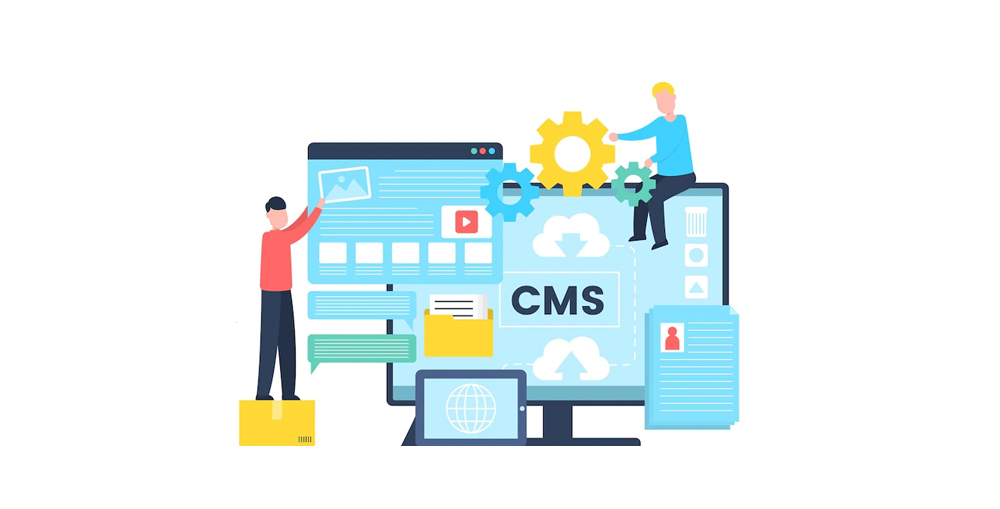
Enterprise Content Management System (CMS) Development

Now a day’s for any enterprise it is extremely important to utilize online and digital channels to communicate with its customers and targeted audience. Here in Dubai and all around the UAE the businesses are progressively adopting digital mediums and channels to enhance their brand exposure. A content management system or CMS is a software tool that allow businesses and enterprises to manage their websites. However, an enterprise content management system have already evolved into a very sophisticated and complex tool which allow enterprises to not only manage the website content but it also enable them to effectively manage customer engagement, customer journey and help them to establish a positive brand identity.

The enterprise content management system (CMS) must also provide features that can help you optimizing various relevant business processes. For example, a document management module or data publishing modules are almost necessary for all enterprises. The customer portals, supplier portals, job portals and various other such portals can improve various internal business processes.

See Also: The Cost of Custom Software Development: Factors to Consider

Enterprise Content Management System (CMS) Development

Corporate and enterprise website are very different from an ordinary business website. The enterprises and large businesses have to provide a lot more information which could include, financial statements, presentations, portfolio, case studies, press releases and much more. And there are usually several different departments and teams working on different sections of the website. That is what makes enterprise content management systems more complex.

Furthermore there could be several registration processes, forms, document processing needs, and other publishing tools. Each enterprise have its own unique requirement and needs, a COTS or commercial off-the-shelf software solution is not enough. Only a customized enterprise content management system can help enterprises to truly unlock the potential of their website and online publishing platform.

Customized SaaS Software Development

The SaaS stands for Software as a Service. With the rise of cloud and its ability to provide excellent cost-efficiency with unmatched performance, businesses start aggressively moving on cloud based solutions and systems. The SaaS (Software as a Service) provides superior security, flexibility, mobility and save huge expenses of managing in-house software and hardware infrastructure management. The SaaS is one of the most popular and rapidly growing cloud computing platform, the service provider hosts an application, put it online and make it available for a group of users or business.

Basically the cloud computing if currently offering three major models, SaaS (Software as a Service), PaaS (Platform as a Service) and IaaS (Infrastructure as a Service). The SaaS is a full-fledge software application that is hosted by the service provider in online and the businesses and their users can easily access it through a web browser.

See Also: Custom Software for Improved Business Efficiency

Customized SaaS Software Development

The biggest advantage is that the software itself, the data, the integration, middleware, and each and everything is located at the service provider’s servers who is not only responsible for ensuring the smooth operation but also the management and any expense of upgrading the hardware or OS related upgrades and security patches, etc. This means the enterprises and businesses doesn’t have to hire IT professional for all these tasks and they are free from managing and upgrading the infrastructure.

Businesses and enterprises can hire a well reputed SaaS developer such as RSI Concepts. Who can build a customized software that can be integrated with existing and third-party tools with simple and secure API based integration methods. For example, ERP, Accounting Software, HRMS and CRM can be integrated via APIs.

Customized SaaS Software Development

Moreover the customized SaaS software can be used as an extension to any of the existing software to maximize its efficiency and usability without completely replacing the system or bearing huge customization cost. These benefits along with easy scalability and pay-per-demand types of business models the customized SaaS software development is gaining huge popularity in Dubai and all around the UAE.

Customized Self-service Software& POS Technology

Customers want instant gratification, they want freedom, more control and flexibility in their business transactions and interactions. This give rise to the self-service software and technology. The POS technology has also evolved side by side with the self-service solutions. Customers can make a purchase from their smartphones, they can send remittance all across the globe from mobile apps, and they can purchase from simple household to sophisticated business solution through online and e-Commerce platform.

This all is possible with the self-service technologies. People want businesses to be available at any time of their convenience, they want to have a very convenient and quick interaction with their favorite brands, which is not possible without the self-service software and POS technologies. The self-service software and POS technologies make it possible to interact with your business at any time and the customers can also make a purchase at any time without even requiring any human interaction. This could significantly increase your sales and revenue.

See Also: Step-by-Step Guide to Planning Your Custom Software Development Project

Customized Self-service Software& POS Technology

Each business has its own unique business identity and a very unique way of dealing with its customers. Which can only be guaranteed with the customized self-service software. The self-service not only help you satisfying your customers and full filling their modern demands, but it also help you reducing expenses and expanding quickly. Whether you are a B2B or B2C model, the self-service software and the POS technologies can help you enhancing your customer’s experience, reducing operational cost while at the same time maximizing your sales and revenue.

Most of the businesses opt for a customized self-service software and POS solution as it allow them to incorporate innovative features and exclusive customer experience which make them unique and help them stand out of the crowed. The customized self-service software and POS technologies are cost-efficient and produce higher ROIs in the long term. Furthermore the customized software are easy to scale and upgrade for the future.

Customized Mobile Apps, Web Apps and Dashboards Development

The smartphones and mobile applications are getting smarter and more important than ever before. In Dubai and all around the UAE almost 99% of the population owns a smartphone and almost the same amount of internet users have been registered too. My current smartphone is more powerful than my laptop of a few years ago. This hardware and software power of the smartphone have completely changed the landscape. People love to use them, they do internet surfing, make purchases, watch videos, and connect through social media networks all by using their smartphones.

On an average a user spends almost 2 to 5 hours daily on their smartphone. That is why businesses have starting using the smartphones to improve their customer experience and customer journey. If you are living in Dubai or any other part of UAE you can access to almost any government service via dedicated mobile app. All banks offer mobile applications, web apps, and online dashboards. Even shopping malls, grocery stores and schools are encouraging people to engage with them via smartphone applications, web apps or dashboards.

See Also: Custom Software Development for Enhanced User Experience

Customized Mobile Apps, Web Apps and Dashboards Development

Businesses can build the mobile apps, web apps, and exclusive dashboards to improve customer interaction and communication. For example a utility company can offer a mobile app, web app or an online customer dashboard that can provide all previous records and their current energy consumption and payment features. Without that a customer might have to call the help center or they might have to visit a customer center to enquire about these information which can now be provided to them within a few taps on the mobile screen or at their laptops/computers.

Such features can literally transform the customer experience and boost their happiness. The dedicated dashboards and web apps can be built for the employees, suppliers, contractors too. No matter if you are a B2B or a B2C business model, the customized mobile apps, web apps, and dashboards can help improving user experience and several internal business processes while saving a lot of resources and minimizing the operational costs.

See Also: Leveraging Big Data in Custom Software Development

Conclusion

Businesses need digital solutions all the time. The IT is considered to be the backbone of any modern business today. Especially in Dubai and all around UAE businesses are heavily relying on digital tools, and solutions to boost their productivity, innovation and performance. Whenever a business needs a software solution, it has two choices, either it goes with a COTS (commercial off-the-shelf software) or a customized software solution. The pre-packaged or off-the-shelf software are quicker to deploy and initial cost is also comparatively lower.

However, in the long run the COTS are not flexible and cost-effective. The off-the-shelf solutions are expensive to scale and difficult to customize or integrate with other tools. Furthermore the COTS software are designed for mass market, hence they doesn’t always fully comply with your needs. They could be industry-specific but still generic, hence the business will have to made several changes in its internal processes and methods to fully adopt the new software.

However, the customized software are tailor-made and 100% compliant with the user needs. Which makes them superior from COTS software. The customized software solutions help improving existing business processes without changing them and doesn’t require any change in the existing business process or workflow. That is why we always encourage our customers to go with a customized software development.

The custom software solutions are also better future optimized, they can scale easily without additional costs, and they provide full control and even ownership to the businesses. In this blog we have listed some most common and most popular customized software types. If you need to learn more about those types or want us to help you with your customized software development needs, please feel free to contact us through our Contact Us page or leave a comment in the comment box below and we will get in touch with you soon.

See Also: How to Improve Queue Management at Your Restaurant?


How to Improve Queue Management at Your Restaurant?

How to Improve Queue Management at Your Restaurant?

Restaurants are always eager to improve queue management. Being a restaurant owner or manager you should know that no one like to wait in a queue when they are hungry, the hungrier customers get the more annoyed they become. Here in Dubai and all around the UAE the market is very dynamic and competitive, mostly people live in high-rise buildings and the mostly the cities are very congested. This results in so many similar businesses in a close proximity. Especially in Dubai and all around the UAE mostly a common consumer can find multiple restaurant and eating options in a close proximity.

Another bigger difference between restaurant customer and a common retail customer is that the retail customer wants to leave as quickly as possible after making a purchase, however, for restaurant customers they want to sit for longer, to have a meal, to socialize and to spend time with friends or companions. That is why queue management for the restaurants is even more important. If a customer enters in a restaurants or fast food outlet or café, and they found it is fully packed, most probably they will consider going somewhere else where they can easily get a table.

How to Improve Queue Management at Your Restaurant?

Furthermore the customer experience is equally important. A restaurant owner or manager might think if people are waiting in queues to have their dinner they are successful however, that is not the case, the people who are getting bad experiences are tend to leave the business. Let say you a restaurant customer is hungry and they have to wait for at least 10 minutes, they will become annoyed and most probably they will sit with a negative mindset, in such customers are more likely to post a negative comment or opinion online, and sometimes if a customer starts with a negative interaction and at the end the food is failed to satisfy them.

In this modern era of digital dominance, your customers might post a negative review in social media or Google or they might tell other about their bad experience, which will not only harm your brand identity but it will also repel them. This could have a very negative impact on the business in long term. It will increase customer churn rate, and it will also harm your reputation. For a restaurant whose customers are mostly from the surrounding areas, having a negative brand reputation could be catastrophic. In this blog we will tell you how you can improve your customers experience by improving your queue management.

See Also: From Chaos to Control: How Queue Management Systems Can Improve Your Business

How to Improve Queue Management at Your Restaurant?

Improve Customer’s Waiting Experience

A standard queue management system comes with a digital signage or HD TVs. These displays are used to provide queuing information and to run multimedia content. Restaurants can utilize this these large displays for multiple purposes such as they can provide estimated time for the waiting customers and they can run adverts, promotional content or even entertainment media just to keep the customers busy and distracted from the waiting.

Studies have shown that more than 85% of the customers would be happy to pay extra if they are getting a good customer experience. Keeping customer engaged and entertaining them improves their waiting experience. Furthermore the restaurants can play sports, news and music channels to distract their customers. If the customers get engaged with the TV they will going to feel less stress of the waiting time. Hence their experience will improve. Restaurants can offer small eateries, appetizers, etc. to further keep customers happy and engaged.

Improve Customer’s Waiting Experience

The restaurant staff always know the habits of regular customers and over the time they also become able to estimate how much time someone will going to take hence they can tell the waiting customers how much more time they might have to wait. The problem is when the staff lied to keep the customer waiting, it is important to be truthful. First thing you are just telling them estimated time as no one can know if the customer will leave after finishing the meal or will they order some drinks or maybe tea or something.

See Also: The Role of AI in Enhancing Queue Management Systems

So, the customers will also understand that fact. Second thing is if a customer know how much more they will have to wait, they will remain more calm and understanding. Without any clear indication of how much time one have to wait, they easily get stressed. So, providing your customers with an estimated wait time can also improve their experience.

Improve Customer’s Waiting Experience

Queue Management System Provides SMS Alerts

Restaurant in Dubai and all across the UAE uses token systems, these tokens are physical devices which are being provided to the customers when they place an order. The restaurant staff have control to notify the customers. When their turn came, the electronic device starts beeping or ringing and alert the customers hence no customer misses their turn. The problem with these devices are that they have limited range, and usually the customer will have to physically present at the restaurant all the time.

However, the queue management system have in-built SMS alert system. Which offers more freedom and convenient to the customers and allow them to roam wherever they want whether it is window shopping, or they are going to buy something, they can do so without any fear. Whenever their turn will come they will receive an SMS. A queue management system can also be programmed to send multiple SMS and reminders as well rather just a single SMS. Such features and convenience improve customer experience and increase their loyalty.

See Also: Must have features of a Queue Management System

Queue Management System Provides SMS Alerts

Integrate Virtual Queuing and Pre-Orders

The virtual queuing is one of the most modern form of queue management. A virtual queue management system comes with features that allow users to sign-up for virtual queues through remote channels which means the customer or visitor is not required to be physically present in the waiting lines. However, the restaurant can utilize the features of a virtual queue management system to further facilitate their customers and to minimize the wait time. Almost all restaurants take reservations and bookings.

When the customer reserve their table they don’t have to wait at the restaurant and they can get the table immediately as soon as they arrived no matter if the rest of the restaurant is full or empty. Usually people reserve tables and then arrive at their time of reservation hence they don’t have to wait. However, the virtual queue management system can enable restaurants to offer pre-order facility through the connected channels. Restaurant can utilize their website, mobile application, email, SMS and call center to take reservations and pre-orders.

See Also: How to Set Up SMS based Queue Management System?

Integrate Virtual Queuing and Pre-Orders

Restaurant can encourage their customers to utilize online mediums such as website and mobile application which are very convenient and also doesn’t put extra work on the employees. The restaurant can publish their entire menu on their website and mobile application and they can also update it on daily bases. This allows the customers to not only reserve a table but also order their meal. Such orders can automatically sent to the relevant staff with the time of the reservation and as soon as the customer arrives at the restaurants, they immediately get their food. The customer don’t even have to wait on the table.

Another upside is that the average customer service time decreased significantly. Because usually customers can take somewhere from two to fifteen minutes to place the order and if it is a big family or a group of friend, they usually take more time to place an order. This time eventually adds up to the waiting time.

See Also: Mobile Queue Management: The Rise of App-Based Solutions

Integrate Virtual Queuing and Pre-Orders

But with the help of virtual queuing all this time can be utilized to serve other customers, this also increase productivity of the restaurant and increase their capability to serve more customers in a single day at the same number of tables. The virtual queue management systems help improving customer experience as well as it also help generating more revenue while ensuring a great ROI in long term.

Queue Management System for Walk-in-only Restaurants

Allowing your customers to reserve a table online and pre-order facility offers great user experience however, not every restaurant wants to do that. In Dubai and all around the UAE there are certain restaurants especially the fast food restaurants which always have long queues during the busy hours. For such restaurants and fast food businesses a queue management system can be a great help, by issuing tickets the restaurant can turn tables more quickly by reducing the delay between first customer and the next customer.

The queue management system can keep announcing the next in line ticket number and also inform them about their table, which provide them enough time to get ready as soon as their turn came. Furthermore these restaurant can also apply first-come first-serve policy which also help next customer to quickly find their table and prevent unnecessary disputes and management issues which impact customer experience.

See Also: How a Queue Management System Can Transform Your Business Operations

Queue Management System for Walk-in-only Restaurants

Queue Management System can Collect Valuable Business Intelligence Data

The modern businesses are data driven. The technology is integrated deeply in our daily lives. Not only in Dubai, UAE but all around the world the information technology has become an essential part of a business. Restaurant owners or managers know very well about their peak hours. However, sometime they face unexpected scenarios, it is because without a quantifiable data all they are doing is just making assumptions.

However, a queue management system can record each and every customer and relevant statistical data. Which provide restaurant owners and managers with a very accurate and quantifiable business intelligence data. The restaurant owners and managers can easily learn various trends form this data which can help them in making strategies and plans and make them ready for all situations.

Queue Management System can Collect Valuable Business Intelligence Data

Furthermore a queue management system can easily get integrated with other business tools and systems which enables it to improve the data quality. For example, if the orders can be relate to the time and number of customers a restaurant can easily understand the ordering pattern and trends. There are so many other possibilities which make queue management system a great tool for collecting valuable business intelligence data.

See Also: What are the Basic Components of Queue Management System?

Conclusion

Restaurants and fast food businesses in Dubai and all around the UAE have started realizing the importance of the queue management system and its impact on customer experience. For any business the customer experience is very crucial. A bad customer experience will repel your customers and it will also harm your brand reputation. A good customer experience on the other hand can not only increase customer loyalty but it also help improving brand reputation. Here in Dubai and in fact in the entire UAE the market is very competitive. The customers always have multiple options available. On top of that now a day’s customer put experience almost equal to the service or product quality. That is why restaurants are adopting digital queue management systems.

A queue management system helps reducing the customer wait time and it ensures a smooth customer flow. Furthermore a queue management system can also improve customer’s waiting experience by offering them a variety of engaging features. Restaurants can also adopt virtual queue management system and utilize its features to increase their sales and revenue. The virtual queue management also offer remote sign-up, pre-order and multiple other features which enhance customer experience, reduce wait time and increase overall productivity.

With the help of a queue management system the restaurant and fast food businesses can serve more customer in a single day which increase their sales and improve their operational capabilities. RSI Concepts is a leading queue management system provider in Dubai, UAE. If you want to learn more about the subject or want us to help you with your queuing problems, please feel free to contact us through our Contact Us page or leave a comment in the comment box below and we will get in touch with you soon.

See Also: Trends in custom software development in 2022

See Also: Why Small and Local Businesses Need a Queue Management System?


Trends in Custom Software Development in 2024-2025

Trends in custom software development in 2022

[Updated June 2025]

In the modern world the businesses have become more dependent on the IT technology and digital systems. The businesses are more data driven than ever before. This puts software and IT at the center point of any business. In Dubai and all around the UAE the markets are very competitive, the industries are very advanced and modernized. The customer trends are also changing abruptly and frequently. For any business with a long term goals and vision it is crucial to be prepared and responsive to all those changes.

That is why businesses use a variety of software solutions to help them keep up with the ever-changing market trends. These software have revolutionized the businesses and their day-to-day operations. Whether it is off-the-shelf software or a customized software solution, it offers great many benefits for growing businesses. The automation is taking over gradually and the software and IT infrastructure have become a very valuable asset for any business. That is why the software development industry have also witnessed unprecedented growth across all fields.

Trends in custom software development in 2022

From the HR department to strategy making, from manufacturing to supply chain management and from marketing to customer relationship management, all business functions require a software based IT infrastructure to support their daily operations and to maximize the output of the business processes. No matter how big or small your operations is or to which industry or sector you belongs to, the software based solutions are absolutely essential to compete in the market. All software can be classified as COTS (commercial off-the-shelf or ready-made software), MOTS (modifiable or modified off-the-shelf software), GOTS (Government off-the-shelf software solutions) and custom software development.

For COTS, MOTS, and GOTS the software infrastructure is built for general purpose, however, it can be modified to meet specific needs of the customer in some cases. Whereas the customized software development is totally tailor-made software solution which is exclusively developed and designed to meet the needs of a specific group of users or a business.

See Also: Why Off-the-Shelf Solutions Fall Short: Advantages of Custom Software Development

Trends in custom software development in 2022

Each software development type have its own merits and demerits however, the flexibility, control and excellent long-term ROI makes customized software development far superior than the others. That is why businesses in Dubai, UAE and all around the world are realizing the effectiveness and convenience of the customized software development resulting in huge growth in the market. When it comes to customized software development most of the time the businesses outsource them due to the limitation of the in-house IT department.

That is why businesses need to acquire knowledge about customized software and the latest market trends to be able to build a great high-performance software solution. Here are the latest trends and most disruptive technologies in customized software development in 2022 and most likely these all trends& technologies will remain relevant for the 2023 as well as for several more years in future.

See Also: The Cost of Custom Software Development: Factors to Consider

Cloud Technology

The cloud computing or virtual computing has proven to be one of the most disruptive technology which restructuring the IT landscape all around the world. According to a press release by Gartner the worldwide cloud market is expected to reach to USD 480 Billion by the end of 2022 which is almost 22% growth from the USD 396 Billion in previous year. With the increasing deployments of 5G technology all around the world, the cloud computing market is set to explode in coming years.

The main reason for cloud adaptation is the rising needs of computing power, rising expense of traditional data centers and flexible and cost-efficient plans for the cloud computing. The biggest advantage of cloud computing is on-demand based services. Businesses can get the infrastructure as per their needs, and they have to pay only for what they need, no more bundles and packages or rented servers. Which makes cloud technology more cost-efficient and an ideal solution to improve business efficiency and productivity.

See Also: Leveraging Big Data in Custom Software Development

Cloud Technology

Furthermore it provide huge storage capacities at a very cheap rates and the computing resources are also far superior then the traditional hosting.

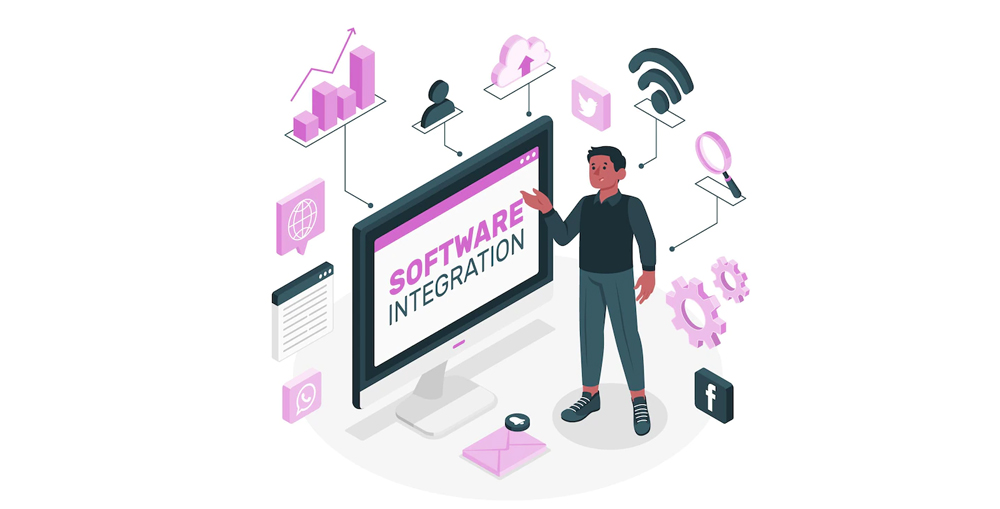
Software Integration

There was a time when businesses were demanding only standalone systems and software. The integration was not as that popular because the standalone systems were enough. However, since past decade the markets have become more dynamic and changes are more abrupt. This requires excellent communication and quicker data processing. The market trends and the growing demand from the customers pushed businesses to develop inter-connected systems and more robust IT infrastructure. As a well connected IT infrastructure ensures seamless flow of information and empower data-driven decisions.

The integration enables different software to communicate with each other that also includes real-time data synchronization. Which makes customized software development an essential tool for digital transformation and growth in a competitive market landscape. The modern customer experience and customer expectations also demand interconnectivity at the user touch points. This compelled businesses to innovate more integrated and connected software solutions. The data that was previously stored on multiple isolated databases, is now available for all business functions instantly.

See Also: Step-by-Step Guide to Planning Your Custom Software Development Project

Software Integration

Some businesses use a centralized information system which gathers data from all connected systems and make it available whenever needed and wherever needed. This all is only possible with software integration. This trend is gaining more popularity since 2021-2022 and in fact in some cases multiple organizations also integrate their software to enable automated and instant data communication across different organizational networks. The software integration has evolved from a popular trend to a benchmark and industry standard in 2025.

Progressive Web Apps (PWAs)

The progressive web apps are a based on certain technologies that can utilize both the website and the native app features. It can be viewed in a web browser like a simple web app or website and it can also be installed on the supported operating system and can also work offline. Furthermore the Progressive Web Apps are built on advanced software platforms that can enhance user experience by providing them both an app and a website like experience.

The Progressive Web Apps can support push notifications, alerts and they can access the device hardware too which enable businesses to offer advanced features that add value and convenience to the user experience. Studies have revealed that the modern day consumers put user experience equal to the quality of the product. This makes customer experience a crucial aspect of the customer satisfaction strategy.

See Also: Custom Software Development Progressive Web Apps – Beginner’s Guide

Progressive Web Apps (PWAs)

The PWAs are created using multiple technologies that allow them to provide excellent cross-platform compatibility without any trade-off or losing user experience. The progressive web apps are software that are designed to enhance the efficiency and user experience but this doesn’t make them expensive and sophisticated, in fact with just a small investment a business can gain huge advantages for its customers and employees which eventually translates to higher productivity and profitability.

Artificial Intelligence Based Software

The rise in cloud computing and super-fast and efficient hardware development and need to process huge data is encouraging businesses and corporations to adopt to Artificial Intelligence (AI). That is why businesses all over the world are funding research and development in the field of artificial intelligence. The role of AI in custom software solutions can’t be denied anymore. In fact the use of Al (artificial intelligence), Smart Algorithms, Artificial Neural Network (ANN), customized AI Agents, LLM (Large Language Models), NLP (Natural Language Processing), and ML (Machine Learning) is increasing all around the world across all industries.

But unfortunately in Dubai and other parts of UAE or in fact all around the world there is a common perception about the Artificial Intelligence (AI),which is that it is a very expensive technology. The matter of the fact is it is somewhat expensive indeed, but still software developer can utilize them within their apps. The businesses who uses Artificial Intelligence (AI) as per their needs most commonly the AI based solutions are witnessing greatly enhanced user experience and acquire capabilities to analyze large volume of business intelligence data with extreme accuracy and efficiency.

See Also: How Customized AI Agents are Revolutionizing Business Automation
Artificial Intelligence Based Software

The AI and algorithms can be programed to help businesses understanding trends, patterns and even making future projections on the bases of historical data. The latest hardware is capable of delivering lightning-speed data transfer rates, which makes it possible for the AI based software to work efficiently. The artificial intelligence has become essential part of the search engines, social media, communication and digital marketing platforms. Businesses can now develop intelligent software on very economical costs and with greater efficiency.

IoT Based Industrial Software

The IoT or internet of things is a network of things, which are physical objects. These objects are also referred to as smart things or smart equipment. These things can be connected to a mainframe where pre-programed algorithms control them and take decisions, the smart devices have ability to communicate with other devices as well as to work on their own or by the instructions from the mainframe or server. These devices are usually equipped with smart software, sensors and other mechanical features.

The IoT is also known as smart home or office automation but its industrial application is rapidly increasing since 2022. We will see rise in IoT compatible software applications for both public and industrial sectors in the coming years. The use of IoT based devices in the industrial software and tools increase the work efficiency by automating data collection, processing and data analysis. Without the help of software these tasks require a lot of human resources with lesser accuracy.

See Also: The Future of ERP: Leveraging AI for Smarter Enterprise Management

IoT Based Industrial Software

Since upgrading an entire industry is a very expensive task and businesses often don’t do that. This compelled big technology manufacturers to develop intermediary devices which can act like a bridge between the older technologies and the newer ones. That is why the IoT based industrial software development has raised in 2022 and we are anticipating that the trend will increase in the coming years.

Blockchain and Web3 Based Software

The Blockchain and web3 is offering an alternate to the classical technology with more agility, transparency and security. Although the technology has been introduced in 2008 but in past few years it gain rapid adaptation by financial sector and many industries. It provide a de-centralized, secure and completely transparent platform which businesses have started using to upgrade their internal echo systems.

Obviously when we read or hear Blockchain the first thing that came to our mind is Bitcoin, however, the Bitcoin, Ethereum or any other crypto currency cannot exist without the Blockchain. Especially the application in the cyber-security and commerce are endless. Furthermore the financial sector, logistics, corporate sector and research institutions are heavily utilizing the potential of the Blockchain and web3 based custom software development.

See Also: Custom Software Development for Enhanced User Experience

Blockchain and Web3 Based Software

Regardless of the industry the Blockchain and web3 are used to transform the business models and offering decentralized solutions with added benefits of security, transparency and ability to create more revenue streams. The technology is still in its infancy however, since the beginning of 2022 we are witnessing a huge increase in demand and the trend could continue for many coming years in future.

Low-code or No-code Custom Software Development Platforms

The low-code or no-code custom software development platform are gaining huge popularity since past few years and since the beginning of 2022 these tools are becoming more popular as the awareness about such tools has also increased all across the cyber world. The biggest advantage of utilizing a low-code of no-code custom software development platform is the independence and cost-efficacy.

As hiring an in-house software development team or hiring a custom software development company is a very expensive feat. Businesses are diverting their attentions to the low-code or no-code customer software development methods and technologies. Again thanks to the advancements in the cloud computing and the artificial intelligence (AI) the low-code or no-code custom software development platforms become a possibility and also available for anyone worldwide.

See Also: The Role of AI Agents in Transforming Core Business Application Functions

Low-code or No-code Custom Software Development Platforms

Rather building a custom software from scratch and doing programing and source code the businesses can chose an appropriate platform that allow them to create customized software with the help of a very intuitive UI (user interface), mostly the drag and drop is enough to create a basic level web app or mobile application.

The process is extremely quick and cost-efficient which is another reason of the increasing popularity of low-code or no-code custom software development platforms. When it comes to custom software development, businesses often chose to get them done by inhouse teams. Both the in-house and outsourcing have its own benefits, but it is better to engage with a professional software development agency, such as RSI Concepts to ensure good quality and better ROI.

Conclusion

The custom software development provides much more flexibility, control and freedom comparing to the commercial off-the-shelf software solutions. That is why more and more businesses are now investing into customized software development instead of acquiring an off-the-shelf solution. However, many businesses and organizations in Dubai, UAE are not as that familiar of the potential of the customized software development. In this blog we have mentioned a few popular trends in the customized software development.

These all trends are most likely to remain popular throughout the 2022 and for many more coming years in future. With the ability to tailor-made a solution 100% as per your needs can boost its efficiency and impact. That is why businesses can utilize the customized software development to bring in innovative solutions and ideas that can provide them much needed competitive edge. Competitive advantage and exclusivity could be a game changer for any business.

RSI Concepts is a leading brand name in customized software development in Dubai, UAE. If you want to learn more or if you want us to help you with your next customized software development project, please feel free to contact us through our Contact Us page or leave a comment in the comment box below and we will get in touch with you soon.

See Also: How to Develop Customized Enterprise Performance Management Software?


How to Develop Customized Enterprise Performance Management Software?

How to Develop Customized Enterprise Performance Management Software?

This blog will provide you basic understanding of the performance management system software and how you can develop a customized enterprise performance management software. In Dubai and all around the UAE the markets are very competitive and the customer trends are always changing. If a business wants to excel in such environment they must have to make sure that each business function is working at their maximum level and each individual employee is delivering the best of their work.

The performance management is not a one time work, in fact it is a continuous process that can take years to reach to the maximum performance and efficiency. A modern performance management systems and software offers many benefits and features which directly or indirectly impact the overall performance of the business and organizational culture.

How to Develop Customized Enterprise Performance Management Software?

There are several benefits of the performance management software. The biggest advantage of any performance management software is that it allow the management to implement their strategy more effectively and communicate their goals with the employees. It help employees understand their job roles, business’s expectations from them, their contribution required in the high-level organizational goals and objectives and it also provide them the roadmap/plan to effectively meet the expectations and ensure maximum performance and efficiency.

The performance management software automate crucial processes and it can easily track the current performance in real-time and it also keeps the past evaluations which help the management to understand the employee and it also help them to assess the employee development programs and training programs and a lot many things. Businesses should also measure the ROI of their performance management system to understand and evaluate the impact and actual benefits of the solution on overall profitability and revenue generation.

How to Develop Customized Enterprise Performance Management Software?

Today’s world is heavily data driven, no matter which industry or business sector you belongs to, the data is crucially important. The technology have rooted deeply in our daily lives. Especially in Dubai and all around the UAE where the technology and digital IT infrastructure is dominating the businesses, it is crucial to have effective and efficient digital strategy. Now a day’s even a small retail store can’t operation without a simple digital POS machine. As much as the business grows the integration with modern technology and solutions grows too.

A performance management software is one of the best asset a business can utilize to achieve its long term and short term goals. There are two major types of enterprise performance management software. One is the off-the-shelf or ready-made solution which is provided by several vendors, the second type is customized enterprise performance management software which is far superior then the off-the-shelf solutions.

See Also: What is Continuous Performance Management? Complete Guide!

How to Develop Customized Enterprise Performance Management Software?

The customized enterprise performance management software provide more control, flexibility and it is very cost-efficient in the long term. Here in this blog we will discuss how a business without any prior experience or expertise can develop a high-quality enterprise performance management software.

Step 1: Develop Customized Enterprise Performance Management Software – Discovery Phase

For the enterprise performance management software or any other customized enterprise solution the first step is called discovery phase or requirement gathering phase. A business owner or senior manager can either take matter into their hands or they can also appoint a project in charge who should take responsibility of everything. The first step starts with the research. Not too technical, only basic research to understand the software and it is better to look up for some case studies and go through them. This will provide you a basic understanding of the enterprise performance management software and what other businesses are doing and how they are doing it.

You can also easily find those case studies online and also on the websites of the custom software development companies. If you are located in Dubai or anywhere in the UAE it is better to look up for the case studies from your region. These case studies will help you understand the best performance management tools and techniques to boost efficiency, optimize cost and enhance overall outcomes. Anyways, case studies no matter from where would be a great start. This will provide you excellent understanding of what you can do and what you can expect from the customized enterprise performance management software.

See Also: 5 Challenges in implementing Performance Management System

Develop Customized Enterprise Performance Management Software – Discovery Phase

Step 2: Develop Customized Enterprise Performance Management Software – Set Goals and Make Plan

Whenever a business invest in any solution or software the first thing they do is to set a goal and then select the appropriate tools to achieve those goals. For customized enterprise performance management software the prime objective is to boost the performance of the entire business including all its business functions, management, the individual employees and leadership development. But the biggest challenge is that each business have certain limitations in terms of resources and capabilities.

For example if you want to improve a product you have an excellent team who can design a great product but your production facility is running on old machinery which is not capable of manufacturing that product. In that case you can’t achieve your goal. So, the goals should be realistic and achievable. That was just one example, there could be hundred different scenarios where the business can face a road block. In such situations the customized performance management systems tends to be more effective than the off-the-shelf solutions.

See Also: How to Set Goals for your Employees in Performance Management System?

Develop Customized Enterprise Performance Management Software – Set Goals and Make Plan

Anyways, setting up goals like improvement in customer retention, increase in sales and improvement in resource management are the goals that any business can easily achieve. For those goals the business can set objectives such as 20% reduction in customer churn rate, 15% improvement in NPS (Net Promoter Score), 30% reduction in customer wait time, etc. For these objectives the business can make workable plans and good strategies.

Such objectives are clearly quantifiable hence a plan can be built to achieve those objectives and overall organizational goals. A customized enterprise performance management software allow businesses to easily implement their strategy and execute plans effectively to insure their goals will be achieved. Further it offers a comprehensive and modern performance appraisal framework which help businesses to engage and enhance their workforce.

See Also: 6 Performance Management Problems and How to Solve Them?

Step 3: Develop Customized Enterprise Performance Management Software – Hire a Custom Software Development Company in Dubai, UAE

For the development of customized enterprise performance management software hiring a custom software development company in Dubai, UAE could be a trickier task. There are hundreds if not thousands of software development companies located in Dubai alone and there are many more all around the UAE. This makes it difficult for a business owner or the manager to select a right software development company for their customized enterprise performance management software. Here are some steps if followed as per the following order could help you identify a good service provider:

  • Make a list of 10 to 12 custom software development companies in Dubai or anywhere in UAE
  • The list can be prepared by simple Google search or you can ask your colleagues, friends and professional connection to suggest software development companies or it can also be a combination of both
  • Spend some time on exploring the websites of all the companies that you have in your list
  • Scrutinize their websites in terms of design, the information, overall look and feel, their portfolio, business partners, awards, testimonials, and media center (blog, PR, case studies, etc.)
  • Trust on your guts and rearrange the list by putting the best at the top, you can also discard a few at this stage if you feel they are not good enough or doesn’t have strong profile
  • Contact all of the short listed software development companies and ask them to sign NDA with you, then share your project plan, objectives and goals with them and ask them to submit their proposal and quotations
  • Analyze those proposals and discard the companies who failed to understand your requirements correctly or who are offering you a very vague, general purpose type solution
  • Now you would be remaining with only 4 to 5 or maybe even less companies, ask them to provide you the contacts of at least any 3 customers to whom they have provided a similar solution and take their opinion about the vendor
  • Now start negotiation on both technical and commercial proposals and try to reduce the project cost as much as you could while getting maximum features
  • Now you are in a position to easily select the best customer software development company
  • Sign agreements and agree on a project plan as well as payment and other terms and conditions

See Also: Choosing a Performance Management System A Buyer’s Guide

Develop Customized Enterprise Performance Management Software – Hire a Custom Software Development Company in Dubai, UAE

If you are still reading you might have noticed I haven’t mention anything about off-shore customer software development companies at all. There are hundreds of off-shore companies who are serving customers here in UAE but there are thousands who could get you to a failure. In addition to that any off-shore company is not bound by the UAE laws that protect customers in such business transactions. That is why it is better to avoid off-shore service provider and chose a customer software development company in Dubai, such as RSI Concepts  or anywhere else from the UAE.

Step 4: Develop Customized Enterprise Performance Management Software – Project Execution

The customized enterprise performance management software project execution is a simple and fairly straightforward. Since the project plan is already drawn the scope of the software is already agreed in the previous stages now it is only the matter of time. However, there are some important things that you should consider when the project enters into the development phase. Here is how the customized enterprise performance management software development project is executed step by step:

  • Wireframe: The wireframes are layouts and diagrams that describe how the actual software will look and how each functionality will be provided. It is basically the blue print of the entire software.
  • UI/UX Design: The UI (user interface) and UX (user experience) is crucial for the success of any software. Be vigilant at this stage, carefully examination of the UI and all the screens will provide you the details of the UX. At this stage changes can be made easily, on later stages the changes could cost you more time and money.
  • App Development: The app development phase is where the developer add source code and develop algorithms. All the functionalities are developed at this stage.
  • Quality Testing: Some development companies do in-house testing some also invite customers to participate in this phase. Either way the final product is tested to see if all the features are working as per agreed previously or not. The software development company also do bug-fixing and quality assurance at this stage.
  • Security Testing: For any business the data collected by the enterprise performance management software is crucial for data-driven decision making. So a detailed security testing is required. Usually business acquire a third-party to do the security testing.
  • UAT: The UAT or user acceptance test is done by a selective group from the actual software users. Majorly the project teams, management and some key employees perform UAT. Once approved the project is ready for the launch.
  • Beta Launch: The beta launch or soft launch is a pre-launch step, in this the software is made available for a larger group of users. Who test it and usually the training also take place during this stage.

See Also: How Performance Management Systems Enhance Employee Engagement

Develop Customized Enterprise Performance Management Software – Project Execution

Step 5: Develop Customized Enterprise Performance Management Software – Launch

In the launch phase the customized enterprise performance management software is made available for all the users and it starts operations. After the launch another important thing is the maintenance of the customized enterprise performance management system software. Such software doesn’t usually require much maintenance. As they are usually at the cloud or online hosting, which is managed by the service provider so businesses doesn’t have to worry much about it.

Even if it is hosted at on-premises data center, the management team could easily keep it operational. However, it is still very beneficial to sign an annual maintenance agreement with the development company. As it can provide additional support and few minor changes can also be accommodated under that agreement.

See Also: Linking Performance Management to Business Outcomes

Develop Customized Enterprise Performance Management Software – Launch

Conclusion

The enterprise performance management software is a very important asset for any business or organization. It provides the management with a real-time and 360 view of what is happening. The enterprise performance management software provide both macro and micro level monitoring features which are very helpful for improving efficiency and boosting employee performance. The managers can get the performance data which help them to quickly identify the hurdles and issues and provide them a chance to evaluate their actions and changes that they made to overcome those obstacles. Furthermore the enterprise performance management and appraisal software is a key component to reduce employee turnover and improve the overall workforce of the business. A capable team and efficient business processes are key to productivity, profitability and growth.

RSI Concepts is a leading custom software development company in Dubai, UAE with specialized skills and experience in customized enterprise performance management software. If you want to learn more about the subject or need our help to develop a super-efficient customized enterprise performance management software for you, please feel free to contact us via our Contact Us page or leave a comment in the comment box below and we will get in touch with you soon.

See Also: How the HR should select a Performance Management System?


How the HR should select a Performance Management System?

How the HR should select a Performance Management System

For any business the human resource is considered to be the backbone of the business. The HR is responsible for hiring skilled staff. The HR is also responsible for employee retention and employee happiness. Job satisfaction is a very positive factor and can boost one’s performance by many times. Here in Dubai and all around the UAE the market is very competitive, the customers are also very savvy and there are other challenges too which makes it extremely crucial to make your employees productive and efficient.

For that businesses uses multiple methods and tactics, most of the businesses use a software-based performance management system. The main reason to use a performance management system is to measure and evaluate the employee performance and their impact on the high-level organizational objectives and goals. Basically the performance management system is used to make sure all the employees and departments are working in the right direction to achieve the high-level organizational goals and objectives.

See Also: Benefits of Implementing a Modern Performance Management System

How the HR should select a Performance Management System

The continuous performance monitoring and evaluation also help encouraging employees to perform well. The performance management system is also used to improve employee’s capabilities. It helps HR in many ways and it enable businesses to implement employee development programs which help them improving their employees’ professional skills and capabilities. The performance management system is also a great tool to understand the strengths and weaknesses of the employees which help businesses in effective and efficient resource planning and management. All these benefits can help businesses and organizations in achieving their goals and objectives and maximize the productivity and profitability of the business.

When it comes to implementing a performance management system there are several options available in the market. Here in Dubai and all around the UAE the off-the-shelf and ready-made solutions are in abundance which also makes it difficult for the HR to decide which system they should acquire. Obviously each business have different needs and plans, so in this blog we will discuss how the HR should choose the right system for their needs.

See Also: 6 Performance Management Problems and How to Solve Them?

What is a Performance Management System?

A modern performance management system is mainly a software which have in-built features that allow the businesses and organizations to execute the performance management tasks and strategy. There are two major parts of a modern performance management system. First part is called performance management system which is drawing a roadmap to achieve the goals. The second part is performance appraisal system which is basically measuring the performance and progress of each individual employee, teams, departments and management with the reference to the high-level organizational goals and objectives. Although most of the time the performance management system and the appraisal management system are interchanged and referred to as the performance management system only.

What is a Performance Management System?

The performance management system software can be hosted on cloud, online hosting or in local/in-premises data centers. The system is interlinked with the central information center as well as all necessary systems and tools via API based integration which enables it to synchronize, update and push data to and from other systems. This will help increasing the reach and easy accessibility is a key to enhancing employee engagement. It also help eliminating the information siloes and help synchronizing different business function for seamless information flow.

Here are a few important things that the HR should consider while selecting a performance management system:

Performance Management System Software Technology and Platform

For any performance management system the software technology and the platform is crucial as it will not only support businesses with customization and scalability but it also have huge impact on the cost. The performance management system must be built on a widely available technology. Hence the changes or customization should be easy. These days many performance management systems are utilizing open-source programing platforms which is very cost-efficient and easy to customize. Furthermore the performance management system should be able to provide easy and cost-efficient scalability. The performance management system’s software consists of user interfaces (UIs) and a core server application.

See Also: The Impact of Performance Management on Organizational Culture

Performance Management System Software Technology and Platform

The server application is where all the source code and algorithms are stored and executed. Hence the software platform should be able to support multiple server technologies such as online hosting, cloud hosting, local or in-premises hosting solutions. This will enable the business to choose appropriate solution as per their convenient and doesn’t put extra strain on the expense by forcing them to opt for a particular hosting technology.

Exclusive and Intuitive User Interfaces (UIs)

For performance management system or in fact for any system it is extremely crucial that the users are able to use it without any trouble. The intuitiveness and simplicity improves user experience which improves the overall efficiency and efficacy of the system. For the performance management system as it should be utilized by different all of the employees who all have different level of IT proficiency and computer knowledge, so the user interfaces should be designed to keep the users in mind. In a standard performance management system there are several different types of user interfaces which are all designed for different user groups, for example the user interface (UI) for the employee would be very different from the user interface for the CEO or the top level executives.

See Also: How to Set Goals for your Employees in Performance Management System?

Exclusive and Intuitive User Interfaces (UIs)

That is why it is extremely important that the user interface is easy to understand and intuitive. In some cases if training is required then the training should be provided to the staff. An employee or even a manager can only get the full benefits of the performance management system if they could use it easily.

Flexible Goals and Objectives Implementation

This is the most important part of any performance management system. The performance management system must have to be very flexible and user-friendly to enable the users to easily set goals and objectives in the system. At every managerial hierarchy till the individual employees the system administration (which is top level management) should be able to transmit the goals and objectives. In-built features should allow the board of directors and senior management to communicate the high-level organizational goals and objectives with the head of departments, directors, etc. and then they should be able to communicate those goals to their respective teams.

For example the director operations should be able to set goals of the managers from the department and then they can do the same for the next level of employees and then the line managers, supervisors, etc. and at last the individual employees. This should be available for all business functions.

See Also: How to Use Performance Management Systems for Leadership Development

Flexible Goals and Objectives Implementation

In this way the high-level organizational goals and objectives can be effectively communicated to everyone in the chain and businesses can get better results. Furthermore a good performance management system always encourage inputs and feedbacks from the individual employees and lower level management, which help them understand the goals much better and when employee have their say in planning and strategic affairs they feel more compassionate about their work and become more loyal with their employer. This can help improving their performance too.

Strong Monitoring Tools and Dynamic Strategy Implementation Approach

Most of the time the high-level organizational goals and objectives never changed, they remain same for the entire year. However, due to unplanned and unforeseen circumstances the individual goals and plan of action can be changed to remain on course for the high-level organizational goals. This requires continuous monitoring of the performance and the progress. A good performance management system should be very flexible towards implementing strategy and plans. It should provide continuous performance data to the managers and supervisors and let them change or amend the goals at any time. This course correction help them dealing with unforeseen events, interruptions and unplanned events.

See Also: 5 Challenges in implementing Performance Management System

Strong Monitoring Tools and Dynamic Strategy Implementation Approach

Another upside is that it also enables continuous performance management and provide real-time data to the employees as well and it also provides them with a chance to improve their performance to reach their goals and objectives. Furthermore it also estimate the impact of the individual performance on the overall performance of the team, department and the organization as well. Which also help encouraging the employees to perform well and it gives them a sense of importance which is good to improve employee loyalty and employee retention.

Continuous Employee Feedback

For any performance and appraisal management system the employee feedback is absolutely essential. It provides management a chance to evaluate the employees in a more accurate and better way and it also help reducing the communication barrier which is usually present among the junior employees and the management. The performance management system should have a dedicated in-built module for the employee feedback management. Where the managers should have ability to schedule one-on-one feedback sessions for any of their subordinate and also the manager who will be conducting the feedback session. The performance management system should also include online feedback features to conduct online surveys and feedbacks.

See Also: Why Automating Performance Management is Important for Businesses?

Continuous Employee Feedback

Furthermore the peer-to-peer, top-to-bottom and bottom-to-top feedback collection mechanisms should be available. These features can become very handy for the HR department and they also help understanding the problems and issues of the employees in greater depths.

Employee Appraisal Management & Reward Modules

The employee appraisal management is a very crucial part of the performance management. The employee appraisal is basically their performance during a particular time period. The employee appraisal management modules measure the employee performance on the bases of their progress towards the objectives, goals, and their contribution in the overall organizational goals and objectives. The appraisal management is the key component that is used to align all organizational resources with the high-level organizational goals and keep everyone on track to ensure the high-level goals and objectives will be achieved.

The management by objectives is a modern appraisal method that involves employees in goal setting and strategy building process. Furthermore there are other methods too such as behaviorally anchored performance scales, 360 degree feedback, straight ranking appraisal, accounting appraisals, etc. and many more. A software-powered performance management solution help adopting and effectively implementing innovative performance appraisal methods for better results and long-term impact.

See Also: Data-Driven Decision Making in Performance Management

Employee Appraisal Management & Reward Modules

A good performance management system should not only support all these methods but it should also be able to allow the management to customize and configure their own methods and techniques. The appraisals play a crucial role in improving the overall productivity and profitability of the business. On the bases of the performance evaluation the performance management system should also help businesses to implement an effective reward program. The reward program help businesses in improving employee’s morals, encouraging them to perform even better in future.

Furthermore the performance management system can provide accurate data on technical and behavioral competencies which help businesses to setup and plan training programs and it also help them in measuring the effects of the trainings and skill enhancement programs. These features help businesses linking their performance management strategy with actual business outcomes. This further helps HR to improve the overall operational and professional capabilities of the entire workforce.

See Also: The Role of AI in Modern Performance Management Systems

Employee Appraisal Management & Reward Modules

KPIs, OKRs, KRAs, and other Matrices

The performance management system have in-built performance measuring matrices. These matrices are used to track, monitor and measure the performance of the entire business along with all its business units, departments, teams, and employees. The KPIs are Key Performance Indicators which are used to measure the performance of the individual employees, teams, departments, and even the entire business. The KPIs are used to communicate what is needed from an employee and quantify their work to assess the performance.

While the KRAs or Key Result/Responsibility Areas are matrices that are used to measure the employee performance in terms of the expectations from their job role. Majorly the KRAs are used to clearly communicate the job role of the employees and give them a perspective of what the business is expecting from them and what should be their contribution.

See Also: Performance Management through OKR System

KPIs, OKRs, KRAs, and other Matrices

The OKRs means Objectives and Key Results and it is a fairly new performance management method. The OKRs are reviewed more frequently (usually at the end of each quarter) and they are transparent both horizontally and vertically. The OKRs are different from KPIs as the KPIs provide the measure of the effectiveness of the existing processes, the OKRs mainly address the change and growth and it measures how far a business have progressed in in a certain time period in pursuit of their goals and objectives.

These are some matrices that any good performance management system should have. These matrices and a lot many more such matrices improve the efficacy of the performance management system and also help businesses measuring the ROI of their performance management system.

KPIs, OKRs, KRAs, and other Matrices

Performance Management System with Remote Access Enabled

A good performance management system must also have capabilities to provide access to the employees remotely if needed. These days in general our dependence on the smartphones and mobile devices is increasing.  In fact most of the people use their mobile devices as their primary device to access the internet and do regular tasks. Furthermore businesses in Dubai and all around the UAE usually have many branches and most of the time employees are deployed off-campus or at project sites.

This means that all of the employees wouldn’t have access to the computer or they won’t be able to come to the head-office to access their performance management system dashboard. Sometimes the higher management and stockholders also want to access the system from remote locations such as if they are at home, or at a business trip or if anything urgent came up while they are not at the office, etc.

See Also: Employee Performance Management is a small part of Performance Management System

Performance Management System with Remote Access Enabled

That is why having the facility to provide remote access via mobile and smartphones could be a great advantage. Businesses can also integrate special purpose interactive kiosks with the system which can provide access to the performance management system from remote locations and make it possible for all employees to access their dashboard any time and from anywhere. Such features are very helpful in improving the effectiveness of the system and help businesses improve their performance in all sectors.

Performance Management System Cost – Customized VS Off-the-shelf Solution

Obviously the cost is one of the major factor. Whenever a business planned to acquire a new system or tool the cost is always an important anchor point. The ROI is calculated on the bases of the cost and the returns a business gets from the software or system. There are two types of performance management systems on the bases of their cost and usage agreements. Some companies are providing ready-made or off-the-shelf performance management systems which can be acquired on the rental bases or at different subscription plans.

In both cases the scalability is expensive and the business must have to pay for the plan or package they have opted for. Usually these plans and packages are designed for general purpose hence most of the businesses end up paying for unwanted features and tools as well.

See Also: Choosing a Performance Management System A Buyer’s Guide

Performance Management System Cost – Customized VS Off-the-shelf Solution

The data is stored in the service provider’s storage and business have no control over it. Another big disadvantage of off-the-shelf solutions is that they are hard to customize and sometimes businesses have to wait for a long time to see the new features in the updates. If any customization is done, it remains limited and it is also very expensive and in some cases it is not permitted at all. On the contrary the custom-build performance management systems provide full control and freedom.

A business usually acquired a software development company like RSI Concepts or they hired a team of programmers and developers. In any case the business have full ownership rights over the software and it’s all resources. This make scalability a non-issue and business can include as many employees, departments, branches and everything whenever needed without paying hefty charges or upgrading fees.

See Also: Performance Management Trends in the Digital Era

Performance Management System Cost – Customized VS Off-the-shelf Solution

Furthermore the full ownership frees the business from dependency on a single vendor and businesses can move to a new vendor or service provider without losing anything or going through the migration problems. This make customized performance management systems more superior and cost-efficient. In the long term the cost to benefits rates are excellent and the business have more control and freedom over their performance management system.

Conclusion

The performance management system is a very critical component of any business’s management. Businesses use a digital performance management system to plan and execute strategies as per their goals and vision. However, when it comes to selecting an appropriate performance management system the HR department had to be very careful. The performance management system could have a significant and long term impact on the business’s growth and productivity. In this blog we have listed some basic features which will help the HR department to choose the best solution for their performance management needs. A performance management system help businesses to set realistic goals and help them implementing strategies to achieve those goals. It significantly improves communication.

The performance management system also help employees’ in understanding their job roles, the expectations from them and the importance of their contribution in the overall high-level organizational goals and objectives. The feedback and planning tools help businesses including the employees in planning and strategy building phases which increase their trust and improve their relationship with the business. A performance management system is absolutely necessary for any business. Each business grows, some grow faster and some at a slower pace but eventually each business grows and their internal business processes become more complex and sophisticated. A performance management system ensures the business sustain that growth and with the growth it also improves it workforce, operational capabilities while ensuring higher productivity and performance.

RSI Concepts is a leading performance management system provider in Dubai, UAE. If you want to learn more about the subject or if you need our help to provide you a high-quality performance management system, please feel free to contact us through our Contact Us page or leave a comment in the comment box below and we will get in touch with you soon.

See Also: Employee KPIs and Performance Management

See Also: Why Performance Management System is a Necessity for Companies in Dubai


Why Queue Management Systems Are Essential In Supermarkets

Why Queue Management Systems Are Essential In Supermarkets

Here in Dubai and all around the UAE the supermarkets, shopping malls, retail stores, discount stores, and other small and medium size retail businesses are booming. In fact in some places you can find more than 10 supermarkets in the same row. This is due to the fact that most of the middle class population lives in flats and high rise buildings, so these stores have enough amount of customers. However, this also provide customers with more options in a close proximity and make the competition very tough.

When people visit supermarkets, shopping stores, retail shops and businesses their experience could have very long-lasting effects on them. If a customer had a great experience they will most likely to return, if they had a bad experience they might not return. Another very common behavior is detected in retail customers which is that if they found there are long queues at the counters, they might not even enter the supermarket, instead they immediately move on to the next business. That is why having a good queue management is extremely important for supermarkets.

See Also: From Chaos to Control: How Queue Management Systems Can Improve Your Business

Why Queue Management Systems Are Essential In Supermarkets

How a Retail Queue Management System Works

A retail queue management system is completely different from the traditional queue management system where the customers and visitors sign-up for the queues and get a ticket number issued against their position in the queue. In the supermarkets and retail sector the queue management system is rather a bit more of a data collection tool which help managers to get real-time data from the store. The integrated algorithms and AI (Artificial Intelligence) based software engine can accurately predict the crowd formation several minutes (20 to 30 minutes) priors.

Ability to predict crowd formation beforehand provides manages enough time to activate all the counters and make sure all the cashiers are at their positions. The retail queue management system relies on a video processing mechanism which accurately measure the number of customers entering in the supermarket and the number of customers/carts at the cash counters.

How a Retail Queue Management System Works

With the help of previous data and intelligent software engine the retail queue management system can accurately predict the crowd formation and it can also help managers understand the reasons of cart abandonment. This data can help managers refine their future strategy and help them understand the major factors of crowd formation and cart abandonment.

Furthermore the system can accurately track the idle time of each individual cashier/service agent, the wait time of each customer and the service delivery/transaction time of each customer. This data can help managers monitor and improve employee performance as well which could have significant impact on service quality and customer satisfaction.

The Impact of Wait Time on Supermarkets & Retail Customers

The retail market is getting very sensitive, the customers are becoming more sensitive to wait time and overall experience. Studies have revealed that the 25% customers don’t tolerate more than 2 minutes of wait time, 55% to 60% of the consumers prefer not to wait more than 4 minutes, and almost 70% to 75% says they would abandoned their carts if they had to wait more than 5 – 6 minutes. The studies was done among selected customer groups from all around the world. In different countries and regions these figures could be different.

However we can get an idea of the importance and impact of wait time on customer happiness. The ability to check out quickly have significant impact on customer’s perception of the brand as well. Most of the customers judge a business’s credibility on the bases of the experience they have with them.

See Also: The Role of AI in Enhancing Queue Management Systems

The Impact of Wait Time on Supermarkets & Retail Customers

A retail queue management system is a great tool to effectively reduce the customer wait time. It provide real-time data updates, and it has in-built automatic notification and alert mechanism which can alert the management and the relevant personals when things go beyond the thresholds. This way the management can also take steps and get themselves ready for increasing number of customers at the counters to prevent long wait time.

Retail Queue Management System Improves Resource Management

Here in Dubai and all across the UAE the supermarkets and the retail sector always have multiple tasks for the cashiers. The fact is that the market is not always crowded, it is just a few peak hours when the supermarkets and the other retail businesses gets too many customers, in such scenarios all the cash counters must be online to expedite the checkout process and to prevent the long queues and crowd formation. A retail queue management system can monitor the footfall along with capabilities to measure the number of customers at the cash counters awaiting checkout.

This ability blended with intelligent software engine enables the retail queue management system to accurately predict the queues. All this data collection and data analysis is done in real time and the results are provided to the managers. Which allow them to get ready for the increased number of checkouts and provide them enough time to gather employees at the counters to ensure a continuous and uninterrupted customer flow.

See Also: How a Queue Management System Can Transform Your Business Operations

Retail Queue Management System Improves Resource Management

With the help of real-time data and predictive abilities of the retail queue management system the manager can effectively and more efficiently manage the resources. Furthermore the retail queue management system also maintain the historic data which can be analyzed with in-built analytical tools to understand several trends.

The managers can effectively understand the cart abandonment trend, the peak hours’ trend, and even the employee performance and various KPIs. Which help them make policies and build strategies to effectively use resources to obtain maximum efficiency and productivity.

Retail Queue Management System Measures Cart Abandonment

For any supermarket and retail business the tracking of cart abandonment is crucial. The retail queue management system is very good in accurately measuring the cart abandonment. As we already know the customers don’t tolerate much wait time. But the wait time is not the only factor causing cart abandonment. In fact there is another very important aspect of retail queuing that cause results in increased cart abandonments.

Several studies and researches have concluded that on an average in a supermarket or any other retail business if a customer found the queue is longer than the 7 people, they are most likely to look up for another counter and eventually they will leave empty handed. This is a very important matric to track. There has been several studies and surveys that showed that almost 85% of the customers avoid such supermarkets and retail businesses where they think they will have longer queues.

See Also: Streamlining Customer Service: The Power of a Modern Queue Management System

Retail Queue Management System Measures Cart Abandonment

The retail queue management system not only accurately measure the number of cart abandonment but it can also correlate it to the number of customers in the queue. The businesses can use this data with the average cart value to estimate how much sale value they are losing on an average. This data can be very helpful for the management in decision making process and they can compare the sales value loss with the expense of hiring a new cashier and make a decision very easily. Such features make retail queue management system a very useful tool for the supermarkets and retail businesses.

Retail Queue Management System Help Improving Customer Experience

Retail queue management system is very helpful in improving customer experience. The customer experience is majorly driven by the wait time and waiting lines in the supermarket and other retail businesses. In order to make your customer happy it is extremely important to make their checkout experience happy. The retail queue management system help businesses understand customer behavior, cart abandonment trends and several other matrices which help businesses effectively and efficiently manage resource.

The retail queue management system also have ability to make accurate predictions of crowd formation and send alerts to the manager and other relevant personals. This feature help managers to take necessary steps to prevent crowd and appoint more employees at the cash counters to ensure smooth customer flow. Which not only enhance customer experience and reduce their waiting time but it also help reducing customer churn rate or cart abandonment.

See Also: What are the Different Types of Queue Management System?

Retail Queue Management System Help Improving Customer Experience

Happy customers experience help supermarkets and retail businesses to gain customer trust, improve brand image and increase their loyalty. The loyal customers can be a great asset for supermarkets and other retail businesses as they are tend to be a good brand advocate and help getting more customers. The real-time data and recorded data can be used in decision making and policy building process and can help business in long term.

Conclusion

For any supermarket or retail business the biggest challenge is always to manage the long queues at the cash counters. The customer experience is pretty much driven by the waiting time they had to spend at checkout queues. A business can easily train its staff to make the checkout process quicker, but it is very hard to control the number of customers lined up at a cash counter. A retail queue management system is specifically designed for supermarkets and retail businesses to help them reduce the customer wait time, it also help them efficiently manage their employees and resources. And it collect and provide real-time data. The managers can use the real-time data to understand customer behaviors and cart abandonment trends. This help them identify the problems that their customers are facing and provide them accurate business intelligence data to help them in decision making and policy building phases.

These traits of a retail queue management system make it essential for the supermarkets and retail businesses. RSI Concepts is a leading queue management system provider in Dubai, UAE. If you want to learn more about the subject or if you want us to help you with your queuing needs, please feel free to contact us through our Contact Us page or leave a comment in the comment box below and we will get in touch with you soon.

See Also: How to Develop a Custom Property Management Software?


How to Develop a Custom Property Management Software?

How to Develop a Custom Property Management Software?

The Dubai and several other part of UAE are considered to be the most attractive places for real estate investments. Thanks to the government policies and supportive measures the real estate industry is booming, despite the fact the past few years were not so good due to the pandemic, the Dubai specifically and several other parts of UAE have witnessed record high sales and rental stats. Where the market is rapidly growing more and every day more investors are investing into real estate and property management.

This also means that the competition for a property management and real estate business is very high. Therefore businesses rely on digital property management systems to streamline their operations. There are tons of ready-made off-the-shelf solutions for property management which provide very advanced features for landlords, tenants, hotel guests, management and all staff as well. However, if you really want to stand out of the crowd then you must have to do what others are not doing. That is why any smart real estate business would chose to develop their own custom property management software.

How to Develop a Custom Property Management Software?

The customized property management software allow businesses to build the system as per their existing business processes. The off-the-shelf property management systems are designed for a large user group, which means all of the users will eventually end up changing their business processes and methods as per the software, else they will have to do a lot of manual work or in some cases they can’t even do it manually due to the magnitude of the work.

However, a custom property management system is tailored to aid the existing business processes and methods, it doesn’t impose any change in internal workflows and business processes, because it is exclusively designed as per the specific business needs, so it can significantly boost the performance and productivity. That is why for real estate and property management businesses a tailor-made custom property management software is always the best choice.

See Also: Customized AI Agents in Real Estate: Enhancing Property Management and Client Engagement

How to Develop a Custom Property Management Software?

But the question is how to develop it? Most of the time the biggest hurdle that any business owner or manager faces is the hesitance about developing a custom software as it involves technical details, programing, source codes, etc. That is the reason we are writing this article to help our audience understand how they can have an excellent custom property management software in Dubai, UAE.

Make a Plan! And Set Goals

Without a good plan you can’t get what you want and the project could get very messy. Here by good I don’t mean a high-level professional IT plan type of plan, but just a simple plan which covers all important aspects. Being a business owner or a manager you will have to do some research. Talk with your sub-ordinates, sales teams, accounts, operations, and all heads of the departments and ask for their feedback.

After gathering feedback, draw a map of the existing business processes and work flows, a simple flow chat would suffice. Enlist the features you are currently needing and also think about some things that you might going to need in future. Try to take feedback from your customers about all the user interfaces you are providing them and you want to provide them. Have a detailed look at your competitors and industry leaders. This will draw the blue prints of your custom property management software.

See Also: The Benefits of Custom Software Development for Growing Businesses

Make a Plan! And Set Goals

Think about what you want to achieve by implementing this property management software. For example, you think currently your customer service and complain mechanisms are lagging, and you want to improve that area and so on. Try to compile everything in a single document, this document can be later used as the requirement to be shared with the IT Company or chosen software development vendor,  who will be developing the custom property management software for you. You don’t have to worry about technicalities, just try to keep it simple, as simple as any ordinary person can understand and make sense of it. This can serve as your plan very well.

How to Find a Software Development Company in Dubai?

Finding a good software development company in Dubai, UAE is very tricky. There are hundreds if not thousands of custom software development companies in Dubai and in entire UAE. However, there are only a few who could deliver. As you already have a document and your goals are documented, you can share it with different software development companies in Dubai. The search/Google is the best place to begin with. Search for the software development companies in Dubai, make a list. Ask your friends and colleagues and if anyone of them suggest any company add it to your list.

It is safe to have at least ten custom software companies in the list to start. I will explain later how you can short list and finalize one of them. But at the initial stage it is good to have at least a list of ten companies. Then start with their website, go through their website, try to find their customers, look up for testimonials and their business partners. Check their blog and see how active they are at their blog. It is very simple. Now rearrange your list and put which you think is good at top and arrange them all.

See Also: Step-by-Step Guide to Planning Your Custom Software Development Project

How to Find a Software Development Company in Dubai?

From now on I will list the scrutinizing process in steps, try to follow them as per the order:

  1. Contact the listed custom software development companies via Email or Contact Form
  2. Ask them to sign the NDA (Non-disclosure Agreement)
  3. Share your requirement document with them and let them revert back to you
  4. Schedule a short call or an online meeting to initiate the process
  5. They will definitely ask you several questions, try to answer them all
  6. At this stage you would know which one of them are more interested and capable
  7. Make your list shorter and cut it to at least five
  8. Ask those five custom software development companies for a meeting and presentation
  9. In this meeting try to evaluate the representatives, their presentations, and discussion, etc.
  10. Ask them to submit their initial proposals, offers, credentials and also ask them for references to their existing customers
  11. Evaluate those offers on the bases of technical and commercial aspects, try to contact their customers and ask them for their opinion and experience
  12. Take at least three out of these offers and negotiate the technical and commercial proposals
  13. Ask them to share project plan and full technical scope of work
  14. Ask them to offer you guarantee, warrantee, maintenance and SLAs and compare them
  15. Now you can easily chose any one of them
  16. Sign Agreements and Kick Start the project

Here in UAE we always meet customers who are unhappy from off-shore service providers, which is why we always recommend our readers and customers to go with a company who is based in Dubai or anywhere in UAE. It is very difficult to set disputes with the off-shore company. A well-reputed custom software development company like RSI Concepts will always deliver good projects. Such companies always help and support their customers and they are also bound by the local laws, hence the customer’s rights are well protected.

See Also: The Cost of Custom Software Development: Factors to Consider

How to Execute Custom Property Management Software Development Project?

Any software or IT system development project is executed in several phases. All software development companies in Dubai, UAE or in fact all around the world works on the project in different phases, because that is the most practical and efficient way of doing it. Before even starting the project you should ask the software development company to provide you a detailed scope of work and a project plan. If you already have experience or if you are totally new to custom software development, here are some important steps that will help you in executing a custom property development software project:

  1. Step 1 – Wireframe: Any software development project starts with a wireframe phase. The custom software development company provide a wireframe which is a demonstration of the user interface (UI) and it also explains the user experience (UX) in great details. You can ask the software development and design team to make amendment at this stage. As it is easier and usually there is no additional cost of making changes at this stage unless you are asking for a big change or you deviate from the original scope of work. The wireframe explains each and every screen of the software so be careful at this stage and make sure you get everything as per your need and expectations.
  2. Step 2 – UI Design: Once the wireframes are finalized the next step is to design the user interface. The user interface will be the final look and feel of your custom property management software. Since it is a custom property management software development so the business will have the full ownership and rights over it. It is good to ask the design team to make it aligned with your brand and use your logo and branding to design the UI and UX.
  3. Step 3 – Development: After completing the UI/UX designs the project now enters into the development phase. This is the stage when the custom software development company will write the source code, build algorithms and functionalities in your custom property management software. It is crucial to adopt to security best practices to ensure developing a secure custom software, read for rising cyber threat landscape. Mostly the software development companies share the progress after completing the development phase but some companies also provide regular updates and share the incomplete software too. For example, if the tenant management module is complete they ask you to test it while they are working on the other modules in parallel. The better approach is to let them finish the complete software and then test it this will save a lot of time and hustle.
  4. Step 4 – UAT: After completing the development phase the project enters into the test phase. In the testing phase both the custom software development company and the business does the testing. At UAT (user acceptance test) stage you must have to check each and every functionality to make sure everything is as per the previously agreed scope of work. Any feedback or changes can be made at this stage, but it is better to stick with the actual scope of work.
  5. Step 5 – Launch: At the UAT stage the project is still in the test environment, after passing that stage the project is deployed in a live environment, whether it is a cloud, online server, or local/in-premises server. The launch also have two stages. First stage is beta launch. In the beta stage the customer property management software is made available to a selective audience which includes users from all user groups. At this stage businesses can take feedback and suggestion and make amendments too if needed. After the beta launch is successful a training program is executed to make all employees familiar with the new software and then the project is fully commissioned and made available to everyone.
  6. Step 6 – Post-Launch: The post-launch includes all the marketing efforts and an active user feedback collection campaign. This provides businesses an idea about the effectiveness of the custom property management system. Businesses can also collect feedback and suggestion and consider them in future updates or revised versions of the software.

See Also: Why Custom Software Development is Essential for Digital Transformation

How to Execute Custom Property Management Software Development Project?

These steps are a general overview of the software project execution. Businesses and the software development company can establish a different understanding and project plan to ensure better results. However, it is better to do one thing at a time and complete the entire project in multiple phases and stages.

What are the Important Features of a Property Management System?

The features of any software determines its usability and the value it can add to the user experience. For a customized property management software it can have and it should have all the necessary features that a business wants and that are required to help business in achieving their short term and long term goals. A custom property management software have different application in slightly different industry sectors, hence for each the features and specification could differ from one another. Here are some application of a property management software:

  • Real Estate Management
  • Residential Facility Management
  • Industrial Facility Management
  • Hotel Management
  • Shopping Mall Management
  • Centralized Information Center
  • Multi-branch & Multi-location Management

See Also: Custom Software Development for Enhanced User Experience

What are the Important Features of a Property Management System?

There are many more but the common thing is that each property management software have similar kind of user groups so each one have almost similar user interfaces. Apart from the user interface there are several other modules that are common too. So, here we will list some key features and modules that can benefit all different types of property management software.

Web Interfaces of a Custom Property Management Software

The web interface is the most common feature of property management software and such systems. The web interface is designed to allow users to easily access the system using a simple web browser. The web interface should have a few key features that will make it more efficient and user friendly:

  • Intuitive User Interface with adequate helping material such as (tool-tips, help icons, etc.)
  • Allow online access from outside the organization as well
  • Should have responsive and cross-platform compatibility features
  • Simple and easy to understand navigational structure
  • Ability to prevent user from accessing unauthorized information and functions
  • Ability to offer different color schemes and allow users to arrange their dashboard

The web user interface is a very important aspect of any software tool. For property management software the web user interface should be very user-friendly. A good user interface (UI) can speed up different tasks and have significant positive impact on user’s performance. The web user interfaces are designed for both the internal and external uses. Internally the employees, sales teams, customer support and service teams, maintenance teams, management and all other business functions use it and externally the interface is made available via online for the customers.

See Also: Why Off-the-Shelf Solutions Fall Short: Advantages of Custom Software Development

Web Interfaces of a Custom Property Management Software

Smartphone Applications and Mobile Interface

These days the smartphone applications are getting very popular and more common than ever before. Businesses are offering mobile applications and continuously trying to improve them. The biggest reason of the popularity of the smartphone applications is that users can get a very personalized experience. Here are some key features that your smartphone application should have:

  • Dedicated interface for different user groups (landlords, owners, tenants, maintenance teams, office staff, management, etc.)
  • Compatible with Android and iOS Mobile Phones
  • Single Time Sign-in with additional security features
  • Ability to download, upload and scan documents through the device camera
  • Online Payment Features to allow users to make instant payments
  • In-App alerts and news along with Push-notifications
  • Real-time access to the central information center
  • Ability to search for content, information and communication
  • Ability to look up for branch or office with navigation
  • In-built communication module (chat with staff, complaint center, feedback and suggestions, etc.)
  • Appointment booking and integration with queue management system

These are some of the most commonly used features in a property management software mobile app. Businesses can add more innovative features to enhance the user experience and to improve the productivity.

See Also: The Role of AI in Custom Software Solutions

Smartphone Applications and Mobile Interface

Internet Interface or Website

The internet interface or website of a property management business is available for everyone to access via online. It has to be perfect as it had significant impact on the overall digital brand identity of the business too. Although some property management businesses consider websites separate form their core property management application, however a property management business’s website is also just an extension of their core property management software as it heavily rely on it. Whether you already have a website or are upgrading your website along with your custom property management software, it is better to have the following features in your website:

  • Simply Navigational Structure and Well Organized Menus
  • Multimedia content such as Photos and Videos of the property, hotel room, etc.
  • Smart search with multiple filters to facilitate the property searching
  • Real-time data synchronization and updates from the central information center
  • Simple and user-friendly user interface and design theme
  • Customer centric content and provide additional information along with all listings
  • Dedicated search result page and property listing pages
  • Responsive and cross platform compatibility
  • Super-fast page loading speed on both desktop and mobiles
  • Simple user registration and dedicated user dashboard to improve personalized user experience
  • Integration with CRM and complaint management systems
  • Visible contact information, appointment booking module and simple contact forms
  • Online payment gateway integration to provide multiple online payment options
  • Simple and easy sharing features with social media integration
  • Online chat module or WhatsApp integration
  • Ability to download and share the property in PDF format

These are just a few most important features of a property management business’s website. You can also add more features and request your website development company to help you adding more interactive and engaging features on your website.

See Also: Custom Software Development Progressive Web Apps – Beginner’s Guide

Internet Interface or Website

Customer Portal

The customer portals are designed for providing customers service and information. The modern day property management system offer a variety of features that can help improving customer experience and customer journey. Your custom property management software should have all key features to facilitate customer interactions and to make them happy. Here are some important features that your customer portal should have:

  • Simple and easy online registration
  • Multiple channels to communicate and share documents, contracts and details
  • 24/7 easy access to the information center, customer support and complaint centers
  • Dedicated maintenance module to expedite the maintenance request processing
  • Simple and easy in-app communication and customer feedback module
  • Good payment gateway service integration to provide multiple easy payment methods
  • Preferences and customization to provide a personalized customer experience
  • Similar user journey and user experience across all platforms and channels
  • Online Directory for various departments and concerned staff members

Businesses can should offer all the important features that they think could help their customers and improve their experience. The customer experience is crucial for customer satisfaction which is a key to long term success.

See Also: The Impact of Cloud Computing on Custom Software Development [Full Guide]

Customer Portal

Sales Team Portal

A dedicated sales team portal can help property management business in boosting sales and revenue. The portal allow simple and easy management of the sales staff. It also record various stats and KPIs which can help management in monitoring and improving the sales department. Each business have different methods and internal processes. That is why a custom property management software can help businesses improve their sales department’s efficiency and performance as it supports their existing processes and help them make improvements. Here are some key features of a sales team portal for the property management software:

  • Real-time data synchronization and integration with central information center
  • Instant notifications, alerts and facility to set reminders and follow ups
  • Smart property visit scheduling module to increase customer visits
  • Sales Performance and Target Comparison and other Performance Matrices
  • In-built features to share contracts and process documents to expedite the process
  • Integration with CRM module and ability to push feedback and surveys to the customers
  • Ability to send customized notifications, reminders and alerts to the customers
  • Ability to communicate and share files with other team members through the dashboard
  • A full-fledged document processing and work flow management module

Each business have different requirements and establish different processes over the time. So, the custom property management software development will allow them to make the software as per their needs which will improve the performance and productivity of the sales department.

See Also: Step-by-step Guide to Develop Custom Enterprise Software

Sales Team Portal

Maintenance Requests and Complaints Management

Each property management business knows that this sector receives a huge number of maintenance requests and complaints too. That is why businesses often use a separate complaint management system or they use CRM (Customer Relationship Management System) and other specialized tools to handle and manage customer complaints and maintenance requests. Most of the modern property management system have maintenance requests but not the complaint management module, or in some cases both are merged and treated as the same, which is not right.

A good property management system should have separate maintenance requests and complaint management modules. Here are some key features that you should consider while developing a custom property management system:

  • Dedicated and separate Maintenance Request Management and Complaint Management Modules
  • Facility to segregate the maintenance requests on the bases of priority and importance
  • Facility to segregate different types of customer on the bases of their categories (regular, VIP, Premium, Residential, Commercial, etc.)
  • Automatic complaint distribution mechanism and notifications/alerts for the concerned staff
  • Automatic customer feedback or review collection after completing the maintenance
  • Intuitive complaint management module with ability to forward and escalate the complaints
  • Complaint escalation and forward should trigger pre-programmed alerts and notifications
  • Direct communication with the complainant and ability to share their contact details through the dashboard/portal
  • Active customer feedback collection and ability to close the loop

For any property management system or facility management system proactively managing the complaints and maintenance request is extremely important. It requires a strong communication network and the custom property management software allow you to automate various processes, set alerts and notification which makes it a lot easier and quicker for the staff to deliver good quality service.

See Also: Emerging Trends in Custom Software Development

Maintenance Requests and Complaints Management

Dedicated Modules for Each Business Function

A custom property management software allow businesses to create dedicated modules for each business function (sales, marketing, operations, maintenance, procurement, maintenance & service, etc.). The businesses have full control over the work flow, data sharing and administrative mechanisms. The customization allow them to make the software as per their needs, hence after commissioning the custom property management software the business or any of its functions doesn’t need to make changes to their processes and routines.

In fact the software help them to improve their current processes and methods they follow. This could significantly boost the overall productivity and profitability of the business. As in case of a ready-made or off-the-shelf solution the businesses always have to make adjustments and even big changes in their internal and external business processes and methods they are following, which in long term also impact on their strategy. So, it is crucial that the new software is just helping and making improvement in the existing processes.

See Also: How to Develop Customized Software and Business Tools?

Dedicated Modules for Each Business Function

Work Flow Management and Administrative Hierarchy

For any property management businesses the work flow and administrative hierarchy is very important. Each businesses have different internal structure and over the time they tend to develop and evolve into a very unique and distinctive eco-system. A stock or off-the-shelf solution can never meet the needs of a growing organization. So, a custom property management software is always remain superior in this regard. It provide more flexibility and control over internal processes, assigning and defining job roles and setting up administrative hierarchy.

This enable businesses to gain full control over their strategic and tactical processes and enables them to alter anything anytime as per their needs without making any change or customization in the existing system. It also makes regular administrative tasks simpler and easier. With just a few clicks a manager can appoint someone on a job role, or even assign them additional charge of two positions. Within a few clicks, a business management can change the access and control of any employee. Such things are very helpful for the management and keep them focused on their primary tasks and goals.

See Also: How to Reduce Software Development Cost in Dubai, UAE?

Work Flow Management and Administrative Hierarchy

Business Intelligence Data Collection

Collecting valuable business intelligence data is extremely crucial in the modern data driven world. For any business it is crucial to have a good understanding of their customers, the market trends, and of course their own weaknesses and strengths. Make sure you custom property management software is capable of collecting valuable business intelligence data and system usage information.

That is not all, the data collection, system stats, user activities and such details could be very helpful in certain scenarios. Businesses do whatever they can to improve their customer’s experience and to make them happy and satisfy. Businesses also invest heavily in systems and solutions which can help them to boost the performance and productivity. Here is a short list of some key data points that every property management business should consider monitoring and recording:

  • Login activity and task activity record
  • Workflow and approval records
  • Performance matrices and employee KPIs
  • Customer happiness and customer satisfaction matrices
  • All kind of trends and customer purchase patterns
  • Customer and visitors details and their demographics
  • Performance matrices for each department and business functions
  • Ability to conduct customer feedback surveys and ability to process the feedback data
  • Accounting and Finance KPIs and performance matrices
  • Personalize customer support and enhance complaint management team’s efficiency
  • Website analytical and social media statistics
  • Leveraging Big Data and Introduction of customized AI Agents to ERP Solution

These are just a few key areas which will help you to focus on more details which you can ask your software development company to include in the reporting and analytical modules. This data can help management and heads of the departments to make better strategies and take informed decisions.

See Also: How Customized AI Agents are Revolutionizing Business Automation
Business Intelligence Data Collection

Future Scalability and Maintenance

The custom property management software should be able to handle scalability. The problem the off-the-shelf solutions is that as the business grow and its needs grow the cost increases, whether it is just adding more users or up-scaling the server and IT infrastructure, the cost also keep increasing as the needs increase. However, in case of a custom software the business holds the full ownership rights and the customer property management software developer will have to transfer each and every bit of source code, resources and any other ingredient they use to build the software application.

Which provide businesses a great advantage and allow them to scale as much as they want without bearing additional cost. Moreover, the business doesn’t get dependent on the development company and they can easily do the maintenance at in-house or they can acquire the services of another third-party. This not only provide more control but also keep the cost under control. These are the reasons why businesses need a well-structured and efficient real estate software development in 2025.

See Also: The Role of AI Agents in Transforming Core Business Application Functions

Future Scalability and Maintenance

Conclusion

In Dubai and in fact all across the UAE the property management and real estate business is booming. The market is very competitive and the customers are very savvy. In such conditions a business will have to offer excellent services and a unique kind of customer experience which can help them retain their customers and build their reputation and credibility in the market. There are several options available for the property management software however, having a custom property management software which is tailor-made as per the needs and requirements of your business could be game changer. It can boost efficiency and performance without disturbing any existing business process or methods a business is currently following. It can also integrated easily with the existing systems and tools. The customer property management software is much more flexible, offer great control and independence and it is also much more cost-efficient with greater ROI in the long term.

RSI Concepts is a leading customer property management software development company in Dubai, UAE. The purpose of this blog was to give our audience a better understanding of how a custom property management software is built. If you want to learn more about the topic or if you want us to help you building your property management software, please feel free to reach us through our Contact Us page or leave a comment in the comment box below and we will get in touch with you soon.

See Also: Why Queue Management Systems Are Essential For Modern Businesses?


Al Shams Media City Freezone acquired UAE’s leading QMS & Feedback System from RSI Concepts

Sharjah Media City (Shams) Free Zone is one of the newest free zones and was established in early 2017 to particularly support and facilitate media businesses. The Sharjah Media City (Shams) Free Zone is also known as Shams Free Zone, and since day one it is enabling hundreds and thousands of entrepreneurs to grow and thrive. The Sharjah Media City Free Zone is also popular due to its super-fast and super-convenient business setup process and excellent customer support. The Sharjah Media City Free Zone made the business setup process super convenient and very customer-friendly. The free zone has great customer support and online services to further improve customer experience. The Sharjah Media City (Shams) Free Zone is a customer-centric organization and it is always actively seeking ways to further improve the customer journey and customer experience. Very recently Sharjah Media City (Shams) Free Zone has decided to commission a queue management system to streamline their customer flow and to obtain some feedback from their customer and visitors.

Queue Management System

RSI Concepts was being contacted to provide a very efficient and effective queuing solution and customer feedback system. The requirements were very clear and the objective was to achieve the highest possible customer satisfaction by providing them the most convenient customer journey and an excellent customer experience. The complete solution consists of two parts, one is RSI Queue Management System and the second component is RSI Customer Survey and Feedback System. RSI Queue Management System (QMS) is a state-of-the-art customer flow management system with advanced features and tools. The system enabled Sharjah Media City (Shams) Free Zone to significantly improve their customer experience by reducing the customer wait time and improving the customer flow management. Our Queuing System also helps improving employee efficiency by reducing their efforts for customer flow management along with capabilities to integrate with other systems and corporate tools.

RSI Customer Feedback and Survey System is designed to allow the organizations and businesses to measure as per the NPS Standards. The NPS or Net Promoter Score is known to be the best indicator of performance and quality. Moreover, the customer feedback system has the capabilities to customize the questionnaire which further enables the management to collect various different types of feedback from customers and gather valuable business intelligence. Direct customer feedback is very crucial along with other indicators to measure the quality and performance. Businesses are investing heavily in implementing systems and solutions to improve customer experience and customer satisfaction. But there should be a mechanism to monitor and measure the impact of those all efforts, the customer feedback, and in-built queue management system statistical and analytical data collection tools are a great way to measure the usefulness of all the efforts to improve customer experience and customer journey.

Sharjah Media City (Shams) Free Zone is using Zoho CRM (Customer Relationship Management Software) to track and identify a business or company along with features to create sales and leads. The data synchronization and integration can significantly improve the work efficiency of a system or software. It allows businesses to innovate new ideas and to achieve specific goals.

Here are the remarks of our Project Manager, Mr. Shehzad Asghar:

“The Sharjah Media City (Shams) Free Zone is such a great organization with highly professional and disciplined staff. The complete project execution was seamless, in-time, and very smooth. Thanks to the management and team at the Sharjah Media City (Shams) Free Zone, due to their support and cooperation the entire project execution was done very smoothly. The final testing reveals that the outcome may surpass the expectation in a year or two. Overall the Queue Management System and Customer Feedback Systems are very effective in improving customer experience and gathering business intelligence.”

Indeed Sharjah Media City (Shams) Free Zone is a huge contributor in supporting local businesses and entrepreneurs. The free zone is adopting high-tech solutions to meet the ever-changing needs of the customers. Implementing RSI Queue Management System and RSI Customer Survey and Feedback System is another leap forward. We will hope to expect more such collaborations with Sharjah Media City (Shams) Free Zone in near future.

Check out this blog: Qualities of a Good Mobile App for Queue Management System


Why Queue Management Systems Are Essential For Modern Businesses?

Why Queue Management Systems Are Essential For Modern Businesses?

Businesses want to improve productivity, turnover, and employee performance and cost efficiency all while improving the customer happiness and customer satisfaction. Customers never like to wait in long queues, they want instant services. However, the queues are inevitable in reality. This means the businesses and organizations will have to deal with queues. Here in Dubai, and in fact all around the UAE the market is very competitive and the customers simply have too many choices. One bad experience is enough to make your customer switch to a competitor. That is why streamlining customer services for a better customer experience is absolutely crucial for success.

Another important factor is that the UAE is one of the most modern and advanced society, people living here are mostly highly educated and the market norms and standards are very high. That is why it is crucial for a businesses to sustain its customers by any mean. The market trends, customer’s preferences and competitors are all important factors to consider for a long term strategy. Now a days, a regular or ordinary customer place their experience equal to the quality of the product or service they are obtaining. That is why the customer experience had become an absolutely necessary aspect of customer satisfaction strategy.

Why Queue Management Systems Are Essential For Modern Businesses?

The customer satisfaction is mainly based on customer experience, whether it is with your product or services, staff, customer support team, sales team, or even through digital channels. That is why it is important to improve customer experience at all the touch points. In our today’s topic we will cover only the aspects of customer experience at the business premises or at the branch. The customer experience includes each and everything from signing up for the queue to getting the service or making the purchase and even afterwards till leaving the premises. The waiting time, long and poorly managed queues are major causes of customer dissatisfaction.

Studies have shown that in general a customer can wait for 8 to 12 minutes comfortably, after that the customer starts getting annoyed, anxious and stressed. This wait time is even lesser for certain businesses. That mean either the business will have to find a way to serve the customer before that safe waiting time limits or the business will have to find a way to increase that limit. A modern queue management system holds the answer to this crucial question, it has potential to transform your premises and service centers from chaos to control which is essential for satisfactory customer experience.

Why Queue Management Systems Are Essential For Modern Businesses?

A queue management system is the best solution to that problem, it can not only help businesses to reduce the wait time but it also help businesses to increase that limit by engaging customers and improving their waiting experience during the customer journey. Here is how a businesses can utilize a queue management system to increase customer tolerance to the wait time while reducing it simultaneously.

What is Queue Management?

Most of the time people line up to avail a service at a business. This happens when the counters or servers are less and the customers are more. That is the case almost all of the time at many businesses. Such queues are mostly unstructured and not properly managed. Which results in several problems that both the customers and the staff also faces. The queue management is the process or technique to manage those queues with more efficiency, efficacy and flexibility which facilitates both the customer and the staff of the business.

Basically the queue management’s primary aim is to enhance customer experience, reduce their stress and improve the customer journey. In parallel to that the queue management also improve staff performance and productivity. This altogether improve the overall profitability of the business by making customer satisfied and loyal. Happy customers also help improving brand reputation and credibility. The role of AI (artificial intelligence) in modern queue management systems is also increasing day by day, businesses must leverage this emerging technology to gain competitive advantage and better efficiency.

What is Queue Management?

What is a Queue Management System?

A queue management system or QMS is a tool that is used to effectively and efficiently manage the customer queues. The queue management system is used to manage the waiting time, customer flow and customer experience. It also collect valuable business intelligence data for the businesses which help them improve the customer experience and customer journey. The queue management system also provide advanced monitoring and management features which can be applied at multi-branch setup and help the main branch or head-office to gain a better control and monitoring over all connected branches.

A queue management system is a mixture of software and hardware. The software is usually an application with multiple interfaces for different group of users. The hardware usually consists of an interactive kiosk or a ticket dispensing machine, which dispense the queue numbers for the customers. There is a digital display which is used to provide queuing information and update in the waiting area. Along with that a modern queue management system offers great many features which help businesses optimize and enhance operational efficiency, administration and control.

What is a Queue Management System?

Almost all modern day queue management systems use audio announcement system which announces the next ticket number and the counter where their turn came. Along with that it also depends on the needs and requirements of the business. Some businesses also include a lot of other software and hardware features. The queue management systems can easily integrated with the central information center of the business as well as with other enterprise solutions and business tools.

This capability significantly increase the efficiency and effectiveness of the system and also allow the businesses to introduce innovative features and customization which can help them further improve customer experience and various internal business processes that can impact customer experience. A digital queue management system can completely transform business operations and help businesses achieve their customer service goals and long term objectives.

What is a Queue Management System?

The queue management systems are built on a very widely available hardware technology which makes them compatible with millions of hardware peripherals and interactive devices. Businesses can use a variety of hardware components to introduce new features which please their customers and simplify their journey. Here in Dubai and all across the UAE mostly the simpler versions are used and major focus is at the software side, however, the interactive ticket dispensing kiosk can have a variety of hardware devices such as Emirates ID Reader, Barcode & QR Code Reader, Smart Card Reader, Document Scanner & Printer, Payment Gateway integration and POS, Biometric, Facial and Retina Scanners, Passport Scanners, and many more.

These all hardware accessories are used to introduce new features to queue management system and help businesses in further simplifying the customer journey and improving the customer experience and customer happiness. Small businesses often think that a queue management system is an expensive solution, however, that is not true at all. Given the fact that it offers incredible features, optimize operations, reduce cost and it enhances customer satisfaction, this make a queue management system an essential tool for small and local businesses.

What is a Queue Management System?

What Makes Queue Management System (QMS) Essential for Modern Businesses?

Managing queues and customer experience is a very sophisticated task, it requires a lot of resources and planning. The manual work requires a lot of human resource, planning and still it is not as that effective. Improving customer waiting experience, customer journey and customer satisfaction need a lot of information and data analysis. Manually it is nearly impossible to gather all that data and do that kind of analysis with accuracy.

Whenever there will be manual data collection, human will involve and common errors and mistakes will be inevitable. This makes queue management system essential not only to effectively manage the queuing process but it is also absolutely necessary for monitoring and collecting data which can later help in improving strategies, business processes and customer experience.

What Makes Queue Management System (QMS) Essential for Modern Businesses?

Here are a few reasons which makes a queue management system an essential for modern businesses:

Reduce Customer Wait Time

One of the most impactful factor on customer happiness and satisfaction is the wait time. No one wants to wait, everyone wants to get served as quickly as possible. A queue management system streamline customer flow, segment customers into different groups/categories as per their needs, direct them to the right counter and completely automate the customer flow process. As soon as a customer get served on a counter, the next one is automatically called via audio & visual announcements.

And that is not all, an efficient queue management system can also be helpful in various other steps of the customer journey. For example via agent portal or agent interface a queue management system can help reducing the agent’s efforts, which keep them more focused on their primary tasks. Hence they can deliver better customer experience and services which makes your customer happy and satisfy.

Reduce Customer Wait Time

The automatically managed waiting lines, doesn’t cause much complaints as everyone knows the queue is controlled by the computer so everyone knows everyone will be treated equally, no one can line jump, and no agent or staff can favor anyone, etc. Such complaints are common in manual queues, even though the businesses put a lot of efforts to reduce them, people would still have such complaints in case of manual queues.

That is why the digital queue management eliminates a lot of problems, makes customer happy and also enable staff to serve more customers in a single shift. Which in result also reduce the average customer waiting time.

Reduce Perceived Wait Time and Improve Waiting Experience

The perceived wait time is always higher than the actual wait time. Have you ever noticed, during the rush at the high way or at a grocery store the waiting line next to you felt faster than that of yours. However, when you switch it the reverse happens! It is just a perception of human brain. Sometimes we think the time is moving slower than it actually is. This is mostly due to boredom, waiting or lack of interest. The same happens at your business too. Your customers might think the time passed is more than the actual time passed. Another factor that contributes to increase perceived wait time is the absence of any other engagement, or one could say distraction.

A queue management system provides the both, it actually reduces the actual wait time and it also help reducing the perceived wait time. A standard queue management system uses large display screen, these screens are used to display the queuing information. Businesses can use those screens and enable audio and visual announcements which can easily distract the customer from focusing on being waiting in a long queue. There are multiple types of queue management systems, suitable and optimized for different industry sectors to ensure utmost efficiency and efficacy.

Reduce Perceived Wait Time and Improve Waiting Experience

Businesses can also use another trick which is mentioning the estimated time to turn at the ticket. With the help of a queue management system and its inherent predictive time analysis this can be done easily. These features and a lot many other such features help businesses in reducing both actual and perceived wait time.

When the actual and perceived wait time is reduced and during that wait time the customer is engaged with regular audio announcements, large bright display screens in front of them and with the estimated time to their turn, they feel more comfortable and in fact they can tolerate more wait time comparing to the situation without all those features.

Virtual Queuing Literally Reduces the Wait Time to None

The virtual queuing is not a new technology, in fact it is present since a long time, but since past two to three years the virtual queuing caught the attentions of the businesses in Dubai and everywhere in UAE. Businesses are adopting to virtual queuing on a rapid pace. The virtual queuing has ability to literally reduce the wait time to none, which completely redefines the waiting experience. It does so by introducing advanced features such as remote sign-up channels, virtual queues, mobile or remote communication and such features.

The customers are free to sign-up for the queue using a QR Code, an online link, SMS, email, mobile apps or even the business website and some advanced queue management systems also offer appointment booking modules as well. Such modules enable customers to sign-up for the queues without being physically present at the premises. All these features makes the virtual queuing the next big thing when it comes to queuing solutions.

Virtual Queuing Literally Reduces the Wait Time to None

This means they are enrolled in the waiting line virtual without being physically present, hence they can easily plan their visit to arrive at the business only when their turn comes and then there will be literally no waiting time at the business. The virtual queuing also allow businesses to communicate with the customers using SMS, online links, mobile apps and other digital channels which enhance customer experience and increase their satisfaction. Equipped with the innovative benefits of virtual queuing businesses can easily achieve a great competitive advantage which can help them in long-term and add value to their brand value and reputation.

Automatic Customer Flow Management Improves Customer Experience

A queue management system has a very intelligent software engine, which can be programmed as per the needs and situation. The businesses can use these features to setup a customer flow plan. Each business offers multiple services and each business deals with different categories of the customers who are attributed with different levels of priorities. For example, for certain services a business could have exclusive counters. For certain customers a business could have exclusive counters, such as for premium or VIP customers a business have policy to prioritize them at highest then there could be a dedicated counter for people with special needs and so on.

All these variables can be programmed in the queue management system and it can automatically control the customer flow and customer journey for each customer category by automatically segregating them as per their priority or any other attribute. These tools enable businesses to greatly improve service quality through a modern queue management system and optimize internal operations for cost-cutting and higher profitability.

Automatic Customer Flow Management Improves Customer Experience

Furthermore businesses also have different types of services, such as some businesses offers some services which can be delivered through a single counter, some services are meant to be delivered by multiple counters, such services are called stepped services. A good queue management software can efficiently manage each type of customer flow as per the programming or setting at the admin panel.

Hence the businesses doesn’t have to appoint additional human resource to guide and help customers, in fact the queue management system can do the job. This not only make the customer journey hustle free but it also save a lot of resources to the business.

Reduce Employee Work Load and Improve Employee Performance

With the manual queuing the employees are always engaged and distracted with so many other things. They could easily deviate from their primary tasks, which cause delays and poor performance. The employee feel under pressure, they feel more workload and their performance decreases. With the queue management system in place, the employees don’t have to worry about managing the queues, or solving disputes between the customers or listening to their complaints, in fact they can completely focus on their primary tasks. This also reduce the workload of the employees.

When the employee work under a balanced workload they feel much lighter and comfortable which not only boost their performance but also increase their work quality which eventually results in happy and satisfied customers. A multi-branch queue management system enable management to monitor all connected branches in real-time and take immediate actions to ensure seamless customer flow. Moreover the queue management system can also be integrated with other systems and central information center of the business which enables them to further assist the agents and server in task closing and preparation of the next gig. Which also reduce their workload and improve their performance and quality of work.

Reduce Employee Work Load and Improve Employee Performance

Collect Valuable Business Intelligence Data (Stats, KPIs, Feedback, etc.)

A queue management system is a digital system and is capable of capturing statistical and system usage data from each and every touch point of customer journey. Which allow the businesses to get a deeper insight to the customer experience and customer journey. It also provides them a window into customer’s mind, and help the management in understanding customer’s liking, disliking, there preferences and much more. The management can also utilize the business intelligence data form the queue management system to refine their crowd control strategies and it is very vital in understanding the market trends and customer behavior.

The queue management system not only collect stats and system usage data but it is very capable of collecting various KPIs, such as employee KPIs and other important matrices. The queue management system can accurately track and monitor employee performance. The managers can assess employee’s performance and they can learn about their strengths and weaknesses, their performance and they can even set notifications and alerts in case of poor performance. Which are very helpful in taking timely actions and improving employee performance.

Collect Valuable Business Intelligence Data

Where all these incredible features help enhancing customer experience, a queue management system can also provide intuitive tools to collect customer feedback in a very efficiency and effective manner. Which results in increased turnover and high quality customer feedback data. With the ability to integrate it with other systems, tools and database the businesses can develop features to even manage the feedback by performing analysis and generating report and they can also use the queue management system to close the customer feedback loop, which not only eliminate the need of a separate customer feedback management system but also makes the process a lot easier and more convenient for the management and the relevant staff.

Queue Management System Increases Productivity and Profitability

A queue management system is not just a queuing system but it is a full-fledged branch transformation tool. It can help businesses at many fronts. It help them automate several business processes, boost employee performance and their quality of work. And a queue management system can collect and gather valuable business intelligence data which can be used by the businesses to track and monitor performance of various functions and employees and also help them make informed decisions.

The Queue Management System is absolutely necessary tool for the modern businesses. It boost their productivity and capabilities to perform well. The automation and digitalization reduce the human resource and also eliminate the need of acquiring various other separate tools and systems which in itself is very cost-effective and reduce help businesses in managing the expenses.
Queue Management System Increases Productivity and Profitability

Moreover the customer happiness and customer satisfaction help businesses retain the customers, and improve their brand image. A good brand image attracts more customers and also reduce the marketing and branding expense. All those direct and indirect impacts of a queue management system are very cost-efficient. A queue management system boost a business’s performance, productivity and profitability and ensures a long term growth.

Conclusion

Every business wants its customer to be happy, satisfied and loyal to them. Businesses in Dubai and all around the UAE invest millions in systems and solutions to achieve this goal. However, keeping the cost low, obtaining maximum efficiency and productivity and at the same time ensuring your customers are happy and satisfied. But how a business can achieve this? This is a very difficult question but it has a very simple answer which is a Queue Management System. A queue management system not only manages customer flow and reduce customer wait time but it does a lot more than that.

This help businesses understand the customer behavior, customer journey and the customer experience. A queue management system significantly reduce the customer wait time, it improves their waiting experience and at the same time it boost employee performance and increase overall productivity of the business. A queue management system in the long term is a great solution to achieve highest performance, unmatched productivity and great ROI by significant improvement in profitability and cost reduction.

RSI Concepts is a leading brand in queue management systems in Dubai, UAE. If you want to learn more about eh subject or if you want our help to improve your customer experience and boost your performance, productivity and profitability, feel free to let us know via our Contact Us page or leave a comment in the comment box below and we will get in touch with you soon.

See Also: Employee KPIs and Performance Management


Employee KPIs and Performance Management

Employee KPIs and Performance Management

Businesses in Dubai and all around the UAE are proactively seeking ways to improve productivity and employee efficiency. The market is very competitive and the customer’s expectation are high. In such situation it is crucial to perform well at all touch points to make sure the customer have satisfactory experience. Apart from customer satisfaction, the businesses also need to improve performance in other functions such as production, finance, purchase & supply chain, HR, etc. That is why the employee KPIs and performance management system is critical.

Moreover businesses are always seeking ways to prepare themselves for the disruptive events and unprecedented scenarios. The performance management and appraisal system gets them ready by highlighting their capabilities. Businesses also need to solve the problems and obstacles that their employees are facing on daily bases. By rectifying the most obvious problems, an enterprise or organization can gain significant boost in the employee performance.

Employee KPIs and Performance Management

The performance management system is crucial for any business or organization to achieve its long term goals. These goals are flown from top to bottom and dictates individual, team and department goals which altogether contributes to achieve the organizational goals and objectives. The goals and objectives often interchanged however, they are entirely different. The goals are a stated in broader terms, set for longer period of time and also influenced by the vision and mission of the business. Businesses use employee evaluation and KPI tracking to ensure progress in the right direction to achieve their goals, which are aligned with their long-term vision.

See Also: How to Design a Modern Performance Management System?

For example the vision of a business could be to become the number 1 service provider in the UAE. That is a vision and it is not quantifiable. However, in order to achieve this vision the goal is to maximize customer satisfaction and the objectives are set such as to achieve raise in customer satisfaction by 20%, customer retention by 15% and customer churn rate should be reduced by 30% per year and all these objectives are quantifiable. Which also align with the high-level goals and these goals are according to the long-term company’s vision.

Employee KPIs and Performance Management

Similarly these goals are propagated downwards to the individual employees and the teams. Hence the KPI or Key Performance Indicators are set accordingly. These KPIs will measure the actual and precise amount of growth and progress towards the individual and high-level organizational goals and objectives. The KPIs are a critical part of the performance management.

Importance of Employee KPIs in Improving the Performance

For any business the employees are the greatest asset, it is not only about hiring the right people but it is also about putting them in right places where they can perform well and groom to raise their level of expertise and skills, in order to enhance their performance over the time. That is why it is absolutely necessary for any business to have high performing employees. That is why the employee KPIs are also crucial for business success. A business’s success is a very broader term, it is measured with so many different scales and matrices.

See Also: What is the difference between employee KPI and KRA?

However, for any business their success is to achieve their high-level organization goals and objectives. The employee KPIs help managers to obtain higher performance form the available resources to maximize the efficiency which results in success and is considered a key to get desired results. For any business the simplest form to achieve their goals is to simply maximize the performance and minimize the operational cost. Which is only possible when the employees are working at their maximum potential and are able to produce the desired or expected outcomes.

Importance of Employee KPIs in Improving the Performance

The KPIs can not only simplify the evaluation process but it also help businesses in measuring and monitoring both the quality of the work and the quantity of the work as well. The KPIs can be implemented using a performance management system or software, which not only measures the KPIs but also automates the process of collecting the performance data and on top of that it also allow the managers to easy analyze the data and prepare actionable reports from it.

This way the managers can easily learn about the strengths and weaknesses of the employees, they can train them, encourage them or motivate them to boost their performance. Furthermore the employee KPIs are also used for self-assessment, which also increase competitiveness and motivate the employees. That is why the employee KPIs are so crucial for achieving the high performance from the employees which is a key to long term success.

See Also: Performance Management through OKR System

Importance of Employee KPIs in Improving the Performance

Employee Performance Management System

The employee performance management is totally different from just taking a few KPIs. In fact the KPIs are just a part of the overall organizational performance management. The performance management’s primary goal is to increase employee engagements and build a strong relationship between the employees and the business and higher management. It gives employee confidence, it motivates them and it boost their moral which results in higher performance. The employee performance management is a very complex and lengthy process which is being executed over a longer period of time to gradually enhance the employee performance and improve the overall productivity of the business.

Measuring all those matrices manually and collecting that much of data is not possible. That is why businesses and organizations use Performance Management Software, or Enterprise Performance Management Systems. The Performance Management System or Software is integrated with different enterprise systems and business tools, in fact it is linked with the central information center of the organization which allow it to gather performance data and measure all sorts of matrices, KPIs, OKRs, and other performance indicators.

See Also: The Impact of Performance Management on Organizational Culture

Employee Performance Management System

Here are some key features of a performance management system:

  • The user interface and user experience of the system should be very customer friendly
  • The system should have in-built templates and helping materials to help management with initial set up
  • The entire operation should be automated, the data integration and even the basic level of analytical process should be done automatically to facilitate the users

  • The features to aid the employee performance management process and support both employees and the managers with communication, interactions and meetings
  • Features to easily set up goals and objectives and ability to blend and modify goals during the performance management cycle
  • Highly customizable and intuitive feedback collection module to aid, upward, downward, or peer to peer feedback

  • Data sharing, distribution and protection features to allow easy access to the data and to prevent the sensitive data from unnecessary exposure

  • Comprehensive features to aid data analytical, historical stats analysis, comparison and other data processing techniques
  • Flexible design and scalable infrastructure to support customization, upgrade, and scalability in future

See Also: Data-Driven Decision Making in Performance Management

Employee Performance Management System

These are some key components of a performance management system. There are several off-the-shelf employee performance management systems and tools branded with different names. However, we always suggest our employees to go for a customized or tailor-made performance management system. Because the customized tool can provide more accurate data and can be very helpful for the users which also enhance the efficiency of the system.

Employee Performance Management Process

The employee performance management process begins with communicating the job roles of the employees. This will tell them what they should do and what the business is expecting from them to deliver. The job role is the day-to-day tasks which require a certain level of competencies both technical and behavioral competencies. The next step of the performance management process is to set quantifiable/measurable, specific, achievable, realistic, and time bound.

These goals will then communicated with the managers, H.O.D.s, Line Managers and other senior staff. That top level and senior management then define goals and set up KPIs. Basically the very first step of an employee performance management process is planning. The HR and/or the senior managers sit together, they set the high-level organizational goals, then they set the goals for teams and departments and then they set individual goals.

See Also: Choosing a Performance Management System A Buyer’s Guide

Employee Performance Management Process

When employees are also engaged in setting goals and making pans their feedback is taken, they feel more empowered and connected to the business. It also give them a sense of personal attachment with the goal and in such situations people tend to perform well. By increasing employee engagements businesses can boost their performance and it also help improving employee retention rates too. Employee engagement is crucial for improving the performance. The innovative features of a KPI system help HR to enhance employee engagements and streamline performance management processes.

The feedback is a very important factor in performance management. The employees who receive feedback at least once in a week from the manager are tend to show performance improvement of 8% to 15%. The performance management is not a one-time job, it is a continuous process and it keep improving the employees and their performance. Here is a quick summary of how the performance management starts:

Set Goals and Objectives

The goals and objectives are the most important part of performance management, if the goals and objectives will be realistic and achievable they will encourage employees to perform better to achieve those goals. The high-level organizational goals and objectives are set as per the mission and vision of the business. Then the strategy and planning department make plans to achieve those targets.

The same goals and objectives further divided into department, teams and then the individual goals as well. There are several different methods followed to build goals and demands however, the most commonly known methodologies for goals and objectives are SMART and 5As.

See Also: How to Set Goals for your Employees in Performance Management System?

Set Goals and Objectives

Strategy and Planning

The goals are based on the vision, desire, projection and expectations, however, the goals doesn’t define themselves and doesn’t tell how business can and should achieve them. For that businesses made strategy and plans. Acting upon these plans and implementing these strategies is not an easy task. Furthermore business have to optimize their strategies and tweak their plan half-way through to ensure the success. These are some of the core problems of a proactive performance management framework. A comprehensive performance management software is absolutely essential to overcome these challenges and to solve these problems.

For example if the goal of the business is to become the number one service provider in their niche. Then they need a strategy and a plan to become the top leader in the market. For example, the business might need 30% increase in the customer satisfaction, in order to achieve that 30% the business will have to improve the service delivery process, the customer waiting experience and the customer sales staff and a lot many other things. That is how the strategy and plans are built. The same applied to the departments, teams and even individual employees as well.

See Also: Importance of KPIs to Improve Employee Performance in Dubai, UAE

Strategy and Planning

Set Up KPIs and Performance Matrices

Once the strategy and plan is made, the management should set measuring matrices and performance indicators which will tell how successful or unsuccessful the business was during the performance cycle. There are several different types of the performance matrices however, here are the few most commonly used performance matrices:

  • Key Performance Indicator – KPI
  • Key Responsibility Areas – KRA
  • Objective and Key Results – OKR
  • Balanced Score Card – BSCs

Businesses can easily measure and monitor performance at any level using the above mentioned matrices. The KPI or Key Performance Indicator is the most widely used performance indicator.

See Also: The Future of Performance Appraisals: 6 Innovations and Changes [Quick Guide]

Set Up KPIs and Performance Matrices

Real-time Monitoring

The best thing about a performance management system is that it enable businesses to monitor performance in real-time. The managers can monitor the performance of their subordinates in real-time. Which provide them advantage of making quick adjustments, make course corrections and prepare for the unexpected scenarios. As soon as an employee deviates from their expected path, or their performance slows down, the manager can immediately know about it.

This provide enough space for the manager to take appropriate action to resolve the problems and to boost the performance. The employee performance management system also enable the management to effectively and efficiently handle unexpected situations and identify the areas of improvement. This help businesses in dealing with the challenges employees are facing and also help businesses gain their trust.

See Also: Linking Performance Management to Business Outcomes

Real-time Monitoring

Conclusion

Businesses in Dubai and all around the UAE are facing several challenges which require them to perform at maximum operational efficiency to ensure customer satisfaction and cost-effectiveness. The employee KPI or key performance indicators are used to measure the performance of the employee, the performance management system is used to deal with challenges and obstacles your employees are facing on daily bases. The main objective is to increase employee engagements, boost communication and encourage feedbacks. The performance management system is capable of monitoring employees directly and it can also be linked with other enterprise systems and solutions.

The primary objective of the performance management system is to effectively communicate the job role, individual & high-level goals and closely monitor the performance of the employees. This can significantly boost the performance of the businesses. RSI Concepts is a leading name in Employee Performance Management System (EPMS), if you need any help or want to learn more about the subject, please feel free to contact us through our Contact Us page or leave a comment in the comment box below and we will get in touch with you soon.

See Also: Digital Branch Transformation Trends for Banks in 2022