BLOG OF RSI CONCEPTS

world map

How to Optimize Customer Flow Management for Scaling Business Growth?

The customer flow management is the most crucial aspect of customer journey. A good customer interaction and seamless customer journey determines the customer satisfaction and happiness. Happy and satisfy customers tend to be loyal hence provide a stable foundation where business can build up their growth and achieve their long-term goals. The important thing here to understand is that scaling and growth are two different processes. The business growth is a linear process and happens on a steady pace, while scaling means a sudden boost in revenue without exponential raise in resources.

Businesses achieve growth by investing more resources, developing new products/services and investing in infrastructure and business processes. However, scaling happens when business effectively optimize the resources in hand and without making huge investments, businesses achieve higher profitability and generate more revenue. The scaling is achieved by implementing new strategies, improving processes and methodologies on a larger scale to achieve high-performance operations which drive more revenue and sales.

How to Optimize Customer Flow Management for Scaling Business Growth?

What is the Difference between Growth and Scaling?

If we compare the growth and scaling, the scaling tends to be the most desirable route to achieve long-term business growth. Businesses in Dubai, Sharjah, Abu Dhabi and other parts of UAE are well-aware of the fact that opening up new branches, hiring more staff, enduring the R&D for new products/services could be a very expensive and lengthy ordeal. Therefore instead of that businesses prefer to scale up. Think of a business such as a SaaS service provider, the initial cost of building up a SaaS product, acquiring infrastructure and hiring the relevant staff is a really big deal.

However once the business is established the same businesses can serve thousands of customers while adding thousand more without increasing much of their expenses. Thus that means the expense remains almost same while the business started serving double or tripper number of customers which boost their revenue and also profit margins. Therefore scaling is one of the best route to achieve long-term growth. In this blog we will discuss how by simply optimizing the customer flow management a business can greatly boost revenue and drive growth.

See Also: How to improve customer flow management?

What is the Difference between Growth and Scaling?

Understanding the Customer Flow Management

The understanding and mastery of customer flow management is essential for scaling business growth. A queue management system plays a pivotal role in enhancing customer flow management, but before we discuss that it is important to understand the basics of customer flow management. By definition the customer flow management is a strategic planning and implementation of measures and protocols to effectively and efficiently manage the customer movements and interactions within business premises.

The primary objective of customer flow management is to improve customer journey and enhance customer experience which is essential for higher customer satisfaction. The customer flow management helps businesses removing congestion, delays, avoiding long wait time and ensuring a smoother and seamless experience throughout the customer journey. Businesses often focus a lot on customer flow management as it guarantees higher customer satisfaction, better operational performance and profitability which ultimately translates into growth.

See Also: Why You Need a Customer Flow Management Software?

Understanding the Customer Flow Management

Key Strategies to Optimize Customer Flow Management with Queue Management System

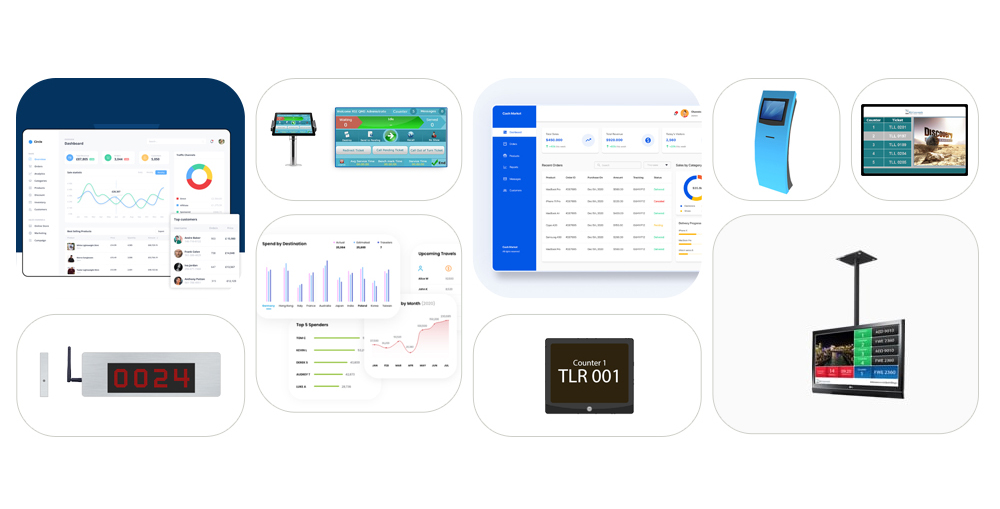
A queue management system is a perfect tool to enhance customer flow management. A queue management system is a digital solution consisting of hardware and software components which are exclusively designed to enhance various processes involved in customer flow management. A queue management system greatly improves customer experience, it streamlines customer flow, automates several processes and offer useful features for service staff.

Collectively all these features greatly reduce customer wait time and improve service quality. A queue management system is capable of completely transforming the service centers. It offer better visibility, monitoring, real-time queuing data, engaging customer waiting experience and a satisfactory customer journey which help businesses to be able to serve more customers without adding more counters or opening up new branches or investing huge amounts of hard-earned profits to expand physically.

See Also: The Concept of Queue Management and Crowd Control

Key Strategies to Optimize Customer Flow Management with Queue Management System

Here are key strategies to optimize customer flow management by deploying an efficient queue management system:

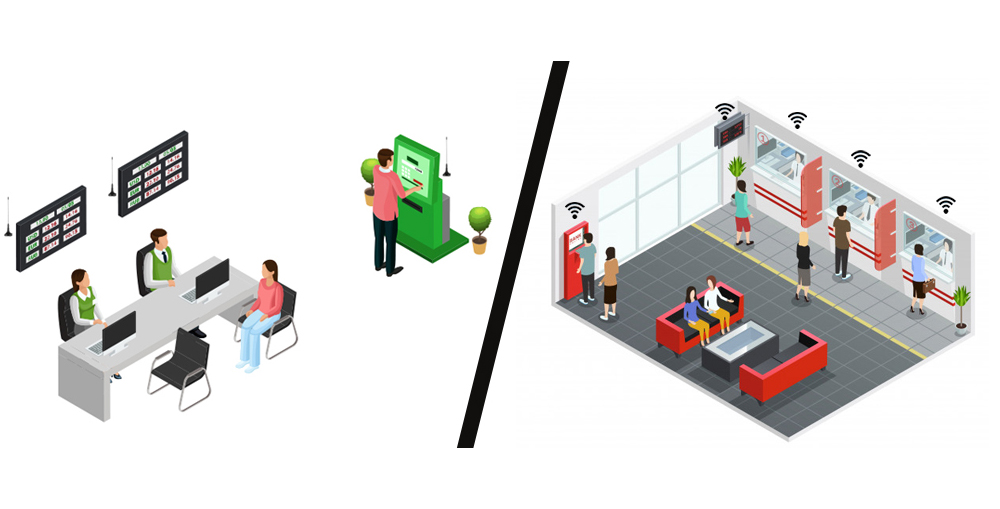
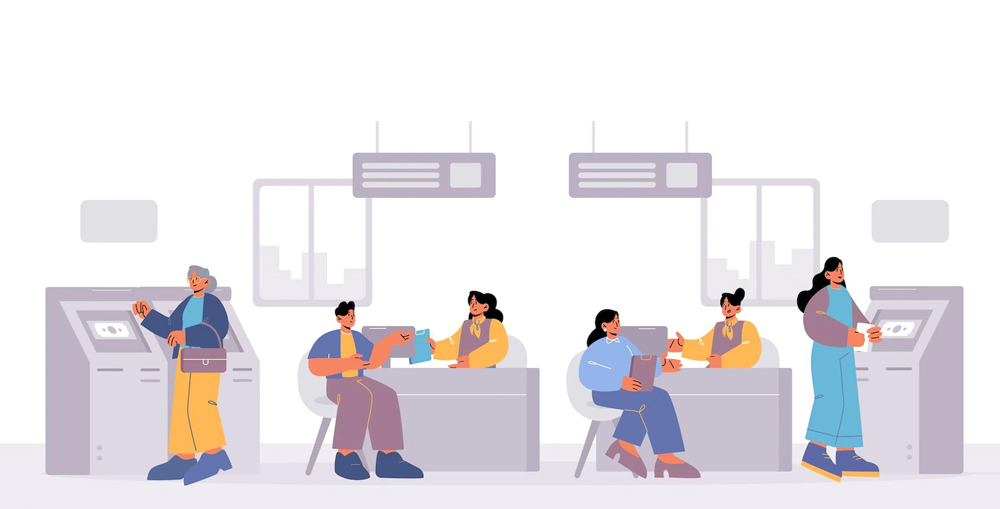
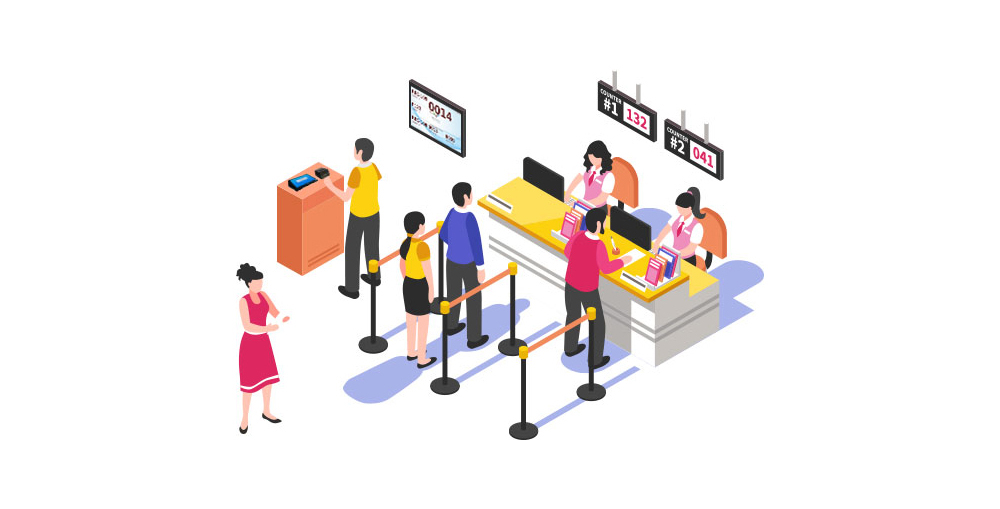
  1. Streamline Physical Space: A queue management system is a great tool to fully leverage the physical space you have. It helps guiding customers to the right counter, providing them real-time queuing updates in the waiting areas and making audio-visual announcements while eliminating congestions, crowd formation and typical waiting line problems.
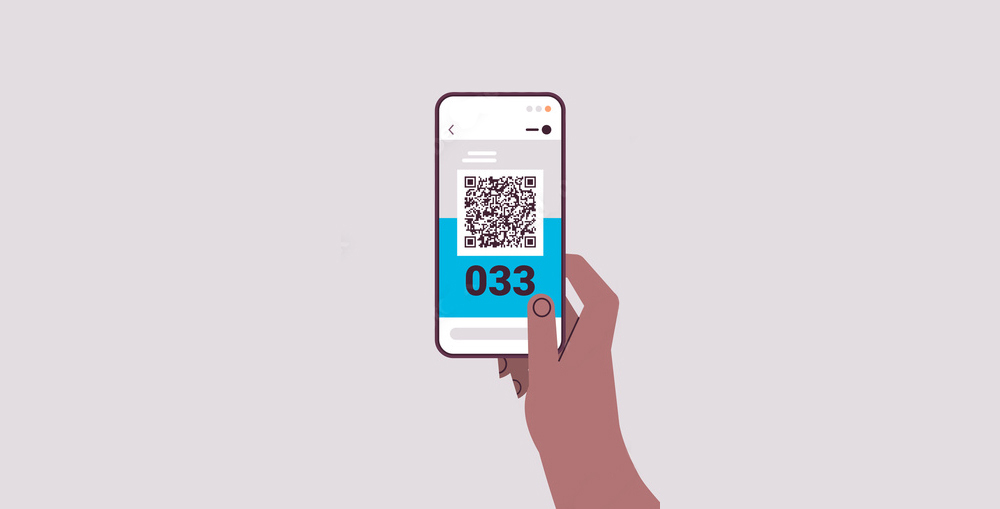
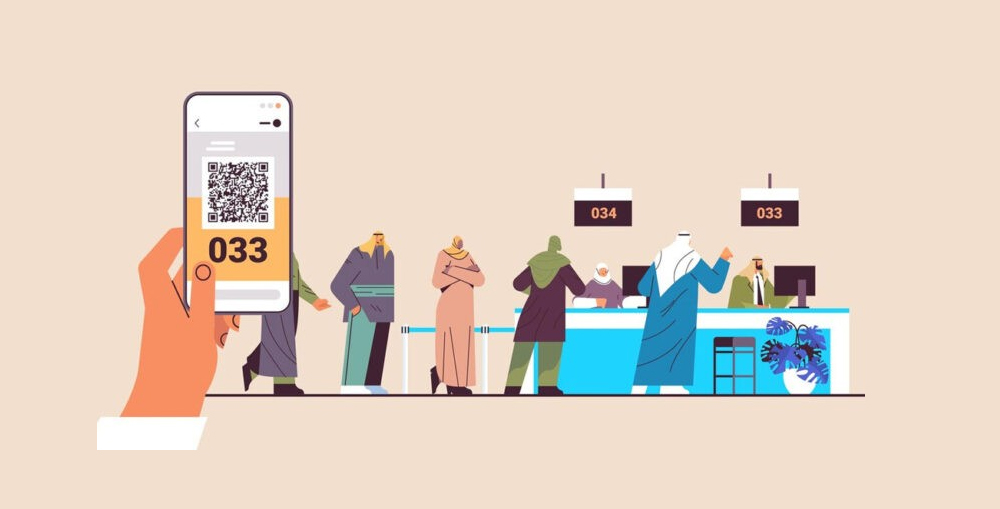
  2. Digitalization and Automation: A queue management system offers digital interaction and enable customers to sign-in to virtual queues using on-site self-service ticket dispensing kiosks, mobile applications, web portals, QR Codes and much more. It automatically route customers to the least wait time queues while directing them to the required service counter.
  3. Personalized Customer Experience: A queue management system can automate the process of identifying customers and detecting their priority while automatically managing their route as per the queuing policy. A queue management system can also offer secure authentication methods such as Emirates ID scanning, biometrics, QR code and various other methods.
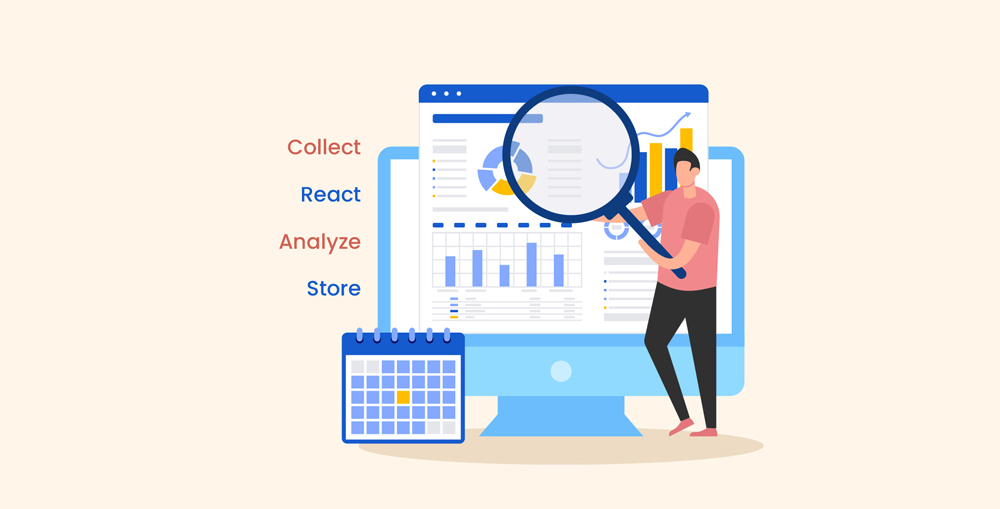
  4. Data-Driven Insights: A queue management system can produce a wealth of valuable business intelligence data and insight by automatically collecting statistical and analytical data from each touch points. It stores historical data and provides in-built analytical tools which help management extract actionable reports and integrate insights to their decision making process.
  5. Staff Empowerment: A queue management system offers various dashboard for administration, management and for service agents. It also offers innovative features to aid staff in pre and post-service tasks while expediting the service delivery process. A queue management system can accurately capture various employee KPIs which help in better human resource management and help HR in developing effective training programs to empower staff.

A queue management system also offers customization which enables businesses to build a tailored solution as per their unique needs. Furthermore businesses can also integrate the queue management system with various other tools, systems, databases and central information system to develop more effective, efficiency and innovative features. A queue management system is an ultimate tool to enhance and optimize the customer flow management while driving growth by scaling and boosting performance.

See Also: What are the Different Types of Queue Management System?

Optimize Customer Flow Management by Deploying an Efficient Queue Management System

How to Measure the Effectiveness of a Queue Management System?

If you are a business operating in Dubai, Sharjah, Abu Dhabi or any other part of UAE you must be aware of a wide variety of queue management systems available in the market. This could sometime cause confusion and made it difficult for the managers and decision makers to choose the right solution as per their needs. However with a few very simple and easy-to-understand metrics you can easily measure the effectiveness and impact of a queue management system on your operations, customer flow management and customer satisfaction.

Here are a few KPIs or Key Performance Indicators which can be used to measure and quantify the impact of a queue management system:

  • Customer Wait Time: A reduction in customer wait time is a clear indicator of the success of your queue management system. This means if one counter was able to serve 20 customers in a day would now be able to serve, let say 30 or even more customers in a single shift.
  • Improved Service Delivery Process: The service delivery process involves various aspects, but majorly you can monitor the average service delivery time and compare it with the service delivery time before deploying the queue management system.
  • Customer Satisfaction or NPS Score: Businesses can integrate a customer satisfaction survey, customer happiness meter, rating scale or NPS feedback system via tabletop feedback screens. The customer happiness directly reflect the positive impact of queue management system.
  • Employee Performance KPIs: A queue management system can accurately monitor several employee performance KPIs for the service staff. Improvements in those KPIs is a direct indicator of the positive impact of the queue management system.

Regularly monitoring these metrics can provide you a deeper insight to the impact on deploying a queue management system on various aspects of your service center such as employee performance, customer satisfaction, and overall profitability and progress.

See Also: From Chaos to Control: How Queue Management Systems Can Improve Your Business

How to Measure the Effectiveness of a Queue Management System?

Can Small Businesses also Benefits from Optimizing Customer Flow Management?

There is a common misconception high-end software and advanced solutions like a queue management system are only suitable for large businesses, enterprises and organization. This perception is majorly due to another misconception which is that inertly such solutions are expensive. However, that is not true, a queue management system is a very cost-effective solution offering extraordinarily higher ROIs. Therefore a queue management system is effective and beneficial for every business regardless of the size, type or industry.

In fact a queue management system is an excellent solution for a small business which enables them to achieve higher operational performance while improving customer satisfaction and happiness. A queue management system helps improving customer flow, minimizing customer wait time, boosting service staff performance and raising customer satisfaction. All these are essential ingredients for a small businesses who is looking to build loyal customer base and are competing with large businesses. Businesses can leverage the potential of a queue management system to achieve sustainable growth.

See Also: Top 8 Benefits of Using Queue Management System

Can Small Businesses also Benefits from Optimizing Customer Flow Management?

Conclusion

Deploying a queue management system is not just a strategic move to optimize customer flow for scaling business growth. But it is a most vital and essential step towards achieving long-term and sustainable business growth. Scaling business means leveraging the full potential of existing resources to maximize the revenue without proportionally adding resources/expenses. A queue management system is capable of transforming the entire service center while boosting the efficiency to many folds. It automates customer journey and customer flow, it helps service agents boosting productivity and performance.

Furthermore businesses can also monitor and measure the efficacy and impact of a queue management system by monitoring some very simple key metrics. A queue management system is a very cost-effective solution offering extraordinary ROIs which makes it equally effective for all types and sizes of businesses. Especially for small businesses it can greatly boost their operational performance and capabilities enabling them to serve more customers and generate more revenue.

If you want to learn more about the subject or if you want our help to develop a custom queue management system for your business, please feel free to contact us through our Contact Us page or leave a comment in the comment box below and we will get in touch with you soon.

See Also: Pros and Cons of Queue Management System



How a Queue Management System Can Transform Your Business Operations

The markets are very competitive and the customers are more demanding. In such environment if a business wants to succeed they must have to understand the importance of performance, efficiency and customer happiness. A queue management system is an ultimate solution to get q quick boost in operational performance. It digitalize several internal processes and leverage automation to quickly boost performance and improve various processes and work flows.

A queue management system also offers great intuitive features for customers which raise their satisfaction and make their experience seamless. A queue management system allow customers to interact with system via self-service kiosk and sign-up for the queue, it provides live updates and make announcements with additional, and help them find their way to the right counter.

How a Queue Management System Can Transform Your Business Operations

The more advanced queue management system support multiple languages and make customer interaction more convenient. The customers and visitors can also sign-up remotely using queue management system apps, QR Code or even customer portals and other virtual queuing tools. Businesses can gain great operational improvement and they can save a lot of resources while effectively boosting employee performance and all of these factors will help maximizing customer satisfaction.

See Also: What are the Different Types of Queue Management System?

How a Queue Management System Can Transform Your Business Operations?

Benefits of Queue Management System for Business Operations and Customer Satisfaction

Businesses can greatly improve customer satisfaction by deploying an effective queue management system. Different businesses have different goals and needs, thus it is important to understand various features and functionalities of the queue management system and chose a right solution that best matches with your exclusive business needs and goals. In this blog we will cover the major advantages of deploying a queue management system:

Benefits of Queue Management System: Customer Experience and Satisfaction

In any customer facing environment there are two key factors which will determine the customer satisfaction. The customer experience which is majorly centered on how quickly customers will reach to the service counter and the second thing is how good your service agents deliver the service. Now the question is how a queue management system can improve this. The first thing an effective queue management system does is to boost the customer flow.

See Also: Queue Management System Features you Need for Modern Queuing

A queue management system comes with self-service ticket dispensing kiosk and it can also offer various other self-service methods to sign-in for the queues. While signing up the customers can be ask for certain information which will later help the queue management system to categorize them and organize them in a much more effective way. Once the customer is signed-in they are given a ticket number which represents their position in the queue. On the bases of information they provided the queue management system can automatically put them on the right track with least possible wait time.

Benefits of Queue Management System: Customer Experience and Satisfaction

This can be achieved using various techniques. A modern queue management comes with smart algorithms and AI powered tools which allow businesses to implement their queuing policy and also allow queue management system to take real-time decisions at its own to maximize the customer flow. A queue management system is capable of monitoring all touch points, it can capture and store analytical, statistical and system usage data with an ability to recall historical data to and compare it with the live queuing data to take most effective decisions in real-time.

See Also: From Chaos to Control: How Queue Management Systems Can Improve Your Business

Furthermore the queue management system can accurately calculate the average service time for each service and relate it to employee performance as well, this helps the algorithms to automatically organize the customers in a way to ensure every customer has the minimum wait time while ensuring maximum performance. The queue management system also provides additional controls and administrative features for both managers and the service agent which also allow them to maximize the customer flow and ensure every customer is served as quickly as it could get.

Benefits of Queue Management System: Customer Experience and Satisfaction

The queue management system doesn’t only reduce the customer wait time, but it also help minimizing the perceived wait time. Somehow our brain tricked us to perceive slower time when we are engaged in something we don’t want or not as that enthusiastic about it. This phenomenon is observed in customer facing environment where customers often think they had to wait longer than the actual time passed. This effect can be minimized by providing estimated wait time upon signing-in for the queue.

See Also: The Concept of Queue Management and Crowd Control

Furthermore a queue management system comes with audio-visual announcement system which make announcements whenever a new ticket is served or called on the counter. These announcement keep customers engaged and minimize the effects of the perceived wait time. In order to further enhance customer waiting experience the queue management system can host multimedia content on the digital signage which also keep customers engaged and reduce the boredom. All these features improve customer journey, enhance customer experience and raise customer satisfaction.

Benefits of Queue Management System: Customer Experience and Satisfaction

Benefits of Queue Management System: Boost Staff Performance

The second and most important aspect of customer satisfaction is the staff performance. The high performing customer service team not only raise customer satisfaction but it also greatly improve business operations. Without a queue management system or with a poorly deployed queuing system, the staff is engaged in customer flow and dealing with common queuing problems such as line jumpers, customers ending up on wrong counter, etc.

All such activities distract your staff from their primary tasks and affect their performance. When an effective queue management system is deployed, all of such problems are rectified, the entire customer flow is managed autonomously without requiring any intervention from the staff. This lifts up a lot of workload from the employees and boost your staff performance.

Furthermore the queue management system can also aid service agents with their pre-service and post-service tasks and speed up the service delivery process. Modern queue management systems are capable of monitoring various staff performance KPIs and help management understand the strengths and weaknesses of the employees which in long term help boosting staff performance.

See Also: How Queue Management System can Boost Productivity and Profitability?

Benefits of Queue Management System: Boost Staff Performance

Benefits of Queue Management System: Real-time Data and Operational Visibility

A queue management system comes with a centralized server software application which is hosted on a server, either online or in an on-premises environment. This queue management system server is connected with all branches including self-service ticket dispensing kiosks, agent dashboards, digital signage and announcement system, counter displays or counter name plates and everything. This allow queue management system to collect data in real-time and provide it to the branch managers, senior management or head office and also for the service agents.

The real-time data is very helpful in managing customer flow and detecting bottlenecks. As soon as a discrepancy is detected, the managers can immediately take actions such as reallocating resources to ensure a smooth and seamless customer flow continues.

Furthermore the queue management system also allow management to enable several alerts and notification which can be triggered on any pre-set threshold and inform relevant personals to take immediate actions to prevent crowd formation or any disruption to the customer flow. The real-time data gives better operational visibility and helps maintaining the performance and customer satisfaction.

See Also: Qualities of a Good Mobile App for Queue Management System

Benefits of Queue Management System: Real-time Data and Operational Visibility

Benefits of Queue Management System: Business Intelligence Data and Reporting

A queue management system comes with a very powerful software tool which can produce a wealth of business intelligence data. In the modern world the data-driven decisions are proven to be more effective and important for the businesses. And a queue management system provides high-quality and valuable business intelligence data which can greatly improve the decisions and help management improve their strategies to align them with the modern needs.

A queue management system captures all details about the customers and visitors that are required along with comprehensive details of the entire customer journey at every touch point. Furthermore the queue management system also capture various employee performance KPIs with great accuracy. Businesses can also use the in-built customer feedback module to capture feedback or they can integrate it with their existing customer feedback system.

All this data can be processed with in-built analytical tools and reports can be extracted as per the needs. A queue management system can automatically create and share daily, weekly or monthly reports along with ability to download and share customized reports from within the system. These reports and business intelligence data help businesses make informed decisions and improve their strategy for future.

See Also: Top 8 Benefits of Using Queue Management System

Benefits of Queue Management System: Business Intelligence Data and Reporting

Benefits of Queue Management System: Customization and Scalability

When a business decides to acquire a new solution or system, they got two choices either they can go for a commercial off-the-shelf solution or they can have a customized solution. The COTS or commercial off-the-shelf solutions were very popular, however, things are changing rapidly and businesses are seemingly more inclined towards customized solutions. The customization not only fully align the software and solution with exclusive and unique business requirements but it turns out to be more long lasting comparing to COTS.

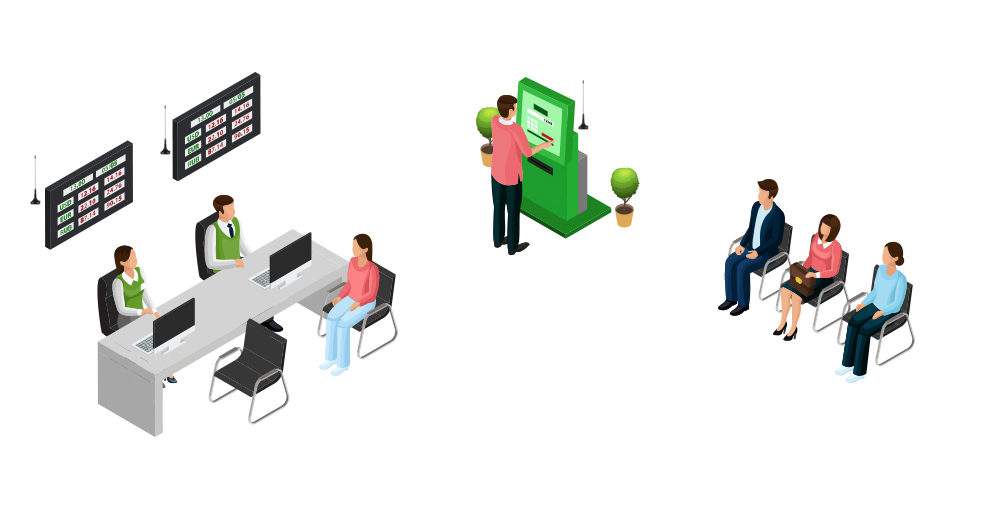
A queue management system too can be customized as per your business needs. The customization and scalability are the two most important factor while choosing any solution or system for your business. A queue management system allow businesses to customize it as per their needs and it also enable them to scale it up as their needs grow.

A queue management system comes with a centralized server side application which makes adding new branches and counters totally seamless. The businesses also doesn’t have to bear much expenses, just acquiring more licenses will let them add more counters and branches. The capability to customize and scalability makes queue management system much more cost-effective and make it relevant for many years without needing to replace it. This means higher ROI for businesses.

See Also: Pros and Cons of Queue Management System
Benefits of Queue Management System: Customization and Scalability

Benefits of Queue Management System: Third-Party System Integration

Furthermore there is additional features which support third-party integration. The third-party integration is very crucial to achieve higher performance. The ability to integrate with other systems, software, databases and centralized information system will help businesses to add innovative features which not only boost performance and improve business operations but also elevate customer satisfaction.

For example businesses can integrate the customer database with the queue management system to identify customer during the sign-in process, and help service agent by catering them the right data and information for the next customer they are about to serve. Or it can help them pull out their data beforehand. This can also be helpful if you are collecting customer feedback, you can relate it to the customer and get a better understanding of their feedback.

Businesses can also integrate WhatsApp, SMS and various other tools such as online customer portals, appointment booking systems and much more. All these integrations will not only help adding innovative features but also improve management and administration and make queue management system more effective.

See Also: What are the Basic Components of Queue Management System?

Benefits of Queue Management System: Third-Party System Integration

Conclusion

Businesses can get several advantages form deploying a queue management system in terms of enhancing customer experience and improving business operations. A queue management system has ability to greatly reduce customer wait time at the same time it can enhance customer waiting experience. It also helps businesses boosting staff performance with specialized tools and data collection capabilities. Businesses can monitor real-time updates and data which raise their operational visibility and enable them to effectively manage resources to improve customer flow.

A queue management system also collects and provide valuable business intelligence data and tend to greatly improve staff performance by reducing their workload and accurately monitoring their performance KPIs. Businesses can also integrate a queue management system with third-party systems, applications, software, portals, databases and central information center which greatly improve the operations and management.

In this blog we have covered key advantages of deploying a queue management system. If you want to learn more or if you want our help to deploy a customized and cost-effective queue management system for your business. Please feel free to contact us through our Contact Us page or leave a comment in the comment box below and we will get in touch with you soon.

See Also: Queue Management System for Trucks and Logistic Centers


Why Businesses should offer Integrated Queue Management System Smartphone Apps?

Everyone knows waiting in long queues could be so frustrating, whether it is a bank, a hospital, a retail store or a government office, the long waiting lines bother everyone. The long queues are not only wasting your customers’ valuable time but are also very frustrating for your staff. Long waiting lines and crowded waiting areas deteriorate customer experience and also engage your staff in activities which doesn’t produce much value and hinder productivity of your branch or business. In order to enhance customer experience and improve performance businesses started adopting to modern queuing practices and deploying digital queue management systems. A token management system or queue management system is a combination of hardware devices driven by a powerful smart software engine. With the passage of time the queue management systems also evolved and become more effective and impactful. Now a days a queue management system is not limited to just reducing the wait time, but it can offer a plethora of features which help businesses improving customer journey and their staff performance. In this blog we will discuss how integrated queue management system smartphone apps can great enhance customer experience and branch performance.

Why Businesses should offer Integrated Queue Management System Smartphone Apps?

What is Integrated Queue Management System Smartphone App?

An integrated queue management system smartphone app is a mobile application developed exclusively for allowing users to interact with the queue management system even remotely via the internet. The integrated queue management system smartphone apps are developed for both Android and iOS, now a days’ hybrid mobile apps are also used. The word integrated here represents various different types of integrations of the smartphone apps with other systems, tools and databases. It usually depends on the nature of business and services you want to offer through your queue management system smartphone apps, however, there are certain features which are very common such as integration with the customer database to allow quick sign-in, integrating with other branch data, Google Maps, appointment booking portals, customer portals, or even with customer service center. Businesses often integrate queue management system smartphone apps with their CRM or customer feedback system too, to collect valuable customer feedback data. Thus the integrated queue management system smartphone apps can be used to offer a multitude of services and information to improve customer experience and it is also a type of paperless queue management system.

See Also: What Is Virtual Queuing? A Guide to Virtual Queues

What is Integrated Queue Management System Smartphone App?

What are the Benefits of Integrated Queue Management System Smartphone Apps?

Every business have unique needs and different way to handle certain things, same is the case with the queue management systems as well. Every business have different challenges and different strategies to handle those challenges which is the foundation stone of a unique business identity. It is this uniqueness that attracts most of the customers and help businesses established a unique brand identity which stand out of the crowd. When it comes to the integrated queue management system smartphone apps, every business have different preferences, however, there are certain traits of these smartphone apps that can greatly benefit a business by enhancing customer experience and by driving performance and productivity. Here are the key benefits of an integrated queue management system smartphone app:

Integrated Queue Management System Smartphone Apps: Remote Sign-in and Virtual Queues

Enabling your customers to sign-in remotely from their smartphones or any other online channel for the waiting lines is one of the most effective feature of an integrated queue management system smartphone app. With the rise of technology different platforms has emerged over the time and become very popular among the people for example, the WhatsApp. Now a day’s almost every business is holding a WhatsApp business account. Similarly the smartphone apps have become a crucial part of customer services, many industries have made smartphone apps and industry standard over the past few years. Businesses operating in Dubai, Sharjah, Abu Dhabi and other cities of UAE are increasingly developing their smartphone apps to improve customer experience and customer service. The integrated queue management smartphone apps allow customers to sing-in for the virtual queues with just a few taps on the screen. The customers can sign-in and get estimated time, which allow them to plan their visit in a way that they can get served instantly as they arrived at the business. Hence minimizing the customer wait time to almost none. This remote sign-in features makes integrated queue management system smartphone apps the most ideal solution for modern day queuing.

See Also: World’s First WhatsApp Queue Management Solution

Integrated Queue Management System Smartphone Apps: Remote Sign-in and Virtual Queues

Integrated Queue Management System Smartphone Apps: Better Waiting Experience

The customer experience is one of the most crucial factor in customer satisfaction and customer loyalty. The customer satisfaction and customer loyalty are absolutely essential for a stable and long term growth. The integrated queue management system smartphone apps can offer features which can greatly enhance customer experience and help raising customer satisfaction. Moreover the virtual queue management system can enhance the business processes  by leveraging digitalization and automation. When it comes to customer wait time, there are two different wait times, one is the actual wait time as per the clock, and the other is the perceived wait time. The perceived wait time is what our brain thinks is the waiting time, to understand this phenomenon think of driving on a busy road, we usually think traffic flow is quicker in the adjacent lane, however, in reality that is not true. However, this impact on mood and similarly in the waiting areas the perceived wait time also impact the customer experience in the waiting areas. However, with the help of the integrated queue management system smartphone apps businesses can not only reduce the customer wait time but they can also improve customer waiting experience as well. The smartphone apps is integrated with the queue management system which allows it to provide highly correct estimation of the wait time which prevent the impact of the perceived wait time and the live queuing information and alerts help customers to plan their visit according to their turn so they don’t have to wait much. This greatly improve customer experience and increase customer satisfaction.

See Also: Queue Management System and Predictive Waiting Time

Integrated Queue Management System Smartphone Apps: Better Waiting Experience

Integrated Queue Management System Smartphone Apps: Appointment Booking Features

The integrated queue management system smartphone apps also allow customers to book an appointment as per their convenience. The modern queue management system smartphone apps comes with in-built appointment booking module and moreover these apps can be integrated to an existing appointment booking portal to enable customers to book appointments from the apps. The appointment booking module will allow users to view the queuing data and also any future bookings for example if they want to make an appointment for the next week. The integrated queue management system smartphone apps are built on smart algorithms which have ability to access and analyze the live queuing data as well as historic data. This enables the apps to estimate the waiting time and overall footfall based on historical data present this information to the customers so they can chose the right day and time with less waiting time expected. The integrated queue management system smartphone apps also have ability to send reminders, alerts and notifications to remind customers of their appointment and furthermore it can allow the service agents to directly communicate with the customers and push information to their dashboard regarding any change or update in the schedule. Such features help improving customer experience and ensures the customer gets the fast-track service.

See Also: Why Bank should Integrate Appointment Booking System with a Queue Management System?

Integrated Queue Management System Smartphone Apps: Appointment Booking Features

Integrated Queue Management System Smartphone Apps: Branch Locator

Most of the businesses have multiple branches, especially in large cities like Dubai, Sharjah and Abu Dhabi there could be several branches within a 20 to 30 minutes of drive. The integrated queue management system smartphone apps can fetch data form all branches and analyze it in real-time and based on historical data and current customer flow they can accurately estimate the wait time at each branch. Furthermore the smartphone apps are also integrated with Google Maps which enable them to find the customer’s location and suggest them the branches that are closer to them with them and have shortest expected wait time. All this information can be shown to customers as well and allow them to compare different branches and sign-in to the branch which is most convenient for them. Furthermore some businesses also allow customers to shift their ticket form one branch to another based on the current customer flow and queuing speed. The integrated queue management system smartphone apps not only provide branch location but can also provide full contact directory which makes it easier for the customers to directly call or contact the relevant staff if they have any query regarding the service they want. All these innovative features significantly improve customer experience and raise their satisfaction.

See Also: Queue Management System Features you Need for Modern Queuing

Integrated Queue Management System Smartphone Apps: Branch Locator

Integrated Queue Management System Smartphone Apps: Better Staff Performance

The integrated queue management system smartphone apps doesn’t only streamline customer flow and enhance customer experience but these apps are a great tool to improve staff performance. With the help of integrated queue management system smartphone apps businesses can have more control over the customer flow and it also allow them to effectively implement their queuing policies. Most of the customers will only arrive when their turn will come or is about to come. This help minimize the load in the waiting area and prevent crowd formation. The busy waiting areas put extra stress on the staff and deteriorate their performance. When the customer flow is good and the waiting areas are not crowded the staff can focus more on their primary tasks which makes them more productive and also improve their performance. The queue management system itself can provide a great performance monitoring and tracking metrics which are also very helpful in improving staff performance. Furthermore the integrated queue management system smartphone apps enable a direct communication channel and provide more control to the service agent which help them improve customer flow and deliver good quality service.

See Also: Impacts of Queue Management System on Employee’s KPIs

Integrated Queue Management System Smartphone Apps: Better Staff Performance

Conclusion

A queue management system has become an essential for a modern business. Whether you are a bank, hospital, government office, HR office, retail business, educational institution or any other organization in service sector. If you are serving your customers at your premises, you need an effective customer flow management system to ensure your customers will get a good customer experience. The integrated queue management system smartphone apps are a significant leap forward in improving service quality, performance and customer experience. Businesses can leverage the features such as remote sign-up, virtual queuing, customer alerts and notification system, appointment booking and data insights to greatly enhance customer experience. A good customer experience will help you increase customer satisfaction and make your customers loyal which is essential for a long term and stable growth. The innovative features and valuable insight for both customers and service agents can greatly improve productivity, performance, and customer experience and service quality. Happy and satisfied customers and high-performing teams/branches means high profitability and help businesses raise their overall ROI for deploying queue management system. If you want to learn more about integrated smartphone apps or if you need our help to build and deploy customized queue management system smartphone apps for your business please feel free to contact us through our Contact Us page or leave a comment in the comment box below and we will get in touch with you soon.

See Also: Why Virtual Queuing Has become an Essential Part of Modern Queue Management Systems?


Streamlining the Waiting Experience: How Queue Management Systems Improve Patient Flow

The hospitals, clinics, medical and health facilities have to deal with large footfall, overcrowded lobbies and waiting areas on regular bases. The patient often have to face long waiting time which makes them more frustrated and make it difficult for the staff to deliver a good experience. The poor queue management or queuing policy can lead to dissatisfaction and distrust which can severally harm your clinic, hospital or medical facility’s reputation.

Furthermore it is important to consider that when patients are visiting any healthcare or medical facility, they are already in stressful condition, if you hospital or clinic is failed to deliver them a good experience they will get more stressed, that is why an efficient queue management system is needed. The patient experience mostly depends on how quickly they get served attended and then the next important thing is how the staff handle them. If you have crowded waiting areas and unhappy patients, the staff will have a lot more work to do, which will definitely hinder their performance.

Altogether these all factors will harm the patient experience and will add to their dissatisfaction which is very bad for your reputation. In this blog we will sum up how an effective queue management system can streamline the patient flow at hospitals, clinics, laboratories, and healthcare facilities.

Streamlining the Waiting Experience: How Queue Management Systems Improve Patient Flow

See Also: 3 dimensions of Queue Management System for Hospitals
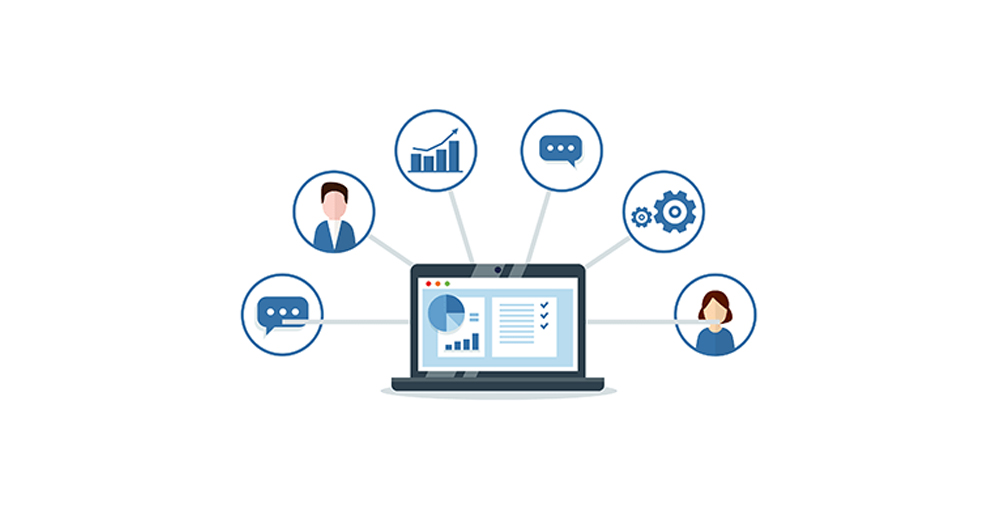
How Patient Queue Management System is Different from other Queuing Systems?

The queue management system is a very complex tool and it is built on a highly smart AI-based algorithms, this complexity allow it to effectively implement a business or organization’s queuing policy. Now if we talk about an ordinary queue management system it is used to facilitate multiple customer routes, include a variety of different services and sets of priorities, etc. When it comes to the patient queue management system the important thing to understand is that the patient who are visiting hospitals, clinics, medical facilities or healthcare establishments are mostly anxious, stressed and in sometime could be in pain.

This demands all healthcare facilities including hospitals, clinics and testing facilities to ensure all patients receive adequate service based on their condition too and also as quickly as possible. No one wants to wait in long queues at hospitals, clinics or healthcare facilities, neither patient nor their families, everyone wants to get the treatment or service as quickly as possible. Therefore the waiting time is the most crucial factor in queuing management which can only be minimized when the patient flow is streamlined and the entire system works with highest level of efficiency and efficacy. This is what makes patient queue management system slightly different from regular queue management systems.

See Also: What are the Different Types of Queue Management System?

How Patient Queue Management System is Different from other Queuing Systems?

What are the Important Features of a Patient Queue Management System?

Businesses and organizations operating in Dubai, Sharjah, Abu Dhabi and other cities of UAE are using a variety of different queue management system depending on their needs and industry standards. However, for the healthcare sector the queue management system should include most modern features which can help them to improve patient flow, their journey and also the performance of the staff to ensure a better patient experience. Usually hospitals, clinics, and other medical facilities doesn’t implement a customized queue management system which is exclusively designed for the healthcare industry.

See Also: Queue Management System Features you Need for Modern Queuing

Virtual Queuing Features and Remote Channels

The inclusion of virtual queuing and remote channels is one of the most important feature for the patient queue management system. The virtual queuing is a modern form of queuing which enables the patients to remotely sign-up for the queues even if they are not at the facility. The patient queue management system integrates remote channels such as mobile apps, online web portals, SMS, WhatsApp, etc. This allow the patient to sign-up even prior to arriving to the hospital or clinic or any healthcare facility. Furthermore the queue management system can also allow the patients to view the current queuing status and the system can also share live updates with estimated queue time.

All these features help patients to plan their visit and also minimize the wait time. Since the patient have full view and live coverage of the ongoing queues, they can easily plan their visit and arrive only when their turn comes. This feature can literally minimize the waiting time to none and help improving the patient experience. The queue management system mobile apps and online portals can greatly enhance patient experience and help reducing the workload of the staff by preventing crowd formation and empowering them with additional administrative control.

See Also: What Is Virtual Queuing? A Guide to Virtual Queues

Patient Queue Management System: Virtual Queuing

Third-party System Integration

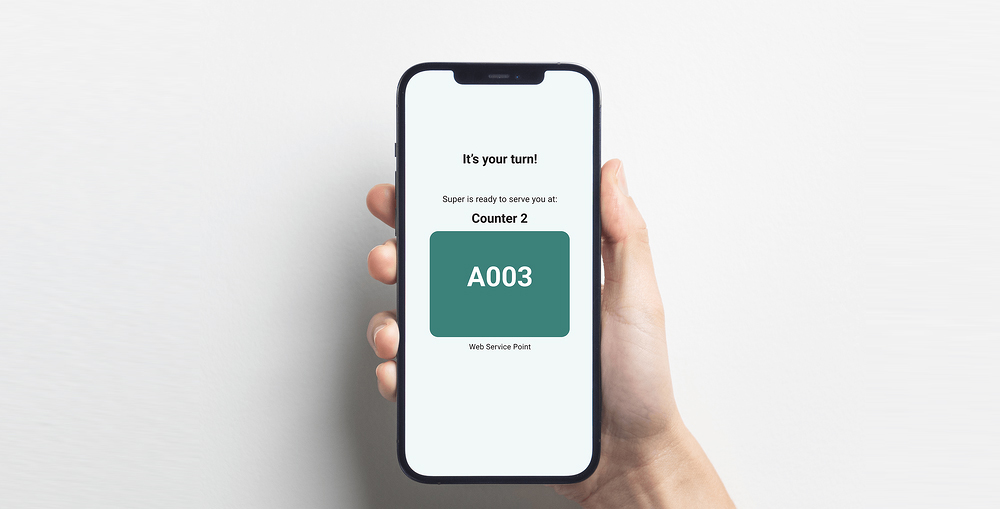
The patient queue management system is not limited to virtual queuing and appointment booking tools, but it can also be integrated with patient data and other third-party systems using secure web services or APIs. The integration help offering a personalized patient experience. The patient queue management system can analyze the patient history and provide them most suitable time for their appointment, it can also give suggestions to patients about available or alternate doctors or even the schedule as per their needs which makes it easier for patient to choose the most convenient time for their visit. If the patient are at the hospital, clinic or testing facility, the patient queue management system can provide them the accurate wait time for their particular service based on the previous data and current queuing stats.

The patient queue management system can be integrated with mobile apps, appointment booking portals, and internal management system which allows it to provide the real-time updates about any change in schedule and help patient book the right time for their visit. Based on patient’s history and current service request the patient queue management system can automatically set the priority level for the patient and put them on the right queue. All these features not only enhance patient experience, but also help reducing wait time and improve overall patient flow.

See Also: Must have features of Queue Management System
Patient Queue Management System: Third-party System Integration

Announcements and Notification Center

When a patient sign-up for the queue either using virtual queuing or on-premises ticket dispensing interactive kiosks, they patient queue management system should be able to send them alerts and important queuing information. If the patient are signing up remotely or booking an appointment, the patient queue management system should provide continuous alerts and notifications. These alerts and notifications can be sent across multiple channels, for example, the queue management system mobile app can have push-notifications and in-app alerts along with live queuing information and update to keep patient informed. There should be alerts after short intervals to ensure the patient didn’t get late or miss out their turn.

When the patient are at the hospital, clinic, or medical facility there should be large digital signage displays with live queuing information displayed on them. Furthermore the audio announcement system and patient calling should be provided. Along with that the SMS alerts can be very helpful, because in such situations people tend to spend time on their mobile phones, so the SMS can quickly alert them. Furthermore since the patient queue management system is integrated with central information center and any other relevant third-party system, it can identify if any change is made in schedule or any delay is expected, and automatic alerts can be configured to update the patients about these changes.

See Also: Manage Patient Appointment and Journey with Queue Management System

Patient Queue Management System: Announcements and Notification Center

Data Collection and Reporting

The patient queue management system software can collect a wide range of business intelligence data from as simple as number of patient to AI driven deep insights, based on your requirements. As a patient queue management system is also a digital system so it can collect data from each and every touch point of the customer journey. This data can help hospitals, clinics, and medical facilities to improve their patient journey, highlight the areas of improvements and monitor performance. Since the patient queue management system offers multiple channels hence the data can also be collected from and integrated channels. However, the important thing is that the system should be able to collect valuable and accurate data which can be later analyzed and converted into actionable reports which can guide management in making informed decisions.

The patient queue management system also offers in-built analytical tools which can further enhance the reporting and help management produce customized reports as per their needs and share different data types with different decision makers and stakeholders. The patient queue management system can also collect patient feedback. Multiple channels can be utilized to collect patient feedback such as on-premises tablets/kiosks, mobile apps, online portals, etc. The patient feedback is very important and can help management further improve their services and processes to align them with the patient needs.

See Also: 6 Benefits of using Queuing System in Hospitals

Patient Queue Management System: Data Collection and Reporting

Conclusion

Patient and their families coming to hospitals, clinics, laboratories and other medical facilities are already anxious and at an un-easy position, which means they want to get the treatment or service a quickly as possible. In such situation waiting in long queues or in crowded waiting areas can further deteriorate their experience. That is why healthcare sector is rapidly adopting and implementing modern queue management systems to enhance patient experience and to drive performance. When it comes to a patient queue management system there are tons of different queue management systems available in Dubai, Sharjah, Abu Dhabi and other parts of UAE.

This can be very frustrated for the management or decision maker, therefore we have enlisted the important features and aspects of an effective patient queue management system in this blog. A good patient queue management system is exclusively designed for the healthcare sector to cater to their unique business needs. A patient queue management system can greatly minimize average patient wait time by improving patient flow and automating several processes. If you want to learn more about the subject or if you want our help to design and implement a customized queue management system for your healthcare facility, please feel free to contact us through our Contact Us page or leave a comment in the comment box below and we will get in touch with you soon.

See Also: What is Queue Management? Beginner’s Guide to Queuing Systems


Badr Al Samaa Group (Oman) Acquired RSI Queue Management System

Badr Al Samaa Group (Oman) Acquired RSI Queue Management System

The Badr Al Samaa Group of Hospitals and Medical Centers is a well-known, well-reputed, and one of the largest medical and healthcare facilities in Oman, with a strong presence in several other countries as well. The Badr Al Samaa Group has more than 20 centers, 400 highly qualified and experienced doctors, and an army of nurses and support staff to ensure that patients receive extraordinary care and an exceptional experience during their visit to any facility of the Badr Al Samaa Group of Hospitals and Medical Centers. The Badr Al Samaa Group has deployed some of the most modern and technologically advanced equipment at all facilities to ensure that patients receive the highest level of healthcare. The Badr Al Samaa Group of Hospitals and Medical Centers started as a polyclinic in 2002 but has gained huge popularity and built a strong reputation across the GCC due to its extraordinary quality and standards in diagnostic, curative, and preventive medical care. Technology plays an important role in achieving success, which is why the Badr Al Samaa Group of Hospitals and Medical Centers is always proactively seeking modern solutions and technologies to improve existing workflows, processes, and patient experience. Therefore, the management recently decided to implement a brand-new patient queue management system at their facility to improve operations and streamline patient flow.

Patient flow and quicker service delivery play a crucial role in patient experience. Most patients coming to healthcare facilities are already anxious, worried, sometimes stressed, and even in pain. To comfort patients with different needs, any healthcare facility requires a highly efficient patient queue management system. A patient queue management system not only improves patient experience but also helps to drive efficiency and elevate staff performance. The Badr Al Samaa Group of Hospitals and Medical Centers shortlisted top queue management system providers and finally awarded the project to RSI Concepts. Our technologically superior queue management system and track record helped us win this project. The goal of the project was to implement a highly advanced patient queue management system to help the management gain better insights into patient journeys and aid administrative staff in improving their productivity and performance.

Our patient queue management system is exclusively optimized for modern healthcare and medical facilities, with a proven track record of successful implementation in many GCC countries. In recent years, we have implemented our system in Dubai, Abu Dhabi, Sharjah, and several other GCC cities, which has helped us to further refine and update it. The system we have deployed at the Badr Al Samaa Group of Hospitals and Medical Centers is equipped with smart software, digital signage, counter display units, interactive ticket dispensing units, and advanced audio announcement and customer calling features. The customer calling and announcement system is multilingual, and the system is also equipped with an advanced reporting module that can collect valuable business intelligence data and produce customized reports, further empowering the management and helping them to utilize the insights in decision-making processes.

Here are the remarks of our Senior Project Manager, Mr. Shehzad Asghar, who is the master architect of our queue management system and he also led the team that deployed our modern patient queue management system at Badr Al Samaa Group of Hospitals and Medical Centers:

“It was one of my best experiences working with the Badr Al Samaa Group of Hospitals and Medical Centers team. Both the management and teams are highly professional and super cooperative. Their cooperation helped us a lot in delivering the complete project on a slightly tight timeline. The initial response and user acceptance testing (UAT) were excellent, and the Badr Al Samaa Group of Hospitals and Medical Centers team admired and appreciated the features of our advanced patient queue management system. We will keep working hard to improve our services and solutions, and we look forward to extending our collaboration with the Badr Al Samaa Group of Hospitals and Medical Centers.”

Collaborating with Badr Al Samaa Group of Hospitals and Medical Centers, Oman’s foremost healthcare service provider, has been an absolute delight. Our commitment to each project is to tailor our services to meet the unique and very specific needs of our clients, ensuring that their requirements are not only met but exceeded.


A Complete Guide to a Multi-Branch Queue Management System

Customer facing environments are most sensitive part of a business’s operations. It is extremely important for a business to maximize the operational productivity to ensure the customers are having a satisfactory experience. For large businesses with multiple branches the management is even more challenging. Usually the senior management is sitting in the head office, it is a time taking process to get the updates and information related to any branch. Most of the time the head office will have to approach the branch manager to provide them the required information. The queuing and customer flow management is always difficult. Therefore businesses need a digital queue management system which can help them streamline their customer flow and improve their operational capabilities. The digital queue management system provides live queuing coverage, instant updates, alerts/notifications, business intelligence data and useful features for service agent, branch managers, head office and senior management. The queue management system is an intelligent software solution with hardware components to offer a full control and monitoring over the customer journey which helps improving customer experience. In this guide we will discuss how business can implement and leverage a multi-branch queue management system to drive growth.

A complete guide to a Multi-Branch Queue Management System

What is a Multi-Branch Queue Management System?

A multi-branch queue management system is a centralized queue management system which enables businesses to manage and monitor customer queues and customer flow in real-time across all connected branches. The multi-branch queue management system runs on a centralized software which is hosted on an in-premises server, online or in cloud. The server is connected to all branches. A basic queue management system have multiple devices integrated in a synchronized framework. For example, there is an interactive self-service ticket dispensing kiosk which not only dispense tokens but also take basic information of the customer and in some cases it has ability to ID the customer as well. There is a digital signage screen which displays the live queuing information along with some multimedia content. The modern queue management systems also have integrated counter name plates which display counter number and the token number which is being served at the moment. Furthermore there is an audio announcement system which is used for customer calling. All these devices form one branch’s setup, and if there are more than one branch, in case of a multi-branch queue management system all these devices in all branches are connected to a centralized queue management software which monitor and control all these components of the system.

See Also: What are the Different Types of Queue Management System?

What is a Multi-Branch Queue Management System?

How does a Multi-Branch Queue Management System Works?

The multi-branch queuing also works on the concept of queue management system and crowd control, but it provides additional management features which greatly improve the efficiency of the queuing process. In a multi-branch queue management system setup all branches are connected via network to the main server software. The server application communicates with all branches in real-time. Whenever any action is taken in any branch the information is sent to the server and then the response is sent to the branch instantly. Think of a website, the website is hosted on a cloud which might be located in another continent, however, when you click on a link or a file, it immediately opens it. Same technical process works here too. When a user/customer in any branch choose a service to generate a token number, the information is sent to the queue management system software which is hosted on a server, and then in return it issues a token number which is being printed out instantly from where the user/customer made the request. All branches are connected to the head-office in a similar fashion via a public or private network. The smart algorithms and source code is executed at the server, and all the data is also stored in the server. The service agents, branch managers, and the senior management or head office staff gets their dedicated administrative dashboards and the access to data and functionality is managed by an in-built administration and authentication module. That is how a multi-branch queue management system works.

See Also: What are the Basic Components of Queue Management System?

How does a Multi-Branch Queue Management System Works?

What are the Benefits of using a Multi-Branch Queue Management System?

The biggest advantage of a multi-branch queue management system is that it offers a centralized management framework where all the information are stored in a central location, which makes management and monitoring much easier comparing to standalone queue management system. If each branch have a standalone queue management system then the information will be stored in silos, which poses monitoring and management challenges. Furthermore the senior management or head office doesn’t require any intermediate database/integration to consolidate all the information flowing from and towards all branches. Here are the key benefits of a multi-branch queue management system:

  • Easy Monitoring and Administration from a centralized location
  • All the data and updates are available in a centralized location which enables real-time monitoring and control over all connected branches
  • Since there is only one main queue management system software, therefore the implementation, operational and maintenance cost is low
  • All the dashboards are updated in real-time, the content/configurations can be pushed in real-time to all connected branches
  • Handling large footfall, congestion, and several other problems is easy with real-time monitoring and it enables the management to take quick and informed decisions
  • Enables real-time monitoring of customer flow, customer wait time, employee performance and other queuing metrics and system stats
  • Senior managers, branch managers, supervisors and stakeholders have up-to-date information and data all the time, there is no lag or latency
  • Easy integration with third-party software tools, customer databases, and central information center help driving efficiency and productivity

See Also: How Queue Management System can Boost Productivity and Profitability?

A multi-branch queue management system is essential for businesses who are managing multiple branches in remote locations, it help them minimize the administrative efforts while maximizing the operational productivity.

What are the Benefits of using a Multi-Branch Queue Management System?

What are the Best Practices for Implementing a Multi-Branch Queue Management System?

Implementing a multi-branch queue management system is a crucial task. The businesses should be very careful in choosing the right vendor, technology, queuing system type and several other factors. Here are some key points that a business should consider while implementing a multi-branch queue management system:

  • Identify your requirements and make a plan of what features you want to include
  • Find and shortlist multiple queue management system vendors
  • Scrutinize all vendors, evaluate proposals and finalize the best vendor
  • Choose the right platform and queuing type for your business
  • Always start with a pilot project, implement the system at one or maximum two branches
  • Train your employees, provide them with the manuals and required technical support, etc.
  • Now closely observe the performance of the branch and try to find what can be improved
  • Take feedback from customers, employees, managers and relevant stakeholders
  • Discuss and share your observations and finding with the vendor and make improvements
  • Monitor the system and evaluate the changes you made, and repeat until your customers are satisfied
  • Now go for full-fledge implementation or start implementing in remaining branches one-by-one

If you will consider the above suggestions you can save a lot of time and efforts.

See Also: How to Implement a Queue Management System at an Airport?

What are the Best Practices for Implementing a Multi-Branch Queue Management System?

What are the Challenges of Implementing a Multi-Branch Queue Management System?

Implementing a multi-branch queue management system is not an easy task, there are several challenges that a business could face while implementing a multi-channel queue management system, such as:

  • Initial Cost: One of the biggest challenge is the initial cost, if you are planning to implement a multi-branch queue management system across all branches at once, the cost could be very high. That is why the best practice is to start with pilot project, and implement the queue management system to all branches in small chunks, such as one-by-one, or 2 or 3 branches at a time, etc.
  • System Integration: When you are implementing a multi-branch queue management system or any other system, the biggest technical challenge is the integration with other tools, and data synchronization. A modern queue management system with customer-friendly features would require many different types of integration. If your existing IT infrastructure and other systems are not compatible then you might have to develop intermediate tools to streamline the data flow.
  • Employee Training: Whenever a business implements a new solution they require training for the employees, same is the case with the multi-branch queue management system. You must have to train your employees in order to enable them to leverage the full potential of the queue management system. User manuals, guides, and training videos can be created to make your employees well versed with your new multi-branch queue management system.

See Also: What are advance components of Queue Management System?

It might sound difficult and a bit challenging though but implementing a multi-branch queue management system is not as that challenging. Businesses will have to face all these challenges whenever they implement a new system. However, a queue management system is relatively easier to work with, furthermore the business can use customized UIs and branding tactics to reduce the training needs.

What are the Challenges of Implementing a Multi-Branch Queue Management System?

Conclusion

The customer satisfaction is essential for growth and stability. Businesses are always eager to implement solutions and offer services to raise the customer satisfaction. Businesses managing multiple branches always face administrative issues, the visibility and data flow is one of the most challenging task in any multi-branch setup. That is why when it comes to queue management system, most of the businesses in Dubai, Sharjah, Abu Dhabi and other emirates of UAE prefer to implement standalone systems. However, that is not ideal, in order to leverage the full potential of a modern queue management system businesses need a comprehensive multi-branch queuing solution. A multi-branch queue management system is a very effective tool, it help businesses dealing with technical challenges, and it offer real-time monitoring and control over all branches. That is what makes it most effective. In this guide we have discussed multi-branch queue management system in brief details and tried to answer most of the questions a business could have while planning to implement a multi-branch queue management system. If you want to learn more about the subject or if you want our help to implement a customized and very cost-efficiency multi-branch queue management system for your business, please feel free to contact us through our Contact Us page or leave a comment in the comment box below and we will get in touch with you soon.

See Also: Queue Management System for Trucks and Logistic Centers


Maximizing Efficiency: The Benefits of Implementing a Queue Management System

Every business wants efficient operation, whether it is some internal process or a customer facing environment, the efficiency is essential. When a business has efficient work flows, processes and even the teams, they tend to produce more and better outcome with whatever resources they have in hand. That is the reason in order to generate value and drive profits a business needs efficiency in every aspect of the operations. Now when we talk about the customer facing environments, the biggest challenge is to adopt and implement modern queue management system to make customer flow efficient and improve customer experience.

Whether you are operating in Dubai, Sharjah, Abu Dhabi or any other part of UAE you must be aware of the fact that every customer have too many choices, you one mistake and you can lose them to your competitor. Furthermore the customers are also very demanding and they tend to switch service provider very quickly. Even just a single bad experience is enough to make customer the switch. Studies and market research have revealed that it is 9 to 25 times more expensive to acquire a new customer comparing to selling to an existing customer. That is why customer experience and customer satisfaction is crucial for a business success.

See Also: What are the Different Types of Queue Management System?

Maximizing Efficiency: The Benefits of Implementing a Queue Management System

What is a Queue Management System?

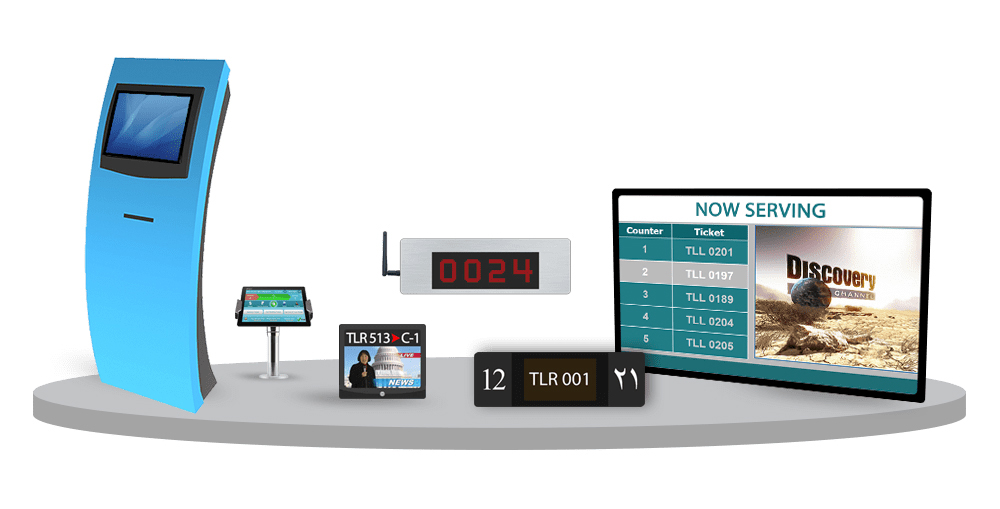
A queue management system is a tool which consists of software and hardware parts and it is used to manage the customer flow and customer experience. The queue management software is a server application which is connected to an interactive self-service ticket dispensing kiosk or queuing kiosk. It is also connected to digital signage screens and audio announcement system. Some businesses also use dynamic counter plates which can also be managed through the queue management system.

Furthermore the hardware part of the queue management system includes a ticket dispensing kiosk which allow your customers and visitors to interact with the system and issue them token numbers. There is a digital signage screen, which displays live queuing details and keep your guests informed about the current activities on each service counter. A business can have multiple signage depends on the premises size. Similarly the audio announcement system is also hardware part powered by in-built multi-lingual audio announcements module.

The counter plates are also connected to the queue management system via network and can display the counter number/name along with the current ticket number. These components form a standard queue management system with basic configurations. Businesses can add more software and hardware components to enhance the features of the queue management system.

See Also: From Chaos to Control: How Queue Management Systems Can Improve Your Business

What is a Queue Management System?

What are the Drawbacks of Poorly Organized Customer Flow?

A poorly organized customer flow have many drawbacks, it doesn’t only affect your customers but it will also have a negative impact on your employees and their performance. Which will translate to low productivity, poor growth, bad business reputation, higher customer churn rate, lower conversion rate and in the long run it will damage your brand image. When the queues or waiting lines are not managed properly the very first effect is extended wait time. When the customers will have to wait for longer period of time, they will be frustrated and annoyed.

This will cause many other problems such as line jumping, customer complaints and more fraction in customer journey. When the waiting lines are not managed efficiently they employees also suffer, they will have to deal with customer complaints, they will have to manage the queues by themselves and they will have more workload, it will also distract them from their primary tasks which will undermine their performance. The customers will reach to the counter in stress and they will be unhappy, this will result in poor interaction with the service agents, and it will also make it difficult for the service agents to satisfy the customer.

Long waiting lines, and extended wait time will result in higher customer churn. When employees will fail to improve their performance despite putting all efforts, they will leave too. Higher employee turnover will cause several other problems, higher customer churn rate will damage your business’s reputation.

See Also: The Concept of Queue Management and Crowd Control

What are the Drawbacks of Poorly Organized Customer Flow?

What are The Benefits of Implementing a Queue Management System?

There are several benefits of implementing a queue management system, but it is important to understand that there are different types of queue management systems available in the market. You must have to choose the right solution that suits your needs and business type. However, one of the best way is to hire a well-reputed queue management system provider such as RSI Concepts and ask them to build a bespoke tailor-made customized queue management system according to your needs. Here are some of the benefits of implementing a queue management system:

Reduction in Customer Waiting Time

When the customer flow is well-organized, they queuing process is automated the customer wait time will automatically reduce. By implementing a queue management system businesses can automate several queuing process. The ticket dispensing is automated, the customer flow is managed by the smart algorithms of the queue management software, and the employee performance is also improved. A queue management system can automatically take decisions, and set customer route according to the historical data and the live queuing data, which is why the customer wait time is optimized.

Furthermore the queue management system also help improving customers’ waiting experience by reducing the perceived wait time. It keep customers engaged and distracted from the waiting by frequently making audio-visual announcements and updating the digital signage. Furthermore the queue management system can also play multimedia content, adverts, promotional and marketing content on the digital signage which also help increasing customer engagement and help optimizing the perceived wait time.

See Also: How Queue Management System can Boost Productivity and Profitability?

Reduction in Customer Waiting Time

Improved Employee Performance

When a business implements a queue management system the employee efficiency and performance is significantly improved. Without a queue management system the employees will have to adhere to several other tasks, most of which are not productive. Manually managing customer flow, especially during the peak-hours can greatly undermine the employee performance and it also have toll on service quality. However, with a proper queue management system in place the employees don’t have to worry about many things and they are free to focus on their primary and more productive tasks.

This not only boost employee performance but also greatly reduce their workload. When the employees work under a balanced workload their satisfaction increases and they tend to perform better. The queue management system automate several queuing processes, and it also offers dedicated service agent dashboards, which can also lift up a lot of workload and help service agents in many tasks. Businesses can significantly improve employee performance and service quality by implementing a queue management system.

See Also: Top 8 Benefits of Using Queue Management System

Improved Employee Performance

Enhanced Customer Experience

The customer satisfaction depends on customer experience and service quality, better experience results in higher customer satisfaction index. When a business implements a queue management system it automates several queuing processes. When the customers know that their tokens are issued by computer operated system, they have more trust over the system, and it assured them there will no favoritisms, no line-jumping, no intervention from the staff, whatever token is issued to them they will be served accordingly.

Furthermore the queue management system keeps customers and visitors engaged and help diluting the effects of waiting and reduce their stress. This will improve their waiting experience. As the service staff is also aided by the queue management system, they are also more welcoming, fresh and prepared for the customers. This all results in a better customer interaction with the service agent and also tend to improve the service quality.

Implementing a queue management system greatly improves customer experience and results in higher customer satisfaction which help your business building a strong brand image and reputation.

See Also: Queue Management System for Trucks and Logistic Centers

Enhanced Customer Experience

Real-time Monitoring and Remote Management

One of the best advantage of implementing a queue management system is that it offers real-time monitoring and remote management features. Businesses often have multiple branches where they deploy a queue management system, and even in case of only one office the real-time monitoring dashboard and capabilities to manage the system remotely are some of the most productive features.

Usually there is a central location or head office where the top management resides, they want to monitor the queuing activities and stats to take timely decisions. The queue management system is a centralized software system which connects all branches and parts and enable real-time monitoring. The branch manager, or the senior manager at the head office or any other user with adequate access can monitor the live real-time queuing data and stats.

Furthermore it is very easy to implement the queuing polices and strategies across the entire business, remotely from the head office. Businesses can also set automated alerts and notifications for the managers and supervisors to enable them to be more reactive towards the customer footfall and help them improve the customer flow by keeping them up-to-date all the time.

See Also: Qualities of a Good Mobile App for Queue Management System

Real-time Monitoring and Remote Management

Collect Business Intelligence Data

The data is the backbone of modern fast-paced markets. Every business who wants to succeed should be able to collect, analyze and utilize the business intelligence data in order to generate value and productive outcomes. A queue management system can provide a wealth of highly accurate and valuable business intelligence data. The queue management system can collect queuing data, system usage stats, waiting time trends, customer footfall trends, employee performance and KPI metrics, and it can also collect direct customer feedback which can be incorporated in several internal decision making process to improve strategies and overall performance of the business.

The queue management system can also be integrated with third-party tools and central information center which enables it to collect data from various sources, and it also allow the queue management system to provide business intelligence data for other systems and tools. Businesses can analyze the queue management system data and customer feedback using in-built analytical tools, or they can extract it in form of various intuitive report formats such as summary reports, trend reports and much more which help them utilize the business intelligence data at its full potential and maximize the overall efficiency and performance of the business.

See Also: Efficient Queue Management System Qualities

Collect Business Intelligence Data

Conclusion

In modern fast-paced markets where the markets are subjected to subtle and rapid changes, a business needs a proactive approach to deal with up-coming challenges. Managing customer facing environments and maintain a satisfactory customer experience is one of the most challenging task a service-based business ever faces. Poorly organized waiting lines and long queues can have devastating effects on a business. Pool queuing strategy and manual queue management can results in poor employee performance, low service quality, and unhappy customers.

However when a business implements q modern queue management system, they can greatly improve employee performance, customer experience and consequently customer satisfaction. A queue management system offers many features which can help improving the customer flow and minimizing the customer churn rate. In this blog we have discussed what a queue management system is and how businesses can benefits from it.

If you want to learn more about the subject or if you want our help to build you a tailor-made queue management system for your business, please feel free to contact us through our Contact Us page or leave a comment in the comment box below and we will get in touch with you soon.


Redefining Queue Management: How to Enhance the Customer Experience

For any business the customer satisfaction is the prime goal, it assures long term success, stability and growth. Businesses operating in service sector understand the importance of customer flow optimization and customer journey management. Especially in Dubai and anywhere in UAE the markets are very competitive, the customers have too many options available and people usually tend to switch after getting even only a single bad experience. That is why queue management is crucial for a business’s success. Long queues, poorly managed waiting lines and crowded lobbies are a great dissatisfaction for the customers, which not only raise customer churn but also harm business’s brand image and reputation.

There are several challenges that customer facing environment have, one of the biggest is delay in service and long waiting time, furthermore the management of customer service center is also complicated and collectively everything impacts the customer experience. A queue management system not only reduce wait time it also streamline customer flow, provide real-time monitoring and it is very helpful for the management and staff which results in higher efficiency and raise customer satisfaction.

Redefining Queue Management: How to Enhance the Customer Experience

What is a Modern Queue Management System?

A modern queue management system is a digital solution which includes both software and hardware components. The software is designed with AI based smart technologies which enables it to collect data in real-time, take decisions at its own to improve customer flow and it improves management. A queue management system allow to monitor, track and improve customer movement within the premises and help improving customer waiting experience and customer journey. It automates several queuing processes and capture business intelligence data from each and every customer touch point. This ability allows it to take decisions at its own to ensure a smoother customer flow.

Queue management system helps both service agents and the management to effectively improve the queuing process. It not only eliminates the inefficient and manual queuing practices but it also collects valuable business intelligence data insights which can be integrated in decision making and strategy building processes to further improve the customer flow management policy and practices. In this blog we will discuss how a modern queue management system can greatly enhance customer experience to achieve higher satisfaction.

See Also: The Concept of Queue Management and Crowd Control

What is a Modern Queue Management System?

Customer Experience: Long Wait Time

Long wait time has the most impact on the customer experience than anything else. No matter how good your office or facility is, how well your staff is trained, if your customers will have to face long wait time they will eventually end up unhappy. According to several studies on an average a customer could tolerate around 9 minutes of wait time, and any minute adding to that will have toll on customer experience, so much so that a time will come when your customers will become annoyed enough that they will decide to leave without even getting the service.

This is called customer churn and keeping it at the lowest possible value is crucial for your business’s success. Longer wait time doesn’t only bother your customers but there is a phenomenon known as perceived wait time, which even worsen the conditions for both businesses and customers. The perceived wait time is the wait time our brain perceived instead of tracking the real-time. The perceived time is always higher than the actual time, for example, your customers have waited for let say 20 minutes however their mind perceive it longer than that maybe 30 or even 40 minutes.

See Also: How Queue Management System can Boost Productivity and Profitability?

Long wait time has the most impact on the customer experience than anything else

Longer wait time means even longer perceived wait time which results in bad customer experience and cause frustration. That is why it is important to control, reduce and efficiently manage both wait times. A modern queue management system not only help minimizing the wait time but it also offer features which help reducing the perceived wait time’s impact by increasing customer engagements. There is another psychological phenomenon into play which is the fear of unknown, if the customers have no clue of how long they will have to wait this will add to their fear and they think they might have to wait for long period of time.

However, a queue management systems comes with a powerful software tools which is built on smart AI and advanced data processing algorithms. These features enable queue management system to monitor the live queuing situation, consider the historical data and measure the ongoing performance on the service counters and estimate the remaining time to service. Hence when the customers are given their token they are also provided with estimated time to their turn.

See Also: What are the Different Types of Queue Management System?

Longer wait time means even longer perceived wait time

When the customer know how long they will have to wait, they tend to remain calm. Furthermore there are several other features which help improving customers’ waiting experience. A modern queue management system comes with a smart customer calling module. The modern queue management systems are integrated with digital signage displays and a multi-lingual audio calling system. The digital signage keep displaying the current token number at service counters, upcoming tokens and few more details which keep customers distracted from the waiting and minimize the impact of waiting.

Furthermore the queue management system can automatically make audio announcement where it calls token number and the service counter allotted to that token number, usually the customer call is made in two or three languages followed by a short music tone. The digital signage screens are also not only used to display queuing information, but a modern queue management system comes with in-built digital signage management module as well. Which allow businesses to run marketing or promotional videos or any other entertaining content on the large displays along with the queuing information.

The digital signage and speakers are installed at strategic locations with aim of ensuring every customer at any place in the waiting area can view the signage or listen to the audio announcement. All these features help greatly reduce the waiting stress and improve customers’ waiting experience.

See Also: Paperless Queue Management System

When the customer know how long they will have to wait, they tend to remain calm.
When the customer know how long they will have to wait, they tend to remain calm

Customer Experience: Quick Service Delivery

Let us just admit whenever we have to face a situation where we have to wait for some time in a queue or in waiting area, in such situation when we reach to the service counter we want to get the service as quickly as possible and leave. For any customer facing environment it is crucial to offer a quality service and in a timely manner. When the customers already waited for some time, they are in hurry and want to leave as quickly as possible. A modern queue management system help businesses minimize the service delivery time by offering specialized features to automatically manage the customer journey and to help the service staff in their tasks.

A modern queue management system offers a dedicated dashboard for the service agents, it can integrate with central information center and other third-party tools to enable quick availability of the data and information for the service agents, and it monitors employee KPIs. All these features help reducing the service delivery time and ensure a smooth customer flow. A queue management system automates several customer journey steps, and internal processes which means the staff doesn’t have to worry about any such thing, in fact they can easily focus on their primary tasks which results in quicker service delivery as well as improved service quality.

See Also: 7 Features of Queue Management Software

For any customer facing environment it is crucial to offer a quality service and in a timely manner

Furthermore the queue management system also allow customers to sign-in using self-service ticket dispensing kiosk. Usually the ticket dispensing kiosk as the customers about what service they need this help the queue management system to route the customer to the right service counter and put them in the right queue. Most of the time customers end-up in the wrong queue which could cause a lot of problems and result in delays in service delivery. On top of that each business have its own queuing policies. Businesses always offer multiple services and apart form that there are different customer groups which are prioritized differently, for example, the VIP customers, people with special needs, elderly people, etc.

All these customers are expecting a different treatment from the business, which is defined in the queuing policy. A modern queue management system help businesses effectively implement their queuing policies and provide better monitoring and control over customer flow. Some businesses also offer stepped services which means a customer is required to visit multiple or more than one service counter in order to get a complete service. All these variables can make queuing very complex for both businesses and customers and cause unnecessary delays in service delivery.

See Also: What are basic features of Queuing System?

A queue management system automates several customer journey steps, and internal processes

Customer Experience: Better Service Quality

The service quality or the quality of the interaction a customer have with the service agent can greatly influence their opinion about your business. It is essential to ensure a customer have a happy and satisfactory experience with your service staff. A queue management system help reducing the workload of the service staff. With manual queuing the staff regularly have to engage in queue management tasks, which distract them from their primary tasks and result in poor quality service and more customer complaints. With the queue management system the entire queuing process is autonomous which means the service staff have more time to focus on their primary tasks, this increase their performance which improve service quality.

Furthermore the queue management system also help service agents with their several other tasks which also result in quicker and better service delivery. The modern queue management system comes with advance employee performance monitoring tools which also help management track and monitor employee performance and collect valuable data which support HR decisions and help improving the workforce. All these features collectively help management improve the service quality and consequently the customer experience.

See Also: Importance of Queue Management System for Government and Public Offices

It is essential to ensure a customer have a happy and satisfactory experience with your service staff

Customer Experience: Business Intelligence Data

Data plays a crucial role in the success of any modern business, majorly due to the digital advancements, rise of online channels and customer preferences, the businesses are compelled to adopt to modern IT infrastructure in order to stay relevant and competitive. A modern queue management system can produce a wealth of highly accurate and valuable business intelligence data which can help businesses refine the customer experience by acquiring insight to customer behavior, detecting pain points and highlighting the areas of improvements. The business intelligence data covers a wide spectrum insight and information such as queue management system usage stats, customer preferences, customer footfall analytical data, employee performance data, and even the customer feedback data.

The business intelligence data is collected autonomously and available in form of interactive reports. The management can customize these reports to align them with their goals and strategies. The business intelligence data can also be synchronized with central information center or any other third-party system via easy integration. When management have accurate data and insight they can make informed decisions. It also help evaluating business strategies, processes and practices and help businesses to make improvements which results in better operational performance and higher customer satisfaction.

See Also: How to Implement a Queue Management System at an Airport?

Business Intelligence Data plays a crucial role in the success of any modern business

Conclusion

Queue management system offer a variety of features and tools which help management improve the customer experience, optimize the operational cost, improve employee performance and achieve higher profitability. A good customer experience is crucial for a business to build a good brand image. The competition is tough in Dubai and other parts of UAE, businesses proactively improve their offerings to delight their customers. The customers are also very demanding and the market trends are subjected to subtle and monumental changes. It could be very difficult for a business to keep up with these changes without having right tools in their arsenal.

A queue management system is the perfect companion for any customer facing environment. It help reducing the wait time, have positive impact on employee performance, and it significantly improves the customer experience. A queue management system offers a centralized management mechanisms which enables businesses to monitor all connected branches in real-time and make sure right actions are taken and in timely manners to avoid any disruption or unwanted delay in customer flow. In this blog we have discussed how a modern queue management system can help businesses enhance the customer experience and leverage the technology to achieve their long term goals and success.

If you want to learn more about the subject or if you want us to help you implementing a tailor-made queue management system solution for your business, please feel free to contact us through our Contact Us page or leave a comment in the comment box below and we will get in touch with you soon.

See Also: Queue Management System for Trucks and Logistic Centers


Best Features of a Digital Queue Management System for Banks

Banks offer crucial financial services for individuals and businesses which are essential for our modern societies. If you are living in Dubai, Sharjah, Abu Dhabi or anywhere else in UAE, you must have visited a bank either for account opening or for business purposes. If you recall your last interaction with a bank, how was your experience at the branch? I am sure it was not as pleasing as it should be. The biggest problems at banks is the large customer influx, a customer might have to wait for 30 to 45 minutes for a service which can be delivered in 5 minutes.

Obviously your appointment at bank is not something which you should expect to be enjoyable or entertaining but at least it should be comfortable, convenient and friction-less. This means that there are still some flaws and problems with the banking sector which are impacting customer experience. The average wait time for a typical bank service is around 20 minutes or in some cases even more than that, which cause stress and frustration. A digital queue management system solve all those problems and it also helps improving customer experience.

Best Features of a Digital Queue Management System for Banks

What is a Digital Queue Management System?

A queue management system is a combination of tools and strategy to improve customer flow and maximize the performance of the customer service centers. The early form of queue management systems was first-come-first-serve based waiting line. Then businesses started sorting them in multiple waiting lines. Later on technology is introduced to the queuing systems. The digital queue management system is the latest form of customer flow management systems.

A digital queue management system also consists of some digital tools (software and hardware) and a queuing strategy which help banks to significantly improve the customer experience, maximize their branch productivity and profitability and it also help improving staff performance. A digital queue management system also help businesses meet the ever-increasing customer expectations and it also collects valuable business intelligence data which is very helpful for businesses.

See Also: What are the Different Types of Queue Management System?

See Also: Paperless Queue Management System

What is a Digital Queue Management System?

Here are the key features of a digital queue management system for a bank:

Digital Queue Management System: Reduction in Customer Wait Time

Customer wait time is one of the major cause of customer dissatisfaction. A digital queue management system is a very capable tool which can greatly reduce customer wait time and it also help improving customers’ waiting experience. Customers can sign-in using multiple methods which makes it very easy and convenience. Once customers are singed-in they are issued a ticket number which is their position in the queue. The customers are allowed to wait freely either in the waiting areas or even outside of the bank premises. The queue management system can also communicate with customers using SMS or WhatsApp or any other channel.

It sends them live queuing information, alerts and notifications which prevent customers from missing out their turn in the queue. Furthermore the digital queue management system also have a digital signage screen, usually more than one screens are placed on strategic locations to ensure every customers can easily view information on these screens. Along with queuing information, multimedia content can also be played which help diverting customer’s focus form waiting time. The frequent audio announcements also keep customer engaged and reduce the stress of waiting.

See Also: How Queue Management System can Boost Productivity and Profitability?

Digital Queue Management System: Reduction in Customer Wait Time

Digital Queue Management System: Customer Journey Transformation

A digital queue management system has an AI (artificial intelligence) based very powerful software engine which make it more effective and efficient. A digital queue management system is a customer journey transformation tool. It can enhance customer’s entire visit even from pre-arrival to post-service activities, a digital queue management system effectively improves the entire customer journey. Furthermore a digital queue management system is capable of collecting customer behavioral, statistical and performance data which enables it to take instant decisions on the bases of real-time queuing situation.

A typical bank have multiple services which they are offering at their branches, some service counters are exclusive for certain services some are for general services and furthermore there are also customer classifications and priority levels that the bank has to accommodate. It means that the bank has a very complex queuing strategy. A digital queue management system not only help banks implement their strategy but it also improving it. It can automatically route customers to the right service counter and as per their priority level or any other parameter that is applicable it manages the entire customer journey and ensure maximum efficiency, smooth customer flow and less wait time.

See Also: What are basic features of Queuing System?

Digital Queue Management System: Customer Journey Transformation

Digital Queue Management System: Boost Branch Efficiency

A digital queue management system is not just designed to reduce the customer wait time. It is a very powerful tool which can help improving several processes and have huge impact on the overall efficiency and performance of the entire bank branch. The digital queue management system automates several processes and customer journey steps. For example, the customer sing-in is completely automated, customers can utilize the interactive kiosk to sign-in and get the token number or they can utilize any supported virtual channel to sign-in and get a digital token or e-ticket. Furthermore everyone is served only at their turn, there is no chance of staff giving importance to any customer, this not only help improving the customer flow but it also help gaining customer trust.

Furthermore there are no disputes, line jumping or any such problem that is associated with manual queuing. This means that the customer flow is entirely managed by the queue management system and the staff doesn’t have to involve at any stage. This not only speed up everything but it also help reducing the employees’ workload. When the staff works under balanced workload they tend to perform well and deliver high-quality service which improve branch performance. The employee have more time to focus on their primary tasks and they don’t have to worry about queuing problems which save a lot of time and also help reducing the service delivery time and resultantly customer wait time. All these improvements help boosting branch efficiency, employee performance, reduce human resource cost and ensure satisfactory service delivery.

See Also: 7 Features of Queue Management Software

See Also: How to Set Up SMS based Queue Management System?

Digital Queue Management System: Boost Branch Efficiency

Digital Queue Management System: Collects Business Intelligence Data

A digital queue management system is capable of collecting highly valuable business intelligence data from each and every customer touch point throughout the customer journey. Since the entire customer interaction digitally managed, collecting statistical data is much easier. For example, the queue management system can provide comprehensive insight to the customer flow such as which services most customer are choosing, what is average customer wait time, what is average service time and which employee is performing better and at which stage the customers are waiting longer than expected, etc.

A digital queue management system is also capable of collecting customers’ behavioral data and compile it in form of easy-to-understand reports which help management understand customer behavior trend, performance trends, footfall trends and many more useful insights. A digital queue management system can collects a wealth of business intelligence data which can be very useful in decision making processes and help management evaluate their queuing strategy, customer journey and various other processes that can directly impact the customer experience. Furthermore a digital queue management system can also facilitate customer feedback collection and help banks collecting valuable customer feedback.

See Also: Importance of Queue Management System for Government and Public Offices

See Also: How to Implement a Queue Management System at an Airport?

Digital Queue Management System: Collects Business Intelligence Data

Conclusion

Banks offer most important financial services which are integral for our society and businesses to work. Whether you visit a bank in individual capacity or for your business, visit to a bank is inevitable. Banks also know that very well, hence they are always investing in innovative solutions and technologies to ensure their customers and visitors have an excellent customer experience. The overall UAE market in general is very dynamic, vibrant and versatile, for customers there are so many options to choose from. This is what makes customer satisfaction crucial for banks. If a bank wants to obtain customer loyalty then they must have to level up their game at customer experience and customer service.

A digital queue management system is a perfect companion for banks who want to improve their customer experience. It help banks automate several customer journey processes and improve employees’ performance without compromising the customer satisfaction. In fact queue management systems are known for delivering highest customer satisfaction in all customer-facing environments. In this blog we discussed what a queue management system is and what features it offer which can help banks achieve maximum productivity, performance and customer satisfaction.

If you want to learn more about the subject or if you want our help to transform your bank branch with our customized queue management system solution, please feel free to contact us through our Contact Us page or leave a comment in the comment box below and we will get in touch with you soon.

See Also: Queue Management System for Trucks and Logistic Centers

See Also: Queue Management System Problems and Solutions in Dubai, UAE
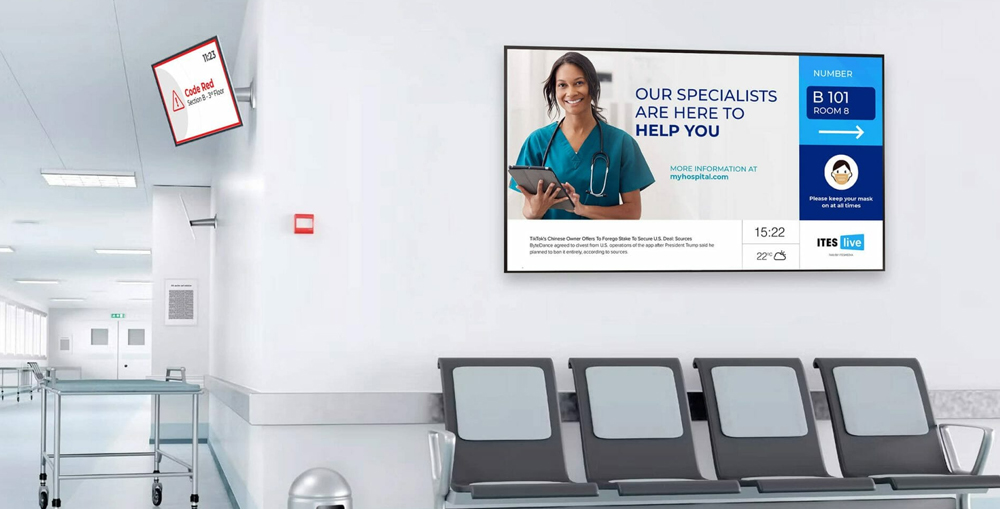

Lafarge Acquire Truck Queue Management System from RSI Concepts
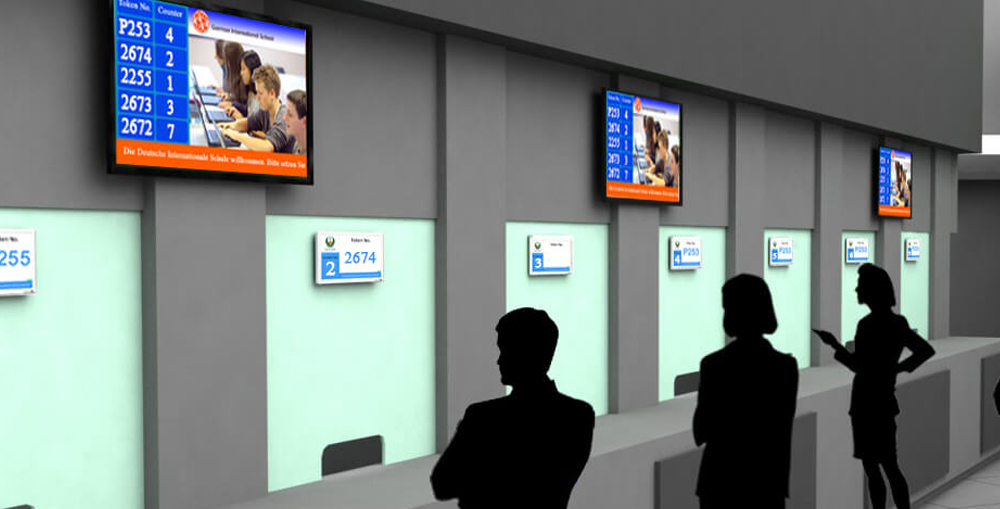
Lafarge Emirates Cement LLC is one of the most famous and reputed company offering a wide range of construction solutions with a strong portfolio and international presence in the region. The Lafarge Emirates Cement is part of a bigger Holcim Group, and share a common vision of promoting green growth. The Holcim group has strong presence in global markets all around the world with a workforce of around 75,000 employee worldwide. The Lafarge Emirates Cement is known for its remarkable contribution and initiatives to the society and environment. The company has revolutionized the construction sector in UAE by adopting to modern technologies and practices.

The climate centric and reduction in harmful materials is the epicenter of all processes and methods at Lafarge Emirates Cement. The group is investing heavily in reducing carbon-footprint, encouraging the use of low-carbon materials and decarbonizing their current operation. These initiatives and compliance with local and international industry standards helped Lafarge Emirates Cement build a great reputation and a strong brand name.

Lafarge Acquire Truck Queue Management System from RSI Concepts
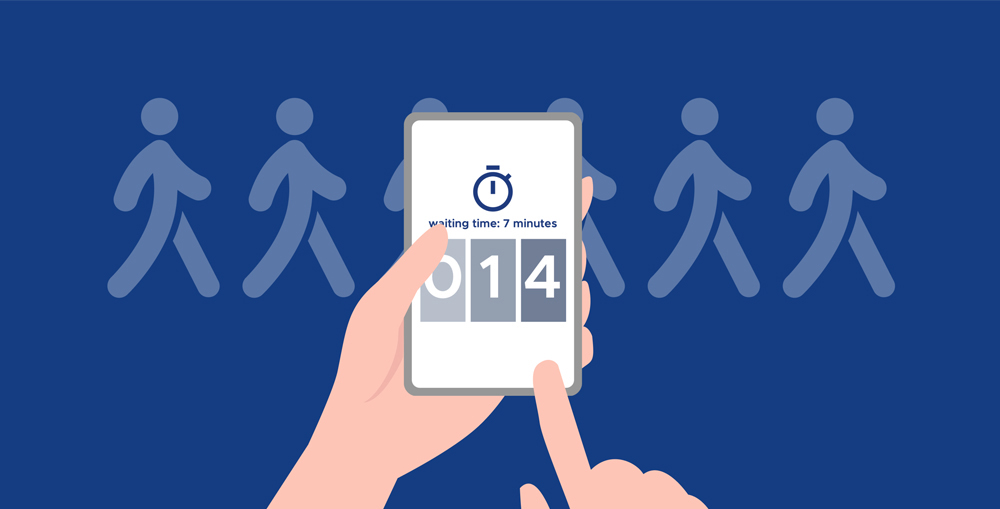
Recently Lafarge Emirates Cement LLC have faced a problem in their delivery system, they were having issues registering the drivers who are coming to collect the cement or other mixes at their plants. On top of that the vehicle flow management also needed some improvements. For that the Lafarge Emirates Cement LLC required a modern queue management system for vehicles. They have contacted top queue management system designer and developer agencies in Dubai, UAE and asked them to propose a queuing solution to solve these problems. Thankfully RSI Concepts was awarded the project to design and deploy a customized vehicle queue management system for Lafarge Emirates Cement LLC which can improve the vehicle flow and add additional security layers to improve the authentication process at their production and distribution facilities.

See Also: Improve Customer Journey with Queue Management System Business Intelligence
RSI Concepts have offered an outdoor interactive self-service kiosk which are deployed at the entrances of their facilities. All incoming vehicles can register themselves at these kiosks. The interactive self-service outdoor kiosks are designed to simplify the process for the drivers adding support for multiple languages and automating various steps. The drivers can simply reach to the kiosk and scan an RFID based Identification Card, which will help the system to identify the person and its company/department. Furthermore the facial detection is also available and the drivers can scan their face to identify themselves, the system has ability to verify the registration status of the vehicle, driver and their company automatically to prevent unauthorized access. After completing a simple sign-in process the vehicle drivers are issued a mobile ticket via SMS which help them navigating through the next steps and getting the job done.

See Also: Importance of Display Devices in Queue Management System
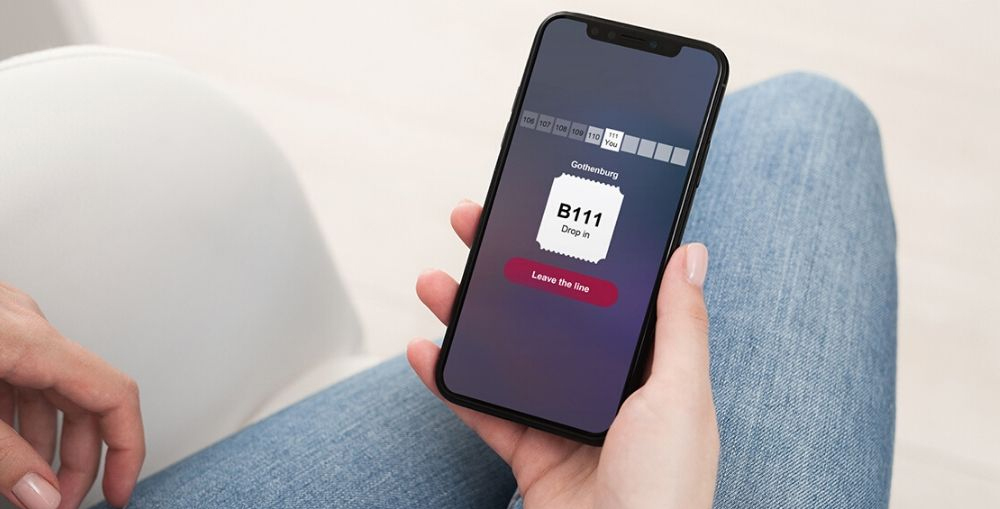
Here are the remarks of our Sales and Product Manager, Mr. Shehzad Asghar:

“It was a great experience working with the Lafarge Emirates Cement Team. Thanks to our skilled designers and hardworking engineering department, we have delivered the complete solution within the required timeline. Both the software and hardware were fully customized and integrated with the existing IT infrastructure and central information system which helped us including innovative and productive features in the system. We will looking forward to expand our collaboration and support to Lafarge by working at more ventures in future.”

See Also: What is Linear Queuing Queue Management System?

The interactive self-service outdoor kiosk solution demand simplicity and productivity which can only be achieved with innovative features and creative ideas. At RSI Concepts we have a highly skilled and motivated team which ensures our each solution not just meet the requirements but offer maximum productivity and efficiency to ensure customer satisfaction. Lafarge Emirates Cement LLC is a well reputed name in UAE and we will look forward to expand our collaboration in coming future.

See Also: Bank Branch Transformation with High-tech Queue Management System

See Also: Queue Management System for Telecom Sectors in UAE

See Also: How to Implement a Queue Management System at an Airport?

See Also: World’s First WhatsApp Queue Management Solution