
BLOG OF RSI CONCEPTS

world map

How to Set Goals for your Employees in Performance Management System?

How to Set Goals for your Employees in Performance Management System

For any business the performance management is absolutely crucial. Especially in Dubai and in fact all around the UAE the markets are very competitive and the industry standards are comparatively higher comparing to any other country in GCC or MENA regions. Obviously each industry sector have different challenges however, performance management is equally important for all business and organizations. Whether you are a large enterprise or a small business achieving maximum productivity and quality of the work will help you levitate in the market.

Every business is centered on its customers, the customers need high quality products and excellent services. Which can only be achieved if your employees and internal business functions are performing well. That is not all the effective performance management also help reducing the expenses and improve outcome. It also help improving resource management and planning which tend to produce high quality work and better performance. Performance management systems help businesses improve their organizational culture over the time and gain competitive advantage in the market.

How to Set Goals for your Employees in Performance Management System?

For any performance management method the most important point is setting up goals and objectives. Setting up performance oriented goals not only ensures high performance and produce better outcome but also benefit your employees. The goals and objectives have a huge impact on employee performance, unclear and unrealistic goals not only decline performance but demotivate your employees and lower their morale. The performance management system is a digital tool based on a powerful software application which provide tools to enhance employee engagement, enhance communication and help businesses effectively implement performance management strategies.

Modern day performance management heavily rely on data flow and structured information. That is why the performance management system is used instead of traditional and manual methodologies. In this blog we will cover how a business whether large or small can effectively create result oriented goals to boost employee morale and achieve higher performance, productivity and profitability.

See Also: Unlocking Business Potential with AI-Powered Advanced Analytics

Align Employee Goals with High-level Business Goals

Each business have high-level goals and objectives that they want to achieve. The employee goals should be aligned with the high-level organizational goals. When the employees knows what the organization is wanting to achieve and what is expected from them in order to achieve those goals they tend to perform well. When the high-level goals and individual goals are communicated clearly to the employees and they know how their goals will contribute to the high-level organizational goals they understand the importance of individual goals and they get a sense of importance and value. This way the employee work with passion and focus more on their goals and objectives.

Basically the employee engagement is very important to motivate them for better performance. When the business goals are communicated effectively and consistently the employee understand them and feel more connected with the business, this gives them motivation and raise their morale. The performance management system provides a complete framework to set up goals and also help managers communicating those goals to the individual employees.

See Also: 5 Challenges in implementing Performance Management System
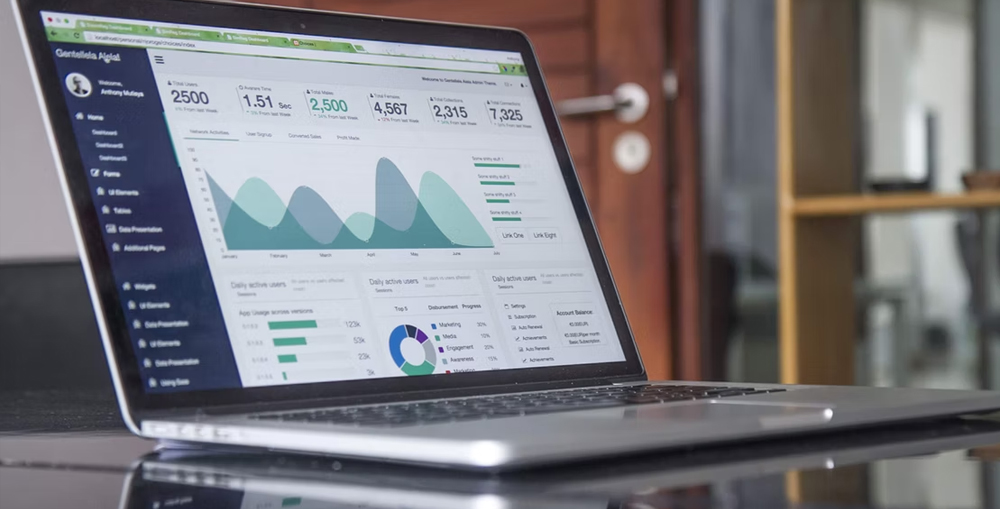
Align Employee Goals with High-level Business Goals

Another major obstacle in improving performance is the accountability. Employees are usually not comfortable with high accountability. But when the high-level organizational goals and objectives are communicated to them and the importance of their work and performance is clear to them they can tolerate more accountability as they know how their performance can impact the overall performance of the entire organization. Usually the business goals and objectives are derived from its vision and mission.

Furthermore, these goals and objectives are used as a reference point to build strategies and these strategic objectives and goals are scaled down for the teams, departments and various business functions. Then these goals and objectives are further fragmented into individual goals and objectives. This top-down approach is more effective and help communicating the high-level organizational goals and objectives to individual employee. When individual goals and objectives are perfectly aligned with high-level goals the business can achieve the desired performance objectives.

See Also: Choosing a Performance Management System A Buyer’s Guide

Align Employee Goals with High-level Business Goals

The performance management system help managers improving employee engagement and provide a variety of features that support communication between employees and managers/supervisors. Furthermore the performance management system is capable of continuously monitoring the employee performance and progress towards pre-set goals throughout the entire appraisal period. This allow managers to immediately detect any deviation from the original employee goals and let them take steps in time to correct course and align employees with the high-level organizational goals.

The Performance management system offers several other features and monitoring tools which can alert managers about any discrepancies and obstacles the employee might be facing which is deviating them form the original goal. This help managers identify and rectify the problem in time and prevent any long-term negative impact on the overall performance for the entire appraisal period. Furthermore the smart software framework enable managers to effectively linking performance management to business outcome to boost productivity and to increase employee alignment with high-level organizational goals.

See Also: Benefits of Implementing a Modern Performance Management System

Align Employee Goals with High-level Business Goals

Set SMART Goals for the Employee Using Performance Management System

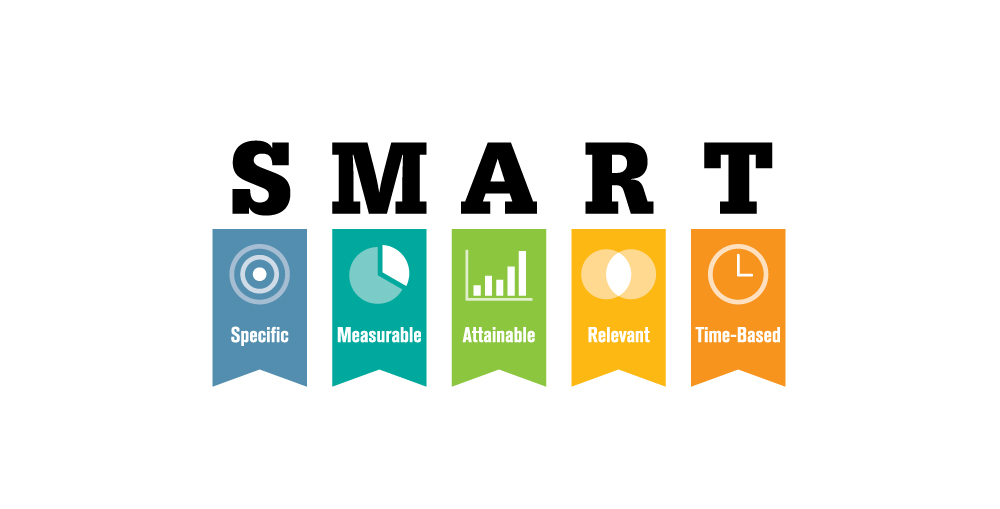
Setting up goals is one part of the problem, the other part is to build plan of action to achieve those goals. For that businesses tend to utilize SMART framework. The SMART framework is a method to build goals that can be tracked and achieved easily. One of the main reason of failure of an employee is poorly crafted goals. If the employee create goals for themselves they might not be able to create realistic goals, they either tend to create goals with very high outcome or either as per their own convenience.

In both cases ultimately these goals will fail the employee as their performance is associated to their contribution in the high-level organizational goals and objectives. That is why the businesses tend to implement SMART goals strategy, which help them create realistic goals, made them more achievable, and enable them to build result-oriented action plans. Here is what SMART stands for:

  • S: Specific
  • M: Measurable
  • A: Achievable
  • R: Relevant/Results
  • T: Time-bound

See Also: Why Custom Performance Management System is more Effective?

Set SMART Goals for the Employee Using Performance Management System

SMART Framework: Specific

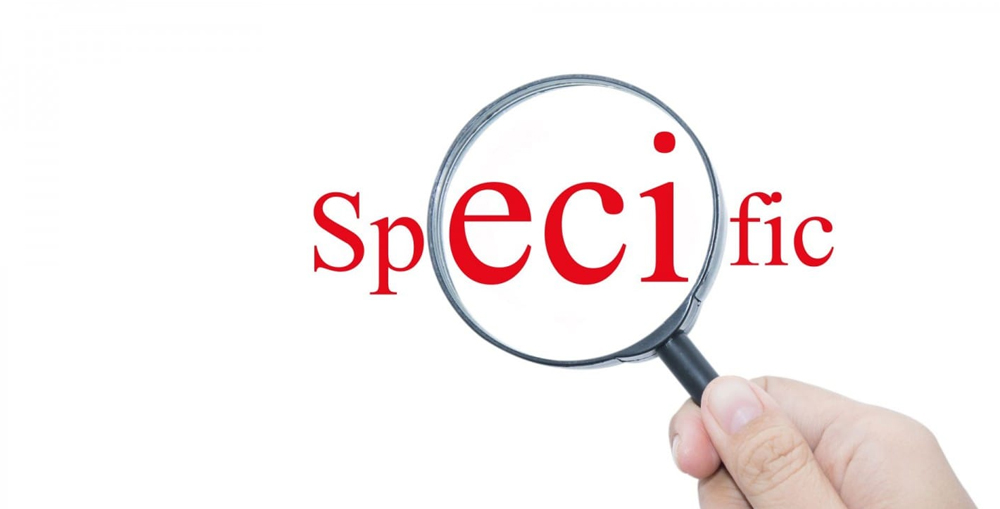
It is crucial to create very specific goals that can clearly explain what is to be achieved, why it has to be achieved and how it can be achieved. When managers ask their employees they tend to get confused or gave very vague answers, which doesn’t usually specify outcome either. That is why it is crucial for the managers to set a very specific goal and outline the plan of action to achieve it.

Furthermore in order to increase employee engagements and to encourage them it is also important to explain them why you would want them to achieve that goal and how it will contribute to the high-level organizational goals. It is prime responsibility of a manager to explain the employees how they can achieve their goals. In fact the managers should not only make step by step plan, but also coach them to let them be more confident and motivated in achieving their individual goals.

See Also: How to Customize Performance Management System
SMART Framework: Specific

SMART Framework: Measurable

Each goal should be measurable or a criteria should be established to quantify the outcome. These criterions indicates the progress towards the desired goals. The measurable aspect of the SMART framework is very important as it provide a mechanism for accountability and also indicates the progress accurately towards the goal, which help keeping employees on track and keep the motivated. If employee get engaged during the goal creation process it can boost their morale and increase their motivation.

This way the managers can also learn about their ambitions and what they want to achieve in terms of growth and progress. Furthermore the managers can discuss the goals in details and let them understand what indicators and what mechanism will be used to track their performance and what indicator will indicate their success.

See Also: Employee Performance Management Process with PMS

SMART Framework: Measurable

SMART Framework: Achievable

A specific and measurable goals should also be achievable so that the employee can realistically improve their progress to achieve it. This can be done by closely analyzing the capabilities and competencies of the employee. Managers can also check their previous performance and they should also discuss it with the employees as well. Most of the time managers and employees both don’t consider the possible obstacles or limitation that can prevent them from achieving the goal.

It is crucial to understand the limitation and obstacles that an employee is facing or could face while working to achieve their goals. This will make goals more realistic and achievable. When employees are given achievable goals they tend to perform well, as they understand they can achieve it and in case if they have to work harder, they don’t hesitate. If the goals are over-complicated or doesn’t look achievable, most of the employees lose hope immediately and doesn’t even try to achieve them.

See Also: Employee KPIs and Performance Management

SMART Framework: Achievable

SMART Framework: Relevant

The SMART Framework encourages managers to create relevant goals that are not only relevant to the high-level organizational goals but also relevant to the employees as well. This way the employees can understand the importance of the goal and they can also understand the benefits for them in achieving that goal. This also makes it easier to explain them how the goal will contribute to the high-level business goals and objectives.

Furthermore it is important to see how relevant the goals is to the business’s broader visions and if it is relevant to the current priorities. Mostly businesses keep improving step by step, for example, a business is more focused on marketing at a time and on the other time it might focus on reducing the customer churn rate or improving the customer support department, etc. Although all such goals are achieved in parallel however, at a certain time certain things are more important than others.

See Also: Why Automating Performance Management is Important for Businesses?

SMART Framework: Relevant

SMART Framework: Time-Bound

Each and every goal should be time bound, whether it is high-level organizational goal or individual employee’s goal a clear sense of time should be there for example, if a business wants to increase their sales by 10% in a particular region, then the time should also be defined such as 10% in sales in Ras Al Khaimah by the end of 2022 or 2023. Similarly the sense of urgency and time limitation motivate employees more to work harder to achieve the goal.

A manager should always clearly specify the deadline for the goal and explain employee why it is important to achieve the goal during that time period. The performance management system is used to boost performance and productivity, time-bound goals gives a sense of urgency and also clarify the importance of the goal which encourage employees to work harder in order to achieve the goal in time.

See Also: 6 Performance Management Problems and How to Solve Them?

SMART Framework: Time-Bound

That is how the SMART Framework works and it can significantly improve the performance management process. A modern performance management system provide intuitive features and customized features to allow businesses implement SMART goal setting framework. The performance management system can also provide the previous data and other analytical data which can help managers predict the possible outcome, hence they can further optimize the goals and make them more realistic, achievable and impactful.

Include Employees in Goal Setting Process & Set Consistent Goals

The managers always want to set goals that can improve productivity and efficiency. As the primary focus is to achieve those goals with a better performance it is better to engage employees in the process as well. Usually managers have certain ideas and plans in mind for each employee and they set goals accordingly to maximize their progress and performance. However, discussing them with the employees first can provide a greater insight. Managers can directly ask the employees to identify the goals or suggest the goals relevant to their position and skillset.

Moreover when the employees and the managers are on the same page the goals are more likely to be achieved successfully. Imposing goals on the employees and asking them to suggest goals for themselves which aligned with the high-level organizational goals are two different things. When goals are imposed the major problem is it is extremely difficult to convince employees that the goals is worthwhile and it will add value to their personal experience.

See Also: What is Continuous Performance Management? Complete Guide!
Include Employees in Goal Setting Process & Set Consistent Goals

Furthermore another most important aspect of employee goals is consistency. It is always best to assign similar goals consistently. This will gradually increase the employee performance and skills and it will also give them a sense of direction and help them set their career path for future. Such goals help managers to achieve better results and also encourage employees to improve their certain skills.

This also prevent competition and rivalry among employees and maintain a healthy and productive work environment. If a certain goal is assigned to an employee next time the same employee should be assigned that goal. The managers should never encourage competition and rivalry as it cause frustration, resentment and lower down the morale of the employees and prevent them from working at their full potential like they can do with consistent goals and tasks.

See Also: Data-Driven Decision Making in Performance Management

Include Employees in Goal Setting Process & Set Consistent Goals

Reward, Recognition and Accountability

It is an important part of performance management to recognize and admire the employees who achieve their goals or exceed them. The performance management system provides a dedicated dashboard to create, implement and improve reward, recognition and appraisal processes. The reward and recognition program show employees how much respect is given to them and how valuable their work is for the business. Such things help improving their morale as well as it helps motivating others.

It is important for the managers to prepare a plan for reward and recognition based on the actual achievements of the employees. As when employees knows no matter what they accomplish their efforts would not be acknowledged, they lose motivation and their morale declines which result in poor performance. The reward and recognition processes should also be transparent, hence no employee feel discriminated.

See Also: Measuring the ROI of Performance Management Systems

Reward, Recognition and Accountability

As much as the reward and recognition is important the accountability is also equally important. If the employees know no one will ask them about their poor performance or no one cares to correct them or confront them, they tend to get lazy and start losing aim and ambition. This could result in gradual decline in employee performance over the time. The performance management system provides a framework to lift up the entire culture of the organization and make it more productive. For that the managers frequently review the employee progress towards the goal and keep assisting them whenever needed.

However, there would be some employee who will fail despite a lot of efforts are done by the managers. In such case the manager should take a very positive approach and encourage the employee to express themselves openly to understand what prevented them from achieving their goals. This way the manager can held the employee accountable for their poor performance while also encouraging them to perform better for the next performance cycle.

See Also: Performance Management System: Best Practices

Reward, Recognition and Accountability

Conclusion

Since past few years business in Dubai and all around the UAE have started upgrading their performance management practices. During past 4 – 5 years the performance management systems have become significantly popular. The main reason is that, businesses realized the traditional and semi-digital methodologies are losing their impact day by day so much so that the traditional practices are no longer impactful as they were around a decade ago. That is why the performance management systems got rapid adaptation.

Basically the performance management system is a modern technological solution for the performance management needs. It is a software that has capability to automatically collect data, streamline various performance management processes and allow businesses to leverage automation and advanced features to improve the process. Setting up goals is the first and most crucial part of any performance management cycle.

That is why we decided to wrote this article to provide our audience a basic understanding of the goal setting process and how they can improve their strategies to ensure they will achieve those goals at the end of performance cycle. If you consider the above mentioned suggestions and methods you can significantly improve your performance management strategy and its impact on the actual performance of the entire business.

RSI Concepts is a leading software development company in Dubai, UAE specialized in customized and tailor-made performance management system solution provider. If you want to learn more about the subject or if you need our help to build an exclusive performance management system for your business or organization, please feel free to contact us through our Contact Us page or leave a comment in the comment box below and we will get in touch with you soon.

See Also: Performance Appraisal System for the HR Department

Performance Appraisal System for the HR Department
The HR Department at any business or organization is one of the most important business function. The HR is responsible for the capabilities and performance of the workforce for the business. If the business have all the required skillset with high performing teams, individuals and business functions, nothing can stop it from dominating the market. Here in Dubai and all around the UAE the markets are very competitive comparing to other gulf countries in GCC and MENA regions. Tougher competition requires maximum performance and productivity.

The HR department adopt to performance appraisal system and processes to boost the employee performance and capabilities of the workforce. Individual employee performance adds value to the team performance which reflects in the overall performance of the business or organization. That is why the HR department is considered to be the most important business function and the performance appraisal is the key driver for the high efficiency, quality of work, productivity, profitability and growth of the business.

Performance Appraisal System for the HR Department
In any market or any scenario leveraging employee’s full potential can provide a great competitive advantage. Whether it is lowering the cost, raising the product/service quality, optimizing the operations and management or anything else, the employee performance is crucial. Businesses have their long term goals and vision. Every business strive hard to achieve those goals and objectives. However, most of the time we noticed that the problem lies within the practices and methodology rather with the resources a business is investing or willing to invest to achieve their high-level organizational goals and objectives.

The performance appraisal is the major process a business relies on to optimize and increase its performance. On the bases of performance reviews and appraisals a business perform several HR related tasks, the same are used for building employee development and training programs which are crucial for performance management. In this blog we will discuss how a performance appraisal system can solve a lot of problems and how a business can achieve their performance objectives with it.

See Also: The Future of Performance Appraisals: 6 Innovations and Changes [Quick Guide]

Performance Appraisal System for the HR Department
What is a Performance Appraisal System?

The performance appraisal is a process of reviewing employee performance usually at the end of a year and on the bases of these reviews the HR department or reviewer determines the value and worth of an employee and its contribution to the high-level organizational goals and strategic objectives. This entire process is a very time consuming and often done almost manually which requires HR department to invest a lot of time and resources in the process. The performance appraisal system is a software and a digital solution which help businesses streamline their performance appraisal process and automates various steps to save time and resources.

The performance appraisal system is capable of enabling businesses to execute both traditional and non-traditional appraisal processes with higher accuracy and more efficiency. The performance appraisal system also offer a variety of modern solutions and improve data flow and communication which is a great advantage. Usually businesses rely on cloud or off-the-shelf solutions, however, a custom performance appraisal system is crucial for modern days challenges in UAE, as it perfectly aligns with business needs and offer more flexibility and customization, which is essential for dealing with emerging challenges and growing needs.

See Also: Employee Evaluation and KPIs for Better Employee Performance

What is a Performance Appraisal System?

Furthermore the performance appraisal system offers digital tools and allow HR department to evaluate the employee performance against a set of pre-determined objectives, their strengths and weaknesses, their worth and value for the business, the financial aspects of retaining an employee, and facilitates various other HR processes, especially decision making. The performance appraisal system is also capable of integrating with various other third-party tools and systems and help businesses to leverage the data more efficiently. A good employee performance appraisal system also support modern needs and allow businesses to customize their own appraisal strategies and processes.

One of the biggest advantage of the performance appraisal system is that it allow businesses to conduct more frequent reviews such as twice a year, at each quarter, monthly or even at the end of a particular project or phase. Which allow management to continuously monitor performance and take timely decisions to set course and make corrections to ensure at the end they will achieve their high-level goals and objectives.

See Also: 5 Challenges to face if Performance Appraisal is not customized as per Organization’s Policies

What is a Performance Appraisal System?

Types of Performance Appraisal in Human Resource Management

Majorly the performance appraisal process involves top-down reviews in human resource management. Where a senior employee evaluate and review their subordinates. There are conflicting information about the origins of the performance appraisal process, however the most common belief is that the performance appraisal processes was first created and implemented during the word war I, however the corporate sector have adopted it in somewhere between 1950s.  Here are a few types of performance appraisals:

  1. Top-Down: This is the traditional employee performance evaluation technique. In this method the supervisor or line manager reviews the performance of the employees and usually the employees doesn’t have any say in the review.
  2. Self-Assessment: In this method the individual employees rate their abilities, skills, behavior, competencies and performance by themselves. Obviously this could be biased but it has great impact on the employees and encourage them to perform better.
  3. Peer-to-Peer: In this appraisal processes, the co-workers, team members and other relevant employees who work alongside with the individual employee review their technical, personal and behavioral competencies.
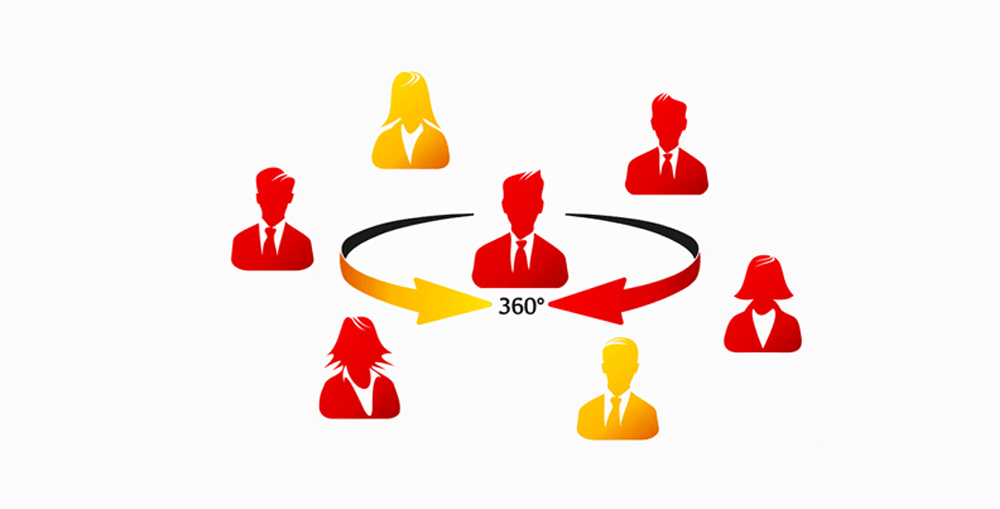
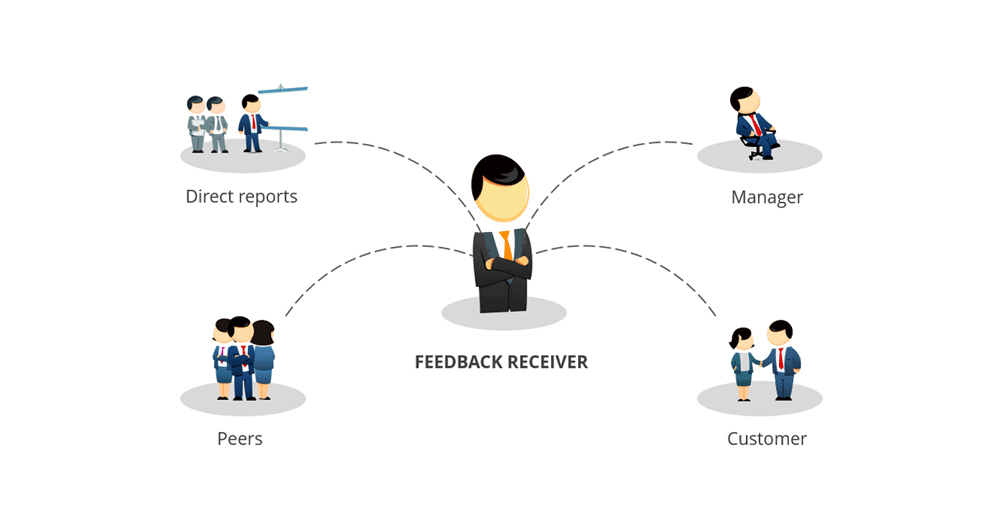
  4. 360 Degree Feedback: This is a very broader feedback and review process it includes review and feedback from peers, managers, supervisors, cross-function and cross-team feedback, customer and supplier feedback and review from any other stakeholder.
  5. Negotiated Review: This is a more detailed employee performance review, it considers the employees tasks and what they were doing before the review, and it also allow employees to give their opinion/explanation along with the review. Great to resolve disputes.

See Also: How to Leverage Automation to Improve Employee Performance Appraisal Process?

Types of Performance Appraisal in Human Resource Management

Key Advantages of Performance Appraisal System for the HR Department
The performance appraisal system allow the HR department to closely monitor and optimize the performance of the entire business across all its functions. Here in Dubai and all around the UAE various performance management methods are adopted by the businesses. The performance management system is a very powerful digital tools which doesn’t restrict you to follow only certain methods or practices, in fact it allow businesses to keep evolving and improving their appraisal methods and practices over the time. Here are the key advantages of the performance appraisal system:

1. Collect Valuable Feedback

The feedback is the core of the performance appraisal. A good performance appraisal system provide multiple channels to collect feedback from multiple resources and combine it in a single dashboard to provide a quicker and broader view of the employee performance with high accuracy and reliability of the data. The performance appraisal system allow businesses to improve the transparency of the process and collects data from multiple streams which further improve the accuracy and quality of the feedback data.

The performance appraisal system not only collect feedback data but it digitalize it and allow HR to perform several analysis with in-built tools and let them generate actionable reports. Which not only improve the quality but also enable them making more informed decisions with positive impact on the overall performance of the business.

See Also: Employee Performance Appraisal System for Small Businesses

Collect Valuable Feedback

2. Set SMART Goals and Objectives

SMART goals and objectives are crucial for performance management, most of the time the HR Department failed to achieve their performance goal because their goals and objectives are not properly set. The SMART goals and objectives means Specific, Measurable, Achievable, Realist/Results, and Time-bound. The SMART goals and objectives are a very popular technique and performance appraisal system allow businesses to effectively execute it.

Modern organizations need a performance appraisal system that offer more in-depth monitoring, historical data and comparison features which help businesses to improve their goals and objectives too. When employee are given SMART goals, they tend to perform well. It gives them a sense of focus, encourages them to outperform themselves and others and help boosting their morale.

Set SMART Goals and Objectives

3. Improve Promotion Process

For any business or organization it is extremely important to bring the right people at the tops and keep everyone at the right place. For that the businesses follow promotion processes which is mainly based on the employee performance appraisal. The performance appraisal system makes this process more efficient, accurate, and transparent and help HR department to accurately and more closely understand the strength and weaknesses of an employee.

Only employees who deserve promotion should get it, it will keep the morale of the others high and will encourage them to follow their footsteps. If wrong person got promoted they will eventually failed, and the other employees especially who deserved promotion will feel a sense of left-behind, their morale will decline and they will also lost over the time. Despite having required talent the HR department might have to hire new people which put extra strain on the business.

See Also: The Impact of Performance Management on Organizational Culture

Improve Promotion Process

4. Improve Reward and Compensation Process

Another great advantage of employee performance appraisal system is that it help the HR Department to improve the reward and compensation process and methods. The performance appraisal system provides in-depth performance data and also monitor several KPIs (key performance indicators), hence the reward and compensations are not only awarded on the bases of the supervisor’s reviews, but a lot many other factors are also taken into account.

This improves the reward and compensation process and ensures the employee who work harder throughout will get the most benefits. Rather than on the bases of just one mistake or just one last performance they rewards and compensation or salary raise is not given. Which encourage employees to perform well throughout the appraisal period and help HR Department to improve the overall performance. This also help HR Department to link performance management processes with the overall business outcome and give them a more accurate understanding of its impact.

See Also: Beginners’ Guide to Appraisal System

Improve Reward and Compensation Process

5. Improve the Effectiveness of Employee/Individual Development and Training Program

For any business who wants to grow it is crucial to up-skilling their employees and keep their workforce up-to-date. The performance appraisal system help HR Department to closely monitor employee performance from various different prospective to understand their strength, weaknesses and potential. The performance appraisal system makes it easier to collect all the feedback and performance data from various different competencies, such as technical skills, behaviorally anchored reviews, ability to deal with unexpected situations, decision making abilities, and much more.

Hence the training and development program is not only limited to the reviews, but it is designed considering a lot of factors which help HR department to build a more beneficial training and personal development program. According to several studies the training and development programs are a key driver for employee retention and are equally important as rewards, compensations, promotions and non-monetary acknowledgments.

See Also: How the HR should select a Performance Management System?

Improve the Effectiveness of Employee/Individual Development and Training Program

6. Help Retaining Best Talent during Downsize or Right-Size

The performance appraisal system collects feedback and data from various sources, it can also help HR Department to accurately estimate the financial impact on an employee for example, how expensive the employee is and what financial value he/she is adding to the business. Furthermore the performance appraisal system provides HR Department with the most accurate data about employees and their capabilities which help them to understand the worth of each individual employee and their impact on performance of their team, department or the overall performance of the entire organization.

There could be many reasons for downsizing, such as financial difficulties, new competition in the market, overall market conditions, etc. Which force businesses to lay-off some of their workforce to optimize the expenses. However, “right-sizing” is a relatively new turn, it also means laying off employees but not due to external factors. In fact it accounts internal factors, such as an employee become non-productive over the time, their behavior got changed and is impacting others, or their skill might not be needed.

See Also: Data-Driven Decision Making in Performance Management

Help Retaining Best Talent during Downsize or Right-Size

Mostly due to new technologies and automation business might not need certain skills. Whatever the scenario is if a business will have to lay off some of its employees, the performance appraisal system ensures that the business retains the best talent and only lay off the poorly performing or low-performing employees with least impact on the overall operational capabilities and performance of the business.

7. Improve the Impacts of Coaching and Mentoring

The managers at each business are expected to coach their sub-ordinates and teammembers. If a manager is saying the right thing, the employees will keep inspiring from them and it will become easier for the manager to become a good mentor for the employees. However, this is not as simple as it may sound. It is very difficult to understand the actual difficulties and problems an employee is facing and where they need support to make improvements. However, with the help of performance appraisal system since everything is digital and a huge amount of data is available for the managers with interactive reports and intuitive performance dashboards.

This enables them to understand the obstacles an employee is facing but is unable to express. The performance appraisal system also help them understand the strength and weaknesses of the employees in terms of technical, behavioral and knowledge competencies. Which let them communicate better with the employees and help them encourage to perform well.

See Also: Appraisal Methods in Performance Management System

Improve the Impacts of Coaching and Mentoring

8. Increase Employee Engagements

Employee engagement is one of the most serious concern of the HR department, as it is very crucial for employee retention and to boost their performance and productivity. Communication is a key to employee engagements. A performance appraisal systems facilitates and encourages communication between the individual employees and their supervisors or managers. Furthermore the ability to collect 360 degree feedback also allow individual employee to review the performance of their supervisors and managers and also let them provide feedback about them.

This not only help improving the performance of the supervisors and managers but also tell employees that they are important and their opinion matters too. The digitalization help improving in-person and digital communication which also let the managers and HR Department understand the problems, issues and strengths/weaknesses of the employees and let them address the issues. Furthermore a customized performance management system are ideal for diverse workforce which is very common in UAE business landscape.

See Also: Why Performance Management System is a Necessity for Companies in Dubai

Increase Employee Engagements

The performance appraisal system also help communicating the individual and high-level organizational goals and objectives to the individual employees and tell them about their value and contribution in the high-level goals. Which increase employee engagements and also help HR Department to reduce employee turnover.

9. Improve Employee Retention

For any business retaining the employees is a key factor in maintaining a great workforce. When businesses hire an employee, they invest on them, the employee themselves gain experience over the time, they get integrated within the organization and understand its internal processes and culture. However, the new recruits will take time to learn and understand the internal processes, culture of the business and many things, hence they take a lot of time to reach to the performance level of their predecessor.

This entire process costs a lot of resources and have significant financial impact too. That is why employee retention is very important. The key factors that plays role in employee retention are reward and compensations, individual development programs, and the communication. If the employee knows they are valued by the business and their say will be listened they feel more connected to the business and become more loyal. The employee loyalty doesn’t only increase employee retention but it also drive performance.

See Also: How to Set Goals for your Employees in Performance Management System?

 Improve Employee Retention

10. Help HR Department Dealing with Legal Situations

Here in Dubai and all around the UAE the federal and local governments have very strict laws and regulations against discrimination and employee rights at workplace. The federal and local governments have great policies in place to protect employee rights and have several government departments to ensure the workplace environment is supportive for the employees. Discrimination or favoring an individual employee due to personal bias or any other reason could lead to a lawsuit.

Hence having a proper performance management system in place could provide you an advantage and let you provide all the data to prove no misconduct have happened. Such claims could have devastating impact on the business’s reputation and could also have a significant financial impact too. Which is why a proper performance appraisal system will help you dealing with such situations. In fact the performance appraisal system ensures greater transparency which help preventing any such situation.

See Also: The Role of AI in Modern Performance Management Systems

Help HR Department Dealing with Legal Situations

What are Key Objectives of a Performance Appraisal System for HRM?

The employee performance appraisal system is a tool for human resource management which helps to implement performance management strategies and to achieve higher performance across the entire business. Basically the primary objective of the performance appraisal is to align all available resources with the high-level organizational goals and objectives to maximize the contribution of each individual employees in the business goals and objectives. The rapid adaptation of new technologies and digitalization in the business practices have completely changed the dynamics of traditional performance appraisal methods.

Now a days’ businesses are practicing more modern performance appraisal methods which are mainly aided by a digital solution or software since the manual processes tend to be ineffective and prone to errors and issues which can cause a variety of very serious problems for the HR Department. Here are the five key objectives of using a performance appraisal system:

See Also: What is Continuous Performance Management? Complete Guide!

Set and Communicate Goals Effectively

1. Set and Communicate Goals Effectively

Setting up goals is the very first step towards performance appraisal process. The SMART goals and objectives are the modern form of goals, however, setting up perfect goals and objectives that align individual resource with the top-level goals and objective is not enough, being able to communicate those goals and objectives to the individual employee is a key to success. Communicating what each employee will have to do and what is expected from them will encourage them and provide them more clarity which results in great improvement in overall performance and efficiency.

Continuous Feedback Collection

2. Continuous Feedback Collection

Feedback at the end of each year will only help you identifying the issues and problems and on top of that mostly the traditional year-end appraisals are largely influenced by the latest performance rather than the overall performance throughout the year. Performance appraisal system offer continuous feedback and allow managers to correct course during the appraisal period and evaluate several time to ensure everything is on track. This makes easier to achieve the high-level and individual goals by the year-end.

 Identify Strengths and Weaknesses

3. Identify Strengths and Weaknesses

Today’s world is rapidly changing, businesses have to keep their workforce up-to-date and relevant all the time. Technologies are coming and going at a rapid pace which is also impacting the business practices hence the employees and their job roles as well. Even small looking problems can have huge impact over the time. It is crucial to identify the strengths and weaknesses of the employees and guide them appropriately and take measures to improve the workforce. A modern software-powered performance appraisal system made it very simple and easy as the entire data is digital and extracting actionable reports requires just a few clicks.

Talent Development and Employee Retention

4. Talent Development and Employee Retention

The talent development depends on employee retention. Employee retention can be increased by increasing employee engagement and offering transparent reward and compensation programs. Furthermore the talent development is done by conducting good training programs, coaching and mentoring. The performance appraisal system help building a complete framework to achieve all that and improve the outcome of all relevant efforts. It is much more expensive hiring a new employee comparing to retaining an employee and developing them gradually over the time.

Reward and Recognize Performance

5. Reward and Recognize Performance

Recognizing the performance of an employee means rewarding them for their good performance. The performance appraisal system not only monitor employee performance but it regularly collect data which help managers and supervisors to understand various obstacles an employee is facing. It remove bias and make reward and recognition processes more transparent. When an employee’s good work is acknowledged by either monitory or non-monetary compensations it encourages them as well as others to perform better.

See Also: Measuring the ROI of Performance Management Systems

Conclusion

The HR Department at any business is one of the key component which is responsible for ensuring a smooth operation and sustainable growth. The make sure that the business have required skillset and a high performing workforce to achieve maximum productivity and profitability. The performance appraisal is one of the core process of the HR Department. Traditionally the performance appraisal was done at the end of the year, and mostly it is a manual process. It takes a lot of time, requires a lot of resources and due to manual process the problems and issues are very common.
However, the performance appraisal system is a digital solution and software which has ability to automate and simplify the performance appraisal process. It increase transparency and accuracy of the appraisal and help boosting the performance of each individual resource, departments and entire organization. RSI Concepts is a leading performance appraisal system designing and development company in Dubai, UAE. If you want to learn more about the subject or want us to help you building a high quality performance appraisal system exclusively for your needs, please feel free to contact us through our Contact Us page or leave a comment in the comment box below and we will get in touch with you soon.

See Also: Software Development: In-house vs Outsourcing

See Also: Choosing a Performance Management System A Buyer’s Guide


Modern Methods of Performance Appraisal

Modern Methods of Performance Appraisal

The Dubai and in fact the entire UAE is a very competitive and vibrant market which demands businesses to perform well to defeat competition and sustain a long term growth. The performance appraisal and performance management is a standard practice for large businesses in the country. However, now a day’s even local businesses and SMEs are also implementing performance management frameworks to boost their productivity, profitability and to sustain growth. Regardless of size or type, every business and organization needs a comprehensive employee performance appraisal management system.

The employee performance appraisal system provides a structured mechanism to deal with obstacles, resolve problems, improve employee engagement, boost their morale, monitor progress, and above all align all the resources to achieve the high-level business goals and objectives. Whether you are a local or small business, a medium size enterprise or a large-scale business the biggest challenge is to select a suitable performance appraisal method. This blog will help you understand the modern methods of performance appraisal.

See Also: ظام تقييم الأداء المعد لتقييم إدارات الإمارات العربية المتحدة الحكومية وموظفيها

Modern Methods of Performance Appraisal

What is Performance Appraisal?

Basically the employee performance appraisal is a process of evaluating employee performance against clear and quantifiable goals and objectives that are aligned with high-level organizational goals and objectives. Traditionally the appraisal are done on annual bases. However, more and more businesses are adopting continuous monitoring and more frequent appraisals. Actually the problem with traditional employee performance appraisal method is that it is done annually, and in some cases twice a year. Whatever the case is, the traditional appraisal methods doesn’t support the modern fast-paced and ever changing market and business needs.

The traditional performance appraisal methods lacks adequate communication and they also don’t support the managers in process of making timely course corrections and taking steps to deal with problems or in taking preventive measures during the appraisal period. By the time when the manager become aware of a problem, it is already too late, the damage have already been done. Hence, more and more businesses are now leaving traditional employee performance appraisal methods and are more inclined towards modern appraisal practices.

See Also: Beginners’ Guide to Appraisal System

What is Performance Appraisal?

8 Modern Methods of Performance Appraisal

In Dubai and all around the UAE the competition is very high and the customers are too demanding, which pushed businesses to take drastic measures in order to boost their performance and by improving employee management processes and performance appraisals. That is why selecting an appropriate employee performance appraisal method has become a challenging task for the businesses and the HR.

In this blog we will cover top 8 most effective and modern employee performance appraisal methods to provide our audience a brief understanding of each method which will help them selecting the best performance management system as per their needs. Adopting best practices of performance management system is a key to long-term success in a highly competitive markets such as in Dubai, Sharjah, Abu Dhabi and broader UAE.

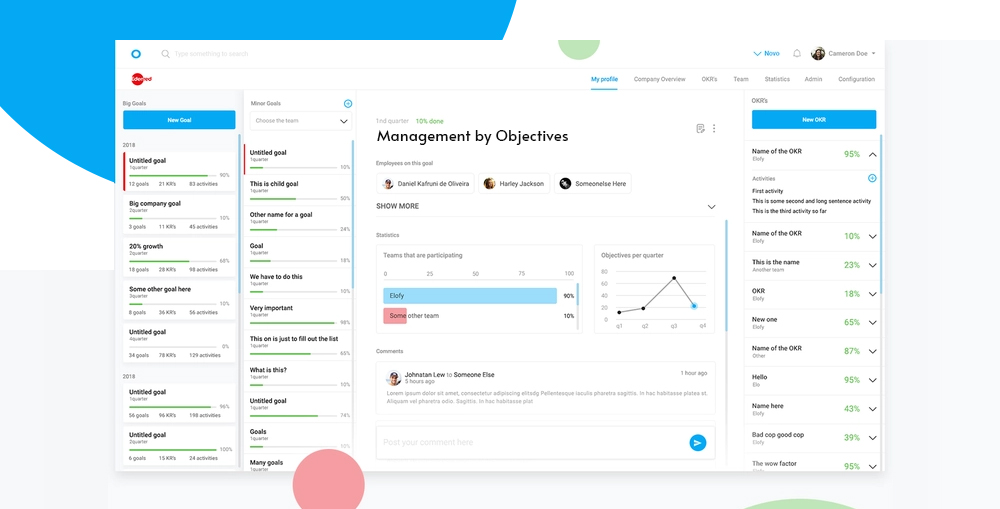
Modern Performance Appraisal Methods: 1. Management by Objectives (MBO)

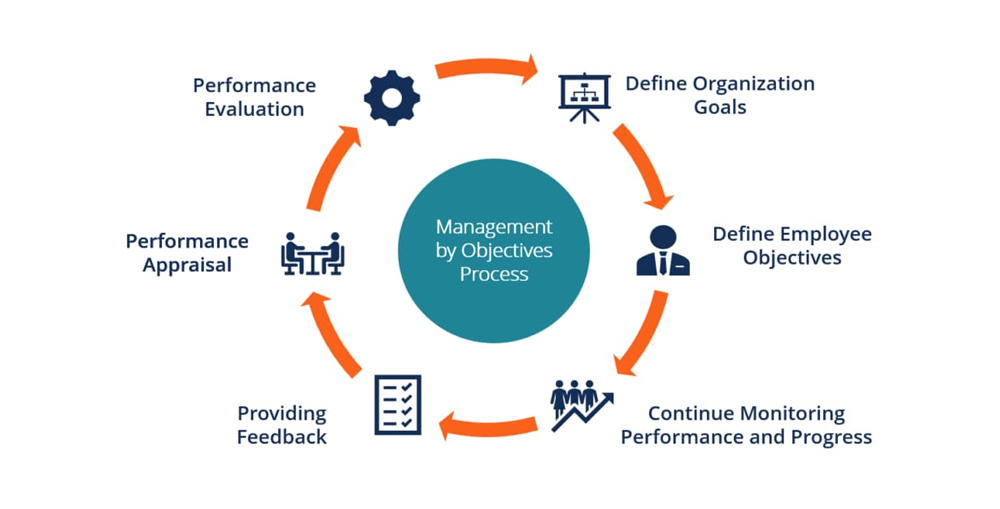
The simplest definition of Management by Objectives (MBO) is that the high-level organizational goals are defined and determined first then according to those goals and objectives, employee and managers mutually identify/define, communicate, plan and manage employee goals and objectives for success. This enables each individual to see their progress and accomplishment in connection with high-level organizational goals and objectives. It gives employee a clear understanding of what is to be expected from them in order to achieve their individual goals and what is their contribution in the high-level business goals and objectives.

This helps each individual employee understand the top priorities of the business and let them align with the high-level goals and objectives while carrying out their daily tasks. Aligning the employee and all resources with the high-level organizational goals while providing them with a clear understanding of the organizational and their individual goals can drastically boost performance and increase the quality and quantity of the outcome.

See Also: Employee Performance Appraisal System for Small Businesses

Modern Performance Appraisal Methods: 1. Management by Objectives (MBO)

Modern Performance Appraisal Methods: 2. Psychological Appraisal

All traditional employee performance appraisal methods only evaluate the past performance of the employees, even the most modern methods only consider at most the ongoing performance however, the psychological appraisal method is a very unique evaluation process, it help businesses and managers understand and evaluate the future performance and potential of an employee. The psychological appraisal method focuses on the intellectual and personal traits of an employee which can either improve or deteriorate their performance in future.

The psychological appraisal methods is designed to meet the modern needs of the workforce, as now a day’s employees are more vulnerable due to balancing their work and personal life, which could result in frustration and poor performance at both work and also it can impact their personal life. That is why the psychological appraisals are conducted by qualified psychologists who held several personal sessions, in-depth discussions and interviews and perform various psychological tests to understand the true potential of an employee and the result/feedback is used to project their future performance expectancies.

See Also: Choosing a Performance Management System A Buyer’s Guide

Modern Performance Appraisal Methods:2. Psychological Appraisal

Modern Performance Appraisal Methods: 3. 360 Degree Feedback

The 360 Degree Feedback is simply feedback and performance data which is systematically gathered from the all relevant connections of the employee such managers, peers, team leads, cross function managers, and even customers or any other external source too. That is why it is called 360 Degree feedback. Naturally every employee likes the communication and continuous feedback, this help them understand their performance better and encourage them to make improvements. Since the 360 degree feedback collects feedback data from all internal and external raters who interacts with the employee, so it provides a variety of different aspects and prospective of employee performance.

This method increases transparency of the appraisal process and keep employee motivated. That is the reason the 360 degree feedback is one of the most widely used appraisal method. This method can effectively highlight the strengths and weaknesses of the employees and help them make improvements in right direction. Furthermore the 360 degree feedback is a great tool for the businesses and managers, it help them forming high-performance teams to achieve critical strategic goals and to work on important projects.

See Also: Characteristics of a Good Employee Appraisal System

Modern Performance Appraisal Methods: 3. 360 Degree Feedback

Modern Performance Appraisal Methods: 4. Critical Incident Method

The critical incident method is a very useful employee performance appraisal tool it evaluate and provide analysis of the employee performance when a critical incident happens, the employee’s manager provide the details of the incident or gather information about the incident and the employee is evaluated to understand if he/she performed very well, or very bad or the incident where he/she could have performed better. Basically the critical incident method is used to analyze the KSAO – knowledge, skills, abilities and other indicators/attributes required to perform their task.

The critical incident method is widely used by the businesses to analyze if the employee meets the required KPIs (key performance indicators) associated with his/her job role. Businesses wants to understand if the employee is performing his/her job role as per requirements or if the management intervention is necessary who can enroll the employee for a training, held consoling sessions, compensate them for their achievements or terminate them for very poor performance. Essentially a business wants to know if it is getting what it is paying for or not.

See Also: Data-Driven Decision Making in Performance Management

Modern Performance Appraisal Methods: 4. Critical Incident Method

Modern Performance Appraisal Methods: 5. Assessment Center Method

The assessment center appraisal method analyze employee’s abilities, competencies, skills and personal characteristics by asking them to participate in in-basket exercise, simulations, test groups, and role playing exercise where employees are put in various roles with various responsibilities and asked to do the tasks or to solve real-life problems. Basically the assessment center appraisal methods are used for in-depth analysis of employee’s emotional behavior, response, problem solving skills, ability to deal with pressure, adoptability, collaboration, judgment, etc. and several other traits.

There could be several tests and simulations to reach to a conclusive result. Usually the assessment center method is applied when a business wants to hire a new candidate or if a candidate is up for promotion, etc. however, since past few years it has become a popular appraisal method. The assessment center appraisal method is done under a trainer who evaluate the employee and he/she also discuss their performance with the other raters.

See Also: The Impact of Performance Management on Organizational Culture

Modern Performance Appraisal Methods: 5. Assessment Center Method

Where it provide a great tool to boost the morale of the high-performers and motivate the average-performers the assessment center method could also have negative impact on the low-performing employees. Hence it should be done by professional trainers only.

Modern Performance Appraisal Methods: 6. 720 Degree Method

Basically the 720 degree method is a modern and more evolved form of the 360 degree method. The 720 degree appraisal method consists of two rounds of 360 degree appraisal over a pre-determined time period. The employee evaluation is done by two groups, internal stakeholders and external group who interacts with employee such as customers, suppliers, investors, etc. This is what made 720 degree appraisal method the most crucial for the employees and for the business as well.

The main objective of the 720 degree appraisal method is to meet the expectations of the employer, employee and the customers too. In the first round the aim is to build an effective employee development program or individual development program. Then after a certain period of the time the employee’s performance is analyzed again to understand how their performance is improved and how potential they have for future. The results of the second round also help evaluating the effectiveness of the employee development program and help organizations make improvements for future.

See Also: The Role of Performance Management in Employee Engagement

Modern Performance Appraisal Methods: 6. 720 Degree Method

When employees notice improvements after the development program they got motivated and business can gain their trust which help to improve performance in the long term and also reduce employee turnover.

Modern Performance Appraisal Methods: 7. Behaviorally Anchored Rating Scale (BARS)

The behaviorally anchored rating scale or also known as BARS is one of the best employee performance appraisal method. It help businesses to leverage the both quantitative and qualitative performance data during the appraisal process. The behaviorally anchored rating scale (BARS) enables the rater to measure the performance of an employee against pre-defined behavioral responses anchored to a quantifiable rating scale or numeric value. This method can accurately measure the quality of the work as well as the quantity. Poor quality with more quantity and good quality with less quantity are both not good, in fact an employee performance should be balanced between the quality and quantity.

The behaviorally anchored rating scale (BARS) is a numeric scale from 5 to 9 where 5 means poor and 9 mean good performance. The manager who conduct BARS analysis must write down all the tasks that an employee is expected to perform, then they should define the appropriate behavior that goes along with those tasks. All these behaviors can be assigned a numeric value which can be used to determine the employee behavior hence the business can get a highly accurate data. Which helps improving employee performance and allow businesses to form high-performing teams.

See Also: Why Automating Performance Management is Important for Businesses?

Modern Performance Appraisal Methods: 7. Behaviorally Anchored Rating Scale (BARS)

Modern Performance Appraisal Methods: 8. HR Cost Accounting Method

The HR (human resource) accounting method consider employees as an asset and it measures the cost a business had incurred to recruit, hire, train and develop the employee. The HR cost accounting method also determines the financial impact of the employee performance and their economic value to the business. In simple words the HR cost accounting appraisal method determines the value of the cost of retaining an employee and the revenue it is generating for the business. It improve various human resource processes and help businesses understand the cost of the human assets.

This is done to ensure the employees are delivering the value as per the expectations form their job role. It not only help determining the cost and returns of the human assets but it also help businesses in evaluating the output of the human resource, training programs, and other relevant facilities. The HR accounting appraisal method enables businesses to measure the employee performance against the monetary benefit or value generated by their service.

See Also: The Future of Performance Appraisals: 6 Innovations and Changes [Quick Guide]

Modern Performance Appraisal Methods: 8. HR Cost Accounting Method

Why Performance Appraisal is Important?

Before we discuss different performance appraisal methods it is important to understand what are main objectives of deploying an employee performance appraisal method? Here are some key objectives a business can achieve by implementing an effective employee performance appraisal system:

  • Sustain Growth and Increase Profitability
  • Improve Performance and Operational Efficiency
  • Increase and Facilitate Communication between Managers and Employees
  • Define and Communicate High-level Business Goals and Individual Goals Clearly
  • Align all Resources and Individual Goals with the High-level Business Goals and Objectives
  • Increase Employee Engagement, Improve their Morale and Reduce Turnover
  • Collect Real-time Employee Performance Data
  • Design Effective Employee Development and Training Programs
  • Implement and Improve Employee Competency Building Process
  • Improve HR Processes and also Evaluate HR Programs
  • Improve Employee Feedback, Compensations, Rewards, Recognitions and Accountability
  • Achieve Short-term and Long-term High-level Business Goals and Objectives with Higher Success
  • Optimize Cost, Effectively Utilize Resources, Increase Output and Gain a Competitive Edge

An employee performance appraisal system enable businesses to make improvement in each and every function. It just not improve employee performance but it also improve the entire internal culture of the organization and help improving brand identity by providing good quality work and satisfactory services to the customer. Businesses can gradually achieve their performance goals and develop a very reliable and efficient workforce which can help them even in a very competitive market such as in Dubai, UAE.

See Also: Measuring the ROI of Performance Management Systems

Why Performance Appraisal is Important?

Conclusion

The employee performance management is essential for businesses and organizations who are seeking a sustainable long term growth. When it comes to employee appraisal methods, all methods can be classified in two groups, the traditional employee performance appraisal methods and the modern employee performance appraisal methods. In this blog we have covered only the best and modern employee performance appraisal methods because the traditional appraisal methods are getting less effective over the time, their accuracy is not enough for the modern needs and the processes mostly involve manual steps too which reduce the accuracy and increase chances of errors, mistakes and even bias.

These modern performance appraisal methods are designed to meet the modern needs and provide highly accurate evaluation. RSI Concepts is a leading performance management system provider in Dubai, UAE. If you want to learn more about the subject or if you want to enquire about our employee performance appraisal solution please feel free to contact us through our Contact Us page or leave a comment in the comment box below and we will get in touch with you soon.

See Also: Linking Performance Management to Business Outcomes


Beginners’ Guide to Appraisal System

Beginners' Guide to Appraisal System

The employee appraisals and performance evaluation is a challenging task. The businesses owner, stakeholders or high-level management always wants to improve employee performance, engagements and management. The modern world is heavily data driven. The digital technologies and IT is deeply integrated in our society and also in businesses. In Dubai or anywhere in UAE the markets are very competitive and customers are also very demanding. This means it is much harder for a business to stand out of the crowed.

Businesses invest a huge amount in their assets, infrastructure, production facilities, customer care and workforce. But it doesn’t mean they can obtain a competitive advantage and attract more customers. That can only be achieved if whatever resources a business have, perform at the maximum levels. Businesses and organizations strive to maximize this performance by optimizing internal businesses processes, improving the HR, actively managing employee performance and making their organizational culture more productive.

See Also: Characteristics of a Good Employee Appraisal System

Beginners' Guide to Appraisal System

The goal of every business is to offer high quality products and services to satisfy their customers. Businesses invest a lot of resources in establishing their facilities, infrastructure, workforce and IT. However, the one key aspect of growth is the employee and their performance. Because at the end of the day it would be these employees who will be utilizing those systems and facilities. Without proper optimization of the employee performance a business cannot achieve its goals and objectives.

That is why businesses use enterprise performance management and employee appraisal systems. The performance appraisal system not only help monitoring the employee performance but it also help businesses in making policies and setting up strategies for future on the bases of performance data to gradually increase the employee performance and overall productivity of the business.

See Also: Unlocking Business Potential with AI-Powered Advanced Analytics

What is Appraisal System?

The appraisal system is a digital tool that helps businesses in measuring the employee performance against their goals for a pre-determined time period. These goals are previously set as per the employee job roles and the high-level organizational goals and objectives. The appraisal system also helps setting up future goals and objectives and it also helps in identifying the needs of improvements, training and employee development. The appraisal system provides businesses and organizations a very comprehensive framework to manage their employees’ performance which includes both their achievements and shortfalls.

The appraisal system is a strategic framework which enables businesses to easily align their high-level organizational goals and objectives with individual level employee goals and objectives to make sure all resources worked in a same direction in achieving the high-level organizational goals and objectives.

See Also: The Future of Performance Appraisals: 6 Innovations and Changes [Quick Guide]

What is Appraisal System?

Why a Business should use an Appraisal System?

The main function of an employee performance appraisal system is to build a good relationship between the business and the employees. It enhances two-way communication and provides a platform for the employees to easily communicate with their managers. The appraisal system provides a framework which not only built confidence and improve communication but it also increase clarity and help businesses and employees to set clear expectations from each other. In addition to that it motivates employee to perform better and help businesses and employees to effectively plan for future growth. It provides regular reviews and improved communication and relationship by enabling two-way feedback.

Furthermore the feedback and surveys can be conducted to get top-down, bottom-up and peer-to-peer feedback. The businesses have to understand that the appraisal system is not a monitoring tool only. In fact it is a system which helps establishing and nurturing a strong relationship between employees and their management and keep them motivated and excited about their work to achieve the higher performance. That is why the appraisal system is absolutely necessary for the businesses to grow and improve profits.

See Also: Employee Performance Appraisal System for Small Businesses

Why a Business should use an Appraisal System?

Different Types of Appraisal System

The employee performance appraisal system is a very crucial tool for a sustainable growth. The appraisal system not only provides data for the HR purposes, but it also provides data which helps managers understand the strengths and weaknesses of their teams and individual employees. The appraisal process is usually an annual process but the performance or progress of the employees can be evaluated against a pre-determined time period.

Here in Dubai or anywhere else in UAE the business owners and managers often don’t put much attention to the appraisal system. However, it can be very beneficial for any business to effectively optimize their performance by adopting some of the following appraisal systems:

1. 360 Degree Feedback

The 360 degree feedback is one of the most popular and very effective appraisal system. Every employee appraisal system have features to support 360 degree feedback. There are several components of 360 degree feedback which provide different point of views and is known for most accurate non-biased performance assessments. The feedback is mainly collected from the managers, supervisors, performance reports, peers, customers and any other relevant personal to the employee.

See Also: Why do businesses need both the performance management and performance appraisal?

These reviews can be designed to measure several competencies and overall performance as well as performance in a particular trait either professional, personal or behavioral competency. Here are some key components of the 360 degree feedback:

Self-AppraisalSelf-Appraisal: Enables employees to evaluate themselves and give them a chance to understand their strengths and weaknesses. The appraisal system provides a mechanism to collected structured data which reduce the bias and increase the accuracy.


Top-down AppraisalTop-down Appraisal: The top-down appraisal is a managerial feedback which allow managers and supervisors to evaluate their sub-ordinates and provide their feedback about their performance in various traits in both personal and professional capacity.


Bottom-up AppraisalBottom-up Appraisal: The good appraisal systems also include a bottom-up appraisal or subordinate appraising the manager features as well. The subordinates sometimes can have a very unique and prospective which can help improving the management. Such feedback can have a huge impact on the performance and employee satisfaction.


Peer-to-peer AppraisalPeer-to-peer Appraisal: The co-worker could sometime be the best evaluators. They have a very comprehensive and detailed feedback especially on skills and behavioral competencies. The peer to peer reviews are a great tool to accurately evaluate behavioral competencies as well as professional competencies and skills.


Manager ReviewsManager Reviews:The performance reviews and feedback by the managers is the most traditional appraisal system. These reviews include feedback from the supervisor, line manager, or senior manager for an individual employees. The performance of teams, departments and groups is also evaluated by managerial reviews.


Customer ReviewsCustomer Reviews: Mostly the customer reviews are feedback from the customers regarding an employee who is interacting with them. The appraisal system enables businesses to manage internal (users of product/system/IT, etc.) and external customers (your customers) separately.

See Also: How the HR should select a Performance Management System?

360 Degree Feedback

The 360 degree feedback is one of the most important key factor in performance management and appraisals. It provide individual employees a clear picture of their performance and how their performance is impacting other stakeholders. Furthermore it encourages employees to focus on self-development and let them make improvements in the right direction.

The 360 degree feedback also enable management to arrange and improve counselling, employee development, training and coaching programs. The 360 degree feedback increase engagement across the entire organization increase employee loyalty. A large number of local businesses, large enterprises and multinational companies are using 360 degree feedback to evaluate their employees in Dubai, UAE.

2. Management by Objectives (MBO) Appraisals

The Management by Objectives (MBO) is one of the best appraisal type to boost employee engagements. It involves individual employees in the planning process, it gives them value and make them feel important. This way employees feel more connected to the business and they focus more on self-development and improvement which boost their performance. The Management by Objectives (MBO) appraisals involves employees in the decision making and goal setting process.

Which gives them confidence and a sense of responsibility hence they perform well with passion and happiness. That is why the management by objectives is an excellent way to increase employee engagement. The managers and the subordinates make plans, set objectives and make strategy to achieve those objectives which are highly aligned with the high-level organizational goals and objectives.

See Also: How to Leverage Automation to Improve Employee Performance Appraisal Process?

Management by Objectives (MBO) Appraisals

The objectives are validated using the SMART criteria. The SMART stands for Specific, Measurable, Achievable, Realistic, and Time bound. All the objectives should be very specific and time bound so the employees know exactly what is to be expected from them and when it should be delivered. The progress towards objectives should be quantifiable so at the end of the appraisal period both the employees and the managers can measure the performance. Most importantly the objectives should be achievable. There are many factors which can make an objective unachievable or very difficult to achieve, such as limited resources, insufficient technical capabilities, insufficient time, etc.

The objective should be realistic too, because non-realistic objectives negatively impact employee performance. For example, the business wants to reduce the delivery time by 50% which is not realistic with the current logistics strength. Such objectives will result in poor interest from employees and most of the time the employees don’t even make any attempt to achieve such objectives as the know no matter what they do they can’t achieve it.

See Also: The Role of Performance Management in Employee Engagement

Management by Objectives (MBO) Appraisals

On the contrary if the objective is to reduce the delivery time by 5% in the 3rd quarter of the year or even by the end of the year. It will motivate the employees to perform well. As they would know this is achievable and realistic and with just a little more effort the objective can be achieved. That is why when the employees are involved in the process they can also provide their input and the management and employee both can agree to achieve a common goal by the end of the appraisal period. The managers and employees make plans, set milestones, and define timelines.

Furthermore the employees and managers both monitor the progress and are free provide feedback, suggestion and even reevaluation can be done and the objectives can be revised accordingly to stay on course towards the high-level organizational goals and objectives. The frequent discussion about the outcome and the current progress allow managers and employees to take timely action and course correction to make sure at the end of the appraisal period the desired objectives can be achieved.

See Also: Data-Driven Decision Making in Performance Management

Management by Objectives (MBO) Appraisals

3. Behaviorally Anchored Rating Scale (BARS)

Behaviorally anchored rating scale or BARS is a non-traditional appraisal system. However, it is massively popular among all types and sizes of businesses. It help businesses understand the employees in terms of their behavior and help them quantify the impact of different behaviors on the outcome. The behaviorally anchored rating scale (BARS) is very effective in improving qualitative and quantitative performance and is very popular appraisal system. The most important thing here is that there is no rule book for this system, each BARS scale can be anchored with multiple behaviors or statement describing different behaviors that are very common among the employees.

These statements are used as the measuring scale for the individual employees against their performance which is evaluated on the bases of pre-defined sets of standards that are also anchored with their individual job role. It is a relatively complicated system and the managers and the appraisal experts should be very careful when creating different incidents and associating behavior to those incidents.

See Also: Why Custom Performance Management System is more Effective?

Behaviorally Anchored Rating Scale (BARS)

Furthermore the BARS is relatively difficult and time-consuming to create and implement. For each organization or business the BARS standards could be different which makes it very hard to take promotion and compensation decisions solely on BARS appraisal results. It also requires a lot of work and research to be done by the executives and senior managers. The behaviorally anchored rating scale appraisal system starts with identifying and creating most common incidents, which trigger a particular behavior of the employee. Then it requires a lot of efforts and testing to refine and fine tune those incidents and the associated behavior.

Then the final standards and incidents can be formulate. However, the BARS is highly accurate in terms of performance analysis and it also provide a consistent evaluation which further help optimizing and improving the employee performance. The behaviorally anchored rating scare (BARS) appraisal system is used to improve the accuracy of the appraisal by focusing in most important and observable behaviors. It also help minimizing the bias and increase the fairness in the appraisal process which gain employee trust and also encourage them to perform well.

See Also: Benefits of Implementing a Modern Performance Management System

Behaviorally Anchored Rating Scale (BARS)

4. Human Resource Accounting or Cost Accounting Appraisals

The human resource accounting or cost accounting appraisal is a very simple appraisal system solely based on the monetary gains an employee yields for the business or organization against the cost to retain the employee. It is very straightforward system but it can overlook a lot of other performance indicators. That is why the human resource accounting or cost accounting appraisals are always used to improve the overall evaluation process rather being used as a sole appraisal system.

The modern form of human resource accounting or cost accounting appraisal not just include the monetary gains VS cost of retention but it also includes several other benefits an employee is offering such as average service value, quality of the service, interpersonal relationships, and the skills of the employees and many more. The main reason to use human resource cost accounting appraisals is to accurately measure the cost and value an employee brings to the business and the financial implications of their poor performance.

See Also: Why Organizations need Performance Appraisal System in UAE in 2024

Human Resource Accounting or Cost Accounting Appraisals

The human resource accounting or cost accounting appraisals are very popular and effective among the small businesses and startups where the performance of a single employee could have huge impact on the overall business’s success. It is also a very effective appraisal system to identify the gaps between the current package of the employee and the market while also accurately measuring the monetary and non-monetary value an employee is bringing to the organization.

Furthermore the businesses can utilize the human resource accounting or cost accounting appraisal for certain functions or group of employees where the progress and performance is easy to quantify in terms of revenue or financial gains. Actually it is very difficult for the HR to accurately measure the value an employee is bringing to the organization and the impact of their poor performance. However, for certain job roles such as sales, marketing, supply chain and a few other can be easy to assess with human resource cost accounting appraisal system.

See Also: Appraisal Methods in Performance Management System

Human Resource Accounting or Cost Accounting Appraisals

5. Psychological Appraisals

The psychological appraisal system is a future-focused appraisal method used to identify the hidden potential of an employee. That is why the psychological appraisal system is very unique because it measures the employee’s future performance rather than their current or past performance. Although the psychological appraisal system is only used by big businesses, large organizations and multinational corporations, because it is expensive, time-consuming and slightly complicated. That is why the psychological appraisals are always done by a qualified psychologists.

These psychologists conduct a variety of tests and could have several discussion sessions with the employees to understand their cognitive abilities, intellectual and personality traits, emotional quotient, interpersonal and leadership skills and a variety of other skills. The findings are then shared with the experts and senior management identify the potential of the employees and make plans for their future growth and leadership roles.

See Also: Linking Performance Management to Business Outcomes

Psychological Appraisals

Appraisal Systems You should Avoid

We have mentioned only most popular and effective appraisal systems this far however, there are certain appraisal methods that a business should avoid. Mostly these appraisal systems were popular in the past, however, now they have been proven to be counter-productive and can have serious negative effects on the employee performance.

Stack Ranking AppraisalsStack Ranking Appraisals: This is most controversial but still commonly used performance appraisal system. When ranking employees against each other and forcing managers to stack them in performance tiers, it could have negative impact on the employees, especially the employees placed in poor performance group got demotivated.


Forced Choice MethodForced Choice Method: The forced choice appraisal system provide the reviewer with only a limited number of options, usually just binary – true or false. The reviewer is forced to make a choice, which completely discard the discussion about circumstantial evidences or exclusivity of the situation during the appraisal period.


Essay AppraisalsEssay Appraisals: In this system the reviewers/managers are provided with open-ended questions or asked to write down a performance analysis in form of an essay. This system doesn’t provide quantifiable reporting data which make it extremely difficult for the HR to make comparisons or use it in their decision making process. Furthermore the writing abilities of the reviewer and the personal bias can also reduce the accuracy and in fact it can harm employees too.


Field Review AppraisalsField Review Appraisals: This is a very old appraisal system and it requires someone from the outside of the employee’s department, usually from the corporate head office or the HR who observe employee for a certain time period to evaluate their performance in terms of professional and behavioral competencies. However, it is very obvious that employee’s behavior gets changed under the knowledge of observation and it is also very difficult for the reviewer to completely understand the context, and actual behavior of the employees.

Rating Scale Based AppraisalsRating Scale Based Appraisals: A simple or graphical rating scale is used to review the performance on a scale of 1 to 5. The reviewer is asked to rate the employee against pre-defined traits such as capability, timeliness, leadership, and various abilities. The biggest drawback of this system is that it only measures performance at the time of the rating and doesn’t completely neglect previous performances and sometime even context too which cause dissatisfaction amongst the employees and demoralize them instead of improving their performance.

See Also: How Performance Management Systems Enhance Employee Engagement

Appraisal Systems You should Avoid

The employee appraisals and performance management is very tricky and reviewers and managers could easily get it wrong. Sometimes despite the reviewers excellent ability to implement the appraisal system correctly doesn’t also produce desired results and that is because the system itself is incapable. These are some employee appraisal systems that each business should avoid. However, the stack ranking is somewhat applicable for the modern consultancy firms, law firms and such business models.

Conclusion

Employees are a most valuable asset of any business. It is absolutely necessary for business to establish and nurture their relationship with their employees to ensure a long term success. Every business have a vision and that vision helps them lay down the goals and strategies to achieve their vision. The high-level organizational goals and objectives later scaled down to the individual goals and objectives. Each employee is hired for a particular job role. Their job role defined the expectations from them.

Similarly their goals and objectives are also relevant to their job role, skills and capabilities. It is extremely important to keep your employees motivated and ambitious. The employee performance can make a huge difference, whether it is your customer care, your sales team, production department, HR or strategic planning department and higher management. Everyone has to be driven to perform well in the direction of long term organizational goals and objectives.
However this is not an easy task. That is why businesses use a performance appraisal system. The system help them track and monitor performance, provide business intelligence data and a better understanding of the employees’ strengths, weaknesses and obstacles that might be preventing them to perform better. This information is vital to improve the workforce and achieve higher efficiency, performance and productivity which drive profitability and help generating more revenue for the business.

RSI Concepts is a leading customized employee performance appraisal system development company in Dubai, UAE. If you want to learn more about the subject or want our help to build you a high-quality appraisal system? Please feel free to contact us through our Contact Us page or leave a comment in the comment box below and we will get in touch with you soon.

See Also: Building the Customer Experience of the Future

See Also: Measuring the ROI of Performance Management Systems


How the HR should select a Performance Management System?

How the HR should select a Performance Management System

For any business the human resource is considered to be the backbone of the business. The HR is responsible for hiring skilled staff. The HR is also responsible for employee retention and employee happiness. Job satisfaction is a very positive factor and can boost one’s performance by many times. Here in Dubai and all around the UAE the market is very competitive, the customers are also very savvy and there are other challenges too which makes it extremely crucial to make your employees productive and efficient.

For that businesses uses multiple methods and tactics, most of the businesses use a software-based performance management system. The main reason to use a performance management system is to measure and evaluate the employee performance and their impact on the high-level organizational objectives and goals. Basically the performance management system is used to make sure all the employees and departments are working in the right direction to achieve the high-level organizational goals and objectives.

See Also: Benefits of Implementing a Modern Performance Management System

How the HR should select a Performance Management System

The continuous performance monitoring and evaluation also help encouraging employees to perform well. The performance management system is also used to improve employee’s capabilities. It helps HR in many ways and it enable businesses to implement employee development programs which help them improving their employees’ professional skills and capabilities. The performance management system is also a great tool to understand the strengths and weaknesses of the employees which help businesses in effective and efficient resource planning and management. All these benefits can help businesses and organizations in achieving their goals and objectives and maximize the productivity and profitability of the business.

When it comes to implementing a performance management system there are several options available in the market. Here in Dubai and all around the UAE the off-the-shelf and ready-made solutions are in abundance which also makes it difficult for the HR to decide which system they should acquire. Obviously each business have different needs and plans, so in this blog we will discuss how the HR should choose the right system for their needs.

See Also: 6 Performance Management Problems and How to Solve Them?

What is a Performance Management System?

A modern performance management system is mainly a software which have in-built features that allow the businesses and organizations to execute the performance management tasks and strategy. There are two major parts of a modern performance management system. First part is called performance management system which is drawing a roadmap to achieve the goals. The second part is performance appraisal system which is basically measuring the performance and progress of each individual employee, teams, departments and management with the reference to the high-level organizational goals and objectives. Although most of the time the performance management system and the appraisal management system are interchanged and referred to as the performance management system only.

What is a Performance Management System?

The performance management system software can be hosted on cloud, online hosting or in local/in-premises data centers. The system is interlinked with the central information center as well as all necessary systems and tools via API based integration which enables it to synchronize, update and push data to and from other systems. This will help increasing the reach and easy accessibility is a key to enhancing employee engagement. It also help eliminating the information siloes and help synchronizing different business function for seamless information flow.

Here are a few important things that the HR should consider while selecting a performance management system:

Performance Management System Software Technology and Platform

For any performance management system the software technology and the platform is crucial as it will not only support businesses with customization and scalability but it also have huge impact on the cost. The performance management system must be built on a widely available technology. Hence the changes or customization should be easy. These days many performance management systems are utilizing open-source programing platforms which is very cost-efficient and easy to customize. Furthermore the performance management system should be able to provide easy and cost-efficient scalability. The performance management system’s software consists of user interfaces (UIs) and a core server application.

See Also: The Impact of Performance Management on Organizational Culture

Performance Management System Software Technology and Platform

The server application is where all the source code and algorithms are stored and executed. Hence the software platform should be able to support multiple server technologies such as online hosting, cloud hosting, local or in-premises hosting solutions. This will enable the business to choose appropriate solution as per their convenient and doesn’t put extra strain on the expense by forcing them to opt for a particular hosting technology.

Exclusive and Intuitive User Interfaces (UIs)

For performance management system or in fact for any system it is extremely crucial that the users are able to use it without any trouble. The intuitiveness and simplicity improves user experience which improves the overall efficiency and efficacy of the system. For the performance management system as it should be utilized by different all of the employees who all have different level of IT proficiency and computer knowledge, so the user interfaces should be designed to keep the users in mind. In a standard performance management system there are several different types of user interfaces which are all designed for different user groups, for example the user interface (UI) for the employee would be very different from the user interface for the CEO or the top level executives.

See Also: How to Set Goals for your Employees in Performance Management System?

Exclusive and Intuitive User Interfaces (UIs)

That is why it is extremely important that the user interface is easy to understand and intuitive. In some cases if training is required then the training should be provided to the staff. An employee or even a manager can only get the full benefits of the performance management system if they could use it easily.

Flexible Goals and Objectives Implementation

This is the most important part of any performance management system. The performance management system must have to be very flexible and user-friendly to enable the users to easily set goals and objectives in the system. At every managerial hierarchy till the individual employees the system administration (which is top level management) should be able to transmit the goals and objectives. In-built features should allow the board of directors and senior management to communicate the high-level organizational goals and objectives with the head of departments, directors, etc. and then they should be able to communicate those goals to their respective teams.

For example the director operations should be able to set goals of the managers from the department and then they can do the same for the next level of employees and then the line managers, supervisors, etc. and at last the individual employees. This should be available for all business functions.

See Also: How to Use Performance Management Systems for Leadership Development

Flexible Goals and Objectives Implementation

In this way the high-level organizational goals and objectives can be effectively communicated to everyone in the chain and businesses can get better results. Furthermore a good performance management system always encourage inputs and feedbacks from the individual employees and lower level management, which help them understand the goals much better and when employee have their say in planning and strategic affairs they feel more compassionate about their work and become more loyal with their employer. This can help improving their performance too.

Strong Monitoring Tools and Dynamic Strategy Implementation Approach

Most of the time the high-level organizational goals and objectives never changed, they remain same for the entire year. However, due to unplanned and unforeseen circumstances the individual goals and plan of action can be changed to remain on course for the high-level organizational goals. This requires continuous monitoring of the performance and the progress. A good performance management system should be very flexible towards implementing strategy and plans. It should provide continuous performance data to the managers and supervisors and let them change or amend the goals at any time. This course correction help them dealing with unforeseen events, interruptions and unplanned events.

See Also: 5 Challenges in implementing Performance Management System

Strong Monitoring Tools and Dynamic Strategy Implementation Approach

Another upside is that it also enables continuous performance management and provide real-time data to the employees as well and it also provides them with a chance to improve their performance to reach their goals and objectives. Furthermore it also estimate the impact of the individual performance on the overall performance of the team, department and the organization as well. Which also help encouraging the employees to perform well and it gives them a sense of importance which is good to improve employee loyalty and employee retention.
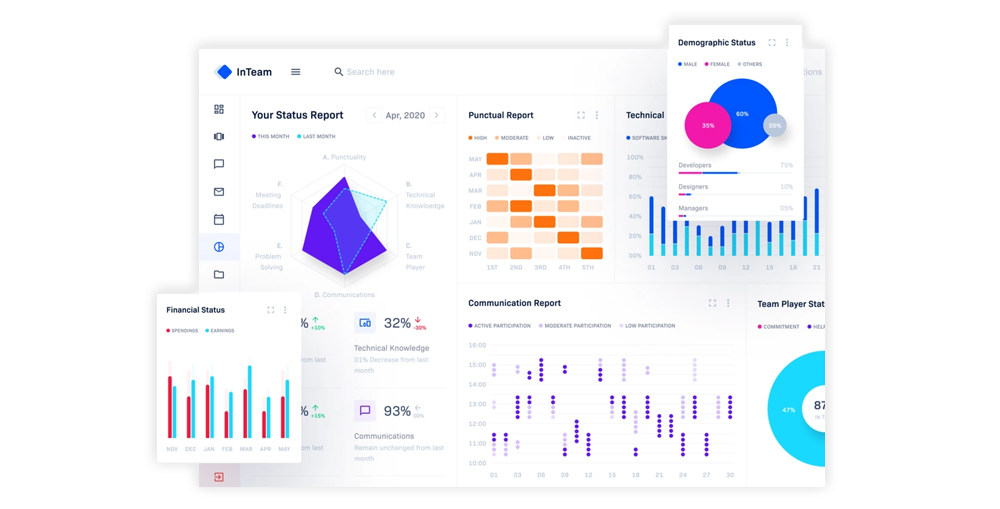
Continuous Employee Feedback

For any performance and appraisal management system the employee feedback is absolutely essential. It provides management a chance to evaluate the employees in a more accurate and better way and it also help reducing the communication barrier which is usually present among the junior employees and the management. The performance management system should have a dedicated in-built module for the employee feedback management. Where the managers should have ability to schedule one-on-one feedback sessions for any of their subordinate and also the manager who will be conducting the feedback session. The performance management system should also include online feedback features to conduct online surveys and feedbacks.

See Also: Why Automating Performance Management is Important for Businesses?

Continuous Employee Feedback

Furthermore the peer-to-peer, top-to-bottom and bottom-to-top feedback collection mechanisms should be available. These features can become very handy for the HR department and they also help understanding the problems and issues of the employees in greater depths.
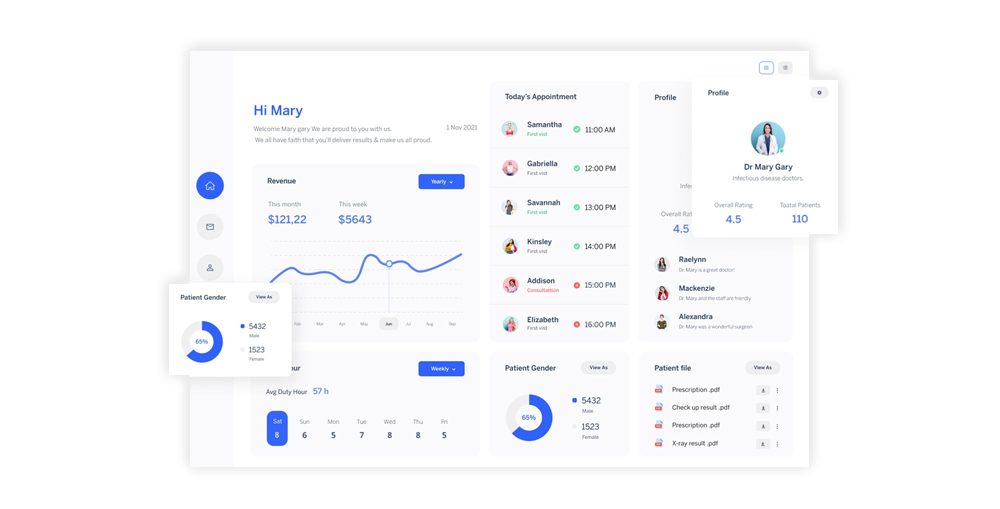
Employee Appraisal Management & Reward Modules

The employee appraisal management is a very crucial part of the performance management. The employee appraisal is basically their performance during a particular time period. The employee appraisal management modules measure the employee performance on the bases of their progress towards the objectives, goals, and their contribution in the overall organizational goals and objectives. The appraisal management is the key component that is used to align all organizational resources with the high-level organizational goals and keep everyone on track to ensure the high-level goals and objectives will be achieved.

The management by objectives is a modern appraisal method that involves employees in goal setting and strategy building process. Furthermore there are other methods too such as behaviorally anchored performance scales, 360 degree feedback, straight ranking appraisal, accounting appraisals, etc. and many more. A software-powered performance management solution help adopting and effectively implementing innovative performance appraisal methods for better results and long-term impact.

See Also: Data-Driven Decision Making in Performance Management

Employee Appraisal Management & Reward Modules

A good performance management system should not only support all these methods but it should also be able to allow the management to customize and configure their own methods and techniques. The appraisals play a crucial role in improving the overall productivity and profitability of the business. On the bases of the performance evaluation the performance management system should also help businesses to implement an effective reward program. The reward program help businesses in improving employee’s morals, encouraging them to perform even better in future.

Furthermore the performance management system can provide accurate data on technical and behavioral competencies which help businesses to setup and plan training programs and it also help them in measuring the effects of the trainings and skill enhancement programs. These features help businesses linking their performance management strategy with actual business outcomes. This further helps HR to improve the overall operational and professional capabilities of the entire workforce.

See Also: The Role of AI in Modern Performance Management Systems

Employee Appraisal Management & Reward Modules

KPIs, OKRs, KRAs, and other Matrices

The performance management system have in-built performance measuring matrices. These matrices are used to track, monitor and measure the performance of the entire business along with all its business units, departments, teams, and employees. The KPIs are Key Performance Indicators which are used to measure the performance of the individual employees, teams, departments, and even the entire business. The KPIs are used to communicate what is needed from an employee and quantify their work to assess the performance.

While the KRAs or Key Result/Responsibility Areas are matrices that are used to measure the employee performance in terms of the expectations from their job role. Majorly the KRAs are used to clearly communicate the job role of the employees and give them a perspective of what the business is expecting from them and what should be their contribution.

See Also: Performance Management through OKR System

KPIs, OKRs, KRAs, and other Matrices

The OKRs means Objectives and Key Results and it is a fairly new performance management method. The OKRs are reviewed more frequently (usually at the end of each quarter) and they are transparent both horizontally and vertically. The OKRs are different from KPIs as the KPIs provide the measure of the effectiveness of the existing processes, the OKRs mainly address the change and growth and it measures how far a business have progressed in in a certain time period in pursuit of their goals and objectives.

These are some matrices that any good performance management system should have. These matrices and a lot many more such matrices improve the efficacy of the performance management system and also help businesses measuring the ROI of their performance management system.

KPIs, OKRs, KRAs, and other Matrices

Performance Management System with Remote Access Enabled

A good performance management system must also have capabilities to provide access to the employees remotely if needed. These days in general our dependence on the smartphones and mobile devices is increasing.  In fact most of the people use their mobile devices as their primary device to access the internet and do regular tasks. Furthermore businesses in Dubai and all around the UAE usually have many branches and most of the time employees are deployed off-campus or at project sites.

This means that all of the employees wouldn’t have access to the computer or they won’t be able to come to the head-office to access their performance management system dashboard. Sometimes the higher management and stockholders also want to access the system from remote locations such as if they are at home, or at a business trip or if anything urgent came up while they are not at the office, etc.

See Also: Employee Performance Management is a small part of Performance Management System

Performance Management System with Remote Access Enabled

That is why having the facility to provide remote access via mobile and smartphones could be a great advantage. Businesses can also integrate special purpose interactive kiosks with the system which can provide access to the performance management system from remote locations and make it possible for all employees to access their dashboard any time and from anywhere. Such features are very helpful in improving the effectiveness of the system and help businesses improve their performance in all sectors.

Performance Management System Cost – Customized VS Off-the-shelf Solution

Obviously the cost is one of the major factor. Whenever a business planned to acquire a new system or tool the cost is always an important anchor point. The ROI is calculated on the bases of the cost and the returns a business gets from the software or system. There are two types of performance management systems on the bases of their cost and usage agreements. Some companies are providing ready-made or off-the-shelf performance management systems which can be acquired on the rental bases or at different subscription plans.

In both cases the scalability is expensive and the business must have to pay for the plan or package they have opted for. Usually these plans and packages are designed for general purpose hence most of the businesses end up paying for unwanted features and tools as well.

See Also: Choosing a Performance Management System A Buyer’s Guide

Performance Management System Cost – Customized VS Off-the-shelf Solution

The data is stored in the service provider’s storage and business have no control over it. Another big disadvantage of off-the-shelf solutions is that they are hard to customize and sometimes businesses have to wait for a long time to see the new features in the updates. If any customization is done, it remains limited and it is also very expensive and in some cases it is not permitted at all. On the contrary the custom-build performance management systems provide full control and freedom.

A business usually acquired a software development company like RSI Concepts or they hired a team of programmers and developers. In any case the business have full ownership rights over the software and it’s all resources. This make scalability a non-issue and business can include as many employees, departments, branches and everything whenever needed without paying hefty charges or upgrading fees.

See Also: Performance Management Trends in the Digital Era

Performance Management System Cost – Customized VS Off-the-shelf Solution

Furthermore the full ownership frees the business from dependency on a single vendor and businesses can move to a new vendor or service provider without losing anything or going through the migration problems. This make customized performance management systems more superior and cost-efficient. In the long term the cost to benefits rates are excellent and the business have more control and freedom over their performance management system.

Conclusion

The performance management system is a very critical component of any business’s management. Businesses use a digital performance management system to plan and execute strategies as per their goals and vision. However, when it comes to selecting an appropriate performance management system the HR department had to be very careful. The performance management system could have a significant and long term impact on the business’s growth and productivity. In this blog we have listed some basic features which will help the HR department to choose the best solution for their performance management needs. A performance management system help businesses to set realistic goals and help them implementing strategies to achieve those goals. It significantly improves communication.

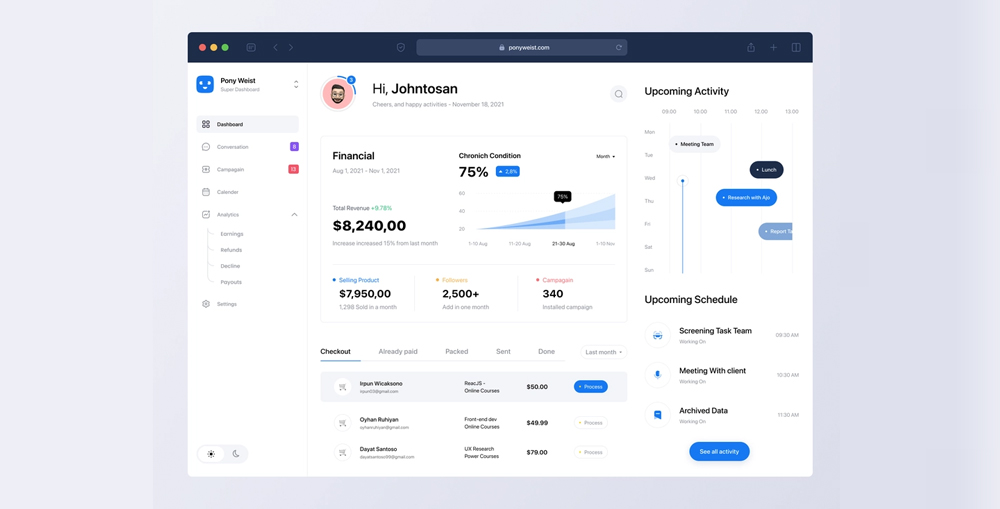



The performance management system also help employees’ in understanding their job roles, the expectations from them and the importance of their contribution in the overall high-level organizational goals and objectives. The feedback and planning tools help businesses including the employees in planning and strategy building phases which increase their trust and improve their relationship with the business. A performance management system is absolutely necessary for any business. Each business grows, some grow faster and some at a slower pace but eventually each business grows and their internal business processes become more complex and sophisticated. A performance management system ensures the business sustain that growth and with the growth it also improves it workforce, operational capabilities while ensuring higher productivity and performance.

RSI Concepts is a leading performance management system provider in Dubai, UAE. If you want to learn more about the subject or if you need our help to provide you a high-quality performance management system, please feel free to contact us through our Contact Us page or leave a comment in the comment box below and we will get in touch with you soon.

See Also: Employee KPIs and Performance Management

See Also: Why Performance Management System is a Necessity for Companies in Dubai


Employee KPIs and Performance Management

Employee KPIs and Performance Management

Businesses in Dubai and all around the UAE are proactively seeking ways to improve productivity and employee efficiency. The market is very competitive and the customer’s expectation are high. In such situation it is crucial to perform well at all touch points to make sure the customer have satisfactory experience. Apart from customer satisfaction, the businesses also need to improve performance in other functions such as production, finance, purchase & supply chain, HR, etc. That is why the employee KPIs and performance management system is critical.

Moreover businesses are always seeking ways to prepare themselves for the disruptive events and unprecedented scenarios. The performance management and appraisal system gets them ready by highlighting their capabilities. Businesses also need to solve the problems and obstacles that their employees are facing on daily bases. By rectifying the most obvious problems, an enterprise or organization can gain significant boost in the employee performance.

Employee KPIs and Performance Management

The performance management system is crucial for any business or organization to achieve its long term goals. These goals are flown from top to bottom and dictates individual, team and department goals which altogether contributes to achieve the organizational goals and objectives. The goals and objectives often interchanged however, they are entirely different. The goals are a stated in broader terms, set for longer period of time and also influenced by the vision and mission of the business. Businesses use employee evaluation and KPI tracking to ensure progress in the right direction to achieve their goals, which are aligned with their long-term vision.

See Also: How to Design a Modern Performance Management System?

For example the vision of a business could be to become the number 1 service provider in the UAE. That is a vision and it is not quantifiable. However, in order to achieve this vision the goal is to maximize customer satisfaction and the objectives are set such as to achieve raise in customer satisfaction by 20%, customer retention by 15% and customer churn rate should be reduced by 30% per year and all these objectives are quantifiable. Which also align with the high-level goals and these goals are according to the long-term company’s vision.

Employee KPIs and Performance Management

Similarly these goals are propagated downwards to the individual employees and the teams. Hence the KPI or Key Performance Indicators are set accordingly. These KPIs will measure the actual and precise amount of growth and progress towards the individual and high-level organizational goals and objectives. The KPIs are a critical part of the performance management.

Importance of Employee KPIs in Improving the Performance

For any business the employees are the greatest asset, it is not only about hiring the right people but it is also about putting them in right places where they can perform well and groom to raise their level of expertise and skills, in order to enhance their performance over the time. That is why it is absolutely necessary for any business to have high performing employees. That is why the employee KPIs are also crucial for business success. A business’s success is a very broader term, it is measured with so many different scales and matrices.

See Also: What is the difference between employee KPI and KRA?

However, for any business their success is to achieve their high-level organization goals and objectives. The employee KPIs help managers to obtain higher performance form the available resources to maximize the efficiency which results in success and is considered a key to get desired results. For any business the simplest form to achieve their goals is to simply maximize the performance and minimize the operational cost. Which is only possible when the employees are working at their maximum potential and are able to produce the desired or expected outcomes.

Importance of Employee KPIs in Improving the Performance

The KPIs can not only simplify the evaluation process but it also help businesses in measuring and monitoring both the quality of the work and the quantity of the work as well. The KPIs can be implemented using a performance management system or software, which not only measures the KPIs but also automates the process of collecting the performance data and on top of that it also allow the managers to easy analyze the data and prepare actionable reports from it.

This way the managers can easily learn about the strengths and weaknesses of the employees, they can train them, encourage them or motivate them to boost their performance. Furthermore the employee KPIs are also used for self-assessment, which also increase competitiveness and motivate the employees. That is why the employee KPIs are so crucial for achieving the high performance from the employees which is a key to long term success.

See Also: Performance Management through OKR System

Importance of Employee KPIs in Improving the Performance

Employee Performance Management System

The employee performance management is totally different from just taking a few KPIs. In fact the KPIs are just a part of the overall organizational performance management. The performance management’s primary goal is to increase employee engagements and build a strong relationship between the employees and the business and higher management. It gives employee confidence, it motivates them and it boost their moral which results in higher performance. The employee performance management is a very complex and lengthy process which is being executed over a longer period of time to gradually enhance the employee performance and improve the overall productivity of the business.

Measuring all those matrices manually and collecting that much of data is not possible. That is why businesses and organizations use Performance Management Software, or Enterprise Performance Management Systems. The Performance Management System or Software is integrated with different enterprise systems and business tools, in fact it is linked with the central information center of the organization which allow it to gather performance data and measure all sorts of matrices, KPIs, OKRs, and other performance indicators.

See Also: The Impact of Performance Management on Organizational Culture

Employee Performance Management System

Here are some key features of a performance management system:

  • The user interface and user experience of the system should be very customer friendly
  • The system should have in-built templates and helping materials to help management with initial set up
  • The entire operation should be automated, the data integration and even the basic level of analytical process should be done automatically to facilitate the users
  • The features to aid the employee performance management process and support both employees and the managers with communication, interactions and meetings
  • Features to easily set up goals and objectives and ability to blend and modify goals during the performance management cycle
  • Highly customizable and intuitive feedback collection module to aid, upward, downward, or peer to peer feedback
  • Data sharing, distribution and protection features to allow easy access to the data and to prevent the sensitive data from unnecessary exposure
  • Comprehensive features to aid data analytical, historical stats analysis, comparison and other data processing techniques
  • Flexible design and scalable infrastructure to support customization, upgrade, and scalability in future

See Also: Data-Driven Decision Making in Performance Management

Employee Performance Management System

These are some key components of a performance management system. There are several off-the-shelf employee performance management systems and tools branded with different names. However, we always suggest our employees to go for a customized or tailor-made performance management system. Because the customized tool can provide more accurate data and can be very helpful for the users which also enhance the efficiency of the system.

Employee Performance Management Process

The employee performance management process begins with communicating the job roles of the employees. This will tell them what they should do and what the business is expecting from them to deliver. The job role is the day-to-day tasks which require a certain level of competencies both technical and behavioral competencies. The next step of the performance management process is to set quantifiable/measurable, specific, achievable, realistic, and time bound.

These goals will then communicated with the managers, H.O.D.s, Line Managers and other senior staff. That top level and senior management then define goals and set up KPIs. Basically the very first step of an employee performance management process is planning. The HR and/or the senior managers sit together, they set the high-level organizational goals, then they set the goals for teams and departments and then they set individual goals.

See Also: Choosing a Performance Management System A Buyer’s Guide

Employee Performance Management Process

When employees are also engaged in setting goals and making pans their feedback is taken, they feel more empowered and connected to the business. It also give them a sense of personal attachment with the goal and in such situations people tend to perform well. By increasing employee engagements businesses can boost their performance and it also help improving employee retention rates too. Employee engagement is crucial for improving the performance. The innovative features of a KPI system help HR to enhance employee engagements and streamline performance management processes.

The feedback is a very important factor in performance management. The employees who receive feedback at least once in a week from the manager are tend to show performance improvement of 8% to 15%. The performance management is not a one-time job, it is a continuous process and it keep improving the employees and their performance. Here is a quick summary of how the performance management starts:

Set Goals and Objectives

The goals and objectives are the most important part of performance management, if the goals and objectives will be realistic and achievable they will encourage employees to perform better to achieve those goals. The high-level organizational goals and objectives are set as per the mission and vision of the business. Then the strategy and planning department make plans to achieve those targets.
The same goals and objectives further divided into department, teams and then the individual goals as well. There are several different methods followed to build goals and demands however, the most commonly known methodologies for goals and objectives are SMART and 5As.

See Also: How to Set Goals for your Employees in Performance Management System?

Set Goals and Objectives

Strategy and Planning

The goals are based on the vision, desire, projection and expectations, however, the goals doesn’t define themselves and doesn’t tell how business can and should achieve them. For that businesses made strategy and plans. Acting upon these plans and implementing these strategies is not an easy task. Furthermore business have to optimize their strategies and tweak their plan half-way through to ensure the success. These are some of the core problems of a proactive performance management framework. A comprehensive performance management software is absolutely essential to overcome these challenges and to solve these problems.

For example if the goal of the business is to become the number one service provider in their niche. Then they need a strategy and a plan to become the top leader in the market. For example, the business might need 30% increase in the customer satisfaction, in order to achieve that 30% the business will have to improve the service delivery process, the customer waiting experience and the customer sales staff and a lot many other things. That is how the strategy and plans are built. The same applied to the departments, teams and even individual employees as well.

See Also: Importance of KPIs to Improve Employee Performance in Dubai, UAE

Strategy and Planning

Set Up KPIs and Performance Matrices

Once the strategy and plan is made, the management should set measuring matrices and performance indicators which will tell how successful or unsuccessful the business was during the performance cycle. There are several different types of the performance matrices however, here are the few most commonly used performance matrices:

  • Key Performance Indicator – KPI
  • Key Responsibility Areas – KRA
  • Objective and Key Results – OKR
  • Balanced Score Card – BSCs

Businesses can easily measure and monitor performance at any level using the above mentioned matrices. The KPI or Key Performance Indicator is the most widely used performance indicator.

See Also: The Future of Performance Appraisals: 6 Innovations and Changes [Quick Guide]

Set Up KPIs and Performance Matrices

Real-time Monitoring

The best thing about a performance management system is that it enable businesses to monitor performance in real-time. The managers can monitor the performance of their subordinates in real-time. Which provide them advantage of making quick adjustments, make course corrections and prepare for the unexpected scenarios. As soon as an employee deviates from their expected path, or their performance slows down, the manager can immediately know about it.

This provide enough space for the manager to take appropriate action to resolve the problems and to boost the performance. The employee performance management system also enable the management to effectively and efficiently handle unexpected situations and identify the areas of improvement. This help businesses in dealing with the challenges employees are facing and also help businesses gain their trust.

See Also: Linking Performance Management to Business Outcomes

Real-time Monitoring

Conclusion

Businesses in Dubai and all around the UAE are facing several challenges which require them to perform at maximum operational efficiency to ensure customer satisfaction and cost-effectiveness. The employee KPI or key performance indicators are used to measure the performance of the employee, the performance management system is used to deal with challenges and obstacles your employees are facing on daily bases. The main objective is to increase employee engagements, boost communication and encourage feedbacks. The performance management system is capable of monitoring employees directly and it can also be linked with other enterprise systems and solutions.

The primary objective of the performance management system is to effectively communicate the job role, individual & high-level goals and closely monitor the performance of the employees. This can significantly boost the performance of the businesses. RSI Concepts is a leading name in Employee Performance Management System (EPMS), if you need any help or want to learn more about the subject, please feel free to contact us through our Contact Us page or leave a comment in the comment box below and we will get in touch with you soon.

See Also: Digital Branch Transformation Trends for Banks in 2022


What is Enterprise Performance Management (EPM)?

What is Enterprise Performance Management (EPM)

Businesses are always seeking ways to improve their performance and operational capabilities while also trying to minimize the expenses and resource consumption and getting themselves ready to respond to a disruption or unprecedented situation. The only solution to that challenge is to improve the performance of the entire enterprise including both the human and non-human resources and keep a close eye on the performance all across the entire enterprise. In order to improve the performance a business needs to identify the hurdles and obstacles that are causing reduction in performance and poor resource management.

For that businesses rely on Enterprise Performance Management or EPM which is a process and mechanism to closely monitor the performance of the entire organization and then identify the obstacles, challenges, problems and barriers which are preventing the business to achieve the higher performance and higher efficiency. The performance management system help improving communication between the management and the employees and offer tools to enhance employee engagement. Engaged employees tend to perform well and have higher potential of success.

What is Enterprise Performance Management (EPM)

The enterprise performance management or EPM process is a very complex and sophisticated process which requires a robust framework and rapid data analysis that is why a dedicated Enterprise Performance Management Software is used to aid the performance management process. The enterprise performance management process enables the management to take timely actions and respond to a disruption in a rightful manner with agility. This help businesses to achieve their goals and objectives.

Introduction to Enterprise Performance Management (EPM)

The Enterprise Performance Management is not a modern day phenomenon, in fact even before adopting to computers and IT the enterprises and organizations were doing performance management via discussions, meetings, surveys, calls, etc. With the passage of time especially in past two decades the Enterprise Performance Management (EPM) software have evolved from a basic desktop application to a highly powerful framework with internet access and online connectivity.

Here in Dubai and all around the UAE most of the time businesses often confuse the Enterprise Performance Management (EPM) with the Enterprise Resource Planning (ERP) solutions because most of the modern ERP systems comes with in-built data analytical and reporting modules that can provide some very basic features of the performance management. However, in order to outperform your competition and be ready to respond effectively and efficiently to internal and external disruptions, a dedicated Enterprise Performance Management (EPM) solution is absolutely necessary.

See Also: The Risk of Poor Performance Management and How to identify it?

Introduction to Enterprise Performance Management (EPM)

The world in general and the UAE in particular has become a very vibrant and dynamic business landscape these days. That is why a business needs a very flexible strategic approach and planning to achieve their goals and to effectively handle the disruptions. The disruption could be an internal factor such as a poor performing employee, a team member left in the middle of a project, lack of communication, any other problem that can slow the progress, or the disruption could be an external factor such as some products/services went viral, some flops, a competitor replaced your most valued product/service share in the market and so on.

Such disruptions can deviate the business from its course which it sets to achieve its high-level goals and objectives. An enterprise performance management system not only keep a track on on-going progress but it also provide accurate projections and gather valuable data in real-time which increase the readiness of the management and enables them to make quick and informed decision.

Enterprise Performance Management (EPM) Offers Great Business Value

The measure of success of every business is the measurement of their progress towards their goals and objectives. Each successful business knows that very well that there are two major challenges that a business face during their journey to success. First is the disruption and the second is difficulties in aligning the human and non-human resource with their high-level organizational goals and objectives. An Enterprise Performance Management (EPM) can effectively solve these two problems.

The key to obtain higher performance efficiency needed to achieve strategic and financial business goal is to make each individual employee and all business processes aligned with those goals. Everyone should know their required contribution towards the high-level goals, hence individual goals are set. The Enterprise Performance Management (EPM) system also highlight the areas of improvement in the business processes and is quite capable of detecting hurdles and obstacles your employee might be facing.

See Also: 5 Performance Management Problems and How to Solve Them

Enterprise Performance Management (EPM) Offers Great Business Value

Furthermore the Enterprise Performance Management (EPM) system also increase and enhance the readiness and capabilities to respond to disruptions. Whether the disruption caused due to outside force, inside events, or due to the market changes the key to surviving it and staying ahead of the curve is the flexibility and agility. The Enterprise Performance Management (EPM) System helps businesses to fulfill their data gathering and reporting needs which can improve the performance of various internal processes such as Financial Close, Reconciliations, Strategic Plan Implementation, Profitability and Expense Management, Production Efficiency, and all other operational and administrative processes.

On top of that an Enterprise Performance Management (EPM) software help improving employee performance all across the enterprise which automatically helps improving efficiency and performance of each business process and function.

Enterprise Performance Management (EPM) System (Software/Tools)

Enterprise Performance Management (EPM) is a very sophisticated and complex process. In the modern era of digitalization and IT integration there are simply too many data streams and processing them manually is almost impossible. That is why an automated and intuitive software or system is required which should be equipped with relevant tools and features to allow the management to effectively monitor and improve the performance of the entire business.

The Enterprise Performance Management (EPM) software is an integrated tool which is linked with various other enterprise solutions and business tools to collect data and matrices. It is also connected to the central information center and it can provide two-way data synchronization and data sharing features. The software can be deployed both in cloud and in-premises data centers as well. Although business always struggle with taking this decision, but it is better to keep the Enterprise Performance Management (EPM) software online so the management and employees can also access it remotely and off-campus.

See Also: How to Use Performance Management Systems for Leadership Development

Enterprise Performance Management (EPM) System (Software/Tools)

Here are key features of an Enterprise Performance Management (EPM) System:

  • The user interface (UI) and user experience (UX) should be simple and easy-to-understand
  • The personalization options should be available to customize user dashboard to let user arrange and add widgets and sections as per their priority and convenience
  • The software should provide automation with configurable control panel to customize the operation
  • Flexible integration features should be included to let the software synchronize and integrate with other business tools and systems
  • Pre-built template should be added to aid the planning and strategy implementation process along with facility to add new templates
  • Facility to set goals and objectives and ability to blend goals along with real-time monitoring for day-to-day task and along term evaluation
  • Features for top-down approach to effectively implement strategic and planning tactics
  • Customizable review cycle timings and scheduling features to allow management to decide who should conduct reviews, when the review should be conducted and frequency of the reviews
  • Ability to allow management to implement SMART and 5As goals for both high-level and individual levels
  • Dedicated module for managing one-on-one sessions and conduct feedbacks and surveys
  • Administrative features for managers to plan and schedule session from their dashboard
  • Features to allow downward, upward and peer to peer feedbacks
  • User feedback facility to let employees provide feedback at any time
  • Robust alerts and notification engine to automate the notification process along with facility to set priority and importance for each alert
  • Configurable and automatic data sharing features along with facility to allow users to share selective data, feeds and reports
  • Configurable reporting module to allow users to generate different types of reports
  • In-built data processing and advanced analytical tools to simplify the reporting process
  • Facility to do comparative analysis with historic analytical data
  • Flexible infrastructure to support future upgrades, customization and scalability

See Also: Data-Driven Decision Making in Performance Management

Enterprise Performance Management (EPM) System (Software/Tools)

These are some of the most important features a good Enterprise Performance Management (EPM) System should have. Businesses should also explore the customized software development possibilities rather than going for a commercial off-the-shelf solution (COTS). The customized solution allow business to easily customize the software as per their performance management methods and doesn’t require them to make any change in their ongoing business processes. It also provide easier integration and reduce the cost in the long term. The future upgrades and scalability is also relatively cheaper comparing to the commercial off-the-shelf solutions.

Enterprise Performance Management (EPM) Process

The Enterprise Performance Management (EPM) process is a not as that complicated, it is a simple process which starts with setting up and assigning goals and objectives to employees, keep track of their performance make adjustments and course correction during the performance management cycle and then on the bases of final evaluation execute reward and personal development schemes. Here is the Enterprise Performance Management (EPM) process’s steps:

  • Step 1: Set up goals and communicate the high-level organizational and individual goals clearly to the employees
  • Step 2: Continuously monitor employees, their KPIs and their goals and make course adjustments
  • Step 3: Identify the challenges and area of improvements, take actions and provide training, mentoring, and guidance to the employees
  • Step 4: Rate and Evaluate the employees and performance matrices, make sure the rating criteria is clearly communicated to the employees beforehand
  • Step 5:The final step is to implement reward schemes and offer financial benefits and recognition to the employees, teams and departments if they performed well

See Also: Benefits of Implementing a Modern Performance Management System

Enterprise Performance Management (EPM) Process

For any performance management process the main objective is to keep your employees motivated, encourage them and make sure employees and all other resources are performing in the right direction with the maximum efficiency. This will help lifting-up each and every aspect of the business and will also keep your employees engaged and loyal to the business.

Enterprise Performance Management (EPM) Best Practices

The Enterprise Performance Management (EPM) is a cycle and it should keep going on all the time. There are no hard and fast rule for doing it in a particular way. Each business find different methods and techniques more effective than the others. Acquiring a top-notch Enterprise Performance Management (EPM) System or developing a customized solution is not enough, a business must have to be able to utilize the system correctly and that can only be done if certain aspects of the performance management should be done correctly. However, there are certain best practices that if done correctly could help businesses get maximum out of their performance management efforts:

Set Goals and Objectives

Setting up goals and objectives for a performance management process is the most crucial part. On the bases of these goals the objectives the managers will build strategies and make plans. If the goals and objectives are not clear and practical then it would have negative effect rather improving anything. There are two most commonly used frameworks to set goals and objectives:

  1. SMART: The smart goals are Specific, Measurable, Achievable, Realistic and Time Bound.
  2. 5As: The 5As are Assessable, Aspirational, Agile, Aligned and Accountable.

The SMART framework is one of the most widely used framework to set goals and objectives not only in Dubai, UAE but all around the world. Earlier the framework was designed for annual and bi-annual evaluation, but now a days businesses are using the same methods to evaluate and manage performance for a particular time-frame or a project as well.

The 5As is a relatively new and a bit more modernized framework for setting up goals and objectives with less timeframe, usually from one to four months. This is the major difference between the two frameworks, however, some businesses are also using a blend of the two to evaluate for short term and long terms or from totally two different prospective.

See Also: How to Set Goals for your Employees in Performance Management System?

Set Goals and Objectives

Build a Strategy and Make a Plan

Once the goals are set the next step is to make a strategy and plan about how those goals can be and should be achieved. This is very important. Only communicating the high-level organizational goals and objectives to the individual employees along with their individual goals and objectives is not enough unless and until the manager also tell them how they can achieve these goals and what the business is expecting from them.

That is why having a very comprehensive plan and a strategy is a key to achieve desirable results. The employees knows their job roles already, communicating what the business is expecting from them and how they should behave is very important. Most of the time businesses treat goals and objective in a similar fashion. However both are different, the major difference is the objectives are measurable and the goals aren’t.

See Also: Linking Performance Management to Business Outcomes

Build a Strategy and Make a Plan

For example if the goal is to become the market leader in providing maintenance service in Dubai, the objective would be to increase the sales by 20%, reduce customer churn rate by 40%, improve customer satisfaction by 15%, increase online leads by 30% and so on. In order to increase the sales by 20% the sales teams might have to put extra efforts, the manager should have to tell them where to put extra efforts and what to achieve and how.

That is why the goals and objectives should be clearly communicated and each employee should know what their contribution would be in those high-level goals and objectives if they will achieve their individual goals. Hence the KPIs and other performance matrices should be set in accordance with the individual and high-level goals and objectives.

Setup Performance Matrices

Once the goals and respective objectives are defined, the next important thing is to setup appropriate performance matrices. The performance matrices will monitor the employee performance and the overall performance of the business. The performance matrices will also tell employees that what would be the measure of success and when the evaluation should be done, hence they can easily prioritize their tasks and efforts to achieve the required objectives within the given time frame.

It is very crucial to keep monitoring the performance and progress continuously throughout the performance cycle, this will provide managers and employees a chance to keep improving their efforts. The managers can also immediately take actions to resolve problems and sort out challenges that employees are facing and they can also make course adjustments or iterations in the individual goals to make sure by the end of performance cycle the high-level organizational goals and objectives will be achieved.

See Also: How to Design a Modern Performance Management System?

Setup Performance Matrices

Here are some popular performance matrices that can be implemented to make the performance management more effective, convenient and fruitful:

  • Key Performance Indicators (KPIs):The key performance indicators or KPIs are set to measure the performance of the individual employee, teams, departments and the overall organization as well. They measures the quantifiable value of the performance and success.
  • Key Responsibility Areas (KRAs): The key responsibility areas or KRAs are the matrices to measure the performance of individual employee or set of employee or teams and departments in terms of the output or value of work they have produced.
  • Objective and Key Results (OKRs):The objective and key results or OKRs are the not a performance measuring tools, in fact the OKRs are the matrices used to measure the progress towards the high-level organizational goals and objectives.
  • Balanced Score Cards (BSCs):The balance score cards or BSCs are not used to track performance in fact they are used to identify the areas of improvements. A BSC includes the data from current past cycles covering four major aspects, learning & growth, business processes, customers and financial data in a single report which could quickly provide essential information to the managers and help them making decisions and setting up strategies more effectively.

See Also: How the HR should select a Performance Management System?

Setup Performance Matrices

Continuous Feedback

Continuous feedback is vital for achieving both individual goals and the high-level organizational goals and objectives. It provides a deeper understanding and evaluation data for individual employees as well as it also provide performance data that can be used to evaluate and assess business processes and strategies. With the continuous feedback the manager can increase employee engagements, encourage them to perform better and help them overcoming the challenges they are facing.

The data is also be used to reevaluate the goals and objective to align the employees and resources with the high-level organizational goals and objectives. The one-on-one sessions, discussions and coaching is very important to boost employee efficiency and it also provide them a chance to get connected with the organization and let them evaluate themselves. Which also help improving employee efficiency.

See Also: Performance Management Trends in the Digital Era

Continuous Feedback

Conclusion

It is extremely important for the long term success and growth that a business achieve its goals and objectives each year. The vision of a business dictates its goals and the goals drive the objectives and strategy. In order to be successful the business must have a mechanism in place to continuously monitor its performance and the performance of its employees. That is why business use Enterprise Performance Management (EPM). The Enterprise Performance Management (EPM) is not just a tool or a process in fact it is considered to be the core of any business’s strategy.

The performance management increase employee engagements, help them develop and grow and provide necessary tools to the managers and the top management to improve their performance and working capabilities. RSI Concepts is a leading name in providing Enterprise Performance Management (EPM) System and Solutions in Dubai, UAE . If you need more help on the subject or if you want us to help you with your performance management needs, please feel free to contact us through our Contact Us page or leave a comment in the comment box below and we will get in touch with you soon.

See Also: What is the difference between employee KPI and KRA?


Best Performance Management Tools and Techniques to Boost Efficiency

Best Performance Management Tools and Techniques to Boost Efficiency

The HR department of any business faced multiple challenges, one of the biggest challenge is to keep the workforce productive and ensure the maximum efficiency of the employees. The performance management tools and techniques are used to overcome a variety of challenges and help HR department to be able to produce a highly productive and most efficient workforce for the business. The overall business’s productivity and profitability is very much dependent on the employee’s engagement, well-being, their work-life balance, happiness & satisfaction, and their efficiency.
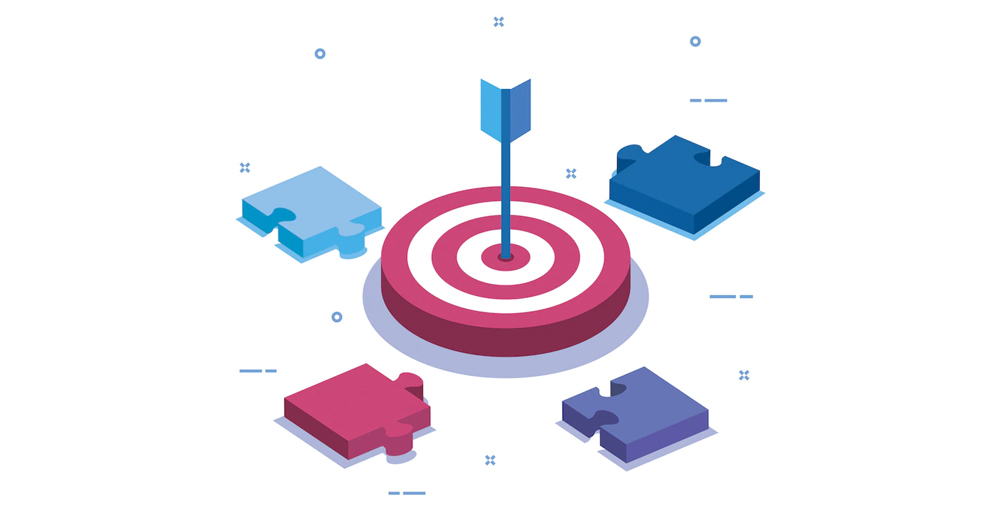
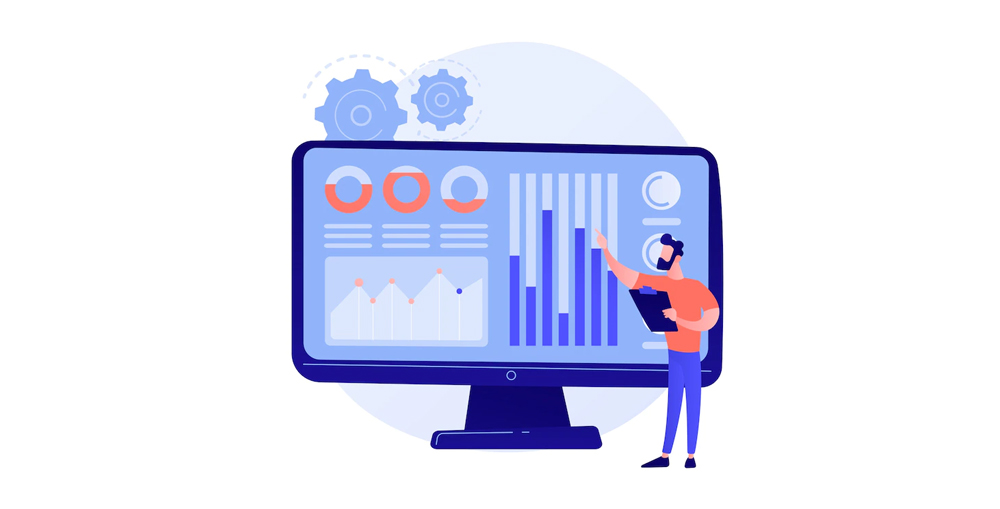
That is why the performance management is considered to be one of the most important function of the HR and it has profound impact on organizational culture. Businesses in Dubai and all around the UAE are rigorously investing resources in performance management and appraisal activities. However, many don’t realize that the true performance management is not just annual reviews and appraisals. In fact the performance management is a kind of continuous process throughout the entire year not just at the end of every year. Some businesses do interim reviews after each six months, but that is also not enough.

Best Performance Management Tools and Techniques to Boost Efficiency

There are two main classifications of performance management process or framework, one is manual performance management which is totally based on old-school techniques, which are also manual and done by hands on papers. The second and most modern performance management framework is digitalized, automated and based on software tools and techniques involving digital data processing and analysis.

The manual performance management is getting obsolete now and businesses whether small or large are adopting digital and modernized tools and techniques for their performance management needs. That is why in this blog we will only discuss about the modern and most effective performance management tools, techniques and frameworks and employee performance management process through a digital solution.

Best Performance Management Tools and Techniques to Boost Efficiency

What is Performance Management? (The Definition)

By definition the performance management is a process of communication on particular topics and subjects, by which an organization’s employees and managers work together to make plans and set strategies to achieve individual and large-scale goals (team, departments, and project based goals) and monitor their progress and contribution in the overall high-level organizational goals and objectives. A modern performance management system is a very collaborative communication process which is designed to encourage employees to produce the maximum outcome while keeping them happy, healthy, and passionate about what they do.

Several studies have shown that almost 80% of the employees can boost their performance if they are motivated, encouraged and passionate about their work. The performance management is not only about motivating and encouraging the employees, in fact the performance management is more focused on highlighting the challenges and obstacles that are hurting employee’s performance and productivity. The business and organizations also use performance management data for better resource planning and HR purposes.

What is Performance Management?

Features of a Best Performance Management Tool

A business needs a tool to manage the performance and to accurately collect the performance data. There are several performance management tools and software that can be very helpful however, we always suggest going for a customized solution which is tailor-made for your requirements. RSI Enterprise Performance Management System is a ready-made performance management system which also allows deeper levels of customization and integration with other business tools or central information center. If you are confused in choosing between and customized or ready-made off-the-shelf solution then just check if the tool that you are planning to implement have the following features:

  1. User Interface: The UI or user interface is one of the most important part of any software or tool. It is crucial to have an intuitive and easy-to-understand user interface.
  2. Costing and Support: Cost comparison is also critical, the performance management system’s cost and its maintenance and support should be easily affordable. The cost alone doesn’t determine the usability, in fact it helps measuring the ROI.
  3. Automation: The purpose of performance management system is to boost employee performance, this means the system itself should have to offer ultimate level of usability. The performance management tool should be able to automate various aspects of performance management process to save the workload of the employees and the management.
  4. Integration: Integration is one of the key feature of any performance management tool, it allow the software to communicate with existing software and systems and also with the central information center and it also aid automation. The integration simplify the use of tool and add value to user experience.
  5. Feedback and Reviews: The feedback and review features should be flexible and totally customizable with pre-built templates to aid the managers to easily and quickly implement their strategic plans for the reviews.
  6. User Engagement: The performance management tool or software must have features to increase employee’s engagement and involvement in the process. The software should be able to let users set alerts and notification and also allow them to trigger a particular action on the bases of the data inputs it is receiving. The actions should be able propagate all across the network and connected systems and tools.
  7. Data Sharing: A performance management software or tool is incomplete with automated data sharing features. The system administrator should have facility to implement data sharing protocols to automate the process. This will make sure everyone gets all the relevant updates on time without any delay or interruption.
  8. Improvements and Updates: Everything doesn’t always goes as planned, the performance management tools should be able to allow the managers, employees and system administrators to update the strategy, make changes, make course corrections and amend any existing performance matrices or on-going strategy.
  9. Personal Development: Personal development for employees is crucial to improve their performance, the performance management system should be able to allow the managers and administrators to plan and implement personal and leadership development strategies.
  10. In-Built Analytical Tools: For any performance management system, the in-built analytical tools and data processing features are absolutely necessary. It allows the managers and the system administrator to extract actionable reports which can help businesses to improve future strategies.

Features of a Best Performance Management Tool

These are some of the most important features a performance management tool should have. The implementation of performance management system can be a bit challenging for some businesses, and the purpose of enlisting them here was to give you an overview of how some basic features can be helpful in improving the effectiveness and efficiency of the performance management tool. It is not necessary that you only go with the most expensive option which other multinational businesses are using. Instead acquiring the service of a customized software developer in Dubai, UAE to make a customized performance management tool could help you achieve your strategic and performance goals.

Best Performance Management Techniques

Best Performance Management Techniques

Now that we have already discussed the important features of a performance management tool it is important to understand that only acquiring a high-end performance management software is not enough, a businesses must have a great strategy and should implement market proven techniques to be able to leverage the performance management tool and the entire process. Here is a step by step guide for implementing various performance management techniques which will help you achieving the highest performance goals and satisfied employees:

Set Goals and Objectives

Setting up goals and objectives for is extremely important. Unrealistic goals and objectives will not only lead to a poor performance but it will also impact on the employees and they will think that they could never achieve those high-level goals hence most of them will never even try to achieve them. That is why it is important to consider taking employee’s feedback and suggestions on this stage and consider that as well. The management should not only clearly communicate the goals and objective to the employees, but they should also have a clear and definable plan-of-action on how to achieve those goals and objectives.

Moreover a proactive strategy should be implemented to linking the performance management to business outcomes to maximize the alignment with high-level organizational goal and strategic objectives. That is the only way to boost employee interest and encourage them to put efforts in the right direction.

Set Goals and Objectives

The main difference between goals and objectives is the measurability. For example the goal could be “to become the leading customer service provider in the industry” and the objectives to achieve that goal could be “reduction in customer churn rate by 10%, increase in sales by 5%, increase customer happiness by 15%, etc.” that is the major difference between the goals and objectives. There are two major frameworks for the goals and objectives which are considered to be the performance management best practices and industry standards across the world:

1. SMART Goals and Objectives

Setting up organization’s performance goals with SMART framework is one of the most popular method not only in Dubai, UAE but all around the world. It is considered to be the most effective method and almost all major government departments and large organizations are using SMART framework to set their goals and objectives:

  • S – Specific: The objective should be stated in a very clear and to-the-point manner, means the objectives should be very specific so the employees can understand them without any ambiguity.
  • M – Measurable: The objectives should be quantifiable and measurable as per the set pattern, so the employee and the managers both know clearly how the success would be measured and what is expected from them.
  • A – Achievable: Communication between the employee and the managers is a key to set goals and objectives. Forced objectives are far less likely to be achieved. The managers and the employees both should be agree on a certain level of progress or performance that they can deliver hence the objective and goals should be achievable.
  • R – Realistic: For any performance management technique it is crucial to clearly communicate the high-level organization goals and objectives to the individual employee. Everyone should know what the ultimate goal is and how they can contribute to achieve it. Hence the objective and goals should be realistic and can be achieved with using the available skills and resources.
  • T – Time-Bound: Each goal and objective should have a time limit, so everyone knows when the results should be delivered and when the final performance evaluation will be done. The time could be based on a project completion or either it could be the fiscal year end whatever the case is the objective and goals must have to be time-bound.

See Also: The Risk of Poor Performance Management and How to identify it?

SMART Goals and Objectives

2. The 5As Goal Setting Framework

The modern day businesses and organizations are getting very sophisticated and the internal environment have becoming more complex than ever before. On top of that the markets are evolving on an unprecedented pace. New trends are replacing older ones and innovation is making its way to the very core of the organization structure and culture. This is why the SMART Framework is getting older, although it is a great framework but it is not absolutely perfect anymore. The 5As goal setting framework is a relatively new and modern technique and businesses all around the world are embracing it. Here is how the 5As goal setting framework works:

  1. Assessable: The goals and objectives must have a defined structure, hence they can be measured easily and accurately.
  2. Aspirational: The goal and objective should be able to make your employees passionate and encourage them to test their limits to perform better as much so as they can. This is done so the employees know when an objective is achieved.
  3. Agile: The agile goals and objectives are usually set for short terms, such as 1 month to 3 months and in some cases for the 4 months also. The progress against the set goals and objectives is monitored on continuous bases.
  4. Accountable: Each and every employee has been assigned with their individual goals, hence the success or failure should be measured as the success or failure in achieving that goal or objective. Some businesses also apply this to small teams or project teams as well.
  5. Aligned: All the goals should be able to contribute to the high-level organizational goals and objectives. All small organizational goals should be aligned to the broader vision of the business.

See Also: 6 Performance Management Problems and How to Solve Them?

The 5As Goal Setting Framework

3. SMART and 5As Hybrid Goal and Objective Framework for Performance Management

There is another framework for setting goals and objectives which is a blend of the above two. By hybrid it means the mixture of both SMART and 5As goals and objectives framework. Although this phenomenon is relatively new and is not particularly popular among large and multinational businesses and organizations, however, some small businesses tried to adopt a blend of both SMART and 5As goal setting framework. This phenomenon is still in its infancy, so we don’t advice implementing it. The main objective is to make a blend of all the positive or benefits of both the frameworks, splice them together to minimize the challenges and deficiencies of both goal setting frameworks.

However, most of the businesses who have implemented it on experimental bases found it more challenging and difficult to achieve the desired performance results and execute the strategies. The biggest challenge is that sometime some activities had to be done in parallel, which is quite confusing for the employees as well as for the managers. The purpose of mentioning it was just to give our audience an introduction of the hybrid framework.

See Also: How the HR should select a Performance Management System?

SMART and 5As Hybrid Goal and Objective Framework for Performance Management

Make a Plan of Action

Once the goals are set now the next step is to make a plan and strategy to achieve the goals. No matter what framework you chose, the SMART or the 5As, the performance relies on the plan and strategy. Each business regardless of size have limited resources, every top level management wants to manage their resources efficiency and smartly to ensure maximum profitability and high quality of work. That is why the goals are set to be realistic and achievable.

For example if the goal is to generate more leads from online channels, the plan of action would be to allocate resources for the marketing team to work on the online channels such as social media, display & search advertisements, SEO, website, etc. Same is applicable to the goals for the production department, or customer service or any other business function. The businesses should have a realistic and workable strategy and plan of action in order to achieve their goals.

See Also: Why Custom Performance Management System is more Effective?

Make a Plan of Action

Each individual employee should be communicated clearly on what they have to do to achieve their individual goals and how their contribution will be added to the high-level organization goals and objectives. Each employee knows their job role very well. Apart from that their individual goals and the high-level organizational goals and objectives also demand them to prioritize their work and focus. Some employees might be reassigned to different teams some might remain on their current positions, whatever the case is every individual employee should know what they will have to do and how they can do that.

That is the reason the personal development and training programs are also part of the performance management tool. The managers should have to be very clear on what is expected from the employees and how they should be able to do that. That plan of action will determine the success or failure of the performance goals.

See Also: What is Continuous Performance Management? Complete Guide!

Make a Plan of Action

Setup Performance Matrices

For any performance management tool or system it is crucial to track the performance in real-time. That is the benefit of using a digital tool. The high-level organizational goals are set by the high-level management and stakeholders. Then the goals propagate throughout the organization through the heads of departments, senior managers, line managers, supervisors, team leads and even the individual employees. The top-down approach is considered to be the most effective and efficient approach.

However, in order to achieve the desired performance it is important to track the progress and make sure all the resources and employees are aligned with the high-level organizational goals. Here are some most commonly used performance measuring matrices:

See Also: Boost Employee Efficiency with a Performance Management System

Setup Performance Matrices

Key Performance Indicators (KPIs)

The goals and objectives flows in a top-down manner, the high-level organizational goals and objectives dictates the goals and objectives at each and every hierarchal level. Each upper level determine the goals for the next level lower to that until the individual level. The KPIs or key performance indicators are set to measure the progress in terms of each objective at each level. The performance and progressed is measured for a particular time frame.

Usually the evaluation and assessment is done several times during the performance period and the overall or final performance evaluation is done at the end of the performance period (such as by the end of the year). The KPIs are also associated with rewards and recognition to encourage employees, teams and managers to perform better.

See Also: Employee Evaluation and KPIs for Better Employee Performance

Key Performance Indicators (KPIs)

Key Result/Responsibility Area (KRA)

The Key Result/Responsibility Area or also known as Key Performance Area (KPA) is a general area of performance, outcome or output, for which an employee or set of employee are expected to perform and are also responsible for. These are the areas and outcomes for which a job role or set of job role is responsible for and is also accountable for. Basically the KRA or key result / responsibility area matric is a measurement of performance and progress of employees and set of employees.

It also evaluate/measure their contribution in the overall high-level organization goals and objectives and their impact on profitability with evaluations of the financial aspects of the performance of the job role or set of job roles. The KRA are designed to clearly communicate the expectations of a job role to the employees and it also define the expectations from their job role which encourage them to perform well and induce passion and engagement.

See Also: What is the difference between employee KPI and KRA?

Key Result/Responsibility Area (KRA)

Objectives and Key Results (OKRs)

Objectives and Key Results or OKRs are not a performance evaluation tool, in fact it is a measurement of the progress and performance towards the high-level organizational goals and objectives and how each individual employee or a team contributes to those goals and objectives. OKR is a management tool which help organizations to achieve the goals and outcomes they need or aimed for and it is not an employee evaluation tool. The OKRs are more focused on the adoptive performance rather tactical performance.

The other performance indicators deals with targets, numbers, budgets, etc. while the OKR deals with the wider aspects of the goals and the ability to deal with the failures. The OKRs are used to support innovation and encourage ambitious ideas and let the teams and employees perform well in problem solving and challenging environment without discouraging or demoralizing them.

See Also: Performance Management through OKR System

Objectives and Key Results (OKRs)

Balanced Score Cards (BSCs)

A Balanced Score Card or BSC is a strategic performance management tool. It is used to identify the challenges and it help businesses to improve their internal processes to achieve the desired outcome and efficiency as per their high-level organizational goals and objectives. The balanced score card cover four major areas, learning and growth, business process, customer point of view or prospective, and evaluating the financial data.

The balanced score cards also incorporate data from past performances and let the business easily identify the areas of improvement. This also save a lot of effort and time as it provide all the data in a single report and provide broader, wider and deeper understanding and comparison of the performance which helps management o easily evaluate various internal and external performance aspects.

See Also: The Future of Performance Appraisals: 6 Innovations and Changes [Quick Guide]

Balanced Score Cards (BSCs)

Real-time Feedback

Performance feedback is a very collaborative communication process. Frequent, constructive communications and regular information sharing between the manager and the employees let them take actions very quickly, set and adjust course and encourage them to improve their performance. The real-time feedback and communication can motivate employees which drive the right behavior and deliver better results. A well-structured customer feedback and survey system can help businesses collect valuable insights and generate actionable reports for improvements.

Coaching and constructive discussions are very important and help employees evaluate themselves and understand the performance of the others as well which let them make changes, boost efforts and prioritize things differently and more effectively. The performance management system and other tools allow businesses to provide their employees with means and channels to communicate instantly with each other and give their feedback which help improving the performance and business processes during the evaluation period.

See Also: Why Custom Software Development is Essential for Digital Transformation

Real-time Feedback

Furthermore the studies have shown that real-time feedback in performance management help increase employee retention, satisfaction and also raise their ability to handle challenges and difficult situations which impact on the overall performance of the business. The employee feedback includes, manager to employee feedback, employee to manager feedback and also allow peer to peer feedbacks.

Which provide a deeper understanding of the organizational culture and help businesses improve it. The employee can also provide feedback and share their opinion about their seniors, supervisors, managers and the overall business and its mission, vision, activities, and various other things. Which can provide a lot of constructive suggestions and businesses can improve their strategies and policies in order to maximize their performance and employee satisfaction.

See Also: The Benefits of Custom Software Development for Growing Businesses

Real-time Feedback

Reward and Recognition

For any performance management system the reward and recognition is a must to have tool. Studies have shown that almost 80% of the employees perform well when they are awarded and their contribution is acknowledged properly. Almost half of them said they are not only interested in monetary benefits, in fact a proper appreciation and recognition of their effort is enough to motivate them to perform better. The main objective is to reward and recognize the individual employees and teams with exceptional performance with some additional monetary and non-monetary benefits to encourage them to perform well in future and to also motivate the others to perform well.

A good reward and recognition tool always link the performance with the high-level organizational goals and objectives. The reward and recognition schemes are also a great tool to inspire employee to perform well and it also tell them what the business is expecting from them and what they will get if they meet those expectations. That is why reward and recognition schemes and tools are great to improve performance.

See Also: The Cost of Custom Software Development: Factors to Consider

Reward and Recognition

Personal Development Plans (PDPs)

A performance management process is incomplete without incorporating Personal Development Plan (PDP) tools. The Personal Development Plan (PDP) tools is not a performance measuring tool, in fact it is a strategy to improve employee performance. According to several studies the Personal Development Plans and opportunities are the most attractive aspect for more than 85% of the employees. When employees see they can develop their skills and they can excel in an organization they tend to perform better. On top of that it is good for employee retention and it also help businesses in building a strong workforce.

PDPs are not regular evaluation, in fact it is done on quarterly bases and after each quarter the managers and employees both learn about their strengths and weaknesses, it gives managers a chance to groom their sub-ordinates and it also provide employees a prospective and career oriented direction which is better for them in long term. This encourages employee to perform well and learn new things, acquire new knowledge and improve their professional capabilities which eventually impact on their performance and the overall efficiency of the organization.

See Also: Step-by-Step Guide to Planning Your Custom Software Development Project

Personal Development Plans (PDPs)

Conclusion

Any business’s success is heavily dependent on its employees, it doesn’t matter how much the business invest in their production facility, or acquiring the equipment or upgrading IT infrastructure, if the employees are not performing up to the mark the business couldn’t achieve its financial and strategic goals. That is why every good business have a performance management process. For that businesses use a variety of tools and make strategies. For any performance management process it is important to keep employees motivated, engaged and satisfied. A performance management process provide businesses a chance to clearly communicate their high-level organizational goals with each individual employee.

By leveraging various performance management tools and techniques business can monitor and track employee performance in real-time. That sort of monitoring allow businesses to take timely actions, reset course and make adjustment in their strategies throughout the period so that by the end of the performance management cycle the business could achieve their goals and objectives.
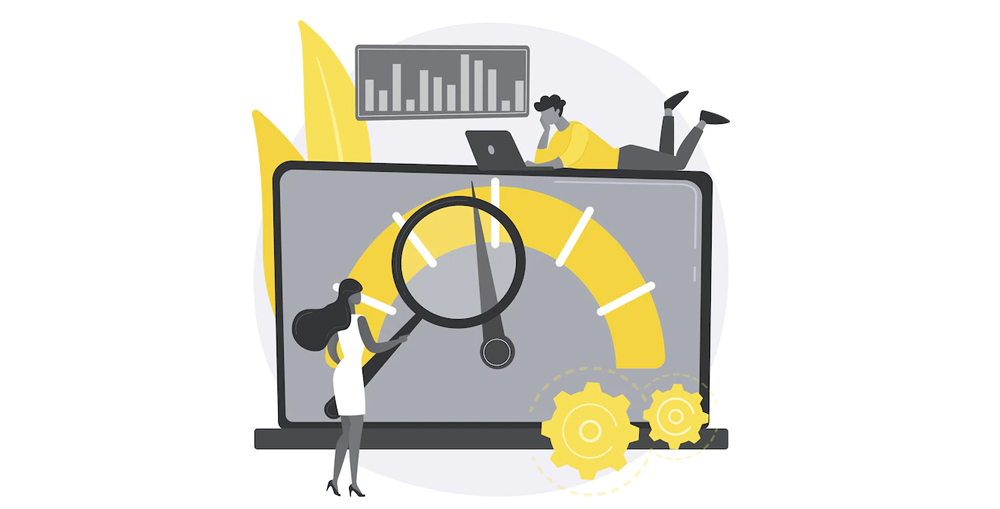

There are tons of performance management tools and software available in Dubai and all around the UAE. In this blog we have also listed key features of a good performance management tool. However, the best approach is to go with a customized solution, such as RSI Enterprise Performance Management System. If you want to learn more about the topic or if you want to enquire about our performance management tool, please feel free to reach us through our Contact Us page or leave a comment in the comment box below and we will get in touch with you soon.

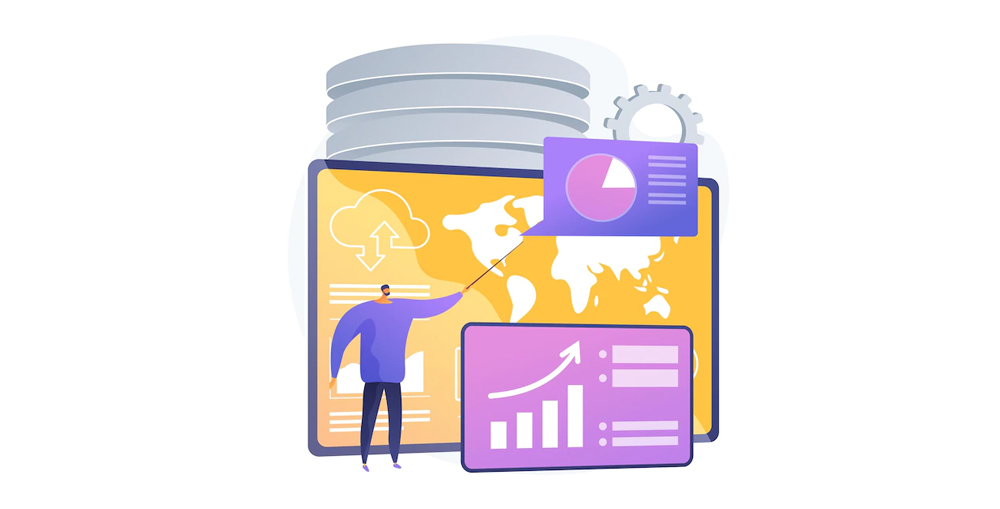

See Also: Qualities of a Good Mobile App for Queue Management System

See Also: The Future of Custom Software Development: Trends to Watch in 2025


What is the difference between employee KPI and KRA?

What is the difference between employee KPI and KRA

For any business it is extremely important to align its employees, resources, digital systems, and business processes with high-level strategic and financial goals. Businesses in Dubai and all around the UAE are proactively managing their performance through a variety of different tools and mechanisms. The overall market in UAE is very competitive, the economy is enormous comparing to the size of the country and it is growing exponentially. The success relies on better efficiency and intelligent strategies. Making formidable strategies is relatively easier but executing those strategies and making sure the entire enterprise performs as per the expectations is extremely difficult.

Businesses mostly use performance management systems and frameworks to maximize the operational efficiency and to improve employee performance. A performance management system is a digital tool which is linked with the central information center of the organization, it fetch data from almost all systems and tools and produce performance data which can be analyzed to assess and evaluate the progress of the employees, departments, and different business functions towards the high-level organization goals.

What is the difference between employee KPI and KRA

The performance management system also works as an early warning system which can highlight the problems as soon as they occurs and even it can predict an upcoming disruption or problem and provide the management enough time to take decisive actions and preventive measures. Another benefit of a performance management system is that it provides a real-time performance data which enables the management to make adjustments, reset course and improve their strategies to make sure the employees and resources are aligned with the high-level organizational goal and objectives. The KPIs and KRAs are two major component of performance management. The KPI means Key Performance Indicators while KRA means Key Result/Responsibility Areas.

What is the difference between employee KPI and KRA?

The KPI and KRA are two most important matrices which let businesses communicate their high-level goals and strategic needs and it also help them measure the progress, growth and success. Although the both may sound somewhat similar, but they are not. In this blog we will discuss how KPI and KRA are different and what a business can get from implementing these two performance management frameworks.

See More: Boost Employee Efficiency with a Performance Management System

What is a KPI (Key Performance Indicator)?

The KPI stands for Key Performance Indicator and it is sued to measure the high-level performance or achievement in fulfilling any objective. The high-level organizational goals and objectives are set which later divided into individual level goals and objectives and the KPIs are created or established for each objective. The business performance is measured or assessed on a particular time interval, usually it is one year, and it could also be on the bases of projects (given a project has a completion date) or lesser or more time period. It entirely depends on the business’s needs and business model.

Once the KPIs are set the management or business owner can accurately track the performance. Usually the evaluation is done several time during the performance period and the final evaluation is done by the end of the performance period.

What is a KPI (Key Performance Indicator)?

See More: Importance of KPIs to Improve Employee Performance in Dubai, UAE

The KPIs provides management with a better monitoring framework which not only enables them to boost the employee performance but also allow them to keep making adjustments and corrections during the performance period to make sure the objectives will be achieved by the end.

What is a KRA (Key Result/Responsibility Area)?

The KRA stands for Key Result/Responsibility Area and it is used to measure the results which are mainly based on the expectations from a particular job role. The KRA may also involve a direct evaluation of the contribution of the employee from portability or financial prospective as well. Basically each job role is defined clearly with a certain set of tasks and responsibilities that are expected from it.

The KRA help businesses to accurately measure the progress and achievements with regard to those expectations. The biggest advantage of using KRA framework is that it clearly communicates the job role and responsibilities to the employees and also outline the expectations from them which induce passion and encourage employees to meet the demand of their job role. The KRA is a broad subject or topic where each individual should focus during their performance period.

What is a KRA (Key Result/Responsibility Area)?

As it is based on the job role, so for a manager from a production the KRA would be entirely different than the manager from customer service center and so on. Mostly the KRA track those areas where the employee have full ownership and is fully responsible although some job roles also have dependencies but majorly the employee is fully responsible and accountable for that task.

See More: Appraisal Methods in Performance Management System

The Difference between KPIs and KRAs

The KPI and KRA are intertwined and work side by side by aiding each other. The KPI is used to measure the performance while the KRA is sued to communicate the business goals and objectives more effectively and it explains the job role and expectations of the employee, which help them to perform better and their performance is measured with the KPI matrices. When the employees get a better understanding of their job role and responsibilities with the KRA they can perform well to achieve their targeted KPIs. Here are some key differences between the KPI and KRA:

  • The KRA focus on the responsibilities and results and it covers the area of concern where an employee is put in-charge of
  • The KPI is a quantifiable data which measures the progress towards the individual or organizational goals and objectives
  • The KRA is used to define a job role or setup an areas of responsibility which is necessary to achieve the organizational goals
  • The KPI is used to evaluate and assess the employee performance as per their job roles, and their contribution in achieving the organizational and individual goals
  • The KRA is a qualitative matric and it is used to explain the range of the areas of interest where the employee’s performance is required to produce the desired results
  • The KPI is quantitative matric which checks how successful or unsuccessful an employee was in performing in their designated areas or performance
  • The KRA defines the areas where employee’s performance is needed
  • The KPI measures the performance of the employees in the areas where it was needed

The Difference between KPIs and KRAs

Businesses and organizations use both KPI and KRA to maximize their performance and to ensure they will achieve their organizational goals and objectives. The key difference between the KPI and KRA is that the both are used for different purposes, one is used with the aim of quality and the other with the aim of work efficiency. The primary goal is to maximize employee’s work efficiency and capabilities without compromising the quality, in fact the KRA instead help improving the work quality as well as the work efficiency.

Although the KPIs are more widely used by businesses and businesses are producing almost same results with the KPIs as well, but with the additional aid from KRA framework implementation, the businesses can ensure they will get desired results all the time. Mostly the KRA are used when the ultimate quality of work is absolutely necessary. Some businesses also use KPIs in a much broader prospective while using KRA for only particular departments or employees.

See More: How Performance Management System helps in Customer Journey improvement?

How KPI and KRA can be used to Achieve Organizational Goals?

For any business success is achieving their high-level organizational goals. These goals are set for a certain time period, after that time the final evaluation is done and the success or failure is measured and quantified. This is done to identify the strengths and weaknesses of any business and its assets, practices, methodologies, employees, infrastructure and everything in between. When a business or enterprise sets a high-level goal the next step is to prepare formidable strategy which can ensure your success in achieving these goals and objectives.

For example, if a business has a goal to increase its profit by 5% by the end of next year. The strategy would include various factors that can and will produce the desired outcome which is 5% increase in the company profits. There are some constant factors such as tax, price of raw material, operational expenses and such which are difficult to change.

How KPI and KRA can be used to Achieve Organizational Goals?

See More: Employee Performance Management is a small part of Performance Management System

However, by improving the efficiency of the sales teams the profit can be increased, or by simple cost reduction the profits can also be increased, usually the strategic plans doesn’t work like that, in fact it involves each and everything, such as improvement in the supply chain, marketing, sales, cost cuts and a combination of whole bunch of activities which could lead to a 5% increase in the profits goal. In order to ensure all departments, business functions and resources are aligned to the high-level organizational goals, both the KPI and KRA are used.

The long-term strategies lead to plans which define goals and targets for different hierarchy levels up to the individual employees following a top-down approach. The KRA help communicating the job roles and expectations from an individual employee which are necessary for critical success factors and key drivers for the success. The KPI are used to measure the employee performance and progress towards their individual goals, departmental and also organizational goals. That is how the KPI and KRA are used together to ensure the business performs well and achieve its strategic and financial goals which are critical for growth and profitability.

Advantage of a Digital Performance Management System for KPI and KRA

A digital performance management system is a software tool that provides a performance dashboard which allow the management to have a clear view of everything. The KPI and KRA are two performance matrices or frameworks, both are different and are usually used side by side. Implementing a performance management framework manually could make is extremely sophisticated, sloppy, complex and very ineffective. There are several challenges with manual performance management, such as the simplest and fundamental tasks of data collection, data analysis, flow of information and data sharing could become so time consuming and very difficult.

The chances are either the information will reach too late or the data would contain discrepancies, errors and incomplete information. However, with a digital performance management software all these tasks can be automated from data collection to data analysis and preparing reports, everything can be automated. The real-time data can be made available for the managers and stakeholders.

Advantage of a Digital Performance Management System for KPI and KRA

See More: Why Performance Management System is a Necessity for Companies in Dubai

The performance management software also allow integration with central information center and various other business tools and enterprise solutions which enables it to automatically pull performance data from various feeds. The digital aspects speed up communication and increase employee engagements. Businesses can create their goals and implement strategies with a very flexible approach and can emend or update them at any given time during the performance management period. The enterprise performance management software usually comes with a tons of in-built templates along with customization features which allow management to prepare goals, implement strategies setup KPI, KRA, and/or OKR within no time.

The data collected by a digital performance management system is highly accurate and in-built analytical tools allow the management to generate customized reports and visual and graphical presentations. The management can get all the data in a very intuitive and simple dashboard which allow them to continuously monitor everything and take timely actions to ensure everything and everyone remained aligned with the high-level organizational goals and objectives. Hence maximum performance can be achieved.

Conclusion

For any business the performance management is very crucial. Especially in the very competitive markets such as Dubai or in fact the entire UAE is a very competitive rapidly growing market. The high-level organizational goals are vital for any business’s success and growth. A performance management framework ensures that the higher management or business owners can view a full picture of what is going on in the organization. The performance management is a very complex and sophisticated task which can be made simpler and much more effective with a digital enterprise performance management software.

Businesses can effectively communicate their high-level goals, increase employee engagements and boost their morale to achieve higher performance results. The business can reset course, make adjustments and update their strategies on a very micro level during the performance period to ensure that the organization will achieve its strategic and financial goals by the end of the performance period. The digital aspects can boost the efficiency and effectiveness of the performance management framework.

RSI Concepts is a leading performance management system provider in Dubai, UAE. If you want to learn more about the subject or if you have an enquiry please contact us through our Contact Us page or leave a comment in the comment box below and we will get in touch with you soon.

See Also: Customized Software Development for the Startups


Boost Employee Efficiency with a Performance Management System

Boost Employee Efficiency with a Performance Management System

The businesses in Dubai and all around the UAE are using some kind of methods and techniques to evaluate the performance of their employees. Mostly use manual reviews and traditional appraisal methodologies. However, the biggest problem with manual methods is that you will end up with biased reviews, incomplete forms, or unquantifiable evaluation data, mainly based on assumptions. Such reviews are usually made on the bases of events that occurs very recently, for example in case of annual reviews, a supervisor will have more impact of a negative event or poor performance in last month comparing to an excellent performance in the second or third month of the year. Hence the moderation for manual reviews is extremely difficult. That is why businesses are now turning over to the digital performance management systems. The modern day employee appraisal systems or employee performance systems are very accurate, produce quantifiable results and help management processing the data into actionable reports.

Boost Employee Efficiency with a Performance Management System

For any business’s success it is crucial to utilize its resources efficiently and more effectively to maximize the outcome. That is not just a matter of implementing a performance management system or making a strategy, in fact it is a continuous process, enabling all business functions at their maximum potential and achieving maximum efficiency is a long journey, it could take years. That is why a business needs an employee performance management system which collect and analyze business intelligence data and performance matrices. Such data is very helpful in making decisions, and making improvements. In this blog we will cover how an enterprise performance management system can help boosting the efficiency of the employees.

See More: What is the difference between employee KPI and KRA?

Set SMART Goals and Objectives

The very first step of performance management is setting up goals and objectives. The goal could be anything, for example, if a customer service center wants to reduce the complaints by 30% in the year 2022. That could be the goal. It is quantifiable and it is clear. Then the business can built strategies to achieve that goal, for example, the business can plan to hire more technical staff, or they can also held training program for existing staff to boost their performance, or they can simply create KPIs, to monitor employee performance, this will encourage them to perform well hence their quality of work will be improved which will result in less complaints. Similarly a business can set various types of goals, such as cost reduction by 5%, improving conversion rate by 10%, generating 30% more leads, etc.

Set SMART Goals and Objectives

There are high-level goals which are organizational goals and objectives. Then the department heads and managers sit together to set their goals in accordance with the high-level organizational goals. Then these managers and head of departments sit with their department’s managers, supervisors, team leaders, etc. to set their goals and objectives to achieve the goal of the department which will ultimately contribute to the organizational goal and objectives. Similarly individual goals are also set. That is how the goals and objectives are defined. The goals and objectives should not only state ‘what’ has to be achieved but they should also provide a guideline or strategy to ‘how’ the objectives can be achieved or should be achieved. For that a standard is widely used which is called SMART. The SMART criteria is basically a framework to set goals and objectives:

  • S – Specific: The objectives should be very specific, clear and to the point.
  • M – Measurable: The objectives should be measureable, so the employees and management both know what the success is and what is expected from each employee.
  • A – Achievable: The objectives should be achievable and both the employee and managers should be agreed on the objectives. Forced objectives are less likely to be achieved.
  • R – Realistic: The objectives should be realistic, the high-level objectives should be communicated with employees, so they know what and how their contribution will add up to the high-level goals. The employee should be able to achieve those objectives with their existing skills and resources.
  • T – Time-Bound:All the objectives should be time-bound so the employees and managers both know when the result should be delivered. Each objective should have a target date or time frame.

Set SMART Goals and Objectives

The goals must be clearly communicated to each individual, then the employee goals are set in a way that the employee understand and agrees that they will be able to achieve them. Forced objectives tend to negatively affect employee performance. Unrealistic objectives or too much expectations from the employees will build a sense of distrust, employee will lose self-confidence and they can easily give-up by thinking that they won’t be able to match those high expectations. However, the clear, quantifiable, and achievable objectives not only boost employees’ morale but will also encourage them to perform well and will definitely boost their performance. Some businesses also set milestones in between the start and end date of the objective. Which is also very helpful to keep track and continuous monitoring of the employee performance and also help businesses to take actions to do corrections to improve employee performance.

See More: Importance of KPIs to Improve Employee Performance in Dubai, UAE

Prepare a Performance Plan and Strategy

The performance plan is a very collaborative process it help businesses build strategies and set a plan of action for the next year. As the goals and objectives are already set. The planning stage involves communicating the high-level organizational goals and objectives to different business departments, teams, individual employees. The employee performance management system aid businesses in implementing a top-down strategy which is important to effectively communicate the goals and objectives to each management and administrative level. At this stage the employee engagement is very important. When employees have their say in the planning and strategy formation process they get motivated and passionate about their goals and achievements.  Here the employee performance management system can be very helpful in setting up KPIs (Key Performance Indicators), OKRs (Objectives and Key Results) and other evaluation matrices.

Prepare a Performance Plan and Strategy

Which will later measure and evaluate the performance of each employee and key-player with regards to their goals and their achievements. The performance management system can also measure and evaluate the contribution of each employee, team, department, or manager in achieving the high-level organizational goals and objectives. There are several other behavioral and technical competencies that can impact employee performance, which can also be accurately measured and monitored with the performance management system. However, there are certain external factors which the business cannot control such as employee’s personal problems, health issues and any other private matter, so such parameters are also excluded. The review and feedback can be used to account such problems, which can then be taken forward as per the company policy.

Prepare a Performance Plan and Strategy

The performance plan and strategy covers each and every minute detail which could hinder employee performance. Hence the business can get a deeper insight regarding all action points which are quantifiable along with other non-measureable factors such as behavioral, environmental and cultural aspects of the organization with the help of reviews, feedbacks and improved communication between the employees and their supervisors or managers. The performance management system is capable or recording all these quantifiable and non-quantifiable aspects of the employee performance which can help the management to improve their strategies, plans and organizational culture to ensure better performance for the next year.

See More: Employee Performance Management is a small part of Performance Management System

User Friendly Design and Intuitive UIs

With user friendly tools and intuitive UIs (user interfaces) the performance management become as simple as it can be. The management and individual employees both gets their own set of tools and features which help them track and assess their performance and the performance of their subordinates. The biggest advantage of the performance management system is that it can automatically collect, organize and even analyze the performance data and make everything available on fingertips. The visual and graphical interfaces allow the management and employees to easily and quickly understand their performance data. The performance management system also provide a tons of tools which simplify the performance management process, such as sharing questionnaires digitally, getting responses and data in digital formats and customized reporting and analytical tools to simplify the data. Comparison tools, reminders, communication tools, and automatic data sharing and integration makes everything much simpler and easier for the management as well as for the employees.

User Friendly Design and Intuitive UIs

More Flexibility and Convenience in Performance Management Process

A performance management system provides more flexibility, control, and bring convenience to the employee performance management process. A good quality performance management system includes a wide range of tools and templates that help the management to easily build and implement their strategies and plans. The primary goal of the performance management system is to adopt to the on-going changes within the organization and let the management take full control of the process by effectively integrating the strategic changes with the existing strategy and plan. The performance management system allow the businesses to adopt to a more flexible approach towards reviews and communication or one-on-one sessions with the employees. The review cycle and timing can be configured for the entire year with flexibility to make changes at any time during the year. The managers have simple dashboard where they can set a discussion within a few clicks. The entire performance management process requires a lot of data collection which involves a lot repetitive tasks as well, the performance management system can automate such tasks and make the process more simple and convenient for the management as well as for the employees.

More Flexibility and Convenience in Performance Management Process

See More: Appraisal Methods in Performance Management System

Effective 360 Degree Feedback Tools

The 360 degree feedback is always at the core of any performance management technique. It is a bit more traditional kind of appraisal framework but it is very effective. The performance management system makes it more effective by simplifying the feedback collection process. The 360 degree feedback include the feedback from the management, supervisors, peers and other people who work around an employee. Mostly the feedback is taken anonymously and the data is shared with the management. The performance management system enables the businesses to improve the data quality of the feedback. It provides a variety of pre-defined questions with quantifiable feedbacks, such as rating scales and happiness meter and much more. This allow the business to evaluate each employee and generate measureable results which can be later used to assess the performance of the employee. The performance management system can also minimize the biased reviews and make the process more transparent. Furthermore the reports can be extracted in a user friendly format which can later help the management to plan employee development plans and the same data is also very useful for the HR department.

Effective 360 Degree Feedback Tools

Employee Engagement and Self-Evaluation Tools

The performance management system allow businesses to program an alert and reminder configuration in the system which keeps reminding employees about the goals and objectives on a frequent pattern. Furthermore the employee performance management system also allow the managers to keep modifying the employee goals and objectives at any time they want. This features help aligning the employee performance with the high-level organizational goals and objectives. Employee often lose the sight of their goals and objectives while focusing only on their job roles and primary targets or what they believe is more important so constant reminders are very good at increasing employee engagements. The performance management system also allow the management to get real-time performance data which enables them to improve the communication with the employees. Once the employee start achieving their short-term goals, they become more passionate about their long term goals.

Employee Engagement and Self-Evaluation Tools

Monitoring employee performance towards the milestones and sharing the data with them can boost their morale and encourage them to perform well. The real-time feedback and better communication allow the management to address any problem as soon as it arises and also help them satisfying the employees. Which further increase employee engagements and help improving their overall performance and work efficiency. The self-evaluation tools also help employee to critically think about their goals, objectives, their performance and their contribution in the high-level organizational goals. This enables the employees to take more control and ownership of their performance and help them understand where they are lagging or where they need to improve. These tools also help employee to improve their personal development and give them a sense of importance which encourages them to perform better.

Improve Employee’s Personal Development Programs

For any business having a skilled, experienced and highly efficient workforce is critical for growth and success. That is why every business have employee development or personal development strategies and programs. Mostly the managers rely on the reviews to plan and arrange trainings for the employees. However, a performance management system provides a deeper insight to employee strength and weaknesses. By analyzing the employee performance data, the feedback and reviews, the managers can have a better and more effective performance meeting and discussions with their employees, which help them to make more effective personal development plans. Furthermore the business can also asses and evaluate the training programs and their effectiveness by simply continuously monitoring employee performance. When the employee have a better chance to communicate their personal development needs, and when they feel more productive by tapping into the development programs their performance and engagement increases. Several researches have shown that the employee’s personal development and learning is the key driver of employee performance, and retention.

Improve Employee’s Personal Development Programs

Setup a Better Reward and Recognition System

Everyone like when they are appreciated. Employee perform very well when they know they will get adequate appreciation, recognition and reward. Only a paycheck is not enough to motivate your employees to deliver their best work. It is not only just the financial incentives, in fact the rewards, recognition of the hard work and appreciation by the management is more effective than the monetary rewards. An employee performance management system enable businesses to effectively implement their reward and recognition strategy by proving the continuous performance data, in-built analytical and comparison tools and other such features. The main objective is to establish a system or scheme to effectively deliver all the rewards, recognitions and appreciations in terms of monetary, non-monetary and psychological payments when the certain level of competence and performance is detected. These reward and recognition system help aligning the employee goals with the high-level organizational goals to encourage them to focus on the areas which are more effective and helpful in achieving their individual and also high-level goals.

Setup a Better Reward and Recognition System

Improve Team Collaborations

Any business knows that the most effective behavioral trait an employee can have is their team collaboration and support for the collective goals. Whether it is a high-level organizational goal or a departmental goal or even the goal of a team or individual employee, the team collaboration is extremely important to achieve that. The team collaboration ensures seamless workflow and increase the bond and communication between the relevant team members. Hence it help improving the overall performance of the entire business. The performance management system integrate various communication tools and track various behavioral competencies which can provide data about the team collaboration and it can also include feedbacks and reviews which are directed toward analyzing the behavioral competencies of an individual employee. This data can be used to analyze an employee’s and entire team’s collaborations and provide management a chance to improve it. A better team collaboration always result in higher performance by the team itself and by the employees or team members also. Modern day performance management system can also include integration with social media and such apps to aid the communication and collaboration between the team members.

Improve Team Collaborations

See More: How Performance Management System helps in Customer Journey improvement?

Data Analytics and Customized Reporting Tools

Since the performance management system is collecting a tons of data from all around the organization. It is crucial to analyze it and compile actionable reports that can help the management to take timely actions or upgrade their strategies to ensure they will achieve their performance goals. The employee performance management system provides intuitive dashboards with visual and graphical data presentations and much more which simplifies everything for the management. Whether the higher management is analyzing and monitoring the performance of the entire business or whether it is an individual employee who is monitoring and analyzing their individual performance, and everyone else in between gets respective data analytical tools. For example the higher management can monitor the real-time performance data from several business functions such as production, sales, supply chain, etc. The dashboard is highly customizable which provide them easy comparison and further makes it easier for them to zoom-in or zoom-out on the performance data.

Data Analytics and Customized Reporting Tools

The automatic data analysis are very helpful and important for the decision makes. For example if the production is performing 20% better and the sales is performing 30% less than the immediate need arises is that the business will going to require more storage or they will have to put more workload on their distribution network and sales to keep the production line running. Such features not only help businesses to improve their performance but also help them to take actions and update their strategies for the future. The employee performance management is a continuous process and with each year the employee performance gets better. The performance management system provides businesses a chances to compare their previous year’s performance data and more such features which help them to refine their next strategy and performance plans.

See More: Why Performance Management System is a Necessity for Companies in Dubai

Conclusion

For any business it is extremely important to maximize the efficiency and effectiveness of the resources they have in hand. High performing workforce is one of the most precious asset a business can ever have. In order to improve the employee efficiency and their capabilities business keep monitoring their performance. The performance monitoring help businesses to identify the strengths and weaknesses of each individual employee and provide them a road-map to improve the overall capabilities and performance of their workforce. The performance management is not an easy task, it is a very complex and quit lengthier process. The annual performance reviews are not sufficient and almost all established businesses in Dubai and all around the UAE have other strategies to monitor and track the performance of the employees on a bit more frequent manners. On top of that the transparency and accuracy of annual appraisal reviews is also questioned.

That is why businesses often use an employee performance management system which provide them a detailed insight to the employee performance, their behavioral and technical competencies and help them identify the areas of improvement. The performance management system also help aligning the organizational goals and objectives with the individual employee goals and objectives to ensure higher efficiency and profitability. RSI Concepts is a leading name in customized employee performance management system providers in Dubai, UAE. If you want to learn more about the subject of want to enquire for our performance management system please feel free to contact us through our Contact Us page or leave a comment in the comment box below and we will get in touch with you soon.