BLOG OF RSI CONCEPTS

world map

Queue Management System for Trucks and Logistic Centers

Queue Management System for Trucks and Logistic Centers

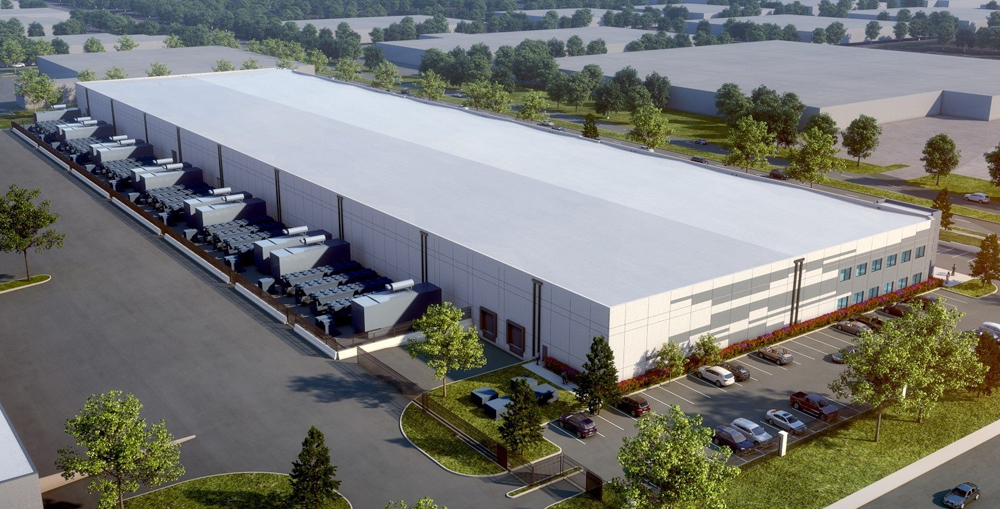
Most of the time the logistic centers, distribution hubs, warehouses, manufacturing units and such facilities can have very chaotic environment which can cause frustration among the drivers who have just been arrived from a long journey or are preparing for one. Furthermore a small mistake can cause delays which could be very expensive in some cases. Whatever the case is the delay and frustration among drivers and staff impact on the productivity of the business. Furthermore there are several other problems which caused by or are cause of poor management and result in poor performance, unwanted delays and unhappy staff.

The scheduling can also be very hectic when there is poor queue management as most of the time it is difficult to track the vehicle/truck, especially when the supervisor or ground staff wants to pin-point a vehicle/truck they must have to find it first. The transport flow administration, truck tracking and queuing process could be very complex and difficult without a proper system in place. That is why the queue management system that is dedicatedly designed for transport flow management is a better choice to improve the performance of such businesses.

See Also: From Chaos to Control: How Queue Management Systems Can Improve Your Business

Queue Management System for Trucks and Logistic Centers


What is the Difference between Ordinary Queue Management System and a Transport Flow Management System

A queue management system is a digital solution for the customer flow management. Usually the queue management system is used to improve customer flow, customer journey and to manage customer experience. The queue management system for trucks and logistic centers is not as that different either, it is also used to improve customer experience, performance and productivity. However, the customers and the way the customer flow is managed is slightly different, as the queue management system for trucks and logistics centers manages trucks and vehicles instead of people. A wide area has to be monitored and managed instead of small waiting rooms or lobbies.

That is why the queue management system for trucks and logistic centers uses a slightly different technology, however, the overall concept of the queuing is the same, only the technology and a few processes could be different. The ideal solution is to acquire a customized queue management to fulfill all your needs.

See Also: What are the Different Types of Queue Management System?

See Also: How Queue Management System can Boost Productivity and Profitability?

What is the Difference between Ordinary Queue Management System and a Transport Flow Management System

Queue Management System for Logistic Centers

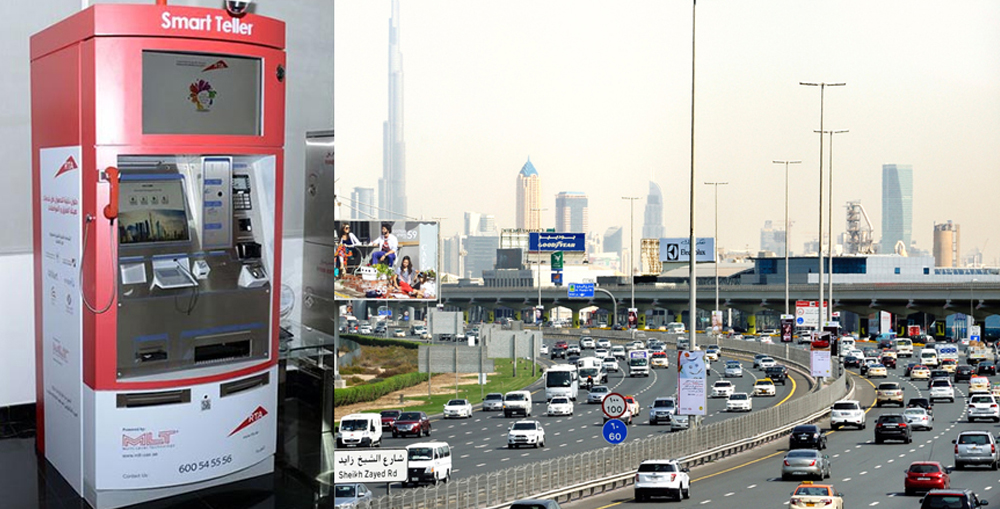
The queue management system when implemented at logistic centers, warehouses, production plants and transport hubs have different hardware, usually an interactive kiosks with RFID, plate reading camera, facial recognition, and such instruments are used to facilitate the check-ins and reduce the time required for a customer service representative. Moreover the queue management system can collect live data and provide real-time updates which enable the manager to effectively manage the entire facility and also help reducing the resource consumption. The queue management system for trucks and logistic centers is specifically designed to rectify the inherent problems of such facilities and to improve their productivity.

The smart features of a queue management system enable managers to carry out several plans such as planning the right time, date, and entry point for a vehicle, their entire route inside the territory and when they will be leaving. The dedicated transport flow management features help enhancing driver’s experience, reduce fuel consumption, save time and maximize the performance and productivity of the logistic center.

See Also: Queue Management System and Predictive Waiting Time

Queue Management System for Logistic Centers

Simplify the Check-ins and Improve Performance

Most of the time the drivers and the staff has to spend time on checking in drivers and acquiring the paperwork and other stuff. However, with the interactive self-service kiosk that comes with the queue management system, the check-in process become self-service and relatively easier. The check-in kiosk allow truck drivers to interact with the system in their preferred language, they can scan documents and authenticate the IDs and do all process just from the interactive self-service kiosk.

Furthermore the interactive self-service kiosk also allow management to put updated instructions, processes and news on the screen which also help improving the communication. Call center access and intercoms can also be added to help drivers access the support. Furthermore the queue management system is an integrated software application, which can interact with other systems too, whatever the case is it can immediately send alerts to all concerned persons in case if there is a delay, change of plan, reschedule or anything important. Such features can significantly improve the productive and performance of the facility.

See Also: What Is Virtual Queuing? A Guide to Virtual Queues

Simplify the Check-ins and Improve Performance

Self-Service Vehicle Registration and Automatic Routing

The queue management system for trucks and logistic centers is built on AI (artificial intelligence) based smart algorithms which enable you to offer self-service and vehicle registration. The vehicle registration can be done using the integrated self-service interactive kiosk, or it can be done using an independent/third-party tool and the data can be linked to the queue management system. The vehicle routing can be done using in-built transport and vehicle flow management module.

The system is completely configurable, it help implementing your policies and strategies. You can plan visits and add schedules which will help you improve the trucks and vehicles’ flow. Furthermore the vehicles can be routed using multiple dynamic and static signs and information screens which are linked with the queue management system. Another great feature of a digital queue management system is that it can collect and process queuing data in real-time which further help in enhancing the customer journey and it also help improving the vehicle flow.

See Also: Why Small and Local Businesses Need a Queue Management System?

Self-Service Vehicle Registration and Automatic Routing

Minimize Wait Time and Reduce Expenses

For the trucks and logistics centers the fuel economy matters a lot, no matter what types of vehicle you are using, the fuel economy and the long wait time could have serious long-term consequences. The queue management system for trucks and logistic centers have in-built analytical and smart features which can automatically collect queuing data from all touch points. The modern queue management system can also process the data and take decisions in real-time. This can greatly reduce the average wait time, as the vehicle routing is also automated, so the vehicle flow will be quicker and waiting time would be less.

Thus the waiting time is reduced the fuel consumption of each truck/vehicle is also reduced. The queue management system is also capable of routing the trucks throughout the facility which will further help reducing the wait time and help improving and enhancing the customer journey. The reduction in fuel consumption, automatic routing reduce staff requirements, and on-time arrival and departure can help reducing the expense and operation cost.

See Also: Queue Management System Features you Need for Modern Queuing

Minimize Wait Time and Reduce Expenses

Improve Communication and Collect Business Intelligence Data

A great advantage of a modern queue management system for trucks and logistic centers is that it enables you to improve communication between the truckers/drivers and the staff. Any update or alerts can be immediately delivered to the inbox of the vehicle drivers and any other concerned person. Furthermore the digital queue management system also offers smartphone applications which can further improve the communication. The queue management system for trucks and logistic centers is a digital tools which have in-built features to capture valuable business intelligence data which includes transportation flow management data, individual vehicle data, vehicle movement tracking, general stats, waiting time details at each checkpoint/stage, user preference and user journey details.

All the data is processed by in-built analytical tools and transformed into actionable reports which can be utilized in decision making processes and help businesses make more informed and accurate decisions. Businesses can also use in-built feedback collection module to collect feedback from the truck and vehicle drivers such as self-service interactive kiosk, SMS, smartphone apps, emails, etc.

See Also: Importance of Queue Management System for Government and Public Offices

Improve Communication and Collect Business Intelligence Data

Overall the improved communication help achieving the higher efficiency and the business intelligence data help businesses to make long term plans and policies to maximize the productivity and profitability. The queue management system can also be integrated with other systems and tools, which help it to fetch or push data from and to other systems. The business intelligence data can also be fetched from other tools and systems and vice versa to make it more impactful and useful.

Conclusion

In Dubai and all around the UAE the transportation infrastructure is very advanced comparing to other parts of the region. However, the transport hubs, logistic centers, large production complex and such facilities lack a modern and advanced vehicle flow management system. In this blog we have discussed how a queue management system can be helpful in managing such facilities. A digital queue management system for trucks and logistic centers can be a great tool to maximize the performance, productivity and profitability.

The queue management system not only automates user journey but it also help maximizing the performance and make everything easier for both the drivers and the staff. The queue management system can greatly optimize the operational cost by reducing various expenses. The business intelligence data help businesses understand their current setup and highlight the areas of improvements.

When it comes to acquire a queue management system the market is full of various different solutions, if you want us to help you implement a customized queue management system for trucks and logistics centers or if you want to learn more about the subject, please feel free to contact us through our Contact Us page or leave a comment in the comment box below and we will get in touch with you soon.

See Also: Performance Management System Trends in 2023

See Also: What are the Basic Components of Queue Management System?

See Also: How Queue Management System Helps Maximizing the Efficiency?


Performance Management System Trends in 2023

Performance Management System Trends in 2023

The performance management system is framework that help businesses and organizations to track and measure the performance and progress of their employees, teams, departments and even the entire enterprise in a systematic way which enables business leaders to fix and identify the flaws, obstacles and problems which are or can harm the performance and growth of the organization. The performance management system is a combination of technological tools and methodologies which helps aligning each individual and resource to the high-level organizational goals and strategic objectives.

The performance management system have also evolved over the time, although its progress was relatively slower. But in past few years in Dubai and all around the UAE and in fact the global markets have changed a lot, the integration of the technology in our lives and work is getting deeper and deeper, the innovation and easy-access to technology have had huge impact on both businesses and the customers’ behavior.

See Also: Employee Performance Management Process with PMS

Performance Management System Trends in 2023

Businesses have started making changes in every aspect to keep up with the new trends. Same is the case with the performance management system, businesses in Dubai and all around the UAE have realized that the traditional performance management system is losing its impact, and more advanced methodologies and technology is transforming the performance management process. It is not just the market trend or customer behavior but another most crucial factor is that the employees’ behavior, expectations and lifestyle is also changing, especially the Gen. Z is different than the minimalists and their predecessors.

These all factors required a highly capable performance management system which help organizations to retain the existing employees and be able to fulfill the demands and expectations of the new employees next year. In this blog we will discuss the latest performance management system trends in 2023 and we will try to help our audience in understanding each trend.

See Also: The Impact of Performance Management on Organizational Culture

See Also: Why Custom Performance Management System is more Effective?

Performance Management System Trends in 2023

Performance Management System Trends 2023: Continuous Performance Management

Traditionally the performance management and annual appraisals are once or twice a year. However, that is not enough, on top of that there are several other flaws in this system. First of all it is a manual process, it requires a lot of resources and efforts from the HR. Secondly as the process is manual, so the human error and human bias can greatly impact the results. Another great flaw of the system is that the full year’s performance is evaluated by just one or two reviews. Most of the time when managers evaluate they can only remember the most recent events, achievements, poor and good performances which can never justify the entire performance of an employee.

That is why most of the managers and employees don’t trust the traditional performance management systems and methodologies. The modern performance management system based or more frequent and continuous methodologies. The continuous performance management is a systematic approach to regularly monitor and track the employee performance which enables a business to improve, grow and sustain.

See Also: Performance Management System: Best Practices

Continuous Performance Management

Performance Management System Trends 2023: Different Criteria for Different Employee Group

One of the most important thing to consider while evaluating an employee is their job role and the crucial competencies which are important for that job role. The traditional performance management system usually doesn’t differentiate much and doesn’t have ability to focus on particular skills/competencies for a specific employee or employee group, which can also impact the results. However, the modern performance management system enable businesses to set up different questionnaires, different evaluation criteria and preferences for different job roles, employees or a group of employee.

The modern performance management system is based on a powerful smart software solution which allow managers and employees to set different criteria for each individual employee or job role according to the important skills required for that job and the KPIs that are used to track the performance. Hence everyone is fairly evaluated. Traditionally the company usually made a policy and a criteria such as a 5 point rating mechanism which is applicable to everyone. When the expectations are clearly defined, it is easier to communicate goals, conduct one-on-one sessions, reviews and discussions.

See Also: 5 Performance Management Problems and How to Solve Them

Different Criteria for Different Employee Group

Performance Management System Trends 2023: Digitalization of the Performance Management Process

Traditionally the performance management process is a very time and effort consuming process. Usually the performance management process is conducted by the HR teams and a dedicated manager. However, with the modern software based performance management system the entire process can be digitalized. There are several benefits of digitalization, such as less efforts, real-time performance data, quick analysis, innovative & productive features and much more. The digitalization also introduce automation to the process and make it much easier and more convenient for the HR team and the management.

The manager, higher management, supervisors, employees and any everyone will get a dedicated dashboard which provides them necessary information and functionalities. Another great advantage of digitalization framework is that it can greatly increase communication and help gaining trust and strengthening the relationship between the employees and the managers which is great for better performance.

See Also: What is Continuous Performance Management? Complete Guide!

Digitalization of the Performance Management Process

Performance Management System Trends 2023: Increased Employee Engagements

The implementation of the modern performance management system in 2023 can completely revolutionized your performance management process. The automatic monitoring, integrated performance data, automation in various processes, and other benefits of the software based performance management solution can significantly boost the impact of the performance management process. However, one of the most important factor in performance management process is employee engagements.

The modern performance management system includes an intuitive and interactive software with latest performance management methodologies. It also help increasing employee engagements by involving them in decision-making and strategy building processing, allowing them to participate in important processes, and give their feedback which not only increase employee engagements but also help build trust between employee and the management. Such features help building a culture where the employees are appreciated and their say is valued. Such environments help increasing employee engagement and motivates them to perform better.

See Also: How to Customize Performance Management System

Increased Employee Engagements

Performance Management System Trends 2023: Flexible Goals

Here in Dubai and all around the UAE the markets are very fast-paced the customer trends are continuously changing, the competition is increasing and several other factors. Any business or organization must have to be very vigilant and pro-active in order to deal with such sudden and huge changes. Traditionally the performance management process involves one time goal setting and then everyone try to achieve those goals for the next full year. This type of goal setting approach is not effective anymore, now a days, businesses and organizations needs rapid maneuverability to steer through the ever-changing markets.

That is why businesses implement a modern software-based performance management system. Furthermore the performance management system not only support performance management process but it also help facilitating communication and building strong relationship between managers and the employees. There are tons of innovative features which can further enhance management’s decision making capabilities. Real-time data, allow management to course correct employees and keep tweaking or changing their goals as per the circumstances. This flexible goal setting approach can significantly boost employee performance.

See Also: How to Design a Modern Performance Management System?

Flexible Goals

Conclusion

When it comes to performance management system, business leaders often get confused due to overwhelming options available in the market. The Dubai and everywhere in UAE businesses have started realizing the importance of technology. The performance management system is one of those technologies. Traditionally it is a manual process including paper/pen and a lot of efforts to collect feedback and to conduct a review meetings and discussions. However, with a digital performance management system, businesses can automate several internal process to improve the impact of the performance management process.

Furthermore the modern performance management systems are designed to maximize the employee engagement which help motivating them. The appraisal, reward and recognitions and several other modules are provided by dedicated modules. If you want to learn more about the subject or if you want our help to implement a bespoke performance management system at your business, please feel free to contact us through our Contact Us page or leave a comment in the comment box below and we will get in touch with you soon.

See Also: Top 5 CMS Platforms for Web Development in 2023

See Also: Choosing a Performance Management System A Buyer’s Guide

See Also: What are the Features of a Best Performance Management System?

See Also: The Future of Performance Appraisals: 6 Innovations and Changes [Quick Guide]


2023 Trends in Mobile Application Development in Dubai

2023 Trends in Mobile Application Development in Dubai

We have witnessed a huge growth in the smartphone industry in past decade. The smartphone have become a part of our lifestyle and become essential. Moreover the smartphone technology have rapidly growing and evolving which is paving way for innovation and productivity. Here in Dubai and all around the UAE the businesses, healthcare, governments and banks are offering a lot many services through their mobile applications.

The mobile application development industry is continually changing and evolving due to the ever-changing customer behavior, market trends, technology advancements and much more. In 2023-2024 the mobile application development trends have changed a lot, furthermore with the rise of AI (artificial intelligence) and ML (machine learning) the mobile applications are becoming more advanced and user-friendly. Now a days every business is trying to leverage the digital world and offering mobile applications to enhance their customer experience.

See also: Advantages of Hybrid Mobile Applications

2023 Trends in Mobile Application Development in Dubai

Being a small business owner or a corporate business leader when it comes to design and develop a mobile application for your customers or employees, the first thing that came in mind is what features should we include, what services we can offer through our mobile apps, etc. In this blog we will be mentioning the top trends of mobile application development in 2023. Which will help you understand the market trends and it will also help you in developing an excellent customer-friendly mobile application.

Mobile Application Development Trends: AI (Artificial Intelligence) & ML (Machine Learning) Technologies

As the mobile application development technologies and the smartphones also becoming more powerful day by day. In fact the computing power of a high-end smartphone is higher than a few years’ old laptop. Now a days the mobile application developers are integrating AI (artificial intelligence), ML (machine learning) and smart automated algorithms. The use of advanced AI is to improve the analytical and business intelligence data collection and processing methods. The AI and advanced smart algorithms enabled mobile applications can easily learn about customer preferences and it can offer a more customized customer behavior.

The AI enabled mobile applications are capable of offering more satisfactory customer experience by boosting customer engagements and offering them excellent quality service.AI and ML enabled mobile applications are not only good for your customers, but excellent to support employee by boosting their moral and increasing their strength.

See Also: What Is Cross-Platform App Development?

AI (Artificial Intelligence) & ML (Machine Learning) Technologies

Mobile Application Development Trends: Beacon Technology

The beacon technology is one of the most rapidly growing trend. More and more mobile application developer are incorporating its features in their apps. The beacon technology is a very advanced application it utilizes the low-range weak blue tooth signals to communicate and connect with other devices in the vicinity. The beacon technology have a range of around 100 meter, the devices with beacon enabled can communicate with each other, for example, the phone will be able to suggest you the best service provider in the market using the in-built location technology and beacon technology.

The research and development in the beacon technology have rapidly advanced and according to stats its markets are projecting the growth of 60% by the year 2026. The real estate, healthcare sector, retail, education, transportation, and several other industries incorporating beacon technology in their mobile applications to offer great innovative features and enhanced customer experience.

See Also: 5 Pros of Hybrid Mobile App Development

Beacon Technology

Mobile Application Development Trends: Augmented and Virtual Reality (AR & VR)

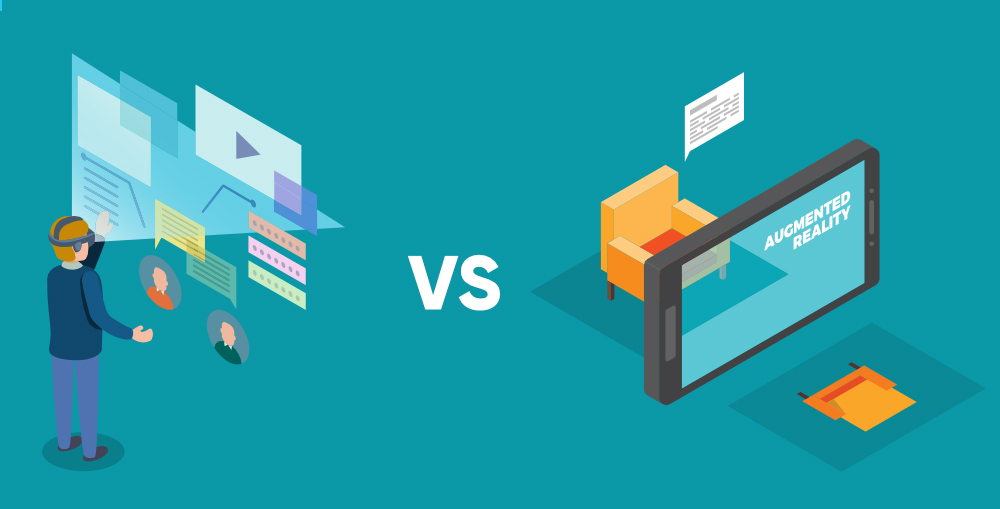
The augmented reality (AR) and virtual reality (VR) are not new to the market, in fact a few years back both technologies have taken the world like a storm. The initial adoption was in entertainment and gaming industries but soon we will witness huge adaptation of AR and VR in more productive and business oriented products. The augmented reality and virtual reality can be very useful in streaming, learning, education, location & navigation and many more. The advancements in the mobile platforms and the capabilities of the modern smartphones we will witness huge rise in the AR & VR platforms in the mobile application development.

The augmented reality (AR) and virtual reality (VR) technologies will enable the mobile application developers to create more engaging, productive and interactive user experience. The retail industry have already started implementing the AR & VR based tools to offer a better in-store experience to their customers. The 2023 will significantly boost the use of AR & VR in mobile applications.

See Also: React Native Apps and Cross Platform Software Development

Augmented and Virtual Reality (AR & VR)

Mobile Application Development Trends: Cross-Platform Mobile Applications

The cross-platform mobile application development is gaining popularity since past few years and we will witness rapid increase in adaptation of cross-platform mobile applications in 2023. Currently in the market there are two major platforms, Google Android and Apple iOS. These two platforms account for almost 98% of the global smartphone market. The UAE market is divided across Android and iOS mobile users. That is why the businesses often create both applications. But both platforms require a completely different codebase, hence businesses will have to acquire two different teams to build two different applications which is also very expensive.

However, the cross-platform mobile application development is a technique which develop hybrid applications and the dedicated frameworks are used to make them compatible for respective platform. This way the developers will have to develop a single app and doesn’t require two separate codebase and technical skills to build the apps, that is why it is more cost-effective and quicker method to build mobile applications.

See Also: Which Software Development Trends Yield Success in 2024?

Cross-Platform Mobile Applications

Mobile Application Development Trends: Increased Security in Mobile Applications

The mobile commerce, purchasing from mobiles and making mobile-aided payments all caused mobile application developers to focus on the security and data protection features of their mobile applications. According to several surveys, an average consumer will share their experience and tell their others not to download an app which they think or experienced is not secure. With the rise of RFID/NFS based and wireless payment methods and massive increase in internet piracy and attacks the mobile applications’ security have become the top priority for any mobile application developer.

Enabling multiple login methods, such as biometrics, facial recognition or secure password-protected login can be great to beef up the security of the mobile applications. The data breaches and malware based attacks are common all around the world, so having protection against popular and known cyber-attacks is a must to have feature for the mobile application development in 2023.

See Also: Customer Software Development: Why React JS is The Future of Frontend Development

Increased Security in Mobile Applications

Conclusion

The mobile application development industry have grown significantly over the past decade, now a days offering mobile application is common for businesses. In fact it is not just a trend to offer mobile applications, but the smartphones and mobile applications are way too productive and can be leveraged to benefit both customers and the business. When it comes to develop the mobile applications the business leader or decision maker can easily overwhelmed with the sheer number of options and features available in the Dubai, Market. In order to make a mobile application successful it is important to consider the ongoing market trends and expectations of your customers. In this blog we have listed the top mobile application development trends in 2023. This will help business owners and decision makers to understand the market and incorporate the relevant features in their next mobile applications’ build. If you want to learn more about the subject or if you want our help to develop a customized mobile application for your business, please feel free to contact us through our Contact Us page or leave a comment in the comment box below and we will get in touch with you soon.

See Also: Government Digital Transformation: Implementation of Queue Management System


Top 5 CMS Platforms for Web Development in 2023

Top 5 CMS Platforms for Web Development in 2023

A CMS or content management system is a software application which allow users to create, edit and publish content to a website or web application. The CMS is basically a content management software designed for the regular users with limited programing knowledge and technical skills and it enables them to maintain, manage and update their websites, mobile applications, e-Commerce portal and other web-based applications. The content is stored in the database, the front-end is used to interact with the targeted audience and the backend or back office is designed for administrative operations. The content management system requires very less to moderate computer proficiency to operate. Therefore the CMS are very common and popular all around the world. Businesses in Dubai and all around the UAE have also realized the importance of a dynamic website, which gives rise to the popularity of the CMS in the country. When it comes to choose a right CMS or content management system for your business needs, the business leaders, managers or decision makers can easily get overwhelmed with the wide variety of the CMS available in the market.

Top 5 CMS Platforms for Web Development in 2023

In this blog we will discuss top 5 CMS available in the market to help our audience take a better decision while selecting a content management system for their business needs.

Types of CMS Platforms: 1. WordPress

The WordPress is the most popular CMS in the world with running 43% of the entire world’s websites on WordPress content management system. One of the main reason of such a huge popularity is because the WordPress is an open-source platform and it offers almost 58,000 plugins which help you customize the design and features of your website.

Advantages of WordPress

  • It is free and offers tons of free themes and plugins to allow you to customize your website
  • You are absolutely free to monetize your website and earn money without any restriction
  • A huge online community is available for the WordPress which is very helpful
  • The WordPress offers a variety of SEO features and plugins to make your website SEO-Friendly
  • Technical knowledge or coding skills are not required to modify your website
  • You can download your website’s content in compatible formats to migrate it to other platforms

Disadvantages of WordPress

  • The hosting and domain name has to be setup before installing WordPress
  • The backups, security and other critical maintenance tasks are your responsibility
  • Too many plugins or conflicting plugins can cause performance issues

WordPress Pricing

  • The WordPress is absolutely free, however, hosting, theme or plugins you might use could cost you one time charges or regular subscription fees

WordPress

Types of CMS Platforms:2. Joomla

The Joomla CMS is also an open-source and free-to-use platform. Although it is not as that popular as WordPress but it also offers tons of design templates and plugins which allow you to customize the website and features as per your needs and desires. The Joomla is also considered to be among the popular content management system with the market share of 1.72% is global market.

Advantages of Joomla

  • Joomla CMS offers great support for customization and offers a lot of flexibility
  • As it is an open-source platform so the online community is large and supportive
  • Although Joomla CMS is developers’ first choice but anyone can effectively operate it without requiring programing or coding knowledge and skills
  • It offers great extensions for sophisticated projects and offers support for customization
  • Same like WordPress the Joomla also offers e-Commerce extensions and supportive features

Disadvantages of Joomla

  • Same like WordPress the domain name and hosting has to be setup before installing Joomla
  • The main structure and core of the Joomla CMS is very complicated and require professional developers to make changes or for customization
  • Not as many plugins and theme templates are available as of WordPress and the compatibility issues between plugins and templates occur more often

Joomla Pricing

  • The Joomla is absolutely free, however, hosting, theme or plugins you might use could cost you one time charges or regular subscription fees

Joomla

Types of CMS Platforms: 3. Drupal

The Drupal CMS is also an open-source and completely free content management system. It is more reliable, stable and flexible towards customization. It is a sophisticated framework and requires a professional developer to customize it, however, anyone without coding or programing language can also operate it effectively.Majorly it is used for the web sites with large data and content.

Advantages of Drupal

  • The Drupal CMS offers a wider range of support for the content type with flexible options
  • Same as WordPress or Joomla Plugins, there are a wide variety of free modules
  • As Drupal CMS is also an open-source so a great online community support is available
  • The Drupal CMS offers more control over the content you publish and how you publish it
  • It can support large data and content with sophisticated features with superior reliability
  • The Drupal offer great management and administrative features with simple user-friendly UI

Disadvantages of Drupal

  • The Drupal CMS is not as that friendly for the beginners, in fact only professional and skilled developers can and should customize it
  • Since the customization and the designing requires professional services, the Drupal CMS could be a bit expensive comparing to Joomla and WordPress

Drupal Pricing

  • The Drupal is absolutely free, however, hosting, theme or plugins you might use could cost you one time charges or regular subscription fees

Drupal

Types of CMS Platforms: 4. HubSpot

The HubSpot or HubSpot CMS Hub is a great content management system which is specifically designed to enhance the marketing and business generation capabilities of a corporate website. It is not meant for individuals or bloggers, but it is a fully integrated package for the business owners and marketers. The HubSpot CMS Hub is a continuation of the HubSpot CRM, in fact is built on the CRM framework itself.

Advantages of HubSpot

  • A non-technical person can easily build and manage a website using HubSpot CMS Hub
  • It includes in-built marketing automation tools, SEO tools, integrated sales, service and operations modules
  • The HubSpot CMS Hub offers features to personalize the customer experience and ensures maximum customer satisfaction
  • The customization of the design template and the features is flexible and relatively easier
  • It comes with remarkable security features such as Global CDN, web-app Firewall and dedicated security team to support your security needs
  • The HubSpot CMS Hub can be integrated with other HubSpot business tools such as Emails marketing tools, CRM module, etc.

Disadvantages of HubSpot

  • The HubSpot CMS Hub doesn’t have a free content management system edition
  • It offers limited integration capabilities with third-party tools and systems

HubSpot Pricing

  • The HubSpot CMS Hub is a bit expensive tools with three packages, plans or tiers, the Starter which is USD 20$ per month, the Professional plan with USD 890$ per month and the final Enterprise plan which could cost you somewhere around USD 3,600$ per month.

HubSpot

Types of CMS Platforms: 5. Magento

Magento is one of the most powerful and capable content management system and it is developed by one of the largest software company in the world, Adobe. The Magento CMS offers great features, high-level customization, superior data handling capabilities and much more. The Magento CMS comes in two versions, the Magento Open-Source is a free version whereas Magento Commerce is the paid versions.

Advantages of Magento

  • Magento offers very flexible customization and it offers tons of third-party plugins/extensions
  • Magento Commerce CMS is designed to handle large quantity of data and content that is what makes it more suitable for e-Commerce and other such large websites
  • The Magento CMS can offer a variety of different payment gateway integration which enhances customer experience
  • The Magento CMS also offers better security features and allow you to install third-party plugins/extensions

Disadvantages of Magento

  • Since the Magento CMS requires a professional programmer or developer so its cost is very high
  • The complexity of the platform and the high price makes it less suitable for the beginners
  • The online community is relatively small, the support is less and sometimes confusing

Magento Pricing

  • The Magento CMS is very expensive and it’s pricing starts from USD 22,000$ which is difficult to bear for any beginner. However, established businesses and e-Commerce platforms prefer to choose.

Magento

Conclusion

Not everyone has the ability or professional skills to design and develop websites. But now a days a website is essential for any business, small or large. That is why a tool is developed which is called CMS or content management system, the CMS allow ordinary users or people without any technical competency to create, design, manage, update, and modify websites. The success of a website heavily rely on its CMS. However, being a business leader or a manager when it comes to choose a right content management system or CMS for your web development, one can easily get overwhelmed with the sheer number of different options available in the market. In this blog we have listed the world’s top 5 CMS and their pros and cons, this will help our audience to take the decision with more confidence and caution. If you want to learn more about the subject or if you want our help to choose a CMS or design a customized CMS system for your business, please feel free to contact us through our Contact Us page or leave a comment in the comment box below and we will get in touch with you soon.

Check out this: What is Continuous Performance Management? Complete Guide!


Government Digital Transformation: Implementation of Queue Management System

Government Digital Transformation Implementation of Queue Management System

The Government of UAE and other local governments are proactively adopting to digital technologies and modern solution in fact the government’s vision is to completely eliminate the paper and go fully digital. For that the government of UAE and local governments have taken several initiatives, and established a framework for all government offices, ministries, and departments. The digital transformation is one of the several revolutionary steps taken by the UAE government to improve the service quality and increase the access to the ordinary citizens.

We all knows that the government offices, ministries and departments are the busiest places with large footfall. The higher volume of visitors not only cause problems for the visitors but also for the staff. Therefore a solution is required to streamline the footfall and customer flow. The queue management system is a great tool to organize and manage the customer flow and customer experience, it also help reducing the workload of the employees and enhance their performance.

See Also: From Chaos to Control: How Queue Management Systems Can Improve Your Business

Government Digital Transformation Implementation of Queue Management System

The UAE government and local governments also emphasizes on delivering excellent customer experience. The public also demand quality service and quicker delivery which put digital transformation at the top of the agenda for UAE and all local governments. The government departments and offices want to provide excellent customer services, comforting waiting experience and higher customer satisfaction. The large footfall is not the only problem, some offices and departments are also short on staff, some have multiple shifts and some have other limitations which are causing issues with adopting to modern queuing methods.

However, a digital queue management system can be game changer, it can streamline customer flow, organize the queuing process and it can minimize the waiting time while improving customer waiting experience and employee performance at the same time. In this blog we will discuss how a queue management system can significantly enhance government’s digital transformation.

See Also: How Queue Management System can Boost Productivity and Profitability?

Government Digital Transformation Implementation of Queue Management System

Implementation of Queue Management System

A queue management system is a digital solution based on software and hardware components. A standard queue management system consist of a core software application which is usually hosted on servers or cloud. There are dedicated user dashboards for different user groups such as service agents, administration, branch managers, etc. The customers/citizen interact with the system through a self-service interactive kiosk which also dispense the tickets. There is an audio-visual announcement system which is used to make multi-lingual announcements. A regular queue management system can significantly improve customer experience and it can also help improving employee efficiency which also impact the customer happiness.

The queue management system also offers centralized administration and management features. Which allow the head office to monitor and control all connected branches. The branch managers and local administration can have their own localized access, but the head office can access the entire network. Such features are great to support the internal workflows and processes of a government department, ministry or office.

See Also: How Queue Management System Helps Maximizing the Efficiency?

Implementation of Queue Management System

Benefits of Implementing a Queue Management System

The queue management system is a digital solution which is capable of integrating with other systems and tools to maximize the customer experience and performance of the queuing process. The centralized administration and management also enable queue management system to integrate with other systems and databases which is helpful in offering innovative features to enhance the customer experience and to improve the administrative capabilities of the management. The queue management system also help government offices and department to integrate modern communication channel and tools to allow customers and visitors to sign-up using multiple channels which make the process simple.

The queue management system automatically manages the customer flow and customer journey, which help reducing the customer wait time and it also significantly improve the customer flow. The digital queue management system also capture valuable data and provide management with insight and better understanding of customer behavior and trends which help them improve their internal processes and take steps to maximize the efficiency of the queuing process.

See Also: What are the Different Types of Queue Management System?

See Also: What are the Basic Components of Queue Management System?

Benefits of Implementing a Queue Management System

Here are the key benefits of implementing a digital queue management system:

  • Reduce Customer Wait Time: The customer wait time is one of the most crucial factor in customer journey, the queue management system streamline everything, and automatically handle the customer flow which help maximizing the efficiency and reduce the customer waiting time. It also help improving the employee performance by allowing them to focus only at their primary tasks, which improves their happiness.
  • Streamline Customer Flow: The government offices and departments always have large customer flow, during peak hours it become difficult to effectively manage the queues. However, with the queue management system everyone is issued with a ticket hence everyone knows when their turn came, and people also don’t rush to enter in random queues, instead people prefer to wait in waiting area which help organizing the queuing process.
  • Online Appointment Booking: The modern queue management system allow businesses to integrate online appointment booking module and offer customers easy-access to booking portal. The portal is integrated so the customers can also view additional information which help them to choose the right time, date and service. A planned visit help reducing customers’ frustration and it also enable customers to arrive just before their booked slot and get instant service.
  • Enable Virtual Queuing: The virtual queuing is one of the most modern queue management method, it allow customers and visitors to utilize multiple remote channel to sign-up for the queue, such as online, booking portal, website, mobile applications, SMS, email, WhatsApp, etc. The customers are not required to physically present in the waiting lines, instead they get live queuing information on their preferred channels and are free to arrive only when their turn came.
  • Improve Communication: A queue management system offers various integrated channels to enhance communication. When customers arrive at a government office they need information the same information can be provided using the digital signage screens, remote channels such as Email, SMS, mobile apps, online portals, etc. The communication is a key to customer satisfaction, providing them relevant information can significantly improve their experience and happiness.
  • Centralized Administration: The centralized administration is great for government departments and ministries as such institutions have multiple branches and offices so the centralized administration keep every branch aligned and allow the head office to monitor and control every connected branch in real-time. The queue management system also support internal processes, administrative hierarchies and workflows which significantly improves administration.
  • Improve Employee Performance: The employee performance is effected by large footfall, poorly organized waiting lines, unbalanced workload and problems inherent by manual queuing. The queue management system on the other hand not only eliminates all problems but also help reducing the workload of the employees as well. Employees get support with their tasks, they can focus on their primary tasks without any interruption which improves their performance.

See Also: How to Set Up SMS based Queue Management System?

Benefits of Implementing a Queue Management System

The digital queue management system is a great tool for digital transformation of the government departments, offices and customer service centers. The queue management system not only help improving the customer journey but it also help maximizing the overall performance of the entire branch and help reducing the operational cost. Thanks to smart AI based software algorithms which enable queue management system to process data in real-time and take decisions.

All the features of a queue management system maximize the employee efficiency, help management to effectively utilize resources and reduce the need of several additional staff which results in serious cost-reduction and help optimizing the operational cost. The smooth experience, excellent quality service and innovative features of the modern queue management system help improving the image and perception of the government entity and in fact the entire government.

See Also: Queue Management System Features you Need for Modern Queuing

Conclusion

The government offices and departments are places where people have to visit for essential services, most of the time we found these places crowded. The large footfall is common, on top of that the peak hours and in some cases peak days could bring huge influx. Such scenario cause problems for both the customers and the employees. That is why the queue management system is an ultimate answer to all those problems, in fact it is a great tool to support government’s digital transformation policy. The UAE government and the local government all are stressing on importance of happy customer experience and quality of service. The queue management system help them achieve their goals and also help them reduce their operational cost by leveraging the digitalization and automation which reduce staff’s workload and improve the customer flow. Overall the customer journey is reduced, their experience is enhanced and the staff performance also improved as they can easily focus on their primary tasks instead of solving queuing problems and answering to unhappy customers in the waiting lines.

In this blog we have discussed the benefits of a modern queue management system, if you want to learn more about it or if you want our help to implement a modern cost-effective queue management system at your government office or at your business, please feel free to contact us through our Contact Us page or leave comment in the comment box below and we will get in touch with you soon.

See Also: Benefits of Customized Queue Management System

See Also: Queue Management in Banking: Enhancing Customer Experience

See Also: Queue Management System Problems and Solutions in Dubai, UAE

See Also: Importance of Queue Management System for Government and Public Offices


What is Continuous Performance Management? Complete Guide!

What is Continuous Performance Management? Complete Guide!

Businesses in Dubai and all around the UAE have recognized that the several traditional practices and methods are not effective anymore. The markets have become more fast-paced and the changes are rapid which demands more efficiency and readiness. Businesses also need to optimize their productivity and efficiency in order to increase profitability. The performance management system is the ultimate tool to achieve those goals. Businesses use performance management to maximize the potential and performance of their employees, to encourage them to perform well and prepare them for the coming challenges.

The performance management system is a very crucial process which help businesses to improve their human resources, identify problems and find solutions to those problems to maximize the outcome. The performance management system not only help tracking the employee performance but it also help improving the communication between the employees and the managers which is a great way to improve productivity and efficiency. The performance management bridges the gap between the employee and managers and help businesses increase employee retention and loyalty and groom their talent to maximize their contribution.

See Also: The Risk of Poor Performance Management and How to identify it?

See Also: The Future of Performance Appraisals: 6 Innovations and Changes [Quick Guide]

What is Continuous Performance Management? Complete Guide!

What is the Difference between Traditional and Continuous Performance Management

Traditionally the performance management was an annual process, or at maximum bi-annual. The employee appraisals and performance discussions were done once in a year or twice in a year and that is it. However, the continuous performance management is designed for more agile businesses to help them deal with the modern people management problems. As name suggests the continuous performance management is a continuous process. Although the goals for both traditional and continuous performance management could be the same but the experience and outcome is totally different. The businesses have realized this and now a day’s more and more businesses are implementing the modern continuous performance management systems.

The continuous performance management allow managers to interact with employees more often either by performance management software, survey tools, or one-on-one meetings, and it helps them track their performance more effectively. The continuous performance management not only track performance effectively but it is also more helpful in communicating goals and identifying the problems. That is what makes continuous performance management superior than the traditional performance management.

See Also: 5 Performance Management Problems and How to Solve Them

See Also: How to Design a Modern Performance Management System?

What is the Difference between Traditional and Continuous Performance Management

What is the Continuous Performance Management Process?

The continuous performance management system and process is different from traditional performance management, usually a software tool is used to aid the continuous performance management process. The continuous performance management process is more comprehensive and frequent, that is why a performance management software can make the process more effective and convenient. Here are the basic components of the continuous performance management process:

  • Regular Check-Ins: The regular check-ins and more frequent feedback is the foundation of the modern continuous performance management system. There is no certain limit of the number of check-in, mostly businesses do monthly and in some cases weekly are also proven to be very effective. The regular check-ins are essential component of the continuous performance management process, although the frequency could be different from case to case.
  • 360 Degree and 720 Degree Feedbacks: Traditionally the managers were the only one to give feedback to employees, however, that is not enough and businesses have developed a more detailed feedback collection method which includes more sources than just the manager such as supervisors, managers, peers, subordinates, cross-departmental colleagues, and even customers, suppliers and any other stakeholders. For that the 360 degree feedback method is used. The 720 degree feedback is simply a 360 degree feedback conducted twice, the first round help building employee development program and the second round will help to understand the positive or negative impact of the program on employees.
  • Evolving Goals and Objectives: The continuous performance management process includes regular check-ins but those check-ins can only be beneficial if the managers and employees focus on a few aspects such as employee’s current progress with comparison to their goals and objectives, identifying their problems and needs which could have impact on their goals. The personal development aspect of the performance management is very important for the employees, the evolving goals and objectives can help both managers and the employees to set goals and objectives, making changes or tweaking existing goals and objectives, and also making a plan of action for the future based on that check-in.
  • Real-time Performance Data and Reports: Every performance management process is incomplete without generating performance data and making reports. The continuous performance management process provides businesses with real-time performance data, regular and customized reports on employee performance, performance trends, teams’ performance and everything in between. These reports help managers understand the strengths and weaknesses of their employees and teams and also help them identify and rectify the problems that are harming the performance.

The continuous performance management system is a great tool to maximize the performance of the organization and also increase employee satisfaction by offering them effective personal development programs, including their voice in the decision making processes, help resolving them their problems and much more.

See Also: Performance Management System: Best Practices

See Also: Boost Employee Efficiency with a Performance Management System

What is the Continuous Performance Management Process?

What are the Benefits of Continuous Performance Management System?

The continuous performance management is slowly taking over the traditional performance management processes. The famous Adobe and then Accenture shifted from traditional performance management to continuous performance management systems and have witnessed great increase in their productivity and efficiency. Here are some key benefits of the performance management system:

  • Increased Adoptability: The continuous performance management system help businesses to quickly identify the needs for training or career development opportunities which prevents any competencies or skills gap which can hinder the organization’s performance and productivity.
  • Make Feedback More Effective: The continuous performance management system provides regular feedbacks to the employees, the employee concerns are addressed immediately, the poor performance is identified quickly, the course correction is done regularly, and employees can easily communicate with their managers which makes feedback more actionable and effective for the employees.
  • Improve Corporate Culture: The continuous performance management system encourages regular and more frequent discussions and feedbacks which help both employees and managers to improve themselves, the employees will get a better sense of what is expected from them and the managers can become a better mentor and guide which will result in a more productive and improved corporate culture.
  • Increase Employee Engagements: The continuous performance management process frequently and regularly engage employees and managers in discussions and feedback sessions, which help increasing employee engagement, raise their interest and trust, and also help managers communicate the goals and objectives more clearly, these all help improving morale and increase employee performance and efficiency.
  • Effective Goal Setting Mechanisms: The continuous performance management process or any modern performance management system offer features to increase the effectiveness of goals and their impact on employee performance. The managers can easily set SMART goals, OKRs and configure KPIs to effectively communication and monitor the goals and performance.
  • High Quality Performance Data: The managers usually rely on direct feedback discussions or line of reporting. However, the continuous performance management system makes feedback more objective. It provides accurate performance metrics, and offer intuitive performance dashboard to provide a more in-depth performance analysis and highly quality performance data which help improving the accuracy and efficacy of the managers’ decisions.

These are just the few key benefits of implementing a continuous performance management system. It is important to understand that the performance management software should also be able to support the process you want to implement. The businesses in Dubai and all around the UAE have also realized the importance of continuous performance management and its benefits, which is why since past few years the entire country is rapidly adopting to modern performance management processes.

See Also: Employee Performance Management Process with PMS

What are the Benefits of Continuous Performance Management System?

Conclusion

The continuous performance management is far superior then the traditional annual performance management processes. A powerful performance management software is used to streamline the continuous performance management process. Furthermore the continuous performance management process is not only more frequent but it offer real-time performance data and monitoring capabilities which can significantly increase the vision and understanding of the managers and help them take the right decisions at the right time. Another great benefits of continuous performance management system is that it is much more transparent and accurate than the traditional performance management system.

It doesn’t have many flaws that are inherent in the traditional performance management process. The digital aspect of the system also help HR to automate several processes which reduce their workload and improve the efficiency. In this blog we have discussed the continuous performance management system and its key benefits. If you want to learn more about the subject or if you want us to help your organization implement a bespoke tailor-made highly cost-effective continuous performance management system, please feel free to contact us through our Contact Us page or leave a comment in the comment box below and we will get in touch with you soon.

See Also: The Beginner’s Guide to Queuing Theory

See Also: Choosing a Performance Management System A Buyer’s Guide


What are the Features of a Best Performance Management System?

What are the Features of a Best Performance Management System?

The performance management process is absolutely essential for any business. Businesses in Dubai and all around the UAE are proactively adopting to modern technologies and latest solutions to enhance the impact of their performance management process. Conducting regular performance reviews and feedback discussion is a time consuming task, it requires enormous efforts to complete one performance cycle. The businesses are already ditching the traditional annual performance management methods, and adopting to more modernized performance management methods such as continuous performance management, agile performance management, etc.

The performance management systems have become more complex with the introduction of AI (artificial intelligence) and smart algorithms. The performance management software itself is a very sophisticated application, and when you have multiple options available in the market, it could become very difficult for the HR manager or business leader to choose the right performance management system.

See Also: Why Organizations need Performance Appraisal System in UAE

What are the Features of a Best Performance Management System?

In this blog we will list the features of a best performance management system which will help you choose the right software for your business as per your needs. The employees’ development and business’s growth depends on the performance which makes performance management system the most import management tool. Different performance management systems and software solutions offers different features and functionalities.

However, there are some universal features that can help you achieve your goals. Here are the key features of an advanced performance management system which will allow you to implement any modern day performance management process to maximize the impact of the performance management software and to fulfill your unique needs.

See Also: The Risk of Poor Performance Management and How to identify it?

What are the Features of a Best Performance Management System?

SMART Goals and Clear Metrics of Success

For any performance management system planning and setting up goals is one of the most crucial part of the process. The performance management system should allow managers to set up clear and understandable goals for the employees. The SMART framework enables businesses to adopt to modern practices and set up realistic and achievable goals which increase the employee success rate. The SMART stands for, Specific, Measurable, Achievable, Realistic/Relevant and Time-bound.

Furthermore the employees should also be explained the crucial success factors and how their success would be measured so they know exactly what is expected from them. That is why the OKRs, KPIs, BSCs, and various other features are used to understand the goals and to improve the communication. A good performance management system includes features which help managers to and employees to improve communication and help everyone eliminating the ambiguities and confusions from the process.

See Also: Employee KPIs and Performance Management

See Also: Choosing a Performance Management System A Buyer’s Guide

SMART Goals and Clear Metrics of Success

Here are some examples of the modern metrics:

  • Quantitative Metrics: The performance management system offers a variety of different data types to measure the quantity of the work produced by an employee. The quantitative metrics could be the number of sales produced by a sales team, or the number of products produced by the production team, etc.
  • Qualitative Metrics: Measuring quantity is much easier than measuring the quality of the work. The qualitative metrics measures the quality of the produced work by an employee and this feedback includes reviews from customers, peers, managers and other stakeholders.
  • Efficiency Metrics: The efficiency metrics is a measurement of both quality of the work and the quantity of the work. It provides much clearer picture of the performance of the employees. The efficiency measures how much work is done in what timeframe and how was the quality of the work.
  • 9 Box Grid Metric: The 9 Boxed Grid metric is a modern performance management method which help management to understand the current performance of an employee and their potential which help them to identify and promote the high-value employees.
  • MBO: Management by Objectives or MBO is a method to scale down the high-level organization goals and set individual goals for each employees. Mostly the individual goals are discussed and mutually agreed between the employees and the managers hence it is clear to employees what they are expected to do.
  • NPS: The NPS or Net Promoter Score is the metrics that measure the performance of the entire organization. The NPS is used to understand the customer satisfaction and happiness and it tells if a customer is willing to recommend your business or products/services to others or not. People only recommend something to others if they are very happy and satisfied with it.

These are just a few metrics that will help businesses implement a successful performance management process however, there are penalty of other metrics too which help businesses to enhance their performance and improve their monitoring capabilities.

See Also: Performance Management System: Best Practices

See Also: Employee Performance Management Process with PMS

SMART Goals and Clear Metrics of Success

Flexible Management and Control Settings

For any software tool or solution the most important is the flexibility and control it offers over various aspects that are related to the scope of this application. For the performance management system the flexibility and control over the performance management process is essential. That is why it is important that the performance management system you choose for your business offer flexible controls and a comprehensive administration dashboard. The performance management process is not just measuring the progress of an employee or team towards their goal, in fact the performance management system includes a variety of HR tasks and a detailed data analytical and reporting modules.

Every business have their own way of conducting performance appraisals and performing other relevant HR tasks. Thus the performance management system should be able to offer customization and controls to align it with your internal processes. For example, the system should allow managers to decide which module, process or analysis technique they want to use, it should allow them rename different modules, features or terminologies according to the internal organizational culture and such other things.

See Also: Linking Performance Management to Business Outcomes

See Also: The Impact of Performance Management on Organizational Culture

Flexible Management and Control Settings

Multi-rater Feedback and Review Modules

Another advanced feature of modern performance management system is its capabilities to conduct, process and analyze the multi-rater feedbacks and performance reviews. Traditionally the performance reviews and feedback is gathered from managers and is on annual bases, or bi-annual bases. However, the modern performance management process demands more frequent feedbacks and reviews in fact the continuous performance management is gaining huge popularity in Dubai and all around the UAE since past few years. The multi-rater feedback and performance reviews enhance the quality of the performance data and improve transparency and accuracy of the performance appraisal process.

For example the 360 degree performance reviews and feedbacks are considered to be the most common methods of the feedback in modern day performance management process. The 360 degree feedback or review is the process of collecting feedback from multiple sources such as managers, supervisors, peers, cross-departmental colleagues, senior management, customers, suppliers, and any other stakeholders who interacts with the employee. Such multi-rater feedbacks and reviews can significantly improve the accuracy and quality of the performance data.

See Also: How to Design a Modern Performance Management System?

See Also: Why Custom Performance Management System is more Effective?

Multi-rater Feedback and Review Modules

Ease of Use and Adoptability

For any new software system or solution the businesses are always concerned about the usability and adoptability. The ease of use and quicker adaptability not only save a lot of time, resources and cost but it also help maximizing the impact of the new system. Similar is the case with the performance management system software. Businesses should ensure that the performance management software they are choosing is easy-to-use for everyone. One of the most important aspect is the UI (user interface), the best performance management system always offers simple and easy-to-operate user dashboard. Businesses can customize the user dashboard for each user group to make it more user-friendly. The dashboard should provide all important data, feeds and notification on the main screen, and offer simplified navigation and information structure.

Furthermore every user group have different preferences hence the user dashboard should be customizable and offer flexible control for each user group to maximize the system’s usability and efficiency. Ease of access is another most important feature, the employees and managers should be allowed to access the system form multiple devices such as their computers, off-campus devices, smartphones & tablets, etc. Such features will be very helpful in maximizing the impact of the performance management system and better adoptability.

See Also: What is Continuous Performance Management? Complete Guide!

Ease of Use and Adoptability

Conclusion

The performance management process have changed over the time, especially since past few years the businesses in Dubai and all around the UAE have started adopting the modern and more aggressive performance management processes. These process require a lot of time and efforts to complete, which is why businesses use dedicated performance management software to conduct the performance management process. Usually it is the HR department who take care of the performance management system and relevant activities. However, in some organizations there is a dedicated team to handle performance management process. Whatever the case is, it is important to understand that every business leader or decision maker will have to decide which performance management software they will be using for their performance management process.

Given the circumstances of the market in UAE it is very difficult to choose one solution from the sheer number of performance management software available in the market. In this blog we have discussed some essential features that every business must be needing in order to effectively conduct the performance management process. If you want to learn more or if you want our help to design and build a bespoke performance management system for your business, please feel free to contact us through our Contact Us page or leave a comment in the comment box below and we will get in touch with you soon.

See Also: Advantages of a Custom ERP Software Development

See Also: The Future of Performance Appraisals: 6 Innovations and Changes [Quick Guide]


Benefits of Customized Queue Management System

Benefits of Customized Queue Management System

Having long lines and busy waiting area is a common sighting in the service industry. Businesses who operate in service sector can’t avoid waiting lines, though there are proven market strategies that can help them minimizing the customer wait time enable them to improve customer experience. There are many factors that contributes to slow moving queues and long waiting lines, which cause unhappiness, and sometimes annoy your customers. That is when the queue management comes into play, the queuing management is a strategy and technology a business implement to reduce customer wait time and to improve their experience at the business.

These two are extremely important for a business, happy and satisfied customers become loyal, the loyal customers not only give repeated business, but they also help establishing a positive brand image. No one likes waiting, but if you have a queue management system you can not only minimize the wait time but you can also significantly enhance customer experience.

See Also: Paperless Queue Management System

Benefits of Customized Queue Management System

Imagine you have some important work at a government office or a bank, when you reach there you find crowded waiting areas, entangled queues, and you have no idea which waiting line you should stand in, or even if your line is moving or not. How frustrating and annoying it would be? You are also risking the same frustration for your customers by not properly managing your customer flow and queues. Businesses knew that from the very beginning, that is why the queue management system have transformed from a paper pen ticketing to a highly advanced AI (artificial intelligence) based sophisticated digital queue management system.

Now a days in Dubai or anywhere in UAE there are hundreds of vendors who are advertising different types of queue management systems in the market, which sometime could be very confusing for the business owner or the managers to choose the best match of their requirements. In this blog we will discuss how a customized queue management system is the best choice for any business.

See Also: From Chaos to Control: How Queue Management Systems Can Improve Your Business

Benefits of Customized Queue Management System

What is a Customized Queue Management System?

There are usually two types of every digital system and software, one is called commercial off-the-shelf solution or COTS and the other is customized solution. The COTS are designed for masses and a large number of businesses/users uses them. Whereas the customized solutions are tailor-made software and systems which are exclusively designed for a particular business or user. Both types of solutions have their own advantages and disadvantages. The COTS are easy to deploy, in fact can be deployed within a day or two, the customized queue management systems take time to develop and also have higher initial cost.

The biggest problem with the COTS is that they can never fulfil 100% of the needs of a business, usually if a commercial off-the-shelf solution meets a business’s 80% of the needs, it is considered ideal. However, the customized software solutions eliminate that problem and as they are exclusively designed for the user, they can meet 100% of the needs of the user and have higher performance, adoptability and longer lifecycle. Furthermore the COTS also have reoccurring costs and the ownership belongs to service provider, the customized software on the contrary doesn’t have any such cost and the ownership belongs to the business for whom these software are designed for.

See Also: What are the Different Types of Queue Management System?

What is a Customized Queue Management System?

What are the Benefits of Customized Queue Management System?

The customized queue management system can completely transform the business/branch and the customer experience. It can significantly improve the customer flow and help businesses reduce and manage the crowd. The reduction in wait time and the enhanced customer experience ensures maximum customer satisfaction. Here are the key benefits of implementing a customized queue management system at your business/branch:

Benefits of Customized Queue Management System: Reduced Wait Time

The customer wait time is one of the most impactful factor on customer happiness and customer satisfaction. No one wants to wait in long queues, everyone wants to get everything done quickly. According to several studies on an average a customer could wait for up to 8 to 13 maximum. After 8 minutes the customer start getting annoyed and anxious and after 13 minutes the customer start getting annoyed, angry and frustrated. The customer wait time is one of the primary causes to unhappiness of the customers. That is why the main objective of implementing a digital queue management system is to reduce customer wait time, improve their queuing experience and help businesses achieve better performance.

The customized queue management system is exclusively designed as per the needs and requirements of your environment which enables it to maximize its impact and minimize the customer wait time as much as possible without compromising customer experience and happiness.

See Also: Queue Management System Features you Need for Modern Queuing

Reduced Wait Time

Benefits of Customized Queue Management System: Seamless Ticket Generation

Earlier businesses were manually distributing tickets to the customers and visitors, which is a slow and time consuming process, and this process also have higher error rate which cause problems for the customers. However a customized queue management system makes ticket dispensing and distribution process self-service for the customers. Usually a self-service interactive kiosk is used to dispense the tickets. In your customized queue management system the User Interface is designed as per the requirements and needs which further improve the performance.

Businesses can have multiple languages that they want and they can ask certain questions if needed. The customer can chose the right service they need from a list, and the queue management system can also suggest them what service they might be needing based on their previous experience. The ticket dispensing kiosk is a self-service technology powered by AI (artificial intelligence) and its automated algorithms can offer a great customer experience.

See Also: Complete guide to Queue Management Systems in Dubai, UAE

Seamless Ticket Generation

Benefits of Customized Queue Management System: Improve Employee Performance

The success of any business depends on its employees’ performance. When employee works under heavy workload and the crowd formation and poorly managed queues are a common occurring, the employee become less productive. In case of unorganized queues the staff usually have to spend a lot of time in organizing the queues and sorting out the problems and queries of the customers and visitors. However, when you implement a customized queue management system, the system take care of the entire customer flow and it manages all the queues automatically.

The smart algorithms and AI based powerful software engine can fetch data in real-time from various touchpoints and it can compare it with live data and historic data, which enables it to take highly effective decisions in real-time and manage all the customer footfall to maximize the efficiency. Furthermore the queue management system also monitor and track employee performance and KPIs which also help management and HR to take informed decisions to maximize the employee performance.

See Also: Queue Management System Problems and Solutions in Dubai, UAE

Improve Employee Performance

Benefits of Customized Queue Management System: Enhance Customer Experience

Customer experience is a key to customer happiness which drives customer loyalty and the customer loyalty help businesses to sustain and grow. Bad customer experience on the other hand tend to repel customers from the business and can harm or completely disrupt the growth and sustainability. In a highly competitive market like UAE if a business fails to meet the expectations of a customer, then the customer will move on to the next business, in fact these days the availability of too many options also raised the customer standards.

When customer demands are skyrocketing, the market become highly competitive and you are failing to fulfill their needs, you are not only risking to lose the customer but also your business’s reputation. The customized queue management system help reducing service delivery time, wait time and improve employee performance. Furthermore, it is also helpful to maintain a balance between the customer footfall and employee performance.

See Also: Importance of Queue Management System for Government and Public Offices

Enhance Customer Experience

Conclusion

Every business belongs to service-sector, needs some kind of customer flow management system which is also knows as queue management system. The businesses often get average footfall, but during peak hours or peak days of the week or month, the customer footfall could significantly increase. Businesses need prior planning and strategy in order to meet the demand of the customers. On top of that it could become extremely difficult to manage the queues during the peak hours.

A digital queue management system can solve all these problems but there are two main types of Queuing systems, one is with the COT and the other is the customized queue management system. The customized queue management system is superior than the off-the-shelf solution, it help reducing the customer wait time, it helps businesses improve their internal processes, it improves employee performance, it minimize customer wait time, it enhance customer experience and increase customer loyalty.

See Also: The Beginner’s Guide to Queuing Theory

See Also: How to Set Up SMS based Queue Management System?

See Also: Queue Management System for Trucks and Logistic Centers

See Also: How to Implement a Queue Management System at an Airport?


Advantages of a Custom ERP Software Development

Advantages of a Custom ERP Software Development

The ERP or Enterprise Resource Planning Software is an application which streamlines the entire operation and help both employees and the management in effectively performing their day to day tasks. The ERP software can greatly maximize the outcome of the business by enabling them to effectively manage their resources. We have witnessed that most of the businesses in Dubai and all around the UAE thinks that an ERP solution is for large enterprises and production industry, however that is not true at all. In the modern fast-paced digital era the businesses need to effectively manage their resources to maximize their efficiency, which can provide them with the much needed competitive advantage and help them grow over the time.

Another strong argument that most of the business leader has is that they are already utilizing a bunch of business tools and software solution, their manual processes and excel spread sheets based management methods or their small size or industry they operates in doesn’t require a sophisticated and advanced ERP software solution. It is true that the implementation of an ERP software solution requires a lot of research, efforts, and also have a cost associated to it, but the benefits and value it offers in unmatched.

See Also: What are the Key Features of an Enterprise Resource Planning Software (ERP)?

Advantages of a Custom ERP Software Development

Why Businesses Need an ERP Software?

The ERP Software is offers a central information management framework which links will all other third-party tools and systems and have ability to provide real-time updates, analysis, reports, performance, stats and much more. The enterprise resource planning software drives efficiency and productivity with automation and innovation which help businesses enhance the quality and quantity of the outcome of their resources and maximize their operational capabilities. Here are the key reasons why business need an ERP Software solution:

  1. Greatly increase performance and efficiency
  2. Reduce operational cost and eliminate waste
  3. Eliminate the inadequacy of the existing digital ecosystem
  4. Get rid of time-taking manual data processing via spreadsheets
  5. Significantly enhance functionality and help employees in day to day tasks
  6. Eliminate errors and problems associated with manual processes
  7. Get real-time updates, centralized information management system
  8. Enable real-time data synchronization and sharing with all internal systems
  9. Enhance and improve management by gaining more visibility into processes
  10. Maximize the growth rate and increase overall profitability

The benefits and advantages of the ERP or enterprise resource planning software solution far outweighs the implementation efforts and cost. However, when it comes to implementing an ERP software solution, businesses leaders often find themselves confused between the off-the-shelf ERP and custom ERP software development.

See Also: Top Trends in Custom Software Development: What’s Shaping the Industry?

Why Businesses Need an ERP Software?

What is the Difference between Off-the-shelf ERP and Custom ERP Software Development?

The COTS or commercial off-the-shelf software solution is ready-made software application designed for a larger targeted audience often for masses and it is used to solve complex business problem(s). Every software serves a purpose, the business need a software to perform certain tasks or to support certain processes. The custom software development on the other hand is designed exclusively for a particular business or user group at a business who wants to solve their very unique and exclusive problems or to aid very specific business processes. That doesn’t limit the scope of the custom software development, in fact in terms of efficiency and impact the custom software development is the more beneficial method for businesses.

It is the ability to cater to very specific business needs of various business processes or even the entire business which makes custom ERP software development more effective and highly efficient. The COTS ERP have limited adoptability and often require businesses to make changes to their workflows and processes, it is due to the design of the COTS ERPs as they are designed to meet the generic needs of a specific industry. However, the custom ERP software are far superior as they are exclusively designed by keeping in mind the needs, existing workflows and processes of the business.

See Also: Step-by-step Guide to Develop Custom Enterprise Software

What is the Difference between Off-the-shelf ERP and Custom ERP Software Development?

What are the Advantages of a Custom ERP Software?

The custom ERP software meets the needs more effectively and are designed to solve the very specific and unique business problems. That is what makes them superior and more effective in the long term. Here are the key benefits of the custom ERP software:

Business Have Full Control over the ERP Features and Functionalities

In case of ERP software the one-fits-all is not applicable at all. The enterprise resource planning software is a core application which can have direct or indirect impact on each and everything a business does. Businesses over the time evolves differently, every business culture is unique and different form the others, even the businesses who operates in similar industries could have completely different organizational culture and business practices. This is why the generic off-the-shelf ERP solution is not enough and businesses need a very specific set of features and functionalities which can meet their exclusive needs.

The custom ERP software development gives businesses full control over all features and functionalities, they can design the system according to their internal workflows and business processes which means the system will do exactly what the business needs. Aligning the features and functionalities of a custom ERP software can greatly enhance the productivity and efficiency and also improve the adoptability and integration of the system.

See Also: Step-by-Step Guide to Planning Your Custom Software Development Project

Business Have Full Control over the ERP Features and Functionalities

Businesses can Significantly Improve their Management Processes

Although the management structure and framework could be similar but every business leader have different preferences, priorities and management methodologies. This is why the custom ERP software development is great to improve and enhance the management processes. As it offers exactly what the management and managers needs and help them with their tasks to improve their efficiency. The COTS or commercial off-the-shelf ERP software are designed for generic use that is why they missed this flavor of personalization and couldn’t meet all the needs of the management.

The custom ERP software development on the contrary allow management to customize their administration dashboards and everything else. They can have customized features, customized data dashboards, and real-time updates according to their preference and priorities which significantly increase the visibility of the management and provide them a better framework to accomplish their desired objectives through the ERP system. Thus the businesses can apply their personalized methodologies and management structure which enhance their performance and improve the overall management process.

See Also: Benefits of Investing in Custom Software Development for Your Business in Dubai

Businesses can Significantly Improve their Management Processes

Flexible Scalability, Updates and Changes According to the Needs of the Business

For any software solution the scalability, future updates and upgrades and on-demand changes are the most important aspects to consider. The commercial off-the-shelf ERP software are designed for masses, there are always fees and charges attributed to scaling and customization. If a business needs some changes, they will have to bear hefty charges and even then the scope of the changes is very limited, as the structural changes, or customization in the application core are never possible, they COTS ERP software provider always limit such changes and customization. The custom ERP software development on the other hand offers more flexibility and control.

Businesses can scale up or down whenever they want, they don’t have bear additional fees and in case they want to customize a feature or even the entire ERP software, they can do that. There is no restriction associated to changes and customization. Businesses can also update and upgrade the system whenever they need. That flexibility and control is extremely important for businesses growth and competitiveness.

See Also: The Cost of Custom Software Development: Factors to Consider

Flexible Scalability, Updates and Changes According to the Needs of the Business

Businesses will own their Customized ERP Software

The COTS or commercial off-the-shelf ERP software are always designed and developed by a vendor or service provider who holds the ownership rights to the software application. The businesses/users are always bound to an agreement, which in most cases favor the service provider. The service provider can change their policy anytime they want, they can increase the cost, they can drop certain features which you might be using and they might not introduce the features that you may need. This is what limits your control over your ERP system and have various other drawbacks. The custom ERP software development doesn’t have any such limitation or problem, the custom ERP software are exclusively designed for the business, either by an outsourcing partner, vendor or internal software development team.

The business/user holds the full ownership rights to the final product, the vendor or outsourcing partner doesn’t own anything, they will have to deliver all the source codes, resources and everything utilized in the software. This also eliminate the dependency on a particular service provider, business can acquire custom software development services and then they can maintain the software in-house or they can acquire another business partner to do that for them. This also have cost benefits and help minimizing the operational and maintenance cost.

See Also: Custom Software Development Progressive Web Apps – Beginner’s Guide

Businesses will own their Customized ERP Software

Custom ERP Software Development Offers Better Data Privacy and Protection

The commercial off-the-shelf ERP software are owned by the vendor or service provider hence they have more control over the data storage, protection, privacy, and recovery polices and the business who is using their software must have to comply with those policies. More importantly in case of an off-the-shelf or ready-made ERP software the business’s data will be stored in vendor’s data centers. The data that is stored in an ERP software is of great importance, any data breach or such compromise could permanently damage the business’s reputation and can have dire consequence. The custom ERP software development allow businesses more control over these policies and help them protect their data.

Businesses can store their data in their local data centers or they can acquire a trusted cloud service to host their data from them. There is another important factor to consider is that the commercial off-the-shelf ERP software are available to tens of thousands of users all around the world, which means their structure and a lot of other aspects are well-known and this is what makes them more vulnerable. However, a customized ERP software is only available to the one user which means no one else is familiar with its structure which makes it more protected against common internet threats.

See Also: Key Features of an Enterprise Application Software (EAS)

Custom ERP Software Development Offers Better Data Privacy and Protection

Custom ERP Software Development Provides a Great Competitive Advantage

As the commercial off-the-shelf ERP software solutions are available for masses and if you are using a popular ERP system the chances are your competitor might also be using the same. If all the tools and features that you are utilizing are available to your competitors too then you can never gain any competitive advantage. For any business the business tools, methodologies, practices and processes determines the outcome, performance and quality of the work. If you are your competitor are using same tools, then the chances are you can never gain a significant competitive advantage over them.

There is another important thing to consider is that the commercial off-the-shelf ERP software solutions can never fulfill the 100% needs of a business, in fact when acquiring an off-the-shelf solution businesses often seek 80% compatibility, this means they compromise on the 20% or slightly less of the functionalities and features. However, the custom ERP software development fully aligns with the business needs and offer 100% solution of all you problems. On top of that the features and functionalities you will be using are exclusive to you, no other competitor will have access to those features and tools, which will give you a great competitive advantage.

See Also: What is Enterprise Performance Management (EPM)?

Custom ERP Software Development Provides a Great Competitive Advantage

Conclusion

The ERP software solutions are a great tool for modern businesses, no matter who large or small you are or which industry you belongs too, every business needs to streamline their processes and workflows. The modern businesses will have to ready to adopt to the highly dynamic market and customer trends and abrupt changes. Businesses need to optimize their productivity, performance and efficiency in order to optimize resources and minimize the expensive without compromising on the outcome and quality of the work. When businesses need to implement an ERP software they have two possibilities, either they can go with a commercial off-the-shelf ERP software or they can take the route of custom ERP software development.

The packaged off-the-shelf software are easy and quicker to implement but have limited compatibility which not only prevent businesses to reach to their full potential but could also cause problems down the road. The custom ERP solutions are exclusively designed for the needs and specifications of the business and help businesses achieve the maximum efficiency, performance and productivity.

The custom ERP software development offer great competitive advantage, superior performance, better adoptability, more future readiness, and increase adoptability. In this blog we have listed the key advantages of the custom ERP software solution, if you want to learn more about the subject or if you want our help to design a customized ERP solution as per your needs, please feel free to contact us through our Contact Us or leave a comment in the comment box below and we will get in touch with you soon.

See Also: How Customer Experience Help Boosting Website Conversions?


The Beginner’s Guide to Queuing Theory

The Beginner’s Guide to Queuing Theory

Most of the businesses in Dubai and all around the UAE faces problem with their queue management. It is common to sight long waiting lines and poorly managed queues at service centers, banks, telecom branches, government offices, and even in healthcare and educational institutions. In fact the queues are everywhere in our lives, some of them we might not consider as queues, and some we might address with other names. For example, let us suppose you woke up in the morning, while driving to your office at the road, the congestion and traffic is a queue, you went to a gas station and you stand in a queue to wait for your turn to fill the tank, you arrive at your work and you might see a line at the attendance register or biometrics attendance machine and so on.

We usually don’t realize, but the queues are everywhere and everyone have to face them. Every business belongs to the service industry will have to deal with the queue management problems. When it comes to adopt a modern queue management system the business leaders and managers often get confused due to the sheer number of possibilities available in the market.

See Also: Paperless Queue Management System

The Beginner’s Guide to Queuing Theory

Why Learning about Queuing Theory is Important for Businesses?

The queuing is a process where human, information or even material could be the subject waiting in lines for their turn. For example, the cars on a congested road are waiting in queues to pass an intersection, the customer call waiting at a call center is also queue, and the baggage control at the airport is passing your luggage through the queuing lines. All these different scenarios are the examples of the queuing. In this world the time is the most precious commodity, it is irreversible, no one wants to waste it. Businesses don’t want to waste their customers’ time neither their own.

Because wasting time can completely destroy the productivity and cause stressful situations for all concerned parties. Different queuing scenarios are the biggest cause of wasting our time whether it is at the road in traffic jam, or whether it is at a bank, office, service center, university, collage, hospital, hotel, restaurant, movie theater, or anywhere, it simply waste our time and it is very annoying. As queuing cause waste of time which directly impact the productivity that is why it is crucial for businesses to understand queuing theory.

See Also: From Chaos to Control: How Queue Management Systems Can Improve Your Business

Why Learning about Queuing Theory is Important for Businesses?

The Queuing Theory

By definition the queuing theory or the queuing model is a study and knowledge of learning about the waiting lines, expected scenarios and queuing behavior based on discrete information, statistical/analytical data and practical assumptions. The purpose of a queuing theory is to measure the efficiency, effectiveness and overall performance of a queue management system. For example the queuing theory help you understand the long term behavior of the queue management system by estimating the average wait time, the probability of the customer flow at any given time period, the performance of the service agent, and service delivery time. This will help you determine the need of the servers and the wait and service delivery time, as per your demands or goals.

For example you will have to make assumption such as inputs the distribution of arrival and service time and the count of the server to implement the formula of the queuing theory to estimate the performance and effectiveness of the queue management system. The queuing theory formula will help you to understand the long term behavior or commonly known as the steady state behavior of your queue management system. The queuing theory or queuing model will enable you to test different scenarios to achieve the perfect match as per you needs and goals.

See Also: What are the Basic Components of Queue Management System?

The Queuing Theory

The Steady State Queuing Behavior

The steady state queuing behavior is due to the assumption that the queue management system doesn’t change anymore and maintain a steady state. It means that the influx, the server performance and various other variables that are used in the mathematical derivations are constant now and give a more rational measurement of the performance. The performance of a queue management system is very difficult to estimate in real-time as in real-time and practical example, there are too many variables and moving parts, which could either improve or hinder the effectiveness of the queue management system and most of them are non-linear. That is the reason the steady state queuing behavior is used to compare two different queue management systems and to test various different scenarios and configurations.

The steady state queuing behavior analysis will help businesses to find out the most perfect and effective queuing setup as per their demands and goals. That is why the queuing theory alone is not enough, hence businesses use simulation technique where they keep changing the state of the queue management system, measure the performance for each state and then take an average to understand the actual performance of a real-world application of the queuing theory.

See Also: What are the Different Types of Queue Management System?

The Steady State Queuing Behavior

The Importance of Queuing Discipline

Usually the notion of queuing discipline is first come first serve which is based on two factors, the performance and the fairness. However, that is not applicable all the time, in fact most of the time the businesses tend to utilize different queuing disciplines and more importantly is to understand that the performance of a queue management system can also be improved by utilizing more than one disciplines at a time. Here are the most commonly used queuing disciplines that are popular among the businesses in Dubai and all around the UAE:

  1. First in first out (FIFO): This is the most ancient queuing discipline, whoever will come first should be served first to maximize the performance and fairness.
  2. Last in first out (LIFO): This queuing discipline is most popular for the goods and materials, such as items that are placed in a delivery truck at the last should go out first.
  3. Loop: The loop queuing discipline is popular for non-human queuing, it is being frequently used in the information systems and also in the production environments where every queuing subject needs constant service.
  4. At once: That is also one of the most observed queuing discipline with limited application in the service industry. In ‘at once’ queuing configuration everyone wants to get served at the same time and the influx should be managed with a set of distributed server.
  5. Priority Queues: The priority queues are the most frequently used queuing discipline in the service industry, where different customer groups have different level of priority and everyone is served on the bases of their priority not their arrival.

It is crucial for a business to learn and understand the different queuing disciplines. As this will help them to set up their queuing environment and the specifications of the queue management system will be varied based on the required queuing disciplines.

See Also: How Queue Management System Helps Maximizing the Efficiency?
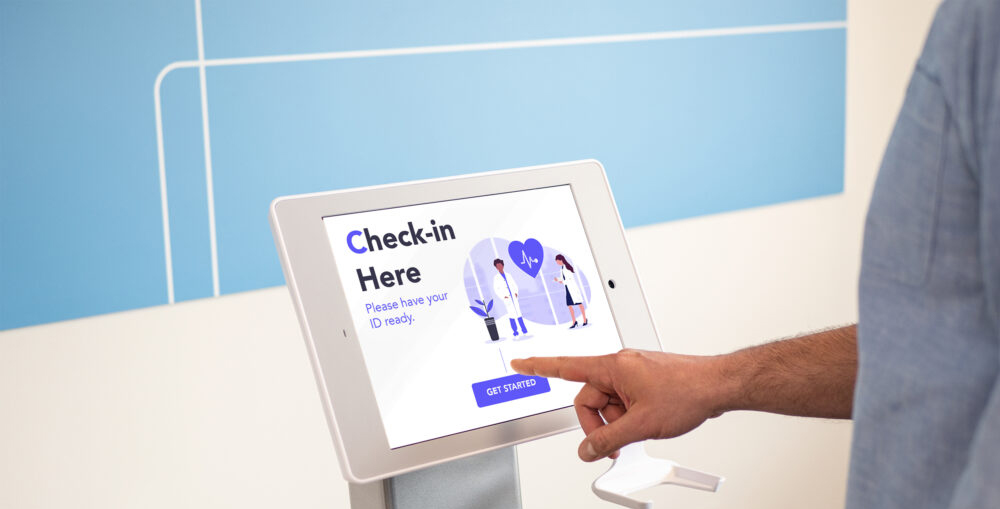
The Importance of Queuing Discipline

The Measurements of the Queuing Theory

It is extremely difficult to explain the queuing theory to people without any understanding of the operational science. One must have scientific knowledge and understanding of various formulas to estimate the performance of the queuing system.

Here is the formula to calculate the performance of the queue management system:

L = λW

Where

L = Average Number of the Customers

λ = Average Arrival Rate of the Customer

W = Average Service Time for the Customers

This formula was proposed by Mr. John Little which is used to understand the relationship between the distribution rate of the customers and the time required by them to get served. However, the queuing process includes other important factors which can impact its performance:
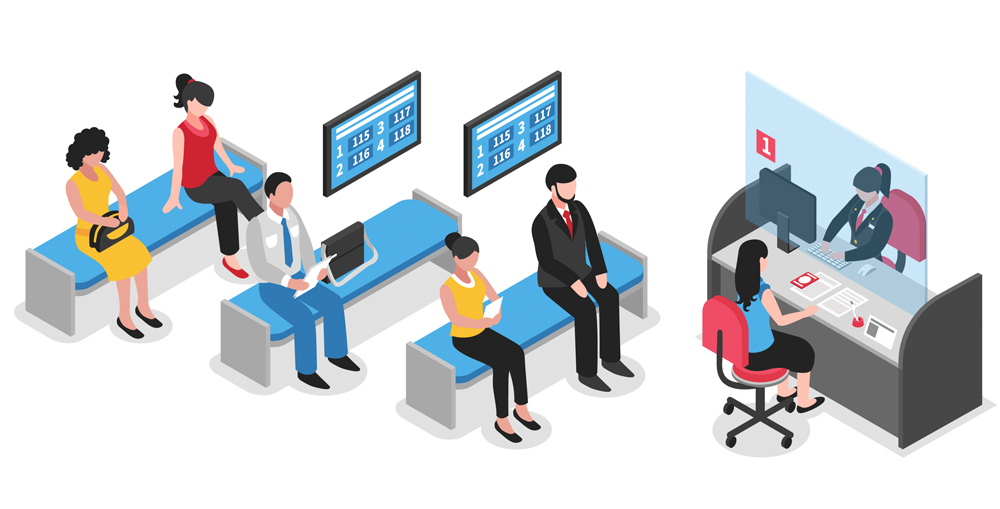

  • Customer Arrival: The arrival rate of the customers who are positioned first in the waiting lines
  • System Capacity: It is the maximum capacity of the queue management system to handle the customers
  • Service Points: These are the service points where the service is delivered, it could be a single point service or a multi-step service which require arrival at one server and departure from a different server
  • Output: The output is the customers who are departing from the system after getting the service

There are several other more complex theoretical and mathematical models that are commonly used in by the operation researches in the queuing theory, such as David George Kendall’s queuing model, Hall’s Queuing Rule of Thumb, etc. but those would be too complex to discuss here. However, the important thing to understand is that applying queuing theory along with adequate mathematical models and simulations can greatly help improving your queue management system.

See Also: Queue Management in Banking: Enhancing Customer Experience

The Measurements of the Queuing Theory

Conclusion

The queue management system is an integral part of a modern day service centers. Whether you are a small or large business your customer facing staff and channels should be equipped with the adequate technology and tools in order to make sure your customers have a satisfactory experience. The customer satisfaction is a key to long term success as it drives customer loyalty and help businesses sustain growth. Businesses in Dubai and all around the UAE are using digital queue management systems to improve their queuing processes. The modern day queue management systems are powered by AI (artificial intelligence) based algorithms which can dramatically improve the efficiency and performance of the queuing process.

However, when it comes to implement a queue management system businesses often don’t have a clue of what type of queuing process they need and what features could help them achieve their desired goals. The purpose of this blog was to introduce our audience with the queuing theory, explaining the queuing theory without the mathematical models and calculation is a herculean task for the operation researches or experts.

In this blog we have tried to simplify the queuing theory to make it digestible for ordinary audience and help them leverage it to design or chose the right queue management system for their needs. If you want to learn more about the subject or if you want our help to design a highly effective tailor-made queue management system for your business, please feel free to contact us through our Contact Us page or leave a comment in the comment box below and we will get in touch with you soon.

See Also: Queue Management System for Telecom Sectors in UAE

See Also: Complete guide to Queue Management Systems in Dubai, UAE

See Also: Why the Custom Software Development is Good for Your Business?

See Also: How Queue Management System can Boost Productivity and Profitability?

See Also: Importance of Queue Management System for Government and Public Offices