BLOG OF RSI CONCEPTS

world map

Why Web Development is Crucial for Startups?

Why Web Development is Crucial for Startups

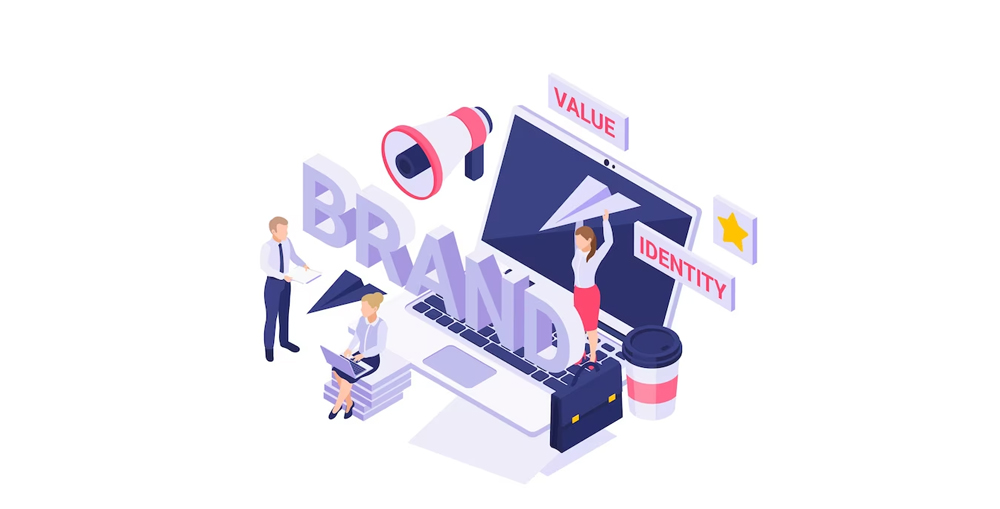
In Dubai and all around the UAE new businesses are starting on daily bases. This is due to the favorable government policies and highly stable market conditions. This also means that if you are a startup, your competition will be increasing day by day. In such circumstances, a business needs to establish a strong brand identity and they need to do it very quickly. For startups and small businesses the resources are always limited, whether it is financial resource or human resource. No matter if you are a sole proprietorship or a medium/large enterprise the corporate website is absolutely essential for your business to establish a strong brand identity.

The present day markets are heavily relying on internet and information technology, here in UAE the internet penetration is 99% and almost same amount of population uses mobile phones. Another very important customer behavioral trend is that a majority of the customers use internet as their primary source of information and whatever they find over there can greatly influence their decision. That is why customers tend to look up for the products/service and businesses in the internet before even contacting a sales rep.

See Also: How Web Development can Help Enhancing Customer Experience

Why Web Development is Crucial for Startups?

It is very important to capture your targeted audience’s attentions, for example, if you are selling computers, routers and other stuff or if you are an art & craft selling store, people might be searching for you over the internet, if they find a good website and relevant information they will most likely to send you an enquiry or visit your store. If you don’t have any website then you are completely out of the game. In this blog we will list some most important benefits of a business website which will help our audience to understand why the web development is so crucial for startups and even for established businesses.

Web Development for Startups: Low-Cost Marketing

A business website for a startup can be very beneficial in terms of marketing. A business website is basically the foundation of all your digital efforts, you build your online brand identity and marketing campaigns around your website. Al other digital marketing channels and adverts can converge your audience to your website, which can provide your audience required information and website also help communicating the brand message and value proposition which is essential for conversions. Whether you need lead data or you want to make online sale via your website, it is crucial to develop a website capable of performing the desired tasks.

Businesses also use landing pages for their different paid advertisement campaigns, and in order to convert you must have to have an intuitive and appealing website. The startups can create dedicated landing pages for different audience groups which help increasing the conversion rate. Apart from that a startup can transform their website into a very powerful and cost-effective marketing tool by working on the SEO.

See Also: A Complete Guide to Responsive Web Development

Web Development for Startups: Low-Cost Marketing

The SEO or search engine optimization is a technique to align your website with the standards and regulations of the search engine such as Google this includes almost everything, from user experience to content, and responsiveness of the website, etc. The SEO help startup get huge number of people to their website which definitely raise the chances of conversion. There are several search engines, however, the Google is considered to be the market leader as it dominates all other search engines with more than 96% of the search market share. The SEO is a great source of generating organic traffic for your business website, the organic traffic is absolutely free which help you minimize your digital marketing expense.

According to several studies the organic traffic accounts for almost 70% of the total website traffic for an established business who is also actively utilizing other digital channels. This means that by just a little effort or small investment in the SEO you can generate huge amount of traffic for your business website and the website traffic is directly proportion to conversion and sales.

See Also: How a Better Web Development can Help Increasing Leads and Sales in Dubai, UAE?

Web Development for Startups: Low-Cost Marketing

Web Development for Startups: Unique Brand Identity

A unique logo design is not enough to provide you a unique brand identity. The unique brand identity is much more than that. It is the consistency in communication, your appearance, and your entire personality. A website is very much capable of providing you the tools to establish a unique brand identity which is vital for competitive advantage and it can greatly help you stand out of the crowd. Your brand identity should communicate what your business stands for and what are your values, it should be able to convey a message instead of a highly decorative emblem or monogram.

Your website would be the first interaction for a larger chunk of your audience, it has to set up a long lasting positive first impression. Your website can help you establish a unique brand identity by communicating your brand message, value proposition and your mission. Your website can tell your audience what you stands for, who you are, what you are offering and how your products/services are unique.

See Also: A Complete Guide to High-Converting Web Development

Web Development for Startups: Unique Brand Identity

Your website will tell customers that what you are offering them no one else can offer and that is what makes you unique. The mission statement, the about section, the content on your homepage, your product/service pages and the overall look and feel of your website will build your unique brand identity. The human brain works in a very peculiar way, we perceive colors and patterns fairly quickly than reading text. The visuals always have quicker effect on our perception. This is where your corporate website can help you setup a unique and lasting first impression. It includes the way you design your homepage, the first section, hero image, the taglines, the menu and other design elements all plays an important role in building a unique brand image.

The features and functionalities you are offering will have great impact on your customer journey and customer experience. That is why it is important to have consistency in everything, especially your brand’s look and feel and its communication tone. A unique brand identity will give your audience a sense of superiority and familiarity at the same time and help you capture their attentions.

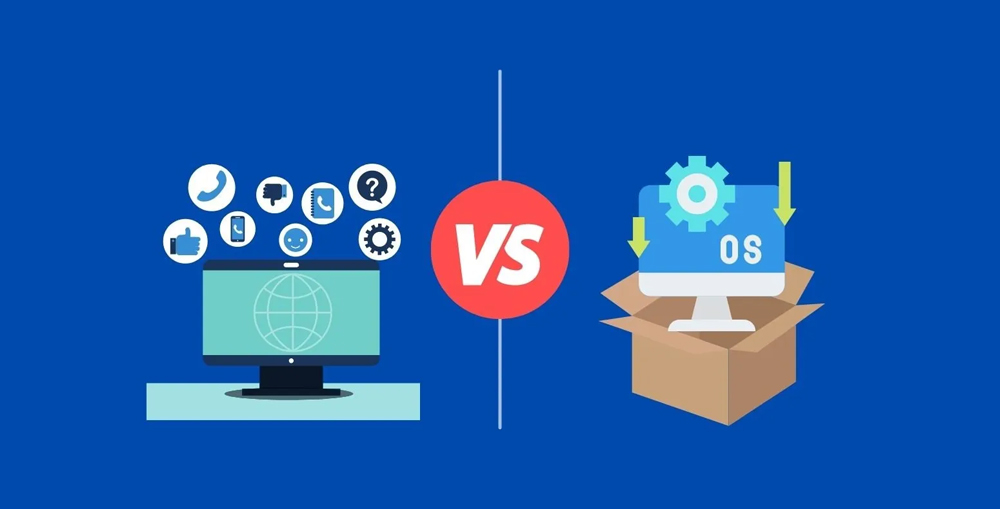
See Also: Software vs Web Development – what is the difference?

Web Development for Startups: Unique Brand Identity

Web Development for Startups: A Great Competitive Advantage

The growth and success of a business pretty much depends on its ability to sustain a competitive advantage. Your unique brand identity and a well-developed business website can provide you a great competitive advantage. The startups in particular need that much more to sustain and grow in the market. You should ask yourself, why a customer should purchase your product or acquire your services when there are hundreds of other businesses who are also offering the similar products and services?

The answer is your uniqueness and ability to differentiate your products and services from the rest of the crowd. The startups will have to compete with other startups and already established businesses with strong brand recognition. It is important to gain your audience’s trust with your branding and communication. Your business website can help you communicate your brand message, value proposition and vision in a way no one other is doing.

See Also: Web Design vs Web Development – What is the difference?

Web Development for Startups:A Great Competitive Advantage

It will help you present your products and services in a way which focus on the value you are offering that no one else is offering. Your product features, your pricing modern, your service plans and many more could be unique, but it will be your website which will help you to effectively present that uniqueness to your targeted audience which will help you generate more leads and sales. A website can help in gaining many competitive advantages, such as you can improve customer journey by offering interactive tools at your website, you can offer a great customer service using your website, you can gather customer data insight using your website and you can collect lead data or improve your email data base with your website.

A website is a great tool for instant communication which also help improving customer engagements. A startup can integrate social media and publish social proofs to gain the trust of the audience. All these features and several other features like that will help you increase your competitiveness and uniqueness and will help you building a unique personality of your brand.

See Also: Custom Software Development Progressive Web Apps – Beginner’s Guide

Web Development for Startups:A Great Competitive Advantage

Web Development for Startups: Reputation and Trust

Whether it is a startup or a well-established enterprise, building a great reputation and gaining customer trust is always the top priority objectives. Businesses need to build a positive brand reputation which help them gain customers’ trust. Startups in Dubai or anywhere in the UAE usually doesn’t focus much on their websites, either they don’t develop websites, or even if they build a business website, they don’t focus much on its performance. The success of a startup heavily depends on their marketing efforts, and the marketing is dominated by the digital.

In fact the digital marketing have already surpassed the conventional marketing. Just imagine if you are a customer, you found out about a brand, you are excited, you looked it up in the internet/Google, you don’t found it there, what would be your reaction? You will suddenly lose interest in the brand. Now consider this that you found a website, but it is not as that appealing, the same reaction will happen.

See Also: Top 5 CMS Platforms for Web Development in 2023

Web Development for Startups:Reputation and Trust

That is why for startups a business website is essential to gain customers’ trust and to build a positive reputation. No one trust the businesses who don’t have their corporate website. We also witnessed that most of the startups focus more on the smartphone applications rather developing a brilliant business website. If you think from a customer’s point of view, what do you think how many customers will try to search in their phone’s play store or app store to look up for a business? The answer is no one. Have you ever though why all social media platforms and various different digital advertisement campaigns always have an option to link your business website or landing page with the advert?

That is because your website is the single most important factor that will help you build a positive reputation and gain trust of your targeted audience. Furthermore there are tons of other factors that contributes to gaining users’ trust such as your social endorsements on your website, your portfolio, blogs, product pages, company bio, mission statement, user experience and much more. That is what makes a website essential for a startup.

See Also: Website Design for Schools and Colleges

Web Development for Startups:Reputation and Trust

Web Development for Startups: Customer Data

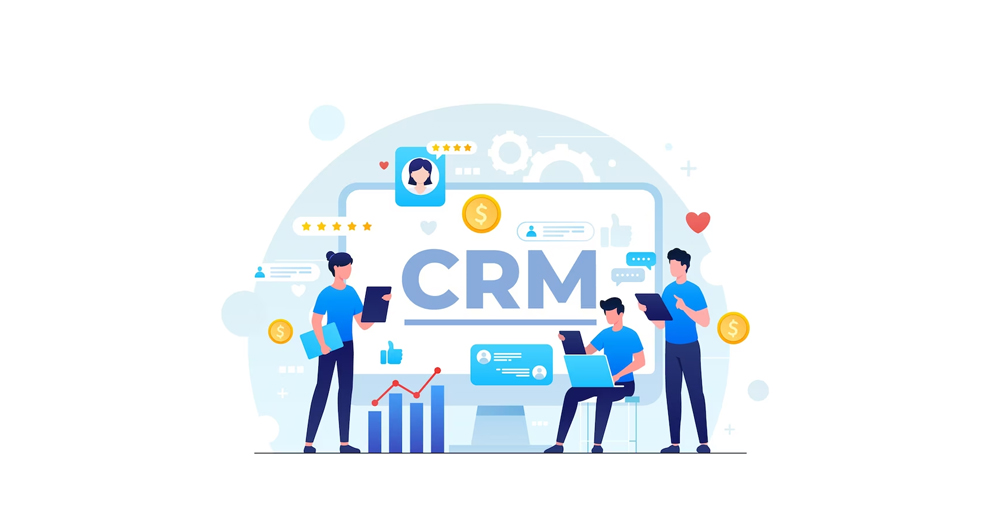
A business website is a very powerful communication tool that can be used to increase customer engagement and raise your conversion rate. Businesses all around the world uses their websites to generate more genuine leads. A lead is basically your website visitor who have potential to make a purchase. In order to align your communication with your audience, it is crucial to have an insight to their behavior, needs and purchase pattern. A website can provide a wealth of business intelligence data to startups. You can get valuable behavioral, demographical and analytical data from absolutely free website analytical tools.

This data will help you understand who is coming on your website, where your users are leaving and why they are leaving, and who are the users generating the most value for your business. This will help you understand who your targeted audience is and it will also help you identify the flaws and weaknesses of your website. Furthermore the businesses can collect a valuable email database from their websites, using lead magnet techniques, contact forms, lead forms, and they can also get direct sales via online by integrating online payment mechanisms.

See Also: Choosing a Performance Management System A Buyer’s Guide

Web Development for Startups: Customer Data

Another most valuable business intelligence data is the customer feedback. The customer feedback is crucial for businesses, especially in the fast-moving markets like Dubai and in fact all across the UAE. The customer feedback will provide you a new prospective of understanding your customers and audience. It will help you understand what your customers need, and how they perceive of what you are offering them. Startups can utilize the customer feedback data to improve their product development processes. Moreover the collecting customer feedback is also very beneficial in building a strong relationship with your customers.

When the customers know that a business is seriously interested in listening to their opinion and they will take actions to address their problems and to fulfill their desires, they become more loyal. The customer feedback data, analytical data, lead data and email data are very valuable for startups. Especially building an email database can have long-term positive effect and could be a great help in your digital marketing campaigns in future.

See Also: How Queue Management System can Boost Productivity and Profitability?

Web Development for Startups: Customer Data

Conclusion

In the modern fast-paced and highly competitive marketplaces a startup need more focused efforts on crucial aspects to sustain and grow. For a startup the website is one of the most important factor in their success. A website provides you a face which help you build your online identity. A startup can leverage the potential of having a website to step up their marketing efforts and to gain a great competitive advantage. These days for a majority of your targeted audience your website would be the first touch point, it is important to develop a great website which can setup a great first impression. A website can also offer a tons of functionalities that can be used to enhance customer experience and to improve customer journey.

Without developing a great business website a startup can loss a large chunk of their targeted audience by limiting their reach and exposure. In this blog we have listed the key benefits of developing an attractive and intuitive website for startups. Regardless of being a startup or a well-established enterprise your business website is an integral part of your modern marketing and communication strategy. If you want to learn more about the subject or if you want our help to develop a great business oriented website for your business, please feel free to contact us through our Contact Us page or leave a comment in the comment box below and we will get in touch with you soon.

See Also: The Benefits of Electronic Queuing System


Queue Management System Features you Need for Modern Queuing

Queue Management System Features you Need for Modern Queuing

The customer behavior, their needs and demands and the market conditions are always changing, businesses need to be more adoptive and pro-active in order to keep themselves up-to-date and competitive. Here in Dubai and all around the UAE the markets are more competitive, the customers are also very savvy, and their demands are skyrocketing. The economy is continuously growing, the competition is rising day by day, and customers have a lot of options available to them. One bad experience and your customers will leave you for good. It is extremely crucial to maintain a healthy, strong and satisfactory relationship with your customers.

The customer loyalty is one of the most precious asset for a business. This is why businesses are very eager to align themselves with their customers’ needs and demands. When it comes to a queue management system, the business leaders or CX (customer experience) managers can easily get overwhelmed with the sheer number of options available in the local market.

Queue Management System Features you Need for Modern Queuing

The effectiveness and impact of a queue management system depends on the system’s features and your needs. One doesn’t always fits all, but there are some universal features that can be very beneficial for all types and sizes of the businesses in the service sector. In this blog we will explore such features that can help all types and sizes of business to greatly improve customer experience and their queuing process.

See Also: What is Queue Management? Beginner’s Guide to Queuing Systems

What is Modern Queuing?

The queuing has come long way, traditionally the clipboard and pen based queuing was the way to manage the large footfall and crowded waiting areas. Later on businesses started realizing that they need to do more, this is when the technology starts coming in to the play and that was the time of inception of the modern queuing. The modern queuing methods that businesses are following in Dubai and all across the UAE are have evolved a lot. The technology itself have transformed a lot, now a days, the technology is widely available, the digital ecosystem and IT infrastructure of an average business is enough to support the modern queuing methods and practices.

By definition the modern queuing is a queue management system based on the digital technology and software-based solutions. It helps automating several queuing steps and it can automatically manage customer routes and other major queuing tasks. With the help of digitalization and automation the business processes become very efficient and cost-effective too.

See Also: How Queue Management System can Boost Productivity and Profitability?

What is Modern Queuing?

Features of a Modern Queue Management System

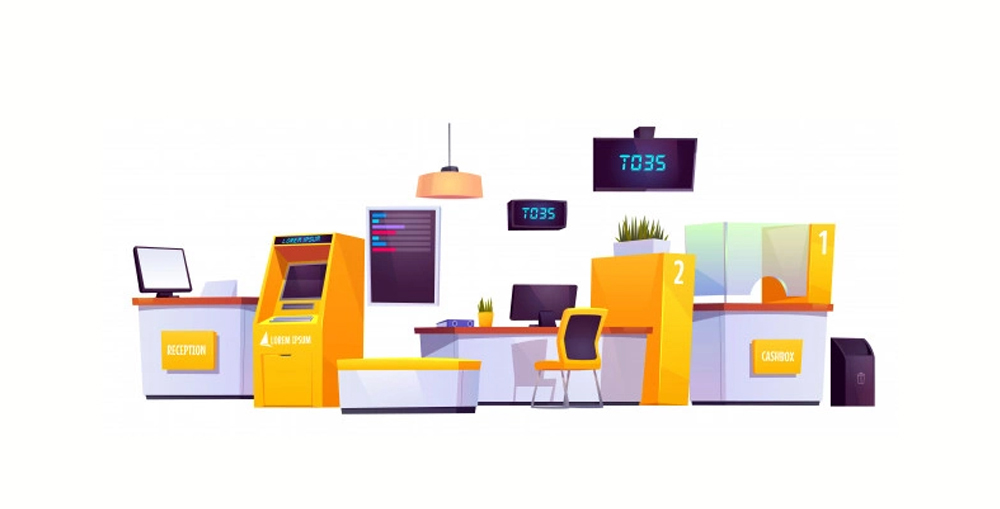
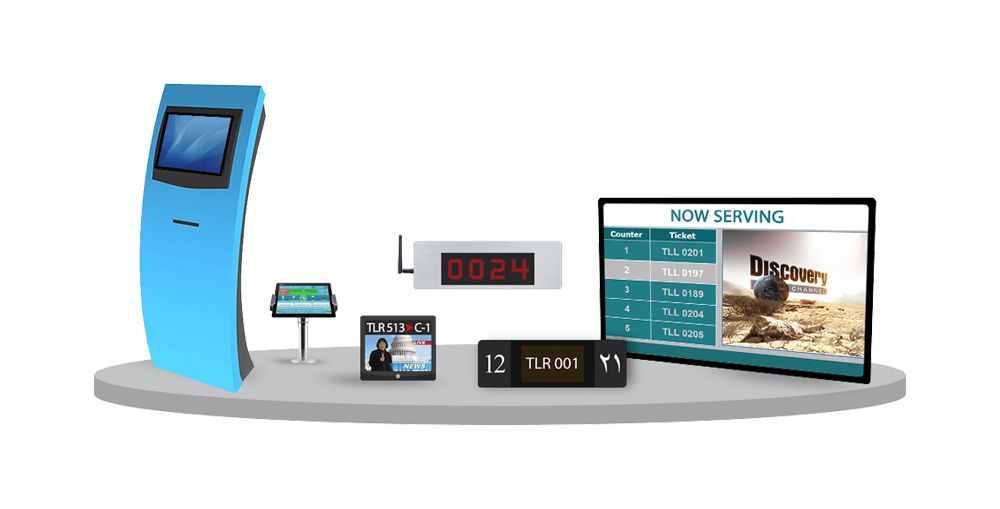
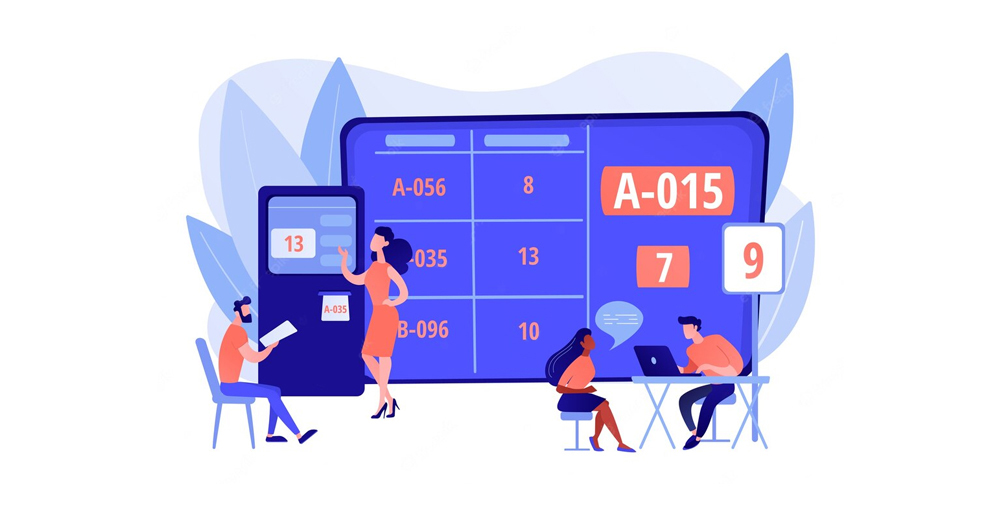
A modern queue management system is a software based application aided with several hardware devices. Usually there is a sign-up kiosk which allow customers to interact with the system, chose their required service, input data if needed, and dispense the ticket number. There are digital signage and large screens used to display the queuing information and audio announcement system is also considered to be an essential component of the modern queuing. Apart from that there are several administrative dashboards which let managers, head office and service agent interact with the system.

The modern queuing system can also integrate with third-party tools, customer database, central information system and any other software to improve functionality and performance of the system. There are many benefits of a modern queue management system, some are more beneficial for some businesses than the others and so on. Here are the most useful features of a modern queue management system which are equally beneficial for all businesses.

See Also: What are the Different Types of Queue Management System?

Features of a Modern Queue Management System

Queue Management System Features: Digitalization and Automation

A modern queue management system converts the traditional manual queuing process into a more effective and efficient digital business process by leveraging the technology and AI (artificial intelligence) based software. The digitalization greatly improve the process and also capture valuable data which can be later utilized in various other processes. The digitalization also help automating several customer journey steps and improve customer flow. Due to digitalization and automation the human efforts are significantly reduced which means the business need much less resources to manage their queuing process.

The modern queue management system works on smart algorithms which are capable to capturing data in from all touchpoints and various other details and enable queue management system to take real-time decisions to improve the queuing. Furthermore the modern queue management systems also provide self-service sing-up channels to the customers. Usually there is an interactive touch-screen self-service kiosk to sign-up the customer and dispense the tickets. But there are several other methods that can also be offered to customers to improve their experience, such as remote sign-up, mobile apps, online appointment booking, etc.

See Also: Complete guide to Queue Management Systems in Dubai, UAE

Queue Management System Features: Digitalization and Automation

Queue Management System Features: Significant Reduction in Wait Time

The customer wait time is the single most impactful factor that can completely ruin your all efforts to attain customer satisfaction. According to several studies on an average a customer can wait for up to 5 to 9 minutes, this time limit is different for different industries, after that threshold the customer will start getting stressed and frustrated which will ruin their experience. That is why no matter what type of queue management system you use, the wait time should be minimized as much as possible. The digital queue management system used modern technology and AI based algorithms which enable them to minimize the customer wait time.

When the customers sign-up for a queue, they are given a ticket number, the customer flow and movement of queues is fully autonomous, which eliminate any staff involvement in it. Furthermore the customers are allowed to wait comfortably in the designated spaces, hence not much management is required. The automation and no human involvement can significantly reduce the wait time. It also let the service agent focus on their primary tasks, which improve service delivery and make it quicker.

See Also: From Chaos to Control: How Queue Management Systems Can Improve Your Business

Queue Management System Features: Significant Reduction in Wait Time

Furthermore the modern queue management system also help service agents in their tasks, which reduce their efforts and improve their focus on service delivery and other crucial tasks. A modern queuing need digitalization and automation, the electronic queue management systems help managing various other tasks for the staff which greatly improve the service quality and help reducing the service delivery time which eventually reduce the customer wait time. The electronic queue management system also capture valuable performance insight which help businesses further enhance the employee performance and reduce the customer wait time.

The queue management system have capabilities to monitor the entire queuing process in real-time which enables it to take real-time decision and improve customer flow. For example, if a service counter is slow due to any reason, the queue management system can automatically redistribute the workload to ensure all counters work under a balanced workload, this also help reducing wait time and when employee work under balanced workload their efficiency also improves.

See Also: Queue Management System Problems and Solutions in Dubai, UAE

Queue Management System Features: Significant Reduction in Wait Time

Queue Management System Features: Support for Virtual Queuing

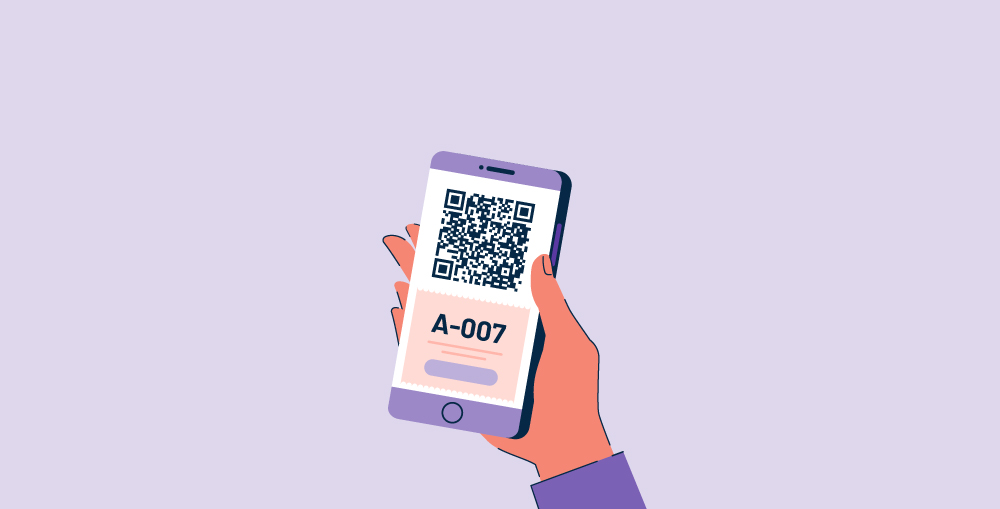
Virtual queuing is not a new phenomenon. However, since the 2020 we have witnessed a huge rise in the adaptation of virtual queuing all across the country. The virtual queuing is the most modern form of digital or electronic queue management systems. It takes the waiting time management to the next level, the methods and practices adopt by virtual queuing can literally reduce the wait time to none. Basically the virtual queuing offers more freedom and flexibility to the customers, it allow them to remotely sign-up for the queue by interacting with queue management system using digital media such as SMS, Email, WhatsApp, Mobile Apps, Website, Customer Portals, Appointment Booking Portals, QR Codes, etc.

These channels allow the customer and visitors to remotely sign-up for the queue and receive queuing updates through the most convenient channel. This means they don’t have to be physically present at the premises, they will be singed-up in a virtual queue. This allow them freedom to wait anywhere they want to do whatever they want to do during that time. Furthermore they can also plan their visit in a way that they arrive at business only when their number is called. The virtual queuing minimize the wait time and improve customer experience by offering them more control, flexibility and freedom.

See Also: 7 Features of Queue Management Software

Queue Management System Features: Support for Virtual Queuing

Queue Management System Features: Centralized Management

A digital or electronic queue management system is based on a queuing server application which is hosted online, in cloud or at a local in-premises datacenter. Which allow it to capture all the information and data in a centralized repository. This also help solving many management related problems and also offer more innovative features to improve the queuing process and to drive the efficiency. Usually business have multiple branches, regional offices, outlets, or customer service centers, and a single main location or head office. The head office is where the senior management resides, who want to monitor and control all connected branches.

The queue management system offers a centralized management mechanisms where it provides head office staff full control over all the branches and share live queuing updates with the head office to improve the monitoring. The queue management system also allow businesses to configure desirable workflows and managerial hierarches to align the queuing process with their existing management structure. The head office and the managers with access can have full control and real-time information about the queuing which enable them to take quick actions to improve the customer flow and to solve the problems or handle the disruptions.

See Also: How Queue Management System Helps Maximizing the Efficiency?

Queue Management System Features: Centralized Management

Queue Management System Features: Data Collection

The modern day businesses and marketplaces are heavily relying on information technology and the data is the lifeblood of information technology. A digital queue management system provides a great insight on your queuing process and performance. It can accurately capture footfall insight which help management identify various trends, such as peak hours, days, occasions, popular services, customer churn, etc. The electronic queue management system can also capture employee performance data and various KPIs, such as the average number of served customers in a shift, the active/inactive time, the time spend on a service delivery, etc. The queue management system can also capture customer feedback data either from on-site touchscreens or tablets, or from other channels such as WhatsaApp, Mobile Applications, SMS, email, etc. Any good digital queue management system also have in-built data analytical tools, which help managers to performance various analysis within seconds, and produce actionable reports. The queue management system can also integrate its data with the central information system or any other third-party tool and it also offer data sharing features which improve the control and monitoring capabilities of the management.

Queue Management System Features: Data Collection

Conclusion

The customer happiness and customer satisfaction are the most crucial factor for the modern businesses, the market have already started transitioning from business oriented to customer oriented and that is because of rising competition and more demanding customer behavior. The queuing process is extremely important for the service sector. Businesses who failed to organize and manage their queues will loss the customers and eventually their reputation as well. That is why leveraging modern technologies to adopt to modern queuing has become an essential. A digital or electronic queue management system is a technology based solution for your queuing process. It streamlines customer flow and leverage the automation to improve the process and performance of the employees and customer service reps. The digital queue management system also provide a wealth of valuable business intelligence data which help businesses understand the customer experience and help them identify the areas of improvement to further increase customer satisfaction. In this blog we have listed the key features of a modern electronic queue management system, if you want to learn more or if you want our help to implement a custom-made highly cost-efficient digital queue management system for your business. Please feel free to contact us through our Contact Us page or leave a comment in the comment box below and we will get in touch with you soon.

Check out this: The Benefits of Electronic Queuing System


Benefits of Implementing a Modern Performance Management System

Benefits of Implementing a Modern Performance Management System

Every employee wants to grow, develop and praised by the management, everyone wants to achieve their goal and everyone wants to perform well at their workplace. However, there are certain factors in organizational culture, work environment or even external factors which demotivate an employee and cause them to fail. Most of the time employees are way too capable but due to these factors they can’t reach to their true potential. It is the job of HR department and business leadership to provide employees a culture and environment where they not only perform well but also pursue their personal development and become more useful for the business over the time.

The performance management system is the ultimate tool to do that. The performance management system is not like any other tool, in fact it is an integral process of the regular business operations. However, the problem with the traditional performance management system is that it is manual, which means it requires hundreds upon hundreds of work ours of your employees, HR team, and managers to complete this process.

See Also: The Risk of Poor Performance Management and How to identify it?

Benefits of Implementing a Modern Performance Management System

Furthermore, the quality of the performance data is poor, the organizational and individual impact of the process is very limited, the reviews are once or twice in a year and on top of that both management and employees don’t trust it much. That is why business have started adopting to modern performance management systems.

What is a Modern Performance Management System?

A modern performance management system is a technological solution based on software and online platforms which help businesses and organizations to monitor, evaluate and improve the performance of their employees and help them align their available resources with their high-level goals and objectives. The modern performance management system help businesses implement modern performance management practices and enable them to adopt and implement more innovative and impactful strategies by introducing digital components and automation to the process.

By implementing a modern performance management system businesses can significantly reduce the time, efforts and expense on the performance management process and above all the modern performance management system also have huge impact on individual level and organizational level. The efficiency and convenience enable businesses to focus on continuous performance management instead of once or twice in a year.

See Also: How to Design a Modern Performance Management System?

See Also: 5 Performance Management Problems and How to Solve Them

What is a Modern Performance Management System?

The modern performance management system help businesses develop a culture of higher collaboration, continuous learning and coaching, highly engaging, transparent and continuous feedback which help business and organizations to maximize their performance and increase employee satisfaction.

Benefits of Implementing a Modern Performance Management System

A modern performance management system provides a highly structured and efficient framework which help businesses to improve the overall performance, efficiency, productivity and profitability of the entire organization by improving the performance of the individual employees, teams and even managers. The performance management system has become an integral and very crucial business process, it help businesses keep improving their workforce and help building strong relationship between the employees and the employer which reduce employee turnover and strengthen the workforce.

See Also: The Impact of Performance Management on Organizational Culture

See Also: The Future of Performance Appraisals: 6 Innovations and Changes [Quick Guide]

There are many benefits of the performance management, in this blog we will list a few most important and impactful benefits of the performance management system.

Benefits of a Modern Performance Management System: Frequent Feedbacks

The performance management system provides a highly structured and well-organized framework to enable businesses to collect more frequent feedbacks. Whether it is quarterly reviews, monthly discussion, project-based reviews, frequent goal setting, one-on-one check-ins or just open-discussions, the performance management system provides a systematic approach with added benefits of automation and digitalization. All the data, surveys, feedback forms, or any other inputs is digitally stored in a centralized data repository and information system which allow managers to access and compare historic data and understand improvement patterns and behavioral insights.

The easy access to such data help managers prepare more effective and impactful feedback for the employees and help them take actions and steps to maximize the performance. It really doesn’t make any sense to set course and get guidance for a year in just single meeting that is why the more frequent feedbacks are a pillar of a modern performance management system and can greatly boost the performance.

See Also: Choosing a Performance Management System A Buyer’s Guide

See Also: Why Custom Performance Management System is more Effective?

Benefits of a Modern Performance Management System: Frequent Feedbacks

Benefits of a Modern Performance Management System: Multi-Source Feedbacks

Another great feature of a modern performance management system is that it doesn’t only increase the frequency of the feedbacks but it also allow businesses to collect feedback from multiple sources. Such as the 360 degree and 720 degree feedback strategies. Where the users can submit feedback for their peers, upward, downward, cross-departmental feedback, and any stakeholder can share their feedback. Furthermore it also account for the feedback from external sources such as customers, suppliers, business partners, contractors, etc. Which further help broadening the scope of the feedback and enable businesses to collect more in-depth insight.

All these feedbacks are stored in a common data repository and allow managers to perform various different analysis on the data using the in-built analytical tools. The data is already available for all relevant users, and the data, reports or analysis can be shared to specific users (employees or managers) and it can be downloaded as printable formats as well. All these features help preparing actionable reports and driving meaningful outcomes to achieve higher performance and productivity.

See Also: Employee Performance Management Process with PMS

See Also: Linking Performance Management to Business Outcomes

Benefits of a Modern Performance Management System: Multi-Source Feedbacks

Benefits of a Modern Performance Management System: Increased Productivity

The modern performance management system offer a multitude of features which help HR and business leaders to set shared or common goals, align individual goals with the high-level organizational goals, empower communication and enable both parties to understand the objectives and the relevant outcome which help motivating employees and set clear expectations. Moreover the real-time monitoring, continuous feedback and multi-channel communication help maximizing the productivity. When employees gets guidance whenever they need and wherever they need, and when their problems and concerns are addressed in timely manners, the efficiency and performance automatically increased.

Furthermore each business have different objectives and different standards to measure the success. For each business there are different challenges and problems to address. The modern performance management system doesn’t only streamline reviews, but it provides a very effective problem-solving tool which help businesses to customize their performance management strategies as per their goals, for example, some businesses might be interested in improving the training programs, some might need to focus on accountability, and some might be seeking a way to align employee performance with the high-level goals, all these features help significantly boost the productivity of the employees and teams.

See Also: What is Continuous Performance Management? Complete Guide!

See Also: How Performance Management Impact on Organization’s Culture?

Benefits of a Modern Performance Management System:Increased Productivity

Benefits of a Modern Performance Management System: Transparency & Trust

When it comes to performance management system the biggest concerns of most of the HR and the business leader is that their employees and even managers also don’t trust the system. The employees have a lot of transparency concerns and even the managers are unable to fully justify their judgments based on the incomplete or poor performance data. This is one of the major cause of the failure of a performance management systems. Usually with the annual performance reviews the managers often forget about the a few months old events, that is why the annual performance reviews are majorly based on the very recent few months’ events, interactions and incidents, which is totally unfair and couldn’t justify the entire year’s performance.

Furthermore due to manual process the human factor is also considerable, majorly the manager’s bias and favoritism cause the most damage, and due to lack of a comprehensive framework in place, most of the time the managers start applying their own ideas and strategies which can derail the process. A performance management system on the other hand, provide a complete historic data, it didn’t even miss a single bit, the managers can access the past data, both managers and employees knows the expectations, there is no room for micro-management and everything is streamlined, well-organized and in a systematic order which help building trust and make the performance management process highly transparent.

See Also: Employee KPIs and Performance Management

Benefits of a Modern Performance Management System: Transparency & Trust

Benefits of a Modern Performance Management System: Digitalization

The digitalization have many benefits, when business implement a modern performance management system it help them make the process more cost-effective, efficient and impactful. The digitalization help bringing automation which reduce the human efforts and make process more convenient. That is the reason businesses who implement performance management system can easily adopt to most modern performance management practices which help them maximizing the employee engagement and satisfaction and also provide highly accurate performance and business intelligence data. Moreover the HR data is considered to be the most critical for any organization, businesses always have protective measure in place to protect it.

The performance management system beef up the security and privacy of the data with the help of password protection, administrative access control, data encryption and multiple firewalls and other security measures. The digitalization also make the performance management system more impactful by enabling simple and easy integration with other business tools, databases, and communication channels. This is what makes a modern performance management system far superior and beneficial than an ordinary traditional performance management system.

See Also: Performance Management System: Best Practices

Benefits of a Modern Performance Management System: Digitalization

Conclusion

The performance management is absolutely vital for business who want to compete and grow in the modern fast-paced technology driven marketplaces. Businesses in Dubai and anywhere else in UAE are rapidly adopting to modern performance management practices and solutions. The traditional once or twice a year performance reviews are not enough, employees need more continuous guidance and the management need more frequent feedback to deal with the disruptions and unexpected challenges of the modern day marketplaces. The modern performance management system allow business leaders and the HR to improve the organizational culture and work environment. It help managers to get timely information and updates, and it help employees to get timely guidance and support.

The innovative features of a modern performance management system can be a game-changer for the business. In this blog we have listed the key benefits of implanting a software-based modern performance management system, if you want to learn more about the subject or if you want our help to design and implement a highly cost-effective tailor-made performance management system solution for your business. Please feel free to contact us through our Contact Us or leave a comment in the comment box below and we will get in touch with you soon.

See Also: The Benefits of Electronic Queuing System

See Also: How to Customize Performance Management System


Performance Management System: Best Practices

Performance Management System Best Practices

The HR and business leaders in Dubai and all around the UAE are largely agree that the traditional performance management methods are outdated and unable to meet the needs of a modern fast-paced, digitally connected, and data driven workplaces. This is because two major factors, first the conventional performance management process is manual which makes it very expensive and time-consuming, the second problem is the poor quality of performance data which also raise transparency concerns. The modern performance management systems are based on AI (artificial intelligence) powered smart software engine and autonomous algorithms which can produce far more superior qualitative and quantitative performance data.

The traditional performance management methods have failed to enable businesses leverage the true potential of their employees. In the modern highly competitive and dynamic market landscape the flawed performance management practices could harm your performance and can have negative effects instead of improving employees’ engagement and productivity.

See Also: Customizing Performance Management Systems for Diverse Workforces

See Also: 5 Challenges to face if Performance Appraisal is not customized as per Organization’s Policies

Performance Management System: Best Practices

What is a Modern Performance Management System?

Well the definition of the performance management system is still the same, no matter if it is a traditional or modern performance management system. The performance management system provides a structured framework which help businesses monitor and improve the performance of their employees and align them with the strategic goals to help business increase its effectiveness and operational capabilities and drive progress and growth towards the high-level organizational goals and in long terms, excel towards the mission and vision of the business.

However, the modern performance management system is a software based solution which help streamlining several processes, introduce automation to the system and maximize the efficiency of the process. The modern performance management systems are so effective and efficient that a business can easily convert the traditional once-a-year performance management process into a round-the-clock process enabling businesses to leverage the benefits of agile and continuous performance management practices.

See Also: Performance Management Trends in the Digital Era

See Also: Benefits of Implementing a Modern Performance Management System

What is a Modern Performance Management System?

Modern Performance Management System Strategies and Best Practices

The primary goal of implementing a performance management system is to maximize employee engagement, satisfaction and provide them a culture and environment where they can unlock their true potential and help business achieve its high-level goals. In the last two decades we have witnessed a huge evolution in the markets all around the world. The major cause is massive adaptation of the technology and IT solutions. Furthermore the technology penetration in an average person’s daily life has also been causing paradigm shifts in market trends and customer behavior.

This have changed the way businesses were operating in the past. Especially in Dubai and all around the UAE where the technology has deeply penetrated the entire society and markets are very dynamic the businesses need to adopt to modern methods, practices and technologies in order attract and retain customers. The performance management was one of the most overlooked process, and still to this day a lot of businesses in the country are following the traditional methods.

See Also: The Risk of Poor Performance Management and How to identify it?

See Also: The Role of Performance Management in Employee Engagement

Modern Performance Management System Strategies and Best Practices

However, this is changing rapidly and we will see within a couple of years the conventional performance management will become obsolete. When it comes to modern performance management systems, there is no one solution that fits all. Every business develops and evolves differently and every business is unique, two businesses can never be same even if they operate in same market and industry.

However, there are some common strategies and best practices that can be equally beneficial for all. In this blog we will compile these best performance management practices which can be a real game changer for everyone, regardless of industry, size or type of the business.

See Also: 6 Performance Management Problems and How to Solve Them?

Performance Management System: 1. Continuous 360 Degree Reviews and Feedbacks

The 360 degree reviews were and still are one of the most important part of performance management system. The 360 degree performance reviews are feedback from multiple sources including managers, supervisors, peers, team leads, cross-department teams/management, stakeholders, and even external sources such as customers and suppliers, etc. The modern performance management systems are very robust, intuitive and make it very simple to conduct continuous 360 degree feedback campaigns. The continuous feedback from manager will help them understand their performance and progress, it is also very helpful in aligning the employees with the most important strategic goals.

The annual reviews and feedbacks are outdated, both employees and the managers have concerns about this practice. The continuous feedback on the other hand help employees perform well, in fact businesses have witnessed 3 to 4 time better performance by enabling continuous performance feedbacks and reviews. The intuitive performance management system can greatly help in improving the process and making it easier and convenient for all participants.

See Also: How to Set Goals for your Employees in Performance Management System?

See Also: Why do businesses need both the performance management and performance appraisal?

Performance Management System: 1. Continuous 360 Degree Reviews and Feedbacks

Performance Management System:2. Agile Goals and OKRs

Setting up goals, building strategies and making plans are the foundation of any performance management system. The goals are the ultimate guideline for the entire process, however, most of the time business leaders and HR don’t emphasize much on the process of setting up goals. The long-term and high-level organizational goals and objectives are hard to swallow by an ordinary employee, however, when the same goals are broken down into smaller goals, it immediately start making more sense. When the high-level goals are segmented into smaller attainable steps or key results, it become easier for an employee to understand them and achieve them.

The OKR stands for objectives and key results, usually the goals are set at the beginning of the performance cycle, however, there could be interim reviews to revise the goals according to the circumstances. The performance management system provides a dedicated dashboard for the 360 degree reviews and feedbacks along with innovative features to further simplify the process which help increasing employee engagement and improve the outcome.

See Also: Performance Management through OKR System

See Also: Performance Appraisal System for the HR Department

Performance Management System:2. Agile Goals and OKRs

Performance Management System:3. Increased Employee Engagement

The employee engagement is one of the pillar of any performance management process. Businesses who do not listen to their employee’s or doesn’t include them in the planning and strategy building stages of the performance management process are tend to have lesser performance and productivity. No matter how strong and frequent the communication is between the employee and the managers, there are certain things that might be hidden form the sight of the manager. Especially during the goal setting processes, building strategies and making plans to execute those strategies, the employee involvement can boost performance to several times.

Involving employees in those processes not only help management increase the success rate but it also motivate employees to put more efforts which definitely boost the performance. When employees are heard by the management and their say is included in the decision making processes, they feel more connected and responsible, which raise their morale and encourage them to perform better.

See Also: Performance Management System Trends

See Also: Appraisal Methods in Performance Management System

Performance Management System:3. Increased Employee Engagement

Performance Management System:4. Public and Social Recognition

With the integration of the Gen. Z and a monumental shifts in the market trends and overall behavior, the monitory compensations which were the strongest motivator just about two decades ago have lost its power. Now a days the monitory compensations and social recognitions works side by side, in fact many market researches and surveys have proven that the employees value public praises and social recognition more than the monitory rewards. According to these surveys the Public Recognition or Social Recognition was the most memorable recognition according to the majority of the participants.

The performance management system offers a variety of tools and features to enhance your reward and recognition process. It provides dedicated dashboards and employee community hub where employees and the management can share their remarks and appreciations. These public and social recognitions are visible to each and every employee, hence when the employees are publicly praised for their achievements, they feel more proud of their accomplishments which help to boost their morale and performance.

See Also: Boost Employee Efficiency with a Performance Management System

See Also: Employee Performance Management is a small part of Performance Management System

Performance Management System:4. Public and Social Recognition

Performance Management System:5. Continuous Development Discussions

The more frequent and regular discussions help management to understand the performance and progress of the employees and give employees a chance to discuss their problems/obstacles or to seek guideline and help from the managers which can significantly increase their success rate. The continuous development discussions and check-ins help employees achieve their goals and give management a chance to course-correct and align employees with high-level goals to keep them on track. The collaborative conversations are always empowering, it help employees express their concerns and understand the management’s expectations.

The performance management system offers great features such as scheduling continuous development discussions and check-ins on a pre-set time frame and frequency to align the employees with the goals and to help them with their professional and personal development needs. The employee development discussions are very helpful in improving employee engagement and strengthening their relationship with the management.

See Also: Why Automating Performance Management is Important for Businesses?

See Also: Why Performance Management System is a Necessity for Companies in Dubai

Performance Management System:5. Continuous Development Discussions

Conclusion

The HR and business leaders in Dubai and all around the UAE are agreed that the traditional performance management system has lost its value and flawed performance management practices can bring harm instead of benefiting the business. Therefore almost all categories and industry sectors are rapidly adopting to a more technology-based modern performance management system. The modern performance management system is a software based highly integrated application which not only greatly increase the data quality and quantity but also help businesses to implement the modern strategies and adopt to market-proven performance management practices.

The HR and business leaders should also understand that every employee wants to succeed, they want to grow and develop both professionally and intellectually, and the employees want to achieve their goals and like to be praised and admired. In this blog we have listed the best modern performance management system practices which will help you make your performance management process beneficial and appealing for both employees and the management.

If you want to learn more about the subject or if you want our help to implement a highly effective and tailor-made performance management system for your business, please feel free to contact us through our Contact Us page or leave a comment in the comment box below and we will get in touch with you soon.

See Also: The Benefits of Electronic Queuing System

See Also: How Performance Management System helps in Customer Journey improvement?


Why the Custom Software Development is Good for Your Business?

The software, information technology and digital tools have become an integral part of a modern day workplace. These days’ businesses can’t function without the help of modern technology. Think of a smartphone, before them everything was going fine, but now a days, one can’t even imagine their life without their mobile phone. The same happens with the businesses as well, the modern marketplaces are very competitive. Especially in Dubai and all around the UAE where the customers are very demanding and they have tons of choices, the businesses had to compete a lot in order to stay out of the crowd.

Businesses need software solutions to deliver their services to the customers, to improve their internal processed for production and supply chain management, for customer relationship management, for internal processes management and for almost each and every task the employee perform on day-to-day bases. That is why without software solutions and information technology is the lifeblood of the present day workplace.

See Also: Why Off-the-Shelf Solutions Fall Short: Advantages of Custom Software Development

Why the Custom Software Development is Good for Your Business

There are two major classifications of the software solutions, one is the commercial off-the-shelf software solutions or COTS and the other is bespoke or custom software solutions. The COTS are designed for masses and hundreds or even thousands of businesses can use the same software solution. This means that the software is a generic application designed as per the industry standards and popular trends. When a business decide to acquire a commercial off-the-shelf software solutions they prefer a software which satisfy their maximum needs, usually it is 80/20 ratio where 80% of needs are met the software is considered to be a good choice.

There are two drawbacks, one the software can never meet the 100% of the needs and its structure, workflow and mechanisms are usually less customizable, hence businesses will have to adjust their operation, processes and workflows to integrate the software. The second disadvantage is that most of the time the chances are your competitors would also be using the same application hence you will get no competitive advantage. However the custom software development solve all these problems and it fully aligns with your need and offer a great competitive advantage.

See Also: What is custom software development?

See Also: Step-by-step Guide to Develop Custom Enterprise Software
See Also: Common Mistakes to Avoid in Custom Software Development Projects

Why the Custom Software Development is Good for Your Business

What is Custom Software Development?

The custom software development is a process of developing an exclusive software for a particular business or set of users. This means that the custom software development offers a 100% compliance with business’s needs. The businesses who are designing the custom software doesn’t have to make any changes in their existing processes or business practices as the custom software will offer great flexibility and control over the application you are developing. Hence businesses can have a software which not only meet their 100% needs, but also help them boost the efficiency of the relevant processes and the employees.

Businesses in Dubai and all around the UAE usually outsource custom software development project to a vendor who starts the process with an intense requirement gathering phase, which helps them align the software with the business needs. As the software is designed according to the needs, hence the business doesn’t have to make changes in their processes or practices, and business get the full ownership rights to the application, hence there is no recurring or rental cost.

See Also: Custom Software Development for Enhanced User Experience

What is Custom Software Development?

Why Custom Software Development is Better than COTS?

The COTS or commercial off-the-shelf software solutions are better in many ways, but have many drawbacks, the biggest problem is that they will never be able to meet your 100% requirements you will always have to make compromises over price or features. The scalability and operational cost is also high with several recurring fees and charges, the customization is limited and expensive. Moreover the adoption is difficult and integration is also limited. All these problems might not seem much at the start but as time passes, eventually businesses will have to switch to the customized software solutions.

Every business is unique, over the time this uniqueness grows, and it is this uniqueness that help businesses establish a brand identity in the market. A custom software development provides more flexibility and easy scalability which help businesses support their growth and enhance their uniqueness. There are several benefits of custom software development which makes it superior from COTS, in this blog we will list the key advantages of the custom software development which are crucial for performance and growth.

See Also: Custom Software for Improved Business Efficiency

Why Custom Software Development is Better than COTS?

Custom Software Development Advantages: 1. Exclusivity

One of the biggest advantage of the custom software development is the 100% fulfillment of your business needs. The COTS solutions are designed for the masses, they are designed to be generic and according to the popular industry trends. However, each business is unique and different form the other, even if they operate in the same industry sector and doing the same stuff, their internal culture and environment would be developed differently. This is what makes a business unique and give them a much needed competitive advantage.

However, the commercial off-the-shelf software solutions deprive a business from it. The custom software development on the other hand allow businesses to retain their uniqueness and it help them to further drive innovation to enhance their performance, productivity and unique business identity. The custom software development offers exclusivity, complete ownership rights and it fully complies with your unique needs which increase your business’s strength and support your growth.

See Also: Leveraging Big Data in Custom Software Development

Exclusivity

Custom Software Development Advantages: 2. Personalization

Personalization is something that is always associated with good outcome, whether you offer a personalized experience to your customers or employees you will always get a positive outcome. The commercial off-the-shelf software solutions doesn’t offer any personalization at all. In case if you want some personalization you will have to pay additional cost for that and even then the level and scope of personalization would be very limited. However, the custom software development is very flexible and offers full personalization. Whether it is the features of the software you want to design in your own way, whether the workflows, or even the UI (user interface), you can personalize each and every bit of the software application with the custom software development process.

You can personalize even the minute level of functions and even the title or color of the buttons on your customized software. Furthermore you can define the software behavior and align it according to your internal processes, business practices and the ways your employees are familiar with. The personalization make adoption and integration more convenient and it maximizes the efficiency of the customized software.

See Also: The Impact of Cloud Computing on Custom Software Development [Full Guide]

Personalization

Custom Software Development Advantages: 3. Cost-Effective

The commercial off-the-shelf software (COTS) solutions have less initial cost, they can be deployed very quickly, in fact within days, however, they have recurring cost, rental or subscription charges, then there is scalability, customization and integration cost which is separate from all that. All these different expenses make the commercial off-the-shelf software solutions much more expensive in the long run and above all the business doesn’t even have the ownership rights, in case if the vendor doesn’t allow them, they can’t even migrate their data to other applications, and there are several other drawbacks.

However, the custom software development might seem expensive and more time taking at first, but it is mostly a one-time cost, the business completely owns the software application and they don’t have any dependency on the vendor. Since the software is fully owned by the business it is designed for, so the customization, integration and scalability is also not a problem. Business can customize the software whenever they want, same is application for the upgrades, updates and up-scaling. This is what makes custom software development much more cost-effective than COTS.

See Also: Step-by-Step Guide to Planning Your Custom Software Development Project
Cost-Effective

Custom Software Development Advantages: 4. Security and Privacy

The data security and privacy protection is not a technical matter, in fact we have witnessed in past years that a well-established business can go bankrupt within months after a data breach or security problem. Customers are very concerned about their data privacy and protection. Businesses who failed to secure the data of their customers and for the matter of fact their internal data will loss reputation and public’s trust on them. The commercial off-the-shelf software are always owned by the vendor or service provider and your data is stored on the servers which are not managed or maintained by you.

This is what make it’s a bigger security risk. Furthermore the structure of the COTS is very familiar to the internet pirates, as they are globally available for millions of users. However, the custom software development on the contrary can offer the best security measures. Your data is hosted with you, and your trusted team have full control over the data server and the security of the environment. Furthermore you can also make your customized software aligned with your existing digital ecosystem which makes it more secure and offer great reliability.

See Also: Software Development: In-house vs Outsourcing

See Also: The Cost of Custom Software Development: Factors to Consider

Security and Privacy

Custom Software Development Advantages: 5. Scalability

Scalability is one of the most overlooked aspect of software development. Businesses usually doesn’t consider it a big issue at first. This is the case with the commercial off-the-shelf software solutions, they can align with your present day needs, but you don’t know in future whether they will still remain compatible or not. A business keep evolving and growing which means its needs keep changing and growing, and on top of that the IT technology and digital world is subjected to rapid changes unexpected situations. The custom software development is the solution to all those problems.

During the custom software development process, businesses and vendor does intensive research and they also consider multiple expected scenarios during the prototyping stage. This will make them more ready for future and scalability. Furthermore the customized software are fully owned by the businesses hence adding new features or upgrading them or adding more users is not a problem. In fact most of the time there is very less or literally no cost associated with up-scaling. That is why the custom software development is more flexible towards scalability and increase the future readiness of your applications.

See Also: Emerging Trends in Custom Software Development

Scalability

Custom Software Development Advantages: 6. Adoptability

The adaptation and integration are some of the most crucial aspects of implementing a new software solution. The commercial off-the-shelf software solutions have already established UI (user interface), internal information structure, workflows and development framework. Which limits their ability to harmonize with your existing digital ecosystem and also with the employees who will be using the application. Most of the time the integration cause serious troubles and the businesses also have to arrange training programs for their employees to make them able to efficiently use the new application.

A business always have to rely on multiple enterprise tools and software solutions and system. In order to maximize the efficiency the information sharing and integration is a necessity. The custom software development ensures that the software will be fully compatible with the existing digital ecosystem. It offer more flexibility and control which maximizes its ability to integrate with other software, tools and databases. Moreover the UI (user interface) and workflows are fully personalized as per the users’ requirements, hence the adoptability is quicker and convenient.

See Also: Benefits of Investing in Custom Software Development for Your Business in Dubai

Adoptability

Conclusion

Any modern business in Dubai or anywhere else in UAE knows the importance of IT, digital tools and software solutions. No business in the present time can properly function without adopting to various different types of business tools and software solutions. In order to compete in the market and establish a unique brand identity a business needs excellent quality information network and digital ecosystem. That is why the software needs keep coming and business are on a continuous quest to achieve higher efficiency in their internal and external endeavors. When it comes to implement a new software solution a manager or business leader can easily get confused and overwhelmed due to sheer number and multitude of software solutions available in the market.

That is why we discussed custom software development in this blog and listed some key advantages of customized software solution which will help our audience to choose the best solution for their needs. If you want to learn more about the subject or if you want our help to design and develop a highly cost-effective customized software solution for your business, please feel free to contact us through our Contact Us page or leave a comment in the comment box below and we will get in touch with you soon.

See Also: A Complete Guide to High-Converting Web Development

See Also: Custom Software Development Progressive Web Apps – Beginner’s Guide

The Benefits of Electronic Queuing System

The Benefits of Electronic Queuing System

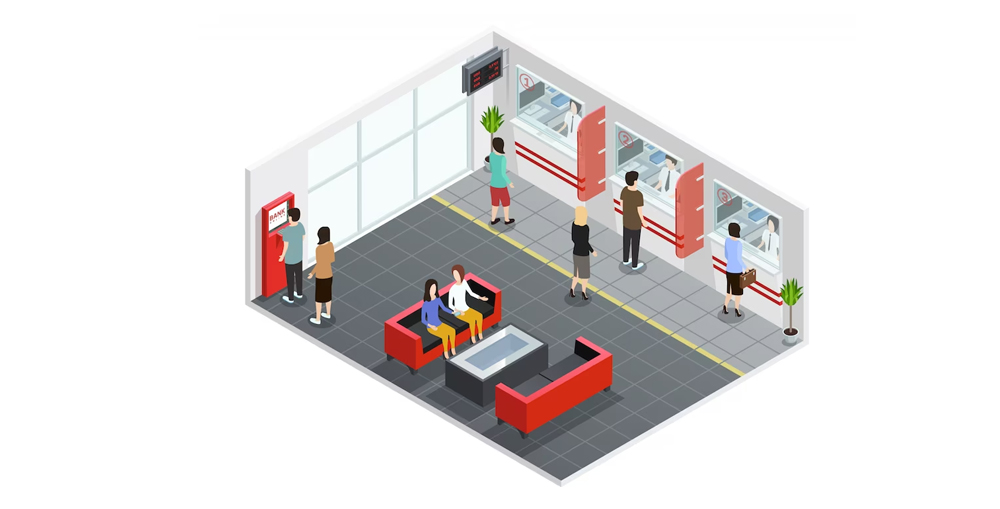
For all customer facing environments the long waiting lines, crowd formation, and unexpected workload could be a great problem. Think of a customer, who visited a business, bank or a public office to avail an important service, there are long waiting lines, the customer will get confused about which line they should be in or whether their queue is moving or not and on top of that they have no clue of how long it could take them to reach to the service counter, even if there is a waiting area, that might be full too, and mostly during the peak hours some people might not find an appropriate space to sit comfortably, how frustrating it could be for a customer?

The customers are always impatient, that doesn’t mean you should take this problem lightly, but the question is how much resources a business can spare for the queuing process. Surely appointing more employee for the task will help, but what about the cost? Obviously if you will hire more staff for the queuing the cost will rise. Apart from the cost, the quality is the most important aspect of the queuing process. The quality here means the customer experience and customer satisfaction. Adding more staff wouldn’t have huge impact on waiting time neither it could improve the customer experience much. That is why businesses need an electronic queuing system.

See Also: What are the Different Types of Queue Management System?

The Benefits of Electronic Queuing System

What is an Electronic Queuing System?

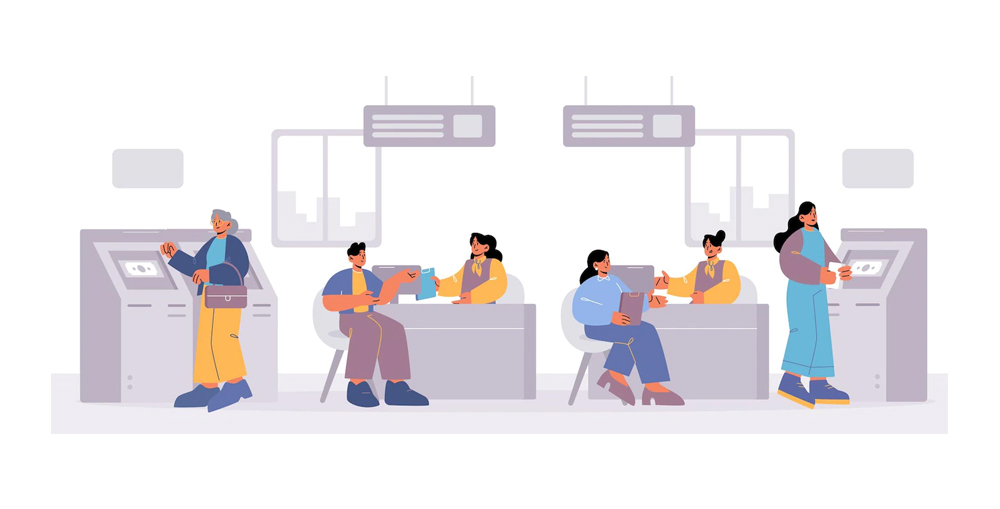
An electronic queuing system is a digital tool that is used to improve the queue management process. The queue management system or electronic queuing system is a technological solution based on hardware and software components. These components work together to provide a highly structure and very efficient framework for the queuing process. Businesses can have many different software and hardware components to meet their needs, however in a most basic queuing system these are the essential components:

Electronic Queuing System – Hardware

  • Ticket Dispensing Machine or Interactive Self-Service Ticket Dispensing Kiosk
  • Counter Plates where the counter numbers and the ticket number is displayed
  • Digital Signage Screens where the live queuing information are displayed
  • Audio Announcement System for customer calling (usually it is multilingual)

Electronic Queuing System – Software

  • Core Server Side Application which is hosted on a server or cloud
  • Agent Dashboard where the agents manage queues and customer calling
  • Administrative Dashboard where the management can access the backend of the system
  • Customer UI (user interface) where customers interact with the system for signup

These are the basic components that are essential to setup an electronic queuing system. However, there are penalty of more software and hardware add-on which can be used to offer more innovative features and help businesses to further improve the efficiency and efficacy of the queuing process.

See Also: Which one is better Standalone VS Integrated Software?

What is an Electronic Queuing System?

What are the Benefits of an Electronic Queuing System?

A good quality high-performance electronic queuing system is a great tool to maximize the efficiency, performance and productivity of the customer facing environments which can significantly improve customer experience and help businesses attaining higher customer satisfaction. The electronic queuing system doesn’t only improve customer flow and organize your queues but it can offer a penalty of other benefits which are mostly less obvious. In this blog we will list the key benefits of electronic queuing system which can greatly help businesses improve their customer facing environments.

Benefits of Electronic Queuing System: 1. Reduce Wait Time

The customer wait time is a serious issue in queuing process. This is one of the most impactful factor which negatively impact your customer experience. Long waiting time cause frustration, stress and unhappiness. When a customer reached to a counter unhappy and stressed, it become significantly harder for the service agents to satisfy them. An electronic queuing system help reducing the customer wait time by improving the customer flow, organizing the queues, and improving the service agent’s performance.

It completely automates the process, since customers knows that everything is computer-controlled they don’t have any doubts or concerns, they also get regular updates on the digital signage and via announcement system hence they know the queues are moving. Furthermore the electronic queuing system can also provide an estimated wait time on the bases of historic data and real-time inputs from the system. This also help reducing the stress and improve customer experience. The reduction in customer wait time also have huge impact on all other aspects of queuing process which also help maximizing customer satisfaction.

See Also: Waiting Line Problems and Solutions

Reduce Wait Time

Benefits of Electronic Queuing System: 2. Offer Virtual Queuing

The virtual queuing is not a new phenomenon, however, the modern electronic queuing system offers a tons of features which can greatly improve customer experience and also the efficiency of the process. The virtual queuing allow customers to sign-up for the virtual queues remotely. This means that the electronic queuing system integrates multiple digital channels which allow customer and visitors to interact with the system such as Email, SMS, Online Customer Portals, Corporate Website, WhatsApp, Queue Management System Mobile Applications, QR Code, etc. These features will allow customers and visitors to sign-up for the queue without being physically present at the business premises.

Furthermore the customers are also provided with an estimated wait time, which is usually 96% accurate and calculated by the AI (artificial intelligence) based smart algorithms on the bases of historic data, current customer flow and employee efficiency. Moreover the system also keep updating customers and sending to them alerts and notifications. This help reducing the wait time to literally none and raise customer satisfaction.

See Also: The Risk of Poor Performance Management and How to identify it?

Offer Virtual Queuing

Benefits of Electronic Queuing System: 3. Improve Service Quality

There are multiple factor that are improved by an electronic queuing system which help improving the service quality. For example, the employee who don’t have to worry about customer queries, complaints or visibly large number of people in waiting line, are tend to perform better. As they can focus on the primary tasks without any worry or interruption. Furthermore when the customers are provided with excellent waiting experience and short waiting time they tend to arrive at counters in a more calm mental state which help both employees and customers to quickly resolve issues and it also raise the tolerance and understanding of the customers and help improving their experience, consequently the service quality get improved.

A good customer-agent interaction also help improving the service quality and customer satisfaction. An electronic queuing system can also collect important information about the customers and provide it to the agents even before they arrive at the counter, which also help service agents to deliver a bit more personalized customer experience. All such factors help improving the service quality and customer satisfaction.

See Also: Pros and Cons of Queue Management System

Improve Service Quality

Benefits of Electronic Queuing System: 4. Higher Employee Satisfaction

Employee satisfaction plays a crucial role in service quality and customer happiness. Happy and satisfied employees tend to perform well and deliver quality work. No employee will be happy to deal with frustrated, anxious and annoyed customers, this will decrease their morale which will eventually reduce their productivity and efficiency. An electronic queuing system help solving this problem, it enhances customer experience at all touch points, reduce customer wait time, and with the virtual queuing it offers a highly satisfactory customer experience.

Furthermore the employees start getting tired and stressed under heavy workload. Especially in manual queuing environment the employees with have to deal with several other problems which are not part of their job, thence their focus on primary tasks reduced. However, the electronic queuing system help eliminating all those problems and factors that distract employees and it also help reducing employee workload by automatically routing customers to other counters with shorter queues to balance the workload which can significantly improve employee happiness and satisfaction.

See Also: The Impact of Performance Management on Organizational Culture

Higher Employee Satisfaction

Benefits of Electronic Queuing System: 5. Attain Customer Loyalty

The customer wait time and experience are the two main reasons of higher customer churn which means the customer who enter to your premises but left without making a transaction. The customer churn is almost opposite to customer loyalty. Reducing the customer wait time might look just a small thing, but it has significant impact on everything. Reducing the customer time to a few minutes could have huge impact on customer happiness. Studies have revealed that on an average a customer can wait for up to 9 minutes, after that every second will add to their unhappiness and frustration. This time differs from industry to industry but reducing just a few minutes in wait time could make a huge difference.

The virtual queuing is a great tool to drastically reduce the wait time. Furthermore the automation, welcoming interaction with the self-service kiosk, the information displaying on the digital signage, the audio announcements, the mobile notification and quicker service delivery all contribute to customer satisfaction. Satisfied customers are tend to be more loyal to the brand. The customer loyalty is considered to be the foundation of growth, development and progress. That is why it is important to increase customer loyalty but offering them best experience and high quality service.

See Also: 5 Challenges in implementing Performance Management System

Attain Customer Loyalty

Benefits of Electronic Queuing System: 6. Improve Employee Performance

Performance management is strategically very important business function. Businesses are proactively monitoring, measuring and improving their performance. For that they have adopted various methods and practices. Most of the modern performance management methods are heavily relying on collecting in-depth performance data and developing highly accurate monitoring mechanisms. An electronic queuing system is a highly efficient digital tool which is built on smart software engine and autonomous algorithms to drive efficiency and productivity. It can provide a wealth of business intelligence data, the employee performance management data is one of the key component of its data collection function.

It can provide various employee KPIs which can directly be fed to a third-party performance management system or managers can utilize the in-built analytical tools to evaluate the performance of individual employee, teams and the entire branch. It can accurately calculate the average number of customers served in a single shift, the average service delivery time for each individual service, the active and inactive time, the time spend on pre and post service tasks, etc. and much more which help management evaluate the employee performance and take informed decision related to HR, employee development and training, etc. This performance data help management to improve employee performance in long term.

See Also: Queue Management System for Trucks and Logistic Centers

Improve Employee Performance

Benefits of Electronic Queuing System: 7. Collect Business Intelligence Data

The modern day businesses heavily rely on IT (information technology) and the data is the lifeblood of the digital technologies. Businesses in Dubai and all around the UAE have transformed the marketplace by implementing high-tech solutions and utilizing digital platforms. Studies have revealed the businesses who based their strategies and planning upon real data instead of speculation and guess work are tend to be more productive and successful. That is why it is crucial to collect business intelligence data. The electronic queuing system can collect a variety of statistical and system usage data along with employee performance data. It also help management understand various trends and customer behavior which help them make informed decision.

The management can also perform various analysis using in-built analytical tools to produce actionable reports which can be used in decision making and strategy building processes. It will also help management to evaluate their strategies and polices on the bases of the data and provide them features to compare the performance of different branches. This data help management understand customers, flaws in their process, and it highlight the areas of improvement. That is why the business intelligence data is crucial for a business.

See Also: How Performance Management Impact on Organization’s Culture?

Collect Business Intelligence Data

Benefits of Electronic Queuing System: 8. Reduce the Operational Cost

The electronic queuing system is not only effective in enhancing the customer experience and raising their satisfaction but it can significantly reduce the operation cost of a service center. The manual queue management is very inefficient, it require businesses to put a lot of resources which is expensive, it is not only appoint employees, it is the hiring cost, the continuous salaries, and other employee retention expenses and on top of that despite investing huge financial and human resources the manual queuing process still remains inefficient and ineffective. That is why businesses are rapidly adopting to electronic queuing systems. An electronic queuing system can reduce the need of human resources, as the entire customer journey is managed fully autonomously.

It is this automation and ability to monitor performance and evaluate the key factors of the process which makes electronic queuing systems the best companion of modern businesses and a best tool to branch digitalization. In small and medium sized customer service centers an electronic queuing system can reduce the need of employee to up to 60%, which is huge, and in larger service centers it can even reduce it further. Above all the electronic queuing system is a one-time investment there is no reoccurring cost and its maintenance requirements are near to none with a longer lifecycle which significantly increase its ROI and help reducing the operational cost.

See Also: Why Restaurants Should Follow McDonald’s Self-Service Queue Management Strategy?

Reduce the Operational Cost

See More: How to Avoid Long Queues at Your Events

Conclusion

The least thing a customer want when they visit a public office, customer service center or a business is the long queues and crowded waiting areas. No one likes waiting, everyone wants to get everything done quickly so they can move to the next thing. Whether it is a visit to a service center, or a bank or a public office, it is always out of routine, people have to stuff it into their daily schedules that is why everyone wants to get it done very quickly. The waiting is one aspect of customer experience there are several other things that impact customer happiness. Every business wants its customers to be happy and satisfied, because the satisfied customers are tend to be more loyal and the customer loyalty is the foundation of long-term success.

An electronic queuing system not only help reducing the customer wait time, but it also help improving their waiting experience, communication and it increases their engagement. Furthermore it also help improving employee satisfaction and their performance which results in better customer experience and high-quality services. The service quality and customer experience will determine the level of their happiness. An electronic queuing system is very cost-efficient solution and it also help significantly reduce the operation cost of the service center.

The electronic queuing system can provide a great wealth or valuable business intelligence data which help businesses improve employee performance and service quality, it also help them identify the areas of improvement and help them to gradually improve their policies, strategies and processes. In this blog we have covered the key advantages of deploying an electronic queue management system in your customer facing environment.

If you want to learn more about the subject or if you want our help to design a tailor-made electronic queuing system exclusively for your business, please feel free to contact us through our Contact Us page or leave a comment in the comment box below and we will get in touch with you soon.

See Also: How Customer Experience Help Boosting Website Conversions?

See Also: What are the Basic Components of Queue Management System?

See Also: Employee Performance Management Process with PMS

See Also: What is a Bill Payment Kiosk: Everything You Need to Know

See Also: How to Implement a Queue Management System at an Airport?


How Customer Experience Help Boosting Website Conversions?
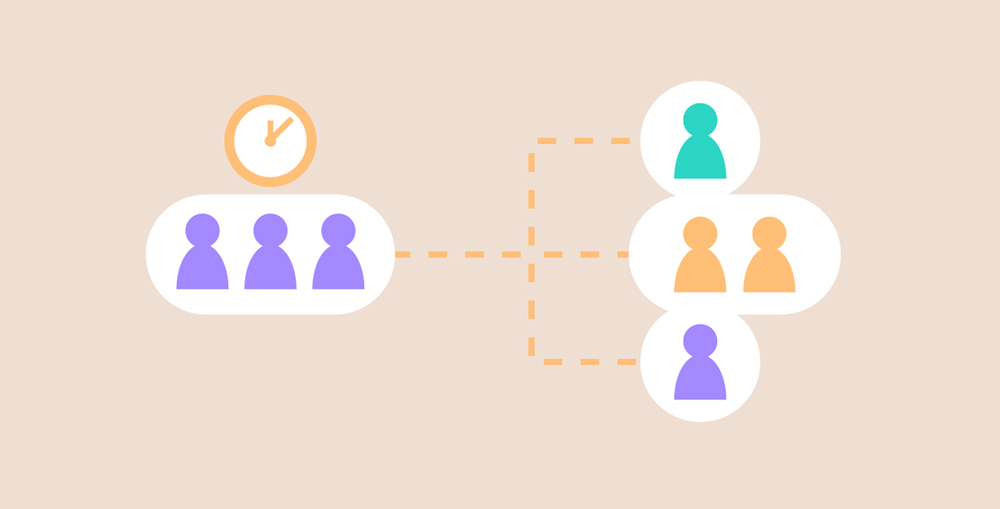
The customer experience is the perception a customer made of your brand as a whole on the bases of their interactions at different stages of customer journey, including pre-purchase, purchasing process and post-purchase interactions. The customer experience is also referred to as CX and usually businesses have a dedicated CX manager who is responsible for maintaining and enhancing the customer experience across all customer facing channels. When it comes to the business website the customer experience become even more important, as in case of a website-based interaction there is no sales staff or any other employee to advocate about your brand, products, services or such stuff.

In fact your website is the only tool that you can use to address all problems and fulfill all needs of the customers in order to encourage them to take whatever action you want them to take and convert. A website conversion is a specific and most beneficial action that you want your customers to take when they land on your website, it is usually making an online purchase or filling in a contact form which is also known as a lead form. Businesses in Dubai and all around the UAE focus a lot on their corporate websites and their online brand image. As the majority of the customers tend to look up in the internet about the product/service or business before making a decision, this makes your corporate website even more important.

See Also: A Complete Guide to High-Converting Web Development

How Customer Experience Help Boosting Website Conversions?
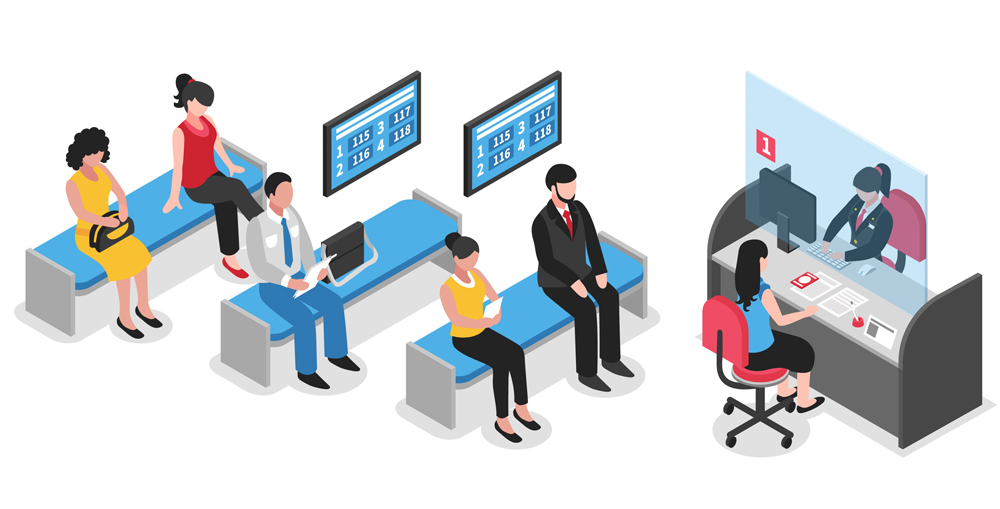
A great and satisfactory customer experience help you converting more visitors into customers or leads. Whereas a poor or below average customer experience will not only reduce your sales but it will also negatively impact your brand image and brand reputation. Here in Dubai and all around the UAE the competition is very high, a customer can find hundreds of businesses by a few taps on their smartphone, it is extremely important to stand out of the crowd and build a strong online presence. Where businesses invest heavily in customer experience and customer satisfaction solutions, they often doesn’t pay much attention to their corporate websites unless you are selling online via e-Commerce. In reality these day’s most of the customers search in Google to find out about a brand or product/service before contacting the sales rep.

So, for most of your potential customers your website would be the first touch point. That is why it will help you set up your business’s first impression. As the saying goes ‘first impression is the last impression’ it is pretty much true, the first impression has huge influence on customer’s perception, and it is extremely difficult to revert its impact. That is why you must have to have a positive first impression. The websites who succeed in making delivering satisfactory experience are tend to have more sales and conversions. In this blog we will discuss how customer experience can help boosting your website conversions and setting up a positive first impression.

See Also: How a Better Web Development can Help Increasing Leads and Sales in Dubai, UAE?

How Customer Experience Help Boosting Website Conversions?
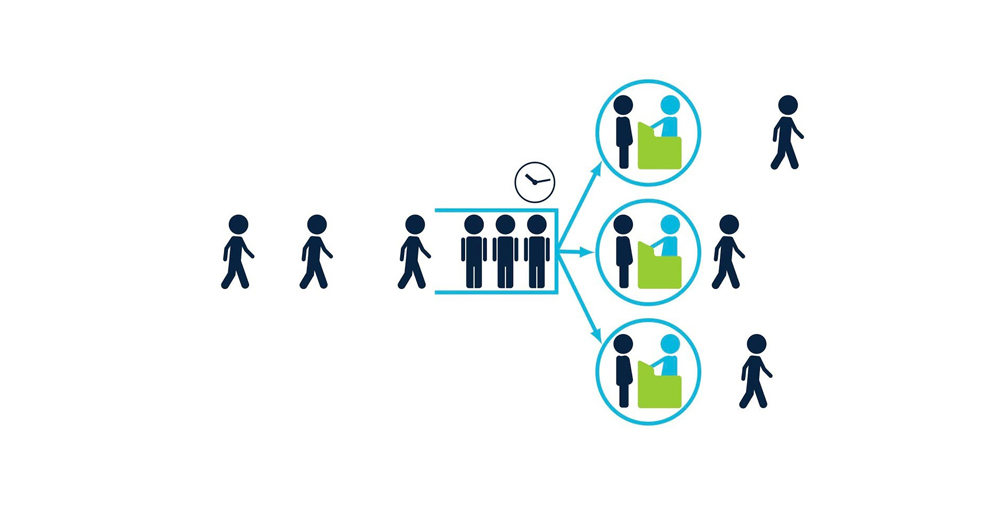
Good Customer Experience: Engaging Content

A good customer experience ensures the customers and visitors can have easy access to the information on the website. However, will be landing on your website must be seeking some information. No one will search for something, click on a link in the search and directly make a purchase or fill in the form. The customers need to consume some information and then they will make up their mind. That is why easy access to information is crucial for customer experience and if your website is providing quick and easy access to the information your conversion rate will rise. Businesses often made a very common mistake, which is to publish a lot of content, images, videos and graphics, however, in reality if a page is too dense most people will get confused or get bored.

So, your website should be able to communicate the brand message, the value proposition and the important key points that are necessary to take a decision. Avoid describing everything in details and writing long essays, in fact the bullet points are more effective than a three or four paragraph essay. That is why it is crucial to provide to the point, easy-to-understand and short content on your website along with graphics, visuals, picture and videos to maximize the customer engagements. Offering engaging content is the best way to boost your website conversions.

See Also: Redefining Queue Management: How to Enhance the Customer Experience

Good Customer Experience: Engaging Content

Good Customer Experience: Accessibility and Intuitive UI

A good customer experience starts with easy accessibility and intuitive UI (user interface). In fact the UI and UX (user experience)/CX (customer experience) are closely related to each other. Most of the websites lack sufficient accessibility features. The prime goal of accessibility is to make your website and content accessible for all types of users, this is not only limited to the most common accessibility options, such as screen readers, font size adjusting, magnifiers, color scheme selector and responsiveness. But it also expands to the content and media you are publishing on your website and how easy and accessible that content is. Furthermore the accessibility also includes the information structure the navigation and accessing to the features that your website is offering.

This all has to be designed by keeping the customer in mind. When we talk about customers there are different types of customers, different types of products/services a business is offering and different demographics and much more. Businesses utilize this data to define different customer personas. Any customer persona consists of the customers or groups of customers who tend to behave in a same manners and have almost similar needs. Different customers have different level of understanding, some can easily consume technical content and some might be unable to grasp it.

See Also: What is CXM (Customer Experience Management)?

Good Customer Experience: Accessibility and Intuitive UI

Similarly your website navigation, UI, features and all other details would be perceived differently, that is why when designing all these things, you must consider the minimum difficulty level, you must consider the customer persona with minimum understanding, and prepare content and web design for them. The easy accessibility and intuitive UI significantly improve the customer experience all allow them to absorb your content/information and navigate easily at your website which can significantly increase the chances of conversion. It is important to understand that whoever will be landing on your website will be seeking information initially, later on they might want to purchase your product or fill in the lead form to share their contact details.

All these steps should be easy-to-access and the web design and other elements of the web page should guide your user to the next step of the customer journey. Because too long or too complex customer journey will increase customer churn rate. The customer churn is the customers who have a desire to purchase or convert but leave half-way through because of any inconvenient. This inconvenient could be due to complex UI, difficult content, complex navigation or too much distractions on the web page. Hence the customer journey should be short and easy which will help you boosting your website conversions.

See Also: Queue Management in Banking: Enhancing Customer Experience

Good Customer Experience: Accessibility and Intuitive UI

Good Customer Experience: Trust Markers

For any website, the trust markers are very important. A business website is a doorway for most of your audience. For most of the customers your website would be the first interaction with your brand. That is why it is extremely crucial to gain their trust. According to several studies, 40% to 50% of the customers judge a business’s credibility on the bases of its website. If they found your website good they will immediately form a positive brand image and vice versa. There are several factors that contributes to make a business website trust worthy, however, the trust markers are considered to be the most important.

Because these trust markers will be viewed and considered the most by the majority of your website visitors. There are a tons of trust markers and signals that our human brain consider either consciously or subconsciously, such as:

  • The page load speed, domain name, SLS Certificate, etc.
  • The professional web design and aesthetics
  • Page navigation, content and media
  • Information about the brand and the product/service
  • Contact details, address and location, etc.
  • Client Testimonials, Ratings, Social Proofs
  • Case Studies, Press Releases, Blogs, etc.
  • Client, Partners and Supplier’s Logos
  • Portfolio and Sample of Work
  • Product Rating, Purchase Stats, Views, etc.
  • Industry Association, Awards, Certificates, etc.
  • Dedicated Policy, Terms & Conditions, FAQs Pages, etc.
  • Trust Seals, Security Badges and Privacy Protection Icons, etc.
  • Google Business and Google Maps Listing
  • Social Media Accounts’ Links/Icons
  • Customer Help Center, Call Center, Live Chat, etc.

There are still penalty of others. These trust markers are very important in building trust which improves customer experience. Most of the time customers look up for these indicators. The trust markers, trust signals or trust badges/seals can greatly inspire confidence and help businesses gain trust. The trust markers also give your website a professional look and feel and help increasing conversion rate. People tent to incline towards website with trust markers even if they unable to understand some information they will prefer a website with trust marker over a website without trust markers at which they have understood everything. That is why the trust markers are very important for customer experience which help businesses boost website conversions and generate more leads.

See Also: Understanding Customer Sentiments by Implementing a Modern Customer Feedback System

Good Customer Experience: Trust Markers

Good Customer Experience: Customer Service

The customer service is one of the most important aspect of customer experience. A good customer service and support will always result in more conversions. When a customer lands on your website, they consume information, then they move on to the next step or making a purchase of filling in a contact form. However, most of the customers have queries and concerns which they want to address before moving on to the next step. For that they usually look up for the contact details or customer service center details. Most of the time people tend to avoid calling customer service as they usually have to wait for a long time to get to a sales rep. According to several studies more than 55% of the customers will convert if the business could answer to their queries within one minute.

That is why integrating a live chat within your website can be extremely helpful in enhancing customer experience and boosting your website conversions. When you are available to respond to your customers when they needed you the most can help you gain their trust. The live chat is not as that difficult, even startups, small and medium size enterprises (SMEs) can also utilize it. It will help you assist your customers and website visitors in real-time. Obviously in Dubai and everywhere in UAE the most of such enquiries are made during the working hours, especially for B2B businesses all such enquiries are made during the working hours, it is easier for small and medium size businesses to spare a staff for the live chat.

See Also: The Impact of Self-Service Kiosks on Business Efficiency

Good Customer Experience: Customer Service

The live chat not only improve customer experience but it can also significantly improve the customer happiness and customer satisfaction. According to several studies, businesses who have implement a live chat at their corporate website witness up to 30% growth in their customer happiness and almost half of the cost reduction in their customer care expenses. Quickly answering to customers’ concerns and questions not only increase conversion rate but also help improving brand image and reputation. The customer engagement and good experience help increasing customer loyalty and help increasing their lifetime value (CLTV). The higher customer lifetime value (CLTV) is a great indicator for long-term growth and success. Furthermore the websites with live chat also witness higher customer return rate.

Apart from live chat you can also integrate chat bots. The chat bots are excellent for the customer support and help businesses reach out to a wider audience. It is when your customer service or sale staff is engaged already, or it is off hours, or peak hours, and a customer needs a support. The chat bots are very capable tools, they can answer most of the simple queries and usually there are certain queries which are more common than the others, these simple queries can be pre-configured in your chat bots, however, for more complex queries you can divert them to your customer service center. Hence a combination of live chat with chat bots could be great to enhance your customer experience and to boost your website conversions.

See Also: Increase Customer Engagements to Boost Sales

Good Customer Experience: Customer Service

Good Customer Experience: Responsive Website

The mobile phones have become an integral part of our daily lives, no matter what you do or where you live in the country, everyone has a mobile phone, according to data almost 99% of UAE population owns mobile phone and almost similar percentage of population is also connected with the internet. Globally the mobile phones are responsible for 56% of the all internet traffic and in UAE it is slightly more at 60%. This made mobile phone extremely important for your marketing strategy. Obviously most of the businesses these days prefer to have a responsive website. However, a majority of businesses are not aware that the having a responsive web design or a mobile-friendly website is not just enough. There are a lot many things that you should consider while making your website response. First and foremost it is the compatibility with different smartphones, operating systems, web browsers and screen sizes.

There are so many different types and sizes of smartphone, thankfully we have only two major platform to deal with which are Google’s Android and Apple’s iOS, almost 98% of smartphones are built on these two platforms. Secondly it is the customer experience and consistency in both desktop and mobile versions. The mobile version should also give the look and feel of the desktop version, all the content, buttons and any other details should be the same. Furthermore the user navigation and reachability during one-hand operation is important. That is why just making your website able to rearrange itself according to the screen size is not enough, you will have to offer a satisfactory and consistent customer experience which will help you boosting your conversions.

See Also: Touch Less Customer Experience, Use the RSI Queue Management System

Good Customer Experience: Responsive Website

Conclusion

Your corporate website is not just an online company profile or brochure but it is the foundation of your online and digital marketing efforts to expand and grow your business. Your corporate website will enhance your online presence and will help you establish a brand identity in the online world. Here in Dubai and all around the UAE the internet penetration is at 99%, which is significant. The easy access to internet, technological advancement of smartphone and rise of social media have changed several market trends. One of the most important market trend for businesses is the changed user behavior, now a days an average customer will first search about the products/services or business they need, and then they will decide to get in touch with the brand.

In most of the cases your corporate website would be the very first interaction of your customers with your brand. Hence it is crucial to set up a great first impression and give them what they want to build the relationship with them. The website conversions can generate a significant amount of revenue for the business. According to several global studies an average customer is willing to pay extra if they will get a better experience. Obviously different industries have different stats but in general almost 86% of the customers showed willingness to pay extra if they will be getting a good customer experience. That is what make customer experience most important.

There are many things that you can do to improve customer experience, the most important thing is to think from your customer’s perspective. Do some research, divide your customers in different personas and then identify the most important personas for your business, these should be the one who are generating most of the business. Then align your content, pictures, videos, multimedia and even the design according to your targeted audience. There are a few basic things that you must consider, such as simplicity is always the best policy, not always in the design, but in the content it is always the best way to maximize customer engagement.

Moreover you can improve your website’s navigation, UI, and visuals. Adding trust markers, customer endorsements, and customer service details will be great idea. Furthermore making your website responsive is essential to maximize the customer satisfaction. Happy and satisfied customers are more likely to convert. If you want to learn more about the subject or if you want our help to revamp your website to make it more customer-friendly and high-converting, please feel free to contact us through our Contact Us page or leave a comment in the comment box below and we will get in touch with you soon.

See Also: 5 Performance Management Problems and How to Solve Them

See Also: Why should you choose RSI Concepts for Web Design in Dubai and Sharjah?


How to Avoid Long Queues at Your Events

How to Avoid Long Queues at Your Events

Dubai and in fact the entire UAE is a very vibrant and dynamic marketplace. The country is a center of all business activities in the region. Businesses and organizations are organizing several events, exhibitions, seminars and gatherings for networking, promotional and awareness purposes. It is very common to see long waiting lines outside these event venues, no attendee want to spend most of their time waiting in the long queues. This will ruin their experience, it will make them unhappy, and it will cause frustration. This led to unhappiness and also increase churn rate, which means that the longer the waiting time is more customers will abandoned the queues and will leave without attending the event.

It also have other repercussions, such as it will annoy your visitors and customers, they will fail to participate or focus on the event at least for the first few minutes, in the worst case they will give you negative rating by any channel which is easily accessible to them. If you are collecting post-event feedback, you will get more negative comments and rating. Furthermore the unhappy visitors can also publish something over their social media and they can cause negative or bad publicity for you which could repel more people in attending your events in future and so on.

See Also: From Chaos to Control: How Queue Management Systems Can Improve Your Business

How to Avoid Long Queues at Your Events

The negative impact of long waiting on customer experience is long lasting, it not only make your customers unhappy, but it will also impact your reputation and brand image. The first impression is always important, and if it is waiting for long time in crowded areas with very little or no clear indication of how long your customers and visitors might have to wait, is not a good first impression. Businesses often spend huge resources and money on many facilities they are offering but do very little about managing the queues. In this blog we will discuss how a fairly smaller investment in a modern queue management system can completely eliminate this problem.

Queue Management System for Events

A queue management system is a technological solution for a business’s queuing needs. There are a variety of different queue management systems available in the market, the best approach is to acquire a leading queue management system provider in Dubai, such as RSI Concepts and ask them to customize a queue management system according to your needs. There are ready-made solutions too, but they offer limited features and limited customization. Basically a queue management system is a combination of software and hardware components. The software is server side application with multiple clients who can interact with the system through intuitive UIs (user interfaces) and the hardware components vary from case to case.

See Also: What are the Different Types of Queue Management System?

Different businesses have different requirement, for example if you are hosting an event for the first time, you might be needing self-service event registration kiosks, ticket/pass dispensing self-service interactive kiosks, digital signage, etc. If you already have self-service even registration kiosks, you might need only a few more or you can integrate your existing kiosks with the system. That is the beauty of the customized software and applications, they are very flexible to integrate with other technologies which save a lot of efforts and time too.

These components will form a queue management system. In this blog we will discuss the key advantages and features of a queue management system that will help you managing your waiting lines for your events.

See Also: What are the Basic Components of Queue Management System?

Queue Management System for Events

Improve Customer Flow Through Event Registration Process

The biggest problem at an event’s entrance is the crowd formation and the major causes of crowd formation are poor queuing management and delays at registration counters. Usually all event organizers encourage their customers to register prior to the event via online or email/call, etc. Which could prevent them of spending time at registration counters. However, the registration counters are always present because they are needed. A majority of the visitors would definitely failed to complete the registration beforehand, hence they would be needing registration counter.

The manual registration counters are slower and cause several problems that is why most of the event organizers use interactive self-service registration kiosks. The self-service kiosks make the process quicker, eliminate the chances of errors, and improve customer experience. However, large footfall can cause congestion at those counters which passed on to the entrances and cause more queuing problems. A queue management system helps improving the registration process, you can directly integrate the registration forms within the queue management system or you can integrate a third-party registration management system with the queue management system.

See Also: Queue Management System Features you Need for Modern Queuing

Improve Customer Flow Through Event Registration Process

Usually the registration area is also the same area where the entrances are, hence it could cause double problem, people can get lost or confused, the queues can tangled with each other and make situation more chaotic. A queue management system on the other hand can streamline customer flow by allowing customers and visitors to sign-up for the queue first, then they can register and then using the same ticket number they can enter the venue, the ticket number can be assigned with a QR code or Barcode which can automate the customer flow. Furthermore the digital signage help customers and visitors to keep track of their turn in the queues and guide them through the entire process.

All this can be done fully autonomously without any help from the staff. This not only make process very efficient but it also help reducing the resource consumption of the process. The queue management system can automatically route the customers with integrated customer calling mechanisms through the digital signage and audio announcements. Each time a customer’s turn came they can go to the registration kiosk, scan their ticket and then fill in the form. The same ticket can be scanned on next steps to enter into the venue. This makes the process simple, automated and it significantly improve the customer flow.

See Also: Queue Management in Banking: Enhancing Customer Experience

Improve Customer Flow Through Event Registration Process

Integrate Virtual Queuing Features to Improve Customer Experience

The virtual queuing is one of the most modern form of digital queue management systems. It offers multiple remote channels to sign-up for the queues, enable businesses to minimize the customer wait time which help improving customer experience. There are many way to offer virtual queuing features, mostly the virtual queuing involves the online and digital channels. The business can integrate the customer portals, mobile phone application, exclusive registration pages, and many more digital channels to offer more convenience and ease. The customers can sign-up easily from any of the available option. When they will sing-up for the queue and do the registration process, they will be issued a ticket number or token number.

This e-ticket will contain the customers’/visitor’s number in the queue, and it will also provide a unique barcode or QR code which later serve as a gate pass for various steps. This also allow the visitors to utilize their smartphones or mobile devices to sign-up and register instead of waiting for the self-registration kiosks. The virtual queuing can be a great tool to minimize the wait time and manage the large influx at the entrances. Furthermore it can also help businesses to assign groups to different customers and visitors and let them enter as a group, in fact the entry could be individual but the customer call will call a range of the ticket numbers, which can also help speed up the process and reduce customer efforts and wait time.

Integrate Virtual Queuing Features to Improve Customer Experience

Easily Manage Disruptions and Increase Customer Happiness

Interruptions, blockage or halted customer flow is a common thing in events with large venues. Especially when there is a sitting arrangements, the staff is deployed inside the venues to guide everyone to their seats and so on. All this requires time, in order to prevent congestion inside, sometimes the staff stop the visitors at the entrances, there could be other problems too, such as a dispute or disagreement, most of the time people lost their passes and they stuck at the security, sometimes the security searches cause disruptions, in short there could be so many things that can cause unexpected disruptions or delay in the customer flow. The queue management system have capabilities to prevent crowd by announcing messages, to inform people about the situation.

The queue management system can also communicate with the customers and visitors who have used digital channels to sign-up for the queue. It is important to be transparent with your customers and visitors. Telling them the expected time to wait is not bad, it help them understand what is to be expected and prepare them for wait. However, the impact of these disruption can be reduced by rerouting customers to other entry points. The queue management system can do that automatically.

The queue management system collects data form all touch points, it has AI (artificial intelligence) based smart algorithms which are capable to taking decisions in real time which can significantly reduce the impact of disruptions and help improving customer experience by rerouting them and providing them live updates at their most convenient communication channel.

Easily Manage Disruptions and Increase Customer Happiness

Queue Management System Provides Business Intelligence Data which Improve Planning and Management

The queue management system provides in-depth business intelligence data. The data is collected from all touchpoints and also record historical system usage data which help the event organizing team to understand the customer behavior and flow and help them based their strategies upon concrete information and not on guessing work. The queue management system collects and store historical data from each and every touch point and throughout the customer journey. This data can help management understand the expected customer footfall and help them prepare themselves beforehand by allocating adequate resources and making plans for the registration and entrance areas which is the major cause of congestion and longer wait time.

The queue management system provides in-built data analytical and processing tools which can help management identify the trends and predict accurately the number of expected attendees. Obviously as all other registration channels are integrated with the queue management system so it can also provide the number of people who have already been registered and by comparing this data with the historical data, it is easier to estimate the total number of expected customers and visitors at any event.

Queue Management System Provides Business Intelligence Data which Improve Planning and Management


Furthermore there are always different types of customers and visitors, some are VIP or Premium Visitors, some are People with Special Needs, and some are different in many other ways, which require a different treatment and protocol. The managers can easily understand which type of user-group will show-up at what time with what numbers, and so on. This comparison will help management make a better policy and plan of actions for the event. In case of any interruption or delay the management can also view the live queuing data which can help them understand where and why the interruption happened, and help them resolving the problem more quickly.

It also help them understand how many people are in queue, and how to divert them to other moving queues to minimize the impact of the interruption. The management can also alert people who are on their way or are present at the reception area with multiple communication tools and channels. Which help them improving the customer experience as well as reducing the frustration caused by such unplanned interruptions and delays.

Queue Management System Provides Business Intelligence Data which Improve Planning and Management

Conclusion

Businesses in Dubai and all around the UAE are well aware of the importance of communication and engagement with their customers. Organizing and hosting events, exhibits, seminars, conferences and large meetings is a common theme for any business in the country. These events are used to promote brand and attract more customers. Whether you are B2B or a B2C business these events are vital for growth and brand image building. Apart from the benefits of hosting an event, the event organization and management is a double-edged sword for the organizing team.

If anything goes wrong it could seriously damage the brand image and will hurt the reputation. There are several things and several moving parts which need highly proactive team to manage everything. The biggest challenge is always to handle the crowd and manage the queues. Every business tries to register attendees beforehand however, there would always be a large number of attendees who will register through on-site registration counters or interactive self-service registration kiosks. Furthermore usually as the start time comes closer the footfall start rising very quickly.

Therefore a proper digital queue management system is required to help the staff in managing the large footfall and solving the queuing problems. In this blog we have discussed how a smart digital queue management system can be used to improve your customer experience at events. If you want to know more about the subject or if you want our help to provide you with a highly cost-effective queue management system and self-registration solutions, please feel free to contact us through our Contact Us page or leave a comment in the comment box below and we will get in touch with you soon.

See Also: Must have features of Queue Management System


A Complete Guide to High-Converting Web Development

Almost every business from every industry in Dubai or anywhere in UAE is having their corporate websites. The corporate website have transformed greatly over the time, earlier a business website was just an online brochure with basic information and company profile, etc. However, now a days’ the corporate websites have become a very capable communication tool. The digital marketing have already surpassed the conventional marketing and businesses are leveraging digital marketing tools to generate a huge part of their sales. In fact some businesses majorly rely on their digital marketing channels, especially the small and medium sized businesses in Dubai and all around the UAE heavily rely on digital marketing instead of utilizing the traditional marketing channels.

This is what makes digital marketing more important and for any digital marketing campaign your corporate website is the center-point, it is where all of your prospects from various different channels will converge and convert into a legit lead or a sale. With the rise of smartphones, social media, and intense integration of the technology in our daily lives, the growth in the digital channels is natural. Most of the consumers got influenced by the social media advertisements, the content marketing is considered to be the most effective approach for the B2B businesses and so on.

See Also: How Web Development can Help Enhancing Customer Experience

A Complete Guide to High-Converting Web Development

The consumers look up in the internet to find the best possible solution for their needs, and according to several studies a majority of the business-to-business customers have already completed their research before getting in touch with a sales rep, and most of that research is done via online means. All these indicators are highlighting the importance of a business website. When it comes to development of a corporate website, businesses often overlooked the fact that their corporate website can generate a huge number of sales and leads for them. Another common mistake that most of the businesses and marketers made is to put their different marketing tools and channels in silos, keep them isolated or establish very little connection between them.

However, your corporate website sits at the bottom of your digital marketing funnel, as it provides the content targeted towards your audience who is in decision making stage, hence your website will be able to communicate the value proposition and brand message effectively you will get more sales and conversions, else you will end up losing your customer to a competitor. That is what made your corporate website the most valuable and important asset in your digital marketing tool kit. The sale funnel consists of three parts the top, the middle and the bottom, and your website can effectively support you in all three stages along with other relevant tools.

In this blog we will discuss how a business can develop a high-converting website and how they can transform their existing corporate websites into a high-converting websites.

See Also: How a Better Web Development can Help Increasing Leads and Sales in Dubai, UAE?

A Complete Guide to High-Converting Web Development

High Converting Web Development: Apply Hick’s Law

The Hick’s law is named after a psychologist from Britain, Mr. William Edmund Hick, and the law states that the time that is taken by someone to make a decision is directly proportion to the number of options that are available to them at that moment. The Hick’s law is utilized by different businesses and individuals differently however, it is followed by the leading web development agencies all around the world. The main takeaway is that if you will provide more options to your visitors, then they will take more time to convert, and it will reduce their chances of conversion.

There is another similar study conducted by the two leading psychologists, Mr. Mark Lepper and Ms. Sheena Iyengar. The study concluded that when customers are provided with 24 varieties of product the interest was low, but when there were only 6 varieties were offered the interest was much higher so much so that the smaller varieties have 10 times higher purchase rate than the larger varieties racks.

The same principles are totally applicable when we deal with a corporate website. If you bombarded your visitors with tens of different options and a lot many links to click on they will eventually end up confused and entangled which will result in poor conversion and very low sales. However, if you limit the options for visitors to drift here and there, they will remain focus, and are more likely to follow the clues to take a desired customer journey and will more likely to convert into a legit lead or a sale.

See Also: Software vs Web Development – what is the difference?

High Converting Web Development: Apply Hick’s Law

A website consists of different pages where each page serves a different purpose. The homepage is the main page of a website, it contains pretty much everything that can tell your audience what you do, who you are and what value you can offer to them and so on. That is why the optimization of the homepage and internal pages is slightly different from one another. The very first thing that you can do to reduce the number of options for your visitors is to keep your menu items less, too many options in the main menu will distract your customer and they will eventually lose the interest. The Hick’s law doesn’t only applied to the main navigation, in fact it has to be followed throughout the entire web development, whether it is the rest of the homepage, internal pages, and even blogs or other pages.

The best way is to make your homepage more engaging, let say by using the full-screen welcome message with only one or two CTA (call to action) will help you encourage your visitors to scroll down the page to see more options. Similarly in products or services pages, you should focus the entire page on one subject and use only one CTA which will help your audience to take a quick decision and so on. The only thing that you should consider is to prioritize the actions that you want your visitors to perform on a web page and every page should be assigned with at least one primary objective and then it should be developed in a way to focus on that alone. This will help you simplify the user journey and it will also improve their experience.

See Also: Four Compelling Reasons Why Your Business Website Needs a Blog

High Converting Web Development: Apply Hick’s Law

High Converting Web Development: Apply the Rule of Thirds

The rule of thirds is a very popular photography theory, it means that dividing a photograph in thirds both vertically and horizontally and the four middle intersection points are of the highest strategic importance and can gain the maximum interest of the viewer. The rule of third is very popular among the web development experts in Dubai and all around the UAE in fact this principle is followed all around the world. According to the rule of thirds a web page should be visually divided into third (both vertically and horizontally) and the middle intersection points (four) are where you should place the strategically most important elements of the web page.

However, usually we noticed that important elements, whether content or graphics are not aligned with the center area. These center points are the major points of interest, whatever you will place in those places will get more attention from users. For conversion it is very important that you get attention and increase engagement, because when users will be focus on the important things, they will most likely absorb your content or message better and their chances of conversion will increase.

You can place your hero image or call to action button on these intersections to increase user engagement. Usually the upper left intersection is used to place heading or tagline, and the bottom left is used to place the CTA (call to action) and the right side is occupied by the hero image. That is one of the best strategy to maximize user’s interest.

See Also: Custom Software Development Progressive Web Apps – Beginner’s Guide

High Converting Web Development: Apply the Rule of Thirds

High Converting Web Development: Utilize Negative Space

When it comes to the web development the negative space on a web page is the space which doesn’t have any content, it is also referred to as white space. Whereas the positive space is the space where you put content and all other elements of the web page. Mostly the negative space or white space on a web page is taken as a problem, and often businesses thinks that it is a waste of precious real estate on a web page. However, that is not the case, if you utilize negative space intelligently you can significantly improve the customer experience and engagements. The negative space is essential for any web page, without it you can’t maintain the structure of a web page, although too much or too little negative space could be problematic.

The negative space is technical term it not only refers the space between larger design elements, but all the unused space is negative space such as space between smaller elements, space between the two paragraphs, and even the space between the letters is all taken as negative space, that is why it is essential for a web page. However, when we put too much space between the heading and the paragraph then it could look disconnected from the heading, and in that case it is truly a waste of precious real estate on the web page. However, the space that is required to form the structure of the content and design elements is necessary.

See Also: Web Design vs Web Development – What is the difference?

High Converting Web Development: Utilize Negative Space

The negative space is used to focus on the important content or call to action buttons, it is used to distinguish different sections of the web page and different design elements also require negative space between them. There are tons of different uses of the negative space in web development however, the best use is to make your web page more readable, and organized so the readers can easily scan the page and pay attention to the content or sections you want them to focus on. That is how the negative space can significantly improve the customer experience and customer journey which surely lead to higher conversions and sales.

Your background of the page or the section, your font type and size and even the font color all should be considered while putting negative space between them. For example, smaller fonts need more space between letters to make it more readable, and they need more line heights to looks better and smooth to our eyes. Larger fonts doesn’t require much inner-letter space or line height. So different design elements require different negative spaces that is why the negative spaces should be used intelligently to make your web page more readable and easy on eyes.

Similarly the menus, content widgets, links, paragraphs, images and videos need proper spacing, padding and margins in order to improve the aesthetics of your web page. That is the reason the negative space is very important for web development if you want to improve your conversion rate.

See Also: Top 5 CMS Platforms for Web Development in 2023

High Converting Web Development: Utilize Negative Space

High Converting Web Development: Follow the 8-Seconds Rule

Most of us don’t know that on an average the human attention span is just 8-seconds which is even less than the goldfish. It means that you should be able to capture your visitors’ attention before that time else you will lose them. The 8-second rule dictates that your web page must be able to engage a visitor within the 8 seconds else the chances are they will never engage and leave without converting. Thanks to the modern web development techniques you can easily engage your visitor within 8 second if you follow basic web development best practices.

Using a large tagline which offers value and solution of the problem can be a great start however, if you follow the Hick’s rule in placing that tagline and consider negative spacing rules, you can easily attract your visitors to your page. If they liked the heading, which is highly visible and readable, they will most likely to scroll down to absorb more content. Similarly the multi-media content or images can be placed strategically to focus on your CTA (call to action) to encourage your visitors to click on it and perform the action you want them to perform. The micro interaction which can be added by using simple web development techniques can do wonder.

More responsive and interactive web pages always gets higher engagement and conversions. The placement of the buttons, the hoover effects, the message on the buttons and using lead magnets will greatly help you to engage your customers and get their attention within 8-seconds. You can always have a look at your web pages from a customer’s prospective to improve engagements which will help you generate more leads and sales.

See Also: Website Development with leads management system

High Converting Web Development: Follow the 8-Seconds Rule

High Converting Web Development: Implement Gestalt Principle

The Gestalt Principles are developed by a well-reputed and respected psychologist, he not only developed these principles but he also done great work in providing the understanding of human brain’s perception of visual elements and impact of different objects on our perception. The Gestalt principle can be summarized as ‘the perception of a whole is different than the perception of its individual parts’. It is not only that, it also states that we human being perceived visual objects with similar characteristics differently when they are placed closer to each other. The importance of Gestalt principle is crucial in web development, as when we place similar objects and elements that communicate similar message then they should also look similar or at least they should share some characteristics that made them look similar.

This will help web developers to highlight certain sections of a web page that communicate a similar message and it also help them separate different sections from one another. Implementing the Gestalt principle at homepage is extremely important, and it is also very helpful in the inner pages. When we place similar object closer to each other and present them is a somewhat similar fashion our brain automatically reduce the white noise of the environment or background and start focusing on these objects which help increasing customer engagements and also result in better conversion rates.

See Also: Emerging Trends in Custom Software Development

High Converting Web Development: Implement Gestalt Principle

High Converting Web Development: Follow SEO Rules

The SEO or search engine optimization is extremely important for high-converting websites. The SEO friendly web development is a web development process that accounts all major SEO guidelines and standards. Basically there are no sets of rules for the SEO, it is just the guidelines, standards and best practices and usually we refer them to as SEO rules. The search engine optimization or SEO is a technique to align your website with the sets of instructions, requirements, limitations and standards of the search engine. Here in Dubai and anywhere else in UAE the most popular search engine is Google, according to several studies, the Google is the most dominate search engine of the country with having around 96% of the search market share.

All other search engines such as Yahoo, MSN, or any other follows the same instructions, standards or criterions. The web development methods, techniques and programing languages that are used to build a website are crucial for its SEO-friendliness. Usually an ordinary corporate website can generate up to 70% of its traffic from the search engines without spending a dime. This is called organic traffic, when someone searched about a product/service, problem, solutions, company, business, etc. the Google or any other search engine show them the relevant websites to their query on the search engine result page (SERP). In order to appear on the top links in that page you should make your website aligned with search engine standards and guidelines.

There are certain web development techniques that prevent search engine from reading the website content, hence these should be avoided at all cost. Furthermore there are some additional source codes that can be added on the website to make it more visible and readable for the search engine which help you gain higher ranks in the SERP page. High ranking websites in search engine tend to get more traffic which means you have more opportunities to increase your conversions and sales.

See Also: Customer Software Development: Why React JS is The Future of Frontend Development

High Converting Web Development: Follow SEO Rules

High Converting Web Development: Make it Responsive

The responsive means mobile compatibility or mobile-friendliness. A website is called responsive when it has capabilities to offer similar experience on different devices and platforms. There are multiple layers of compatibility such as different operating systems process website code differently, similarly different web browsers respond to different codes differently and most of the time a same browser on different operating system can behave differently. There are different platform such as Windows, MAC and Linux, then there is a wide range of web browsers, such as Google Chrome, Safari, Microsoft Edge, Mozilla, Opera, etc. Apart from there the website also have to be able to adjust itself as per different screen sizes. The regular desktop and laptops have limited number of screen sizes and resolutions which makes it easier to achieve responsiveness on them.

See Also: Website Design for Schools and Colleges

However, the smartphones are a little bit tricky. There are two major mobile phone platforms, Android and the Apple iOS. Then again the mobile users use different browsers, and above all there are tons of different screen sizes and resolutions that make responsiveness more complex. There are certain web development platforms that will allow easy integration of the features and programing algorithms in your website which are essential for a responsive website. These platforms will also allow you to achieve seamless compatibilities with almost all of the above mentioned variations of platforms and web browsers.

The websites which offer consistent experience on all compatible devices from where the user is accessing them, the chances of conversion increase. Moreover in Dubai and all around the UAE people tend to use smartphone for internet surfing, in fact the smartphone searches have already surpassed the regular desktop/laptop searches which is why if you will develop responsive website you have will get more opportunities and traffic to your website, hence the chances of conversion also increase and you will get more conversions and sales.

See Also: How to choose the best web design company in Dubai?

High Converting Web Development: Make it Responsive

Conclusion

The corporate websites have become essential for a modern business. The corporate website is not just your online profile, but it is the foundation of your online identity and image. It is a very capable marketing tool which can help businesses in boosting their sales and conversions. Businesses in Dubai and all around the UAE realized that very well, however, not every business website is producing the expected or desired results for the businesses. This is due to the lack of understanding of the web development process and best practices. In order to build a high-converting website, you need to focus on many things. There are several factors which are important to transform an ordinary website into a highly-converting website.

In this blog we have listed some of the most important, effective and market proven methods which will help you maximize your website’s potential and make it a high-converting website. The web development is a technical work, most of the time the business owners or management is not familiar with these concepts. That is why we tried to explain them in simple and plain language. If you will implement these rules and guidelines to your website you can maximize your online conversions and sales. Your corporate website also plays a crucial role in establishing your online presence and brand identity in the online world.

That is why it is extremely important to have an excellent website. If you want to learn more about the subject or if you want our help to build you a high-converting business website, please feel free to contact us through our Contact Us page or leave a comment in the comment box below and we will get in touch with you soon.

See Also: Must have features of Queue Management System

See Also: Homepage design ideas and examples for your website in Dubai


5 Performance Management Problems and How to Solve Them

5 Performance Management Problems and How to Solve Them

The businesses in Dubai and all around the UAE are facing many challenges, especially when it comes to talent acquisition and retention. The HR is not only responsible for hiring skilled staff but they will also have to establish a system where they can nurture the relationship between the employees and the business. This system should be able to help HR and management to foster the hidden talent of their employees. This system will have to provide a framework which help businesses to laydown excellent training and development program which up lift their employees and help them identify the future leaders. This system is called performance management system.

The performance management process is becoming more complicated day by day. Here in Dubai and all around the UAE the high employee turnover rate is a very common problem. There are many factors that can contribute to that problem which is what makes its solution more complex. That is why the HR leaders always emphasize on the use of a modern digital performance management system which help them laydown excellent plans, enable them to collect valuable performance data, improve the employee assessment practices, and help them build impactful training and development plans.

See Also: The Impact of Performance Management on Organizational Culture

5 Performance Management Problems and How to Solve Them

No matter how excellent your performance management process is or how great your plans are, you could still run into some really challenging situation, it is your response and capabilities to handle those challenges which will determine the success of your performance management program. A modern digital performance management system is a very capable and powerful tool which is used by the businesses and organizations to boost their employees’ performance, improve and groom their talent, increase their retention and engagement and maximize their outcome to succeed in achieving high-level goals and objectives.

However, when businesses and organizations failed to use this tool correctly they face a lot of problem, the problems which could complete derail their performance management efforts and could inflict significant damage to the growth and progress. The work environments, employees’ mindset, and business practices differs from country to country, here in Dubai and anywhere else in UAE the markets are very dynamic, the HR manager and business leaders need to be more active to increase employee engagements and productivity.

In this blog we will highlight the 5 most common performance management problems businesses are facing in Dubai and all around the UAE and we will also discuss how you can solve them with a modern performance management system. A modern performance management system enable businesses to adopt to best performance management practices and tailormade tools which help them to effectively focus on the areas of improvements.

See Also: Linking Performance Management to Business Outcomes

5 Performance Management Problems and How to Solve Them

Performance Management Problems: 1. Failure to Set and Communicate Clear Goals

Setting up goals and objectives for a performance management cycle is essential and everyone does that. However, most of the HR managers or business leaders failed to clearly define goals and their strategic objectives which is the root cause of several problems. When the goals and objectives are not clear or not communicated properly the employee will lose focus, direction and motivation to achieve those goals. If you don’t clearly know what is to be expected from you, how could you do that? That is why most of the performance management failures are caused by unclear goals and lack of communication.

It is extremely important to set clear, achievable and easy-to-understand goals and it is equally important to communicate them properly to your employees so they can have a clear sense of direction which will help them focus on their progress. Setting up clear goals and communicating them properly will help employee understand the expectations from them and will provide them a standard for the success hence they will know what the success will look like and what is the measure of the success and how their contribution will add up to the high-level organization goals and objectives.

See Also: Choosing a Performance Management System A Buyer’s Guide

Performance Management Problems: 1. Failure to Set and Communicate Clear Goals

A good performance management system offers a variety of in-built features along with customization abilities which enable businesses to easily set goals and communicate them with the individual employees. The performance management system also provide a clear understanding of the performance evaluation metrics and will help employees understand their progress in real-time. The success and performance metrics further simplify everything and set clear expectations which help employees align themselves with their goals and objectives. Any modern performance management system will offer OKRs (objectives and key results) and KPIs (key performance indicators) to set clear goals and also set metrics to measure the progress toward these goals.

The SMART framework is ideal for setting up goals and performance metrics. The SMART Goals stands for Specific, Measurable, Achievable/Attainable, Relevant/Results, and Time-bound. Every goal should be time-bound, without a measure of time there is no point in setting up a goal. The performance of each employee should be evaluated as per their progress during a specific time period. That time-period is usually called performance cycle, which will help employee understand what is to be expected from them and when so they can prepare themselves to achieve those specific tasks during the given time period. That is why a digital performance management system is a great solution to fix this problem.

See Also: How to Design a Modern Performance Management System?

Performance Management Problems: 1. Failure to Set and Communicate Clear Goals

Performance Management Problems:2. Poor Communication

The communication is considered to be the lifeblood of any corporate environment, whether it is performance management or any other process, the communication is an absolute essential for everything. Without good communication businesses can never utilize their resources at full potential, the performance management process in particular is designed to break down the silos and to encourage engagement between employees, different teams, departments and management as well.

The poor communication can create a lot of problems and it can have huge negative impact on the overall performance of the business or organization. There could be many reasons of poor communication and many factors that can undermine your communication, here are some of the most common factors which have huge impact on your communication:

  • Poor communication network which is unable to deliver the required information to the relevant personals or team within time
  • Unproductive and unregulated meetings and discussion which ends-up going off-topic
  • Poor feedback framework which fails both managers and employees to deliver their concerns to one another or highlight the problems they are facing
  • Poor email communication which results in incorrect or lack of actions

The poor communication can have very negative impact on the employee performance management process, furthermore it also demoralize them, harm the relationship between employees and the managers, it hurt the trust and it gradually increase the employee turnover rate.

See Also: Data-Driven Decision Making in Performance Management

Performance Management Problems:2. Poor Communication

The poor communication is one of the most common cause of the poor performance, if this problem persists for a longer time, it could cause unrepairable harm to a business. That is why not only to achieve higher efficiency but in order to keep the operations running a business need to solve the poor communication problems. There are certain types of communication that are more important than the others. However, the management frequently utilized different channels to communicate with the employees on regular bases but certain communications are necessary to boost the performance.

Such as regular discussions, one-on-one meetings, regular bidirectional feedbacks, frequent performance reviews, and other such communication types which are associated with the performance management are a key to a successful performance management strategy. Implementation of a good performance strategy by deploying a modern digital performance management system and integration of a multi-channel communication framework within the work environment can solve almost all major communication problems.

Furthermore the businesses can implement strategies to make sure the written and verbal communication is delivered and understood by concerning parties. Reaching out to the employees, even if they are off-campus is essential for employee engagement. Personalized communication is also very important. The performance management system provides a comprehensive communication strategy which help solving all communication related problems.

See Also: Why Custom Performance Management System is more Effective?

Performance Management Problems:2. Poor Communication

Performance Management Problems: 3. Lack of Transparency and Trust

Another most common cause of failure of a performance management strategy is the failure to satisfy employees with the sufficient steps to ensure transparency in the system which is essential to gain employees’ trust. Without trust on the system the employee can never get motivated. There has been several studies and worldwide researches which have suggested a positive relationship between the trust and the employee performance. The problem with the traditional performance management practices is that there is no framework to ensure fully transparent evaluation and reviews.

Most of the time it the traditional performance management systems are designed for annual or biannual evaluation. This biggest problem with that system is that when the managers are evaluating an employee they might not be able to recall all of the events in the distant past, they might focus on the activities and achievements of the past few months. Furthermore the personal bias, favoritism and other factors also cause the lack of trust by the employees.

If an employee doesn’t trust on the business and their manager, the leadership and mentorship efforts goes straight out of the window. A leader or a mentor can only be a leader or mentor if the people he/she is leading will trust them. That is why the lack of transparency and trust is one of the most common cause of poor performance.

See Also: What is Continuous Performance Management? Complete Guide!

Performance Management Problems: 3. Lack of Transparency and Trust

The solution to that problem is to implement a modern and technology based performance management system which not only introduce transparency but also address the most common concerns of the employees and gain their trust. If the employee don’t trust of the system or if they are not aware of how the system is working and how they are being awarded or if the performance metrics are confusing the employee will lose the trust and they might not support the system. However, a performance management system which clarifies all these confusions and offers clarity and transparency in the system could help gaining employees trust.

Furthermore the digital performance management system also remove the most common problems with the traditional performance management system such as lack of understanding, poor communication, biased opinions and reviews, lack of performance data and much more. This will help business leaders and HR to establish employee trust on the performance management system and process and encourage them to support it.

The dedicated features of the performance management system also improve the employee reviews and appraisal processes and make them more transparent which further strengthen the relationship between the employee and the managers. The digital performance management system transform the process into a proactive process rather a reactive process which help quickly addressing employee problems and concerns and raise their satisfaction.

See Also: The Risk of Poor Performance Management and How to identify it?

Performance Management Problems: 3. Lack of Transparency and Trust

Performance Management Problems: 4. Too Much Relying on Technology

Another common reason to fail in performance management is the ability of managers and leaders to understand that the technology alone is not the solution. We have witnessed in Dubai and all around the UAE the business leaders and the HR managers implement advanced technologies and software based performance management system and then expect that everything will improve automatically. However, that is not true. The performance management system is not just implementing a highly advanced and popular performance management system and not focusing on the right areas. The lack of strategy or poor performance management strategy can also result the same.

But most of the time is not the performance management software or tool that you have implemented but it is your inability to focus on the right areas and lack of integration of processes and technology in the organization’s work flows. The prime goal of the performance management is to ensure the growth and profitability however this can only be achieved by employees’ individual growth and development. The business leader most often doesn’t realize that the performance management system should be able to improve your workforce and help you identify the need for the new skills in future to get you prepared for coming challenges.

See Also: Employee Performance Management is a small part of Performance Management System

Performance Management Problems: 4. Too Much Relying on Technology

The technological advancements and innovation is definitely transforming the businesses and also the performance management systems. However, the technology is solely not the solution to your performance management problems. The HR managers and the business leaders should have to actively participate in the performance management process to ensure higher employee engagements and to lead employees to ensure higher success rate. The managers should understand that if they are failing to solve the problems or addressing the concerns that their sub-ordinates are reporting or having, then there is no point for these employees to help you out or to support you with higher goals.

That is why an active involvement of the management is essential for the success of the performance management strategy. Another most important point to consider while utilizing a digital performance management system is to ensure the performance data and information are regularly shared with the stakeholders. For example, generally all performance management systems allow employees to see the performance of their peers and other employees to encourage them to outperform the others.

Furthermore the self-assessment and your own performance data should be presented in an easy-to-understand format which will help you perform better in order to achieve your goals. Similarly there are tons of other features that a performance management system offers but it is the management who will determine if all those features are utilized to gain the benefits or not. So the technology alone is not the solution the performance management also needs full involvement of the management in the process.

See Also: Why Performance Management System is a Necessity for Companies in Dubai

Performance Management Problems: 4. Too Much Relying on Technology

Performance Management Problems: 5. Micromanagement

The micromanagement is one of the main concern of the modern workplaces. It is a culture that is being discouraged all around the world, but in reality every business or organization have to deal with it. The biggest problem with the micro-managers is that they firmly believe that they are doing the right thing for their employees, teams, and even the organization, however, in reality they are just harming the performance of the employees by demoralizing them and taking their confidence away.

The micromanagement causes a lot of problems as the micro-managers usually don’t focus on the macro level in fact they are completely occupied by the minute details and focus only on the very small issues and problems. They want to control or inspire each and every tiny action of their sub-ordinates and they want to get everything done in their own way, which they think is the only way to do a certain thing. It is this belief that led to a lot of problems and cause frustration and hopelessness among their sub-ordinates.

Furthermore when the employees are dealing with a micro-managers who doesn’t regard of their skills, experience and capabilities the feel worthless, they start suppressing their ideas which kills the innovation and creativity. They start focusing only on pleasing their manager no matter even if they will have to cheat the system or they will eventually rebel which result in higher turnover.

See Also: 5 Challenges to face if Performance Appraisal is not customized as per Organization’s Policies

Performance Management Problems: 5. Micromanagement

The problem with the micro-managers is that they think they are acting in the best interest of the organization, their this belief prevent them from trusting others as they always keep correcting others and start believing that no one else is loyal to the organization. This mindset can completely kill the relationship between the employee and the managers and it also harm employee loyalty. Another most common trait of a micro-manager is that they always need updates, they always try to check-in to know the progress and they always want to see the progress of the work.

These all problems can be solved by implementing a digital performance management system which not only provide real-time performance data to the managers and employees but it also provide a complete communication framework which reduce the unplanned follow ups and communication. Hence the employee gets the space they need to breath. They don’t get interrupted too often, they remain focused and their performance and progress is shared with the managers automatically.

Furthermore it will also help the micro-managers to focus only on the employees who are lacking or not doing so well. The fully structured and pre-planned performance discussions also prevent micro-managers to reduce interruption and let them focus on more important tasks. Furthermore the performance management system also help managers to understand the performance management process and improve their skills to conduct the regular performance management tasks and help improving the overall performance of both the employees and the managers.

See Also: Appraisal Methods in Performance Management System

Performance Management Problems: 5. Micromanagement

Conclusion

Businesses in Dubai and all around the UAE are eagerly adopting to modern technologies and solutions to maximize their operational capabilities and to gain a competitive edge which will help them to attract more customers. No matter how much you have invested in technology or modern solutions, if your employees are not up-to-the-mark then everything will be in vain. Businesses need to integrate a technology based performance management system and the HR and the business leader should invest their time and efforts in the performance management process in order to achieve the full benefits of the system.

In this blog we have addressed the 5 most common performance management problems and how you can solve them using a digital performance management system and a well-crafted performance strategy. The lack of trust and transparency, poor communication, unclear goals and objectives and difficult or confusing performance management processes will undermine your performance management efforts. That is why it important that the HR managers and the business leaders doesn’t only rely on the technology but also put sufficient efforts to it.

Businesses who have properly implemented performance management systems have witnessed huge improvements in their outcomes, productivity, and profitability. A performance management is a long term success strategy, it help businesses retain the required talent and develop their employees and an organizational culture to unlock the true potential of their workforce and resources.

RSI Concepts is a leading performance management system provider in Dubai, UAE. If you want to learn more about the subject or if you want our help to design a customized performance management system for your organization, please feel free to contact us through our Contact Us page or leave a comment in the comment box below and we will get in touch with you soon.

See Also: Increase Customer Engagements to Boost Sales

See Also: Performance Appraisal System for the HR Department