
BLOG OF RSI CONCEPTS

world map

Software vs Web Development – what is the difference?

Software vs Web Development - what is the difference?

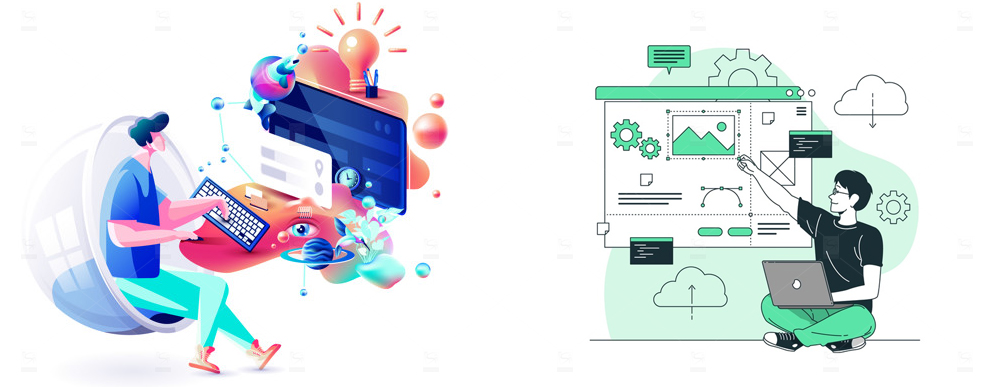
From a developer perspective, Software Development and Web Development seem almost similar but there is a huge difference when it comes to the user of the application and the needs of the business. Technology has been changing businesses, markets, customers, and whatever comes its the way. Especially in Dubai, UAE the technology is more integrated into our professional and personal daily life. Generally, for a non-technical person, the technology is quite confusing and difficult to understand however with the development of new technologies and so many latest innovation a person who is operating in one sector of the technology might be completely unfamiliar with the other sector(s) of the industry.

The same is the case with software development and web development, often people who work within the industry or closely with the industry are aware of the differences between the two, for the rest of us, both look the same! The main thing why for a casual person the software development and web development look the same is because in both there is a lot of programming and coding is involved, so people often think both would be the same. However, software development requires a completely different skill set, knowledge and requires completely different programming languages than that of a website. In this blog, we will discuss software development and web development in detail.

What is Software Development?

What is Software Development?

Software development is developing a computer program that is intended to run on a certain platform/machine and is expected to return certain results or perform certain tasks. There are tons of software we daily use either directly or indirectly. For example the Outlook we use to check email or Photoshop for editing family photos, or even a media player on our laptop is computer software. Smartphone applications such as Instagram, Snapchat, and WhatsApp are software. However, web apps such as Facebook, Google, etc. are websites.

Who are Software Developers?

The software developer are IT professional who possess certain technical skills which enable them to write source code to build software. The software developers produce tools for desktop computers and laptops, they build smartphone applications and games for different platforms and consoles.

What Skills are required to develop Software?

There are certain skills that are required from a software developer. The educational background should be in IT and then the software developers can choose various subjects to direct their career to a particular field such as software development or web development. Here are a few important skills that a software developer should have:

  1. Data Structure
  2. Programming Languages
  3. Critical Thinking
  4. Problem Solving
  5. Relevant Technical Skills (Tools and Techniques)
  6. Security

These are just some general skills a software developer must-have.

How Software are Developed?

There is a basic software development method. This starts with identifying the need for the software, this is the very basic thing, why do we need software? Once the objective and expectations of the software are defined, then the next step is to select the appropriate technology for the software and define the platforms where the software can be used. Here is a short summary of the software development process:

  1. Identify the Problem and Need
  2. Define the Objectives and Expectations
  3. Choose Technology
  4. Software Development
  5. Testing (on all compatible platforms)
  6. Launch/Deployment

This is the basic process of software development. There could be more intermediary processes, but overall the process is the same. The software is developed for different platforms, different environments, and different applications. For example, some software is developed for only PCs and Laptops, some are developed for servers, some are developed for electronics devices, some for special purpose computers and servers and so many more. There are tons of software applications, ranging from our refrigerator to electric cars and everything in between. The software is covering almost and every aspect of our lives.

What is Web Development?

What is Web Development?

Web development is basically just developing websites. It may also involve small web apps or interactive tools, but majorly the focus in web development is to achieve certain objectives by providing interaction to the user. These days the websites are considered a necessity for any business or organization. ECommerce is also gaining popularity, the consumers are turning towards the internet. Large enterprises and businesses are providing digitalizing their services and mostly providing their services through websites. For example, there are a lot many government ministries that are offering services online through websites and mobile apps, the healthcare, the real estate, and hospitality industry are also taking advantage of the website revolution.

See More:  How to Turn Website into a Lead Generation Machine 

Who are Web Developers?

Web developers are a group of professionals having a variety of skills and experience in different fields that combined to form a website experience. The web developer develops websites for businesses and organizations with different needs and requirements, for example, online appointment booking, customer portal, online registration, etc.

What Skills are required to develop a Website?

Web developers are generally a team or a bunch of people who everyone possesses different skills, and everyone is responsible for a different aspect of the website. The graphics and user interface designs require different technical background and skills, the programing and source code requires an entirely different set of skills and expertise. Usually, a professional web developer is well-versed with both types of skills and can handle the entire website single-handedly. But for medium size or larger websites, only specialized personals should do the respective work. Here are a few skills that are a must for a web developer:

  1. Marketing and Analytical Skills
  2. UX/UI Designing
  3. Graphics Designing
  4. Programming Languages
  5. Relevant Technical Skills (Tools and Techniques)
  6. Security

These are just a few important skills that a web developer should have to be able to develop websites.

See More: New website of Ajman Bank by RSI Concepts

How Websites are developed?

Web development is a simple and very straightforward process. It starts like any other IT project with a brief requirement gathering. Once the project scope is defined and the website’s basic information is collected, then a wireframe is being provided to the customer. The wireframe is basically the blueprint of the website, and then the full-on development begins. The web development process consists of different steps here is a list of the steps generally followed in the web development industry in Dubai, UAE:

  1. Requirement Gathering
  2. Define Website Scope
    1. Compatible Devices (Laptops, Smartphones, Web Browsers, etc)
    2. Compatible Languages (English, Arabic, etc)
    3. Static or Dynamic
  3. Web Designing Phase
    1. Wireframe
    2. Mockups
    3. Design (Ux/Ui)
  4. Web Development Phase
  5. Testing
  6. Launch

These are the steps of a basic web development project execution. There are many other intermediary steps and phases which depend on the scope and magnitude of the website. The websites are developed for different objectives and purposes. Mainly the objective is the marketing and online presence. The websites are also made for other purposes such as for customers, or for students, or for information, etc. There are hundreds of different types and categories of websites are there. No matter what kind of website it is the basic process is the same as I have mentioned above.

See More: Why a Website is the First Impression of a Company?

The Difference between Software Development & Web Development!

The Difference between Software Development & Web Development!

The major difference between software development and web development is that both are entirely different technologies, with different objectives and completely different audiences or users. The websites are for the masses and are a good communication tool. Businesses and organizations can utilize websites to communicate with their audiences, however, the software is not for communication but they are to perform certain tasks. The websites are mostly a public domain while the software could be private, exclusive, and personalized and are used to improve the efficiency and productivity of business processes and routine tasks.

For example, a queue management system is used to streamline the customer flow, and HRMS (human resource management system) is used to improve HR department, production management tools, accounting software, and many more have different applications and are used for different objectives.

See More : Website Design for Schools and Colleges

Why People Often Think Software and Web Development are same?

Why People Often Think Software and Web Development are same?

Well, most of the time a casual person thinks that software development and web development both are the same things. But that is not true, although there are some similarities, for example, both require programming and coding, both require interactive graphics and user interfaces, etc. But in terms of technology both are totally different. One can say there are certain occasions or scenarios when software development and web development intersect each other. For example, there are tons of corporate and business software that provide a web-based user interface, which means the user can interact and operate this software through a web interface via a web browser like they are browsing a normal website.

Similarly, there is a certain website that provides online software and such apps that allow a user to perform a software function via a web browser through a web interface. The web interface is basically a website, but in the backend different software are operating and different processes are going on. That is why for a causal person the differentiation between software development and web development is not easy.

See More: Importance of Custom Software Development in Dubai

Software Development, Web Development, Cloud, and IoT!

Software Development, Web Development, Cloud, and IoT!

Cloud is what even further lightens the line dividing the software development and web development. As the cloud is capable of providing a lot many tools, software, and application through a web-based interface which further confuses ordinary people to think the websites and software development are the same. But the huge difference is that software development is not only limited to general applications and business tools, in fact, but those are also just a small part of the entire software development industry.

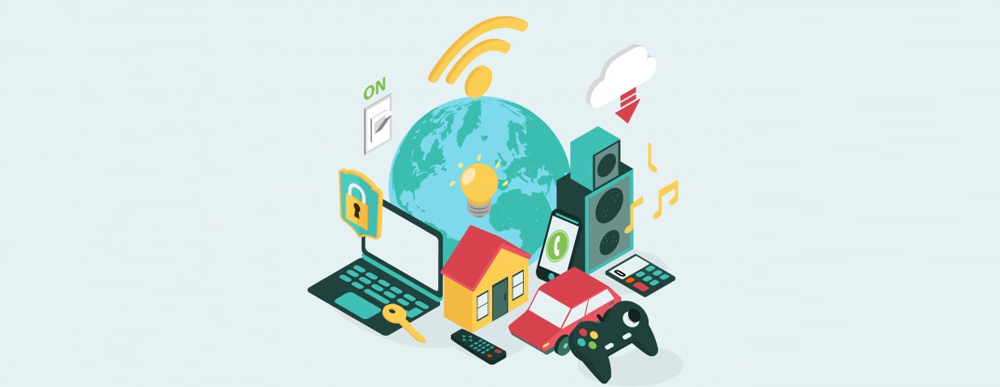
For example, the software is everywhere, wherever a microchip is used, or a digital function is used there is software running behind. With the advancements and progress in the field of IoT (Internet of Things), we will further notice smart gadgets and home appliances that all would be running on some kind of software, even the wristwatch you might be wearing right now contains a tiny computer and a tiny software in it. That is how big the software development industry is and that is how it dominates the web development industry.

See More: What should I have on my website of an interior design company?

Conclusion

Software development and web development are completely different from each other. The software developers and the web developers are required to have different skills and different expertise. The software development and the web development processes are majorly different than each other. The application and objectives are different. For example, the websites are mainly for marketing purposes and to offer digital services and online services. However, the software is for entirely different audiences and for different applications. The software development industry is very huge compared to the web development industry. The software is being used everywhere, from our wristwatch to electric cars and satellites everything is running on software. Businesses and enterprises are heavily relying on customized software solutions these days.

Although both are entirely different but still most of the time a casual person might think that software development and web development are the same. It is due to the fact that mostly the corporate tools and the commercial solutions that we use on daily basis are interacting using a web-based user interface that is being accessed from a web browser which is why for most ordinary person a software might also look similar to a website. RSI Concepts is a professional custom software development agency in Dubai and we are also offering premium web design Dubai services for more than a decade now. If you need a quote or want to discuss or consult with us, please feel free to reach us out through our Contact Us page or leave a comment in the comment box below.

Check out this: What is the Difference in Website Design and Development?


Customer Experience Improvement with Mobile Queue Management System

Customer Experience Improvement with Mobile Queue Management System

Can customer journey be improved with Mobile Queue Management System? Yes, of course, it can! Whenever a business or organization is getting customers and visitors to their premises, the very first challenge arises is to manage the customer flow and the queue. The next and even bigger challenge is to provide an excellent customer experience to attain maximum customer satisfaction. Earlier the queues were managed manually, the customer flow was poorly controlled hence causes a lot many issues. The wait time was too much, the customers were not happy and even sometimes the customers and visitors could get annoyed enough to leave the queue without being getting the service. This entire scenario was responsible for a huge chunk of loss.

However, with the rise of digital queuing solutions, all those problems are solved. A queue management system not just solve the problems, it is capable of improving the entire business process along with providing a facility to monitor different variables of the entire business process and collect valuable business intelligence which could later help the businesses and organizations to make improvements and plan a better strategy.

The queue management systems are a great way to tackle a lot of routine problems a business faces. For the customers to it is a very unpleasant exercise to wait in long queues to get a service. The wait time has a very negative impact on the mood and emotions of the customers or visitors. This effect can be monitored and measured at the counter during the service delivery. Most of the time when a customer is already unhappy for waiting for too long in unmanaged queues, they are also less cooperative and less understanding to the agents. However, when a customer is coming immediately or after a few minutes of waiting they appear very happy, more cooperative with the agents and server staff, and more understanding.

Customer happiness plays a vital role in business growth and success. As the smartphone has become a very important part of our daily life, so businesses have started utilizing mobile phones and mobile applications-based solutions for better communications and services. Hence a mobile queue management system has been introduced. The mobile queue management system involves mobile phones to offer certain services in a certain way which significantly improves customer experience and customer journey.

See Also: From Chaos to Control: How Queue Management Systems Can Improve Your Business

What is a Mobile Queue Management System?

What is a Mobile Queue Management System?

Before we start talking about the impact of the mobile queue management system on customer experience and customer journey it is important to understand what is a Mobile Queue Management System? A simple definition is that a queue management system that allows interaction through smartphone apps or mobile devices by any means. A mobile queue management system includes a standard queue management system with some advanced features to support mobile queuing.

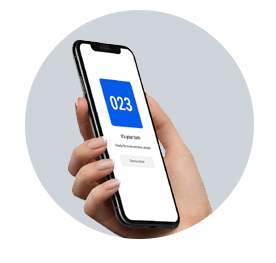
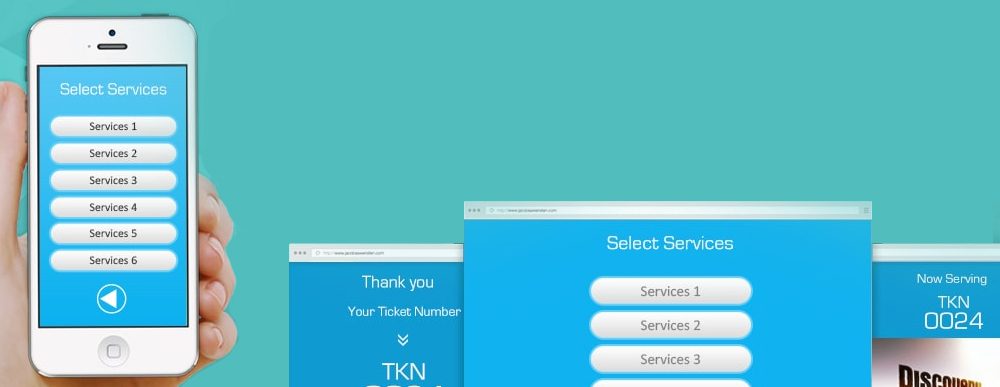
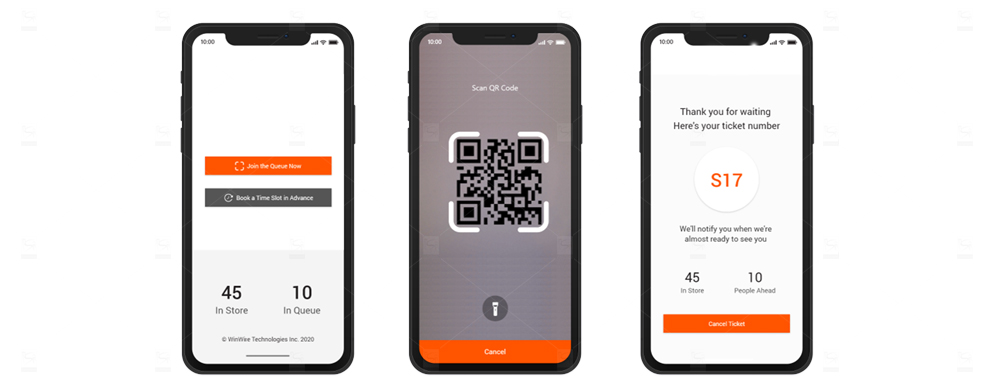
Mobile queuing usually involves Smartphone Applications, QR codes, SMS, etc. The customer can sign-up remotely from anywhere and should arrive at the office or branch at the time of their turn. The customers and visitors can also be notified about their turn, or status of the ongoing queues, and much more. This is how the mobile queue management system works.

See Also: The Role of AI in Enhancing Queue Management Systems

How Mobile Queue Management System impacts Customer Experience?

How Mobile Queue Management System impacts Customer Experience?

The customer experience and customer journey is a very critical and crucial matter for a business. These days in Dubai, UAE when the competition is higher and the market trends are continuously changing, the importance of providing a great customer experience is at an all-time high. A good customer experience results in a great brand reputation and helps businesses in customer retention and significantly improve customer loyalty. One of the biggest contributors to the bad customer experience is the wait time, long wait time can completely negate all your other efforts to improve the customer experience.

That is why most businesses are pouring resources to reduce wait time. Efforts are also made to improve customer experience during the wait time to minimize the stress of waiting. However, the concept of completely eliminating the wait time was like a dream a few years ago. And now it is reality, the mobile queue management systems are not only capable of completely eliminate the in-premises wait time but they are also equipped with various tools to further enhance the customer experience and interaction with the brand.

See Also: Integrating AI Agents into Core Business Applications for Operational Excellence

These all aspects of customer experience can be significantly improved with the mobile queue management system:

Remote Sign-up

Remote Sign-up

With mobile queue management system allow your customers and visitors to sign-up for the queue even before arriving at the premises. This is a great feature to facilitate your customers, as most of the time someone is coming to an office or service center and they could get late due to traffic or any other reason and this could cause stress if remote sign-up is provided they could simply sign-up using the smartphone application without any worry of getting late or anything.

Reduce Wait Time

Reduce Wait Time

Wait time is the most important factor in customer experience. Longer wait time can hugely impact your customer experience. No one likes to wait for long to avail a service, no one is happily waiting in long queues. This is human nature, the first thing that we start experiencing while waiting is boredom, then we start getting annoyed, then irritated and even some customers can get angry as well. Which completely ruins the customer experience. With a mobile queue management system, the wait time can be literally reduced to zero. As the remote sign-up allows the customers and visitors to sign-up remotely so they can choose to arrive only when their turn came.

See Also: Implementing AI Agents for Seamless Customer Service Automation

Provide Real-time Updates

Provide Real-time Updates

The mobile queue management system’s smartphone application can provide real-time updates and status reports of the branch and queue activities along with customer’s estimated time to turn, etc. Another big advantage of mobile applications is that the customer can have a more personalized experience. All the information can be pushed in real-time. The accouchements and other communication are extremely easy for the management. The users feel very pleased by getting all the required information on their mobile screen, this improves the customer experience and customer journey.

See More : Benefits of Virtual Queue Management System

Instant Notification and Announcements

Instant Notification and Announcements

The mobile queue management system’s smartphone application can notify the customer via push notifications, alerts, emails, SMS, audio alerts, etc. The customer can get notifications for each and every customer flow for the last ten customers, or the customer can set a notification like 3 or 4 people prior to their turn, or even the customer can set notification around 30 minutes or 15 minutes or any time period prior to their estimated turn time. The customers can also set SMS alerts or email alerts or in-app notifications as per their convenience which further enhances the customer interaction with the business and improves their experience.

See More: Impacts of Queue Management System on Employee’s KPIs

Appointments & Bookings

Appointments & Bookings

The mobile queue management system provides a detailed statistical data console for the customer’s various forms to let them understand the branch footfall during certain days of the month or week or certain hours of the day. This data will allow the customers to set an appointment for the date and time of their convenience or request to book a visit at a certain time and date of their choice. This not only helps to facilitate the customers but the personalized experience is a great way to improve customer happiness and satisfaction.

See More: How Queue Management System Helps to Provide Better Customer Service

Branch Locator

Branch Locator

The branch locator is an excellent tool to improve customer experience with the mobile queue management system. The branch locator tool allows the customers and visitors to search for the nearest branches and offices to their location from the smartphone application. The application not only utilizes the location data to identify the nearest branch location but also allows the user a chance to compare the route to certain branches from their current location, as sometimes the nearest branch could be through the busiest routes and the next branch could be quicker to reach. This feature can greatly improve the customer experience.

See More: How a KPI Software can help provide better Customer Journey?

Customer Feedback

Customer Feedback

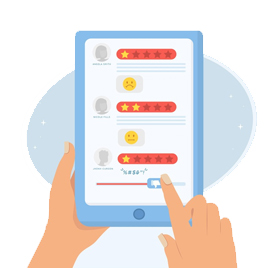
Customer Feedback is a great way to understand what your customers really need and what are their expectations from your brand. When a customer got service from your office or branch, they request to provide their feedback about their experience. It helps you understand the customer experience, customer journey, employee behavior, and much more. The request for customer feedback about their recent experience or visit to a brand help establishing a positive relationship as it gives an impression that the brand cares about their customers and is also eager to improve their experience.

See More: What are the Different Types of Queue Management System?

Targeted Communication

Targeted Communication

The mobile queue management system’s smartphone application can be utilized as a great platform for more personalized and targeted communication. The customers always expect from a brand that it will care about them and it will treat them as exclusive and important. The personalized communication and targeted marketing build an impression that the brand is exclusively sending these communications for you (customer), and it can really improve their experience and interaction with the brand. It also allows the brand to achieve specific marketing goals.

See More: How Queue Management System can benefit in shipping industry?

Mobile Queue Management System for Non-mobile Visitors

Mobile Queue Management System for Non-mobile Visitors

The mobile queue management system is very capable of handling the visitors and customers who are not coming from the smartphone applications or via mobile sign-up. The mobile queue management system seamlessly blends in all the customers and visitors from the mobile application or remote signup with the customers and visitors who are arriving directly to the branch. The priority and other parameters are completely controllable from the administrative dashboard. These features are designed to significantly improve the customer experience.

The digital customer flow management and other controls allow the management and staff to improve the customer flow management for the customers who are directly visiting the branch and don’t have any mobile ticket. The mobile queue management system seamlessly blends both mobile signups and non-mobile signups and manages the queue as per the predefined policies and processes. This maintains a great user experience for all the customers.

See More: Top 8 Benefits of Using Queue Management System

Conclusion

Mobile Queue Management System comes with remote sign-up, smartphone applications, and tons of other features. These features let businesses reduce the wait time and provide innovative facilities to their customers to improve customer experience. The mobile queue management system enables the customers and visitors to sign-up easily from their mobile apps or other convenient methods. The smartphone applications provide real-time updates and live data from the branch which shows all of the current queues and their stats, along with the estimated time to turn and other information that can help the customer to reduce the in-premises wait time to almost none.

The queue mobile application also comes with a branch locator which is a great feature to locate branches and compare the ongoing queues or traffic to find out the quickest route to the branch with less active queues. The appointment booking features help the customers and visitors to set an appointment at their convenience. The appointment booking module also provides helpful data and information to help the customer understand the busiest and least busy work hours and days to set an appointment for them or any other way they prefer.

These all are features and functionalities of our mobile queue management system. These features help to improve the customer experience. When a brand offered too many customer-friendly options and makes the process easier and quicker for their customers, the customer will definitely build a positive brand image. Customer experience is a key to long-term success, it helps brands in customer retention, it improves customer loyalty and boosts positive brand identity and it helps to increase the number of new conversions and sales.

RSI Concepts is a leading queue management system provider in Dubai, UAE our Mobile Queue Management System is equipped with tons of customer-friendly features along with simple administration and easier system integration with other corporate tools and enterprise databases. Which enables us to innovate our solutions and products. If you need a mobile queue management system or want to discuss a possible solution or upgrade for your business, feel free to reach us out through our Contact Us page or leave us a comment in the comment box below and we will revert back to you soon.

See Also: How Virtual Queuing can Change the Business Process?


How Virtual Queuing can Change the Business Process?

How Virtual Queuing can Change the Business Process?
No one likes to wait in long queues. Businesses are losing a huge portion of their sales due to the bad customer experience. Maintaining a good customer experience at the branch, reducing customer wait time, and improving service delivery quality is a great challenge for businesses and organizations not only in Dubai, UAE but all around the world. Virtual queuing is a great tool to achieve higher customer satisfaction and improved customer experience. Virtual queuing also enables organizations and businesses to control the number of active queues of people waiting inside the branch. This also helps businesses to easily implement social distancing.

As we all know, social distancing has become a new norm and people’s expectations have also been changed. Now a day’s people expect brands and businesses to ensure higher regulations for health and safety. The virtual queuing solutions can help businesses to create an environment that meets the needs and expectations of their visitors and customers. Virtual queuing can literally transform the customer journey and customer experience.

Happy and satisfied customers help brands improving their brand reputation and gaining positive popularity. Which attracts more customers and also positively influences the prospects to convert. The businesses can easily maintain higher customer retention and higher conversion rates which results in steady growth. It is a saying in the marketing industry that the harm a bad customer experience can do to your brand reputation requires at least ten good customer experiences to restore. This is why customer experience is extremely crucial.

See Also: What are the Different Types of Queue Management System?

What is Virtual Queuing?

What is Virtual Queuing?

Virtual queuing is a queue managed virtually. The customers can sign-up for the queue virtually without being physically present at the branch. They don’t even have to wait in the physical queues, but instead, the customers and visitors can wait anywhere while virtually present in the queue and their turn will be called like as they were physically present in the queue. This is virtual queuing. Customers are loving it. It reduces the wait time to almost zero and provides freedom to the customers to wait anywhere and sign-up for the queue from anywhere. Brands can gain huge with virtual queuing.

What is a Virtual Queue Management System?

What is a Virtual Queue Management System

Obviously the virtual queuing can be achieved with an exclusive virtual queue management system. The system is specifically designed to provide features and functionalities that enable businesses and organizations to offer virtual queuing. RSI Queue Management System is equipped with advanced virtual queuing modules and tools along with the regular queuing operation capabilities. The virtual queue management system includes software and hardware tools that enable the system to facilitate virtual queuing. Mostly there are very basic components that are used for virtual queuing. Such as:

  1. QR Codes
  2. Mobile Apps
  3. Web Portal
  4. Calls, SMS & Emails

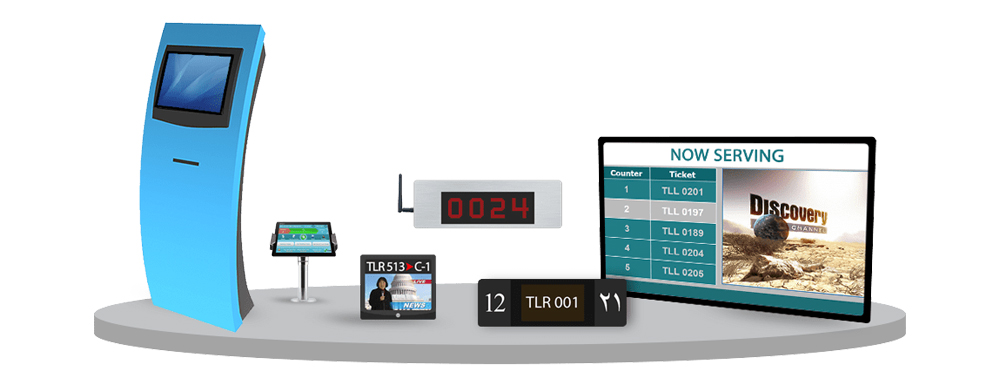
The rest of the system is similar to the ordinary queue management system with all the basic components such as the ticket dispenser (although mostly it is not required for virtual queuing), digital signage screens, counter display screens, and audiovisual announcements. The basic is the same that is why a virtual queue management system can also be utilized as a normal queue management system along with its additional virtual queue management features.

See More : Benefits of Virtual Queue Management System

How Virtual Queuing Business Process is Different?

How Virtual Queuing Business Process is Different?

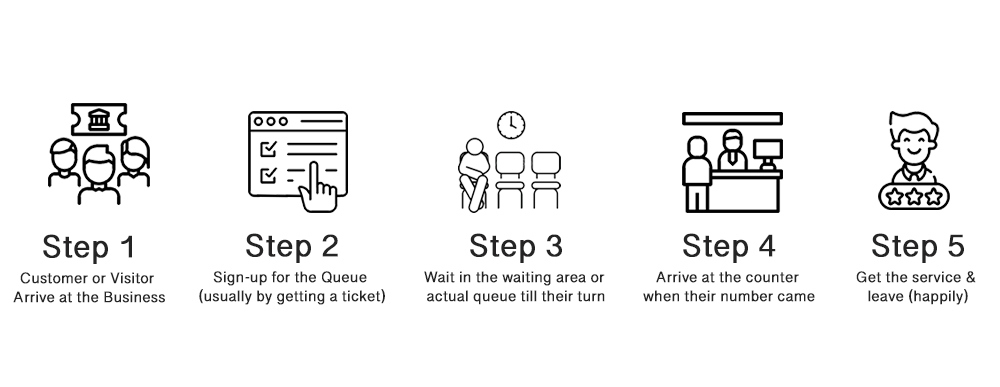
In regular or traditional queue management systems people are coming to the branch, taking tickets to sign-up for the queue, and then waiting in the waiting area or long lines to get the service done. The entire process was lengthy and unpleasant for the visitors and customers. The businesses would also have to find ways to reduce the wait time or at least introduce some engagements to reduce the negative effects of the waiting. After a long time in the waiting area or a long queue when the customer was arriving at the counter they were already not in a good mood, any small thing could have easily irritated them which also results in poor customer experience and poor service delivery quality.

This also affects the performance and work efficiency of the employees. However, with virtual queuing the entire business process is transformed to ensure the highest level of customer satisfaction and customer happiness. This not only lets organizations build a positive reputation but also boosts employee efficiency and customer retention, and both these factors plays a critical role in overall business growth. Here is how virtual queuing has changed the business process:

See Also: The Role of AI in Enhancing Queue Management Systems

Remote Sign-up

Remote Sign-up

The first and very big change is that the virtual queue management system provides a facility to sign-up remotely for the queue without being physically present on the premises. The remote signups can be done through multiple methods such as:

  1. Email, Call, or SMS
  2. Smartphone Application
  3. Online Customer Portal/Website
  4. QR Code
  5. Appointment Booking

The customer can easily signup using any method and will be provided with a mobile ticket or ticket number.

Virtual Waiting

Virtual Waiting

Virtual queuing have completely transformed the waiting experience. The customer or visitor don’t really have to wait inside the premises, hence there is literally no wait time. The customers or visitors can arrive at the time of their turn and can instantly get the service delivered to them without stating in the queue or waiting in the waiting area. The customer can sign-up for the queue or book the appointment and then they can either wait at their home or in their cars or anywhere they prefer. This has significantly transformed the customer experience, it also improves the service delivery quality and employee efficiency.

See More: Impacts of Queue Management System on Employee’s KPIs

Queue Status and Announcements

Queue Status and Announcements

Unlike traditional queue management systems, the virtual queue management systems don’t rely only on publishing the real-time feeds and updates on the digital signage, but the virtual queue management system also provides all the information to the customers via their mobile applications, push notifications, online portal, email, and SMS. The customer can receive an SMS sometime prior to their turn and again at the time of their turn the call can be made using multiple methods. The customers and visitors can view all the details and real-time updates from their mobile devices or computers. This also enables them to arrive at the very time of their turn hence no wait time will be required.

The queuing status, customer flow information, announcements, and any other information can be provided to the customer via multiple communication channels. For example, the smartphone application can provide all details on the dedicated screen, the web portal can provide all details, the email, SMS, and push notifications can be used to make announcements, etc. It improves customer experience and customer journey.

See More: How Queue Management System Helps to Provide Better Customer Service

Virtual Queuing also Support Social Distancing

Virtual Queuing also Support Social Distancing

Social distancing has become a new norm. Everyone has accepted the fact that we must comply with the social distancing not only for our safety and health but for others around us too. This is why when you are inviting your customers and visitors to physically visit your branch, you should also meet the needs and demands of your customers and visitors. The social distancing ensures the safety and health of your customers and visitors as well as of the employees. For example at a retail outlet, a QR code-based sign-up can be used, the QR code has to be placed at the entrance of the store. Once the customers arrive at the store and scan the QR Code they can be provided with their mobile or virtual ticket, along with the real-time updated information of the active queues and the overall process in the branch to help the customers and visitors to understand the ongoing activities and expected time to their turn. This further improves the customer experience and customer happiness.

See More: How a KPI Software can help provide better Customer Journey?

Virtual Queue Management System Integration with Other Tools

Virtual Queue Management System Integration with Other Tools

A traditional queue management system doesn’t require much integration with other tools and systems, in fact, it can operate as a stand-alone system without even requiring any data from any other corporate tool or system. However the virtual queuing involves a lot many different tools and systems such as an online customer portal or a mobile app or an appointment management system, the virtual queue management system should have to be able to connect and integrate with necessary tools and systems. Our virtual queue management system can easily be integrated with existing tools and systems.

For example, the integration with the appointment booking system allows the user to set an appointment utilizing the virtual queue management system’s in-built online appointment management module or web portal, or smartphone app. The QR Code generator module or tool enables the QR Code-based virtual sign-up for the customers through their smartphones. Smartphone applications are widely used and welcomed due to their ease of use and convenience. Businesses are integrating their corporate smartphone application with tons of other tools and systems to achieve higher efficiency. This is why the virtual queue management system should have to able to integrate with other tools and systems to achieve greater functionalities and higher customer satisfaction.

See More: What are the Different Types of Queue Management System?
Virtual Queue Management System Data Collection and Reports

Virtual Queue Management System Data Collection and Reports

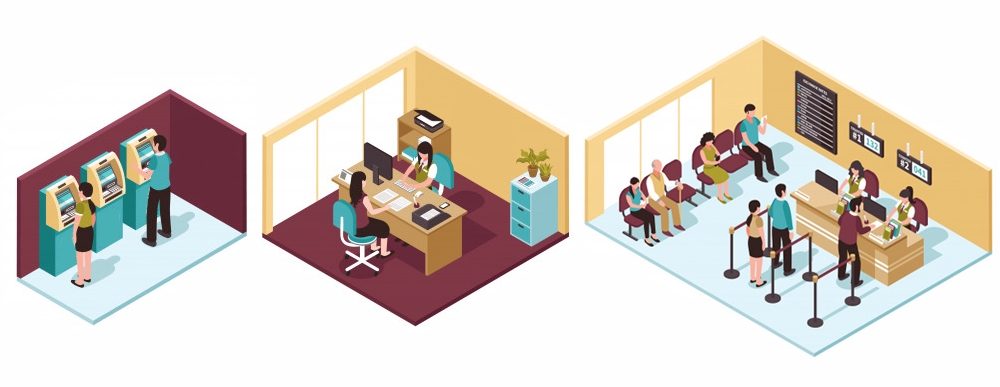
The data collection and reporting module are very vital for gathering valuable business intelligence. The virtual queue management system has fewer touchpoints but larger interactions with the customers. It also provides more flexible communication mediums for the customers. The statistical and system usage data is also collected, the employee performance and overall quality of the entire business process can be measured and monitored. The virtual queue management system has built-in software engine and analytical tool to process all those inputs and generate actionable reports. Following are the few examples of the data that can be collected using the virtual queue management system:

  1. Customer Wait Time
  2. Service Delivery Time and Quality
  3. Customer Happiness and Satisfaction
  4. Customer Retention and Sales
  5. Direct Customer Feedback
  6. Employee Performance
  7. System KPIs (key performance indicators)
  8. System Usage Stats

These are just a few things that can be measured, monitored, and improved using the virtual queue management system. There are a lot may touchpoints that can be monitor for more detailed behavioral data collection for the customers and the employees. Overall a virtual queue management system is a great source of business intelligence. The data and reports can be very helpful to the management in decision making and strategy building. The organizations can effectively and accurately measure the impact of any change in the business process or policy at the customers and business process. These traits show the superiority of the virtual queue management system over other ordinary queuing solutions.

See More: How Queue Management System can benefit in shipping industry?

Conclusion

The virtual queue management system can completely transform the business processes that involves customer flow management and service delivery. The virtual queue and remote sign-up have completely changed the customer flow management process. With the virtual queuing the customers and visitors are not required to be physically present at the premises to sign-up for the queue instead the sign-up can be done remotely via different mediums such as web portal, mobile apps, SMS, email, appointment booking tool and others. The customers can get a mobile ticket and they can wait anywhere or don’t even have to wait at all if they planned their day accordingly and arrive at the branch only when their turn comes, this way the wait time is reduced to almost nothing. Technically the customer don’t have to wait at all at the branch and can get instantly served once they arrive on their turn. This significantly improve the customer experience, customer journey, and employee performance. Satisfied customers and efficient employees ensure a steady business growth.

Apart from that the virtual queue management system can monitor and capture a lot of touchpoints and milestones in the customer journey along with the employee performance indicators. The virtual queue management system has an in-build analytical and statistical software engine to process that data and to generate valuable reports. These reports are very helpful in taking vital decisions and building up future strategies. The virtual queue management system is also very flexible towards integration with other corporate tools and enterprise systems which further enhances its capabilities to improve customer flow management and service delivery time & quality. The virtual queue management system is the ultimate customer experience transformation tool.

RSI Concepts is a leading queue management systems provider in Dubai, UAE. If you need a virtual queuing solution or need help with any kind of queuing needs, feel free to reach us out through our Contact Us page or leave us a comment in the comment box below and we will revert back to you.

Check out this: Top 8 Benefits of Using Queue Management System


Sharjah Customs acquires QMS from RSI Concepts

Sharjah Customs acquires QMS from RSI Concepts

Sharjah Customs is playing its role hugely in contributing to the economy of the emirate by generating revenue from import taxes and duties. The Hamriyah Free Zone is one of the fastest-growing free zones in the entire GCC due to its customer-friendly policies and super-efficient workflow. The department is generating a lot of revenue and is responsible for controlling the goods coming into the country and going out of the country by implementing government policies, regulations and inspections. The customs inspections are usually done for all sorts of items and containers ranging from huge industrial equipment, oil lubricant and gas products, regular cargo, parcels, and everything else. The Sharjah Customs is not only responsible for controlling the movement of goods but it also prevents smuggling, illegal goods transportation, and restricted cargos. Sharjah Customs is continuously adopting new technologies and techniques to improve efficiency and to enhance their customer experience as well.

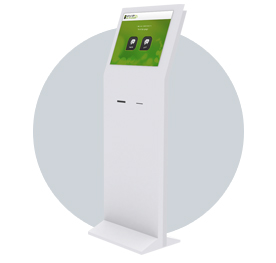
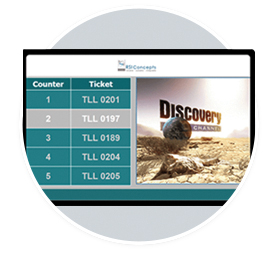
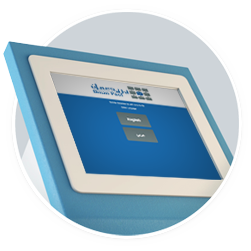
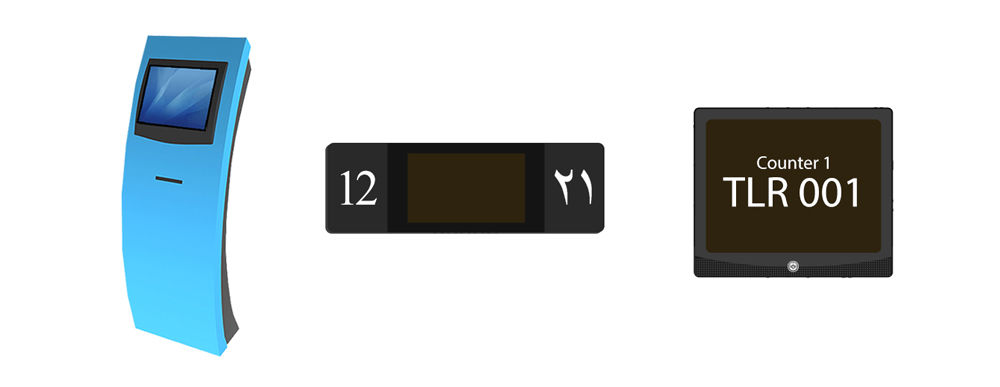
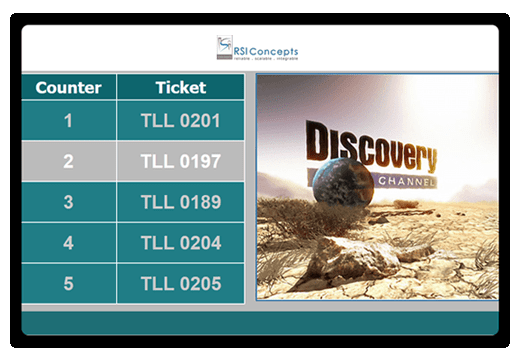
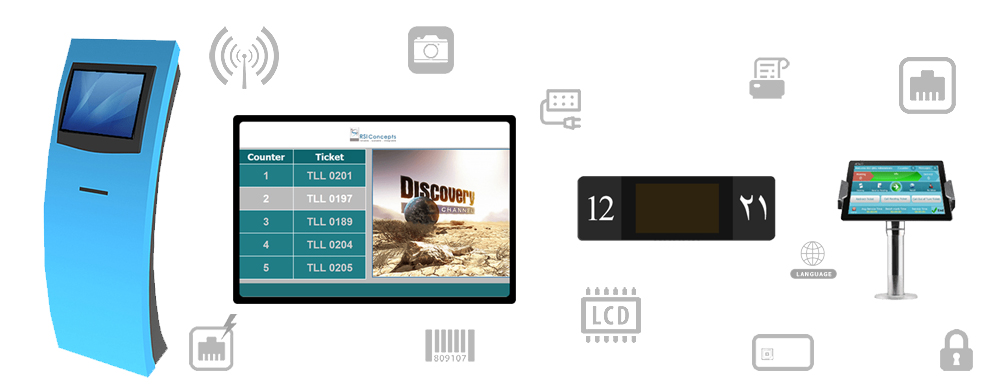
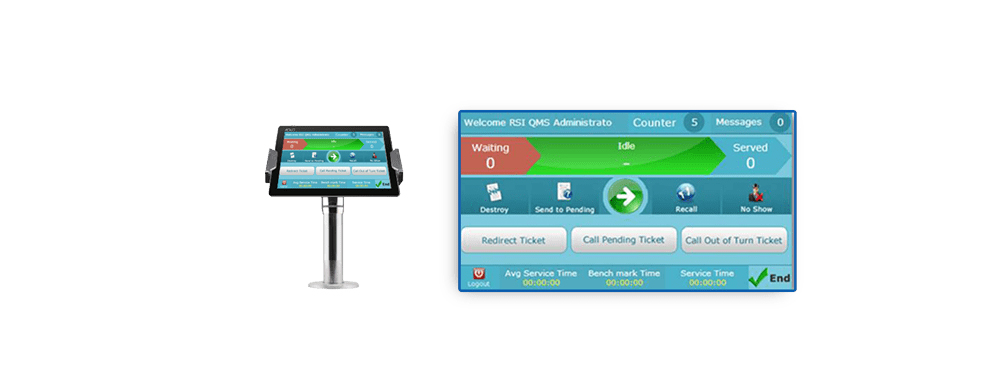
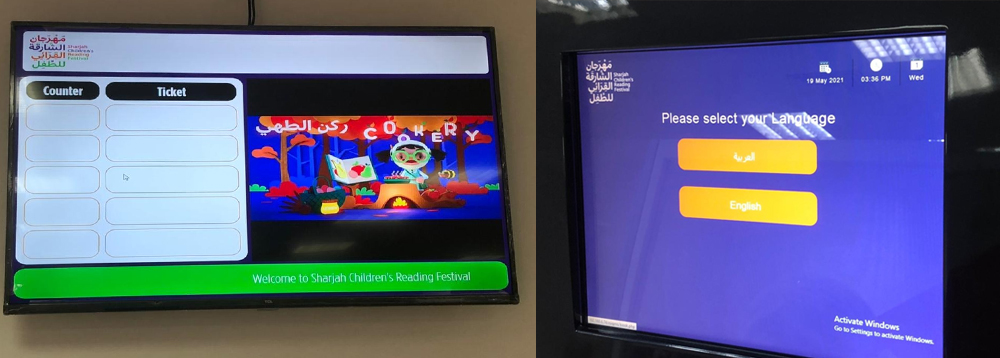
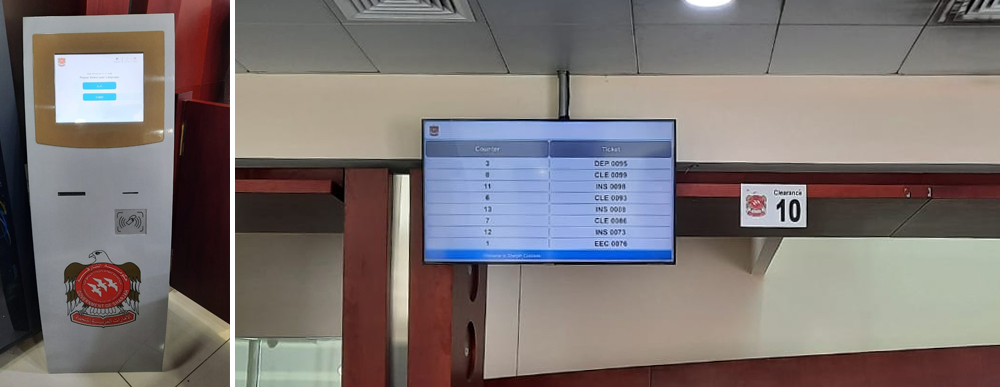
Recently Sharjah Customs have decided to implement a queue management system at its Hamriyah Free Zone branch. The main objective was to effectively handle the customer flow and improve the customer experience. The RSI queue management system is consists of an interactive kiosk that helps the visitors sign-up for the queue. The queue management system also provides the facility to choose the required service from the kiosk, this helps to optimize the customer journey. Digital signage and large screens have been installed in the waiting area, to provide real-time queuing information. The audiovisual announcements immediately alert the customer about their turn. The real-time updates keep the customers in the waiting area engaged and busy and reduce the effect of waiting. The QMS software comes with two sections, one is the agent dashboard and the other is the admin dashboard and server-side software application.

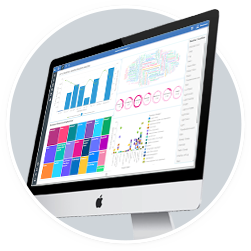
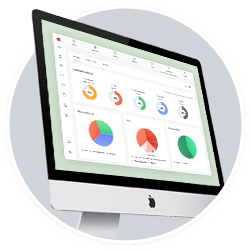
The agent dashboard allows the server to effectively handle customers and the queue as well. It also allows additional controls for the agents to further manage the queue if required. The QMS server and administrative dashboard or admin control panel is the backend of the queue management software. The admin dashboard allows to view the system usage stats and reporting. The management can download reports and statistical data from the admin dashboard. This data can provide vital business intelligence which can be very helpful in decision making and strategy making to further improve the customer journey and customer experience and to improve employee efficiency.

See More : Mobile Application Development for SEWA by RSI Concepts

Here are the remarks of our Product Manager, Mr. Shehzad Asghar:

“Working with such a highly professional team and very supportive management was such a great experience. We have successfully delivered a system that completely fulfills the needs of the Sharjah Customs Hamriyah Free Zone. Our queue management system has significantly reduced the service delivery time and improved customer satisfaction. The UAT was a great success and the results have clearly surpassed the expectations. The management was very pleased and the staff was excited to have the new QMS system.  Sharjah Customs is another jewel in our crown of success.”

See More : Sharjah Electricity and Water Authority (SEWA) obtained Digital Authorization System from RSI Concepts

At RSI Concepts we always strive for the best. Thanks to our skilled team and experienced staff, we have gradually improved our Queue Management System over the course of more than a decade. The current QMS system is highly efficient and cost-effective. Indeed Sharjah Customs is such a prestigious government department, getting an endorsement from them is a great achievement. We are proud to have them in our portfolio. We would look forward to having more such ventures in the future with Sharjah Customs.

Check out this: Web Design for Ajman Bank by RSI Concepts


Web Design vs Web Development – What is the difference?

Web Design vs Web Development – What is the difference

In the website building industry the customers often took same meaning of the website design and website development, but in reality both are entirely different areas. Mostly when customers need a website they often come across the two terms, ‘website design’ and ‘website development’. Almost 90% of the customers don’t understand the difference between the two and often interchange the both terminologies. Actually the main factor that cause this confusion among the non-technical people is that the ‘design’ and ‘development’ words if come next to the website are only referred to the website building and nothing else.

But both have entirely different meaning from the website building prospective. In fact the two terms ‘design’ and ‘development’ are entirely different from each other and even when used generally people perceive them as two different terms. However when it comes to the websites they both got mixed up. In this blog we will elaborate the differences of the website design and website development along with the areas where both intersected each other.

Website Designing

Website Designing

The website designing is a process of creating the website layout and user interface. Everything from the color scheme and fonts to images and content is arranged in a structure to form a website design. This process is called website designing. These days the website designing is a very complex and lengthy process. With the increase of smartphones and social media, mostly people are spending their time on the smartphones. Which raise the importance of a responsive web design and mobile-friendly user interaction.

The online company presence can also generate a huge chunk of sales and revenue which makes it extremely important to have a business oriented design approach in which the user interaction, user experience and customer journey is designed with extreme care to boost online sales.

The website designing requires certain skills and tools such as:

  1. Graphic Designer
  2. UI/UX Designer
  3. Photoshop, Illustrator

The website designing process includes the following steps:

1. Requirement Gathering

Requirement Gathering

This is the very first step of any website designing and website development project. The website designer or web design agency will have to sit with the customer to discuss their needs and objectives. This step mostly include multiple discussions and brain storming. The objective is to form a scope of the work for the website.

See Also: Custom Software Development Progressive Web Apps – Beginner’s Guide

2. Sitemap

Sitemap

Once the requirement gathering is done and a scope is formed the next step is to create a sitemap of the website. The sitemap is a list of all the pages, categories, sub-categories and the entire blueprint of the website. The sitemap is used to enlist the content/pages of the website and it also dictates the navigational structure of the website design.

3. Wireframe

Wireframe

The wireframe is a basic visual representation of the website layout and different elements. It also provides a visual representation of the website design. The wireframe is in fact the very first stage of the actual website design. Usually the website wireframe are made as geometrical shapes such as boxes and rectangles or as such. These wireframe provide a better understanding of what a customer should expect from the final website design.

4. Mockup Design

Mockup Design

The mockup design is the first actual website design that is being presented to the customer. The mockup is a fully designed webpage. The very first and most crucial page that is designed is the homepage of the website. Once the homepage is designed a basic structure and frame of the entire website is set. The header, footer, theme, color scheme, structure, etc. all should be followed for the internal pages as well. After the homepage all of the internal pages are designed.

Website Development

Website Development

Once the website designing process is complete then the next phase is the website development. The web design is just an image it doesn’t have any functionality or interaction yet. The website design is like a car without engine, the website development will put that engine inside the car to let it run. The website development is basically programing and is entirely consists of the source code and the processes that are invisible from the website visitors.

These processes are running behind the scene and are responsible for the user interaction. The programing will decide which area is clickable and which is not, which image will move or which will not, etc. It is basically all the movements and clicks that we can see or do in the website which form user interaction and customer experience with the website.

The website development requires certain skills and tools:

  1. Website Frontend Programmer
  2. Website Backend Programmer
  3. HTML, CSS, Java Script Code, PHP and MySQL
  4. Dreamviewer

The website development process includes the following steps:

1. Requirement Gathering

Requirement Gathering

The requirement gathering for the website development is not like the requirement gathering for the website designing. In fact this time the requirement gathering is being done with the internal team between the programmer who will be doing the frontend and backend programing of the website and the design team and project manager or team lead. At this stage the objective of requirement gathering is to understand how different sections of the website should work and respond to the users. Your web design has huge impact on your overall digital marketing strategies, thus aligning it with your brand image is crucial.

2. Slicing

Slicing

This is the very first step of the website development phase. Once a web design is ready, it is being transferred to the website developer team and the very first thing that is done is called “Slicing” during this step the web design is converted into different design elements and small pieces like a jigsaw puzzle to be later controlled by the source code to form the user interaction and user experience.

See More : What should I have on my website of an interior design company?

3. HTML, CSS and Frontend

HTML, CSS and Frontend

HTML is the programing language that is being used to control and form the layout of the website is the web browser. The HTML is a frontend development method and it not only includes the HTML but it also includes CSS and Java Script. These two are also programming languages and used to aid the HTML for visual and graphics effects and various interactions. Collectively all three the HTML, CSS and the Java Script are called the frontend programing of the website or the website frontend development.

See More : Importance of Custom Software Development in Dubai

4. PHP, MySQL and Backend

PHP, MySQL and Backend

The PHP and MySQL both are programming languages and are being used on the website server. These languages build a software or program which will executed at the server and generate results according to the inputs taken from the users through a web browser via the frontend of the website. These days most of the websites are dynamic. It means there is a CMS (content management system) to update the website information and content. The programing used to develop these all features is called website backend development.

See More : Website Design for Schools and Colleges

Website Designing VS Website Development

Website Designing VS Website Development

Website designing and website development both are equally important and are necessary for website building. The website designing basically lay down the base and the structure of the website navigation. It means how the information will be presented to the user/visitor and how the visitor can access to the information from and through various sections and pages. The website design is extremely important in online sales and revenue generation. Each and every single color pattern or design element whether it is an image, a box, a button or the fonts is very important in shaping the customer experience at the website.

However the website development is purely based on computer programing and is completely invisible to the visitors. But how the user will interact with the website, how seamless the experience would be is influenced heavily by the programing and development methods, which impact sales and conversions. The website development build necessary source code which allow users to perform certain action by any click or movement on the website.

For example if a user click on the logo from the contact us page, it is the programing that decides that the homepage should be loaded. Or let say a user clicks on a WhatsApp icon on the website to start the WhatsApp chat, it is the programing that opens up your WhatsApp and start the chat. Although at front you can only see a single button but behind that button pages of source code are running to enable that functionality.

See More : Why a Website is the First Impression of a Company?

Why People Think Website Designing and Website Development are the same?

Why People Think Website Designing and Website Development are the same

In Dubai, UAE and local markets most customer think that the website designing and the website development both are the same. As I have mentioned above, these two are completely different from the website building prospective. However, still so many people think both are the same. The main reason is that in past (a few years ago) generally local markets were flooded with the static websites, which were only the HTML based websites and doesn’t have any backend or CMS software. However, with the growing need of frequent updates and communication, businesses started adopting CMS software. When using a CMS, it is important to consider the server hosting carefully to ensure optimized load time and seamless customer experience.

At that time when a company or business needs to develop a website they were provided with a website designer or team of the designers who were also familiar with the website frontend development and can single handedly deliver a website. This made up a mentality among the masses, even today if we check the search engine statistics we will find that the search term “web design Dubai” has huge number of searches comparing to the search term “website development Dubai”. This is the reason people still confuse one with another and often interchange both terminologies.

See More : New website of Ajman Bank by RSI Concepts

Conclusion

The website designing and website development both are different. The website designing majorly includes the website structure, the theme, colors, fonts, patterns and each and everything a user can see in the web browser is done and planned during the website designing. However the website development is the source code and programing that runs behind the scene to let the computer execute commands and return the results. For example how a button will look like is done during the website designing phase and what that button will do is part of the website development phase.

The website designing requires a completely different set of skills and it involves totally different tools and technology. The website designing mainly require a professional graphic designer and artist who utilize graphic designing tools to build a layout or design of the website. Whereas the website development requires a website programmer who needs programming tools to build the source code for the website. However in Dubai, UAE people more often consider them the same and usually interchange both terminologies expecting the same meaning from both of them which is website building.

At RSI Concepts we have a professional and experienced website building teams consisting of skilled website designers and experienced website developers. If you need a website for your business or organization or if you are interested in revamping your website, feel free to reach us out through our Contact Us page or leave us a comment in the comment box below.

See Also:  How to Turn Website into a Lead Generation Machine 


Top 8 Benefits of Using Queue Management System

Benefits of Using Queue Management System

The queue management systems are helping businesses and organizations to transform their customer journey and customer experience. Businesses are getting a lot of short-term and long-term benefits from digital queuing solutions. There are several types of queue management systems each is suitable for a certain scenario but in general, digital customer flow management helps businesses and organizations in improving customer happiness and customer satisfaction. Over time there has been a lot of new features and functionalities introduced to the queuing solutions which are helping businesses to effectively deal with their unique requirements and difficult scenarios.

The queue management systems (QMS) are also very flexible and can be integrated with a variety of corporate and enterprise tools to further improve the system’s efficiency and effectiveness.

Here are the top 8 benefits of using a queue management system:

1. Reduce Wait Time

Reduce Wait Time

No one likes to wait in long queues, long wait time can completely ruin your customer’s mood, which results in a very bad impression of your brand. A bad waiting time experience also impacts the service delivery experience, the customer who has reached the counter unhappy or annoyed is very hard to satisfy. If a customer had to wait for a long time they might leave before getting the service done or before purchase, both are not good for customer retention and customer experience.

A queue management system can automate the customer flow management which significantly reduces the wait time and with no human intervention, there is no chance of line jumping or error or any such thing which could disturb the queue. With the help of virtual queuing, the wait time is literally reduced to none. The customers and visitors can sign-up for the queue remotely or virtually and they only appear at the branch when their turn is due. Such a reduction in the wait time can significantly improve customer satisfaction.

See More: How Queue Management System can benefit in shipping industry?

2. Improve Service Delivery Quality

Improve Service Delivery Quality

A queue management system makes the wait time less difficult, with the help of a lot of different tools, especially virtual queuing the wait time can significantly reduce. This improves customers’ experience. With the automation of customer flow management, the staff has very less work to do, most of the work is being automated by the queue management system. This can significantly reduce the employee workload which means the employee can focus better on entertaining the customers and visitors.

The combined effect of reduction in wait time and employee’s less workload results in very improved service delivery quality. Not only that a queue management system helps businesses and organizations to effectively monitor and track employee KPIs which can provide vital data on employee performance. Businesses and organizations can utilize this data to further maximize employee performance which directly improves the service delivery quality and customer satisfaction.

3. Customer Journey Automation and Personalized Experience
Customer Journey Automation and Personalized Experience

Customer journey is very important in customer experience and service delivery quality. The customer journey begins from the point where they sign-up for the queue and it ends when the service delivery is done. The linear queuing or first-come-first-serve doesn’t work for all. In fact, most of the modern queuing solutions work on non-linear queuing methods. For example, there are businesses that have multiple counters for multiple services, some counters are for VIP or premium customers and some could be for people with special needs or it could be anything.

There are certain services that are delivered in steps and required customer interaction at multiple counters. There are certain services that can be done on exclusive counters. And for one service there could be multiple counters. There could be VIP counters for premium customers and visitors or there could be special counters for any special scenario.

All these scenarios require an intelligent solution. The digital queue management system is capable of handling all such scenarios automatically. The queue management software provides a control panel to configure all those company policies to handle all such scenarios. This automation not only reduces a ton of workload of the staff and agents but significantly improves the customer experience and customer journey which results in higher customer satisfaction.

See More: Importance of KPIs to Improve Employee Performance in Dubai

4. Improve Customer Retention and Customer Loyalty

Improve Customer Retention and Customer Loyalty

Without customer retention and customer loyalty, there is no business growth. Customer retention is only possible when the customers are happy and satisfied with the brand. A queue management system can help businesses and organizations to reduce customer wait time, improve service delivery and service quality which results in happy and satisfied customers. If your customer is happy and satisfied they will remain loyal to your brand and they will help you build a positive brand identity with their endorsements and positive reviews.

Which will attract even more customers. More satisfied customers you have higher customer retention can be achieved. If a customer left unhappy they will definitely tell others about their bad experience, which could ruin your image and brand identity, this results in compelling other customers too to leave your brand. Which makes customer retention extremely hard. But with a queue management system as most customers end up being happy and satisfied so customer retention is also easy.

See More: What are the Different Types of Queue Management System?
5. Improve Employee’s Efficiency

Improve Employee’s Efficiency

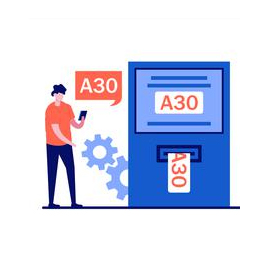
The queue management system automates the customer flow management which reduces the manual work of the employees and agents. Without the queue management system in place, most of the staff and the agents/servers manage the customer flow and queues manually, which not only consumed their lot of work but it also slows down the process and increases the wait time which reflects in the employee’s efficiency.

However, with a queue management system all these processes can be automated which significantly reduces the workload of the employee and let a single agent/server serve more customers in their single shift time. The management can see a huge improvement in employee efficiency. Along with that the queue management system also provides employee monitoring and KPIs to assess the performance of the agents/servers. This further help the management to take steps to improve the performance of the employee and increase their efficiency.

See More: Employee Performance Management is a small part of Performance Management System

6. Integration with Other Tools and Systems

Integration with Other Tools and Systems

The queue management system can be integrated with other organizational tools and corporate systems to enable data synchronizations and information sharing. The integration is an excellent feature to have with a queue management system. It itself just enables data and information sharing between different enterprise solutions and systems but the data sharing leads to tons of innovations that can completely transform the customer journey and experience.

The integration also enables automation of a lot many steps of the service delivery process which not only reduces the service delivery time but it also improves employee efficiency.

6.1 Software Integration

The queue management system can be integrated with other software too. It can fetch data from other databases or a common information center and it can also push data to other software and tools. For example, an appointment booking system. In the appointment booking system the queue management system takes information from the system and generates a queue on the appointment date and time, then once the service is done it updates the status in the appointment booking system and so on. Similarly, the QMS can be integrated with so many other software.

6.2 Virtual Queuing

Virtual queuing is a slightly modern customer flow management method. It enables the customer to sign-up for the queue without being physically present in the queue. There are different methods used to achieve virtual queuing. Virtual queuing can almost eliminate the wait time. The customers are free to join the queue remotely and they can only arrive at the branch once their turn comes. This almost eliminates the wait time and significantly improves the customer experience. The virtual queuing can be done via smartphone, website, phone call, SMS, email, etc. The customers can be notified for their turn by SMS, Call, Email or Notification, etc.

6.3 Mobile Apps

These days in Dubai, UAE more than 90% of the population have a smartphone and high-speed internet. People are using smartphones more than the conventional PC or laptop. This makes them more user-friendly and convenient. The mobile phone apps can be integrated with the queue management system to make the queuing process more convenient and quicker for the customers. The customer loves the notion of being able to remotely sign-up for the queue and getting all the live information and status updates on their smartphones. This is convenient and easy.

The customers can be notified of their turn along with the real-time queue updates of the entire branch to let them arrive only when their turn comes. This completely eliminates the in-branch wait time. The smartphone application can help businesses to getter better business intelligence and user data as well.

6.4 Hardware Integration

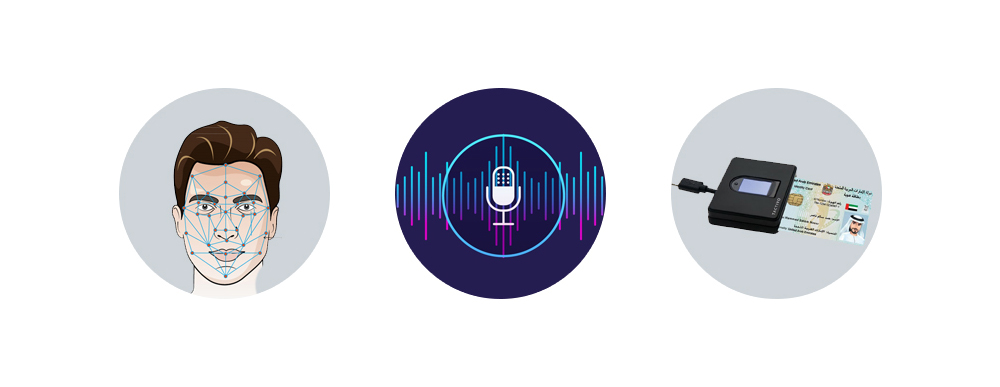
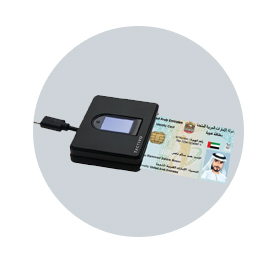
The queue management system is built with widely available technology and for the past few years, all huge manufacturers and suppliers are focusing on the hardware accessories that can be integrated with the queue management system. These hardware peripherals, tools, and accessories can be integrated with the queue management system to improve the customer experience and to automate various steps in service delivery. The hardware integration is used to improve the service quality and service delivery time. For example, a customer’s data can be fetched automatically from the database by scanning their Emirates ID Card. There are so many different hardware devices easily available to help you with your innovation and unique needs.

See More: How a KPI Software can help provide better Customer Journey?

7. Business Intelligence and Customer Feedback

Business Intelligence and Customer Feedback

A queue management system is a great tool to gather customer experience data along with KPIs for the employees and agents and other statistical data. The queue management system can also provide very accurate KPI measurements and monitoring along with a lot of data collection points to be feed into other systems such as performance management systems. The queue management system can also provide a simpler and easier way to collect customer feedback. The customer feedback and the system usage and statistical data that can be accumulated from a queue management system can be extracted in detailed reports and summary reports which is a great and very accurate source of vital business intelligence. This data is extremely crucial for the businesses and the management to assess the effectiveness of various systems and business assets involved in customer service delivery. The intelligent software and analytical engine produce actionable reports which help the management to take decisions to further improve customer satisfaction.

See More: Appraisal Methods in Performance Management System

8. Reduce Operational Cost

Reduce Operational Cost

The queue management system is built with a widely available technology that significantly reduces its initial cost. The technology is long-lasting and doesn’t require regular upgrades or updates, which means it could remain relevant for many years to come. Apart from that, the queue management systems don’t require much maintenance. As the software is installed on a server and the hardware is installed in the branch or office. There are very few moving components in the system which makes the maintenance even more cost-effective and easier. This reduced the operational cost a lot. Above all the queue management system automate various business processes and various steps of the service delivery, which reduces the need for human resources. The businesses can achieve higher efficiencies with the QMS hence less human and other resources can deliver more output. This allows the organizations to significantly reduce the assets allocated for customer flow management and customer service centers. This further reduces the operational cost. Overall if we calculate the ROI of a queue management system over the course of time it will remain operational the rates are exceptional. It is a very cost-effective corporate tool with amazing benefits and value.

See More: How Queue Management System Helps to Provide Better Customer Service

Conclusion

Queue Management System (QMS) or Queuing System is a customer flow management system. The queue management systems are a great cost-effective investment and have the potential to completely transform the customer journey and customer experience. The queue management systems reduce the customer wait time a lot and improve the service delivery by making a lot many steps and processes automated and digitalized. The QMS can be integrated with a lot many software and hardware tools to further increase their effectiveness and efficiency. Virtual queuing and smartphone applications can further enhance the customer experience. The employee monitoring tools and features to enhance employee efficiency are great for customer experience and operational cost optimization.

The queue management system can monitor and collect data from all touchpoints where a customer is interacting which makes them a great business intelligence source. The QMS can also provide statistical data, monitoring, and analytical data which can be processed and extracted in the form of reports and much more. The queue management systems are a great companion for customer relationship management. Business can learn and understand about their customer’s behavior, their needs, expectations, and happiness. The technology used to build the queue management system is widely available, relatively cheap, and extremely durable. This not only significantly reduces the maintenance and operational cost but also makes them relevant for a long time. The technology can easily be upgraded and repurposed as well. These features along with automation and employee performance monitoring allow businesses and organizations to significantly minimize the operational cost.

If you have a requirement or if you want to improve your customer experience or if you are interested in operational cost reduction or all. It is always wise to consult a professional queue management system provider in Dubai, UAE. RSI Concepts is helping a variety of businesses and organizations from all industries in UAE and also across the GCC. Feel free to reach us out through our Contact Us page.

Check out this: Impacts of Queue Management System on Employee’s KPIs


Impacts of Queue Management System on Employee’s KPIs

Impacts of Queue Management System on Employee's KPIs

Employees KPIs (key performance indicators) are used to assess and evaluate the performance of an employee. Some of the KPIs are set only for individual employees to assess their performance so that the organization can take accurate decisions about the employee such as salary and packages, transfer, training programs, bonuses, increments, promotions and termination. A queue management system is a great aid to the customer service and support agents. It helps to streamline the customer flow and reduce the workload of the staff. This results in overall improved efficiency and productivity of the entire branch.

These days queue management systems are most widely used in Dubai, UAE. No matter how big or small your facility is if you are welcoming customers and visitors then you should have a digital queuing solution to manage the customer flow. The queue management system also reduces the wait time and improve service delivery time and quality which is great in improving customer experience and customer journey. A good customer journey improves customer satisfaction which helps business in customer retention and building up their brand image.

If we talk about the Performance Management System or even the Employee Performance Management and customer service KPIs a queue management system have a very positive impact on employee’s performance and KPIs. As the queue management system automates the various process and significantly reduce the workload of the server or agent, the efficiency and productivity automatically get increased for each individual employee.

See Also: From Chaos to Control: How Queue Management Systems Can Improve Your Business

The main reason why business stress so much about employee performance is because it can directly impact the customer experience and customer journey and the brand reputation is a direct consequence of how a brand treats its customers. This is why having a great customer journey and experience can portray a positive image of the brand and vice versa. Here are some important KPIs that could directly get impacted by the queue management system:

Average Customer Served

Average Customer Served

This is the very basic KPI for any customer service or support agent. This indicator measures the quantity of the customers served by any agent on daily basis. This is very important for a business to assess the productivity of their employees and the entire brand or department. Without a queue management system, this factor remains low, as the agent and server are also focusing on managing the queues along with the other staff. Once a queue management system is in place, it automatically manages the customer flow and customer routes, the queuing system significantly reduces the wait time of the customers and visitors, which means that more customer is available for each employee/agent.

The queue management system also reduces the workload of the employees which makes it easier for each employee to be able to serve more customers. The queue management system can significantly improve this KPI for any employee.

See Also: The Role of AI in Enhancing Queue Management Systems

Customer Experience Indicators

Customer Experience Indicators

Customer experience indicators are not a single KPI but it is a group of a lot many KPIs which monitor and measure a lot of inputs. Without a queue management system, the customers might not be much happy, as they would have to wait in long unorganized queues to reach the counter, once they reach there they are already emotionally stressed out, they could easily get annoyed with the employees which result in poor customer experience and it also reflects in employees KPIs. With a queue management system in place, the customer journey is mostly controlled and managed from it.

This not only reduces the wait time but the queue management systems are also capable of improving customer’s waiting experience by providing real-time queuing updates, announcements, and in some cases multimedia content too. These all things keep the customers engaged and relaxed, when a customer arrives at the counter, they are in a calm state of mind which help the employees to serve them better hence the customers get a good experience and the employees KPIs also reflect that.

See Also: What Is Virtual Queuing? A Guide to Virtual Queues

Average Service Delivery Time

Average Service Delivery Time

This indicator is used to determine the average serving time of an employee. As the customer experience is very important and any delay in service delivery could impact that, which indirectly impact the overall performance of the employee as well. With the help of a queue management system, the employees’ tasks and workload can be reduced. Which let them finish the process more quickly. Above all the integration and automation provided by a queue management system also plays a vital role in quicker service delivery time. Which is a direct performance indicator for employees.

The queue management system provides an agent portal or dashboard which provide comprehensive controls and links it with the other systems and tools. This further reduces the service delivery time. For example whenever a customer is arriving the employee needs to fill in some data from the customer, which can be fetched automatically from the customer database by enabling data synchronizations, and other methods, the same works for the internal ERP or Customer Support Software.

The queue management system can authenticate the customer using any unique identifier at the time of sign-up for example Emirates ID and fetch the data from the customer database and push it to the ERP or Customer Support Dashboard so when a customer reach the counter the data is already filled. Such features and a lot many other features can significantly reduce the service delivery time. Which also reflects in the employee’s performance indicators.

See More: How Queue Management System Helps to Provide Better Customer Service

Average After-Service Work Time

Average After-Service Work Time

Most of the time when the customer got served the agent has to do some work such as filling in forms, or submitting data or updating anything in the systems. Sometimes it could take up to 5 minutes which cause a delay of 5 minutes in the next customer call. This time is known as ‘average after-service work time’. Without a queue management system, these times are added up in the waiting time of the next customer which not only reduces the number of ‘average customers served’ by an employee in a day but also impacts the customer experience.

If we calculate the total after-service work as an average of 3 minutes for a customer and the entire service delivery time as 10 minutes then at the end of the day the average after-service work time is one-third of the total active service delivery time. Which is huge. A queue management system with its capabilities of automation and data synchronization can reduce this time to a few seconds or it can completely eliminate this factor.

This not only improves the customer experience but also increases the average number of served customers by a single employee. This also helps during the employee performance assessment and it can boost the employee performance.

See More: How Performance Management System helps in Customer Journey improvement?

Customer Happiness Response

Customer Happiness Response

That is another great indicator to assess the employee’s performance. The customer happiness response and customer surveys are always a good source of vital business intelligence data. Customer feedback help organizations to understand their needs, demands and expectations from the brand. Basically, a customer happiness meter or customer rating scale is a great indicator to assess employee’s behavior towards the customers and visitors. Mostly queue management systems have a built-in customer happiness scale or customer feedback module.

The interface is very simple, it is 3 or 5 smileys or a rating scale from zero up to ten. In order to encourage more customers to submit their feedback, the happiness meters are built for the simplest interaction. All a customer has to do is touch on the small tablet, or kiosk screen to rate their experience. The queue management system can automatically fetch all the required customer data and information. As when a customer is at the counter only then they will be able to access this touch screen so the whoever customer was being served at the time of feedback submission can be easily identified.

This is a great way to assess employee’s behavior with the customers using a queue management system. If an employee is very good with the customers they will be compelled to leave a positive response and if an employee is not so good or failed to satisfy the customers most of such customer will leave negative feedback on the happiness meter.

See More: Employee Performance Management is a small part of Performance Management System

Employee’s Average Active Time

Employee’s Average Active Time

Employee’s average active time is a very important indicator for an organization. The organization can assess the output and productivity of an employee on the basis of this indicator. A queue management system can feed very accurate data for such KPIs. The queue management system can log the time interval between one customer served and the second customer call. Which will be the inactive time of the employee. Like I mentioned earlier this time could be consumed by the after-service work activities but those activities are already defined and the time required for such activities can easily be measured.

Therefore any time more than that of which is consumed for after-service work will be considered and recorded as an inactive time of the employee. This time is very important as it will later contribute in the overall assessments of the employee to determine how productive they are, and how much they are costing to organizations and how much they are returning or generating for the organization. Not only that this data can also be fetched into other indicators.

For example, if your organization have a capacity of deal 10 customers simultaneously or has 10 counters, in the waiting area there are 40 customers and for each service delivery the maximum time is 15 minutes, ideally all the customers should be served by one hour, but if one or two of the counters are inactive for 15 minutes each then all 40 customers will take more time than the expectations.

This not only impacts the customer experience but it also impacts the overall performance of the organization or this particular branch. Hence the KPIs should be set to identify which employees are causing this and only they should be held responsible for that and not the entire branch.

See More : Importance of KPIs to Improve Employee Performance in Dubai

Conclusion

A queue management system is a very powerful corporate tool, it helps businesses and organizations to improve their customer’s experience and brand reputation. The employee’s KPIs are used to assess and review the performance of the employees as well as their contribution in achieving the overall organizational goals and objectives. A queue management system can provide crucial data and inputs for various KPIs which can help to assess the performance of the employee. Having an efficient queue management system can significantly improve employee efficiency and customer experience.

The data and monitoring from the queue management system is very accurate and detailed. Those inputs can be utilized in almost all sort of employee KPIs. The queue management system enables the organizations to monitor and measure various indicators such as the number of served customers by an employee, average service delivery time of an agent, customer happiness and satisfaction indicators, average of active and inactive time of the employee and the customer feedback scale or happiness meter. Sometimes more descriptive surveys can be used too to collect feedback from the customers.

The queue management system also improves employee performance by reducing their workload, automation of various processes, efficient customer flow management and reduced wait time. This enables the employees to serve more customers in less time, which hugely impact the employee’s performance. If you are looking for a comprehensive solution to improve your customer journey as well as boosting and monitoring employee performance? Feel free to reach us through our Contact Us page. RSI Concepts is a leading queue management system and employee performance management solutions provider in Dubai, UAE.

See Also: How a KPI Software can help provide better Customer Journey?

See Also: The Future of Queue Management Systems: Trends to Watch in 2025


How to Turn Website into a Lead Generation Machine

How to Turn Website into a Lead Generation Machine

Your website is a very powerful marketing tool. In Dubai, UAE the competition is very high, and people are searching for everything online. This is why you can utilize your website by making it reachable for the audiences who are searching for your products or industry and by providing them with the information that can compel them to convert or click on your CTA (call to action). Whenever a business builds their website they think about how they can turn their website into a steady stream of online leads? If your website is not contributing enough in generating new sales or leads, then there must be something wrong.

The first thing that comes to mind is the website design and its content, yes both are extremely important, but how would you bring the traffic to your website? That is also important and once you start getting traffic then the next thing is your website’s content. The content should be able to convert the prospects or visitors into legit leads. That is how you can turn your website into a lead generation machine.

Your website is not only your online presence but it is your business’s story and a communication tool too. If a website is well-prepared, and its content is gone correctly then the visitors will definitely convert into leads. Usually, your website is also an introduction to your business for countless numbers of new prospective customers. This means it could also be the first impression of your brand for countless numbers of potential customers. It is very important to have a proper strategy before starting up anything.

1. Make a Strategy First

Make a Strategy First

First thing first, before working on your website you should have a clear strategy and a plan. Define your clear goals and objectives and then try to think of the things that you can do or willing to do in order to achieve your goals. Start with making a plan for spreading your brand’s awareness and then think of a plan to provide such information that can help you to attract your visitors to click on CTA (call to action). Then you need to make up a plan of how you or your team will handle those inquiries or leads and the last thing that has to be done to convert those leads into sales either at the website or at the sales department. This is a very simplified strategy, in the later topics in this blog we will elaborate the full strategy in detail.

See Also: Integrating AI Agents into Core Business Applications for Operational Excellence

2. Build or Revamp Your Business Website

Build or Revamp Your Business Website

In order to have a website that can be turned into a lead generation machine, there are certain things that are mandatory to have on the website. In fact, the website has to be built with certain things and features in it which could later help you to generate leads from the website. When we think of revamping the website or building a completely new website from the scratch, here are a few things that need to be considered if you really want to turn your website into a lead generation machine:

  1. Static or Dynamic Website
  2. Responsiveness and Smartphone Compatibility
  3. Search Engine Optimization or SEO Friendliness
  4. Web Design and User Interface
  5. Website Navigation
  6. User Journey
  7. Content, Images, and Multimedia Content
  8. Contact Details& Contact Forms
  9. Page Speed or Website Loading Time
  10. Website Traffic

Of course, these are just a few basic elements that we have listed here there are so many other things too. But mostly these all things should be done properly to ensure maximum conversion from the website. Corporate websites are built on a particular theme, for certain industries a certain basic website structure is followed, which is a very obvious and basic approach to design a business website.

You can also experiment if you want and you can come up with a completely new, innovative, and out-of-the-box web design idea. The main objective is the website should follow the basic rules to improve visitors’ engagements and conversions rate to turn your business website into a lead generation machine.

See Also: Implementing AI Agents for Seamless Customer Service Automation

3. Website Content

Website Content

Website content plays a crucial role in online leads and conversions. Whenever a visitor is reaching out to your website they must be seeking particular information, either you are offering a product or service that they are interested in or any information on your website is relevant to their search. It is important that your website says the right thing at right time. All the content of the website whether it is textual or multimedia plays an important role in online conversions. The content should be easy to understand, short, and very appealing.

Your taglines and sales pitches should be prepared with extreme care, involve your sales teams while preparing these things. All the pictures and visual content should be able to attract visitors. Make sure all the graphics, images, and visuals are serving some purpose and providing some information rather than just the beautification of the website. The content is extremely important in online conversions and lead generations.

4. Add Forms

Add Forms

The contact forms are mostly used to capture a lead or inquiry or basic information of a prospect. This data can later be utilized by the sales team to try to mature the lead and convert it into a sale. The forms should be simple and short. The information that you are requesting from the visitors should be small and very precise. It is important to get correct information that can help you further converting that lead into a sale. For example, usually, the following fields are considered to be the most important and basic fields required for online lead generation:

  1. Name
  2. Email
  3. Contact Number
  4. Subject (a selector for product or service can also be added)
  5. Job Title

Usually, an additional text box is also provided under the contact form fields, to allow the visitors to provide any additional information they might want to provide. It is very important to understand how visitors will behave when they will see your contact form. The first thing the visitors feel better and more connected whenever they found a method to communicate with the brand.

See More: 5 Changes in your Website that can generate more Business

5. Add CTA (Call to Action)

Add CTA (Call to Action)

Call to Action or CTA could have a huge impact on online conversions. Although it is just a button it has incredible effects on the rate of conversions. The CTA must be positioned at a proper place and at a proper time. For example, after explaining your product and its benefits, now you are expecting your visitors to contact you via a form, then after all those information put the CTA. The color and font of the button and everything are subjected to experiments to reach optimum results. The CTA button should stand out and eye-catchy. The text of the button should be encouraging and it should also explain what the visitor should expect next after clicking on the CTA.

One webpage can also have the same CTA placed on multiple locations of the page such as the top or header area, at the bottom of the page just before the footer or somewhere in the middle or in the sidebar, etc. It is important that the CTA remains visible to the visitor all the time. A proper CTA can significantly improve the online leads helping you turn your website into a lead generation machine.

See More: Importance of Digital Marketing in 2021

6. Know Your Visitors and Targeted Audience

Know Your Visitors and Targeted Audience

Your audience should be defined clearly, hence during the strategy-making phase while you are setting up your goals and targets, at that time your audience should be defined. Now compare your audience with your visitors. In order to understand your website visitors you can utilize a lot many analytical tools, we always recommend our customers the Google Analytical tools, and they are free and can provide excellent details of your visitors and their behavior on the website. Now compare your visitors with your targeted audience, it is more likely that your visitors don’t match your targeted audience, but it is important to match them.

For example, if none of your visitors lies under your targeted audience groups, then you need to make immediate changes to your website content, as your content is failed to get the attention of the right audience. There are certain other things too that can cause this, but mostly it is the content of the website. It is crucial to understand your audience and website traffic.

See More: Website Development with leads management system

7. Drive Traffic to Your Business Website

Drive Traffic to Your Business Website

You can’t turn your website into a lead generation machine without having a great online traffic-building strategy. Each website’s success depends upon getting traffic and visitors. The visitors are your potential prospects and leads. It is important that you are driving a good amount of traffic to your website, and all your marketing channels are sending relevant traffic as per your targeted audience. This could significantly boost the online conversion rate. Here are some most commonly used strategies to drive traffic to your website:

  1. Organic Searches (Google – SEO)
  2. Paid Searches (Adwords, PPC, CPC, etc.)
  3. Social Media Profiles and Pages
  4. Social Media Advertisements
  5. Digital Adverts
  6. Blogs & Directories
  7. Email Marketing Campaigns
  8. Discussion Forums and Groups

These are the most commonly used strategies to drive traffic to your business website. Once you ensure a steady stream of targeted traffic from various sources, you can expect higher conversion rates. As much as the traffic you will get as much you will get online leads and conversions. This is how you can turn your business website into a lead generation machine.

See More: 5 Tricks to Best Utilize Digital Marketing Campaigns

8. Integrate Customer Relationship Management Tool

 Integrate Customer Relationship Management Tool

Not everyone who has visited your website and filled a form is willing to make a purchase decision. Most website visitors are also seeking information or they are at a very early stage of their project or decision making, which is why these types of all visitors got lost. It is important to maintain a record of all the visitors. The CRM or Customer Relationship Management system is a very powerful corporate tool. This is when you should also involve your sales team and hand over all these types of prospects to the sales team so that they can follow up with them later. This practice also produces a good number of leads. The integration of customer relationship management tools has its own benefits too. Overall it helps a lot to improve the rate of online conversions and sales.

See More: 10 Impacts of Website Design on Digital Marketing Strategies

Conclusion

You can easily turn your website into a powerful lead generation machine. All you need is a little bit of research and a lot of very simple and easy work. That is why it really doesn’t matter if you are a small business or a large enterprise, if you follow these simple strategies you can easily convert your website into a lead generation machine. Start with a little bit of research and then make a strategy to design or redesign your website. It is very important to plan all the pages separately with a very clear purpose in mind. The CTA or call-to-action button and the contact forms at various stages of the website are extremely important and can heavily impact the number of online leads.

It is better to integrate a customer relationship management tool and to engage your sales team and provide all the data of prospective customers who might not convert now but maybe in the future they might convert. This also increases the number of online sales and leads. Having a digital marketing strategy and plan is also crucial for online sales and leads as the number of online conversions and sales is directly proportional to the number of visitors a website is getting. That is why having a good digital marketing strategy and traffic building sources are mandatory to turn your website into a lead generation machine.

Although I have tried to make things less technical and less complex I know most of you must still have a lot of questions. Feel free to reach us out through our Contact Us page or leave a comment in the comment box below. It is always more beneficial for businesses to acquire professional vendors and service providers such as RSI Concepts, we are providing complete website redesign and redevelopment services as well as digital marketing services. We can help you turn your website into a lead generation machine.

See Also: Read this before starting Digital Marketing Campaign in Dubai


Appraisal Methods in Performance Management System

Appraisal Methods in Performance Management System

Employee Performance Management is a set of processes and activities which helps organizations to develop their employees and improve their productivity and efficiency. However, the performance appraisal, in fact, is the actual periodical review of the performance of an employee. The appraisal system reviews and assesses employee’s actual performance, skills, work quantity & quality, achievements and contribution to the organization within a specific period of time.

The performance appraisal system measures the performance of an employee on the basis of predefined scales or objectives and their contribution to the organizational objectives and goals. The appraisal system plays a very critical role in aligning all of the organizational resources to the organizational objectives. The periodical appraisal review determines

  • Employee skill level
  • Work quality in contrast with the quantity
  • Strengths and weaknesses
  • Growth or lack

This provides a very clear insight into an employee’s capabilities and an organization can easily decide the contribution the employee makes towards the organization. Periodical appraisal promotes quality of work and exposes maximum potential from a resource.

See Also: Unlocking Business Potential with AI-Powered Advanced Analytics

There are different methods and techniques of performance appraisals. Here are the most commonly used appraisal methods:

Appraisal Method 1: Management by Objectives

Appraisal Method 1 Management by Objectives

Get the employee involved in the goal-setting process with the line manager.

This is the most advanced method of Performance Appraisal. My organization has adopted this method in 2021 to align the goals of the organization. The Performance Management System developed by RSI Concepts has provided this method and encourages organizations to utilize it more than other methods.

Studies have shown when an employee gets involved in the goal-setting process, they are more likely to achieve those goals. The manager and employee both plan the objectives for a certain period of time and then those objectives are monitored and measured to assess employee performance. The management by objectives is a full-on process rather than a one-time evaluation. It could be set for a particular time interval such as a month, quarter, yearly or bi-yearly.

Once the goals are set, a strategy has been formed and the plan has been executed. The manager and the subordinates both sit after a certain time interval to discuss the progress and to estimate the future expectations. This also provides them a chance to improve the ongoing progress by tweaking their existing strategy and plan.

The management by objectives involves both the subordinate and the line manager so it provides a greater self-awareness, which encourages the employees to perform better. It is considered to be the most cost-effective employee appraisal method. The subjective bias can also be eliminated and the method is very effective in measuring the performance of the senior management, mid-level managers, frontline managers, supervisors and employees.

See Also: Integrating AI Agents into Core Business Applications for Operational Excellence

Appraisal Method 2: 360 Degree Feedback

Appraisal Method 2 360 Degree Feedback

Get feedback not only from the line manager but all the peers involved in the process.

The 360 Degree Feedback is another latest method in Performance Appraisal and adopted by many organizations or by some departments within the organization. It provides a detailed assessment of the employee. Usually, the feedback can be collected from many individuals, including senior colleagues, subordinates, supervisors, customers and managers known as peers. The catch here is all of these personals who are giving their feedback must have been working with or around the employee but in the business process – who is being assessed.

The 360 Degree Feedback is mostly to assess the overall contribution of the employee towards their job role, tasks, objectives, expectations and organizational goals and objectives. The 360 Degree feedback process could take up to two weeks to get complete, it starts with selecting the participants also referred to as raters. The selection of participants or raters is important and it could be up to 25 persons, it entirely depends on the employee’s work and responsibilities. The Performance Management System developed by RSI Concepts has the configuration level settings to change the number of peers or raters.

Once the raters are being shortlisted then a questionnaire should be prepared by keeping in mind to generate enough data to help to build comprehensive reports. Some businesses and organizations also use online mediums to conduct surveys for 360 Degree Feedback. Once getting all of the expected feedback, a report has been produced. After that report, the line managers can hold a session to discuss the report and performance to find out methods and ways to improve performance further as and how assessed and required.

See Also: The Future of ERP: Leveraging AI for Smarter Enterprise Management

Appraisal Method 3: Behaviorally Anchored Rating Scale

Appraisal Method 3 Behaviorally Anchored Rating Scale

Get line manager response in a YES and NO fashion. Quick and Precise!

The behaviorally anchored rating scale is designed to include behavior related ratings in the appraisal process. Usually, particular behaviors are denoted with a numeric value and then the value is being used for the rating process. The behaviorally anchored rating scale or BARS is widely used to incorporate quantitative and qualitative ratings in the appraisal process. It is very important that all the behaviors that need to be assessed are carefully listed and then graded to ensure highly accurate appraisal results.

Usually, a number of outcomes are listed then the possibilities of incident and behavior has been analyzed which can produce those outcomes. Then we can create scales, grades or indicators on the basis of this analysis. This is how behaviorally anchored rating scales are defined and measured. The BARS results are very accurate and reliable, the data can be used for the appraisal process as well as for estimating employee efficiency and productivity for the future under particular circumstances.

In the Employee Performance System developed by RSI Concepts, the Behaviorally Anchored Rating Scales are influenced by the standards provided by the Government of UAE, Dubai and Sharjah. A set of Behavioral Competencies are defined and divided into the main categories and while each category further has 3 to 4 subcategories where each employee can be assessed on a scale of 1 to 5 where 5 is the best. The ratings are then incorporated into Performance Appraisal periodically.

The behaviorally anchored rating scale is very easy to understand and accurate to help organizations and businesses to understand the behaviour of their employees which could help the management to take accurate decisions to ensure maximum utilization of the skills, experience and capabilities of a particular employee. The BARS completely eliminate the irrelevant variables from the equation and only provide measurable, accurate results based upon clearly observable behaviors.

This is what makes them very important and useful for performance management systems and the employee appraisal process. However, if you want to incorporate BARS into your appraisal rating program then you should have to do intensive research to ensure you will get accurate and actionable data. The behaviorally anchored rating scales are expensive, require more resources and efforts, but provide excellent data.

See More: How a KPI Software can help provide better Customer Journey?

Appraisal Method 4: Straight Ranking Appraisals

Appraisal Method 4 Straight Ranking Appraisals

Get employees ranking compared with each other.

Straight Ranking Appraisals are very straightforward and simple. In this method, the line manager assigns a rating or number to all the employees working on a particular task under the same conditions. Most of the time the reviewer defines the ranking or scale on the basis of the top performers or on the basis of their personal experience or by the knowhow of the job. There are a few more variations that were being introduced later and are also followed by many organizations and businesses. The straight ranking is among the oldest and simplest appraisal methods still being used.

Usually, all the employees are compared with one another and a ranking system is being established based on the ratings of most productive to least productive or most efficient to least efficient and so on.

Furthermore, the straight ranking appraisal has been transformed into more appraisal methods such as paired comparison appraisal, in that method the employees are divided into groups and then their performance is compared to each other. Another popular method is the standard rating scale method in this method the personality traits of an employee has been rated against a scale ranging from poor to excellent or as such.

See More: How Performance Management System helps in Customer Journey improvement?

Appraisal Method 5: Human Resource Accounting Appraisal

Appraisal Method 5 Human Resource Accounting Appraisal

Get the money earned vs money yielded.

The human resource accounting appraisal measures the performance of the employees on the basis of the monetary benefits they have yielded for the organization against the expenses they had cost to the organization. The cost is measured accurately by calculating the cost of retaining a customer, their salary, benefits, hiring cost, any other cost and then the monetary value of the benefits or work is calculated as per the predefined criteria and measurements to measure the monetary benefits an employee brought in for the business over a predefined span of time.

The human resource cost accounting appraisal method includes the overall departmental cost, production unit cost, office cost, employee cost, interpersonal relationship cost, and many more. Basically, it is a purely cost and benefits based analysis, so sometimes, some employee’s trait or expertise could be missed out or not included in the appraisal process. But this can overcome by using other appraisal techniques in parallel.

The biggest advantage of using this appraisal method is that it provides a very accurate picture of what an employee is costing a business and in return what they are bringing back to the organization or business. It also clearly identifies and project the financial impact of the employee performance over the organization. It is an excellent method to understand the monetary and non-monetary benefits an employee is providing to the business.

See More: Employee Performance Management is a small part of Performance Management System

Appraisal Method 6: Assessment Center Appraisal Method

Appraisal Method 6 Assessment Center Appraisal Method

Get employees to see how others observe them.

The assessment center appraisal method is most widely used by business to evaluate and assess the technical expertise, skills and performance of an employee for either recruiting purposes or for promotion, transfer, etc. or for identifying the training needs for the employee. Assessment centers are specifically designed to assess and review certain tasks and certain job roles. Usually, the assessment centers are outsourced but even if a business has an in-house assessment center they will have to prepare it with required planning to ensure an accurate outcome.

All the employees are being given the tasks they will have to perform for a particular job, then a team of assessors will monitor the actual performance of the employee and on the basis of that performance, it is easier for the business and organizations to make hiring decisions, or decision about an existing employee such as their promotion, salary increment, job role and position, and training needs.

Assessment centers are one of the most widely used appraisal methods with excellent help for the HR department and remarkably accurate assessment results. The assessment centers can be very helpful in performance appraisal reviews and employee assessment. The assessment centers are designed for testing the physical skills and expertise of an employee.

For the employees who have failed the assessment, the business and organizations are continuously offering development program to regain their motivation and to encourage them to improve their skills, that kind of setup is called development centers, there is a combination of both the development centers and the assessment centers can be used to ensure the improved human resource in future. Although this method is time-consuming and cost-intensive but provides greater results for industries such as Manufacturing, Educational institutes and Service based departments.

See More: What are the Different Types of Queue Management System?

Conclusion

The Performance Management System is used to achieve the goals and objectives of the organization to maximize efficiency and profits. Performance Appraisal is one of the factors which is designed to improve the work environment and employees and their capabilities and work efficiency within Performance Management. The different methods of performance appraisals are designed to help different requirements and challenges organizations face during periodical appraisals. The appraisals methods covered in this blog are prominently used in Sharjah, Dubai and UAE.

These methods are widely used because they can provide highly accurate data which can help organizations and businesses to understand the true potential of an employee to contribute to the organizational goals and objectives. When an employee is placed on a job role where they can perform well, it improves their morale and it increases the employee retention rate. When an employee is working efficiently the operational cost get reduced. Not only that the appraisal systems are also used to identify the training needs for the employees as well.

RSI Concepts has a leading Employee Performance Management System in Dubai and UAE with effective and widely used appraisal methods. Please get in touch with our business consultants through our Contact Us page or leave a comment below and we will get back to you at the earliest to learn more about your requirements. Our Performance Management consultants can help you propose a solution according to the industry requirements to streamline the challenges.

See Also: Importance of KPIs to Improve Employee Performance in Dubai

See Also: Customized AI Agents in Real Estate: Enhancing Property Management and Client Engagement


Web Design for Ajman Bank by RSI Concepts


Web Design for Ajman Bank by RSI Concepts

Website Design by RSI Concepts for Ajman Bank yet again in 2021! Ajman Bank is the first Islamic bank in the Emirate of Ajman. The bank is supported by the Government of the Ajman and is mainly responsible for catering for the needs of the public and private sector along with the government entities. The vision of the Ajman Bank and the innovative financial products and services took the bank in the list of the top banks in the UAE very quickly. The Ajman Bank is also very well reputed among the general customers due to its innovative services and customer friendly business approaches. The Ajman Bank is mainly behind the huge economic growth policies and strategy of the Emirate of Ajman. The bank is also contributing to the growth of the entire nation by providing some of the best financial and banking services in the UAE. Not only that the Ajman Bank is continuously taking steps to improve its products and services by introducing the latest technological solutions and innovation. The Ajman Bank website is also a very important interaction point of the bank with its customers. Hence the Ajman Bank is always focusing on improving their website to enhance customer experience.

RSI Concepts was given the task to revamp certain areas of the corporate website, some new sections were planned to be added and a complete Arabic version of the corporate website was also planned for this project. The requirement gathering was intense, the project completion dates were tight. But thanks to our skilled team and professional programmers, we have completed all the milestones and the full project in time without any delay. The Arabic version of the website was a great addition to improve the customer experience and customer journey. The new revamp is mainly focusing on the user experience and customer journey. As with all other banks, Ajman Bank’s website has a lot of content and information, which are very well-organized in various sections and categories the main navigational structure was designed to enable the visitors to easily access the information from the sub-menus and deeper categories. The Arabic language version is to further improve the customer journey and customer experience.

The project execution was very smooth as we had done very detailed requirement gathering. However, as the website was meant for a bank so we had to follow certain standards and protocols, that was not a challenge at all, the challenging part was to ensure compliance with all industry standards and protocols while heavily enhancing the user interface to ensure a satisfactory user experience. But due to our experience in such projects and professional frontend & backend web developers, we have successfully achieved the desired user interface features as well as agility and maximum efficiency of the website functionalities. The website will provide a lot of new services for the customers as well, which will reduce the service delivery time, improve customer retention and satisfaction, align with the vision and policies of Ajman Bank to reduce the paperwork and encourage digitalization.

Here are the remarks of our Sales and Marketing Manager, Ms Maheen Waheed, she and her team were responsible for the successful project execution:

“The technical scope of work and the objectives of revamping the website along with adding new sections and an entire Arabic language version was considered a big project. Thanks to the excellent support from the Ajman Bank team and our outstanding Website Design and development team, we have been able to finish the project as planned. After the UAT the higher management and involved teams were more than happy and very satisfied. The website had successfully reached the objectives of the campaign.”

At RSI Concepts we never compromise on quality, which is the reason we are always getting repeated business from our customers. Our vision is to achieve the ultimate customer satisfaction. Our technical teams and management is very proactive and committed to ensuring the highest quality products and services. We are looking forward to having more exciting projects with Ajman Bank.

Check out this:  Why a Website is the First Impression of a Company?