BLOG OF RSI CONCEPTS

world map

Choosing a Performance Management System A Buyer’s Guide

Choosing a Performance Management System A Buyer's Guide

Businesses and organizations in Dubai and all around the UAE are continuously seeking ways to improve productivity, efficiency and quality of their work. For that businesses adopt new technological solutions, they implement different software business management tools, they adopt to modern business practices and processes and much more. The carving to grow compel businesses to compete in the market and require them to improve day by day. Most of the businesses invest heavily in IT infrastructure, manufacturing technologies, and their materialistic resources, they also hire highly paid employees with exceptional track record but even then they might not achieve their goals, that is only because the loopholes of the traditional performance management practices.

There is no doubt that a digital performance management system is absolutely essential for a modern business, but the problem is that most of the businesses and organizations never realize their performance management practices are outdated and keeping them from achieving what they truly capable of. A modern performance management is a software based solution which help businesses and organizations to unlock the true potential of their employees and achieve their goals and objectives.

Choosing a Performance Management System A Buyer's Guide

In the modern fast-paced marketplace it is extremely important and difficult too to retain a highly talented and skilled workforce. Talent hunt alone is a very expensive and time consuming task for the HR. But the HR’s responsibilities not just end there. It is the HR department who is responsible to retain valuable employees and keep them motivated to perform well and add value to the organization’s outcome. The employees doesn’t only need high salaries and other perks, in order to perform at their full potential the employees need, leadership, mentorship, guidance, encouragement, motivation, satisfaction at work, trust at the business and management, development and training programs, respect and recognition,  and a highly productive organizational culture which nourish them, groom them and grow them.

A highly motivated workforce with less experience and technical competencies can perform well than a poorly motivated and dull workforce with most experience and highest qualifications. That is where the real difference is made and that is why the performance management system is so crucial. Usually the HR department is responsible for acquiring a new performance management system which could be very confusing task given that there are hundreds of different solution available in the market. In this blog we will discuss what you should be looking for when buying a performance management system.

See Also: 5 Performance Management Problems and How to Solve Them

Performance Management System Buyer’s Guide: Do you need a Commercial Off-the-Shelf Solution (COTS) or a Customized Software?

There are two major categories of software development, one is COTS or commercial off-the-shelf software development and the other is bespoke or customized software development. The COTS are the software that are developed by a vendor for a mass audience and any business can acquire then and start using them right away. However, the customized software development means a software or app development which is designed according to the very specific needs of a business and exclusively developed for a particular business or a user group within that business. Moreover the COTS or commercial off-the-shelf software are owned by the vendor and the businesses who use them doesn’t own the application.

The customized software are designed exclusively for a particular client/business hence the ownership also belongs to the user/business. The vendor or software development agency deliver the application to the client/business along with all source code and ownership to the final product. These are some of the major difference between the COTS and bespoke software. Furthermore there is another most important factor which is the cost. The initial cost of the COTS is fairly less, however, businesses might end up paying more for renewals, upgrades, customization, up scaling, etc. The initial cost of the customized software is slightly high but overall the ROI is excellent.

See Also: Why Custom Performance Management System is more Effective?

Performance Management System Buyer’s Guide: Do you need a Commercial Off-the-Shelf Solution (COTS) or a Customized Software?

Why Custom Software Development is a Good Choice for Performance Management System?

There are many reasons to choose custom software development for your performance management system. The COTS are expensive, have comparatively lower ROI, the future readiness and up scaling is expensive, the customization is very limited and very expensive. Most of the time businesses end up purchasing a package which have a lot of features that they might never use, the UIs are very rigid, the work flow and the processes are designed for masses hence mostly misalign with your internal processes and work flows. A business might have to make huge changes in their internal processes, work flows and practices in order to fully adopt a COTS performance management system. On top of that you don’t own the software, and you are also bound to a single vendor which have a lot of drawbacks.

It is also very difficult to respond to the market changes and adopt to new methods while using a commercial off-the-shelf performance management system. On the contrary the customized performance management system doesn’t have any of such problem. The initial cost is relatively higher, and the businesses also have to spend time and efforts in research and discovery phases, however, the final outcome of custom software development is a perfect match to your exclusive needs. It perfectly align with your internal work flows and processes, it is easy to integrate in organization’s culture and infrastructure, and on top of that it doesn’t require you to make changes to your existing processes and practices, which results in better efficiency, productivity and more user satisfaction.

See Also: The Risk of Poor Performance Management and How to identify it?

Why Custom Software Development is a Good Choice for Performance Management System?

Performance Management System Buyer’s Guide: How to Choose the Right Custom Software Development Agency in Dubai, UAE?

When it comes to COTS software service provider, the best formula to choose a right software development agency is to check how much of your needs it can fulfill, usually the corporate sector follows a 20/80 rule. It means that if any software can meet your 80% of the needs and can’t offer solution for your 20% of needs, than that is best option. However, usually businesses and organizations also settle down with COTS who can meets their 70% or more of the needs. However, the custom software development is different, as the software is exclusively designed for the business, so it mostly meets the 100% of the needs and businesses doesn’t have to compromise.

When it comes to performance management system software the HR department usually tries to get their all needs and requirements met, which is why the custom software development is the best solution. However, here in Dubai and all around the UAE there are hundreds of custom software development agencies. Which makes it very difficult for the HR to decide which bespoke software development agency they should chose.

See Also: What is Continuous Performance Management? Complete Guide!

Here is how to choose a right custom software development agency in Dubai, UAE:

  • Step 1:Start making a list of custom software development agencies in Dubai, UAE. Ask friends, colleagues, search online, take recommendation from industry experts, choose from the companies you have experience in past and short list at least 10 companies.
  • Step 2: Share your objectives and basic needs with all and compare their responses, proposals, offers, suggestions and then make a list of at least 5 best among them.
  • Step 3: Compare each company on the bases of their work experience in the relevant field, their clients, and the client feedback/testimonials, etc. It is important to explore their portfolio and then further reduce your list to 3 companies.
  • Step 4: Sign NDAs (non-disclosure agreements) share your complete details, held meetings and discussions, provide them the information they might be needing to prepare the technical scope of the project.
  • Step 5: Ask them to provide you with detailed commercial and technical proposals. Negotiate the price and the scope of the work and finalize the best option. Sign-off the project and immediately start the work.

These steps will help you finding a best custom software development agency in Dubai, UAE. It is extremely important to choose a right partner for the custom software development project. Because most of the time if businesses failed to properly scrutinize the vendors, they end up prolonging the development time which may results in disputes and it could also raise your cost.

See Also: Why Automating Performance Management is Important for Businesses?

Performance Management System Buyer’s Guide: How to Choose the Right Custom Software Development Agency in Dubai, UAE?

Performance Management System Buyer’s Guide: Features of a Good Performance Management System

One of the biggest advantage of a customized or bespoke performance management system is that it is capable of fulfilling 100% of the needs and requirement of the business. The process of the custom software development begins with the discovery phase and requirement gathering phases, in which the business/users have full contribution and they can ask for whatever feature they need, they can control the entire work flow, process and everything as per their own convenience. The UI (user interface) plays an important role in any software application, with the custom software development the businesses can design highly effective user-friendly UIs to maximize the usability and efficacy of the system.

This is what makes custom performance management system more efficient, user-friendly and impactful. Regardless of your choice whether you go with COTS (commercial off-the-shelf) software or custom software development, here are some key features that you should consider while choosing a performance management system:

See Also: Performance Management System: Best Practices

Feature for Setting Effective Goals and Objectives

For any performance management system the goals and objectives are one of the most important part. The business goals and strategic objectives are inspired by the vision and mission of the business. The vision and mission is a very long term objective, however the goals are usually for one year or a few years at most. In the traditional performance management framework usually the business goals are for one year. Even in modern and digital performance management systems the business goals are set for one year, and that is also called performance cycle, but the difference is that the business can set more short term goals which are aligned with the annual goal or long term goals.

A good performance management system offers several features to set up goals and it also provide analytical data and historical overview which help the management set up more realistic goals and objectives. The performance management system provides SMART framework which is considered to be the most successful framework. The SMART stands for Specific, Measurable, Attainable/Achievable, Realistic/Relevant, and Time-bound. Furthermore a good performance management system allow the management to set dynamic goals and objectives, which means that the employee goals and objectives can be changed to further allow them to grow, improve and achieve higher success.

See Also: The Impact of Performance Management on Organizational Culture

Feature for Setting Effective Goals and Objectives

Features to Digitalize and Automate the Performance Management Process

The technology is making our lives simple and more efficient. The performance management system software is one of the most modern and advanced tool any business can utilize to support their growth and progress. The digital performance management system help businesses digitalize and automate the performance management process. The manual performance management was a very time and effort consuming process that is why it was expensive too. The traditional performance management cycle is annual, it is done once a year or in some cases businesses do it twice a year.

The performance management system software help businesses minimize the effort and time required to conduct performance evaluation which enable businesses to adopt to modern and more effective performance management practices such as agile and continuous performance management methods. Furthermore the digital performance management system also help businesses to improve the quality of the performance management process by providing fully automatically, semi-automatically and manually collected performance data. The highly accurate in-depth performance analysis help businesses improve the process and its outcome and bring transparency and efficiency to the process.

See Also: How Performance Management Systems Enhance Employee Engagement

Features to Digitalize and Automate the Performance Management Process

Features to Increase Employee Engagement and Satisfaction

In order to inspire performance the employee engagement plays an important role. Without engaging employees in the processes it is hard to motivate them. The performance management system should offer features that help facilitate communication process and increase employee engagement. The communication is a key to improve performance and productivity. The performance management system help managers effectively communicate the high-level organizational goals and objectives and long term business vision this is what induce a sense of destiny and motivate employee to accomplish more. Most of the time there is a gap between the individual goals and the high-level company goals. Managers often communicate individual goals to the employee, but they failed to show them the bigger picture.

The performance management system help bridging this gap. It enables managers to communicate the organizational goals and objectives and also the individual goals and objectives and help employee to understand the relation between their efforts the business success, which can greatly motivate employees to perform well. It also help managers to include employees in goal setting and decision making process and the performance management system provide employees with features to provide their feedback and share their opinion which increase their engagement and boost their morale.

See Also: How to Design a Modern Performance Management System?

Features to Increase Employee Engagement and Satisfaction

Features to Enhance the Communication

The digital performance management system offer effective features to enhance communication and eliminate the common problems caused by the communication gap between the managers and the employees. The communication plays an important role in building the relationship between the employees and the managers which is vital for various performance management objectives such as mentorship, guidance, motivation and also help managers enhance their leadership skills and make their role more effective. The performance management system make sure that the manager and their sub-ordinate communicate more often and maintain an optimum communication frequency. Furthermore the digital performance management system also provides a comprehensive framework for the one-to-one meeting, reviews and feedbacks.

It also allow the employees to share their opinion and feedback. This help building trust among managers and employees which make employee more comfortable and open to their management. The strong communication help managers understand the concerns and problems of the employees which are keeping them from performing well. Furthermore the communication also help employees to understand the importance of their role and achievement it help them understand the organization’s expectations from them. The communication also increase employee engagement and give them confidence to share their innovative ideas. Basically the communication is the backbone of performance management system and it helps greatly to boost the performance.

See Also: Data-Driven Decision Making in Performance Management

Features to Enhance the Communication

Features to Improve Feedback and Review Processes

The employee performance management and appraisal systems are nothing without feedback and reviews. The feedback and reviews are the soul of the process. A digital performance management system not only provide features to improve the processes but it also bring transparency and fairness to the system which is a much needed feature in the modern performance management. When we think of the feedback the 360O degree feedback is the first thing that came into the mind. That is because it is the most popular and widely used method in Dubai and all around the UAE. Traditionally the feedback and reviews were taken only from the managers for the performance of the employees, however, this method have many drawbacks, it lacks transparency and eventually both the managers and the employees lost trust on it.

However, the 360 Degree feedback and review method includes the feedback and reviews from the managers, peers/colleagues, supervisors, subordinates, relevant stakeholders across the organization, even customers and suppliers too. Which make the process more transparent and make the conclusion more accurate and fair for the employees. Furthermore the performance management system treats feedbacks as a cyclical process and introduce continuous feedback in the system. This helps solving many problems and hurdle which are hindering employee’s performance.

The performance management system can automatically track previous communications, and it can set a mechanism to remind both employees and managers to have a feedback session or discussion and it can also support online feedback methods. The reviews help managers and employees to assess their competencies and help manager set more realistic goals and increase the success rate which give employee confidence and encourage them to perform well in future.

See Also: How to Customize Performance Management System

Features to Improve Feedback and Review Processes

Features to Set Clear and Accurate Metrics to Measure Success

For any performance management system it is crucial to have a clear and easy-to-understand performance metrics. The employee should know what success will look like, what they should do to be successful and how their success will be measured, this will help them understand what is expected from them by the organization. Most of the time the employees don’t have a clear understanding of the success metrics which tend to hinder performance. There are four major types of performance metrics:

Qualitative Metrics

The qualitative metrics are subjective in nature, they tend to measure the progress or success in objectives furthermore the feedback by managers, peers, and other stakeholders are also important factor in qualitative metrics. It is always difficult to measure the quality of the work, however, the performance management system provide qualitative metrics which are usually weight, value, percentage or point scores which make objectives more tangible.

See Also: How to Set Goals for your Employees in Performance Management System?

Quantitative Metrics

The quantitative metrics are easy to understand and measure, there are tons of way to measure the quantity of work produced by the employee. The quantitative metrics can be measures by collecting the right data and applying simple formulas to it to measure the accurate contribution of the employee. The quantity of work is important for both the employees and the managers. The number of sales or percentage of revenue or the number of produced items, etc. are the common quantitative metrics.

Efficiency Metrics

The efficiency metrics include both quality and quantity aspects of the work produced by an employee. The quantity of the work alone or the quality of the work alone can’t fully justify the efficiency of the employee. The performance management system provides efficiency metrics which combined both and measure the efficiency and efficacy of the employee such as at a service center how many customers are serviced, how many left satisfied and how much time is consumed to perform those tasks, etc. will provide a clear and highly accurate measurement of the efficiency of the employee.

The digital performance management system further help the management by digitalizing and automating the data collection processes. It also links different data feeds in a single dashboard and it can automatically perform analysis and formulas to find conclusions and to prepare reports.

See Also: What are the Features of a Best Performance Management System?

Features to Set Clear and Accurate Metrics to Measure Success

Feature to Track and Monitor Organization’s Performance Metrics

Another great advantage of the performance management system is that it not only accurately monitor and measure the employee performance but it is very capable of monitoring organization’s performance. It offers a variety of metrics that measure the performance of the large groups, departments, teams, and even the entire organization. That is a very useful feature which help higher management understand how improvements or decline in the employee performance is impacting the overall organization’s performance. Furthermore it also help management understand the contribution of each team, department, or employee group. Here are some important organizational performance metrics:

  • 9-Box Grid: This metric is used to understand or assess employee’s potential or capabilities along with their current performance and that is a great tool to identify and promote high-value employees and identify future leaders.
  • MBO: The MBO or management by objectives is basically a goal setting tool it helps setting up goals and objectives for the individual employees based on the high-level organizational goals and objectives and a great metric to understand the individual and collective progress towards high-level organizational goals.
  • NPS: The NPS or net promoter score is one of the most used metric, it tells how likely a customer is going to recommend your business/organization to others. It is also used to assess the performance of the sales and service staff.
  • 360 Degree Feedback: The 360 degree feedback includes the feedback and reviews from the managers, supervisors, peers, clients, suppliers, relevant stakeholders, and even from the sub-ordinates to track and measure the performance.
  • 180 Degree Feedback: The 180 Degree feedback is slightly different from the 360 degree feedback, although the method is same but the feedback is collected from only the managers and the peers/colleagues.
  • 720 Degree Feedback: The 720 Degree feedback is same as 360 degree feedback, the only difference if it is conducted twice, after conducting first 360 degree performance the individual development programs and designed and implemented and another round is conducted after that to understand the impact of the individual development programs.
  • Errors Count: The error count is sort of self-explanatory, it is used to count the number of errors the employee or teams make, it could be as simple as a syntax or grammatical error in official correspondence or it could be an error in the source code or production machine’s inputs, etc.
  • Absence Rate: The absence rate or absenteeism is the measurement of the absence of an employee, the high-performing employees have less absence and even if they are absent they would have a valid reason. This is a very useful metric to identify high-performers.

These all metrics and several others like that will help management to understand the overall progress of the entire organization as well as individual business function, project teams, different employee groups up to the individual employee and help management understand the impact of their performance on the overall performance of the organization.

See Also: The Role of Performance Management in Employee Engagement

See Also: Unlocking Business Potential with AI-Powered Advanced Analytics

Feature to Track and Monitor Organization’s Performance Metrics

Performance Management System Buyer’s Guide: System Integration

The system integration is a very important aspect to consider while acquiring a performance management system. Regardless of what solution do you choose, the COTS (commercial off-the-shelf solution) or the custom software development, the system integration is a must to have feature for a performance management system. The system integration is a technical way of allowing two software or databases to talk to each other. It means one system can push or pull data from another system. Usually the system integration depends on the technology that is being used to develop the software. In case of performance management system as it heavily depends on data integration in order to offer more modern features, both the commercial off-the-shelf solutions (COTS) and the customized performance management systems offer an adequate support for system integration.

However, the system integration of a customized performance management system is much superior then the COTS. Another great advantage of integrating performance management system with other business tools, enterprise solutions and central information system is to leverage the digitalization and automation. The digitalization and automation has many perks and it can significantly improve the performance management process and its outcome. Another great advantage of having a customized performance management system is that its integration is relatively easy and is much more cost-effective than the COTS systems.

See Also: Boost Employee Efficiency with a Performance Management System

Performance Management System Buyer’s Guide: System Integration

Performance Management System Buyer’s Guide: Maintenance and Scalability

Maintenance and scalability is one of the must have feature of not only performance management system but any other modern software solution. Both commercial off-the-shelf solutions (COTS) and the custom software development offer maintenance and scalability to some extent however, the customized performance management systems are superior here too. The COTS require less maintenance but the updates and security patches are responsibility of the service provider, which usually happened to be slower than expected. However, with the custom performance management system the business itself or the maintenance contractor can take care of it.

Furthermore the customized performance management systems can be hosted in cloud and also in local or in-premises data centers which provide businesses or the maintenance team more control over the software and the environment. With the COTS since there could hundreds if not thousands of businesses using the same product all around the world, the upgrades, changes and updates are slower and less frequent.

But with the customized performance management system the business can keep them up-to-date fairly easily, they can make changes to the system anytime they want, they can update or upgrade it anytime without any restriction. For COTS the up scaling is relatively expensive but with custom performance management systems it is absolutely free.

See Also: Employee Performance Management is a small part of Performance Management System

Performance Management System Buyer’s Guide: Maintenance and Scalability

Performance Management System Buyer’s Guide: Data Protection and Privacy

Obviously the performance management systems have the most important and confidential data about the business, which is why they data privacy and data protection should be one of the top priority while choosing a performance management system. Any breach to that data could be catastrophic. We have witnessed in past few years that giant multi-national businesses and organizations have suffered billions upon billions of losses after data breaches. For a medium sized or even a small business such misshape could be more devastating. The first thing that happens after such incident is that the customers immediately lose faith in your business. They will question everything about your brand your values, your practices and even your capabilities. This could harm the reputation of a business to an extent where it could take years to recover from such an event.

That is why the data protection and privacy should be the top priority when implementing a performance management system. The COTS or commercial off-the-shelf solutions are used by hundreds of businesses worldwide, this means that their infrastructure and source code could be exposed to thousands of users all around the world which is what makes them more vulnerable. However, the customized performance management systems are exclusively designed and developed for a business, and the business also have all ownership rights to it, so there would be no other business who would be using the same system.

Hence the software architecture and source code remains hidden form anyone outside of the organization which makes it more secure. Furthermore all of the data is stored on the servers which are fully controlled by the business or its outsourcing partner, hence the data breaches are very rare in such systems.

See Also: Appraisal Methods in Performance Management System

Performance Management System Buyer’s Guide: Data Protection and Privacy

Performance Management System Buyer’s Guide: Cost and Long-Term ROI

Apart from all technicalities the cost is one of the major factor that can significantly influence the decisions of a business. Usually only a few of the decision makers have enough technical knowledge to make in-depth technical comparisons, most of the decision makes focus more on timelines and cost of the system and also its operational/running cost. The COTS performance management systems have relatively less initial cost, but the system expansion, scalability, upgrades, updates, customization, integration and other such needs can significantly increase the cost of the system and reduce its long term ROI (return over investment) value. Which is why most of the businesses in Dubai and all around the UAE are diverting their attentions from the COTS and are rapidly adopting to the customized software solutions.

A customized performance management system might have higher initial cost which includes the system design and development and implementation expenses, but in terms of operational/running or long term ROI the customized software solutions are much superior then the COTS. As the customized software solutions are exclusively developed for a business and the ownership belongs to the end-use there is no additional subscription or rental cost. The system is owned by the business, so they can also chose any vendor or outsourcing partner for maintenance and future customization/upgrades. They are not bound to a single vendor hence they can get very competitive services. Furthermore there is no restriction on the scalability and growth which also makes its ROI much better in long term.

See Also: 5 Challenges to face if Performance Appraisal is not customized as per Organization’s Policies

Performance Management System Buyer’s Guide: Cost and Long-Term ROI

Conclusion

A performance management system is one of the most important part of modern business environment. In the present day the markets are very competitive, the customer demands are rising day by day, the disruptions and abrupt changes in the market trends are becoming more common which demand a business to perform at its highest efficiency possible. It is not that the performance management and appraisal is a new phenomenon, however, the ways businesses were managing their performance to optimize their efficiency and productivity in past have drastically changed. Here in Dubai and all around the UAE the markets are growing steadily, the governments are very business-friendly and more and more investors are joining in, which requires businesses to maintain a strong competitive edge in order to stay relevant and keep growing.

The employees are the most critical resource and a crucial asset for any business. The HR department puts tremendous efforts to hire highly talented and skilled workforce, however, the common problems that any HR department faces are lack of motivation among the employees, poor or average performance, and higher turnover. That is why the businesses implement a performance management system which help them boost employee performance, engagement and morale, it help them groom their employees, find future leaders, improve the skills and capabilities of their workforce, highlight the strengths and weaknesses of their employees and guide actions to improve that.

In this blog we have discussed some of the most important aspect any business should consider while choosing a right performance management system. This blog was intended to provide our audience a basic understanding of how different features of the performance management system works and what they should be looking for while comparing different performance management system available in the market. RSI Concepts is a leading custom software development agency in Dubai, UAE. We have a highly experienced and skilled team of experts, analysts and software developers.

If you want to learn more about the subject or if you want us to help you with developing a highly cost-effective and impactful performance management system for your business, please feel free to contact us through our Contact Us page or leave a comment in the comment box below and we will get in touch with you soon.

See Also: How Performance Management Impact on Organization’s Culture?


Why Automating Performance Management is Important for Businesses?

Why Automating Performance Management is Important for Businesses

In the modern fast-paced markets such as Dubai or anywhere else in UAE the businesses need a very effective performance management strategy to boost their efficiency and operational capabilities in order to compete with the tough competition. The performance management system is an integral part of any business’s success strategy. It help improving the entire work environment and organization’s culture and groom employees to increase their potential, capabilities, skills and performance. For any business producing maximum outcome form the resources they have in hand is a perfect strategy to maximize their profits and sustain a steady growth.

It is also not only about the outcome, it is also about the quality of the outcome that matters. For any business it is crucial to utilize all resources effectively and extract maximum high-quality outcome from these resources. In order to have an excellent skilled hard-working workforce, the HR will have to face many challenges, one of the biggest challenge is employee turnover and the second is lack of motivation among the employees.

See Also: 5 Performance Management Problems and How to Solve Them

Why Automating Performance Management is Important for Businesses

Here the important thing for the HR is to understand that the employees spend almost most of their day at their work, the workplace environment, organization’s culture and the relationship of employees with the managers and with peers is what determines the success or failure of business. The employee performance have a huge impact on the quality of products and services a business or organization produces. The traditional performance management methods are already failing businesses and both employees and managers are losing faith in orthodox performance management practices.

According to several studies both the managers and the employees are not happy with once a year evaluation and appraisal process. The Dubai and in fact the entire UAE is one of the most competitive marketplace. The competition is very high due to favorable market conditions and government policies and the customer demands are also very high, which is why the performance management become an essential in order to sustain growth.

See Also: How Performance Management Impact on Organization’s Culture?

Why Automating Performance Management is Important for Businesses

What is the Difference between the Traditional and Modern Performance Management?

The performance management is a set of processes and actions that a business takes in order to evaluate and improve the performance of the employees by the end of each year. The employee appraisal or evaluation once a year or twice a year is no longer effective due to highly customer oriented, dynamic, and rapidly evolving markets. There was several other problems with the traditional performance management system such as the entire process was manual, the transparency is poor, and the quality of data is low and many more. The modern performance management systems digitalize and automate the performance management process.

The modern performance management system is based on a software application which not only digitalize the performance management process but it can also automate several steps and collect a wealth of performance data. Furthermore the digitalization and automation improve the efficiency and reduce the resources required to conduct the appraisal and performance management processes.

See Also: The Risk of Poor Performance Management and How to identify it?

What is the Difference between the Traditional and Modern Performance Management?

What is a Digital Performance Management System?

A digital performance management system is a software based solution for performance management and appraisal processes. The HR department is responsible for all these activities, however, the performance management system provides a much better visibility with live coverage of performance data and intuitive dashboard which are available for everyone. The HR users can utilize their dedicated dashboard, the senior managers, board of directors, MD/CEOs, etc. and even the individual employee can have their performance dashboard with different level of access to the performance data.

For example, the individual employees might be able to see their own performance data or at maximum they might also get an overview of their peers’ performance. The line managers or supervisors will be able to access the performance data for their subordinates and so on. The digital performance management system offers a user-friendly workflow which matches with the administrative hierarchy of the business. These dashboards are connected with the core application that is usually hosted at a server.

See Also: How Performance Management Systems Enhance Employee Engagement

What is a Digital Performance Management System?

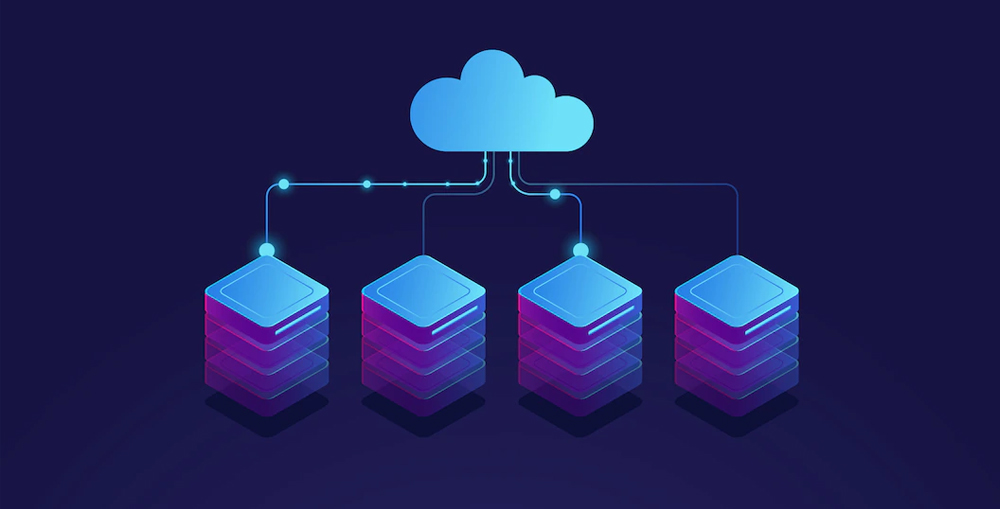
The digital performance management system server application is the brain of the system, it contains all of the source codes, algorithms and the actual data collection and analysis is done at the server side application. The performance management system software can be hosted at online hosting, in-premises servers, and at cloud which makes it very flexible and convenient. The different user dashboards are dedicatedly designed for the different levels of the management in order to provide the relevant and important information on the priority. The intuitive user interfaces make navigation simpler and easier and allow managers and user to perform several analysis based on the data collected and it also enable them to prepare performance reports and download them in pre-set formats.

The digital performance management system provides a structured framework for the reviews and communications, and help businesses improve their management practices. Furthermore it is a digital tool and it can automatically collect a tremendous amount of performance and analytical data which is not only very helpful but also reduce the efforts required for the performance management process.

See Also: Employee Performance Management Process with PMS

What is a Digital Performance Management System?

How Digitalization and Automation of Performance Management Benefits Businesses?

The digitalization and automation are used to facilitate human work, it help reducing human efforts, bring more accuracy to the processes and tend to produce high-quality outcomes. The digitalization and automation of performance management can help businesses in adopting to modern performance management practices such as agile or continuous performance management which is the most effective solution for the performance management needs in the modern marketplaces. Businesses always adopt new methods, systems, tools, software and solutions to improve efficiency and operational capabilities.

With the rise of AI (artificial intelligence) ML (machine learning) and smart algorithms our entire lives are revolutionized. Just think of the social media, people use it for various purposes such as for communication, or for entertainment or to gain commercial benefits and so on. All this is possible because of the artificial intelligence (AI) based smart systems and computer programs. That is why businesses can leverage the digitalization and automation in their performance management process to make it more accurate, highly efficient, cost and resource effective and less time consuming.

See Also: What is Continuous Performance Management? Complete Guide!

How Digitalization and Automation of Performance Management Benefits Businesses?

The digitalization and automation in performance management process offers many advantages, such as it improve the overall efficiency and efficacy of the process. Traditionally the performance management is a very time and effort consuming process that is also one of the reason businesses conduct performance analysis once or twice a year. But things have changed drastically, especially since past decade, now a day in such a modern and fast-paced work environments the businesses need to be more vigilant and responsive towards unexpected scenarios and abrupt market changes.

Which is why the businesses in Dubai and all around the UAE are proactively seeking modern performance management systems which can provide them a comprehensive solution for all their needs. Here are the key advantages of digitalization and automation in performance management processes.

See Also: Unlocking Business Potential with AI-Powered Advanced Analytics

Adopt Agile and Continuous Performance Management Practices

The Dubai or in fact the entire UAE is a very dynamic marketplace, it has tougher competition, the trends are rapidly changing the customer needs are continuously growing and the businesses need to align with those changes and demands very quickly in order to remain relevant. On top of everything the competition is also very high and the businesses need to establish a strong brand image by gaining a greater competitive advantage in order to attract more customers. These circumstances demand unorthodox solutions, which lies in agile and continuous performance management methods.

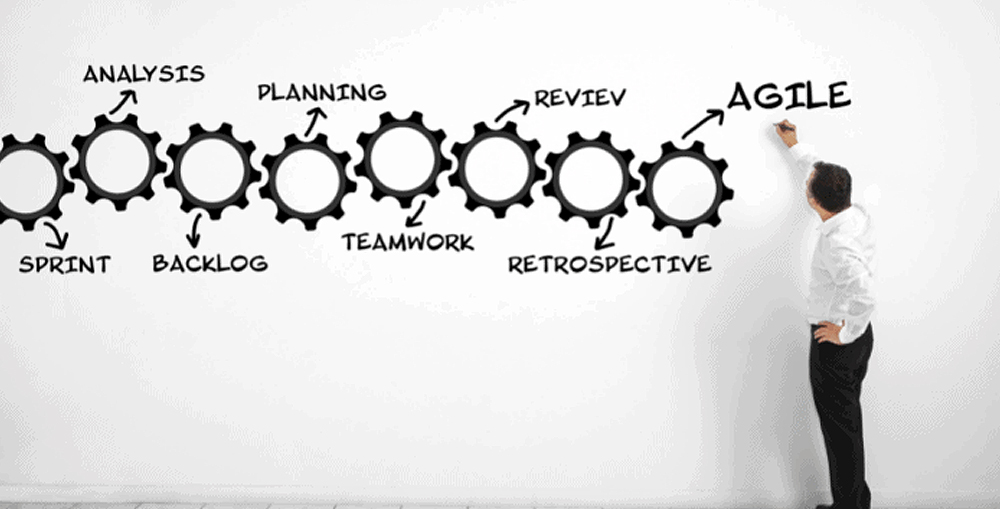
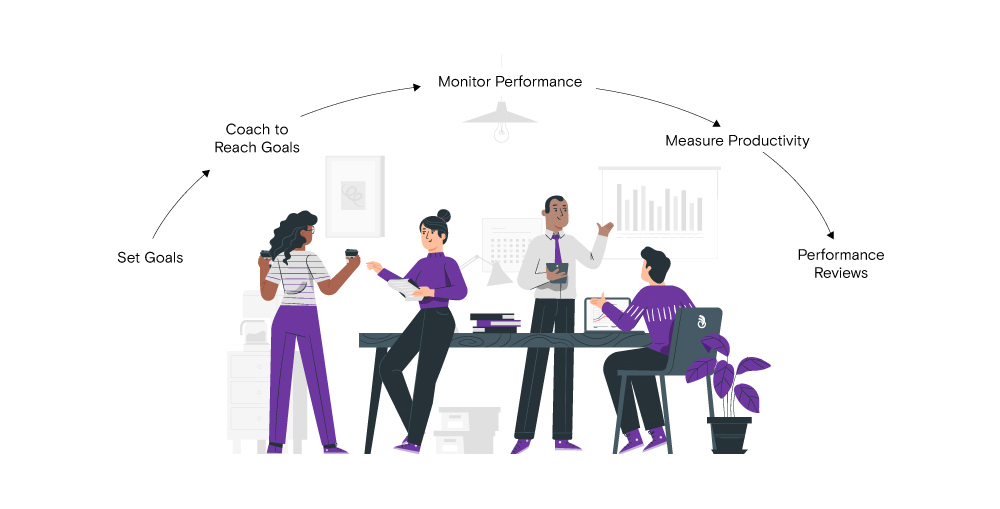
The agile performance management is conducting performance evaluation and appraisal more frequently than traditional methods, usually the performance cycle is three months or less. Whereas the continuous performance management is a cyclical performance management which consists of more frequent performance management cycles throughout the year. The continuous performance management cycle includes evaluation, planning, setting up goals & objectives, conducting reviews, collecting feedbacks, and more frequent communication/check-ins.

See Also: Performance Appraisal System for the HR Department

Adopt Agile and Continuous Performance Management Practices

Usually the agile and continuous performance management terms are interchangeable however, the difference is not major so businesses often utilize a mixture of both performance management types. Whatever the case is these types of performance management are not possible without adopting digitalization and automation within your performance management process. On an average the performance management and appraisal processes require a lot of efforts and resources which is time-consuming and expensive too. However, with the help of a digital performance management system and the automation it offers, the performance management become easier, less time-consuming and highly cost-efficient.

In fact the digital performance management system offers a continuous monitoring and provide real-time performance analysis data which help businesses to quickly adopt to changes and align themselves with the market trends. It also increase the readiness of the management to deal with unexpected situations and interruptions in the regular operations due to internal and external factors which significantly reduce the negative impact of such incidents.

See Also: The Future of Performance Appraisals: 6 Innovations and Changes [Quick Guide]

Adopt Agile and Continuous Performance Management Practices

Improve the Transparency of the Performance Management Process

Studies have revealed that both the employees and the managers showed distrust at the traditional performance management process. Mostly it is due to lack of transparency and other problems that are associated with the manual processes. However, with the digital performance management system as most of the steps are fully automated the employees and managers both trust it. As the system keep record of historical data and provide a full 360 degree view of the employee performance hence the chances of missing out something or personal bias are reduced.

Furthermore the modern performance management focus more on the contextual performance rather than measuring the outcome alone. Which also goes in favor of the employees and help manager to understand the actual performance of the employee for the entire performance cycle unlike traditional performance management where usually the managers focus only on the most recent events and incidents. Moreover the data is digital and stored in the performance management software which also raise the trust of the employees.

See Also: Data-Driven Decision Making in Performance Management

Improve the Transparency of the Performance Management Process

Acquire In-depth Performance Data with the Digital Performance Management System

Another great benefit of digitalizing and automation the performance management process is the ability to acquire highly accurate and in-depth performance data. The system can automatically collect a variety of KPIs, it can link the data from multiple departments and provide a broader picture of the performance. It also help facilitating various performance management methods such as 360 degree reviews, KPIs, OKR, Balanced Score Cards, Behavior KPIs, Technical Competencies and much more. The managers can also manually upload performance data to the system which further enhance the quality of the performance data. The ability to automatically and manually collecting digital data also have other perks.

Such as it provides a variety of in-built analytical tools to assess and evaluate the employee performance from multiple angles. The performance management system also help filling the communication gap between the employees and the managers by providing a structured framework for the one-to-one interviews, discussions, and performance reviews. All this data is very helpful in taking effective and impactful decisions and help improving the outcome of the performance management cycle.

See Also: Linking Performance Management to Business Outcomes

Acquire In-depth Performance Data with the Digital Performance Management System

Digital Performance Management Help Increasing the Quality of the Personal Development and Training Programs

For any organization the personal development and training programs are very important they are expensive hence the business need to ensure they achieve the desired goals. Designing a training program or guiding employees through a career path is a very complicated part of performance management. The digital performance management system collect a variety of analytical data and performance matrices which can help managers identifying the strengths and weaknesses of their employees and even the entire teams.

For example the managers can easily compare the employee performance in different setups or circumstances such as if an employee is working at a customer service center where the business is offering multiple services, when the employee is working on certain services they perform well and when they have to work on certain services their performance might decline. As the digital performance management system brings automation to the process so it can collect performance matrices in real-time which help managers identify the exact cause of poor performance.

See Also: The Role of Performance Management in Employee Engagement

Digital Performance Management Help Increasing the Quality of the Personal Development and Training Programs

The reliability and outcome of the training and personal development programs is heavily depending on the data and information that are being used to design those programs. If the performance data and information are incorrect or insufficient then the managers tend to make guesses or start making assumption which is very bad for the efficiency and efficacy of such programs. Furthermore the employees are continuously monitored hence the business can also evaluate the impact of the training and personal development programs by simply comparing the performance matrices from before and after these programs.

Here it is important to understand that the training and personal development programs are expensive and they require a lot of effort and time which means it is absolutely necessary to get the desired outcome of these programs. Thanks to the digitalization and the automation the management can collect valuable performance and business intelligence data to ensure the training program or personal development program they will offer will make the desired affects.

See Also: Performance Management System: Best Practices

Digital Performance Management Help Increasing the Quality of the Personal Development and Training Programs

Increase Employee Engagement and Reduce Turnover

The lack of employee engagements and the high employee turnover rate is one of the most common problems any HR department faces. Here in Dubai and all around the UAE the markets are rapidly growing the job opportunities are in abundance which makes employee retention more difficult. The digital performance management system not only collect valuable business intelligence and performance data but it also help increasing employee engagements. It offers dedicated employee dashboard where they can see their performance in real-time and it also enable employees to see the performance of their peers which encourage them to perform well.

The digital performance management system include employees in the decision making processes which not only increase employee involvement and engagement but also raise their sense of responsibility and encourages them to perform well. It also increase employee engagement by offering them a platform to share their opinion and feedback. Furthermore it facilitates the communication and improve the employee interaction with the management and increase their engagement which tend to yield better performance.

See Also: How to Set Goals for your Employees in Performance Management System?

Increase Employee Engagement and Reduce Turnover

The biggest cause of the employee turnover is the lack of engagement which cause stress, uncertainty, lack of trust on the performance management and training programs and inability to choose a right career path, all these reasons cause employees to switch jobs more often. The digital performance management system address all these problems and offer an effective solution. Furthermore when the employee engagement is increased and their involvement in decision making or other important tasks is increased they feel more connected with the business and tend to stay longer.

The digital performance management system brings transparency to the performance management process and it help building a fair reward and recognition system which not only improve the performance but also increase employees’ trust on the system and help them bridging the communication gap which increase their success rate and keep them interested in their work and raise their morale. All these advantages help HR to retain more talented employees and increase employee satisfaction.

See Also: How to Customize Performance Management System

Increase Employee Engagement and Reduce Turnover

Make Reward and Recognition Process Fairer

The reward and recognition is one of the most important part of any performance management process. Employees simply crave for respect and recognition. It is not that the monetary reward that matters, in fact verbal or written appreciation can do wonder. Several studies have shown that the employee put monetary and non-monetary rewards at equal. With traditional performance management methods the biggest problem is lack of transparency and trust. Employees usually don’t trust it, they think and feel that the reward and recognition processes was not fair, another most common perception is the presence of bias and favoritism.

Although the favoritism and bias is very common in traditional performance management methods, but the another major aspect is unfair or inaccurate evaluation. Since with manual process the managers tend to focus only on the most recent events and performance they might completely neglect the early year achievements. Furthermore the lack of contextual performance appraisal and consideration of external factors is absolutely absent from the system.

See Also: How the HR should select a Performance Management System?

Make Reward and Recognition Process Fairer

The traditional performance management methods usually failed to achieve the fairness in the reward and recognition process which can satisfy the employees. However, the digital performance management system brings automation to the process, it collect data and provide real-time analysis which are available for both the managers and the employees as well and the peers can also view the performance of their colleagues. These feature brings transparency to the system and make it more acceptable and fairer.

The rewards and recognition is purely based on the performance data which completely eliminates the bias and human emotion form the equation and make the process more accurate, fair and justified hence the employee satisfaction is high. The one who got rewards are happy with their performance as they know what exactly they did to earn it, and the poor performer would also know where they have to make improvements in order to compete for the better performance and success.

See Also: Choosing a Performance Management System A Buyer’s Guide

Make Reward and Recognition Process Fairer

Conclusion

The performance management is an essential business function these days, every business who want to compete and want to grow must have a great performance management strategy and system in place. The Dubai and in fact the entire UAE is a very dynamic, competitive and fast-moving market. It requires businesses to be more vigilant, pro-active and prepared for the abrupt changes, unprecedented market trends, competition and innovation. The UAE as a country has proven to be the innovation capital of the entire MENA region. That is why business need to unlock the full potential of their human resource to maximize the quality and quantity of the outcome.

Furthermore the HR department’s top priority is to make sure the business have the required talent and technical skills to deal with all the problems they are facing and they might be facing in near future. For that the HR department always emphasizes on employee retention, training and development programs. In order to keep your employee motivated a fairer and justice based evaluation is absolute necessity.

A digital performance management system not only ensures employee satisfaction, but it also ensures the maximum performance which translates to high profitability and growth. The digitalization and automation of the performance management processes help the management acquire a great deal of valuable performance data and business intelligence which help them keep their employees motivated, engaged and loyal all the time.

RSI Concepts is a leading custom software development agency in Dubai, UAE and is among the pioneers of the customized performance management system software solutions. If you want to learn more about the subject or if you want our help to implement a highly cost-efficient and effective tailor-made performance management system, please feel free to contact us through our Contact Us page or leave a comment in the comment box below and we will get in touch with you soon.

See Also: Importance of Queue Management System for Government and Public Offices


How Performance Management Impact on Organization’s Culture?

How Performance Management Impact on Organization's Culture

The performance management and the organization’s culture are both intertwined concepts and as per market experts shouldn’t be treated separately. Here in Dubai and all around the UAE the performance management have become a buzz word since past few years, especially since mid-2021 and up till 2022 we have witnessed all types and sizes of businesses, enterprises and government departments have started adopting to more modern and digitalized performance management strategies and practices.

The performance management system and organizational culture are the integral parts of the business success strategy. Every business wants to achieve higher performance, optimized cost, high-quality outcome, better profitability and steady growth. Like the movement of a car depends on the engine, gearbox, wheels, etc. the operation of the organization depends on the performance of the employees. That is why we have witnessed the increased focus on performance management across all verticals of the industry in Dubai and all around the UAE.

How Performance Management Impact on Organization's Culture

What is Performance Management?

The performance management is a very simple concept, it means improving everything. However, by definition the business performance management, corporate performance management or enterprise performance management is a set of strategies, analytical processes and a structured framework to support improvement and eliminate the hurdles from the way of employees and enable them to work at their highest possible potential to achieve business goals and objectives. That may sound complicated but it is not as that difficult.

The performance management consists of processes that are designed to help management monitor, track and improve the efficiency, productivity and progress of the employees and drive a strategy to execute these processes as per a pre-set plan of action. The performance management is an integral part of the modern work environment. It not only help improving the efficiency but it also help improving the entire organization’s culture, which have deeper impact on employees and the outcome they produce for the business and customers.

See Also: 5 Performance Management Problems and How to Solve Them

What is Performance Management?

What is Organization’s Culture?

The culture is a very vague term, yet everyone knows what a culture is. A culture is defined by the people who practiced it, for example, here in GCC the primary culture is the Arab culture, than each nation, and even regions have some distinct features which might not be as prominent to the outsider but can be recognized by the people who belongs to the culture itself. The cultures doesn’t have any defined boundaries, sometimes more than one nation follows the same culture if we look at the macro level, and if we see at a microscopic level in fact every household could have slightly different culture than the others.

Similarly the businesses and organizations also have a unique culture it is how the employee behave, how they deal with certain aspects of day-to-day functions, and how they respond to different demands, difficulties and certain circumstances. The organization’s culture includes the long term vision, mission of the business, the ideology of the leaders, and even the rewards and recognition system.

See Also: How to Design a Modern Performance Management System?

What is Organization’s Culture?

The organization’s culture keeps evolving all the time and always maintain a unique identity which is what fuel the competitiveness of the business and make it more desirable to the customers. Here are the key aspects of the organization’s culture that are closely linked with the performance management:

  • Engagement
  • Collaboration
  • Agility & Efficiency
  • Productivity
  • Innovation
  • Team Performance
  • Values
  • Behavior
  • Motivation
  • Personal Development
  • Respect & Recognition

These are the key ingredients for any success strategy. An organization or enterprise can’t achieve their long term goals or sustain growth without improving all of the above aspects of the organization’s culture.

See Also: Employee Performance Management Process with PMS

What is Organization’s Culture?
How Performance Management can Impact the Organization’s Culture?

The performance management doesn’t have any rule book or a template to set up an organization’s culture, but it have a huge impact on every aspect of the organizational culture. The performance management does have certain rules which dictates how the employee might behave or react to a certain situation, these rules are governed by the vision, mission, values, and traditions and practices a business or organization follows. That is why the performance management have such a profound impact on the organization’s culture.

The performance management sets the course for the evolution of the organization’s culture and it can be used as a tool to completely transform it. The performance management not only help businesses align their employees and resources with their company goals and objectives but it also keeps them motivated to achieve them. In this blog we will discuss how the performance management impact on the organization’s culture and values.

See Also: How Performance Management Systems Enhance Employee Engagement

How Performance Management can Impact the Organization’s Culture?

Align Employees with the High-Level Organizational Goals and Objectives

The high level organizational goals and objectives are dictated by the vision and mission of the organization. These goals scaled down to the individual employee goals and objectives. It is crucial to align the employees and all available resources with the high-level organizational goals and objectives. The employee orientation and alignment with the high-level organizational goals is the indicator of a good organization’s culture. And it is not possible with a good performance management system and strategy in place.

A performance management system provides a fully structured framework which facilitates various processes and help management communicate the high-level organizational goals to the employees and align their individual goals with the high level company goals and objectives. When all employees are aligned with the high level goals the progress improved. This also help improving the organization’s culture, and build a productive environment for the employees. A healthy and productive organization’s culture is a key to long term success and growth.

See Also: How to Set Goals for your Employees in Performance Management System?

Align Employees with the High Level Organizational Goals and Objectives

Build High Employee Collaboration Culture

In any organization the day-to-day operations can’t continue without effective collaborative attempts. An organization is like a car engine, there are too many moving parts, but all must have to move in harmony to move the vehicle. Similarly the performance management system help businesses increase collaboration. There are certain matrices that are specifically designed to measure the employee behavior and their performance in teams and individually. This help managers improve employee collaborations and identify and address problems with the collaboration processes.

The performance management system also help management assign goals to the teams and measure each individual’s performance in the team. These steps help organization to build a highly collaborative culture which improve performance and productivity. The employee collaboration not only help increasing the productivity and efficiency but it also help building good relationship among team members and employees which is great for a healthy work environment and a high-performance organization’s culture.

See Also: Data-Driven Decision Making in Performance Management

Build High Employee Collaboration Culture

Increase Employee Engagements in Organization’s Culture

Employee engagement is an essential component for the performance management it serves two major purposes one it increases employee involvement/interest in goals and the second it increases employee retention. Increasing employee interest is crucial to achieve high performance and the employee retention is also necessary for a long term success. Whenever a business hires a new employee it take a few months to integrate them within the organization’s culture and let them adopt the new practices, methods and environment. Losing an employee will have negative impact on the performance and in certain cases it could completely jeopardize the performance of the entire team or department.

Furthermore hiring employee is an expensive and difficult task, hunting right talent is not easy. The performance management help businesses engage employees in the decision making processes and listen to their say in goal setting and strategy building processes. Employee’s contribution in these activities and processes will increase their interests and also responsibility which help boosting the performance.

See Also: The Future of Performance Appraisals: 6 Innovations and Changes [Quick Guide]

Increase Employee Engagements in Organization’s Culture

Improve Communication between Employees and Managers

The performance management system and the organization’s culture both have only one primary aim which is organization’s success. The health of any work environment and culture can be measured by measuring the communication and relationship between the employees and the management. A healthy organization’s culture establishes a strong communication between employees and the managers which strengthens the employee-manager relationship. A performance management system provides a structured framework for the communication which help schedule one-to-one meetings and performance conversations between employees and managers.

When the communication is increased, the employee feel more connected with the management and they are more expressing and blunt about raising their concerns and highlighting the problems they are facing which help management understand those issues and let them take appropriate actions to solve them. The communication is a key to achieve higher performance and it also help improve organization’s culture.

See Also: Linking Performance Management to Business Outcomes

Improve Communication between Employees and Managers

Drive Innovation and Creativity in Organization’s Culture

The performance management system help driving innovation and creativity in the organization’s culture. The performance management system enable employees to actively participate in the decision making and other vital tasks, which help establishing a democratic environment in the workplace and encourage employees to take more creative and innovative approaches to maximize the outcome. These activities are also great for the management to identify the future leader and help them pick right talent with leadership capabilities.

The innovation and creativity not only help improving the performance but it also help businesses to evolve into better and more efficient enterprises. The performance management also facilitate communication which help bridging the gap between the employees and the managers. When the employees are comfortable in expressing themselves without any fear or repercussion they are freer to think out of the box. The innovation and creativity doesn’t only help improving performance and productivity but it also provide a great competitive advantage.

See Also: What is Continuous Performance Management? Complete Guide!

Drive Innovation and Creativity in Organization’s Culture

Build a Culture of High Performance Teams

The team performance is equally important as the individual performance. High-performing teams mean more collaborative and supportive team members. The performance management helps building a collaborative organization’s culture. The performance management not only measure individual performance but it also provide team performance matrices which help management understand the team’s performance and the individual contribution in the overall progress. Furthermore the performance management system also have a highly effective feedback collection mechanism which not only take feedback from supervisors and managers but also from peers, other teams/departments and even external stakeholders such as customers and suppliers.

This enables a sense of responsibility, collective effort, and support for each other in the organization’s culture. When the employees know that their team’s performance also matters they tend to help out their team-mates more and usually such culture inspire higher performance and high-quality outcomes. The performance management system help evolve a culture of mutual support and collective efforts which significantly improve team performance.

See Also: What are the Features of a Best Performance Management System?

Build a Culture of High Performance Teams

Improve Employee Behavior

Traditionally for any society the culture depends on the behavior of the people living in that society. Same is applicable for the businesses and organizations the organization’s culture heavily depends on the behavior of the employees. If the employees are provided with the good organization’s culture and high values, the employees tend to behave good which help improving the performance and the outcome. However, if the employees’ behavior goes unchecked then it can gradually deteriorate and cause a bigger problem for the management. The performance management system is a great tool to maintain and sustain a highly productive and desirable culture at workplace.

The organization’s culture doesn’t only impact the employee but it is also very important for the management. A modern digital performance management system emphasize greatly on the behaviorally anchored rating mechanisms. These tools help management to actively monitor the employee behavior and set rating matrices to reward employee for their good behavior. That is why the performance management is a great tool to improve employee behavior which have huge impact on the organization’s culture.

See Also: Choosing a Performance Management System A Buyer’s Guide

Improve Employee Behavior

Bring Transparency to the Organization’s Culture

Transparency is one of the most important factor for employee satisfaction. Employee satisfaction drives employee loyalty which help increasing employee retention. And employee retention is very important for long term growth. The HR department’s top priority is to provide the required skillset and talent to each business function which becomes extremely difficult with high employee turnover that is why employee retention is important for long term success. The performance management system is a digital tool which ensures maximum transparency and adopt modern and more effective practices in the organization’s culture.

The modern performance management consider the entire performance of an employee throughout the performance cycle, it completely eliminates bias and also facilitate contextual performance evaluation processes. The performance management also improve communication and strengthen the relationship between the employees and the management which also help increasing the transparency in the evaluation processes and have a great impact on overall organization’s culture.

See Also: Boost Employee Efficiency with a Performance Management System

Bring Transparency to the Organization’s Culture

Eliminates Micro Management from Organization’s Culture

The micromanagement is one of the biggest problem almost every organization and business face at some time. The employees usually feel tremendous pressure and stress when the work in a culture of micro management. Usually the managers who micro manage everything doesn’t trust their subordinates. This also cause distance between the managers and the employees and eventually it cause hopelessness and have huge toll on the performance. Such managers also keep checking the employees enquiring about their work, which also make situation more stressful for the employees, eventually the employee start avoiding discussions with such managers which further cause more problems.

The communication is a key to high performance if an organization’s culture failed to set up a proper communication mechanism the performance could significantly reduce. The performance management system provides a highly structured communication mechanism and it also provide real-time performance data to the managers and it can significantly reduce the impact of micro management and help improving the performance.

See Also: Employee Performance Management is a small part of Performance Management System

Eliminates Micro Management from Organization’s Culture

Fair Reward & Recognition Improve Organization’s Culture

The reward and recognition is crucial to motivate employees and to raise their morale. If a business or organization is failed to recognize the achievements of the employees they employee will eventually lose interest and their performance will decline. A healthy organizational culture will always include traditions of rewarding and admiring the high achievers. This will not only motivate them to perform better in future but it will also inspire average and poor performer to do better. Most of the time the employee doesn’t trust on the reward programs due to bias or inefficient evaluation mechanisms.

However, with the performance management system the employees know that all of their work will be included in their evaluation and there would be no discrimination or personal bias against them, they tend to perform well. The performance management system also provide detailed performance data to the employees and it can also provide the progress details of their peers and other employees which increase the competitiveness and encourage employees to trust more on the system and perform well. A fair reward and recognition program is a key to improve organization’s culture.

See Also: Why Automating Performance Management is Important for Businesses?

Fair Reward & Recognition Improve Organization’s Culture

See More: Key Tips to Improve Service Quality through Queue Management System

Conclusion

The performance management and the organization’s culture both are intertwined deeply. The employee usually spend most of their time at the workplace which means that the organizations and businesses should be able to offer a great employee-friendly and supportive environment where they can grow and progress and in return the overall organization can grow. We have always witnessed that businesses and organizations failed to utilize the full potential of their employees and their capabilities. That is majorly due to the flaws of the organization’s culture and the poor performance management. The organization’s culture is set by the values, standards, and communication. The performance management system provides a highly structured framework which significantly improve the communication and help management form and shape the organization’s culture. Furthermore the performance management provides a deeper monitoring and accountability mechanisms which also help improving the organization’s culture.

In this blog we have listed some key features of a performance management system which can help improving the organization’s culture. If you want to learn more or if you want us to develop a highly effective performance management system for your organization, please feel free to contact us through our Contact Us page or leave a comment in the comment box below and we will get in touch with you soon.

See Also: Why Performance Management System is a Necessity for Companies in Dubai

See Also: Importance of Queue Management System for Government and Public Offices


Why Organizations need Performance Appraisal System in UAE in 2024

Why Organizations need Performance Appraisal System in UAE in 2022

[Updated]

The performance appraisal system is a great tool for the HR department. It help them to unlock the full potential of their workforce. The performance appraisal system is a necessity in a competitive marketplaces such as UAE. The UAE is one of the largest economy of the region with a high-paced growth and very friendly environment for businesses. That is why businesses and organizations are flourishing in the country. The local market and the international markets both are accessible form the UAE and this has attracted a lot of businesses and organizations to operate in the country.

These circumstances also led to a very competitive market with high standards and very high customer demands. In order to ensure the sustainability and growth a business must have to operate at the maximum levels of efficiency and productivity. These factors led to a rapid adaptation of the digital performance appraisal systems all across the entire country. Businesses have started implementing various different types of performance appraisal systems however, most of the businesses preferred a customized performance appraisal system in 2024 and we are hoping to see a rise in this trend in coming years.

See Also: Beginners’ Guide to Appraisal System

Why Organizations need Performance Appraisal System in UAE in 2022

A modern performance appraisal system is a digital tool that enable businesses to evaluate their employees with high accuracy and enable them to identify factors that are impacting the performance of the employees. The biggest advantage of a digital performance appraisal system is that it is a data-driven performance framework which provide highly accurate and structured methods to evaluate the employee performance and help businesses align them with the high-level organizational goals and objectives. Traditionally the performance appraisals are a very time and resource consuming activity, hence only done once or twice a year.

However, with the help of digital performance appraisal system several processes can be automated and the data is fully digital which enable businesses to conduct a performance appraisal with very less resources, time and efforts. The businesses who use a performance appraisal system usually have more performance evaluation cycles in a year, usually quarterly, but it can be further reduced to monthly or even project wise appraisals.

See Also: 5 Challenges to face if Performance Appraisal is not customized as per Organization’s Policies

Why Organizations in UAE Needs a Performance Appraisal System in 2024

Since the economies all around the world are recovering from the 2020 pandemic, the marketplaces have evolved rapidly and become more customer oriented. Furthermore the customer demands and trends are also continuously changing. The competition and other market conditions are also rapidly changing and need businesses to be more vigilant, resilient and proactive. A business can only respond to such changes quickly enough if their employees and resources are working at their full potential. Most of the time businesses have all the ingredients of success, but still failed to achieve their goals because they are not performing as well as they could.

The performance appraisal system provide a structured framework to manage and improve the employee performance and drive productivity by effectively evaluating the employees, solving their problems and inspiring them for better performance. The modern performance management systems have become more integrated, smart, and easy-to-operate and become more autonomous than ever before which makes the process more effective, accurate and agile.

See Also: Characteristics of a Good Employee Appraisal System

Why Organizations in UAE Needs a Performance Appraisal System in 2022

Advantages of the Performance Appraisal System

The performance appraisal system have many advantages which makes it as perfect companion for modern businesses in 2024. As the system is digital so it can offer great visibility and customized view of performance data for different user groups. It provides a structured framework for communication and help organizing the conversation repository which also enables it to offer various comparative analysis and past performance data. Here are the key advantages of the performance appraisal system:

1. Align Employees with the Organizational Goals and Objectives

The performance measurement might seem a simple process however it is not as that easy to integrate a performance appraisal framework in organizations. For that businesses require a good performance management strategy which always begins with defining the goals and objectives for the employees, managers, teams, departments and for the entire organization. Each organization has a long term vision, all their annual or shorter goals are derived from that vision. Obviously the vision or mission is not something that can be fully communicated to the individual employees.

However, the vision and mission statements can be communicated effectively to the employees along with their goals and objectives which are derived from the organizational goals and strategic objectives to achieve that vision. The top management define the organizational goals and objectives that are always aligned with the vision and mission. Then these goals and objectives scaled down to the departments, teams, and individual levels. These goals will provide a reference point to measure the performance.

See Also: Performance Appraisal System for the HR Department

Align Employees with the Organizational Goals and Objectives

The employee performance is measured based on their progress towards their goals and objective during a given time period or appraisal cycle. For example if the appraisal cycle was for 3 months, the goals of an employee was to produce 300 parts at a lathe machine and they have produced 250 parts during that time period then their progress can be measured as 83.3%. That was a very simple matric the performance measurement was simple and easy. However, most of the time the performance measurement is a bit more complex that is why the managers set quantifiable goals for the employees so their performance can be measured accurately.

In some cases only one matric is not enough to measure the actual performance which makes things a bit more complex. For example, in case of a service center, a service agent was given a goal to serve 300 customers in 3 months, however, they served only 250, but their performance can’t be taken as 83.3% success. In fact it the customer experience that is equally important. Just by calculating the number of customers alone can’t determine how beneficial the employee was for the organization.

See Also: The Future of Performance Appraisals: 6 Innovations and Changes [Quick Guide]

Align Employees with the Organizational Goals and Objectives

The digital performance appraisal system allow businesses and managers to set up goals along with the scale to measure the progress. Usually the goals and objectives are defined using SMART framework, it means scalable, measurable, attainable, realistic, and time-bound. Adopting SMART framework can eliminate almost all major mistakes that any HR or line manager can make setting up goals for the employees. The employee performance appraisal system allow both the employees and the managers to access the system through their dedicated dashboards to monitor their performance and progress in real time. Which is also very helpful in encouraging the employees to perform well.

Furthermore the performance appraisal system also support managers to communicate the goals and objectives to the employees along with their impact on the high-level organizational goals and objectives. When the employees know what their efforts worth for in term of achieving the high-level organizational goals, they tend to perform well. Communicating the organizational goals and objectives is crucial for the employees to understand how they are and how they can contribute to the organizational goals and objectives.

See Also: Appraisal Methods in Performance Management System

Align Employees with the Organizational Goals and Objectives

2. Organize Communications and Reviews

The digital employee performance appraisal system provides a structured communication framework and make communication more effective, organized and convenient for both parties. The communication is the most crucial aspect of performance management. An organization can never achieve higher performance without an effective communication mechanism in place. The communication help the management to acquire the required feedback to understand the performance and progress. It help them understand what employees are doing, how they are doing and what is to expect from them in future.

Furthermore it also help management understand the employee’s problems and help them identifying the factors that are harming the performance. The performance appraisal system streamline the communication, it provides a structured framework to establish effective relationship between the managers and the employees. All one to one sessions are logged, scheduled and recorded in the system along with the regular performance reviews and other feedbacks. This will help management take actions to improve the performance and increase the chances of success.

See Also: How to Develop Custom Performance Appraisal System in UAE?

Organize Communications and Reviews

3. Increase Employee Engagements and Collaboration

The digital employee performance appraisal system allow managers to include employees in decision making processes which increase employee engagement. When the managers and the employees collaborate to set goals the employees are most likely to achieve them. It is the employee who can completely understand their circumstances, limitations and strengths. The managers obviously have a good understanding of work environment but it is the employee who have deeper knowledge about the ground realities. When the employees and the managers sit together the chances are they will set more realistic and achievable goals. This help increase the success rate and also increase employee morale.

Moreover when the employee knows the goals are set with their consent they are most likely to get attached to it and feel more responsible for that. This encourage them to put extra efforts to achieve such goals and increase the success rate. The success itself is a great factor to increase employee courage, confidence and passion about their work. The increase employee engagement and collaborative environment always tend to produce better performance and higher productivity.

See Also: Employee Performance Appraisal System for Small Businesses

Increase Employee Engagements and Collaboration

4. Bring Transparency to Reward and Recognitions Processes

The reward and recognition is one of the primary objective of any employee performance appraisal system. Traditionally the employee performance appraisal system was based on manual assessments, which are usually done by the managers. This method is outdated and no longer viable, employees in businesses and organizations are not happy with the traditional assessment processes. Usually the employee complain about the lack of transparency in the system. Studies have revealed that the managers only consider the most recent and most prominent events to assess the overall performance of the employee for the entire year.

Most of the time the managers failed to recall the employee performance and behavior from the earlier months of the years, which in itself cause a lot of problems and reduce the accuracy from the system. However, the digital employee appraisal system can record and provide the employee performance data of the entire year. The managers can view the employee performance of the entire year along with the recorded reviews and feedbacks at their dashboard which help improving the accuracy and transparency of the system.

See Also: Performance Management System: Best Practices

Bring Transparency to Reward and Recognitions Processes

The employees are also provided with the data collected by the employee performance appraisal system hence the chances of misconduct or mistakes are very less. There is no room for favoritism or personal bias in the evaluation process which also build confidence of the employees on the system and produce highly accurate performance data. Furthermore the management can embrace the employees who have performed well and they can try to improve the performance of the employees who lagged behind. The appreciation, recognition and reward for good work plays a crucial role in employee satisfaction and raise their morale.

It also increase their loyalty and motivate them to perform even better. The performance appraisal system doesn’t only rely on the reviews of the manager, but it collect quantifiable performance data and also allow other stakeholders to provide feedback. The peers, managers, senior management, cross-department managers, and even relevant customer can provide their feedback which significantly increase the transparency of the performance appraisal process and help gaining employee’s trust.

See Also: Why do businesses need both the performance management and performance appraisal?

Bring Transparency to Reward and Recognitions Processes

5. Offer a Better Career Path to the Employees

The employee performance appraisal system is a great tool to harvest future leaders. The modern performance management is leaning towards more contextual analysis rather only measuring the quantity of the work. The employee performance appraisal system help managers to implement contextual performance measurement techniques and enable them to include both the quality of the work and the quantity of the work in the evaluation process. Furthermore the performance appraisal system also help businesses effectively analyze the skills, technical competencies and the behavioral competencies which help them determine the exact value of an individual employee. The employee performance appraisal system can also be integrated with the accounts and help HR department with cost-accounting appraisal processes.

It is extremely important for an organization to determine the exact value of individual employee and then propose them right career path to keep increasing their potential and talent. When the employees are provided with the right opportunities they grow, when they grow they become more beneficial for their organization. This require highly accurate performance data and in-depth analysis of the strengths and weaknesses of each individual employee which is only possible with a digital employee performance appraisal system.

See Also: Performance Management System Trends in 2023

Offer a Better Career Path to the Employees

6. Improve HR Efficiency

The performance appraisal either annual or interim is one of the most important function of the HR department. It requires a lot of resources, efforts, planning and time. The primary function of the HR department is to select the right talent for the business, retain employees, ensure employee satisfaction to maximize the outcome and keep filling the skill gap in the organization’s talent pool. These all tasks require a lot of in-depth understanding of the workforce and individual employee. The digital performance appraisal system not only help HR department achieve their organizational goals, but it also facilitates all these processes and make the appraisal more simpler and easier this it help boosting the efficiency of the HR department.

It is the employee performance appraisal process that generates the right data to let HR understand what talent and skills they have and what is missing or what can be added to further boost the productivity of the business. Without accurate performance data the HR’s decisions could be risky and might failed to generate the desired outcome. That is why the employee performance appraisal system is absolutely essential for the HR in modern work environments in 2024.

See Also: The Role of Performance Management in Employee Engagement

Improve HR Efficiency

7. Improve the Efficacy of the Training and Development Programs

The training and personal development or employee development programs are crucial for any business. They are expensive and it requires a lot time and efforts to develop an effective training and employee development program. The employee performance appraisal system not only provide the required information and performance data that help HR to design most effective training and personal development programs but it also help the HR to further analyze and evaluate their training and development programs. The HR departments can complete several appraisal and performance cycles to reach to a conclusive decision for these programs. This means that it also require a lot of resources and time.

Once the HR department have designed an employee training and development program they can measure the efficacy by simply conducting another appraisal after those programs to measure the effects. The performance data will provide highly accurate results which will help determining the efficacy of these programs. The HR department can further tweak and upgrade those programs to generate the desired outcome. That is why the employee performance appraisal system is so crucial for organizations.

See Also: Data-Driven Decision Making in Performance Management

Improve the Efficacy of the Training and Development Programs

8. Reduce Employee Turnover

The employee turnover is one of the most impactful factor at enterprise and organizational performance. The HR department have invested a lot of efforts and resources to hire an employee, then the business will also have to bear the retention cost. Usually the HR can successfully target the right talent but the problems come when the HR will have to retain those highly-talented and ambitious employees. Most of the time the organization failed to retain those highly valuable and talented employees. There could be so many reasons why employee leave but most common is the lack of appreciation, acknowledgement, engagement and future score at the job. The employee performance appraisal system help the HR to solve employees’ problem and fulfill their needs which help reducing the employee turnover.

When the employees are happy and satisfied with their current position they are most likely to stay. The employee satisfaction can be achieved by gaining their trust, appreciating them for their efforts and helping them out when they are not performing well. The employee performance appraisal system help streamline the communication, it improves the employee satisfaction and engagements, it improves communication and help HR to understand the needs and problems of the employees. Which help HR to take actions to retain employees and prevent unwanted disruptions in the performance.

See Also: Linking Performance Management to Business Outcomes

Reduce Employee Turnover

Conclusion

The UAE is a rapidly growing economy and a very competitive marketplace, the businesses and organizations need performance appraisal system to maximize their productivity and profitability. In the year 2024 we have witnessed a huge increase in the adaptation of the modern performance management methods and digital employee performance appraisal systems. This is an indicator of how important it is for the modern work environment. No matter how expensive and advanced IT infrastructure an organization builds, or how modern and effective solutions they have acquired for their daily operations, if the employee are not performing well then everything else is just worthless.

That is why the businesses emphasize a lot on performance appraisal systems. The traditional appraisal systems have already failed the business and organizations in UAE and in fact all around the world. The employees and the managers both are rapidly losing faith in the traditional appraisal methods and practices all around the world. This requires businesses to adopt a modern and highly advanced employee performance appraisal system.

See Also: Unlocking Business Potential with AI-Powered Advanced Analytics

The employee appraisal system is a digital tool it helps businesses set up most effective goals and also enable them to communicate these goals effectively to the employees. It help monitoring the employee performance in real-time hence make managers more ready and prepared for interruptions and unprecedented scenarios. It help improving the evaluation practices and provide highly accurate performance data which help the HR and the management to take informed and effective decisions. The modern performance appraisal system also help organizations to reduce the cost of the appraisal process and make it very simple so much so that the businesses who have implemented a digital performance appraisal system can conduct performance appraisal activities many times a year.

It also help businesses to adopt modern appraisal practices such as in-depth contextual based performance reviews and support them to boost the skills and performance of the employees over the time. RSI Concepts is a leading employee performance appraisal system provider in Dubai, UAE. If you want to learn more about the subject of if you want our help to build a highly efficiency and cost-effective customized employee performance appraisal system for you. Please feel free to contact us through our Contact Us page or leave a comment in the comment box below and we will get in touch with you soon.

See Also: What Is Cross-Platform App Development?

See Also: Customizing Performance Management Systems for Diverse Workforces


Key Tips to Improve Service Quality through Queue Management System

Key Tips to Improve Service Quality through Queue Management System

For any business the primary goals is to satisfy its customers, generate more revenue and grow. The service sector in Dubai and all around the UAE is very concerned about the rapid changes in the market trends, market behavior and technology advancements. The customer experience and service quality are the most important factors for any business’s success. However, each business will have to find a balance between the resources they have and the quality of service they provide. Investing a lot of resources in service delivery processes can surely improve the service quality but this approach could jeopardize the growth.

That is why each business has to maximize the efficiency, productivity and performance in order to achieve the high quality of work with whatever the resources they have in hand. For that businesses adopt different methods and bring innovative solutions to maximize the operational efficiency and the quality of the work. This enable businesses to utilize their resources at maximum potential and achieve higher performance efficiency.

See Also: From Chaos to Control: How Queue Management Systems Can Improve Your Business

Key Tips to Improve Service Quality through Queue Management System

When it comes to efficiency and quality of work, for the service based businesses the service centers are the main customer facing channels. Customers tend to visit the service centers to avail various different services, for that the business have multiple counters in a service center to ensure maximum customers get served with minimum wait time. Sometimes there are some exclusive counters for some exclusive services, sometimes there are stepped services which require customers to go to multiple counters to get the full service and so on. There could be different service methods and work flows as per the business model and their practices.

However, one thing in customer service centers is universal and very common, which is long waiting lines. The queue management system is one of the most critical business function. Different service based industries have different footfall patterns, but all have some peak hours or busy days than the others. The customer footfall will be higher in certain hours of the day which could cause slow moving queues, long waiting time, and even crowed formation is common. That is why a digital queue management system is used to deal with these sort of problems. In this blog we will discuss how a queue management system improves the efficiency of the branch and how it improves service quality.

See Also: How a Queue Management System Can Transform Your Business Operations

Key Tips to Improve Service Quality through Queue Management System

What is a Digital Queue Management System?

A digital queue management system is a modern solution to manage queues at the large customer service centers. The queue management system is a digital tool, it consists of two parts, one is software and the other is hardware. The major hardware components are interactive kiosk or ticket dispensing machine, digital signage and audio announcements system. The software is designed with highly advance AI (artificial intelligence) based smart algorithms which makes queue management system capable to continuously reading analytical data and take decision in real-time to maximize the efficiency of the queuing process.

The queue management system software is usually hosted at a server, or online or at cloud. The agents gets their agent dashboard which provide them features to perform their queuing related tasks and it can also help them improve the service delivery process. The customer UI (user interface) is designed for the interactive kiosk.

See Also: What are the Basic Components of Queue Management System?

What is a Digital Queue Management System?

However, some modern queue management system allow customers to interact with the system through multiple channels such as smartphone apps, online portals, and other channels. The administrative dashboard is for the management and staff and it is the main command and control system of the queue management system. Furthermore there are different types of software and hardware accessories that can be added to the system on the bases of needs of the business. The virtual queuing is the most modern form of the queue management system it is capable of reducing the customer wait time to literally none.

There are several hardware accessories that can be added to the queue management system such as Emirates ID card reader, passport scanners, RFID Job ID Card Reader, Barcode & QR Code reader and several others. The software is capable of integrating with several systems and databases which allow the queue management system to offer more innovative features to enhance customer experience and to maximize the service quality.

See Also: What are the Different Types of Queue Management System?

What is a Digital Queue Management System?

Key Advantages of a Queue Management System that Help Improving Service Quality

The queue management system is used to deal with day-to-day queuing problems. However, the queue management system doesn’t only regulate the customer flow but it is a very capable tool which can help improving each and every touch point of the customer journey. The service quality doesn’t only depends on the capabilities of the service agent, in fact there are a lot of other variables which help businesses gradually improve the service quality. If a business is failed to manage the customer flow and the queues effectively the customers will have to wait longer, their waiting experience would be average or mostly below average, they will get waiting stress and they could reach counter in a highly uncomfortable mental state.

After a long waiting time most of the customers just want to get everything done as quickly as possible, hence they make the job of service agent more difficult. Moreover when the queues are poorly managed the service agents also have a lot more work to do, they will get distracted from additional tasks to manage the queues, communicating with the customers in the waiting lines, and much more. Which effect their performance. All this led to a poor service quality. Here are the key advantages of a queue management system that help businesses improving the service quality.

See Also: The Role of AI in Enhancing Queue Management Systems

Key Advantages of a Queue Management System that Help Improving Service Quality

Reduced Wait Time

One of the most crucial part of customer journey is the wait time and it could have profound effect on service delivery as well. As per industry standards and several international studies the average acceptable wait time for a customer is 5 to 13 minutes, depend on the industry. In traditional and manual queuing environment an average wait time could reach somewhere from 20 to 100 minutes on an average, depends on the footfall and industry type. However a digital queue management system can reduce the customer wait time by 30% to 70% depends on the industry. Furthermore the virtual queuing is a highly efficient queue management system which can literally reduce the wait time to zero.

That much of reduction in the customer waiting time can have significant impact on customer happiness and customer satisfaction. Traditionally the queue management is not an easy task, it requires a lot of manpower and even then it cause a lot of problems which result in customer unhappiness and dissatisfaction, such as line jumpers, long waiting lines, dispute among customers, customer complaints about favoritism or poor management and much more. All these issues not only make your customers unhappy and frustrated but also have a toll on the employee performance.

See Also: Streamlining Customer Service: The Power of a Modern Queue Management System

Reduced Wait Time

A digital queue management system let customers sign-up for the virtual queues, hence they don’t have to physically wait in the lines. It offer customers freedom to wait comfortably in the designated waiting areas and help improving their experience. Furthermore the queue management system is a digital tool, hence the customers and visitors knows that the queues are managed by a computer operated program. This assure them there would be no line jumping, no favoritism and no mismanagement. Hence the customer complaints reduced to literally none. The queue management system automates the customer sign-up processes with the help of self-service solutions.

Furthermore the self-service interactive ticket dispensing kiosk can be used to acquire some basic information about the customer’s needs. Which help queue management system to put them in the right queue. Furthermore the queue management system can divert customers from one counter to another in real time to ensure maximum efficiency. This entire process is automated, hence the wait time is significantly reduced. Since there is no human involvement the entire process is automated, the efficiency is high which improve customer flow and reduce wait time.

See Also: Streamlining Customer Service: The Power of a Modern Queue Management System

Reduced Wait Time

Improve Customer’s Waiting Experience

Reducing the customer wait time is a great advantage however, the improving the customer waiting experience could double their satisfaction. There are certain features that a queue management system offers which help businesses improve the customer waiting experience. The wait become more difficult if we don’t know how long we would have to wait. A queue management system captures analytical and system usage data, it also monitor several employee performance KPIs. The AI based smart algorithms can easily determine the expected wait time. Publishing the expected wait time help reducing the stress of the customers.

Furthermore the digital signage keep displaying the live queuing information which also keep customers engaged and distracted from the waiting. The queue management system also allow businesses to publish multimedia content for information and entertainment to keep user busy. The multi-lingual audio announcement system keep announcing the next ticket number. These all things keep user distracted from the boredom of the waiting and keep them engaged which reduced the stress of the waiting and improve customer’s waiting experience.

See Also: How Queue Management System can Boost Productivity and Profitability?

Improve Customer’s Waiting Experience

Improve Customer Flow

The customer flow is of the major aspect of queue management. Usually in each service center there are several counters, there are several services and each service is different from the other. There are so many factors that can affect the customer flow. For example, some services take more time than the others, there are certain services which can be only offered by the exclusive counters, different service agents work on different pace, etc. All these factors can impact the customer wait time. The queue management system take account of all these aspects and it is capable of taking fully autonomous decisions in real time, which enable it to utilize the full potential of the service agents and maximize the productivity.

For example, if a particular service is offered at 3 out 10 counters, two of the service agents are working at a good pace, one is relatively slower and takes more time to serve a customer than the peers. In such case the queue management system can sense the customer flow pace, and it can move more customers from the fast moving queues than the slow moving queues to maintain the balance which also increase the overall performance of the team.

See Also: Why Small and Local Businesses Need a Queue Management System?

Improve Customer Flow

Furthermore there are several services which are exclusive and there are customer groups which require different treatment as per the business policy. In such scenarios the queue management system can completely understand the customer route and ensures a smooth customer flow. The queue management system can automatically direct the premium or VIP customers to exclusive counters, it can direct the customers to the designated counters based on their service requirements. If a counter stopped, it can automatically divert and distribute the load at the other counters.

These features are fully autonomous, the businesses can configure their policies as an instruction set for the system and the queue management system takes all the decisions in real-time based on the data it is capturing from different sources and touch points. The queue management system can also effectively improve the customer flow for the stepped services. A stepped service is a service that is distributed among more than one counters, the queue management system can not only ensures smooth customer flow but it also direct customers to the next steps. Basically the automation plays a vital role in maximizing the customer flow.

See Also: Queue Management System and Predictive Waiting Time

Improve Customer Flow

Offer Virtual Queuing

The virtual queuing is the most modern and advanced type of queue management system. The virtual queuing allow customers to utilize remote channels and mediums to sing-up remotely for the queues. It means that the customers are not required to be physically present at the branch. The virtual queue management systems are integrated with multiple channels, such as queue management system mobile apps, online customer portals, company website, SMS, QR Code, WhatsApp, etc. All these channels improve customer experience by providing them freedom and control over their interaction and facilitate each customer journey step. Since the customers are signing up remotely, hence they can plan their visit to arrive only when their turn comes.

Moreover the customers are not required to sit in the waiting areas anymore. They can do whatever they want to do, this offer a great relief to the customers and doesn’t put any waiting pressure on them. Furthermore the remote channels also allow businesses to enable communication with the customers and send them alerts and notifications to keep them updated with the queuing status. Less wait time means no stress or frustration, the customers get served as they arrived. This has a great impact on customer interaction and make it easier for the service agent to deliver a satisfactory experience.

See Also: The Concept of Queue Management and Crowd Control

Offer Virtual Queuing

Reduce Employee Workload and Improve Efficiency

With the traditional queuing the employee works under high pressure and they have to deal with a lot of unwanted tasks such as managing the queues, answering to people’s queries, solving their disputes, and such activities. This can have a serious impact on employee efficiency and on top of that the business will require a lot of additional staff to ensure a smooth customer flow during the peak hours. However, with the queue management system the employee doesn’t have to deal with any of such task, the entire customer flow is managed by the queue management system.

This reduce the work load of the employee, furthermore the queue management system automatically manages the customer flow which is also very helpful in evenly distributing the customer among all available counters. When employee work under balanced workload their performance automatically got improved and they tend to be more satisfied.

Moreover the queue management system can also be integrated with internal systems and other business tools which enables it to help service agents with their pre-service and post-service tasks, and reduce the delay. Happy and satisfied employees tend to deliver better service and on top of that since the customers also arrive with a calm and stress-free mind, it is easier to satisfy them.

See Also: What to Consider When Choosing a Queue Management System

Reduce Employee Workload and Improve Efficiency

Collect Business Intelligence Data and Improve Decision Making Processes

As the queue management system is a digital tool it has capability to collect and record analytical and performance data. The queue management system can collect information about the footfall, the peak hours/days, different patterns, the data about the service usage, the employee performance data and even the customer feedback data which help management to take informed decisions and based their policies and strategies upon the analytical, historic and feedback data to maximize the customer satisfaction and service quality.

For example the understanding of the peak hours, will let the management effectively utilize resources, the understanding of the wait time can help understanding the strength and weaknesses of the queuing strategies. The employee performance data will help the management and the HR to design effective training programs and improve employee performance and technical competencies.

Furthermore the customer feedback data help the management to understand the customer’s needs, expectations and desires. It also help identifying the areas of improvement and enable the businesses to gradually improve the services and service quality.

See Also: Queue Management System Problems and Solutions in Dubai, UAE

Collect Business Intelligence Data and Improve Decision Making Processes

Integration with Third Party Tools and Databases

The queue management system is designed on a highly adoptive and technologically advanced platforms. Which enables businesses to easily integrate in the internal IT infrastructure and the central information center. This enables the queue management system to send and receive data to and from all integrated systems, databases and the central information center. The integration also allow queue management system to offer more innovative features. For example the integration with the customer database allow queue management system to identify the customers at the self-service ticket dispensing kiosk via the customer ID, barcode/QR code, or even with the Emirates ID Card and so on. Integrating biometrics identification is also very common among the HR departments.

The integration also allow the queue management system to facilitate the agent’s tasks. For example each agent have to prepare for the next service, this preparation require accessing certain information that are required for the service delivery, which can be automatically pushed to the agent dashboard if the queue management system is integrated with the relevant systems and databases and so on. All these features are possible because of the integration capabilities of the queue management system and directly or indirectly help improving the service quality and customer experience.

See Also: Why Queue Management Systems Are Essential For Modern Businesses?

Integration with Third Party Tools and Databases

Conclusion

The service quality for any service based business is the crucial and extremely important. If a business failed to deliver the high-quality service they can’t retain customers for long. The customer retention depends on the service quality and customer experience. If the customers are happy and satisfied they tend to become more loyal with the brand. The loyal customers are a great asset for any business and are considered to be the key to success. Furthermore several studies and market researches shows that it is 5 to 25 times more expensive acquiring a new customer than selling to an existing customer.

That is why the customer happiness, satisfaction and loyalty is crucial for the businesses. When it comes to customer service quality and satisfaction the queuing plays a crucial role. The traditional and manual queuing methods have completely failed the businesses that is why the businesses are actively seeking digital solutions to improve their queuing process. A digital queue management system is one of the most effective tool to manage the queuing process and it also have several other benefits too. The queue management system help businesses streamline the customer flow and automates several internal process which further help businesses reducing the customer wait time.

The wait time is one of the most crucial aspect of customer experience. The reduction in wait time have great effects on the customer experience, furthermore the queue management system also help improving customer’s waiting experience and the virtual queuing is capable of completely eliminate the wait time. Furthermore the queue management system help improving the employee performance and it can also support them with their primary tasks. The queue management system can significantly reduce the employee workload, which also help increasing the employee service quality.

The queue management system also collect and provide highly valuable business intelligence data. The business intelligence data help businesses evaluate their ongoing strategies and policies and provide them valuable information which enable them to gradually improve the strategies and help them making informed and fruitful decisions.

RSI Concepts is a leading queue management system provider in Dubai, UAE. If you want to learn more about the subject or if you want our help to deploy a highly effective, cost-efficient and customized queue management system, please feel free to contact us through our Contact Us page or leave a comment in the comment box below and we will get in touch with you soon.

See Also: What are advance components of Queue Management System?

See Also: Top 5 Trends that will Change Performance Management Forever

See Also: Streamlining the Waiting Experience: How Queue Management Systems Improve Patient Flow


Importance of Queue Management System for Government and Public Offices

Importance of Queue Management System for Government and Public Offices

The public sector in Dubai and all around the UAE have been improved significantly in past decade, now a days the government and public offices want to deliver an excellent service with a delightful experience. The government and public offices receive huge footfall on daily bases, there are several services which makes then unavoidable. No matter what, one must have to visit the government office to avail the service. Here in UAE all local governments and the federal government itself is offering a wide range of online services or e-services which can be accessed via several online service portals or dedicated smartphone applications.

However, even after all that digitalization, there will always remain some services that has to be done via a service center. That is why the Federal Government, Dubai, Sharjah, Ajman and all other governments are proactively implementing innovative features to improve the service quality, customer experience and operational efficiency of the government and public offices.

See Also: From Chaos to Control: How Queue Management Systems Can Improve Your Business

Importance of Queue Management System for Government and Public Offices

A queue management system might seem like a simple digital system that facilitates customer flow and manages queues in the government and public offices, but it is far much than that. A modern digital queue management system is not just a queuing solution but it is a very powerful tool that can help government and public offices to effectively implement their policies at the branches, manages customers flow, reduce manual queuing work, enhance customer experience, improve employee productivity, raise operational efficiency of the branch and help building a positive and healthy image of the department in public.

The public always look up to the government to solve their problems and fulfill their needs. One of the major aspect of serving citizens is to ensure easy access and a better experience. But the question is how this can be done? In this blog we will discuss how a queue management system can help government and public offices to achieve their strategic objectives and long term goals.

See Also: What are the Different Types of Queue Management System?

Importance of Queue Management System for Government and Public Offices

Queue Management System for Government and Public Offices

A queue management system is a digital solution for the queuing needs of a business or organization. A typical digital queue management system consists of ticket dispensing devices or kiosk, digital signage to display queuing information, customer calling and announcement equipment and software solution. The software consists of a central command and control dashboard which is usually held in the head office, then there are branch management dashboards for branch managers and customer service agent’s dashboard. All these tools are specifically designed to maximize the efficiency of the queuing process.

The queue management system for government and public offices is not different from any other ordinary queuing solutions however the administration and management features are slightly different to integrate into the workflow of the government and public offices. There are several innovative and modern features that can be included in the queue management system to maximize the customer experience and the efficacy of the system such as virtual queuing features and smartphone apps, etc.

See Also: What are the Basic Components of Queue Management System?

Queue Management System for Government and Public Offices

Advantages of Queue Management System for Government and Public Offices

Each government and public office have different requirements hence their needs are different too. There are several queue management systems available in the market, however, the best approach is to develop a customized queue management system for the government and public offices to make the system more productive and effective. Here are some key advantages of a queue management system for the government and public offices:

Streamline Customer Flow

The government and public offices usually have larger footfall and it is harder to ensure a smoother customer flow. The queue management system sing-up customers for a virtual queue, which means the customers don’t have to stand in physical waiting lines, in fact they are free to sit in the waiting areas or anywhere, while they will move forward in the virtual queue. Another great advantage of the queue management system is that it can collect basic data or information about the required service. This information is utilized to direct the customers to the right service counter. In any government or public office the branch would be offering several services.

Sometimes some service counters are exclusive for certain services, and sometimes due to other polices certain customers groups are diverted to certain counters, for example, for elderly people there are special counters which are more fast and the agents also have additional training to help such customers and so on. These all different scenarios can make manual queuing more complex, complicated and difficult to manage. However, a queue management system can manage all these variable situations automatically which help streamlining the customer flow.

See Also: The Role of AI in Enhancing Queue Management Systems

Streamline Customer Flow

Reduce the Wait Time

The customer wait time is one of the major reason of damaging the customer relationship with a business. Customers simply hate long wait times, each industry have different tolerance or threshold level for the wait time but on an average it is ranging from 9 to 13 minutes. That means the government or public office should be able to serve each customer within that time range, however, that is very difficult. Obviously when someone is coming for service which is offered by the government department or any public office, the chances are there would be no alternate to that and no matter how long the wait time is the customers would wait.

But that is very damaging to the image of the government entity or the public office. Here in UAE all local government departments and ministries are continuously evaluated and rated according to their performance and public perception. So, it is crucial to reduce the customer wait time. The queue management system automates the customer sign-up process, eliminates common queuing problems, balance the workload of the employee which improve customer experience and raise their happiness and satisfaction.

See Also: Streamlining Customer Service: The Power of a Modern Queue Management System

Reduce the Wait Time

Virtual Queuing Enables Instant Service Delivery

The virtual queue management systems are the most modern form of the queuing solutions. Traditionally the customers will have to visit a government or public office to secure a spot in the queues, but with virtual queuing they can sing-up remotely and don’t have to physically present at the government office. This allow them to arrive exactly at the time of their turn, hence they don’t have to wait at all. No wait time means instant service, which can have huge impact on customer experience and satisfaction. The virtual queue management system allow customers and visitors to sign-up using multiple channels, such as queue management system mobile apps, SMS, call, online portal, etc.

All these channels are very convenient and easy to use, furthermore the customers can secure their spot before even arriving. There are several other benefits of the virtual queuing, such as it also help reducing the work load of the staff and it prevents crowed formation at the premises, etc. The wait time is the most influential factor in customer happiness and customer satisfaction. No wait time means excellent customer experience and higher customer satisfaction.

See Also: How Queue Management System can Boost Productivity and Profitability?

Virtual Queuing Enables Instant Service Delivery

Improve Customer Engagements and Communication

The most common problem customers faces at government and public offices is less communication. Which can badly effect the customer experience, the queue management system keep customers engaged and provide them with frequent updates. When customers are waiting in the waiting areas, large digital signage keep displaying the updated information about the queues. These signage can also play multimedia content to provide more information or entertainment. Furthermore the audio announcements in multiple languages also keep users engaged and distracted from the waiting, which help reducing the waiting stress and enhance customer experience.

The virtual queuing tools further increase the communication between the customers and the service agents. The queue management system mobile apps, SMS, WhatsApp and even calls can be used for communication. The auto-respondent and chat bots can also be integrated to provide quick information to the customers. This also help increasing customer engagement and raise their satisfaction. It is all about customer experience, if customer will have good experience the chances are their interaction with the service agent will also be good and vice versa.

See Also: How to Set Up SMS based Queue Management System?

Improve Customer Engagements and Communication

Real-time Queuing Updates

The queue management system comes with a centralized software core application which is usually hosted at a server and all the connected branches and touch points act as the client to that server. All the source code, AI based smart algorithms and queue management system software is deployed at a server. The queue management system can work in both internet and intranet networks and can be hosted in traditional online hosting or at cloud platforms. This enables all branches and touch points to communicate directly with the central server. The queue management system offer dedicated UIs for the customers and dedicated dashboard for the agents along with an administrative dashboard.

The administrative dashboard allow the branch managers and the head office to get the live queuing information at their respective dashboards. The branch manager can get the live data feeds and several performance matrices which help them understand the situation at the branch along with customer flow and behavioral data which help them take quick and informed decisions to improve queuing process. The head office can view the same information along with several additional matrices at their dashboard. Which help them take decisions in real-time and effectively implement their policies.

See Also: Why Queue Management Systems Are Essential For Modern Businesses?

Real-time Queuing Updates

Improve Staff Performance

The queue management system is a very capable tool it can efficiently manages several customer journey steps automatically. The AI (artificial intelligence) based smart software engine can process live data and take decisions instantly to maximize the efficiency of the queuing process. It completely automates the customer sign-up process and improve customer flow. This means that the contribution of the staff is lessened. When the customers are managed manually, there might be complaints, the staff gets more engaged with the customers who are in the queues, which could keep distracting them from their primary tasks. This results in poor employee performance and more dissatisfaction among the employees.

However, with the queue management system the employees are no longer required to interfere in other affairs, in fact they can easily focus on their primary tasks. Furthermore the queue management system balance the workload of the staff which help improving the staff performance. The queue management system also captures several KPIs and employee performance data which help the management in resource planning and management to maximize the productivity. The management can easily identify the areas of improvement and take actions to maximize the staff performance.

See Also: Queue Management System Problems and Solutions in Dubai, UAE

Improve Staff Performance

Improve Public Prospective

Here in UAE the government and public offices are working very hard to build a great image of their department or entity among the citizens. When a government or public office serves the citizens it also bear the responsibility to up lift the brand image and the overall public prospective about the organization. The customer experience have huge influence over customer opinion. Good experience, good public perception and bad experience means bad public perception of the organization, it is that simple. The queue management system not only improve customer flow but it is capable of improving the entire customer journey. It can improve several steps of the customer journey and it help improving the employee performance which also result in better experience and high-quality service.

When a customer don’t have to wait much or if they used virtual queuing, they reached to the counter in a stress free mindset. The staff on the other hand works under balanced workload and is also happy. This help delivering excellent customer experience and satisfactory customer service which results in higher customer satisfaction and happiness. Satisfied customers tend to be loyal and loyal customers help spreading good words about the organization and add value to the entire brand image and its public perception.

See Also: Complete guide to Queue Management Systems in Dubai, UAE

Improve Public Prospective

Reduce Operational Cost

A digital queue management system is far more effective than just improving the customer flow. The digitalization brings automation and the automation drives productivity and efficiency. Better efficiency means better resource utilization and efficient resource management strategies help reducing the operational cost without compromising operation efficiency and productivity. In government and public offices the major chunk of expense went in employee retention. Since the footfall is high, the branch also have to hold larger teams which is very expensive. But with the help of a digital queue management system the branch can literally automate several major parts of the customer journey, hence no need to deploy employees or additional resources for these steps.

Furthermore the queue management system help improving the employee efficiency and productivity of the branch. It means the same branch can serve more customers in a day with less resources without compromising customer experience and customer satisfaction. This automatically raise the productivity of the branch and reduce the operational cost. The queue management system itself have very low deployment cost and it also doesn’t require much maintenance which means results in higher ROIs and help reducing the operational cost.

See Also: What to Consider When Choosing a Queue Management System

Reduce Operational Cost

Conclusion

The government and public offices have fairly larger footfall. Hence their queuing processes are sophisticated and require a lot of resources too. It not only make the management more complex but it also raise the operational cost of the branch. However, with the help of a digital queue management system the government or public office can significantly reduce the operational cost without compromising the service quality or customer experience. In fact a queue management system is a great tool to enhance the customer experience and to raise the customer satisfaction.

For any government or public office the top priority is to provide easy access to high quality services. A queue management system help them achieving their goals. It can significantly reduce customer wait time and with virtual queuing the customer wait time can be reduced to none. The queue management system automates several customer journey steps which drives productivity, efficiency and also help reducing the workload of the staff and enable them to perform better.

The queue management system can provide a wealth of valuable business intelligence data which help management understand the customer flow, customer behavior, staff performance and provide them several analytical matrices. The queue management systems are built using widely available technological platforms which significantly reduce the deployment and maintenance cost and help reducing the overall operational cost of the branch. The central information center allow the head offices and the branches to collect and view the real-time queuing data and several performance matrices at the administrative dashboard. Which help them take quick and informed decision to improve the queuing process.

RSI Concepts is a leading queue management system provider in Dubai, UAE. We are serving our customers since more than a decade now with our standard and customized queuing solutions. If you want to learn more about the subject or if you want us to help you improve your department’s performance, customer happiness and public perception, feel free to contact us through our Contact Us page or leave a comment in the comment box below and we will get in touch with you soon.

See Also: 5 Challenges in implementing Performance Management System

See Also: Queue Management System with Facial Recognition Technology

See Also: Maximizing Efficiency: The Benefits of Implementing a Queue Management System


Why Virtual Queuing Has become an Essential Part of Modern Queue Management Systems?

Businesses are using different queuing techniques and methods in order to delight their customers and visitors. Earlier it was just manual queuing where people were standing in physical lines and waiting for their turn. The virtual queuing methods have become obsolete over the time, and the more modern and technology based digital queue management system took over. However, not all queue management systems are the same, some offer more innovative features and some don’t. Basically a modern digital queue management system is combination of software and hardware tools which help businesses streamline the customer flow and manage the queues with more efficiency.

A good queue management system not only help regulating the queues, but it also helps improving the customer experience and the staff efficiency. The digital queuing is not a new concepts in fact businesses are using digital tools and technology to aid their queuing methods since around past two decades. As the other technology evolves such as computers, internet, smartphones, etc. the queue management systems have also evolved.

See Also: What Is Virtual Queuing? A Guide to Virtual Queues

Why Virtual Queuing Has become an Essential Part of Modern Queue Management Systems

Now a days a modern queue management system includes a variety to technologically advanced features which evolved over a long period of time and got more efficient. With the rise of queuing technology high-end manufacturers also started investing in research and development (R&D) which speedup the modernization of the industry. The virtual queuing is also a very modern and advanced feature of a digital queue management system. It is being present since 6 to 8 years, but rapid adaptation occurs during the 2020 and onwards.

When the social distancing become a new norm and the businesses were required to impose strict health and safety policies the virtual queuing have proven to be one of the most effective tool ever. That is what really paved the way for the virtual queuing. Now a days businesses are rapidly adopting and implementing virtual queuing technologies to enhance the customer experience and to improve their operational capabilities, productivity and performance of the employees. In this blog we will discuss what is virtual queuing and why it become essential for a modern business.

See Also: Virtual Queuing Systems: Redefining Waiting Experience

Why Virtual Queuing Has become an Essential Part of Modern Queue Management Systems

What is Virtual Queuing?

By definition a virtual queuing is a queuing process which allow customers and visitors to signup remotely using multiple remote channels such as mobile phones, SMS, emails, appointment booking portals, website/online, call, etc. The virtual queuing doesn’t require customers and visitors to wait inside the premises and provide customers with the freedom to wait remotely, outside of the business premises and arrive only when their turn comes. This can significantly reduce the wait time, in fact the wait time at the branch/premises can be literally reduced to none. That is one of the greatest advantage of the virtual queue management systems.

The virtual queue management system allow customers to sign-up remotely thorough any preferred channel, it a lot them a virtual ticket or e-ticket, which is their identifier. Along with that the queue management system can also communicate with the customers via SMS, smartphone app, or online portal. The staff and service agents can also communicate with the customers. The virtual queue management system keep providing them the live queuing information and allow them to arrive only when their turn comes, hence they don’t have to wait within the premises or confined waiting areas.

See Also: The Role of AI in Enhancing Queue Management Systems

What is Virtual Queuing?

Why Virtual Queuing has become an Essential?

Before we start discussing the benefits of the virtual queuing it is important to understand how market and customer preferences are changing. The Dubai and in fact the entire UAE is a highly advanced market, the economy is growing steadily, the overall market conditions are very business-friendly, this means the competition is also very high. High competition results in more competitive markets which resultantly raise the customer standards. Here in UAE an average consumer is very well-versed with the technology and several industries have witnessed a common change in customer behavior which is the preference of digital experience over regular experience.

Here in UAE the internet penetration is 99% and almost the same percentage of population uses smartphones and spend hours on social media on daily bases. This lead to a universal change across all industries. All businesses started leveraging these modern technologies which led to more dominance of digital interaction and digital experience. In fact now a days a common consumer expect some kind of digital experience from their favorite brand. The virtual queuing is the same thing for the service based industry.

See Also: How a Queue Management System Can Transform Your Business Operations

Why Virtual Queuing has become an Essential?

It is not only to satisfy the needs or expectations of the customer but it also have a lot of other perks. Here are some key advantages of the virtual queue management system which are helping both businesses and the consumers as well.

Simple Multi-channel Signup Facility

One of the biggest advantage of the virtual queue management system is that it offer more freedom, flexibility and facility to the customers. The customers can sign-up for the queue remotely. They don’t have to approach the ticket dispensing kiosk or unit to sign-up for the queue. In fact they can sign-up for the queue while sitting at the office or at home or on the go. The virtual queue management system integrates several digital and remote channels which allow customers to sign-up remotely. The customers can sign-up using the integrated queue management system smartphone app, they can utilize the appointment booking portal, they can use company website or dedicated customer portals, etc.

The virtual queue management system also offer sign-up with SMS, email, phone call and even WhatsApp. These all are very convenient and easy-to-use channels. Everyone who signed-up will get an electronic ticket number, which will be their position in the queue. The queue management system can also collect basic information via these remote channels which is required to sign-up customers for the right queue. These methods make the sign-up process very simple and more convenient.

See Also: Why a Virtual Queuing System Is Better Than Clipboard and Pen

Simple Multi-channel Signup Facility

Enhance Waiting Experience and Reduce Wait Time

Another great advantage of the virtual queue management system is that it can significantly enhance customer’s waiting experience. The customers can sign-up remotely, the queue management system provides them with their e-ticket and their expected wait time. This enables the customers and visitors to plan their visit accordingly. They can plan their journey in a way that they arrive only when their turn comes. This also means that there would be no wait time at all. The customers and visitors are not bound to be present at the premises, which means they don’t have to wait either.

Customers and visitors can wait at their home/office, nearby market, mall, at any other place and they can also plan their visit to arrive at the very time of their turn. The virtual queue management system smartphone app allow businesses to send queuing updates, alerts, and notification to user’s smartphone. Furthermore the virtual queue management system can also utilize the online portals, SMS and WhatsApp. These all facilities significantly enhance customer experience and reduce the customer wait time. Wait time is one of the major cause of customer unhappiness and if it can be reduced the customer happiness increases.

See Also: Top 10 Virtual Queue Management Benefits

Enhance Waiting Experience and Reduce Wait Time

Automate Several Steps of Customer Journey

The digital innovation drives automation and automation means less human involvement in any process, which not only improve the process but also reduce the expenses of the business. A virtual queue management system can automate several customer journey processes, such as customer sign-up process, which is automated and also offer self-service channels to the customers. The customer flow management is fully automated. The virtual queue management system has AI (artificial intelligence) based algorithms and smart software engine which can capture analytical and system usage data in real-time, the data is recorded in the storage as well as fed to the AI algorithms which take real-time decision to streamline the customer flow.

In any customer service center there are several services and several counters, some counters are dedicated for exclusive services some might serve premium customers or different customer groups, some services have more delivery time than others, some employees have more experience and better performance than the others and a lot more variables are there. All these variables can led to a more complex queuing situation and make management difficult for the staff.

See Also: Importance of Queue Management System for Government and Public Offices

Automate Several Steps of Customer Journey

However, a virtual queue management system can automatically process all these variable and take decisions based on the queuing policy. For example, if an employee left the counter, or the service delivery is taking more time than usual, the virtual queue management system’s smart algorithms can immediately sense it and they can divert the customers to other fast-paced counters without effecting their wait time and so on and so forth. The entire customer flow process is very dynamic, unlike manual queues when a customer is standing in a line, if that counter gets slower than the customers will have to wait longer. And if the counter stopped due to some reason, then it would become a huge problem to insert the customers in other queues.

However, with the virtual queue management system none of such problems occurs, as all customers and visitors are signed-up for virtual queues and they are not physically standing in waiting lines which makes it easier for the queue management system to move them between different waiting lines to make sure the customer wit time won’t increase.

See Also: Streamlining Customer Service: The Power of a Modern Queue Management System

Automate Several Steps of Customer Journey

Furthermore the virtual queue management system continuously share information about the queues and keep the customers and visitors updated all the time via their preferred communication channel. Usually the queue management system mobile apps, SMS, WhatsApp and online portals are used to communicate with the customers. These days the WhatsApp is also gaining popularity as it provides instant two-way communication. These features keep customers and visitors informed all the time, if there is any change in wait time or anything else they customers can immediately get notified.

Better and easy communication keep customers more engaged and also help improving their experience. The communication is usually done automatically by the virtual queue management system hence the business don’t have to appoint a staff for that, only occasionally the staff or service agents engaged in communication. All these automation help optimizing the customer journey, reduce the staff efforts and improve customer experience.

See Also: Virtual Queuing and Digital Customer Experience

Automate Several Steps of Customer Journey

Intuitive Virtual Queue Management System Mobile Apps

Here in Dubai and all around the UAE the smartphones are very common, according to stats almost 99% of the population uses smartphones and also have access to internet. This have completely transformed the customer behavior and communication across all industries in the country. People felt more comfortable interacting through smartphone app rather than contacting the call center or visiting the website. The mobile apps have become a very important part of the business, especially for the service based industries. The virtual queue management system also offers mobile apps, which offer great features to enhance customer experience.

For example, the virtual queue management system mobile apps are built for both Android and Apple iOS. They offer instant connection with the help center, they offer a variety of other services. The mobile apps also provide visit scheduling and booking features. The customers can easily view the details of the branches they are planning to visit in mobile apps. The mobile apps can provide information about the busy hours of the day, busy days of the week and so on.

See Also: What are the Different Types of Queue Management System?

Intuitive Virtual Queue Management System Mobile Apps

While planning their visit the customers and visitors can easily chose an appropriate time which shows them less expected wait time. They can also book an appointment to avoid any delay in service. The virtual queue management system mobile apps also offer a branch locator feature which help customers and visitors to locate branches near to their location and it can also provide them the live queuing situation at those branches along with all other details. The virtual queue management system mobile app’s branch locator features is integrated with GPS navigation apps such as Google Maps, it can provide customers the live route information and help them understand which would be the most convenient branch to visit with least wait time.

All these information can significantly enhance customer experience ad increase their satisfaction. The customers can also view the history of their past visits and the business can also request customers to provide feedback and the feedback can be automated as well. All these features help engage customers, improve their experience and increase their satisfaction.

See Also: Queue Management in Banking: Enhancing Customer Experience

Intuitive Virtual Queue Management System Mobile Apps

Improve Employee Efficiency and Productivity

The manual or traditional queuing turns out to be very counter-productive in the modern fast-paced business environment. Here in Dubai and all around the UAE the customers and the businesses both are well aware of the customer experience. Studies have shown that the customers are willing to pay extra if they are assured they will get a better experience. The business knows that too. That is the reasons businesses are always eager to adopt to modern solutions and technologies to enhance customer experience and to boost their internal processes. The virtual queue management system just do that.

It simplify the queuing process for both the employees and the customers. Since the sign-up to customer calling everything is managed by the AI (artificial intelligence) algorithms of the queue management system, there is no conflict, unwanted delay or mismanagement in these steps. Which not only reduce the customer wait time but it also eliminate common problems from the queuing process. As everyone know the queues are managed by a computerized system so the customers never complaint about line jumpers, favoritism or mismanagement by the staff.

See Also: How Queue Management System Helps Maximizing the Efficiency?

Improve Employee Efficiency and Productivity

Furthermore since the customer journey is majorly managed by the virtual queue management system the employees have no role to play, they don’t have to deal with the customers and visitors much often, and they can focus on their primary tasks. This can significantly increase their work efficiency. The virtual queue management system also manage the workload of the employees and distribute the customers automatically among available counters, when the employee work under balanced workload they tend to perform well. The queue management system can also track various KPIs of the employees and help management understand their performance.

The virtual queue management system can accurately track how many customers are served by the employee in a single shift, what was the service time for each customer and what was the average service delivery time, etc. The system also track how much time an employee remain active on the counter, and several other details. These KPIs and performance data help the management develop better training programs and improve their resource management capabilities. Which gradually improve the employee efficiency and also increase employee satisfaction.

See Also: How Virtual Queuing can Change the Business Process?

Improve Employee Efficiency and Productivity

System Integration Improve Productivity

The virtual queue management system is built using very widely available technology platforms which enables them to offer better and flexible integration features. The virtual queue management systems can easily be integrated with other systems, software, databases and central information center. Which allow businesses to offer more innovative features for the customers to maximize their experience. The integration and data sharing is also very helpful in optimizing internal processes, improving workflows and reducing the repetitive tasks. Furthermore the integration also help improving the service agent productivity.

For example the service agents will have to prepare for the service beforehand, which takes time, then there are some post-service activities too. A virtual queue management system can ask customers about the service they need, it can also ask them to put identification data such as by scanning EID card, etc. and then it can use that data to support service agents with their tasks and reduce their efforts. It can boost the outcome of the customer feedback collection campaign. Similarly the virtual queue management system can help improving several internal processes which help increasing the overall productivity of the business.

See Also: Government Digital Transformation: Implementation of Queue Management System

System Integration Improve Productivity

Cost Effective

The virtual queue management systems are very cost-effective solutions. The initial development and deployment cost is also relatively low. The virtual queue management system comes with a core serve software which can be hosted online, in local in-premises data centers and cloud, which requires very less maintenance. Furthermore the hardware that is used is also based on widely available technologies which requires very less maintenance and the maintenance itself is also very inexpensive. The virtual queue management system also help improving the internal processes by leveraging automation.

The automation improve productivity and reduce human efforts, hence the businesses don’t have to deploy more employees to manage the customer flow and the overall branch operation. Hiring and retaining more employee is expensive and can significantly increase the operational cost of the branch. With the help of the virtual queue management system businesses can reduce the employees needed for a branch while increasing the productivity several times. Which help maximizing the profit of the business as well and help them achieve their strategic goals more effectively.

See Also: Queue Management System Features you Need for Modern Queuing

Cost Effective

Business Intelligence Data

Business intelligence data is a valuable asset for any modern business. The modern businesses are heavily relying on the data and information to build their strategies and plans. The virtual queue management system collects highly accurate in-depth business intelligence data which help management understand the effectiveness of their queuing process and policy. The business intelligence data include analytical and system usage data, employee performance data, and it also includes customer feedback data. With the central control features the head office can monitor and manage all connected branches.

The virtual queue management system’s core software is hosted on a server, which enables it to instantly update all user dashboards hence the head office can get the live queuing information from all connected branches. Furthermore the feedback collection improve the data quality and accuracy. Businesses can easily identify the bottle necks, flaws in customer flow policy, and with the help of the historic data the virtual queue management system can also predict the expected footfall which help businesses to have better resource planning and management and improve the efficiency and productivity.

See Also: How to Achieve the High ROI using Queue Management System

Business Intelligence Data

Conclusion

The customers are always the first priority for any business. Customer happiness assures success and long term steady growth. Businesses in Dubai and all around the UAE are more adoptive towards the technological solutions to enhance their operational capabilities, performance and customer experience. In present day customers appreciate integration of modern technologies, in fact most of the time the customers expect form their favorite brands to offer excellent services and solutions with the help of modern technology and digital platforms. Here in UAE the digital experience is becoming more important day by day.

For the queuing needs, businesses have started implementing modern technology to boost their productivity and to enhance the customer experience. The virtual queue management system is one of the most modern and highly advanced queuing solution. It offer a great deal of features, freedom and control to the customers which help increasing their happiness and satisfaction. The virtual queue management system also enhance business’s operational capabilities, it improves employee performance and reduce the operational expense which translates to more profitability and growth.

The entire UAE is a very competitive marketplace, customers have too many options available, which makes them more demanding and raise their expectations. Businesses have to make sure their customers gets a satisfactory interaction with their customer service centers. That is what makes a virtual queue management system absolutely essential for the queuing needs of a modern business.

RSI Concepts is a leading virtual queue management system solution provider in Dubai, UAE. If you want to learn more about the subject or if you need our help to deploy a customized and cost-effective virtual queue management system for your business, please feel free to contact us through our Contact Us page or leave a comment in the comment box below and we will get in touch with you soon.

See Also: Benefits of Using Modern Queue Management Software

See Also: Streamlining the Waiting Experience: How Queue Management Systems Improve Patient Flow


What Is Cross-Platform App Development?

The cross-platform app development is a process of developing mobile applications and software that can run on multiple platforms/operating systems (OS). The native app building approach requires businesses to develop separate applications for separate platforms/OS. Which not only cost a lot but sometimes it is also not good for customer experience. The mobile apps have become essential for the modern businesses, studies have shown that the mobile phone users spends their 86% of the time on different mobile apps while on their smartphones.

Another staggering statistic is that almost 83.3% of the world population have a smartphone in year 2022 which translates to almost 6.64 Billion smartphones worldwide. There has been a huge growth rate starting from past five years with the year 2017 with the largest increase in the global smartphone users according to a study published in OBERLO. With the rise of mobile commerce and an over-increasing trend of governments offering e-services via mobile apps, the smartphones experience have become even more important for an average consumer.

See Also: React Native Apps and Cross Platform Software Development

What Is Cross-Platform App Development

These all trends and development in the field of smartphone industry led to a worldwide adaptation of smartphone apps. Businesses in Dubai and all around the UAE have also started investing in smartphone applications. As now a days the 98% of the smartphones runs on Android and Apple iOS, so these two are the major platform that you should focus on. Businesses are well aware of the importance of the mobile apps and they are also very active in this domain. However, when it comes to mobile app development the businesses followed several approaches, majorly businesses prefer native apps.

The native apps are excellent at several aspects, however, for an average mobile app, the native app development could become too expensive. That is why the cross-platform app development is gaining so much popularity not only in UAE but all around the world. In this blog we will discuss what is cross-platform app development and how is it so valuable and important for the businesses in Dubai and all around the UAE.

See Also: Customer Software Development: Why React JS is The Future of Frontend Development

What Is Cross-Platform App Development

Cross-Platform App Development

By definition the cross-platform app development is software or mobile app development method which enable the software or app to run on multiple platforms, operating systems or software environment. However, commonly the cross-platform app development is referred to as cross-platform mobile app development. We have witnessed the smartphone evolving from very basic one to highly sophisticated and powerful devices. The smartphone revolution begins with Nokia launching Symbian OS, then other manufacturers also followed and start building their own OS. However, sooner the Android took over the market.

In the beginning the blackberry was a good competition but it also faded away soon, due to its exclusivity, lack of app repository and few other problems. Then the Apple gained huge popularity all across the world. Hence the famous competition and rivalry begins between iOS and Android OS. Now in 2022, almost 71% of the smartphone runs at Android OS and 28% smartphones are from Apple which runs on Apple iOS.

See Also: 5 Pros of Hybrid Mobile App Development

Cross-Platform App Development

When it comes to smartphone apps or mobile apps businesses usually offer Android and Apple apps. The mobile app development have also evolved a lot, the companies have invested a great deal of resources and time in research and development to improve the mobile app development technologies. In fact there are some platforms that significantly increase the reach to mobile app development by offering no-code development platforms. There are also low-code development platforms which are for technical people, who have enough knowledge and experience of programming and source codes.

However, the Android OS and the Apple OS is entirely different from each other. The Android operating system is based on Linux and the Apple iOS operating system is based on UNIX. These two are fundamentally different from each other hence the apps developed for these two platforms tend to follow completely different approaches, methods, techniques and programming languages/tools.

See Also: Leveraging Big Data in Custom Software Development

Cross-Platform App Development

Earlier when a business wanted to develop a mobile app for these two smartphone categories they will have to hire two different teams who have skills for these two platforms. For example the Android app developers usually don’t work on iOS apps, and the iOS app developers also not work on Android apps. This results in a lot more problems than a typical software development project. The project manager usually have to manage two different teams, or two different outsourcing partners. This also means the cost of the two apps will also rise. This app development approach is called native app development.

There are major differences between the native and cross-platform mobile apps but we will come to that later. Furthermore the Android and iOS mobile apps also tend to behave differently, hence offer slightly different user experience. Businesses always want to offer a universal user experience across all their communication channel, that help strengthening their brand identity too and they also want to minimize the cost of the mobile app development. This is what results in cross-platform app development.

See Also: Common Mistakes to Avoid in Custom Software Development Projects

Cross-Platform App Development

Types of Cross-Platform App Development

With the passage of time the application and software development tools and programming languages also got improved. Now a days there are several software programming languages and platform that allow software developers to easily develop cross-platform apps. The cross-platform app development is not only limited to the mobile application in fact the cross-platform software are very common on other platforms too. Any business would want to reach out to maximum audience, whether they use Android or iOS or any other platform. Your audience would always be divided, if we take the examples of mobile apps, the audience would be always divided in two significantly larger groups, the Android and the Apple.

Developing separate apps means additional cost, slightly different user experience at each platform, sometimes even the design could differ too, and there are several other problems. Managing two different teams or vendors is also hectic and increase the operational cost. Due to these reasons businesses love the idea of building a universal mobile app that can run on both platforms, Android and iOS.

See Also: The Cost of Custom Software Development: Factors to Consider

Types of Cross-Platform App Development

Here are some examples of different cross-platform app development methods:

  1. Hybrid Mobile App Development: The hybrid mobile apps are developed using web technology such as HTML5 or JavaScript. The apps are built on a development platform which puts native wrapper around the app to make it compatible with supported platforms.
  2. Progressive Web App (PWA) Development: The PWA or progressive web apps are built as a website but behave like a mobile app. The PWA are exclusively built to take advantage of the native features without requiring the user to download the app locally.
  3. Rapid Mobile App Development (RMAD): The RMAD or rapid mobile app development is done via no-code mobile app development platforms. Usually used for internal or small mobile apps with limited functionalities.
  4. Universal Apps: The universal apps are build using a universal codebase for multiple platform to make an app or software able to run on all required operating system/devices and platforms. The Windows Universal Apps are the example of universal app development method.

Businesses in Dubai and all around the UAE are eager to enhance their offerings to the customers for the sake of better experience and higher productivity. For that businesses offer multiple self-service solutions and enable their customers to communicate via multiple different channels. For example, instead of visiting a real estate office, you can upload the document through the smartphone apps via in-built scanning feature that can utilize the device camera to scan a document.

There are hundreds of different features that businesses in UAE are utilizing to enhance the customers’ mobile experience. That is what fueled the cross-platform app development trend in past few years and we are witnessing a rapid growth in this trend which might remain growing for many more coming years in future.

See Also: Benefits of Investing in Custom Software Development for Your Business in Dubai

Types of Cross-Platform App Development

Benefits of Cross-Platform App Development

The cross-platform app development can literally cut your efforts to half, the businesses don’t have to deal with different teams and they don’t have to pay twice for the same app for different platforms. This not only reduce the initial cost but it also help reducing the operational, maintenance and upgrading cost as well. It makes management simpler and more convenient. Here are some key benefits of cross-platform app development which distinguishes it from traditional app development methods:

  • Reusable Source Code: The cross-platform app development allow using a single codebase which eliminates the need of writing different codes for different platforms. Using a single codebase reduce time, efforts, bugs, and simplify the app development process.
  • Quick Development Time: Due to reusable code and single codebase the development work is already cut short, furthermore the designing process also become simpler as there is only one UI design which significantly reduce time required to develop cross-platform apps.
  • Cost-effective: As there is no need to develop separate apps for separate platforms, the develop cost is very less for cross-platform app development. Furthermore the maintenance and upgrade cost is also very low as business will have to manage only one team/vendor for all platforms.
  • Wider Reach: The cross-platform app development allow businesses to reach out to a wider audience who is using multiple platforms. Thanks to the single codebase the cost of reaching out to multi-platform based audience is also very less comparing to native app development.
  • Easy Marketing: Since there is only one app that has to be tested and launched, the businesses need very less efforts and time to test and launch the apps. Collecting analytical data and customer feedback to measure the success is easier and relatively simple.
  • Consistency: Since the cross-platform apps are developed once the UI (user interface) and UX (user experience) is also designed once. It means the cross-platform app development offers uniform and consistent customer experience on all supported platforms.
  • Quicker Upgrades and Customization: Since the cross-platform apps are developed on a single code base and then wrapped in the native framework to support multiple native platforms, all the upgrades and customization has to be done once and it will reflect on all platforms.

The cross-platform app development allow businesses to build mobile apps for both Android OS and Apple iOS fairly quickly and with less cost and efforts. Quicker updates and customization also ensures businesses remain up to date and competitive. These are some of the major benefits of the cross-platform app development. The business needs varies so does the solutions, however most of the times the cross-platform app development is the smartest approach to develop reliable apps and software.

See Also: Software Development: In-house vs Outsourcing

Benefits of Cross-Platform App Development

Conclusion

The technology is evolving and improving on a rapid pace, which give rise to new trends and sometime a complete transformation in a particular industry. The mobile app and software development has become an integral and essential part of the modern day businesses. Businesses in Dubai and all around the UAE are putting tremendous efforts to maximize the customer satisfaction and to achieve the higher productivity and performance. When it comes to software development or mobile app development, there are several approaches which can fulfil the needs of the business.

However, in order to maximize the ROI of a project the business will have to take the right route. The cross-platform app development have become very popular in past few years. It is due to the shift in market trends, growth in the business needs and significant improvement in the app development and software development technologies, platforms and programming techniques. The cross-platform app development is gaining huge momentum and we are witnessing the same growth for a few more coming years.

In this blog we have discussed the basics of the cross-platform app development. If you want to learn more about the subject or if you are looking for a cross-platform app development, feel free to contact us through our Contact Us page or leave a comment in the comment box below and we will get in touch with you soon.

See Also: Why customized CRM Software is better than Off-the-shelf Solution?


Why Does Dubai Need Real Estate Software Development in 2025?

[Updated – 18 Jan 25]

The real estate sector in Dubai or in fact anywhere else in the entire UAE is one of the most dynamic and fast-moving sector. The growth rate is going up every year, the transformation is happening everywhere, the competition is also raising. As like any other industry the real estate also adopted digital technologies. Here in UAE an average consumer is very well-versed with the technology, they appreciate a digital interaction and like the convenient and agility the digital solutions typically offer. The real estate sector have started implementing digital solutions to improve its customers’ experience and to boost the productivity of the internal processes.

The Dubai has always lead the way to technology and innovation. Recently the GITEX 2024 was a remarkable technology show held in Dubai. Such shows and exhibitions are common and also a great way to introduce the public with modern technologies. That is why the Dubai and in fact the entire UAE is relatively much more advance in technology than any other region in the world. Same is the case with real estate industry. The real estate sector in UAE is among the world’s rapidly evolving and modernizing marketplace. The technology is paving way for innovation, the Governments are also focusing on enhancing real estate sector and the investments from all around the world are pouring in.

The market conditions require agility, responsiveness and competitiveness if you want to stay ahead of the curve. Real estate businesses are rapidly adopting to new technologies, such as real estate and property management systems and tools. In this blog we will discuss why businesses located in Dubai and broader UAE require a customized and dedicated software solution to drive efficiency in their real estate business.

Why Does Dubai Need Real Estate Software Development in 2022

The tough market competition, skyrocketing customer demands and ever-changing trends require a highly pro-active approach and strategy. That is why the businesses start relying on software and digital tools to maximize the productivity, profitability and the growth. Businesses across all industries are transitioning from business oriented to customer oriented models. This means that the customer experience and customer satisfaction are the most important factors for the success in present day.

There are two different types of the software development, the first is to purchase a ready-made software which is called commercial off-the-shelf software (COTS) and the second is to hire a software development agency who design a customized tailor-made real estate software for you. Each deployment method offers different pros and cons, however, the custom real estate software development have gained huge popularity in Dubai and all around the UAE.

Why Does Dubai Need Real Estate Software Development in 2022

Why Businesses Needs a Real Estate Software

The reason why businesses prefer customized solution is that it provides them an exclusive solution which is specifically made to address their unique problems and to support their internal unique/different practices, processes and workflows. Since past few years the market standards and the customer trends have been changed a lot. In fact the real estate business and its practices have completely transformed. Which, on one hand offers great support and help for both businesses and the tenants.

The convenient, efficiency and efficacy also makes management processes more complex and difficult. Whether it is a customer relationship management or an enterprise resource planning and performance tracking, the modern real estate operation is extremely difficult without utilizing any digital tool. Especially in 2025 when the digital interaction, high-performance, and data is the key to success.

See Also: What is Property Management System | Dubai – UAE

Why Businesses Needs a Real Estate Software

Real Estate Software: Boost Marketing and Conversions

These days the marketing and communication is extremely important for the real estate businesses. In Dubai and all around the UAE the common trend is to look up at the internet and check the websites. These days everyone is busy, no one have enough time to visit 10 or 20 properties before making a decision. But if you are surfing the website, you can check out as many properties as you want. The real estate software must include website management tools, which help them to publish the vacancies at the website and keep them more accessible for the users.

Real estate businesses can publish a lot of useful information on the website which can be very helpful in increasing the conversion rate. These days the website is contributing a lot in real estate conversions. People tend to look up on the website, short list the good properties and then compare them online, after that they might decide to visit just a few best properties and most likely to select any one of these.

See Also: How to Develop a Custom Property Management Software?

Real Estate Software: Boost Marketing and Conversions

That is why the website is a crucial aspect of the modern marketing and communication strategy for a real estate business. The real estate businesses in Dubai and all around the UAE invest a lot of time, efforts and money in digital marketing. The real estate website is a very valuable asset for the business, it can not only create a lot of leads and conversions but it can also be used to offer several services. Moreover the search engine optimization or SEO and the social media marketing efforts can help real estate businesses in boosting their marketing and conversions. The real estate website can also be integrated with the mobile applications and businesses can offer mobile apps to advertise their available vacancies and to offer several services.

The websites and mobile apps can also be used to offer multiple services, for example, the real estate businesses can improve the customer experience by offering them to easily upload their document via the website or smartphone app, and hence they don’t have to visit the office. Such features help improving customer experience and boost sales and conversions.

See Also: 7 important features of Property Management System

Real Estate Software: Boost Marketing and Conversions

Real Estate Software: Application and Document Processing

For any real estate business in Dubai and anywhere in UAE the biggest challenge is to process the document, tenant screening, making agreements, and regular document updates, etc. These are always time consuming processes. These processes can completely ruin the customer experience. The customers will have to come to the real estate office or branches, they will have to wait in the queues, they will have to go through manual processes. Most of the time the longer wait time and queues are very harmful for the customer happiness and customer experience.

Furthermore the manual processes are prone to human errors and repetitions. In some cases the customers might have to visit multiple time to sort a small issue. However, with the real estate software these services can be offered via online and smartphone mobile applications. With the smartphone application and the website, the document upload is fairly quick, the customers can do it anywhere, anytime. This can significantly enhance the application and document processing experience and boost customer happiness.

See Also: Why Custom Software Development is Essential for Digital Transformation

Real Estate Software: Application and Document Processing

Real Estate Software: Management and Maintenance

For any real estate business the customer satisfaction and customer retention is the most important task. The customer retention is driven by the customer satisfaction and the customer satisfaction can only be achieved, if you offer your customers the high quality services and happy experience. For that the facility management and the maintenance services it is important to keep track of the employees and the customer requests. For that real estate businesses use multiple methods.

However, a real estate software can offer a highly efficient framework to improve the management and efficacy of the maintenance department. The real estate software can provide dedicated portals or smartphone applications for both the customers/tenants and the maintenance staff. The customers can simply open the smartphone app and file a complaint, which can be forwarded to the managers, and even the maintenance staff.

See Also: Custom Software for Improved Business Efficiency

Real Estate Software: Management and Maintenance

For example, if the complaint is related to electrical work, and an electrician is nearby, they can immediately receive the complaint and act on it. The complaint management also become easier with the real estate software, as it offers a dedicated module for the complaint management and maintenance requests. The real estate businesses can significantly improve the customer happiness and experience with the features offered by a real estate software. For example, the managers can fully track each complaint, when it was filed, how much it took the staff to respond to it and solve it, etc.

All such information help management improve internal processes and enhance customer experience. With the help of the automation, the management also become relatively easier and more effective. For example, in case of a complaint, the relevant staff, the service agent, the manager and any other relevant person can get the notification. The staff tracking enable managers to utilize resources more efficiently and maximize the efficiency, which results in quicker resolution and better customer/tenant experience.

See Also: Why Off-the-Shelf Solutions Fall Short: Advantages of Custom Software Development

Real Estate Software: Management and Maintenance

Real Estate Software: Significantly Improve Internal Processes

The real estate software is also sometimes referred to as a property management system. Basically the real estate software is a complete solution that provides a full-fledge digital solution for all real estate business’s needs. Basically the system is built using modular approach. Different business functions are managed using different modules. The real estate software development in 2025 has completely transformed. Now a day’s most of the businesses want a customized real estate software. The customization not only help introducing innovation and modernization, but it also provide a great competitive advantage.

The real estate accounting team is always busy, there are several customer to follow up for payment, several new registrations, many disputes and much more. However, with the help of the real estate software, the business can even offer online payments, which makes it easier for the tenants and customers. Moreover, the staff can set reminders, alerts, and auto notifications for the pending invoices, etc. All these features can significantly improve the internal processes and efficiency of the business.

See Also: The Cost of Custom Software Development: Factors to Consider

Real Estate Software: Significantly Improve Internal Processes

The real estate software also offer a very flexible integration mechanism which enable businesses to manage and maintain a central information system which help businesses streamline the flow of information and help them improve internal processes. The real estate software can be integrated with website management tools, smartphone apps, online customer/tenant portal, complaint management system, CRM, accounts and finance, maintenance and facility management tools, marketing and communication tools and much more. The integration drives efficiency and let real estate businesses to have a great competitive advantage by leveraging the inherent automation abilities of the digital software and solution.

The real estate software not only improve business processes, but it is a great tool for monitoring and tracking the performance of the business. In case of multi-branch scenarios, the head office can get full control, authority and real-time updates from all connected branches. All these features help real estate businesses improve their internal processes and productivity.

See Also: Leveraging Big Data in Custom Software Development

Real Estate Software: Significantly Improve Internal Processes

Real Estate Software: Data Security and Backup

The biggest problem with the manual data is that it is usually in form of files and papers, which hare organized in offices. However, they are physical papers they can get damaged, aged and misplaced. This can be very uncomfortable for both the staff and the customers. However, the digital real estate software keep all data in digital format, the staff can easily access all customer data by simply inputting their Emirate ID card number, registration number or any other ID number. The customer data is stored in digital formats which are easy to access, secure and easy to store. The real estate software not only offer features to easily organize and store the data but it also offer integration which enables it to push or fetch data from other databases, software and tools.

For any digital system, it is easier to setup data backups, usually the data backups are at a different place, cloud or in offline storages. The system automatically backup customer data and any other data that is relevant to it at secure servers. On top of that the management have full control over data authentication and access, every employee can access the as much data as they are allowed to, no one can get any details other than what they need to ensure better data protection and security.

See Also: Benefits of Investing in Custom Software Development for Your Business in Dubai

Real Estate Software: Data Security and Backup

Conclusion

The real estate business is becoming much more sophisticated and complex over the time. Businesses need a very proactive approach to assure success. The skyrocketing customer demands, growing competition, and ever-changing market trends are constantly posing threats to the business-customer relationship. In real estate there are several factors that can make or break customer experience. Happy customers are a key to growth and long term success. The real estate software also help businesses improve their internal processes and let them leverage the digitalization and automation to further enhance their productivity and performance.

There are several different functions that are crucial for the business such as the maintenance and the marketing functions. Usually these two departments are separate, however, with the real estate software the management can get the real-time information from both teams in a single dashboard, which increase their vision and help them make more informed and better decisions. The real estate software have become an essential in the modern era of real estate. In 2025 and for several coming years the real estate software will continue to evolve and stay relevant.

RSI Concepts is a leading customized real estate software development agency in Dubai, UAE. If you want to learn more about the subject or if you want our help to develop and deploy a real estate software for your business, please feel free to contact us through our Contact Us page or leave a comment in the comment box below and we will get in touch with you soon.

See Also: Why customized CRM Software is better than Off-the-shelf Solution?


Top 5 Trends that will Change Performance Management Forever

Top 5 Trends that will Change Performance Management Forever

The performance management system is a crucial business process. It is extremely important for a business to align all its resources with its goals and objectives. The performance management help businesses unlock the true potential of its employees, teams and departments. The performance management help businesses in establishing a high-potential workforce to ensure maximum productivity. Maximum productivity means high profitability and long-term sustainable growth. Another most important aspect of performance management is the employee retention. The businesses can’t retain an employee if the employee is unsatisfied or disengaged.

The performance management help managers motivate the employees, increase their engagements, provide them opportunities to grow and develop themselves. When employees are motivated and happy with their job they tend to perform excellent. Here in Dubai and all around the UAE the market conditions are very favorable, the government policies are supportive, and it is very easy to startup a new business. This lead to higher competition, which makes performance management even more important for business in Dubai, Sharjah, Abu Dhabi and broader UAE.

Top 5 Trends that will Change Performance Management Forever

The performance management is not a new thing, it was a very old processes and businesses are applying these methods since the early ages of modern business. However, it has been continuously evolving and improving. The modern day performance management is heavily relying on technology based software solution which help businesses improve the process and make it more efficient. The digital performance management system or software help managers easily and quickly do the reviews and evaluations, earlier this took a lot of resources, time and efforts. This also enable businesses to conduct multiple performance reviews and evaluations in a year.

Furthermore, the performance management software or PMS helps automating several steps, it provide a well-structured framework which makes it even more efficient. The performance management systems allow businesses to adopt to modern methods and trends. The performance management have become a highly advanced and sophisticated process, however, it is still evolving. Businesses might think how they could adopt to the most modern and effective performance management methods and tactics, in this blog we will discuss top 5 trends that will serve as a foundation for the modern performance management in the future.

See Also: The Impact of Performance Management on Organizational Culture

Performance Management Trends: 1. Continuous Performance Management

Businesses in Dubai and all around the UAE or in fact all around the world have realized that the traditional performance management is losing its impact and is no longer viable. Another drawback of traditional performance management is that it is a manual process, it requires a lot of resources, efforts and consume a lot of time too. Usually the traditional performance management have once a year evaluation or at most twice a year, which is not enough. The manual methods lack transparency, and cause employees to lose trust on the system as well as the business.

Then the bias and favoritism is also a very impactful factor which can completely undermine the benefits of the performance management. That is why a continuous performance management system or agile performance management has started replacing the traditional performance management. The continuous performance management have more frequent reviews, evaluations and discussions.

See Also: Linking Performance Management to Business Outcomes

Performance Management Trends: 1. Continuous Performance ManagementMost of the business in Dubai and all around the UAE prefer performance management activities once in a month. However, some businesses do it on weekly bases and some do it on project bases, which is usually less than 3 months. The modern businesses are very dynamic, fast-paced and required to respond to the continuously changing market and customer trends. Businesses need agility to grow and be competitive in the market. This require a continuous monitoring mechanisms which can provide up-to-date data.

The continuous or agile performance management also help managers to quickly identify a problem or if someone loses the focus or get off the track, etc. the manager can easily identify such issues and take actions to ensure all resources align with the high-level organizational goals and objectives. More frequent discussions, one-to-one meetings and reviews boost employee engagement. A good performance management system help boosting employee engagement which is essential for higher efficiency and productivity.

Performance Management Trends: 1. Continuous Performance Management

When employee are engaged and connected with the business they tend to perform well. It also help them align with the high-level organizational goals and objectives and it also help managers to improve communication. The continuous or agile performance management also encourage collaborative goals and objectives setting, which itself is a great method to boost employee performance. These are some of the main reasons why continuous performance management is getting popular and this trend will continue for several coming years.

The continuous performance management also provide real-time performance data to the higher management and strategy makers, it gives them a chance to correct course and remodel their objectives as per the current scenarios. In general the continuous performance management increase the readiness of the organization to deal with incidents, disruptions and unexpected scenarios.

See Also: Why Custom Performance Management System is more Effective?

Performance Management Trends: 1. Continuous Performance Management

Performance Management Trends: 2. Collaborative Goals & Objectives

For any performance management strategy the goals and objectives are the most important and crucial part of it. Traditionally the high-level organizational goals and objectives are set according to the mission and vision of the business. Then these goals are scaled down up to the individual level. The managers set the goals and objectives for the individual employees, and make plans for them. However the modern performance management system also include the say of the employee in the goal setting process. It is important to understand their point of view and let them participate in the vital decision making processes.

There are several benefits of including employees in the goal setting process. The collaborative goals and objectives are more likely to be achieved. As the employees were agreed with the managers in setting up a particular goal or objectives, they feel more responsible for completing it. These methods increase employee engagement, give them more trust and help bridging the gap between the strategy and implementation.

See Also: How Performance Management System helps in Customer Journey improvement?
Performance Management Trends: 2. Collaborative Goals & Objectives

Another great advantage of collaborative goals and objectives method is that it allow managers to acquire a deeper insight of the employee performance, their capabilities and the actual situation on the ground. When the managers and employee discuss the high-level organizational goals the employee knows what is to be expected from them in order to achieve company goals. Most of the time managers are not fully aware of the employee situation, the limitation and obstacles they might be facing, only the employee knows very well what they can achieve. But important thing here is to understand that the goals shouldn’t be too easy to achieve, they should be challenging but realistic.

If a goal is too easy, then it might not produce enough value, if it is too hard or extremely difficult, then the employee might not even attempt to complete it. That is why the collaborative goal setting process is a great feature of performance management system which help managers achieve a balance between the value and the attainability of the task. The collaborative goals and objectives tend to produce the maximum value and help achieving high performance and efficiency.

Performance Management Trends: 2. Collaborative Goals & Objectives

Performance Management Trends: 3. Employee Engagements

The employee engagement is basically the emotional attachment or connection that an employee has with the business and its goals. It is easy to understand why the employee engagements are considered to be the most important factor in performance management. When an employee is emotionally connected to the business and its goals, they will behave differently, they will take more responsibility, the will get motivated and work harder, and they will become more efficient. There are several factors that help increasing employee engagement and there are several factors that could distant employees from the business.

The employee engagement begins with communication, if there is no effective communication between them and the manager they will feel disconnected from the system. It is important to establish a healthy two-way communication channel between the employee and the managers. The best way to do is to increase the one-to-one discussions and meetings.

See Also: Choosing a Performance Management System A Buyer’s Guide

Performance Management Trends: 3. Employee Engagements

The recognition and acknowledgement of the good work is one of the best way to increase employee engagement. A positive constructive feedback can significantly boost the employee morale and encourage them to perform well. The managers should focus more on meaningful feedbacks, such as if an employee showed a great performance at some task, the managers will appreciate them. But it is also important to explain them the impact of their good performance/achievement on the high-level organizational goals, team objectives, and their personal development.

Furthermore the employee engagement can be increased by gaining their trust. The managers should communicate the high-level organizational goals and objectives with the employees, they should explain them why these goals and objectives are important, and they should allow the employees to come up with their own goals and objectives that they think will produce some value aligned with the company goals and objectives. Such activities and discussions can significantly boost the employee engagements.

See Also: How to Use Performance Management Systems for Leadership Development

Performance Management Trends: 3. Employee Engagements

Performance Management Trends: 4. Digitalization & Automation

The traditional performance management is a manual process, it requires a lot of time, efforts and resources. That is the reason the conventional performance management is done only once or twice a year. However, the modern performance management heavily rely on digitalization and automation which makes it quick, low-cost, and an easy task. The modern performance management system is based on a software. The performance management software is an AI (Artificial Intelligence) based application with smart analytical algorithms which makes it more effective and convenient.

The modern IT infrastructure is usually based on a centralized information system which is linked with almost all other digital systems. The performance management system can integrate with other systems and get valuable performance data automatically. This digitalization and automation simplify the performance management and make is easier for both the managers and the employees.

See Also: Data-Driven Decision Making in Performance Management

Performance Management Trends: 4. Digitalization & Automation

It also provide a structured framework for communication, reviews, rewards and development programs which further enhance the effectiveness of the performance management program. A well-organized performance management system not only boost the outcome but it also help dealing with several inherent performance management problems and obstacles. For example, a structured communication framework facilitate one-to-one discussions and review processes. The digital data inputs enhance the accuracy and transparency of the system.

The performance management software provides dedicated dashboards for different user groups. The senior managers can conveniently view the performance data at their dashboard, similarly the line managers, and even the individual employees can view their progress in real-time on their dedicated dashboards. Moreover some businesses also enable visibility for peers, other teams and even departments, to encourage competitiveness. The digitalization and automation make performance management more convenient and effective.

See Also: How to Customize Performance Management System

Performance Management Trends: 4. Digitalization & Automation

Performance Management Trends: 5. Project-Based & Contextual Performance

The project based performance management and evaluation is a relatively new concept. The project based performance management is s two-step process, the first step is to monitor and measure the performance in real-time which is done after the completion of a project or after achieving a milestone. The second step is almost similar to as the traditional performance management, the annual review. Thus the project based performance management includes both micro view and macro view.

Most of the time when the annual reviews are conducted it is very hard for the managers and the reviewers to remember the performance for a project that was completed a few months ago. That is why the project based feedbacks and reviews are recorded. With the modern performance management system the project-based performance management has become simpler and convenient. The project based performance is rapidly gaining popularity among all business sectors.

Performance Management Trends: 5. Project-Based & Contextual Performance

The modern performance management leverage the technology. Which makes the performance management very convenient and less expensive and it also provides businesses a chance to adopt continuous or agile performance management. The modern performance management is transforming into a more context based evaluation process. Because there are several factors that can impact the performance of the employees, especially the external factors that are not visible to the managers.

For example, if someone is having some problem at home, or if someone is having some other personal matter which is not letting them focus on their work and so on. These factors can have huge impact on the employee performance. But as soon as those problems are solved the performance resumed gradually. That is why the project based performance management include the employee performance at every milestone, project completion and also at the end of the year to improve the accuracy.

See More: 5 Challenges in implementing Performance Management System

Performance Management Trends: 5. Project-Based & Contextual Performance

Conclusion

The performance management is one of the most crucial business process. Businesses need to build a strong workforce in order to gain competitive advantages. The skilled and high-performing workforce is not only about recruitment, but it take continuous nurturing and gradual improvements which results in the brilliant and efficient workforce. The performance management is a tool that help businesses improve the employee performance. The modern day performance management system utilize technology and make the process simpler, easier, less expensive, semi-autonomous and very convenient.

The digital system is very capable and it can automatically collect valuable performance data from various other systems and central information center. In this blog we have covered top 5 trends that are most likely to shape the future of the performance management. If you want to learn more about the subject or if you want our help to implement a very cost-efficient tailor-made performance management system, please feel free to contact us through our Contact Us page or leave a comment in the comment box below and someone will get in touch with you soon.

See Also: Why customized CRM Software is better than Off-the-shelf Solution?
See Also: The Future of Performance Appraisals: 6 Innovations and Changes [Quick Guide]