BLOG OF RSI CONCEPTS

world map

How to Set Goals for your Employees in Performance Management System?

How to Set Goals for your Employees in Performance Management System

For any business the performance management is absolutely crucial. Especially in Dubai and in fact all around the UAE the markets are very competitive and the industry standards are comparatively higher comparing to any other country in GCC or MENA regions. Obviously each industry sector have different challenges however, performance management is equally important for all business and organizations. Whether you are a large enterprise or a small business achieving maximum productivity and quality of the work will help you levitate in the market.

Every business is centered on its customers, the customers need high quality products and excellent services. Which can only be achieved if your employees and internal business functions are performing well. That is not all the effective performance management also help reducing the expenses and improve outcome. It also help improving resource management and planning which tend to produce high quality work and better performance. Performance management systems help businesses improve their organizational culture over the time and gain competitive advantage in the market.

How to Set Goals for your Employees in Performance Management System?

For any performance management method the most important point is setting up goals and objectives. Setting up performance oriented goals not only ensures high performance and produce better outcome but also benefit your employees. The goals and objectives have a huge impact on employee performance, unclear and unrealistic goals not only decline performance but demotivate your employees and lower their morale. The performance management system is a digital tool based on a powerful software application which provide tools to enhance employee engagement, enhance communication and help businesses effectively implement performance management strategies.

Modern day performance management heavily rely on data flow and structured information. That is why the performance management system is used instead of traditional and manual methodologies. In this blog we will cover how a business whether large or small can effectively create result oriented goals to boost employee morale and achieve higher performance, productivity and profitability.

See Also: Unlocking Business Potential with AI-Powered Advanced Analytics

Align Employee Goals with High-level Business Goals

Each business have high-level goals and objectives that they want to achieve. The employee goals should be aligned with the high-level organizational goals. When the employees knows what the organization is wanting to achieve and what is expected from them in order to achieve those goals they tend to perform well. When the high-level goals and individual goals are communicated clearly to the employees and they know how their goals will contribute to the high-level organizational goals they understand the importance of individual goals and they get a sense of importance and value. This way the employee work with passion and focus more on their goals and objectives.

Basically the employee engagement is very important to motivate them for better performance. When the business goals are communicated effectively and consistently the employee understand them and feel more connected with the business, this gives them motivation and raise their morale. The performance management system provides a complete framework to set up goals and also help managers communicating those goals to the individual employees.

See Also: 5 Challenges in implementing Performance Management System

Align Employee Goals with High-level Business Goals

Another major obstacle in improving performance is the accountability. Employees are usually not comfortable with high accountability. But when the high-level organizational goals and objectives are communicated to them and the importance of their work and performance is clear to them they can tolerate more accountability as they know how their performance can impact the overall performance of the entire organization. Usually the business goals and objectives are derived from its vision and mission.

Furthermore, these goals and objectives are used as a reference point to build strategies and these strategic objectives and goals are scaled down for the teams, departments and various business functions. Then these goals and objectives are further fragmented into individual goals and objectives. This top-down approach is more effective and help communicating the high-level organizational goals and objectives to individual employee. When individual goals and objectives are perfectly aligned with high-level goals the business can achieve the desired performance objectives.

See Also: Choosing a Performance Management System A Buyer’s Guide

Align Employee Goals with High-level Business Goals

The performance management system help managers improving employee engagement and provide a variety of features that support communication between employees and managers/supervisors. Furthermore the performance management system is capable of continuously monitoring the employee performance and progress towards pre-set goals throughout the entire appraisal period. This allow managers to immediately detect any deviation from the original employee goals and let them take steps in time to correct course and align employees with the high-level organizational goals.

The Performance management system offers several other features and monitoring tools which can alert managers about any discrepancies and obstacles the employee might be facing which is deviating them form the original goal. This help managers identify and rectify the problem in time and prevent any long-term negative impact on the overall performance for the entire appraisal period. Furthermore the smart software framework enable managers to effectively linking performance management to business outcome to boost productivity and to increase employee alignment with high-level organizational goals.

See Also: Benefits of Implementing a Modern Performance Management System

Align Employee Goals with High-level Business Goals

Set SMART Goals for the Employee Using Performance Management System

Setting up goals is one part of the problem, the other part is to build plan of action to achieve those goals. For that businesses tend to utilize SMART framework. The SMART framework is a method to build goals that can be tracked and achieved easily. One of the main reason of failure of an employee is poorly crafted goals. If the employee create goals for themselves they might not be able to create realistic goals, they either tend to create goals with very high outcome or either as per their own convenience.

In both cases ultimately these goals will fail the employee as their performance is associated to their contribution in the high-level organizational goals and objectives. That is why the businesses tend to implement SMART goals strategy, which help them create realistic goals, made them more achievable, and enable them to build result-oriented action plans. Here is what SMART stands for:

  • S: Specific
  • M: Measurable
  • A: Achievable
  • R: Relevant/Results
  • T: Time-bound

See Also: Why Custom Performance Management System is more Effective?

Set SMART Goals for the Employee Using Performance Management System

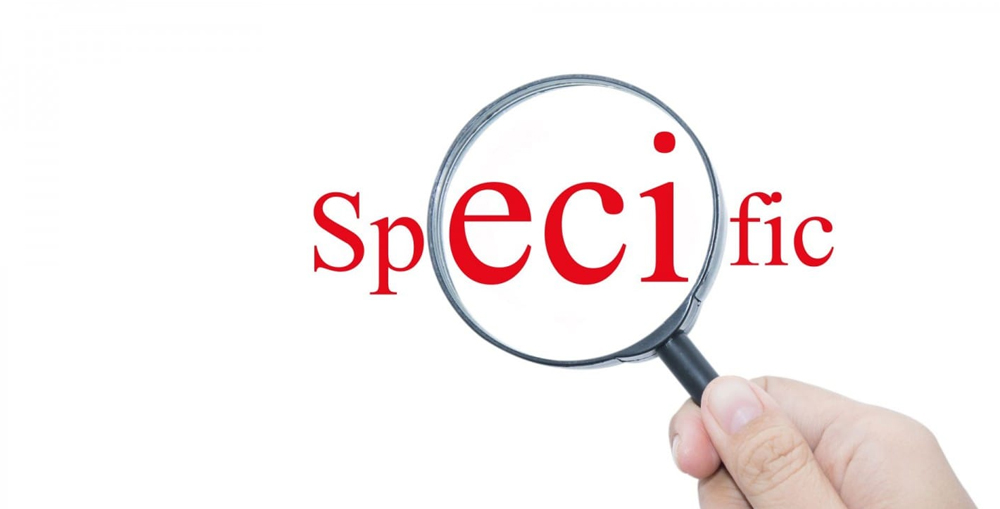
SMART Framework: Specific

It is crucial to create very specific goals that can clearly explain what is to be achieved, why it has to be achieved and how it can be achieved. When managers ask their employees they tend to get confused or gave very vague answers, which doesn’t usually specify outcome either. That is why it is crucial for the managers to set a very specific goal and outline the plan of action to achieve it.

Furthermore in order to increase employee engagements and to encourage them it is also important to explain them why you would want them to achieve that goal and how it will contribute to the high-level organizational goals. It is prime responsibility of a manager to explain the employees how they can achieve their goals. In fact the managers should not only make step by step plan, but also coach them to let them be more confident and motivated in achieving their individual goals.

See Also: How to Customize Performance Management System

SMART Framework: Specific

SMART Framework: Measurable

Each goal should be measurable or a criteria should be established to quantify the outcome. These criterions indicates the progress towards the desired goals. The measurable aspect of the SMART framework is very important as it provide a mechanism for accountability and also indicates the progress accurately towards the goal, which help keeping employees on track and keep the motivated. If employee get engaged during the goal creation process it can boost their morale and increase their motivation.

This way the managers can also learn about their ambitions and what they want to achieve in terms of growth and progress. Furthermore the managers can discuss the goals in details and let them understand what indicators and what mechanism will be used to track their performance and what indicator will indicate their success.

See Also: Employee Performance Management Process with PMS

SMART Framework: Measurable

SMART Framework: Achievable

A specific and measurable goals should also be achievable so that the employee can realistically improve their progress to achieve it. This can be done by closely analyzing the capabilities and competencies of the employee. Managers can also check their previous performance and they should also discuss it with the employees as well. Most of the time managers and employees both don’t consider the possible obstacles or limitation that can prevent them from achieving the goal.

It is crucial to understand the limitation and obstacles that an employee is facing or could face while working to achieve their goals. This will make goals more realistic and achievable. When employees are given achievable goals they tend to perform well, as they understand they can achieve it and in case if they have to work harder, they don’t hesitate. If the goals are over-complicated or doesn’t look achievable, most of the employees lose hope immediately and doesn’t even try to achieve them.

See Also: Employee KPIs and Performance Management

SMART Framework: Achievable

SMART Framework: Relevant

The SMART Framework encourages managers to create relevant goals that are not only relevant to the high-level organizational goals but also relevant to the employees as well. This way the employees can understand the importance of the goal and they can also understand the benefits for them in achieving that goal. This also makes it easier to explain them how the goal will contribute to the high-level business goals and objectives.

Furthermore it is important to see how relevant the goals is to the business’s broader visions and if it is relevant to the current priorities. Mostly businesses keep improving step by step, for example, a business is more focused on marketing at a time and on the other time it might focus on reducing the customer churn rate or improving the customer support department, etc. Although all such goals are achieved in parallel however, at a certain time certain things are more important than others.

See Also: Why Automating Performance Management is Important for Businesses?

SMART Framework: Relevant

SMART Framework: Time-Bound

Each and every goal should be time bound, whether it is high-level organizational goal or individual employee’s goal a clear sense of time should be there for example, if a business wants to increase their sales by 10% in a particular region, then the time should also be defined such as 10% in sales in Ras Al Khaimah by the end of 2022 or 2023. Similarly the sense of urgency and time limitation motivate employees more to work harder to achieve the goal.

A manager should always clearly specify the deadline for the goal and explain employee why it is important to achieve the goal during that time period. The performance management system is used to boost performance and productivity, time-bound goals gives a sense of urgency and also clarify the importance of the goal which encourage employees to work harder in order to achieve the goal in time.

See Also: 6 Performance Management Problems and How to Solve Them?

SMART Framework: Time-Bound

That is how the SMART Framework works and it can significantly improve the performance management process. A modern performance management system provide intuitive features and customized features to allow businesses implement SMART goal setting framework. The performance management system can also provide the previous data and other analytical data which can help managers predict the possible outcome, hence they can further optimize the goals and make them more realistic, achievable and impactful.

Include Employees in Goal Setting Process & Set Consistent Goals

The managers always want to set goals that can improve productivity and efficiency. As the primary focus is to achieve those goals with a better performance it is better to engage employees in the process as well. Usually managers have certain ideas and plans in mind for each employee and they set goals accordingly to maximize their progress and performance. However, discussing them with the employees first can provide a greater insight. Managers can directly ask the employees to identify the goals or suggest the goals relevant to their position and skillset.

Moreover when the employees and the managers are on the same page the goals are more likely to be achieved successfully. Imposing goals on the employees and asking them to suggest goals for themselves which aligned with the high-level organizational goals are two different things. When goals are imposed the major problem is it is extremely difficult to convince employees that the goals is worthwhile and it will add value to their personal experience.

See Also: What is Continuous Performance Management? Complete Guide!

Include Employees in Goal Setting Process & Set Consistent Goals

Furthermore another most important aspect of employee goals is consistency. It is always best to assign similar goals consistently. This will gradually increase the employee performance and skills and it will also give them a sense of direction and help them set their career path for future. Such goals help managers to achieve better results and also encourage employees to improve their certain skills.

This also prevent competition and rivalry among employees and maintain a healthy and productive work environment. If a certain goal is assigned to an employee next time the same employee should be assigned that goal. The managers should never encourage competition and rivalry as it cause frustration, resentment and lower down the morale of the employees and prevent them from working at their full potential like they can do with consistent goals and tasks.

See Also: Data-Driven Decision Making in Performance Management

Include Employees in Goal Setting Process & Set Consistent Goals

Reward, Recognition and Accountability

It is an important part of performance management to recognize and admire the employees who achieve their goals or exceed them. The performance management system provides a dedicated dashboard to create, implement and improve reward, recognition and appraisal processes. The reward and recognition program show employees how much respect is given to them and how valuable their work is for the business. Such things help improving their morale as well as it helps motivating others.

It is important for the managers to prepare a plan for reward and recognition based on the actual achievements of the employees. As when employees knows no matter what they accomplish their efforts would not be acknowledged, they lose motivation and their morale declines which result in poor performance. The reward and recognition processes should also be transparent, hence no employee feel discriminated.

See Also: Measuring the ROI of Performance Management Systems

Reward, Recognition and Accountability

As much as the reward and recognition is important the accountability is also equally important. If the employees know no one will ask them about their poor performance or no one cares to correct them or confront them, they tend to get lazy and start losing aim and ambition. This could result in gradual decline in employee performance over the time. The performance management system provides a framework to lift up the entire culture of the organization and make it more productive. For that the managers frequently review the employee progress towards the goal and keep assisting them whenever needed.

However, there would be some employee who will fail despite a lot of efforts are done by the managers. In such case the manager should take a very positive approach and encourage the employee to express themselves openly to understand what prevented them from achieving their goals. This way the manager can held the employee accountable for their poor performance while also encouraging them to perform better for the next performance cycle.

See Also: Performance Management System: Best Practices

Reward, Recognition and Accountability

Conclusion

Since past few years business in Dubai and all around the UAE have started upgrading their performance management practices. During past 4 – 5 years the performance management systems have become significantly popular. The main reason is that, businesses realized the traditional and semi-digital methodologies are losing their impact day by day so much so that the traditional practices are no longer impactful as they were around a decade ago. That is why the performance management systems got rapid adaptation.

Basically the performance management system is a modern technological solution for the performance management needs. It is a software that has capability to automatically collect data, streamline various performance management processes and allow businesses to leverage automation and advanced features to improve the process. Setting up goals is the first and most crucial part of any performance management cycle.

That is why we decided to wrote this article to provide our audience a basic understanding of the goal setting process and how they can improve their strategies to ensure they will achieve those goals at the end of performance cycle. If you consider the above mentioned suggestions and methods you can significantly improve your performance management strategy and its impact on the actual performance of the entire business.

RSI Concepts is a leading software development company in Dubai, UAE specialized in customized and tailor-made performance management system solution provider. If you want to learn more about the subject or if you need our help to build an exclusive performance management system for your business or organization, please feel free to contact us through our Contact Us page or leave a comment in the comment box below and we will get in touch with you soon.

See Also: Performance Appraisal System for the HR Department


Performance Appraisal System for the HR Department

The HR Department at any business or organization is one of the most important business function. The HR is responsible for the capabilities and performance of the workforce for the business. If the business have all the required skillset with high performing teams, individuals and business functions, nothing can stop it from dominating the market. Here in Dubai and all around the UAE the markets are very competitive comparing to other gulf countries in GCC and MENA regions. Tougher competition requires maximum performance and productivity.

The HR department adopt to performance appraisal system and processes to boost the employee performance and capabilities of the workforce. Individual employee performance adds value to the team performance which reflects in the overall performance of the business or organization. That is why the HR department is considered to be the most important business function and the performance appraisal is the key driver for the high efficiency, quality of work, productivity, profitability and growth of the business.

Performance Appraisal System for the HR Department

In any market or any scenario leveraging employee’s full potential can provide a great competitive advantage. Whether it is lowering the cost, raising the product/service quality, optimizing the operations and management or anything else, the employee performance is crucial. Businesses have their long term goals and vision. Every business strive hard to achieve those goals and objectives. However, most of the time we noticed that the problem lies within the practices and methodology rather with the resources a business is investing or willing to invest to achieve their high-level organizational goals and objectives.

The performance appraisal is the major process a business relies on to optimize and increase its performance. On the bases of performance reviews and appraisals a business perform several HR related tasks, the same are used for building employee development and training programs which are crucial for performance management. In this blog we will discuss how a performance appraisal system can solve a lot of problems and how a business can achieve their performance objectives with it.

See Also: The Future of Performance Appraisals: 6 Innovations and Changes [Quick Guide]

Performance Appraisal System for the HR Department

What is a Performance Appraisal System?

The performance appraisal is a process of reviewing employee performance usually at the end of a year and on the bases of these reviews the HR department or reviewer determines the value and worth of an employee and its contribution to the high-level organizational goals and strategic objectives. This entire process is a very time consuming and often done almost manually which requires HR department to invest a lot of time and resources in the process. The performance appraisal system is a software and a digital solution which help businesses streamline their performance appraisal process and automates various steps to save time and resources.

The performance appraisal system is capable of enabling businesses to execute both traditional and non-traditional appraisal processes with higher accuracy and more efficiency. The performance appraisal system also offer a variety of modern solutions and improve data flow and communication which is a great advantage. Usually businesses rely on cloud or off-the-shelf solutions, however, a custom performance appraisal system is crucial for modern days challenges in UAE, as it perfectly aligns with business needs and offer more flexibility and customization, which is essential for dealing with emerging challenges and growing needs.

See Also: Employee Evaluation and KPIs for Better Employee Performance

What is a Performance Appraisal System?

Furthermore the performance appraisal system offers digital tools and allow HR department to evaluate the employee performance against a set of pre-determined objectives, their strengths and weaknesses, their worth and value for the business, the financial aspects of retaining an employee, and facilitates various other HR processes, especially decision making. The performance appraisal system is also capable of integrating with various other third-party tools and systems and help businesses to leverage the data more efficiently. A good employee performance appraisal system also support modern needs and allow businesses to customize their own appraisal strategies and processes.

One of the biggest advantage of the performance appraisal system is that it allow businesses to conduct more frequent reviews such as twice a year, at each quarter, monthly or even at the end of a particular project or phase. Which allow management to continuously monitor performance and take timely decisions to set course and make corrections to ensure at the end they will achieve their high-level goals and objectives.

See Also: 5 Challenges to face if Performance Appraisal is not customized as per Organization’s Policies

What is a Performance Appraisal System?

Types of Performance Appraisal in Human Resource Management

Majorly the performance appraisal process involves top-down reviews in human resource management. Where a senior employee evaluate and review their subordinates. There are conflicting information about the origins of the performance appraisal process, however the most common belief is that the performance appraisal processes was first created and implemented during the word war I, however the corporate sector have adopted it in somewhere between 1950s.  Here are a few types of performance appraisals:

  1. Top-Down: This is the traditional employee performance evaluation technique. In this method the supervisor or line manager reviews the performance of the employees and usually the employees doesn’t have any say in the review.
  2. Self-Assessment: In this method the individual employees rate their abilities, skills, behavior, competencies and performance by themselves. Obviously this could be biased but it has great impact on the employees and encourage them to perform better.
  3. Peer-to-Peer: In this appraisal processes, the co-workers, team members and other relevant employees who work alongside with the individual employee review their technical, personal and behavioral competencies.
  4. 360 Degree Feedback: This is a very broader feedback and review process it includes review and feedback from peers, managers, supervisors, cross-function and cross-team feedback, customer and supplier feedback and review from any other stakeholder.
  5. Negotiated Review: This is a more detailed employee performance review, it considers the employees tasks and what they were doing before the review, and it also allow employees to give their opinion/explanation along with the review. Great to resolve disputes.

See Also: How to Leverage Automation to Improve Employee Performance Appraisal Process?

Types of Performance Appraisal in Human Resource Management

Key Advantages of Performance Appraisal System for the HR Department

The performance appraisal system allow the HR department to closely monitor and optimize the performance of the entire business across all its functions. Here in Dubai and all around the UAE various performance management methods are adopted by the businesses. The performance management system is a very powerful digital tools which doesn’t restrict you to follow only certain methods or practices, in fact it allow businesses to keep evolving and improving their appraisal methods and practices over the time. Here are the key advantages of the performance appraisal system:

1. Collect Valuable Feedback

The feedback is the core of the performance appraisal. A good performance appraisal system provide multiple channels to collect feedback from multiple resources and combine it in a single dashboard to provide a quicker and broader view of the employee performance with high accuracy and reliability of the data. The performance appraisal system allow businesses to improve the transparency of the process and collects data from multiple streams which further improve the accuracy and quality of the feedback data.

The performance appraisal system not only collect feedback data but it digitalize it and allow HR to perform several analysis with in-built tools and let them generate actionable reports. Which not only improve the quality but also enable them making more informed decisions with positive impact on the overall performance of the business.

See Also: Employee Performance Appraisal System for Small Businesses

Collect Valuable Feedback

2. Set SMART Goals and Objectives

SMART goals and objectives are crucial for performance management, most of the time the HR Department failed to achieve their performance goal because their goals and objectives are not properly set. The SMART goals and objectives means Specific, Measurable, Achievable, Realist/Results, and Time-bound. The SMART goals and objectives are a very popular technique and performance appraisal system allow businesses to effectively execute it.

Modern organizations need a performance appraisal system that offer more in-depth monitoring, historical data and comparison features which help businesses to improve their goals and objectives too. When employee are given SMART goals, they tend to perform well. It gives them a sense of focus, encourages them to outperform themselves and others and help boosting their morale.

Set SMART Goals and Objectives

3. Improve Promotion Process

For any business or organization it is extremely important to bring the right people at the tops and keep everyone at the right place. For that the businesses follow promotion processes which is mainly based on the employee performance appraisal. The performance appraisal system makes this process more efficient, accurate, and transparent and help HR department to accurately and more closely understand the strength and weaknesses of an employee.

Only employees who deserve promotion should get it, it will keep the morale of the others high and will encourage them to follow their footsteps. If wrong person got promoted they will eventually failed, and the other employees especially who deserved promotion will feel a sense of left-behind, their morale will decline and they will also lost over the time. Despite having required talent the HR department might have to hire new people which put extra strain on the business.

See Also: The Impact of Performance Management on Organizational Culture

Improve Promotion Process

4. Improve Reward and Compensation Process

Another great advantage of employee performance appraisal system is that it help the HR Department to improve the reward and compensation process and methods. The performance appraisal system provides in-depth performance data and also monitor several KPIs (key performance indicators), hence the reward and compensations are not only awarded on the bases of the supervisor’s reviews, but a lot many other factors are also taken into account.

This improves the reward and compensation process and ensures the employee who work harder throughout will get the most benefits. Rather than on the bases of just one mistake or just one last performance they rewards and compensation or salary raise is not given. Which encourage employees to perform well throughout the appraisal period and help HR Department to improve the overall performance. This also help HR Department to link performance management processes with the overall business outcome and give them a more accurate understanding of its impact.

See Also: Beginners’ Guide to Appraisal System

Improve Reward and Compensation Process

5. Improve the Effectiveness of Employee/Individual Development and Training Program

For any business who wants to grow it is crucial to up-skilling their employees and keep their workforce up-to-date. The performance appraisal system help HR Department to closely monitor employee performance from various different prospective to understand their strength, weaknesses and potential. The performance appraisal system makes it easier to collect all the feedback and performance data from various different competencies, such as technical skills, behaviorally anchored reviews, ability to deal with unexpected situations, decision making abilities, and much more.

Hence the training and development program is not only limited to the reviews, but it is designed considering a lot of factors which help HR department to build a more beneficial training and personal development program. According to several studies the training and development programs are a key driver for employee retention and are equally important as rewards, compensations, promotions and non-monetary acknowledgments.

See Also: How the HR should select a Performance Management System?

Improve the Effectiveness of Employee/Individual Development and Training Program

6. Help Retaining Best Talent during Downsize or Right-Size

The performance appraisal system collects feedback and data from various sources, it can also help HR Department to accurately estimate the financial impact on an employee for example, how expensive the employee is and what financial value he/she is adding to the business. Furthermore the performance appraisal system provides HR Department with the most accurate data about employees and their capabilities which help them to understand the worth of each individual employee and their impact on performance of their team, department or the overall performance of the entire organization.

There could be many reasons for downsizing, such as financial difficulties, new competition in the market, overall market conditions, etc. Which force businesses to lay-off some of their workforce to optimize the expenses. However, “right-sizing” is a relatively new turn, it also means laying off employees but not due to external factors. In fact it accounts internal factors, such as an employee become non-productive over the time, their behavior got changed and is impacting others, or their skill might not be needed.

See Also: Data-Driven Decision Making in Performance Management

Help Retaining Best Talent during Downsize or Right-Size

Mostly due to new technologies and automation business might not need certain skills. Whatever the scenario is if a business will have to lay off some of its employees, the performance appraisal system ensures that the business retains the best talent and only lay off the poorly performing or low-performing employees with least impact on the overall operational capabilities and performance of the business.

7. Improve the Impacts of Coaching and Mentoring

The managers at each business are expected to coach their sub-ordinates and teammembers. If a manager is saying the right thing, the employees will keep inspiring from them and it will become easier for the manager to become a good mentor for the employees. However, this is not as simple as it may sound. It is very difficult to understand the actual difficulties and problems an employee is facing and where they need support to make improvements. However, with the help of performance appraisal system since everything is digital and a huge amount of data is available for the managers with interactive reports and intuitive performance dashboards.

This enables them to understand the obstacles an employee is facing but is unable to express. The performance appraisal system also help them understand the strength and weaknesses of the employees in terms of technical, behavioral and knowledge competencies. Which let them communicate better with the employees and help them encourage to perform well.

See Also: Appraisal Methods in Performance Management System

Improve the Impacts of Coaching and Mentoring

8. Increase Employee Engagements

Employee engagement is one of the most serious concern of the HR department, as it is very crucial for employee retention and to boost their performance and productivity. Communication is a key to employee engagements. A performance appraisal systems facilitates and encourages communication between the individual employees and their supervisors or managers. Furthermore the ability to collect 360 degree feedback also allow individual employee to review the performance of their supervisors and managers and also let them provide feedback about them.

This not only help improving the performance of the supervisors and managers but also tell employees that they are important and their opinion matters too. The digitalization help improving in-person and digital communication which also let the managers and HR Department understand the problems, issues and strengths/weaknesses of the employees and let them address the issues. Furthermore a customized performance management system are ideal for diverse workforce which is very common in UAE business landscape.

See Also: Why Performance Management System is a Necessity for Companies in Dubai

Increase Employee Engagements

The performance appraisal system also help communicating the individual and high-level organizational goals and objectives to the individual employees and tell them about their value and contribution in the high-level goals. Which increase employee engagements and also help HR Department to reduce employee turnover.

9. Improve Employee Retention

For any business retaining the employees is a key factor in maintaining a great workforce. When businesses hire an employee, they invest on them, the employee themselves gain experience over the time, they get integrated within the organization and understand its internal processes and culture. However, the new recruits will take time to learn and understand the internal processes, culture of the business and many things, hence they take a lot of time to reach to the performance level of their predecessor.

This entire process costs a lot of resources and have significant financial impact too. That is why employee retention is very important. The key factors that plays role in employee retention are reward and compensations, individual development programs, and the communication. If the employee knows they are valued by the business and their say will be listened they feel more connected to the business and become more loyal. The employee loyalty doesn’t only increase employee retention but it also drive performance.

See Also: How to Set Goals for your Employees in Performance Management System?

 Improve Employee Retention

10. Help HR Department Dealing with Legal Situations

Here in Dubai and all around the UAE the federal and local governments have very strict laws and regulations against discrimination and employee rights at workplace. The federal and local governments have great policies in place to protect employee rights and have several government departments to ensure the workplace environment is supportive for the employees. Discrimination or favoring an individual employee due to personal bias or any other reason could lead to a lawsuit.

Hence having a proper performance management system in place could provide you an advantage and let you provide all the data to prove no misconduct have happened. Such claims could have devastating impact on the business’s reputation and could also have a significant financial impact too. Which is why a proper performance appraisal system will help you dealing with such situations. In fact the performance appraisal system ensures greater transparency which help preventing any such situation.

See Also: The Role of AI in Modern Performance Management Systems

Help HR Department Dealing with Legal Situations

What are Key Objectives of a Performance Appraisal System for HRM?

The employee performance appraisal system is a tool for human resource management which helps to implement performance management strategies and to achieve higher performance across the entire business. Basically the primary objective of the performance appraisal is to align all available resources with the high-level organizational goals and objectives to maximize the contribution of each individual employees in the business goals and objectives. The rapid adaptation of new technologies and digitalization in the business practices have completely changed the dynamics of traditional performance appraisal methods.

Now a days’ businesses are practicing more modern performance appraisal methods which are mainly aided by a digital solution or software since the manual processes tend to be ineffective and prone to errors and issues which can cause a variety of very serious problems for the HR Department. Here are the five key objectives of using a performance appraisal system:

See Also: What is Continuous Performance Management? Complete Guide!

Set and Communicate Goals Effectively

1. Set and Communicate Goals Effectively

Setting up goals is the very first step towards performance appraisal process. The SMART goals and objectives are the modern form of goals, however, setting up perfect goals and objectives that align individual resource with the top-level goals and objective is not enough, being able to communicate those goals and objectives to the individual employee is a key to success. Communicating what each employee will have to do and what is expected from them will encourage them and provide them more clarity which results in great improvement in overall performance and efficiency.

Continuous Feedback Collection

2. Continuous Feedback Collection

Feedback at the end of each year will only help you identifying the issues and problems and on top of that mostly the traditional year-end appraisals are largely influenced by the latest performance rather than the overall performance throughout the year. Performance appraisal system offer continuous feedback and allow managers to correct course during the appraisal period and evaluate several time to ensure everything is on track. This makes easier to achieve the high-level and individual goals by the year-end.

 Identify Strengths and Weaknesses

3. Identify Strengths and Weaknesses

Today’s world is rapidly changing, businesses have to keep their workforce up-to-date and relevant all the time. Technologies are coming and going at a rapid pace which is also impacting the business practices hence the employees and their job roles as well. Even small looking problems can have huge impact over the time. It is crucial to identify the strengths and weaknesses of the employees and guide them appropriately and take measures to improve the workforce. A modern software-powered performance appraisal system made it very simple and easy as the entire data is digital and extracting actionable reports requires just a few clicks.

Talent Development and Employee Retention

4. Talent Development and Employee Retention

The talent development depends on employee retention. Employee retention can be increased by increasing employee engagement and offering transparent reward and compensation programs. Furthermore the talent development is done by conducting good training programs, coaching and mentoring. The performance appraisal system help building a complete framework to achieve all that and improve the outcome of all relevant efforts. It is much more expensive hiring a new employee comparing to retaining an employee and developing them gradually over the time.

Reward and Recognize Performance

5. Reward and Recognize Performance

Recognizing the performance of an employee means rewarding them for their good performance. The performance appraisal system not only monitor employee performance but it regularly collect data which help managers and supervisors to understand various obstacles an employee is facing. It remove bias and make reward and recognition processes more transparent. When an employee’s good work is acknowledged by either monitory or non-monetary compensations it encourages them as well as others to perform better.

See Also: Measuring the ROI of Performance Management Systems

Conclusion

The HR Department at any business is one of the key component which is responsible for ensuring a smooth operation and sustainable growth. The make sure that the business have required skillset and a high performing workforce to achieve maximum productivity and profitability. The performance appraisal is one of the core process of the HR Department. Traditionally the performance appraisal was done at the end of the year, and mostly it is a manual process. It takes a lot of time, requires a lot of resources and due to manual process the problems and issues are very common.

However, the performance appraisal system is a digital solution and software which has ability to automate and simplify the performance appraisal process. It increase transparency and accuracy of the appraisal and help boosting the performance of each individual resource, departments and entire organization. RSI Concepts is a leading performance appraisal system designing and development company in Dubai, UAE. If you want to learn more about the subject or want us to help you building a high quality performance appraisal system exclusively for your needs, please feel free to contact us through our Contact Us page or leave a comment in the comment box below and we will get in touch with you soon.

See Also: Software Development: In-house vs Outsourcing

See Also: Choosing a Performance Management System A Buyer’s Guide


Brand for Less Group Have Acquired RSI Customer Feedback System

Brand for Less Group Have Acquired RSI Customer Feedback System

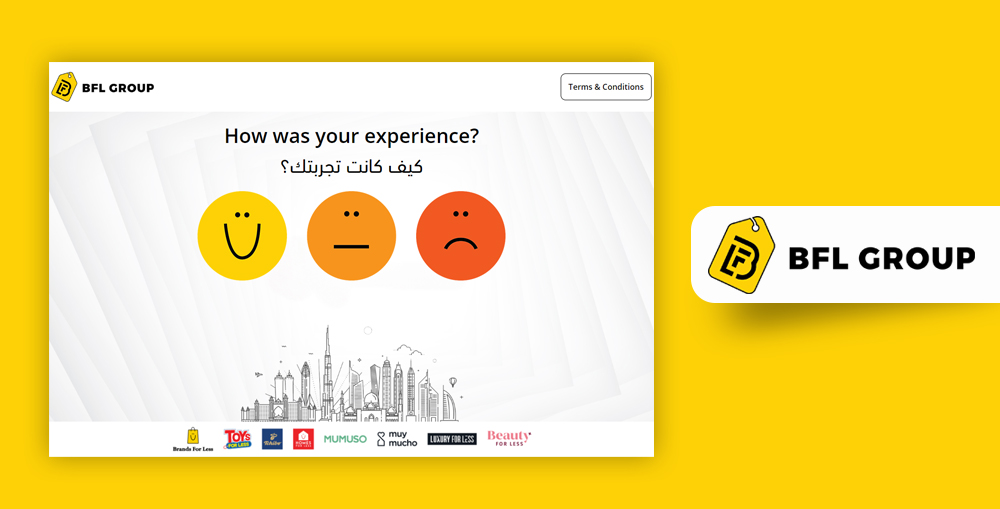
RSI Concepts have completed deployment of customer feedback system and QR code based surveys for the customers and visitors for Brand for Less Group. The customer feedback system is installed at all major branches in UAE (25 branches till date) with an aim to collect valuable customer insights which will help BFL Group to further improve their customer’s experience and happiness. The rapid growth and long term success of the Brand for Less Group is due to their policies and strategies to satisfy their customers and to offer them the best products and services. The Brand for Less Group was established in 1996 in Lebanon and later entered into UAE market by 2000. Since then the popularity and operations of the BFL Group have increased rapidly. If you are living in UAE you must have heard or visited Brand for Less store at least once, it is very popular across the country. The quality products, exceptionally discounted prices and wide range of popular brands make BFL the best choice for families and regular shoppers. The Brand for Less offers up to 80% off from the original retail price of the products, but the price is not the only reason of attracting such a large scale audience. In fact it is product’s quality, the level of customer service and customer satisfaction along with exceptional prices which keep BFL growing at such a rapid pace.

In order to step up their customer happiness strategy the Brand for Less Group has decided to implement a system to collect customer feedback across several branches in UAE. The primary goal of the customer feedback system was to deliver the required feedback data with utmost quality and in large quantity. For any customer feedback collection campaign the feedback data quality and quantity determines its success. For that the Brand for Less have approached several top rated custom software development companies in Dubai, RSI Concepts was one of them. Thankfully due to over experience in the field and our strong clientele, we have earned the trust of such a prestigious organization. The Brand for Less management conducted intense scrutiny of all the vendors who were submitting their bids, and finally RSI Concepts was selected for the project. The initial stages and requirement gathering phase were done quickly followed by a rapid pace development for the customer feedback system.

The system was fully customized to meet the very specific needs of BFL Group. The Customer Feedback System was designed to utilize two major channels, in-store tablets/touch screen and QR Code based online surveys with ability to scale up in future if needed. The visitors and customers can instantly provide their feedback about their experience by a single tap on the touch screen. This makes the feedback collection process quick and customer-friendly. The QR Code module was also designed to simplify the feedback submission process for the customers to boost the quality and quantity of the customer feedback data. Customers can easily scan the QR Code pasted on strategic locations at the branches, where they are taken instantly to a feedback submission page. The customers can submit their opinion about various subjects and in case if a negative or unhappy feedback is detected the system can request the customers to provide additional information for later follow ups. Everything is done and managed through our Centralized Customer Feedback System and there is no need of any assistance or support from the staff for feedback submission. There are tons of in-built features that further simplify to analyze and process the feedback data for the management and head-office.

Here are the remarks of our Sales and Marketing Manager, Ms. Maheen Waheed. Who was the leading the project and done a remarkable job in delivering such a great customized feedback solution:

“Brands for Less Group is a very popular and prestigious business group in UAE and also in GCC. The project management team was highly professional and very cooperative at each stage of the project. This enabled us to deliver the project in a very short deadline. The initial response after the UAT was very satisfactory, everyone in the team loved the functionality and features of the customer feedback system. We will look forward for a long term partnership with BFL Group.”

RSI Team is always craving for customer satisfaction. Our customer’s happiness is our top priority which we achieve by delivery the best products and solutions. The Brand for Less Group was looking for a customized solution for their customer feedback collection needs. Our customer feedback system is already trusted by top-notch businesses and brands in UAE and all across the GCC. Our experience in the relevant projects and our highly skilled team enabled us to deliver the best solution for our customer’s needs. We will look forward to expand our partnership with Brand for Less Group in future and we will keep up our hard work to delivery best customer satisfaction solutions for our customers.

Check out this: How to Reduce Queues in Banks?


How to Reduce Queues in Banks?

How to Reduce Queues in Banks?

Here in Dubai and all around the UAE the banks have exceptionally higher standards and service quality comparing to the other countries of the region. In fact the entire service based industry in the country is considered to be the best in the entire MENA region. The overall infrastructure of the banking industry is very high-tech and advanced, however, the queue management is one of the most overlooked part of the banking sector. The queue management systems are very common, in fact almost every branch of every bank would have some kind of digital queue management system.

Most of the time banks and other businesses don’t fully understand the queue management systems. Usually business owners and bank managers think that the queue management system is just a tool to improve customer flow and minimize the wait time. But in reality a queue management system is much more than that. In this blog we will briefly discuss what a queue management system is, how it can help to reduce the queues and what other benefits a bank can get from a queue management system.

See Also: The Role of AI in Enhancing Queue Management Systems

How to Reduce Queues in Banks?

A queue management system is a combination of intelligent software and some hardware components. The software is basically a server which hosts all the intelligent algorithms, source codes and various user dashboards. The hardware is mainly used to interact with the customers. In a simple queue management system setup the first customer interaction happens on an interactive kiosk machine which take some basic information and dispense a ticket bearing their number in queue and also estimated time to their turn. Then there could be several digital signage displays who continuously display the live queuing information and also used for customer calling.

The ticket numbers are announced on the signage as well as via an integrated audio system which is installed all over the place. Modern queue management systems also have customer feedback collection tablet or small screens which are usually placed at the counters. That is how a basic queue management system works. However, there are a lot more features that can be added to maximize the efficiency and to improve customer experience. The primary goal of a queue management system is to reduce the queues at the bank branch to minimize the customer wait time and to streamline the customer flow.

See Also: What are the Basic Components of Queue Management System?

Queue Management System Reduces Customer Wait Time

The prolonged customer wait time can destroy their experience and make them unhappy. Long wait time means slow customer flow and slower service delivery, which results in long queues and crowd formation at the bank. A queue management system allows banks to digitally and autonomously manage their queues and customer flow which help reducing the customer wait time and prevent crowd formation to reduce the queues in banks. A bank offers several services and it have several counters to enhance customer experience and to improve service delivery.

Usually in banks the average customer wait time is almost 20 minutes and in some cases it can reach up to 40 minutes and beyond. No one wants to wait that long, this makes customer unhappy and eventually a bank can lose its valuable customers due to poorly organized customer flow and queues. A queue management system have in-built AI (artificial intelligence) powered software and intelligent algorithms which makes it able to effectively manage the queues to minimize the wait time.

See Also: Queue Management in Banking: Enhancing Customer Experience

Queue Management System Reduces Customer Wait Time

A queue management system can collect customer information and other required details about the service they need and it can route them through the shortest possible customer journey. The queue management system can perform several analysis and take decisions in real-time to maximize the bank branch’s efficiency and performance. For example, the queue management system can recognize the dedicated counters for certain services and it can automatically route the customers to the most relevant counter to ensure they instantly get served.

The queue management system can also help service agents to prepare for the service delivery by informing them in advance about the next service and it is also capable of pulling up the required information from other connected systems to facilitate the service delivery process. Such features can significantly decrease the customer wait time. When the customers have to wait less, they are directed towards the right counter and the service agent also take less time to deliver the service, the overall wait time for every customer gets reduced. Less wait time means smaller queues and less chances of crowd formation.

See Also: How a Queue Management System Can Transform Your Business Operations

Queue Management System Automates and Optimize Customer Flow

Smart management of customer flow and customer routing is a key to reduce wait time and to enhance customer experience. The queue management system can offer a variety of features and automation options to allow the bank manager to automate the customer routing and customer flow based on their policy and strategy. Furthermore it is also capable of automatically managing the customer flow based on the real-time data it collects from various touch points. Bank manager can leverage the customization to further improve the efficiency.

The queue management system can take customer information or the information of the service they are requesting for. This information can be used to set the route of the customer, for example, if a customer needs Service A which is offered by the counters 1, 4, 7 and 11. Then the queue management system will automatically monitor all these counters and it will direct customer to the immediately available counter. This can save a lot of time and it improves customer flow.

See Also: What are the Different Types of Queue Management System?

Queue Management System Automates and Optimize Customer Flow

Some services require customers to visit multiple counters for full service delivery. Those kind of services are called stepped services. The queue management system can automatically manage customer flow between different counters and ensures each customer reached to the most quickly available counter to avoid any time delays and idle counter time. Which can also save a lot of time and reduce the overall customer wait time. The queue management system can also monitor the employee performance in real-time. It can detect which employee is taking how much time for a single service delivery and which employees are best at delivering which services, this data is analyzed by the in-built smart algorithms and accordingly the queue management system keep routing customers through the most efficient route.

Furthermore there are always some exclusive customers such as corporate customers, VIPs, Premium Account Holders, and customers with special needs. A queue management system can also effectively manage the flow of such customers to enhance their experience.

See Also: Key Tips to Improve Service Quality through Queue Management System

Queue Management System Improves Employee Performance

Employee performance is a crucial part of the queuing process. If the employee will perform well they will be able to serve more customers in a single shift. This also means that the average customer wait time will be reduced. For example if an average service delivery time is 10 minutes and the same employee start taking 11 minutes for the same service and if you have 20 customers ahead of you, your wait time will be increased by 20 minutes. That is why the employee performance is a crucial part of queuing process.

With poorly managed queues and traditional service delivery methods the average service delivery time is very high therefore the employees can’t delivery high performance. However with the queue management system a lot of business processes can be digitalized and automation further improve the efficiency of the internal business processes. For example the queues and the customer flow is managed automatically by the queue management system hence the employees don’t have to spend time on queue management.

See Also: Top 8 Benefits of Using Queue Management System

Queue Management System Improves Employee Performance

Since a lot of steps can be automated with the help of a queue management system the employee get more time to focus on their primary tasks which increase their performance. Furthermore the queue management system can also provide additional information about the customers and their needs even before they reach to the counter. This helps service agents in preparing for the upcoming service and save a lot of time. A queue management system can also be linked/integrated with other organizational systems and tool or with the central information center which enables queue management system to automate certain service delivery processes.

If the queue management system have access to the other systems and databases it can also pull the required data and information for the service before even the customer arrives at the counter, and help service agent in quicker service delivery. The quick service delivery significantly improve employee performance and make them able to deal with more customers in a single shift.

See Also: Mobile Queue Management: The Rise of App-Based Solutions

Queue Management System Improves Employee Performance

The queue management system help reducing customer wait time, it facilitates service delivery process and help service agents to deliver more qualitative and quantitative work. The queue management system frees employees from unnecessary work and allow them to focus on their primary tasks. Which not only make the employee comfortable and happy but it also help them perform better.

The queue management system can monitor and capture various employee performance KPIs which help employees which can be used for self-assessment and also by the HR to create employee development and training program to further maximize the employee performance over the time.

Queue Management System offers Virtual Queuing

One of the most modern and most effective way to reduce queues in banks is the virtual queuing. The virtual queue management systems have gained huge momentum in the market since past 2, 3 years. The virtual queuing is embraced by various industry sectors in Dubai and all across UAE. Basically the virtual queuing allow customers and visitors to use mobile channels to sign-up remotely for the virtual queues. It means the customer doesn’t have to physically be there in order to secure their position in the queue.

Furthermore the virtual queuing can utilize multiple digital communication channels to keep the user updated and informed about the ongoing queuing activities. This allows the customers to arrive only at the time when their turn will come and prevent any congestion or long queues at the bank. The virtual queuing offers multiple sign-up channels which make process simpler and convenient for the customers and it also offer real-time updates and alerts so no customer misses their turn. This way banks can significantly reduce queues at the branch.

See Also: Queue Management System and Predictive Waiting Time

Queue Management System offers Virtual Queuing

The virtual queuing can offer multiple innovative features which not only help reducing customer wait time and queues but also help improving customer experience. The customers can easily sign-up using customer portals, online/website, mobile application, appointment booking portals, SMS, emails, phone calls, QR Code and many more. Furthermore the virtual queue management system also provide detailed information in mobile app, appointment booking module and other channels which help customers plan their visit as per their convenience. The customers can view the peak hours, expected wait time at any hour, day or date based on the historical data collected by the queue management system.

The can also use mobile apps and online portals for branch navigation. This allow them comparing multiple branches in reach and let them chose the one with the lowest wait time. Hence the customer can plan their visit with more freedom. Since the customers are instantly served when they arrive, this prevent crowd formation and queuing issues at the bank branch. It also help improving employee performance and enable branch managers to smartly utilize resources for maximum efficiency.

See Also: From Chaos to Control: How Queue Management Systems Can Improve Your Business

Queue Management System Collects Business Intelligence Data

Modern problems need modern solutions. There was a time when businesses and customers are not as that concerned about the wait time, in fact a long waiting line with first come first serve queuing was enough to gain higher levels of customer satisfaction. However, world have changed now, especially Dubai and other cities in UAE are some of the most modernized societies in the entire GCC. The information technology is deeply rooted into a business success. This means the data and information are the most crucial aspects of a successful strategy. The queue management system is one of the most effective tools to collect valuable business intelligence data and deeper understanding of customers and their preferences.

A queue management system can collect statistical and analytical data from each and every touch point of the customer journey and in addition to that it can also collect customer feedback data, employee performance data and offers various other information. The data can be analyzed with in-built analytical tools and bank manager can easily extract actionable reports from this data which help understanding the customers, their preferences, liking/disliking and much more. Such information can be very helpful in building new strategies and evaluating various business processes.

See Also: Queue Management System Problems and Solutions in Dubai, UAE

Queue Management System Collects Business Intelligence Data

Conclusion

Let us admit no one likes waiting in long queues, and we all want instant service from our beloved businesses and brands. When it comes to the banks, the queue management and crowd prevention is some of the most important tasks. Actually everything revolves around the customers, and customers can only satisfied when a business meets their expectations and facilitates their interaction. That is why the queue management systems are used, they not only streamline the customer flow but also help improving performance and collect valuable business intelligence data. The virtual queuing is one of the most effective strategy to reduce queues in the banks.

RSI Concepts is a leading queue management system provider in Dubai, UAE. If you want to learn more about the subject or if you want us to help you designing or deploying the most effective and efficient queue management system as per your bank’s needs. Please feel free to contact us through our Contact Us or leave a comment in the comment box below and we will get in touch with you soon.

See Also: Software Development: In-house vs Outsourcing


Software Development: In-house vs Outsourcing

Software Development: In-house vs Outsourcing

Here in Dubai and in fact all around the UAE the custom software development is getting popular day by day. Businesses have realized the advantages and superiority of the custom software applications over COTS (commercial off-the-shelf software/solutions). However, when it comes to developing a custom software, the biggest challenge a business face is to decide whether they should develop it with in-house team or should they outsource it to a third-party or custom software development company in Dubai, UAE. Businesses tend to outsource several business functions, it is not a new thing.

However, most of the businesses in UAE also have an in-house IT team. As we all know the quality comes at a price. But high price doesn’t always assure good quality. For custom software development, the quality and efficiency of the solution/application matters the most but cost and the ROI is also very important. Here in Dubai and all around the UAE since past few years, businesses are more inclined towards outsourcing their IT needs. But still the in-house team have its own advantages. This is what often cause confusion and make it hard for the businesses to take a decision.

See Also: Custom Software Development vs. Off-the-Shelf Solutions: Which is Right for You?

Software Development: In-house vs Outsourcing

In this blog we will discuss the benefits and drawbacks of both outsourcing and in-house software development. It will help you understand which approach will work best for you as per your current needs.

Advantages of In-house Software Development

Mostly businesses have in-house IT teams with a variety of different skillsets. Mostly they are there to help and support the non-IT staff to be able to operate relevant software and systems. The most common trend in Dubai and all across the UAE is to have an IT team who can manage networks, IT infrastructure and other IT needs for the staff. Here are some key advantages of developing a custom software or application with the in-house IT team:

Better Communication

With the in-house software development team the biggest advantage is that there are no communication barrier. As the IT team also works in the same organizational environment and they are already familiar with the project stakeholders and with each other as well. So, the communication is not a problem at all. The in-house software development team knows the feedback, approval and work flow processes much better which makes communication simpler and easier.

On top of that the in-house software development team also have their interest in the success of the project. The project manager, stakeholders or any concerned person can easily held face-to-face meetings, or quick discussion sessions. The feedback collection is also simpler and more convenient comparing to out-sourcing the software development project to a third-party or vendor.

See Also: The Benefits of Custom Software Development for Growing Businesses

Better Communication

Better Understanding of Cultural Values

The in-house software development team being an employee of the company are well-versed with the internal culture and values of the business. Since they are in-house team they would already know the reasoning behind various processes and practices. It is much easier to get them familiar with the new things. The outsourcing require much more onboarding efforts comparing to in-house software development team. The in-house software development team could act faster and they are more aware of company’s needs and are much better cultural fit.

Furthermore they also doesn’t require intense requirement gathering and formal meetings to get everyone on track, in fact the in-house software development team can start immediately without causing any delay. This can also make custom software development more aligned with emerging needs of a growing business.

Better Understanding of Cultural Values

More Control and Monitoring

The in-house custom software development team offers more control and monitoring. The in-house team is always available, which makes them more accessible. The project owner or project manager can easily supervise them if needed. On top of that the in-house software development team is more aligned with the business’s philosophy. The business can also easily enforce their own quality control policy to each and every aspect of the actual development process.

Furthermore there is no much issue with the compliance and development procedures. As the in-house IT team is already familiar with all those policies so they can enforce them more effectively. The project manager can examine the software at any stage along with individual tasks and performance of each team member which provide them a great control and monitoring over the in-house software development team.

See Also: The Cost of Custom Software Development: Factors to Consider

More Control and Monitoring

Disadvantages of In-house Software Development

The in-house custom software development have some advantages but it also have some disadvantages. That is the reason why the outsourcing industry is currently witnessing a rapid growth. Here are some major disadvantages of the in-house software development:

Shortage of Skilled Staff

One of the biggest reason of outsourcing custom software development is the shortage of technical personals or the required skillset. The in-house IT team is not built for software development only, in fact it is to maintain the internal IT infrastructure and to provide instant support to non-technical staff. However, the IT team is not only network administrators and security engineers, in fact businesses also hire application and software developers to improve the efficiency and performance.

But when a need arises for a custom software development, usually businesses doesn’t have enough software developer in the team. Another considerable aspect is that the software developers who are working in an in-house IT team doesn’t always have updated skills and knowledge. As they are used to of working on a limited set of software and applications.

See Also: Step-by-Step Guide to Planning Your Custom Software Development Project

Shortage of Skilled Staff

In-house Software Development is Expensive

The biggest expense of in-house development is to fill the skill gap, which means the business must have to hire new software developers with the require skillset. Which not only add to the cost of the software but it also put extra strain on the overall budget and finance. Hiring full-time employees require additional expense which continues even after the completion of the customer software development project. That is why the in-house software development cost is very high.

Another problem is that if a business assign an entire team to work on a single project, then there would be no room for additional work. Which will have two negative effects, one the support to staff will be disrupted and disturbed and the second effect is on the project completion itself. In such scenarios the project completion will require more time than anticipated.

See Also: The Role of AI in Modern Performance Management Systems

In-house Software Development is Expensive

Slow Project Execution and Delays

For the in-house IT team the manager must have to maintain a balance between working on the software and catering to the regular needs of the organization. Which not only have impact on the support and service the internal IT team is providing but it also results in slow progress on the software development project. There could be so many unexpected scenarios where the IT team could get additional work, which could impact the progress.

Furthermore the software developer’s turnover is also very high in Dubai and all around the UAE. Which could completely halt the progress or slow it down and hiring a new developer will take more time and resources. Due to all these reasons the in-house software development is not ideal for the businesses.

See Also: Custom Software Development for Enhanced User Experience

Slow Project Execution and Delays

Advantages of Outsourcing Software Development

Mostly the businesses who have in-house IT team doesn’t use it to meet internal IT needs. Majorly their core specialties are not IT but they operate in other industries. That is why when it comes to develop a customized software application they usually don’t have adequate skilled staff who can build it for them or either their IT team is already fully occupied. Here are some key advantages of outsourcing software development in Dubai, UAE:

Seamless Project Execution and Quicker Delivery

The in-house IT team is mostly occupied and more importantly they could lack sufficient skilled staff, however, businesses can hire more software developer to fill this gape, even then the in-house software development tend to take more time than anticipated. However, outsourcing software development project ensures that all the milestones will be met and the project will be delivered in a timely manner.

As the professional software development company will already have the pre-set workflows and project execution mechanisms which ensures a seamless project execution. This not only lift burden form the business and its in-house IT team but it also ensures a quicker delivery of the project. Since the outsourcing software developer or contractor will be bound to the agreed timelines, they will make sure the project delivers in time and all milestones met.

See Also: The Future of Custom Software Development: Trends to Watch in 2025

Seamless Project Execution and Quicker Delivery

Mitigate the Risk Factor

Another great advantage of outsourcing the software development project is that the software developer will help mitigating the risks associated with the project. The outsourcing software development company must be experienced in the relevant software and they will be able to analyze and rectify the problems and issues with the customer’s requirements. They would be up-to-date with the current market and their experience puts them in a better place to predict future trends.

Mostly with in-house software development the businesses tend to get poor scalability and sometimes the product is also built on older or even outdated technologies. However, the outsourcing software development company can not only reduce all such risks but they can even help businesses to improve their product by providing them suggestions and feedback which further increase the productivity and ROI of the subjected software.

See Also: The Role of AI in Enhancing Queue Management Systems

Mitigate the Risk Factor

Get Highly Professional Team

The Dubai and in fact the entire UAE is a very competitive market for the IT industry and especially for the software development. Which means that a well reputed software development company will always retain a highly professional team. As the software development is the bread and butter of the team here, so they are always up-to-date with the ongoing market trends and industry practices. This way the business can gain access to the best software developers in the market for their project. The highly professional team with enough knowledge of the market and experience can deliver the best quality work.

In addition to that the outsourcing software development company can also help you to improve your initial idea and propose you several more innovative features which you might never think otherwise. Furthermore the outsourcing company can offer your much more technologies and platforms. From which you can chose the best which meets your needs and budget requirement. However, the in-house team is limited to the capabilities of the team and only offer fewer or in some cases just one option to choose from.

See Also: Common Mistakes to Avoid in Custom Software Development Projects

Get Highly Professional Team

Outsourcing is Much More Cost Effective

Cost is one of the most important aspect of any project. For software development outsourcing the cost for in-house development is way too high comparing to outsourcing it. Businesses have to recruit new technical staff, and the employee retention requires more investments. Which makes the in-house development many time more expensive. However the custom software development industry is rapidly growing, the competition is tough and the businesses can easily find a lot many software development contractors in Dubai or anywhere else in UAE. This results in very competitive prices.

The outsourcing contractors always try to offer the best price in order to beat the competition. On top of that there is no cost of hiring new staff to fill the skill gap and no need to upgrade the infrastructure, etc. This makes the outsourcing software development project value way too less than the in-house software development. The ROI is also very high and the business can get superior quality as well.

See Also: User Interface and Web Design – Do and Don’ts

Outsourcing is Much More Cost Effective

Disadvantages of Outsourcing Software Development

The outsourcing software development has various advantages and it can add a lot of value to your project. However, there are some disadvantages too, which every business should be aware of:

Slightly Difficult Communication

When a business outsource their software development to a contractor or software developer the major issue they face is with the communication. As the software development company always appoint a project manager or account manager for each project, who is responsible for all the communication, some companies also provide additional contacts from the actual software development team which could significantly reduce the communication problems.

However, comparing to in-house team who is always available and mostly works under the same roof where the administration or project manager works, the communication with outsourcing software development company is slightly difficult. Arranging meetings, conference calls, or online sessions require to meet the schedules from all the involved parties which sometimes could be trickier for the project managers at both end. Usually that doesn’t cause any issue but the level of communication is not comparable to the in-house team.

See Also: The Role of AI in Custom Software Solutions

Slightly Difficult Communication

Less Control over Software Development Team

The in-house software development team offers great control and monitoring, as they are easily and always accessible to the managers. The manager can call them, set regular meetings or schedule weekly updates and much more to intensify the communication and monitoring. When the managers have ability to closely monitor the software development team, they can enforce higher quality standards at each and every step of the development phase. However, when a business outsource software development project, they have less control over the actual software development team and they also get less updates and insight of the ongoing activities.

Hence they will have to rely on the outsourcing contractor’s project manager for a lot of things during the development phase. However, later they can analyze each and everything and they can raise their concerns too. But during the project execution the project owner have less control comparing at the outsourcing team comparing to the in-house team.

See Also: Revolutionizing Customer Service with AI Agents: Personalized Support Solutions

Less Control over Software Development Team

Data Privacy & Confidentiality

Data privacy and confidentiality is also a big concern when a business decides to outsource their software development project. Because the business have to share very confidential data and crucial information with the outsourcing partner. Sometimes the breach to that sensitive information and data could compromise the reputation of the business and it could also cause a huge monetary damages as well. The competitors can also utilize such information to gain competitive edge over the business.

That is why the data privacy and confidentiality is always a bigger concerns when it comes to outsourcing the software development. The business will have to depend on the measures taken by the outsourcing partners. However, in Dubai and in fact in the entire UAE the government laws and regulations provide great advantage to the business and help protecting their interests. So, the outsourcing partner will always do their best to prevent any breach or misconduct. But still the risk is there.

See Also: Leveraging Tailored AI Agents to Elevate Customer Support Experiences

Data Privacy & Confidentiality

Conclusion

In this blog we have briefly discussed the in-house software development and the outsourcing the project to a software development company or third-party. Both have their own advantages and disadvantages. However, with the passage of time the outsourcing of software development have proven to be more reliable, cost-effective and beneficial for the businesses. There are far less concerns about the outsourcing, as for the privacy and confidentiality related concerns, they can be reduced by signing NDAs (non-disclosure agreements) and adopting to best industry practices.

That is the reason the outsourcing have gained huge popularity all over the world and it is currently growing at a rapid pace. With software development outsourcing a business can significantly reduce the cost, minimize the project management efforts and they can get the best available technologies at their disposal. That is what make it more superior and beneficial from the in-house software development.

RSI Concepts is a leading custom software development company in Dubai, UAE. If you want to learn more about the subject or if you want to outsource your next software development project or need our other services, please feel free to contact us through our Contact Us page or leave a comment in the comment box below and we will get in touch with you soon.

See Also: What can a Queue Management System do for you?


What can a Queue Management System do for you?

Every business’s primary goal is to expand and grow. However, the business growth is completely dependent on its customers. The customers are the soul of any business, which is why the customer happiness and customer satisfaction is extremely crucial for a business. The customer satisfaction drives customer loyalty which is essential for customer retention. If a business have good customer retention, they don’t have to invest a lot in acquiring new customers. Gradually the loyal customers and an active marketing strategy can build a very strong brand identity in the market. The customer retention also have a huge impact on profitability of a business.

In general it is almost 5 to 25 times more expensive to acquire a new customer comparing to selling to an existing customer. Furthermore if a business or organization keep losing customers they will have to invest more in their marketing & communication which could increase the cost of acquiring a new customer by many times. The customer satisfaction plays a crucial part in long term success and growth of a business. When it comes to customer satisfaction a few industry sectors stand out more than others for the need of a queue management system.

See Also: The Concept of Queue Management and Crowd Control

What can a Queue Management System do for you?

Here in Dubai and all around the UAE the queue management systems are a common thing at several businesses, especially at banks, government offices, telecom service centers, etc. are the places we all visit once in a while. The queue management systems are also very popular in healthcare sector, public sector, retail, airports, educational institutions and many more. Think of yourself visiting a business to get a service, the waiting area is full, there are several counters and several queues, you have no idea in which queue you should be, you feel the adjacent queues are moving faster than yours, you are not sure how much time it will going to take and you have to be somewhere, obviously you will get confused, frustrated and at some extent angry too.

This is what you are risking of putting your customers through being a manager, decision make or owner of the business. Let us admit, we all don’t like waiting, especially under those circumstance. People tend to avoid going to businesses where they had bad experience in past or where they know they will get a bad experience. That is what exactly a queue management system is designed for. It is designed to avoid all those things. There are different types of queue management systems, suitable for different industries and business types. The basic components of a queue management system remains same, however, for different applications and types several additional features are added to amplify efficiency and effectiveness.

See Also: Queue Management in Banking: Enhancing Customer Experience

What can a Queue Management System do for you?

Here is what a queue management system can do for your business and your customers:

  1. Reduce customer wait time
  2. Improve customer wait experience
  3. Improve customer flow and customer journey
  4. Raise service quality and improve business processes
  5. Achieve customer satisfaction and gain customer loyalty
  6. Improve staff performance and achieve staff satisfaction
  7. Gather valuable business intelligence data
  8. Reduce cost and transform your business operations

Here in Dubai, UAE good queue management system brand such as  RSI Concepts also offer customization services. A customized queue management system can further boosts its efficiency and offers more benefits comparing to off-the-shelf queuing solutions.

Queue Management System: Reduces Customer Wait Time

One of the biggest reason of customer dissatisfaction is the wait time. Studies have revealed that an average customer start getting stressed after just 8 to 12 minutes of wait time, the longer the wait time will be the more stressed customer will get. More than 70 of the customers leave without making a purchase due to long wait time at the counters. Obviously different industries have different market dynamics but one thing is sure the long wait time results in customer frustration and increase churn rate too.

The queue management system effectively and autonomously manages the queuing process and the customer flow in the service area. It facilitates customers by offering them multiple sign-up channels, reduce the average service delivery time, and it improves employee efficiency. Collectively all these factors and several others directly or indirectly help reducing the customer wait time.

See Also: Importance of Queue Management System for Government and Public Offices

Queue Management System: Reduces Customer Wait Time

Since the queuing and the customer flow is managed by the smart queue management system software so the employee can focus on their primary tasks without any distraction, which improve service delivery time and quality also. High traffic scenarios such as in telecom and banks, the management faces many queuing challenges and a well-crafted customized queue management system can help them solve these problems in a very efficient and effective manner.

Furthermore there is no dispute, confusion or complaint from the customers who are waiting in queues, as everything is managed by system. The queue management system can also collect and store statistical data and has ability to route customers smartly which also reduce customer wait time and improve customer journey. It can also segregate various different types of customers such as VIP, Premium, Customer with Needs, etc. which also help improving the queuing process and reduce the customer wait time. These features help businesses boost their productivity and profitability in long term.

See Also: A Complete Guide to a Multi-Branch Queue Management System

Improve Customer Wait Experience

Another very useful feature of a queue management system is that it can help businesses improving the customer waiting experience. If customer waiting experience can be improved they feel less impact of the waiting. The queue management system have integrated digital signage screens which are usually used for displaying the real-time queuing information. The queue management system allow businesses to play multimedia content or any other engaging material which can distract customers from the waiting and help reducing the waiting impact.

Furthermore the queue management system is based on a very intelligent software engine which is powered by smart algorithms and AI (Artificial Intelligence). The queue management software can also predict the estimated time for each customer, which can be printed on their ticket and it can also be displayed on the signage screen. The predictive wait time help management improve the customer waiting experience and journey. The impact of waiting is significantly reduced when the customer know how long they will have to wait.

See Also: The Role of AI in Enhancing Queue Management Systems

Improve Customer Wait Experience

Furthermore the modern queue management system also have audio announcement system. The audio announcements keep the users engaged and distract them from the wait time, each time when a new announcement is made, most of the customers tend to look up at the signage to see which tickets are currently being served and how far they are. These all features keep them busy and engaged and reduce the effects of the waiting and boredom. Since the entire queuing process is managed by the queue management system, and the customer also know that everything is controlled by the computer, so they usually don’t complain much.

In case of manual queue management most of the time customers get confused, they also complain about line jumpers, or sometimes customers might think the staff is favoring someone over them, and so on. However, with a queue management system these all problems are gone, and on top of that the customer flow is managed by intelligent algorithms which reduce latency factors and improve overall customer waiting experience. Streamlined customer flow, better waiting experience and improved service quality transform customer service centers from chaos to control and help improving various aspects of business operations.

See Also: How to Implement a Queue Management System at an Airport?

Improve Customer Flow and Customer Journey

The customer journey and customer flow have a huge impact on the customer journey. A queue management system have in-built modules to implement customer flow policy and allow the management to automate the customer flow throughout the entire customer journey. Usually a business offers multiple services and also have multiple counters. Mostly a single service is delivered through a single counter, however, in some cases businesses might have stepped services which require a customer to reach to several counters or more than one counter to get a full service.

In some cases businesses have exclusive counters for exclusive services or customers, which also has to manage separately. There could be so many different variations and factors that can impact the customer flow and customer journey as well. A queue management system can automatically manage all these scenarios. Furthermore the modern queue management systems offer various advanced features such as QR Code based queuing, Facial Recognition Technology, SMS & WhatsApp support, dedicated smartphone applications, virtual queuing and much more. All these features can be utilized to further enhance customer journey and experience.

See Also: Queue Management System for Trucks and Logistic Centers

Improve Customer Flow and Customer Journey

It means the businesses just need to configure their policy once and the queue management system is capable of taking decision in real-time based of the pre-defined settings and on the real-time system usage and statistical data. Businesses can also create agent profiles with their abilities to deliver different services and the queue management system can utilize this information to route the customers to the least busy counters while reducing the work of the busy counters which results in overall improved efficiency and performance which help improving customer flow and customer journey.

Raise Service Quality and Improve Business Processes

The businesses can utilize several advanced features to expedite the service delivery processes and service quality. Such as a queue management system have an integrated interactive kiosk for ticket dispensing, which can be used to take customer information, which help the system to prepare the agent dashboard beforehand by fetching the required information instantly from connected systems and databases. The queue management system can prepare the service agent dashboard automatically and instantly, as soon as the agent calls for the next customer the queue management system automatically fetch the data and information for the next service delivery hence saving precious time and reducing the overall service delivery time.

See Also: The Future of Queue Management Systems: Trends to Watch in 2025

Raise Service Quality and Improve Business Processes

A queue management system can be integrated with several input devices to enhance the customer experience. For example, rather asking customer to input their details via sign-up form, the interactive kiosk can offer them Emirates ID scanner which can pull customer’s information automatically from the customer database and authenticate it with their ID. There are so many features that a business can add to a queue management system which can improve the customer journey and customer flow.

The queue management system can automate several service delivery steps and it significantly reduces agent’s work which means the agents have more time to focus on the customer and the important things. This way a queue management system can raise service quality and improve several internal business processes. Moreover a modern queue management system also offer integration with customer satisfaction survey and feedback system, which help acquiring more in-depth business intelligence data.

See Also: Queue Management System Problems and Solutions

Achieve Customer Satisfaction and Gain Customer Loyalty

Customer satisfaction and customer loyalty is a key to long term success and sustainable growth. Businesses put a huge amount of resource and revenue just to increase their loyal customer base. The loyal customers are a valuable assets who not only help businesses expand but also help them to establish a good brand image. Loyal customers tend to be a good brand advocate, they suggest their favorite brand to others and doesn’t leave the businesses for small problems and they also have more tolerance towards the negative or bad experiences. It is far more expensive to acquire a new customer than selling to an existing one.

Furthermore the customer retention have huge impact on business’s profitability. For example if a business keep losing 100 customers a month while its marketing and sales team tends to acquire 200 new leads per month, their overall profitability will be reduced.

See Also: What to Consider When Choosing a Queue Management System

Achieve Customer Satisfaction and Gain Customer Loyalty

In addition to that the customers who will leave might also share their negative opinions about the business which harms its reputation and brand image. A business with less customer turnover and customer churn rate can yield more profits from the same efforts they are doing. Customer retention help promoting good brand image which attracts more customers hence it help optimizing the marketing cost as well. A queue management system significantly enhances customer experience and ensures much higher customer satisfaction. Customer satisfaction drives customer loyalty and have a very positive effect on profitability.

Improve Staff Performance and Achieve Staff Satisfaction

Since a queue management system provides a complete framework to manage the customer flow and customer journey in a fully or semi-autonomous way. It can take a huge amount of staff work and help balancing their work load. Employees who work under balanced workload tend to perform better and produce more quality work. Usually with manual queues, the staff is mostly engaged in managing queues and listening to the customers’ complaints and resolving their problems. This distract them from their primary tasks which not only have negative effect on their performance but also on the service quality.

While a queue management system not only take all that burden but it also facilitates staff by managing several service delivery tasks. Furthermore the queue management system is a very capable tools of monitoring and measuring several staff KPIs. Which can be very helpful for the HR to improve the staff performance and efficiency.

See Also: The Importance of Actionable Data in Queue Management System

Improve Staff Performance and Achieve Staff Satisfaction

A queue management system measures various KPIs and stats. For example, how many customers are being served by an individual agent or a team or a branch, etc. The queue management system can also monitor the staff activity, such as how much time they took for each service delivery, how much time they took to prepare for the next service and customer call and several other performance matrices.

This business intelligence data is automatically analyzed by the in-built AI powered smart software engine and made available for the management and for the staff also. The management can easily identify the strengths and weaknesses of the staff and take steps to improve their performance. This also help HR to develop more effective employee development and training programs.

Improve Staff Performance and Achieve Staff Satisfaction

For example, if an employee is good at delivering 3 out of 5 services and for the 2 he/she take more time than the other agents, the business can help staff to improve their skills for these 2 services. There are so many features that can help employees, HR and management to evaluate employee performance and highlight their weak points which can be rectified to further improve their overall performance.

See Also: Government Digital Transformation: Implementation of Queue Management System

Gather Valuable Business Intelligence Data

A modern business heavily relies on the digital solutions and its IT infrastructure. In today’s world the success and growth is heavily relied upon the efficiency to effectively collect business intelligence data and leverage it to improve each and every business function and internal processes. A queue management system is a powerhouse of business intelligence data. It can collect data from each customer touchpoint. Which help businesses analyze the entire customer journey and let them track down the chock points in customer flow.

The business intelligence data also help businesses to evaluate their strategies, policies, and internal business processes which can impact customer experience and customer satisfaction. The queue management system can accurately measure the time interval between every customer journey step and allow businesses to make improvements to improve customer experience.

See Also: Impact of a Queue Management Software on Staff Productivity

Gather Valuable Business Intelligence Data

A queue management system can accurately measure the time of the customer interaction for example how much time it take a customer from signing up till getting the service. How much time it took to deliver the service, and how much time an agent takes between completing a service, performing post-service tasks and calling for the next customer. The system can monitor staff activities as well along with their performance and several other details. It can also collect customer feedback which can be helpful for product development and it provides deeper understanding of the customer experience and their preference.

The queue management system have in-built data analytical tools which can automatically generate pre-configured reports and send them to the relevant stakeholder. The managers can also perform several analysis, comparisons and set alerts if any threshold is crossed. All these features help businesses to take timely decisions and monitor everything in real-time which make them more prepared to handle unexpected scenarios without harming customer experience and customer satisfaction.

See Also: How to Achieve the High ROI using Queue Management System

Reduce Cost and Increase Profitability

A queue management system can manage queues, sign-up processes, customer flow, customer routing and the entire customer journey. Which eliminate the need of a lot of additional staff. Acquiring a queue management system is much less expensive comparing to retaining more staff. The operational and maintenance cost of the queue management system is very low. The modern queue management systems are built on widely available technology platforms which not only reduce the initial cost but also reduce the maintenance and upgrade costs.

The value a queue management system adds to the customer journey and customer experience is unmatchable to anything else. It provides better and deeper in-sight to the customer journey, customer experience, employee performance and enables businesses to learn about their customer’s preferences, market trends and help them developing customer friendly strategies and policies.

See Also: Queue Management Solutions for Healthcare: Improving Patient Flow

Reduce Cost and Increase Profitability

Customer satisfaction drives customer loyalty and help optimizing the cost of the marketing and acquiring new customers. A loyal clientele is a key to long term success. Selling to existing customers is far more profitable than acquiring new customers. The ability to integrate with other marketing channels and customization allow businesses to optimize the cost of their IT infrastructure. Businesses can offer much more features at a much less cost which make queue management system one of the most cost-efficient solution for the businesses.

A typical lifecycle of a queue management system is 5 to 8 years, that means the business might not going to need a new solution for a long time which itself significantly increase the ROI (return over investments) of a queue management system. Furthermore the automation, employee performance improvements, and valuable business intelligence data indirectly help reducing the cost at several fronts. These all features and benefits of a queue management system help businesses generate more revenue, achieve higher productivity and performance and gain more profit.

See Also: Queue Management System Integrated with Appointment Management System

Conclusion

A queue management system is a very useful tool to transform customer experience, customer journey and to improve several internal business processes. It help businesses closely monitor the customer behavior, the problem they face and also help them collect valuable business intelligence data. A queue management system help businesses achieve higher performance, leverage automation and increase their productivity and profitability. It help businesses gaining higher customer loyalty and let them improve their strategies and polices to make improvements.

It also help businesses increase staff performance while achieving higher staff satisfaction which directly impact on the service quality and service delivery processes. A business can link queue management system with several other internal and even external systems to boost the usability of the system and to bring innovative features to improve customer experience and customer journey.

RSI Concepts is a leading queue management system provider in Dubai, UAE. If you want to learn more about the subject or if you want us to help you with you queuing needs, please feel free to contact us through our Contact Us page or leave a comment in the comment box below and we will get in touch with you soon.

See Also: How to Choose the Right Software Development Vendor for Your Business


How to Choose the Right Software Development Vendor for Your Business

For any business the top priority is its customers. Thus businesses invest huge amount of resources in the customer satisfaction solutions. However, there are several other factors that contributes to a business’s success such as the market trends, competition, internal processes and employees. Today’s world is heavily dependent on digital and information technology. The technology have completely transformed our lives, from our smartphones to vacuum cleaners and from our vehicles to electric switches everything is becoming smarter day by day. Businesses also have to keep up with the pace.

Especially here in Dubai and in fact all around the UAE a common consumer is far much educated and well-versed with products or services than anywhere else in the entire middle east. Savvy customers not only demand high from the businesses but eventually such markets tend to have tougher competition too. That is why businesses also need to become smart and more efficient. Which is achieved by utilizing a variety of software systems and solutions such as ERP, HR System, CRMs, CMS, Smartphone Apps, Websites, Accounting Software, HR Management System, Performance and Appraisal software, etc.

See Also: The Cost of Custom Software Development: Factors to Consider

How to Choose the Right Software Development Vendor for Your Business

In order to keep up with the market needs and to improve efficiency, each business function has to be connected with each other. The flow of information makes business processes smooth and fast. Now a day’s businesses are adopting a fully centralized information center which connects everything within the organization‘s eco system and make businesses more efficient and profitable. However, when a business has to choose a software or a solution they always have two options.

One is COTS which stands for commercial off-the-shelf software solution and the other is the custom software development. If you are reading this article that means I don’t have to convince you that custom software development is far superior to the COTS. In fact since past few years the custom software industry have witnessed a sudden spike in the growth. That is all because the COTS have failed to offer much needed maneuverability for the businesses to journey across fast moving markets.

See Also: The Benefits of Custom Software Development for Growing Businesses

How to Choose the Right Software Development Vendor for Your Business

When a need arises for a customized software development the biggest challenge is to find a reliable software development vendor who can not only meet your needs but also assure the success of the software or tool you are developing. Here in Dubai and all around the UAE there are hundreds if not thousands of software development companies which makes it very difficult to choose a right vendor. On top of that most of the businesses and the managers are not experienced enough in the custom software development which further clouds their judgments. In this blog we will discuss all important steps that a business should take in order to find a best custom software development vendor in Dubai, UAE.

Step 1: Define your Goals, Objectives and Project Timelines

Before starting your search the very first thing that you need is a goal and objective of the custom software development project. I am not saying you should have a full fledge plan of action, just an abstract of what you need would be enough. And the end-goal should be crystal clear. Let us take an example of document sharing and processing tool. For example, currently your employees are manually processing documents for internal processes. A document that is being generated by a clerk and it needs approval of his superintendent or supervisor, then it might require another signature of the manager and even several other internal authorities could be involved.

Preparing the document, taking its prints, then moving the file upward could be time consuming and it could cause delays, especially when cross-function tasks are involved where managers or employees from different business function has to approve a single file before submitting it for final approval to a general manager or eve CEO, the manual process could take a week or so.

See Also: Step-by-Step Guide to Planning Your Custom Software Development Project

Define your Goals, Objectives and Project Timelines

However, when a digital system is in place which provides a semi-automated or fully automated framework to push the files from one point to another, this could be done before the afternoon. The clerk could prepare and push it to his/her immediate manager, then it could be reviewed by them and pushed to the next level, and so on. If anyone wants to hold the document, they can hold it, if the approve it, it will automatically appear in the next manager’s dashboard.

This is super-fast and it can have a significant impact on your internal processes and performance. In case of this example, our goal was to ‘minimize the file processing time’. Which can be achieved with the help of a small software application. Similarly whatever you need, you should have a clear goal in mind and you should know what you want to achieve with your custom software development project. The customer experience is crucial for productivity and efficiency that is why the tailored software are personalized to align with user needs.

See Also: Custom Software for Improved Business Efficiency

Define your Goals, Objectives and Project Timelines

You are not required to have an in-depth work flow at the beginning but just a brief understanding of how you want to utilize the software. Let us take the same example, in case of custom document processing or file processing software, you should know what hierarchies you would be needing to achieve the required work flow. What will be the approval process, who would be able to edit the document and/or who will be creating it and who will be the final authority for the approval, etc.

Just the simple and basic things about the project. Since we are dealing with internal documents which might contain some sensitive information so would you be comfortable to host it at a remote hosting or would you like to host it at in-premises data center. Will you be needing to integrate that software with any other existing software and how the users will sign-in to the system, etc.

See Also: Why Custom Software Development is Essential for Digital Transformation

Define your Goals, Objectives and Project Timelines

These all details will not only help you achieving the desired results from the custom software development project but even a basic plan could save you a lot of time and cost. You can set milestones and dates which will obviously be revised but it will provide vendor a clear picture of what is expected from them. That is why having a clear end-goal and strategic objectives with a basic project plan and scope of the application must be laid down before you even start looking up for a custom software development vendor.

Step 2: Search for Customer Software Development Vendors

Searching for a custom software development vendor is not an easy task in Dubai and in fact anywhere else in UAE. If you search in Google, it shown you hundreds of custom software development vendors. The Google search is the easiest way to find some custom software development vendors. Check out the websites and try to learn about the business, its customers, work and other details. You can click on both ads and the normal search results too. You can also look up in the popular listing sites such as Clutch and GoodFirms, etc.

These listing directories also provide a variety of filters such as location, industry focus, hourly rates, project size, etc. These tools can help finding top rated custom software development vendors. Surfing their websites will provide you more clarity about the company, its size, and its expertise. However, the website might not provide you enough information, each company build their website is a different way, although there would be a lot of similarities but still you might find some useful information about on one vendor’s site which would not be available on the other.

See Also: The Future of Custom Software Development: Trends to Watch in 2025

Search for Customer Software Development Vendors

Don’t make rules here, just judge a custom software development vendor on the bases of their website and whatever the information they are publishing on it. The best way is to start with smaller companies with adequate work experience. It could minimize the cost a lot and they would be more agreeable on a lot many things. Try to look up for case studies on the vendor’s website, this will provide you much better understanding of the capabilities of the custom software development vendor.

At this step make a list of at least 10 custom software development vendor who are located closer to your business and request them all to share their portfolio and experience in relevant industry. The reason of going through the case studies and the portfolio is to find a project that closely resemble to your requirements. The biggest drawback with the larger vendors is that they usually have multiple layer of management which could make processes and communication a bit more time-consuming that is why a smaller or medium sized custom software vendor could be a good choice, but remember, that is not an ultimate criteria.

See Also: Leveraging Big Data in Custom Software Development

Step 3: Analyze the Relevant Experience

It is crucial to analyze the portfolio and relevant work experience of the short listed custom software development vendors. This will provide you a better understanding of what they did in past and what you can expect from them. You can also learn if they have ever did something similar to your custom requirements. As if they have already done something similar to your requirements, it would be a lot convenient for them to do it again and most probably they will do it even better.

From technical point of view, the skills and the level of expertise that is required to build a project might be sufficient to build several other totally different projects, but for a business owner or a manager it is very hard to understand those technicalities. That is why it is better to see if they have done something in past that resembles your requirements. If a custom software development vendor is saying they have done something similar but couldn’t provide the proof or sample then it is better to avoid them.

See Also: Emerging Trends in Custom Software Development

Analyze the Relevant Experience

Sometimes businesses do sign a NDA or non-disclosure agreement which prevents them to share some of their work a good company will be able to share enough samples of work to let you understand their capabilities and level of their skills. In case if a custom software development vendor is unable to provide you relevant experience due to NDA then at least they will be able to provide you a broader outline of their previous projects.

Which would be enough for you understand if they are telling the truth or not. The point here is that if the custom software development vendor will have relevant work experience they will be able to deliver a good quality product.

Step 4: Consider their Location

Usually business don’t consider this much but the geographical location of the vendor is very important. It is best to have the custom software development vendor from your Emirates or from a nearby city. For example, if you are located in Abu Dhabi and you chose a vendor from Ras Al Khaimah it will take them almost half day to reach you out, which will make difficult, however, if you are located in Sharjah and the company you chose is also located in Sharjah or Ajman, they could easily come to you.

Here in Dubai and all across UAE there are vendors who only have sales office in UAE and their technical teams works from outside of the country, mostly in India or Pakistan. Such custom software development vendors are very hard to work with. Since the team is overseas which makes communication difficult and it could create a lot of problems during the project execution.

See Also: The Role of AI in Custom Software Solutions

Consider their Location

There is another type of custom software development vendor very common in UAE, those are completely off-shore companies, and they neither have sales office nor any other establishment in UAE. Since they are not bound to UAE laws so you will not get any protection in case of dispute. Working with off-shore companies and sharing confidential information with them could be very risky and it can compromise your security in future too. It is better to completely avoid off-shore companies.

Step 5: Compare Different Custom Software Development Vendors on the bases of their Proposals and Quote

Make a short list of all the custom software development vendors who have passed through above all steps and request them to submit their proposals and quotes. Comparing different proposals and quotes is a very critical process. It is better to prioritize the technical aspects over financial aspects. However, the cost of the custom software development project is also a major rating factor when comparing different vendors.

The primary rating criteria should be the features of the system and the value it can add to you businesses and not the price. But make sure you are not overpaying for something. Sometimes some features might sound very fancy, it is important to focus on your pre-determined needs and only consider the features which are meeting to those needs.

See Also: The Impact of Cloud Computing on Custom Software Development [Full Guide]

Compare Different Custom Software Development Vendors on the bases of their Proposals and Quote

Here are a few important points that you should consider while comparing different proposals and quotes from different vendors:

  1. The age of the company, how old is the company?
  2. How many projects they have delivered so far and who are their customers?
  3. How much staff they retain and what is the qualification and experience of their staff?
  4. Did they expressed the offered solution clearly along with your requirements?
  5. What technology they are proposing you, and how experienced they are in it?
  6. Does their proposed timeline meets your timeline?
  7. What project execution method they are using?
  8. What service, maintenance, AMC or SLA they are offering?
  9. What other relevant services they offer?
  10. What are the payment terms and costing of the project?

See Also: Step-by-step Guide to Develop Custom Enterprise Software

Compare Different Custom Software Development Vendors on the bases of their Proposals and Quote

Once comparing all those aspects re-arrange a list while best on top. At this stage you should ask them to provide some other important details too such as:

  • If the new system has ability to integrate with your existing infrastructure, tools and systems?
  • What is the integration method?
  • What kind of training and skill set is require to operate the new custom software system?
  • What training and user manuals they are offering?
  • What is the support and escalation process?
  • What will be the renewal cost for any time-bound agreement? (Usually for AMCs & SLAs)
  • What will be the customization and scaling cost in future?
  • How the upgrades and updates will be managed during the warrantee period or under AMC?
  • How the upgrades and updates will be managed after the warrantee period or AMC?
  • Is there any cost for the upgrades and updates in the software?

Sometimes some of the above concerns are already addressed in proposal or correspondence. But it is important to clarify all these details. This will further help you to accurately estimate the operational and upgrade cost for the software in future.

See Also: Benefits of Investing in Custom Software Development for Your Business in Dubai

Compare Different Custom Software Development Vendors on the bases of their Proposals and Quote

Step 6: Consider the Technology and Scalability

Hopefully by now you have already made up your mind, however this is a very important aspect of custom software development. There are several technologies available in the market which are used to develop tailor-made software solutions for businesses. It is important to understand some of these technologies are compatible with each other and some are not. The compatibility is usually for the integration and data transfer/sharing. If your new custom software and your any of existing tool are not compatible then the integration between such platforms will be expensive and might not meet all needs. That is why the integration compatibility is also very important.

There are two major types of software that are most widely used, not only in Dubai, UAE but all around the world. One is the native software application building and the other is web-based software and tools. These two are completely different from each other and also require a completely different development skills. Usually the scalability is not an issue with the customized software, however, it is important to discuss this point briefly with the custom software development vendor and see how easy and cost-effective scalability their solution is offering.

See Also: Common Mistakes to Avoid in Custom Software Development Projects

Consider the Technology and Scalability

Step 7: Get into the Agreement and Sign Contracts

The agreements, contracts and sign-off is the final stage of selecting a custom software development vendor. It is also a very crucial step. The contracts and agreements lay down the foundation of the future relationship. It is important that you go through each and every clause of the agreement. Whether it is data privacy, payment terms, delivery and milestones, communication process, complaint and escalation matrix, just go read them thoroughly and don’t leave a single stone unturned. Most of the time these agreements use legal or technical terminologies, so if anything confuse you, immediately ask the vendor to explain it. Keep all of the correspondence official and maintain full record of all emails.

These cautions are not because the vendors are not trustworthy, in fact agreeing on all these points is mutually beneficial. The custom software development process is a complex and lengthy processes where an average development phase could last for a month or so. So, it is important to avoid disputes and unwanted delays in the project completion. That is why it is crucial to fully understand and agree on each and every clause of the agreements. Once you are satisfied then do the sign off and initiate the project.

See Also: Developing Secure Custom Software in a Cyber Threat Landscape

Get into the Agreement and Sign Contracts

Conclusion

No matter what your requirements are the above step-by-step guide will help you finding the best customized software development vendor in Dubai or anywhere in UAE. The success of a custom software development project heavily depends on the vendor. Good vendors always help their customers and provide them great advice, which also help customers to further improve their software. Furthermore this is a long term relationship, and a business will require services and support from the custom software vendor too, so it is important to choose your custom software development vendor wisely.

RSI Concepts is a leading custom software development company in Dubai, UAE. If you want to learn more about the subject or if you want us to help you with your custom software development project, please feel free to contact us through our Contact Us page or leave a comment in the comment box below and we will get in touch with you soon.

See Also: Modern Methods of Performance Appraisal

See Also: Why Off-the-Shelf Solutions Fall Short: Advantages of Custom Software Development


Modern Methods of Performance Appraisal

Modern Methods of Performance Appraisal

The Dubai and in fact the entire UAE is a very competitive and vibrant market which demands businesses to perform well to defeat competition and sustain a long term growth. The performance appraisal and performance management is a standard practice for large businesses in the country. However, now a day’s even local businesses and SMEs are also implementing performance management frameworks to boost their productivity, profitability and to sustain growth. Regardless of size or type, every business and organization needs a comprehensive employee performance appraisal management system.

The employee performance appraisal system provides a structured mechanism to deal with obstacles, resolve problems, improve employee engagement, boost their morale, monitor progress, and above all align all the resources to achieve the high-level business goals and objectives. Whether you are a local or small business, a medium size enterprise or a large-scale business the biggest challenge is to select a suitable performance appraisal method. This blog will help you understand the modern methods of performance appraisal.

See Also: ظام تقييم الأداء المعد لتقييم إدارات الإمارات العربية المتحدة الحكومية وموظفيها

Modern Methods of Performance Appraisal

What is Performance Appraisal?

Basically the employee performance appraisal is a process of evaluating employee performance against clear and quantifiable goals and objectives that are aligned with high-level organizational goals and objectives. Traditionally the appraisal are done on annual bases. However, more and more businesses are adopting continuous monitoring and more frequent appraisals. Actually the problem with traditional employee performance appraisal method is that it is done annually, and in some cases twice a year. Whatever the case is, the traditional appraisal methods doesn’t support the modern fast-paced and ever changing market and business needs.

The traditional performance appraisal methods lacks adequate communication and they also don’t support the managers in process of making timely course corrections and taking steps to deal with problems or in taking preventive measures during the appraisal period. By the time when the manager become aware of a problem, it is already too late, the damage have already been done. Hence, more and more businesses are now leaving traditional employee performance appraisal methods and are more inclined towards modern appraisal practices.

See Also: Beginners’ Guide to Appraisal System

What is Performance Appraisal?

8 Modern Methods of Performance Appraisal

In Dubai and all around the UAE the competition is very high and the customers are too demanding, which pushed businesses to take drastic measures in order to boost their performance and by improving employee management processes and performance appraisals. That is why selecting an appropriate employee performance appraisal method has become a challenging task for the businesses and the HR.

In this blog we will cover top 8 most effective and modern employee performance appraisal methods to provide our audience a brief understanding of each method which will help them selecting the best performance management system as per their needs. Adopting best practices of performance management system is a key to long-term success in a highly competitive markets such as in Dubai, Sharjah, Abu Dhabi and broader UAE.

Modern Performance Appraisal Methods: 1. Management by Objectives (MBO)

The simplest definition of Management by Objectives (MBO) is that the high-level organizational goals are defined and determined first then according to those goals and objectives, employee and managers mutually identify/define, communicate, plan and manage employee goals and objectives for success. This enables each individual to see their progress and accomplishment in connection with high-level organizational goals and objectives. It gives employee a clear understanding of what is to be expected from them in order to achieve their individual goals and what is their contribution in the high-level business goals and objectives.

This helps each individual employee understand the top priorities of the business and let them align with the high-level goals and objectives while carrying out their daily tasks. Aligning the employee and all resources with the high-level organizational goals while providing them with a clear understanding of the organizational and their individual goals can drastically boost performance and increase the quality and quantity of the outcome.

See Also: Employee Performance Appraisal System for Small Businesses

Modern Performance Appraisal Methods: 1. Management by Objectives (MBO)

Modern Performance Appraisal Methods: 2. Psychological Appraisal

All traditional employee performance appraisal methods only evaluate the past performance of the employees, even the most modern methods only consider at most the ongoing performance however, the psychological appraisal method is a very unique evaluation process, it help businesses and managers understand and evaluate the future performance and potential of an employee. The psychological appraisal method focuses on the intellectual and personal traits of an employee which can either improve or deteriorate their performance in future.

The psychological appraisal methods is designed to meet the modern needs of the workforce, as now a day’s employees are more vulnerable due to balancing their work and personal life, which could result in frustration and poor performance at both work and also it can impact their personal life. That is why the psychological appraisals are conducted by qualified psychologists who held several personal sessions, in-depth discussions and interviews and perform various psychological tests to understand the true potential of an employee and the result/feedback is used to project their future performance expectancies.

See Also: Choosing a Performance Management System A Buyer’s Guide

Modern Performance Appraisal Methods:2. Psychological Appraisal

Modern Performance Appraisal Methods: 3. 360 Degree Feedback

The 360 Degree Feedback is simply feedback and performance data which is systematically gathered from the all relevant connections of the employee such managers, peers, team leads, cross function managers, and even customers or any other external source too. That is why it is called 360 Degree feedback. Naturally every employee likes the communication and continuous feedback, this help them understand their performance better and encourage them to make improvements. Since the 360 degree feedback collects feedback data from all internal and external raters who interacts with the employee, so it provides a variety of different aspects and prospective of employee performance.

This method increases transparency of the appraisal process and keep employee motivated. That is the reason the 360 degree feedback is one of the most widely used appraisal method. This method can effectively highlight the strengths and weaknesses of the employees and help them make improvements in right direction. Furthermore the 360 degree feedback is a great tool for the businesses and managers, it help them forming high-performance teams to achieve critical strategic goals and to work on important projects.

See Also: Characteristics of a Good Employee Appraisal System

Modern Performance Appraisal Methods: 3. 360 Degree Feedback

Modern Performance Appraisal Methods: 4. Critical Incident Method

The critical incident method is a very useful employee performance appraisal tool it evaluate and provide analysis of the employee performance when a critical incident happens, the employee’s manager provide the details of the incident or gather information about the incident and the employee is evaluated to understand if he/she performed very well, or very bad or the incident where he/she could have performed better. Basically the critical incident method is used to analyze the KSAO – knowledge, skills, abilities and other indicators/attributes required to perform their task.

The critical incident method is widely used by the businesses to analyze if the employee meets the required KPIs (key performance indicators) associated with his/her job role. Businesses wants to understand if the employee is performing his/her job role as per requirements or if the management intervention is necessary who can enroll the employee for a training, held consoling sessions, compensate them for their achievements or terminate them for very poor performance. Essentially a business wants to know if it is getting what it is paying for or not.

See Also: Data-Driven Decision Making in Performance Management

Modern Performance Appraisal Methods: 4. Critical Incident Method

Modern Performance Appraisal Methods: 5. Assessment Center Method

The assessment center appraisal method analyze employee’s abilities, competencies, skills and personal characteristics by asking them to participate in in-basket exercise, simulations, test groups, and role playing exercise where employees are put in various roles with various responsibilities and asked to do the tasks or to solve real-life problems. Basically the assessment center appraisal methods are used for in-depth analysis of employee’s emotional behavior, response, problem solving skills, ability to deal with pressure, adoptability, collaboration, judgment, etc. and several other traits.

There could be several tests and simulations to reach to a conclusive result. Usually the assessment center method is applied when a business wants to hire a new candidate or if a candidate is up for promotion, etc. however, since past few years it has become a popular appraisal method. The assessment center appraisal method is done under a trainer who evaluate the employee and he/she also discuss their performance with the other raters.

See Also: The Impact of Performance Management on Organizational Culture

Modern Performance Appraisal Methods: 5. Assessment Center Method

Where it provide a great tool to boost the morale of the high-performers and motivate the average-performers the assessment center method could also have negative impact on the low-performing employees. Hence it should be done by professional trainers only.

Modern Performance Appraisal Methods: 6. 720 Degree Method

Basically the 720 degree method is a modern and more evolved form of the 360 degree method. The 720 degree appraisal method consists of two rounds of 360 degree appraisal over a pre-determined time period. The employee evaluation is done by two groups, internal stakeholders and external group who interacts with employee such as customers, suppliers, investors, etc. This is what made 720 degree appraisal method the most crucial for the employees and for the business as well.

The main objective of the 720 degree appraisal method is to meet the expectations of the employer, employee and the customers too. In the first round the aim is to build an effective employee development program or individual development program. Then after a certain period of the time the employee’s performance is analyzed again to understand how their performance is improved and how potential they have for future. The results of the second round also help evaluating the effectiveness of the employee development program and help organizations make improvements for future.

See Also: The Role of Performance Management in Employee Engagement

Modern Performance Appraisal Methods: 6. 720 Degree Method

When employees notice improvements after the development program they got motivated and business can gain their trust which help to improve performance in the long term and also reduce employee turnover.

Modern Performance Appraisal Methods: 7. Behaviorally Anchored Rating Scale (BARS)

The behaviorally anchored rating scale or also known as BARS is one of the best employee performance appraisal method. It help businesses to leverage the both quantitative and qualitative performance data during the appraisal process. The behaviorally anchored rating scale (BARS) enables the rater to measure the performance of an employee against pre-defined behavioral responses anchored to a quantifiable rating scale or numeric value. This method can accurately measure the quality of the work as well as the quantity. Poor quality with more quantity and good quality with less quantity are both not good, in fact an employee performance should be balanced between the quality and quantity.

The behaviorally anchored rating scale (BARS) is a numeric scale from 5 to 9 where 5 means poor and 9 mean good performance. The manager who conduct BARS analysis must write down all the tasks that an employee is expected to perform, then they should define the appropriate behavior that goes along with those tasks. All these behaviors can be assigned a numeric value which can be used to determine the employee behavior hence the business can get a highly accurate data. Which helps improving employee performance and allow businesses to form high-performing teams.

See Also: Why Automating Performance Management is Important for Businesses?

Modern Performance Appraisal Methods: 7. Behaviorally Anchored Rating Scale (BARS)

Modern Performance Appraisal Methods: 8. HR Cost Accounting Method

The HR (human resource) accounting method consider employees as an asset and it measures the cost a business had incurred to recruit, hire, train and develop the employee. The HR cost accounting method also determines the financial impact of the employee performance and their economic value to the business. In simple words the HR cost accounting appraisal method determines the value of the cost of retaining an employee and the revenue it is generating for the business. It improve various human resource processes and help businesses understand the cost of the human assets.

This is done to ensure the employees are delivering the value as per the expectations form their job role. It not only help determining the cost and returns of the human assets but it also help businesses in evaluating the output of the human resource, training programs, and other relevant facilities. The HR accounting appraisal method enables businesses to measure the employee performance against the monetary benefit or value generated by their service.

See Also: The Future of Performance Appraisals: 6 Innovations and Changes [Quick Guide]

Modern Performance Appraisal Methods: 8. HR Cost Accounting Method

Why Performance Appraisal is Important?

Before we discuss different performance appraisal methods it is important to understand what are main objectives of deploying an employee performance appraisal method? Here are some key objectives a business can achieve by implementing an effective employee performance appraisal system:

  • Sustain Growth and Increase Profitability
  • Improve Performance and Operational Efficiency
  • Increase and Facilitate Communication between Managers and Employees
  • Define and Communicate High-level Business Goals and Individual Goals Clearly
  • Align all Resources and Individual Goals with the High-level Business Goals and Objectives
  • Increase Employee Engagement, Improve their Morale and Reduce Turnover
  • Collect Real-time Employee Performance Data
  • Design Effective Employee Development and Training Programs
  • Implement and Improve Employee Competency Building Process
  • Improve HR Processes and also Evaluate HR Programs
  • Improve Employee Feedback, Compensations, Rewards, Recognitions and Accountability
  • Achieve Short-term and Long-term High-level Business Goals and Objectives with Higher Success
  • Optimize Cost, Effectively Utilize Resources, Increase Output and Gain a Competitive Edge

An employee performance appraisal system enable businesses to make improvement in each and every function. It just not improve employee performance but it also improve the entire internal culture of the organization and help improving brand identity by providing good quality work and satisfactory services to the customer. Businesses can gradually achieve their performance goals and develop a very reliable and efficient workforce which can help them even in a very competitive market such as in Dubai, UAE.

See Also: Measuring the ROI of Performance Management Systems

Why Performance Appraisal is Important?

Conclusion

The employee performance management is essential for businesses and organizations who are seeking a sustainable long term growth. When it comes to employee appraisal methods, all methods can be classified in two groups, the traditional employee performance appraisal methods and the modern employee performance appraisal methods. In this blog we have covered only the best and modern employee performance appraisal methods because the traditional appraisal methods are getting less effective over the time, their accuracy is not enough for the modern needs and the processes mostly involve manual steps too which reduce the accuracy and increase chances of errors, mistakes and even bias.

These modern performance appraisal methods are designed to meet the modern needs and provide highly accurate evaluation. RSI Concepts is a leading performance management system provider in Dubai, UAE. If you want to learn more about the subject or if you want to enquire about our employee performance appraisal solution please feel free to contact us through our Contact Us page or leave a comment in the comment box below and we will get in touch with you soon.

See Also: Linking Performance Management to Business Outcomes


Employee Performance Appraisal System for Small Businesses

Here in Dubai and in fact all around the UAE the small businesses often think that the employee performance appraisal systems and enterprise performance management tools are only for large businesses and big corporations, however, that is not true at all. In fact a proactive performance management strategy can significantly boost the growth of the SMEs (small and medium size enterprises). Effective performance appraisal and employee management is essential for any businesses whether small or large.

The performance appraisal systems help businesses aligning their resources, employees and processes with their long term goals and strategic objectives. The employee performance appraisal system is a great tool to improve communication, employee retention and employee satisfaction. The performance appraisal systems are a great tool to boost productivity and they also serve as an early warning system and alert them to take actions and make course correction to continue the progress in the right direction.

See Also: How to Develop Custom Performance Appraisal System in UAE?

Employee Performance Appraisal System for Small Businesses

For small businesses usually the business functions are small, sometimes a single employee is performing multiple tasks, and so on. The impact of individual employee performance is relatively larger in case of small businesses. That is why the employee performance appraisal systems is even more important for small businesses. However, most of the local and small businesses doesn’t have an employee performance appraisal system. This means all such businesses are not operating at the full operational efficiency. The employee performance appraisal system allow small businesses to set up a top down mechanism to achieve strategic objectives.

An employee performance appraisal system is a framework that enable organizations to successfully implement strategies to communicate and achieve top level objectives to effectively improving daily activities of their frontline employees. For small businesses the biggest challenge is the resources and funds. Here is how a good employee performance appraisal system can improve their return over investments, reduce their expenses and increase their profitability by allowing them to intelligently manage their resources and ensure maximum outcome.

See Also: How to Leverage Automation to Improve Employee Performance Appraisal Process?

Employee Performance Appraisal System for Small Businesses

What is Employee Performance Appraisal System?

The employee performance appraisal system is a systematic approach to evaluate the ability of an employee to complete the required tasks. The employees are evaluated across different performance dimensions such as the quantity of their work, the quality of their work, the value added to the business’s goal, the financial aspects of sustaining the employees and the true cost of their service to ensure the employees are delivering what they are hired to deliver and the business is getting what it is paying for.

However, all these efforts are useless until the employee is properly communicated the high-level organizational goal and objectives, and what they should do and how they should do to achieve the required performance that can contributes positively to achieving the high-level organizational goals buy achieving the individual performance goals. Doing this manually is not a simple tasks that is why the employee performance appraisal system is used by businesses to improve the performance.

See Also: Why Organizations need a Digital Performance Appraisal System in UAE

What is Employee Performance Appraisal System?

What are Different Types of Employee Performance Appraisal Systems?

Earlier the businesses and organizations were following the traditional employee performance appraisal system. However, things have drastically changed in the past two decades, especially the last 10 to 15 years lead to a rapid transformation of traditional business practices and industry standards. The traditional employee performance appraisal systems were mainly manual and require a lot of resources too.

Furthermore there are several loopholes and other factors which can reduce the accuracy of the results. Therefore businesses started to digitalize their performance management systems. The digitalization, automation and innovation resulted in a significant change in the results and help businesses to boost their productivity, efficiency, and profitability. Here are the types of employee performance appraisal systems:

General Appraisal

The general appraisal is a continuous communication process between the employees and the managers. The final evaluation is done at the end of the year, where manager and the employee hold a meeting to discuss and determine if the goal and objectives are met for the last year. On the bases of this meeting the manager prepare a feedback and then new goals and objectives are set for the next year.

See Also: 5 Challenges to face if Performance Appraisal is not customized as per Organization’s Policies

General Appraisal

360 Degree Appraisal

The 360 Degree Appraisal is a more in-depth analysis it includes feedback from supervisor, line manager, peers, customers, cross function management, direct reports, feedback from relevant stakeholders (both internal and external) and comprehensive review of behavioral competencies. The feedback data is collected throughout the year and then it is reviewed by the manager at the time of appraisal period. The 360 degree appraisal is one of the most commonly used performance appraisal method all across the UAE.

360 Degree Appraisal

Project Based Evaluation

The project based evaluation is one of the modern form of employee performance appraisal system. It boost employee engagement and keep them motivated. The evaluation is done on the bases of employee performance and contribution to a particular project. The manager or project manager gives the feedback on the bases of employee performance during the project execution process. The appraisal and active performance management plays a crucial role in increasing employee engagements which are essential to boost their morale.

Project Based Evaluation

Employee Self-Assessment

Employee self-assessment is a good performance appraisal process it keeps employee motivated. The employee evaluate their performance by themselves and then the evaluation report is compared with the evaluation done by the manager. The manager held a meeting with the employee and discuss the differences and try to understand employee’s prospective which help motivating them more. Employee evaluation via KPIs is an ideal solution to give a better understanding of their performance. Data-driven evaluation also help building trust.

Employee Self-Assessment

Manager Performance Appraisal

The manager performance appraisal are very crucial for any business. It is the managers who are responsible of keeping the employee motivated while ensuring customer satisfaction and efficient operations. The manager’s performance appraisal is usually done by feedback from the clients, teams, and even individual employees, some are kept anonymous to prevent repercussions in future. Businesses can adopt to modern methods of performance appraisal and a digital solution to get better and accurate insights.

Manager Performance Appraisal

Sales Performance Appraisal

The goals and objectives of a salesman and sales team have huge impact on the high-level financial goals and objectives of the business. Hence their performance evaluation is very important. The sales performance appraisals is the result produced by a salesman or sales team comparing to the pre-set goals and objectives (SMART Objectives) for a certain period of the time. Any good employee performance appraisal system offers specialized KPIs/KRAs and OKRs for sales and marketing teams, which are very helpful in optimizing and improving sales team’s performance.

Sales Performance Appraisal

Technological Performance Appraisal

The technological performance appraisal is also a modern form of performance management. The individual employees are evaluated for their technical proficiency and understanding. These days since most of the regular business functions and operations are heavily digitalized and the technology keeps evolving, so technical know-how has been given high importance along with other competencies. Such methods can easily be adopted by customizing an employee performance appraisal system for the HR department.

Technological Performance Appraisal

These are the most common employee performance appraisal methods. A small business or medium size enterprise can implement several methods to monitor and boost its performance. For large corporations and big businesses the impact of individual performance is not so strong.

However, small businesses might only have one or two salesman, maybe only one accountant and one or two administrative staff along with junior level workforce and staff. So, for such businesses poor performance from the accountant could put the entire business in murky waters. Hence the employee performance appraisal system and active performance management is extremely crucial for long term success and profitability.

What is Employee Performance Appraisal Cycle?

The employee performance appraisal cycle or performance management cycle is based on four stages. These stages start with setting up goals and objectives, developing strategies and making plans and then closely monitor the performance and progress through the execution of those plans and at the end employee development and rewarding process. Here are the four stages of employee performance appraisal cycle or performance management cycle:

  1. Planning
  2. Monitoring
  3. Reviewing
  4. Rating & Rewards

The planning is the very first step any small business will have to take. The manager, owner or stakeholders determine the high-level business goals. On the bases of these goals the managers set goals for individuals, different teams and business functions. For employee goals and objectives the managers should apply the SMART Framework, where the S stands for Smart, M for measurable, A for achievable, R for relevance and results, and T stands for time-bound.

See Also: The Future of Performance Appraisals: 6 Innovations and Changes [Quick Guide]

What is Employee Performance Appraisal Cycle?

The continuous and pro-active monitoring is a key to success. Traditionally managers and supervisors don’t follow up much frequently, however, that makes the entire employee performance appraisal process ineffective and businesses couldn’t get desired results. That is why continuous monitoring and more frequent (monthly) follow ups are important, especially for small businesses and medium sized enterprises.

The reviewing is also a very important stage in employee performance appraisal cycle. The review provide comprehensive data on employee performance and what factors are impacting their performance in positive and negative sides of the pre-set requirement. It also highlight the areas of improvements. The final step is rating and reward process.

What is Employee Performance Appraisal Cycle?

The small businesses or even any size or kind of businesses must have a fair rating and reward process. The employee who underachieve should be warned, or trained or even terminated if necessary and the achiever or over-achiever should be awarded fairly. This increase the morals of the employees and overall workforce and encourage them to perform better in the next employee performance appraisal cycle.

What is Employee Performance Appraisal Software?

An employee performance appraisal software is a technological solution to streamline the performance management process for businesses. The small businesses and medium size enterprises always have limited resources. The employee performance appraisal software is very easy to operate and it automates maximum performance management tasks. It provides a centralized dashboard and enable the management to continuously observe the performance. It automatically collects employee performance data and offer various modernized features which not only make performance management easier but more effective.

The performance management software can help businesses implementing various employee appraisal methods and provide in-built data analytical tools which make analysis easier and improve the accuracy of the process. It increase employee engagement, save time and efforts, and improve communication between the employees and the management which are crucial for achieving better performance.

See Also: How the HR should select a Performance Management System?

What is Employee Performance Appraisal Software?

Why Small Businesses Need an Employee Performance Appraisal System?

The employee performance appraisal system can be game changer for small businesses and medium sized enterprises. For every small businesses the biggest goal is to grow and scale over the time. For a long term growth a business needs a long term strategy and plan to maintain a certain level of performance, productivity and profitability. It is a very common belief that in order to raise the quality and quantity of the work a businesses must have to increase resources which means more expense.

For a small business investing too much of its hard-earned cash into expanding team and operation is not always an option. However, a good employee performance appraisal system or performance management system can significantly boost the capabilities of the workforce which means more high quality work can be done without raising your investments or expense. Here are some key benefits of utilizing an employee performance appraisal system to streamline the growth of a small business.

See Also: Choosing a Performance Management System A Buyer’s Guide

Employee Performance Appraisal System: Boosts Morale

Let us admit, everyone likes being praised at work. If my boss highlight some of my achievement in an internal meeting, I will feel proud. This will raise my morale and it will make me more passionate about my work and performance. An employee performance appraisal system provides a framework to document and formalize admirations and praises. This not only impact on the individual employee who is being praised, but it also inspires others to perform well.

Everyone like being recognized for their efforts. The fair recognition not only help boosting the morale of the employee but it also impact on the entire team, if people knows that whoever will genuinely perform well will be praised and recognized, they do well. When someone is awarded with adequate credit to their efforts they feel happy and satisfied. It improve employee retention and happy employees tend to perform well.

See Also: Data-Driven Decision Making in Performance Management

Employee Performance Appraisal System: Boosts Morale

Employee Performance Appraisal System: Increase Employee Retention

Employee retention is crucial for a small business. Hiring a new employee, letting them integrate in the team and investing precious resources on them and then losing them could cost a lot to a small business. It also impact on the other team members and it impacts on the overall organizational culture of the business. Higher employee turnover could cost a lot of resources, time and lose of work also. That is why the employee retention is much more important for the small businesses.

The employee satisfaction and happiness is a key to employee retention. Several independent studies and market experts suggests that employee can perform well and be loyal to the employer even if they believe they are earning less, if and only if they are happy and satisfied.

Employee Performance Appraisal System: Increase Employee Retention

The employee performance appraisal system increase communication between the employees and the managers, it provide a framework for recognition and appreciation which help managers to resolve any problem their employees might be facing. When the employees are being heard, their problems and complaints are taken seriously they become more loyal and satisfied.

Employee Performance Appraisal System: Highlights Training Needs & Sets Career Path

The employee performance appraisal system provide in-depth insight of employee’s skillset. Regular and more frequent reviews and discussions enable managers to understand the capabilities of the employees and also highlight their flaws. Fluid communication and providing a forum to employee to better express themselves which helps managers understanding the employee and it also enable them to identify any needs for the training before even it start impacting the productivity and performance.

In the modern world the technological advancements and changes in the market trends are more often which means the business must have to keep improving its workforce all the time. The frequent discussion whether formal or informal among the employees and the managers can help identifying any shortcoming and future requirements.

See Also: The Risk of Poor Performance Management and How to identify it?

Employee Performance Appraisal System:Highlights Training Needs & Sets Career Path

Furthermore it clarifies the career paths for the employees and make them more passionate about their work. Which boost their morale and provide them a sense of purpose and a goal within the organization which also reduce employee turnover. When the managers are well aware of the technical and behavioral competencies of their employees, they can chose right candidate for the promotion which helps improving the performance and productivity and also boost morale of the employees.

Employee Performance Appraisal System: Higher Employee Autonomy

The biggest advantage of an employee performance appraisal system is that is simplify the communication between the employee and the manager, this enables businesses to clearly communicate the high-level organization goals to the employee. Which help setting up clear individual goals and objectives and set clear expectations from the employees while providing them complete understanding of their contribution in the high-level business goals. Hence the employee and the mangers can make better plans which increase achievements of strategic objectives and result in a better overall performance.

This also boosts employee’s morale by proving them more freedom in making their own decisions which results in more commitment, productivity, loyalty and satisfaction. More frequent reviews and communication ensures employee satisfaction and provide managers a chance to quickly solve problems, resolve disputes and remove obstacles from the business processes. Freedom, trust, and loyalty drives innovation and fosters a culture of growth and productivity.

See Also: Why Automating Performance Management is Important for Businesses?

Employee Performance Appraisal System:Higher Employee Autonomy

Employee Performance Appraisal System: Rewards, Recognition and Accountability

The employee performance appraisal system sets clear path for reward and recognition programs. It ensures fair process and reduce employee complains, in fact it help gaining their trust. For any organization whether a small business or large enterprise a healthy and productive environment is a key to growth and success. When the employees are passionate, satisfied and committed to their objectives the business can achieve the high-level goals and objectives. Where the rewards and recognitions are important the accountability is also crucial. Awards and recognition is for achievers and over-achievers however the accountability is for the under-achievers.

Usually here in Dubai and all around the UAE the employees think that the accountability promotes a culture of blaming, however, that is not true at all. In reality a fair and effective accountability is absolutely necessary to explain the business goals, objectives, mission and vision to the employees and it clearly communicates the role of individual employee and the expectation from them in order to meet those goals and objectives. Which inspire passion, commitment and personal growth amongst the employees and boost their performance.

See Also: Customizing Performance Management Systems for Diverse Workforces

Employee Performance Appraisal System: Rewards, Recognition and Accountability

Employee Performance Appraisal System: Raise Profitability and Boost Growth

Every small business in Dubai or anywhere in the UAE or even in the world would want to raise their profitability and boost their growth. That is the most natural goal of any small or large business. However, for smaller businesses the journey is slightly different. Each businesses have its own niche, category or industry, however, everyone wants to grow. An employee performance appraisal system can play a crucial role in ensuring long term growth. The growth lies in customer satisfaction and quality of work a business delivers to the market.

These both factors fully rely on the employee performance unless you owns a fully automatic machine which take raw material in and produce 100% perfect product from the other end, which is a nice fictional story but in reality that is not possible. As a business can’t survive without satisfied customers similarly a business can’t operate without a proper workforce. The employee satisfaction and happiness is equally important, it ensures good quality work and great services for the customers which makes them happy and satisfied.

See Also: Benefits of Implementing a Modern Performance Management System

Employee Performance Appraisal System: Raise Profitability and Boost Growth

Improving employee performance, keep them motivated and passionate about their work and gradually improving their skillset and capabilities is what drives success. An employee performance appraisal system is all about it. It help businesses communicate with its employees, it provide an intuitive framework of feedbacks and it help businesses identify the areas of improvements. The employee performance appraisal system doesn’t only help improving employee efficiency, performance and competencies but it also help improving the managers and eve higher staff as well.

The employee performance appraisal system help businesses optimize efficiency and performance at every single bit of their organization. Which optimize cost and expense, enable employees to deliver more, improve quality and ensures happy and satisfied customers. Collectively it help businesses generate more sales, profits and grow on a continuous pace.

See Also: 5 Challenges in implementing Performance Management System

Employee Performance Appraisal System: Raise Profitability and Boost Growth

Conclusion

The purpose of this blog was to provide our customers and audience a basic understanding of employee performance appraisal system. I tried to highlight its importance for the small businesses. All small businesses and medium sized enterprises in Dubai or anywhere in UAE can leverage the employee performance management system to boost their growth and profits. The main objective of deploying a performance management software is to boost employee performance, increase their satisfaction and loyalty and to maximize their output.

Quality work and efficient workforce results in happy and satisfied customers. Which are a key to long term success. Small businesses need higher customer retention in order to grow. Studies have revealed that acquiring a new customer could be 5 to 25 times more expensive from selling to an existing customer. Poor quality products and sloppy services repel your customers and make it even more expensive to build a good brand reputation that attracts customers.

That is why for small businesses and medium sized enterprises an efficient and effective employee performance appraisal system is absolutely crucial to achieve long term goals and to sustain growth. RSI Concepts is a leading custom software development company in Dubai, UAE. If you want to learn more about the subject or if you want us to build a custom, cost-efficient and very effective employee performance appraisal system or performance management system for your business. Please feel free to contact us through our Contact Us page or leave a comment in the comment box below and we will get in touch with you soon.

See Also: The Concept of Queue Management and Crowd Control


The Concept of Queue Management and Crowd Control

Managing queues and crowd control is not only herding customers and visitors from the entrances and placing them in waiting lines, it is far complicated than that. The crowd and queue management is crucial to ensure a smooth customer flow which have huge impact on customer experience and customer journey. For businesses customer journey and satisfied customer experience is a key to success.

However, there is no prefix or how-to-guide for effectively managing the queues and crowds. That is why we are writing this blog to provide our audience a better understanding of the matter. Various businesses need queue management and crowd control especially services based sectors and the event organizer companies require a proactive approach for queue management and crowd control. For every business the queue management and crowd management is slightly different however the basic principles are the same.

The Concept of Queue Management and Crowd Control

No matter what business sector you belongs to, the most important thing for any business to understand is that the slower customer flow and long waiting time just not only harm your service quality but it results in a huge loss in sales and revenue as well. In long term it have even more serious impact which is at the brand reputation and credibility. Once people start getting bad experience from a brand, they tend to talk about it, whether it is with coworkers or family or even social media platform, people tend to express their feelings and bad experiences which could be very dangerous for the brand reputation.

A negative brand identity not only make new customer acquisition harder and expensive but it also repel your existing customers and reduce customer retention. That is why it is extremely important for businesses to manage their queues effectively and have a proper crowd management and prevention strategy in place to avoid such scenarios. There are different types of queue management systems, customized for different businesses to align with their unique needs.

See Also: How a Queue Management System Can Transform Your Business Operations

The Concept of Queue Management and Crowd Control

What is Queue Management and Crowd Control?

The queue management is managing the customer flow to ensure a smooth customer journey. The queue management helps improving the customer waiting experience by effectively optimizing the customer flow throughout the customer journey. The old manually managed waiting line methods are obsolete and replaced with more sophisticated digital queue management systems. Some modern queue management systems comes with AI (artificial intelligence) for better efficiency and data insights. A queue management system consists of different software and hardware components that help businesses effectively managing the customer flow and enable them to improve the customer experience and customer journey.

The term crowd control is self-explanatory, it means management of the crowd at any waiting area or venue where the business needs to serve its customers in any way. If the queues are not managed properly the crowd formation is inevitable. When the queue management and customer flow is well-managed the chances of crowd formation are slim to none, however, in some cases due to some unexpected events or disruptions a businesses could still face situations where crowd is formed. In such scenarios a business must have a crowd control policy as well. Which can also be implemented by the digital queue management system now a days.

See Also: From Chaos to Control: How Queue Management Systems Can Improve Your Business

What is Queue Management and Crowd Control?

What is Queuing Theory?

The queuing theory is basically a mathematical presentation of how the queues and waiting lines are formed and how they naturally function and why and how they malfunction. As the queuing theory is a mathematical understanding of the queues, it measures and analyze all elements of the queue management and customer flow. Basically the theory was first developed for the purpose of learning about the computer systems and the data communication between those systems. However, later the theory was also applied to the actual customer queues instead of data packet. The queuing theory has a lot many other real-life applications.

For the queue management systems and crowd control the queuing theory majorly measures and analyze the customer flow, waiting lines or queues, the method or mode of arrivals, the types and number of services, the service processes, number of counters/servers, and the number of customers. The primary objective of queuing theory is to understand and determine the causes of congestions, delays and the crowd formation at the waiting areas. Businesses implement queuing theory to achieve a balance between the queue management efficiency and cost.

See Also: What is Queue Management? Beginner’s Guide to Queuing Systems

What is Queuing Theory?

What is Queue Management System?

A queue management system is a tool consists of several software and hardware components which are used to improve customer flow, customer waiting experience and customer journey by optimizing efficiency and introducing automation to various internal business processes. The queue management system improve customer experience by managing customer journey and improving the operational performance. This is achieved with the help of various tools which automate various touch points and reduce human efforts to maximize the efficiency of the system and the staff which results in quicker and better service delivery.

A queue management system is a very effective tool for crowd prevention and management as well. Basically the prime objective is to keep your customers happy, and a queue management system is a perfect solution to improve customer experience at all steps of customer journey. Another great ability of a digital queue management system is that it can collect valuable business intelligence data which help businesses in making informed decisions and do improvements in their current strategy and policy to further improve customer happiness and customer retention.

See Also: Streamlining the Waiting Experience: How Queue Management Systems Improve Patient Flow

What is Queue Management System?

What are Different Types of a Queue Management System?

That is the most obvious question a business faces when they decide to acquire a queue management system. Here in Dubai and all around the UAE there are so many different service providers and vendors who are advertising a lot many different queue management systems and solutions. Which could get confusing for a lot of the businesses. You might find a variety of different types of queue management systems in the market such as:

And a bunch of more. That is why it become a very challenging tasks to decide which queue management system will be suitable for you. Regardless of industry or application, all queue management systems work on same basic principles. That is why you shouldn’t have to worry about different types. If you need a queue management system for your business the best solution is to acquire a customized solution from a well-reputed queue management system provider in Dubai, UAE  such as RSI Concepts. The tailor-made queuing solution tends to perform many time better than ready-made/off-the-shelf solutions.

See Also: What are the Basic Components of Queue Management System?

What are Different Types of a Queue Management System?

A queue management system majorly consists of two distinct types of components one is software and the second is hardware. The queue management system software have further more components or modules and similarly the hardware also have more modules. All different types of the queue management systems can be classified on the bases of components they are using or their application for a specific industry.

However, the best is to utilize as many components as you can to facilitate each and every step of the customer journey. Here are some examples of different modules of queue management systems:

Queue Management System Software

Basic QMS Software Modules

  • Server Software Application
  • Back-office or Administrative Control Panel
  • Agent Dashboard
  • Customer UI (For signup or ticket dispensing kiosk)
  • Reporting Module

Advanced QMS Software Modules

  • Virtual Queuing
  • Online Appointment Booking Module
  • Queue Management System Smartphone Application
  • Integrated Notification and Alerts Module
  • Separate Head Office and Branch Manager Dashboards
  • WhatsApp Enabled Queuing
  • QR Code based Queuing
  • Customer Feedback and Survey Collection Module
  • Performance Monitoring and KPIs
  • Business Intelligence Collection Module
  • Comprehensive Reporting and In-built Analytical Tools
  • Report and Alerts Automation Module
  • Mobile Sign-up Function
  • Third-party System Integration

See Also: Streamlining Customer Service: The Power of a Modern Queue Management System

Queue Management System Software

Queue Management System Hardware

Basic QMS Hardware Modules

  • Interactive Self-Service Ticket Dispensing Kiosk
  • Digital Signage Displays
  • Counter Displays
  • Smart Media Players & Drivers
  • Audio Announcement System
  • Customer Calling Unit (These days agent dashboard is used more often for this function)

Advanced QMS Hardware Modules

  • Emirates ID (EID) Reader
  • Passport Scanner
  • Boarding Pass Scanner
  • Barcode/QR Code Scanner
  • RFID Reader
  • Biometrics Scanner
  • Document Scanner
  • Payment Gateway and POS Integration
  • Cash Deposit and Coin Acceptors
  • Customer Feedback Touch Screens/Tablets Integration
  • IP Camera and Intercom Integration

See Also: How to Choose the Best Queue Management Software?

Queue Management System Hardware

These all are most widely used components and modules. Obviously everyone doesn’t require all of them but businesses should offer as many features as necessary to make process simpler and convenient for the customers. These components also help optimizing various customer journey steps and reduce the overall service delivery time. Which not only help improving customer experience but also reduce the workload of the staff and service agents and results in a significant improvement in employee performance.

How Queue Management System Helps in Crowd Control and Crowd Prevention?

A queue management system enables businesses to automate queuing process and various other business processes. This expedite the customer flow and reduce customer wait time. The sign-up for the queue is completely automatic either by the interactive self-service ticket dispensing kiosk or by several other regular and remote channels. Furthermore there is no problem that staff usually faced with manual queuing, which reduce the workload of the staff as well. The queue management system is capable of automatic customer flow management as well.

Usually at any service center or business there are several counters, some could be exclusive for some services, some could be for VIP or Premium customers, and some could be for other priority needs and so on. A queue management system can automatically understand all these different customer routes on the bases of customer needs and customer priorities. Hence the customer flow is fully automatic.

See Also: How Queue Management System Helps Maximizing the Efficiency?

How Queue Management System Helps in Crowd Control and Crowd Prevention?

This not only eliminates confusion but it also frees the staff to focus more on their primary tasks. Which in result improves staff performance and further speed up the service delivery process. The queue management system helps reducing the average wait time and average service delivery time which means a single service agent can serve more customers in a shift. Hence the chances of crowd formation can be further reduced.

With a good quality queue management system the chances of crowd formation are very less even then if any situation arises where a crowd is formed the queue management system can be very helpful in controlling the crowd and expediting the service delivery by automatically managing customer flow and customer routing. The queue management system also have ability to monitor the queuing process in real-time and it can also record analytical and monitoring data in its server which enables it to take decisions in real-time and increase its crowd management and optimize the efficiency.

See Also: Queue Management System Features you Need for Modern Queuing

How Queue Management System Helps in Crowd Control and Crowd Prevention?

The smart algorithms of the queue management system can do heavy lifting in the crowd management. However, businesses can also install extra measures to get more control over customer flow during the crowded situation. For example, the stanchions, floor stickers, wall-mount and floor-standing signs, belt barriers, chain posts, rope barriers, etc. The queue management system can be used to automatically route customers through these paths and direct them to the right service counter without any delay. This helps management to reduce crowd quickly and provide them more control and visibility during such events.

Key Benefits of a Queue Management System

A queue management system is a great tool to improve customer experience and customer journey. These days in Dubai and all around the UAE the queue management system have become an essential for the service based industries. A queue management system not only help improving customer satisfaction but it is also very capable of monitoring each and every touch point throughout the customer journey along with ability to gather employee performance data and various KPIs.

A good queuing system such as RSI Queue Management System offers in-built data collection and analysis tools. Which can provide you a great competitive edge. Businesses can also monitor the branch performance remotely from the head-office in real-time. A customized queue management system can be customized to meet the needs of the business and it can help them improving the entire customer journey and also the employee performance which assures higher productivity, performance and profitability.

See Also: Mobile Queue Management: The Rise of App-Based Solutions

Key Benefits of a Queue Management System

Here are some key benefits of using a good quality queue management system:

  • Reduce Customer Wait Time
  • Improve Customer Waiting Experience
  • Automate Various Customer Journey Processes
  • Integrate Queue Management System with Third-Party Systems

  • The Real-time Data Synchronization and Integration Improve Management and Control
  • Collect valuable Business Intelligence Data
  • Monitor and Measure Employee Performance with High Accuracy
  • Automatically Feed Statistical and Analytical Data to Relevant Departments/Personals
  • Comprehensive Reporting Module
  • Simpler Third-party System Integration
  • Easy to Commission, Low Operational and Maintenance Cost
  • Long Lifecycle with Ability to Scale and Evolve over the Time
  • Widely Available Hardware and Software Modules

These are some of the key benefits of a queue management system. A business can leverage queue management system to improve its various internal processes. The business intelligence data and ability to collect customer feedback further provide a highly accurate and valuable insight to the customers’ mindset and help businesses understand them more effectively. Which help businesses to keep improving their internal processes to enhance customer experience which help businesses in gaining customer trust and loyalty.

See Also: How Queue Management System can Boost Productivity and Profitability?

Key Benefits of a Queue Management System

Conclusion

For any business in Dubai or anywhere else in UAE the queue management system has become an essential. The UAE is a very rapidly growing economy, the markets are very vibrant, the competition is high and the customers are savvy. In such scenarios the customer satisfaction has become fairly difficult. However, businesses should realize that these days’ the customers not only evaluate a brand on the bases of their products/services but they weight experience almost equal to the quality of the products and services. That is why the queue management is used to improve customers’ experience and customer journey.

The biggest challenge for any business is to reduce the customer wait time and quickly deliver the service. That is why it is crucial for businesses to have adequate understanding of the concept of queue management and crowd control. The purpose of this blog was to provide our audience and customers a brief overview of the subject. If you want to learn more or if you want us to help you with your queuing needs, please feel free to contact us through our Contact Us page or leave a comment in the comment box below and we will get in touch with you soon.

See Also: What can a Queue Management System do for you?